Which chakras Morganite is associated with

Heart
Morganite's primary association. It is commonly linked with love, compassion, emotional balance, and the willingness to give and receive care with ease.
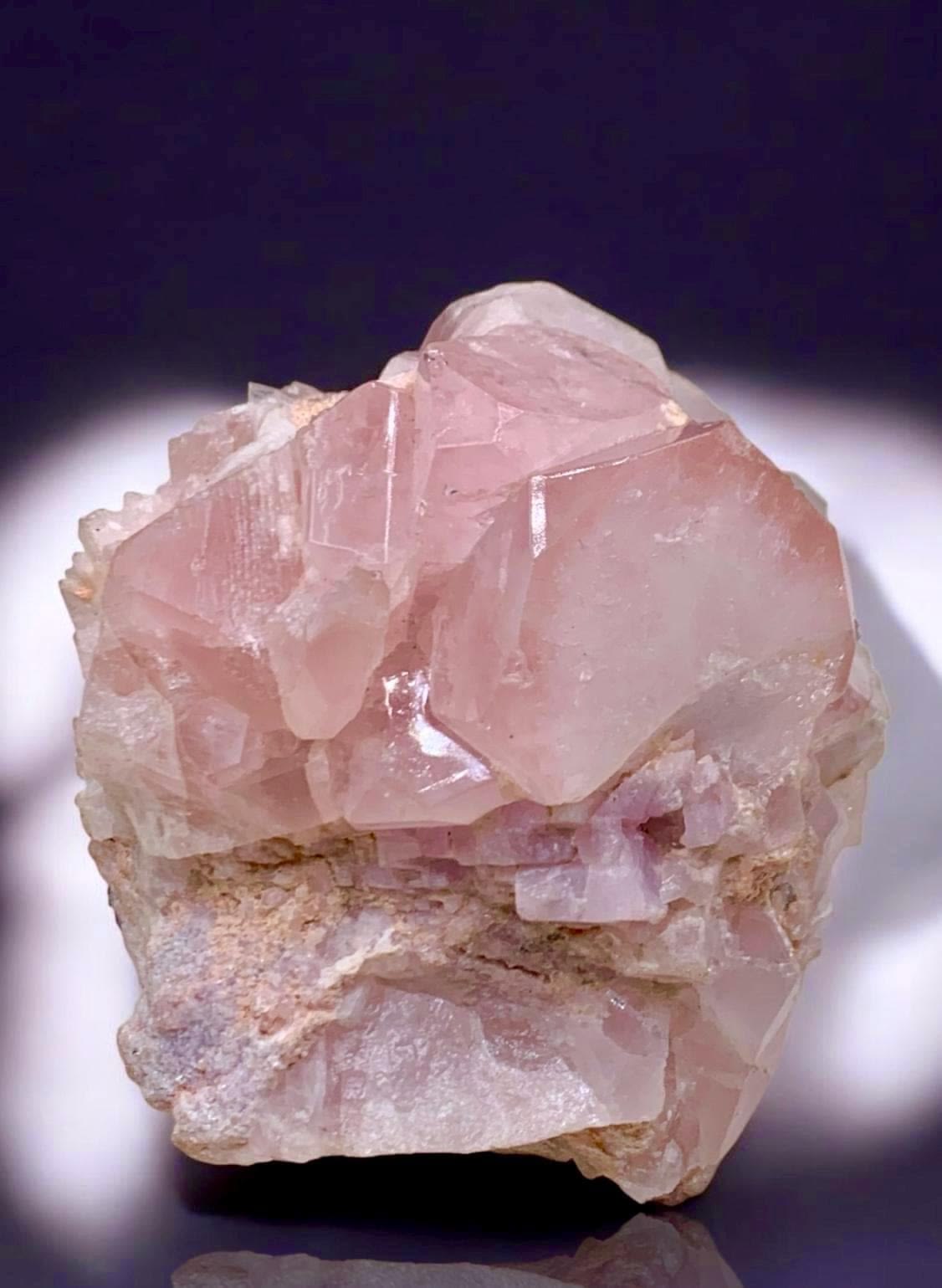
Morganite is most closely associated with the Heart chakra, where its gentle pink tones are often linked with compassion, tenderness, and emotional harmony.
Its energy is usually described as soft rather than forceful, making it a natural fit for heart-centred work and a supportive companion when other chakras need a calmer, more receptive approach.
Morganite's primary association. It is commonly linked with love, compassion, emotional balance, and the willingness to give and receive care with ease.
Morganite connects to the Heart chakra through its soft pink colour and its long-standing association with love, gentleness, and emotional harmony. It is often chosen when the heart needs a calmer, more tender tone.
Its energy is usually described as supportive rather than intense, which suits the Heart chakra's role in empathy, trust, affection, and balanced relating.
Because of this, Morganite is often used as a heart-centred stone for reflection, relationship work, and the quiet rebuilding of emotional openness.
Morganite is most often placed over the centre of the chest, where it aligns with the Heart chakra and supports a calm, open emotional field.
It can also be held in the hand during reflection or rest, especially when the aim is to work gently with feelings rather than push for quick change.
For jewellery, pieces that rest near the chest are usually the most direct match for Morganite's chakra focus.
Heart
The most direct jewellery choice for Morganite, as it sits close to the centre of the chest and keeps the stone near the Heart chakra throughout the day.
Morganite can be used with other chakras, but it is usually a secondary or supportive stone rather than a primary one outside the Heart centre. Its influence tends to be gentle, so it works best where a softer emotional quality is wanted.
When another chakra needs a more direct or specialised stone, Morganite is often paired with that stronger centre-specific crystal rather than used on its own. This keeps the focus clear while still bringing warmth and balance.
Its most useful role beyond the Heart is to soften, steady, and humanise the energy of other centres, especially when emotional ease, trust, or kindness would help the work feel less rigid.

Morganite may offer a sense of emotional safety and calm, which can be helpful when grounding feels tense or guarded. It is a soft secondary support rather than a true grounding stone, so pair it with a stronger Root crystal such as Black Tourmaline or Hematite when stability is the main aim.

It can gently support emotional warmth, closeness, and ease in intimate or creative matters, especially where the heart and feelings are closely involved. For deeper Sacral work, it is usually best paired with a more centre-specific stone such as Carnelian or Orange Calcite.

Morganite may soften self-criticism and encourage a kinder relationship with personal power. It is a subtle match here, so when confidence, will, or boundaries need more direct support, it is better used alongside a stronger Solar Plexus stone such as Citrine or Tiger's Eye.

It can support gentle, compassionate communication and help words feel less defensive. This is a secondary connection, and it works best with a clearer Throat stone such as Blue Lace Agate or Aquamarine when expression needs more precision or ease.

Morganite may bring a calm emotional tone to reflection and inner listening, which can help intuition feel less strained. It is not a primary Third Eye stone, so pair it with a more focused crystal such as Amethyst or Labradorite when insight is the main intention.

It can add a soft, devotional quality to spiritual practice and help the heart stay open during contemplation. For stronger Crown work, it is usually best combined with a more direct stone such as Clear Quartz or Selenite.
Got questions?
We've got answers!
Morganite is mainly associated with the Heart chakra, where it is linked with love, compassion, gentleness, and emotional harmony.
Yes. It can be used as a soft supporting stone for other chakras, but it is usually best treated as a secondary match outside the Heart centre.
The centre of the chest is the most common placement, especially for meditation, rest, or quiet emotional reflection.
A necklace or pendant is usually the best choice, because it sits closest to the Heart chakra.
Not usually. It is better viewed as a gentle companion stone that can support and soften chakra work rather than replace a more specific centre-focused crystal.