Crystal Pairings
Some stones feel lovely on their own. Others seem to come alive when they sit beside the right companion. People pair crystals for comfort, focus, protection, or a gentler sense of balance. A thoughtful pairing can feel simple, calm, and deeply personal.
Crystal pairings starting with A

Crystal pairings starting with B
Crystal pairings starting with C

Crystal pairings starting with D
Crystal pairings starting with E
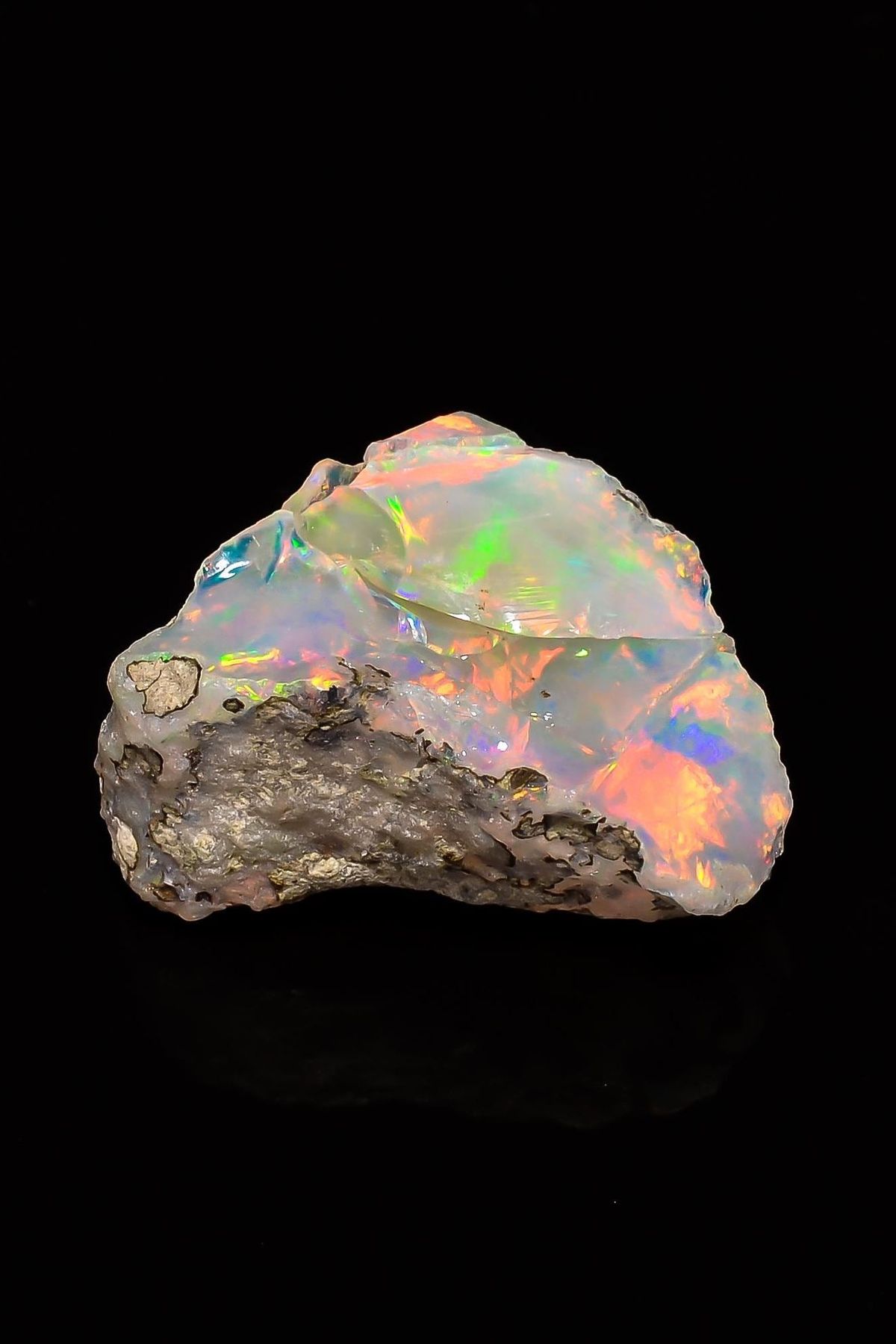
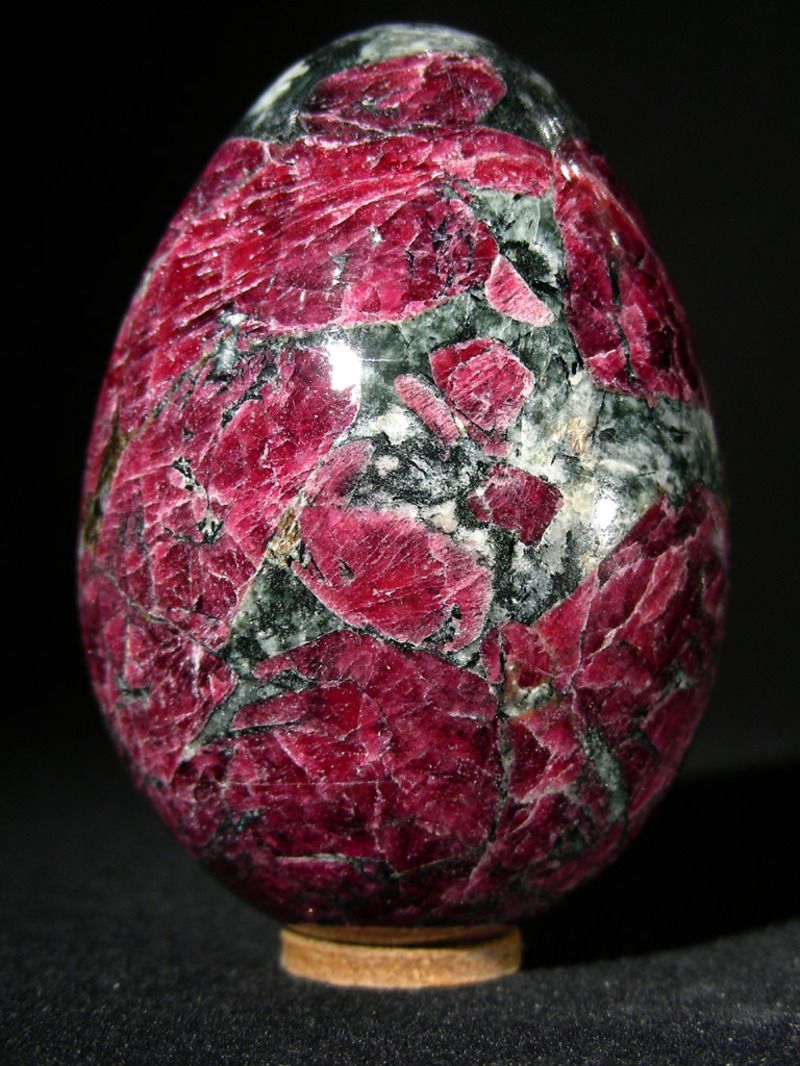
Crystal pairings starting with F
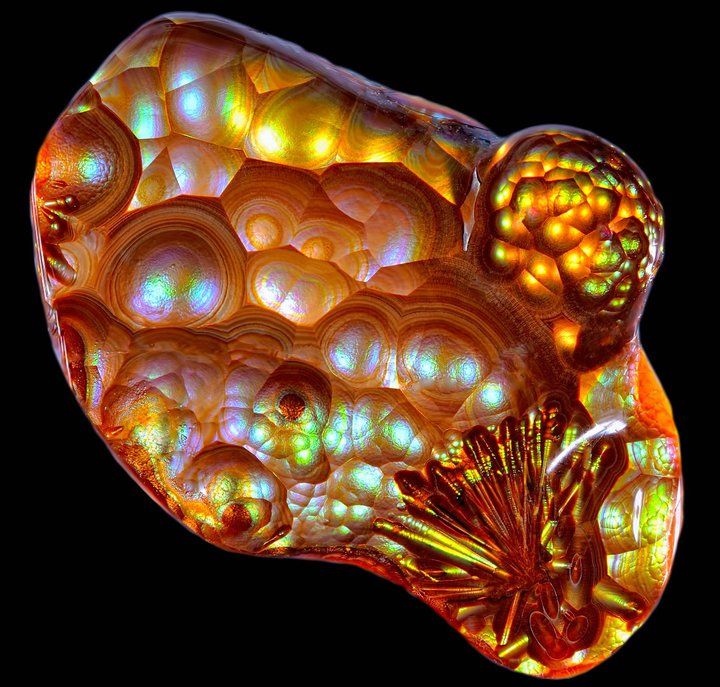
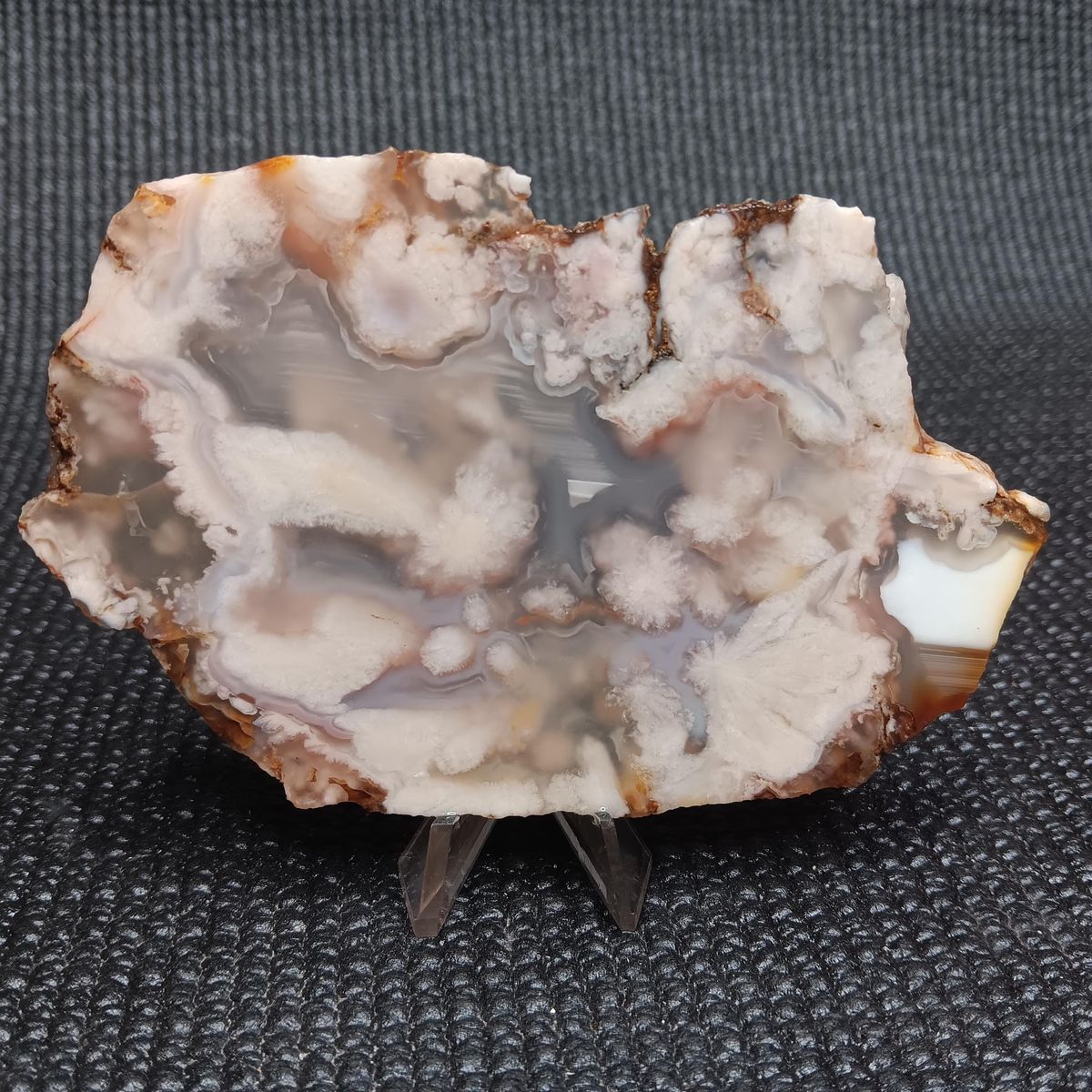
Crystal pairings starting with G
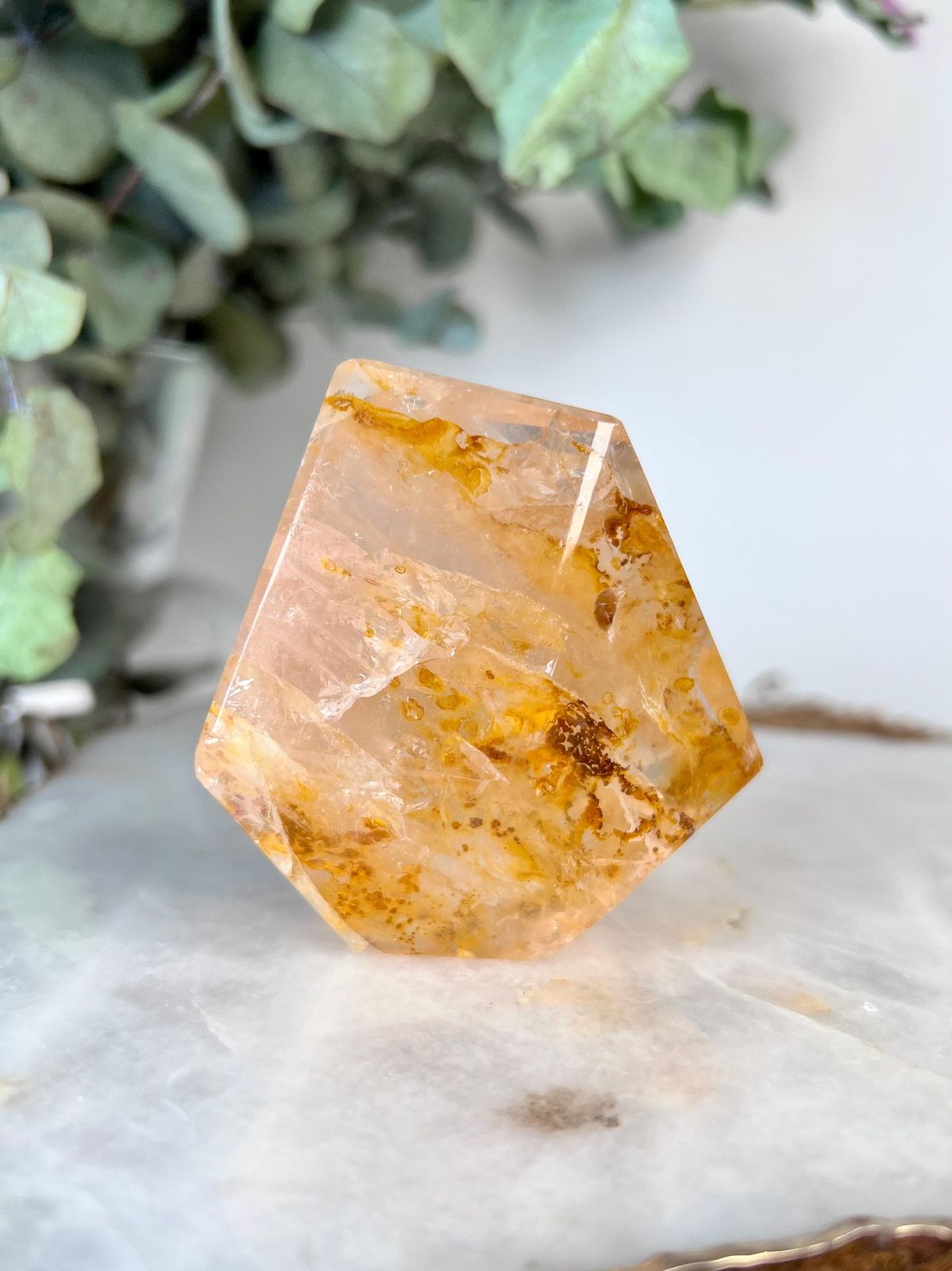
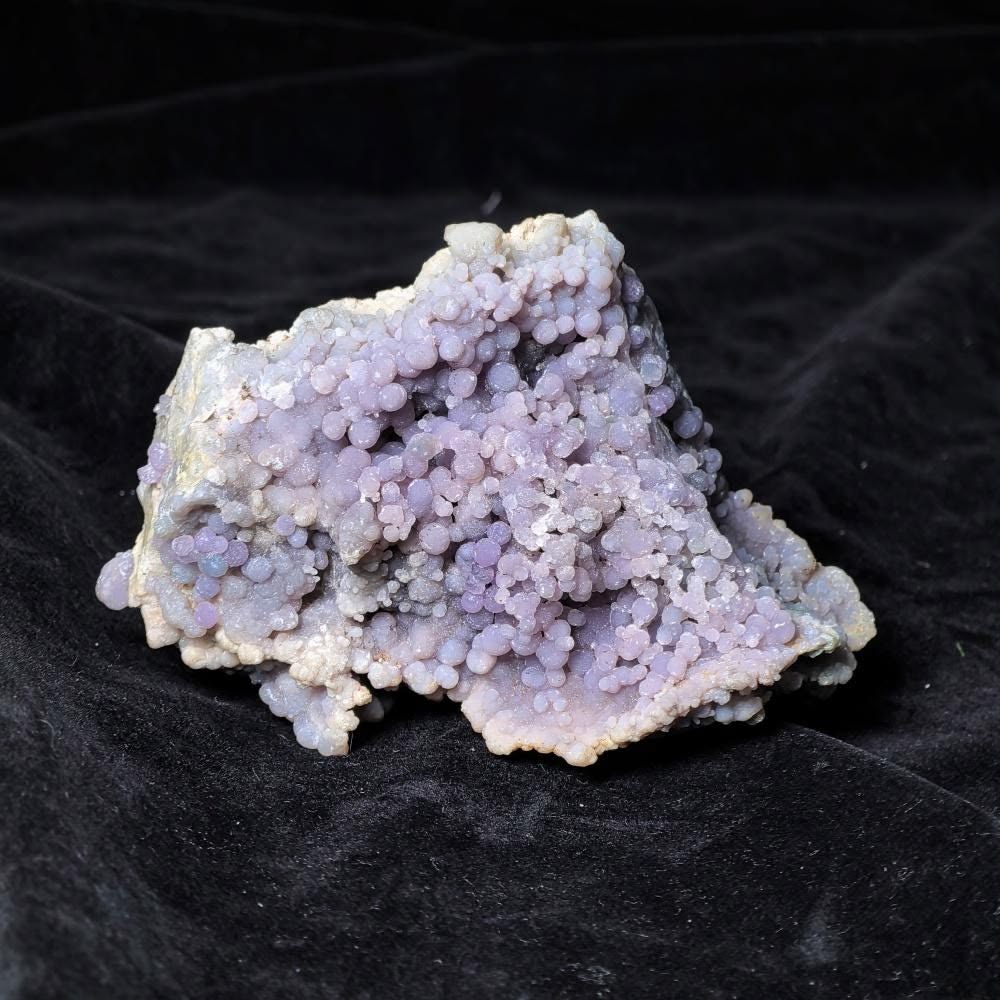
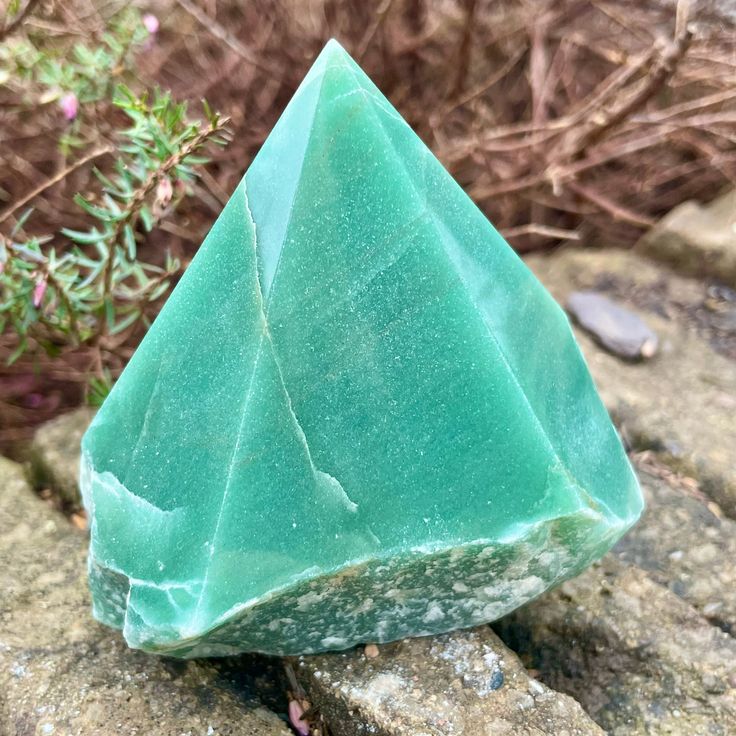
Crystal pairings starting with H
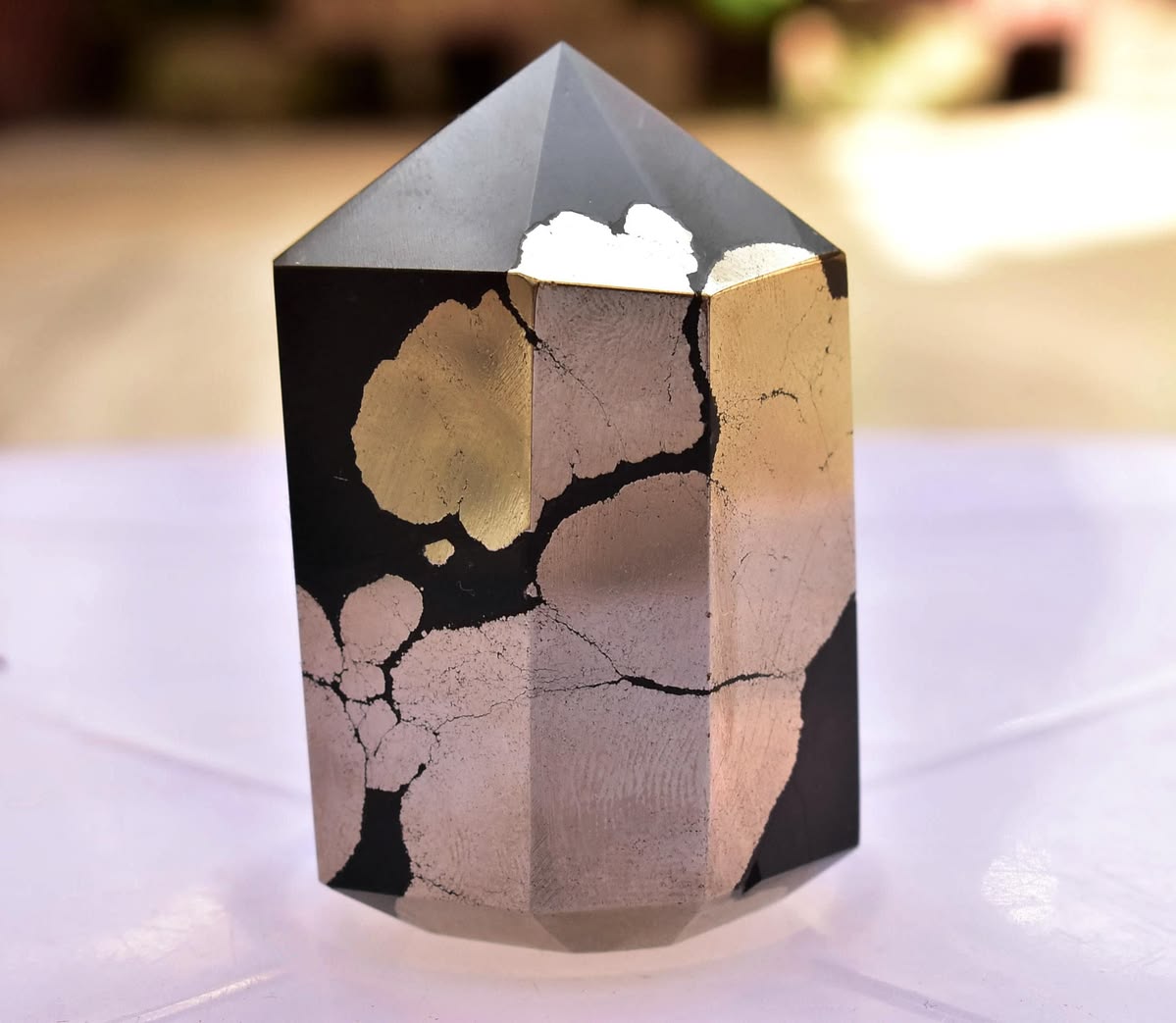
Crystal pairings starting with I
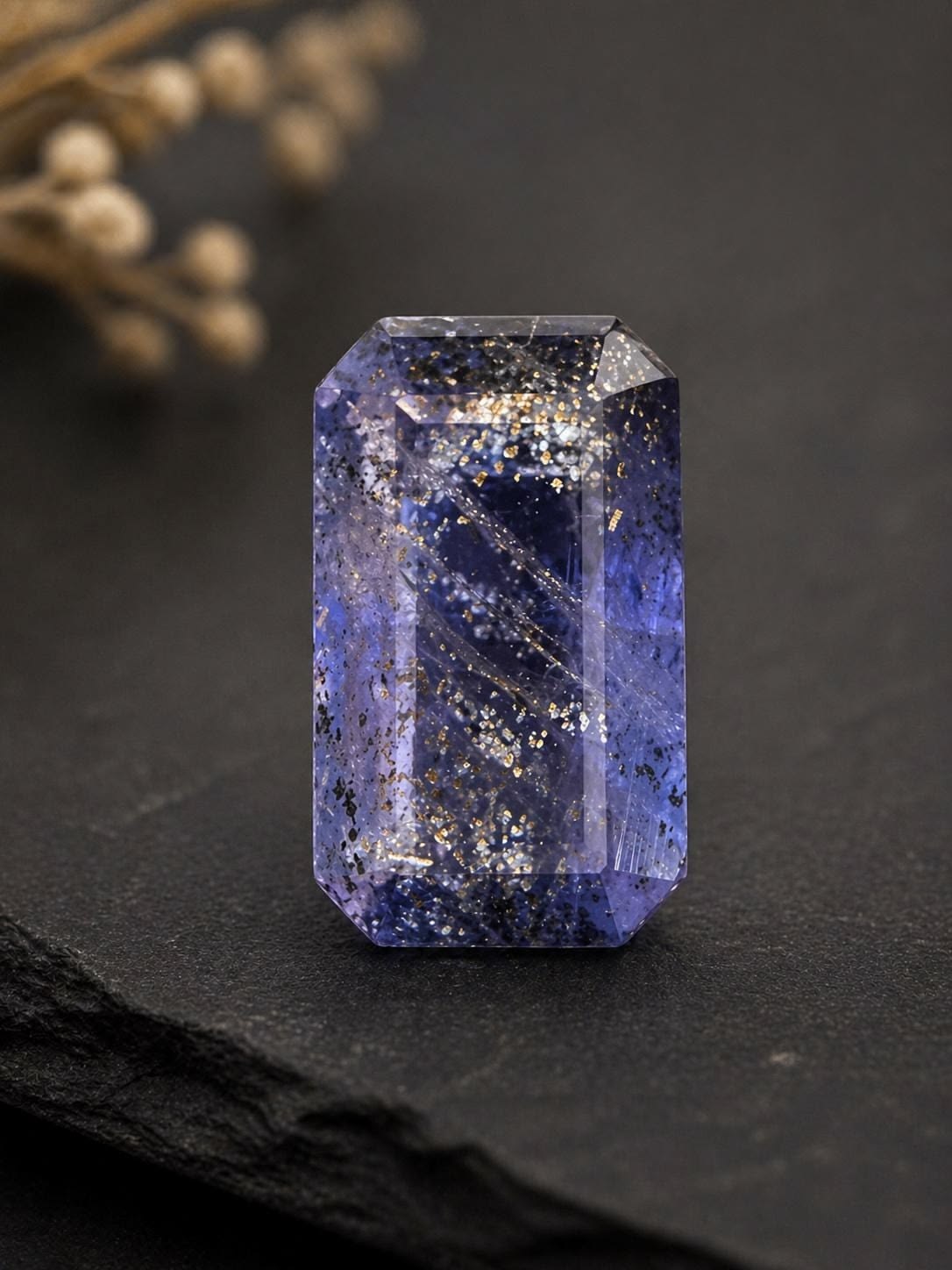
Crystal pairings starting with J
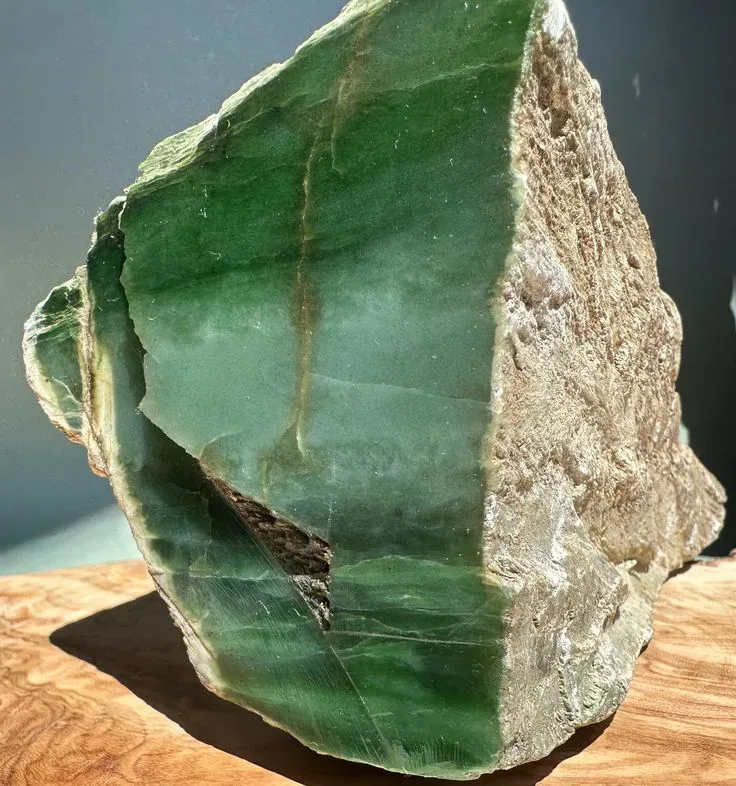
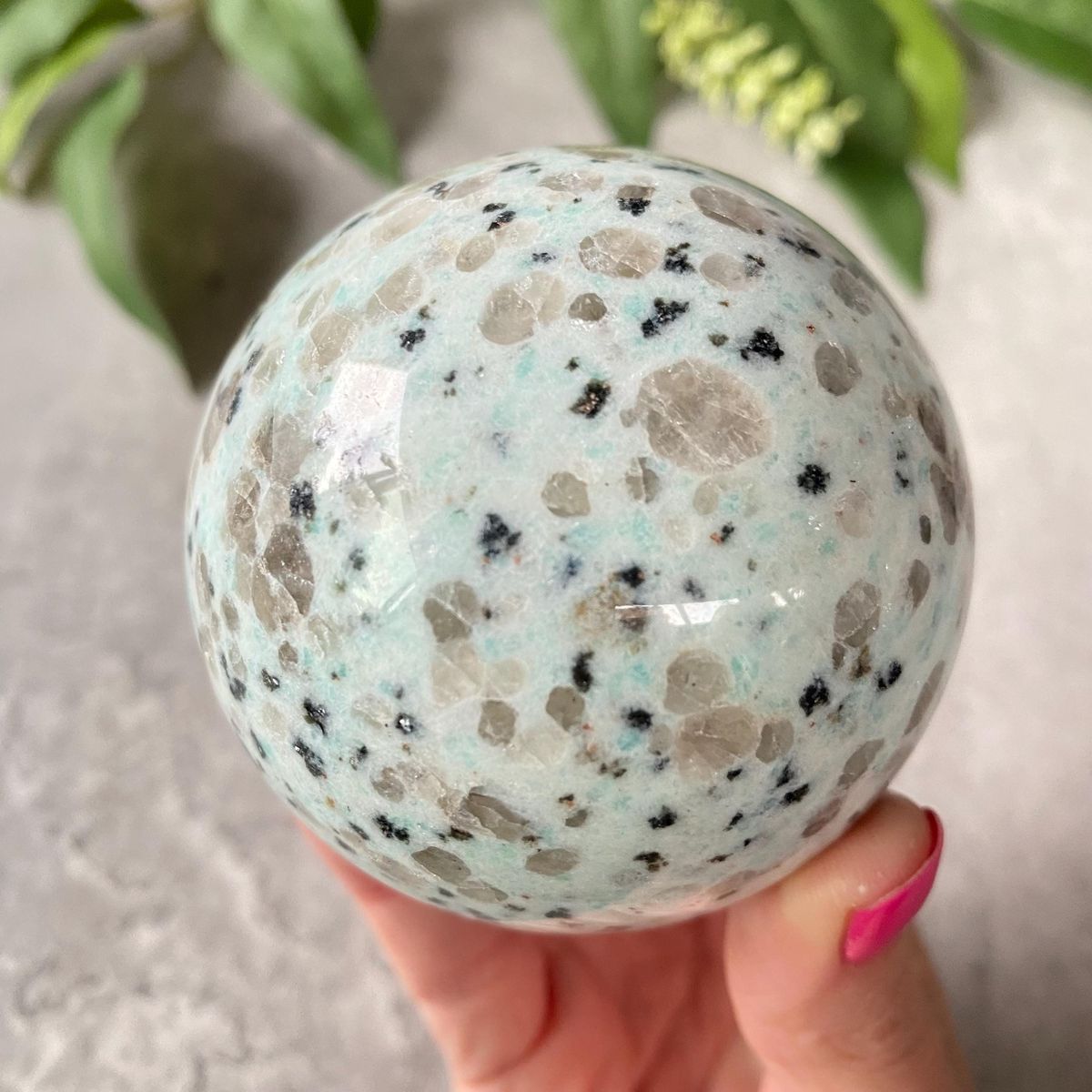
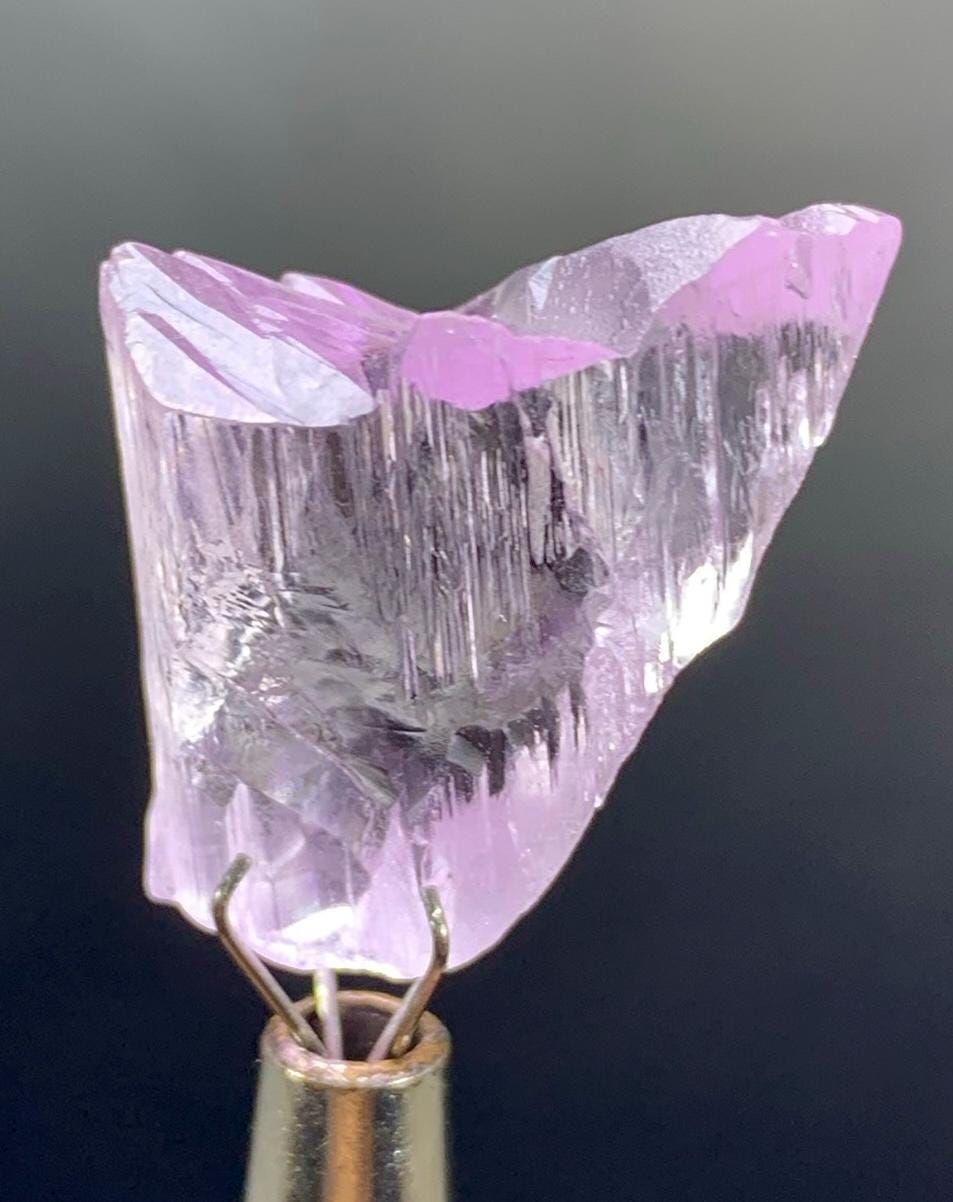
Crystal pairings starting with K
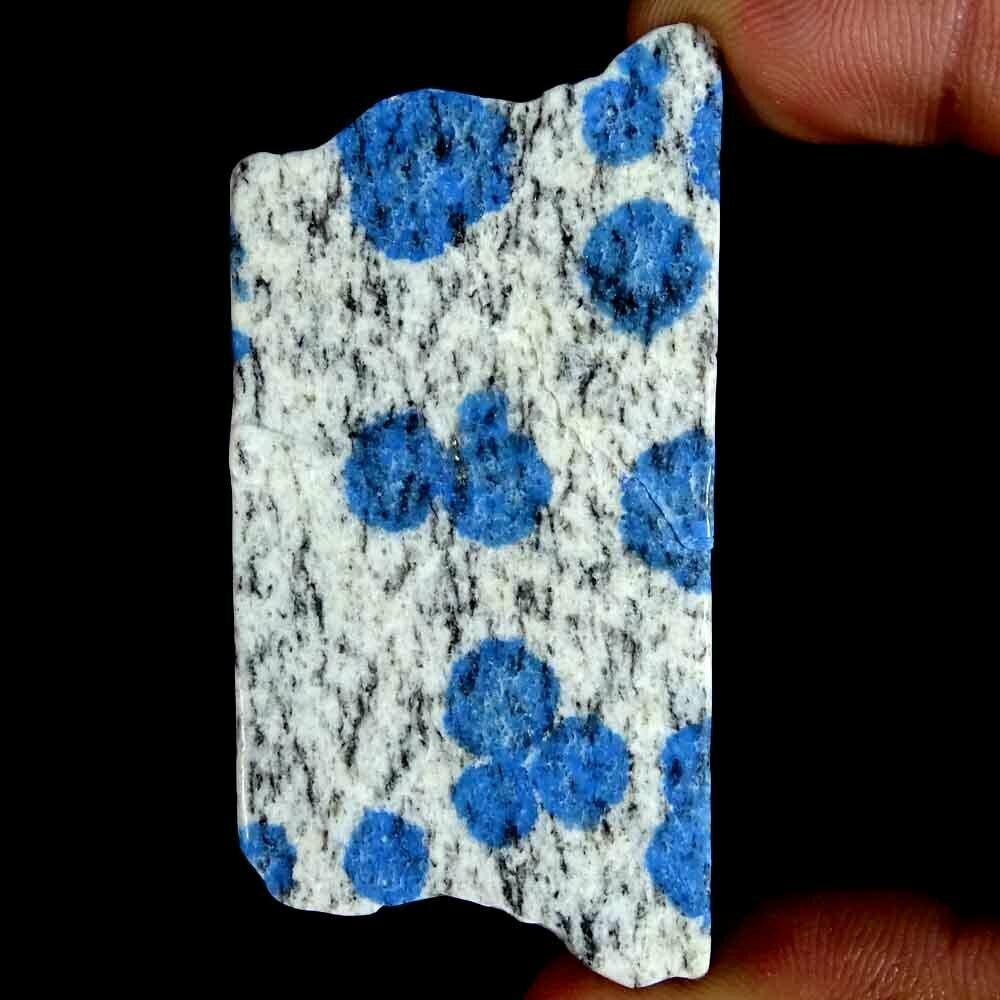
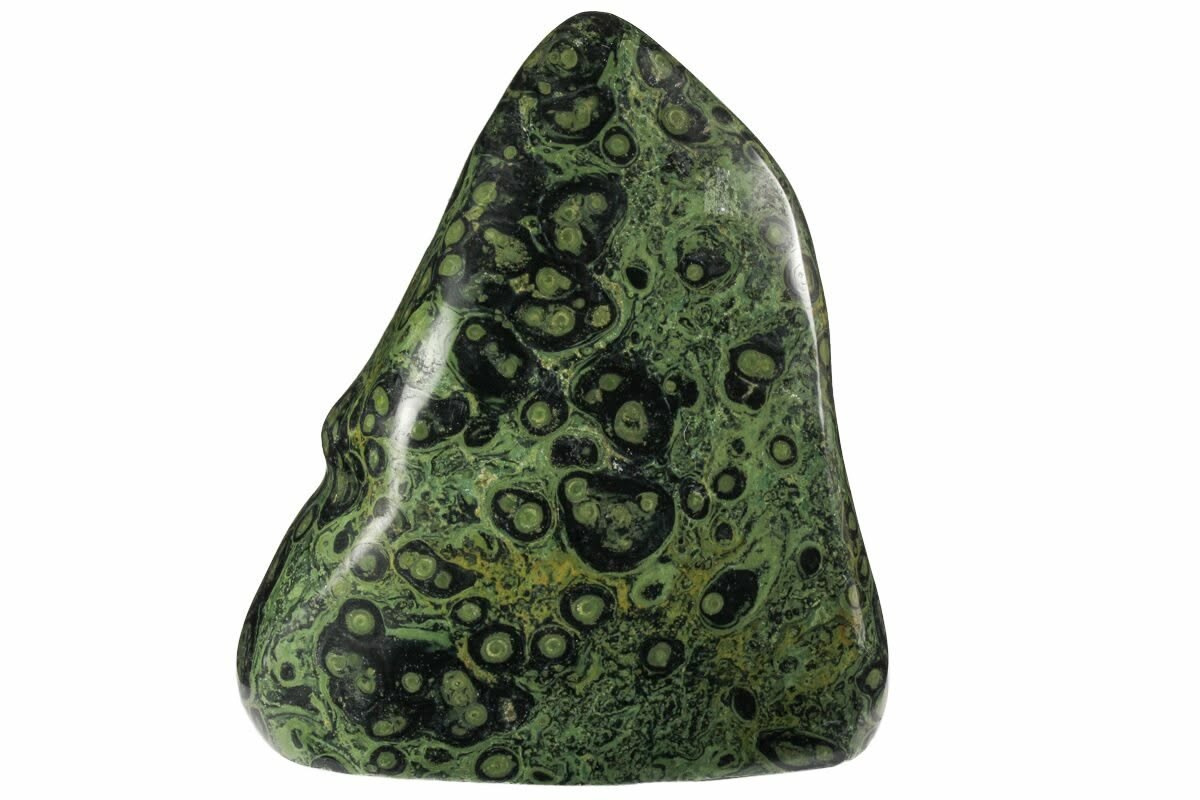
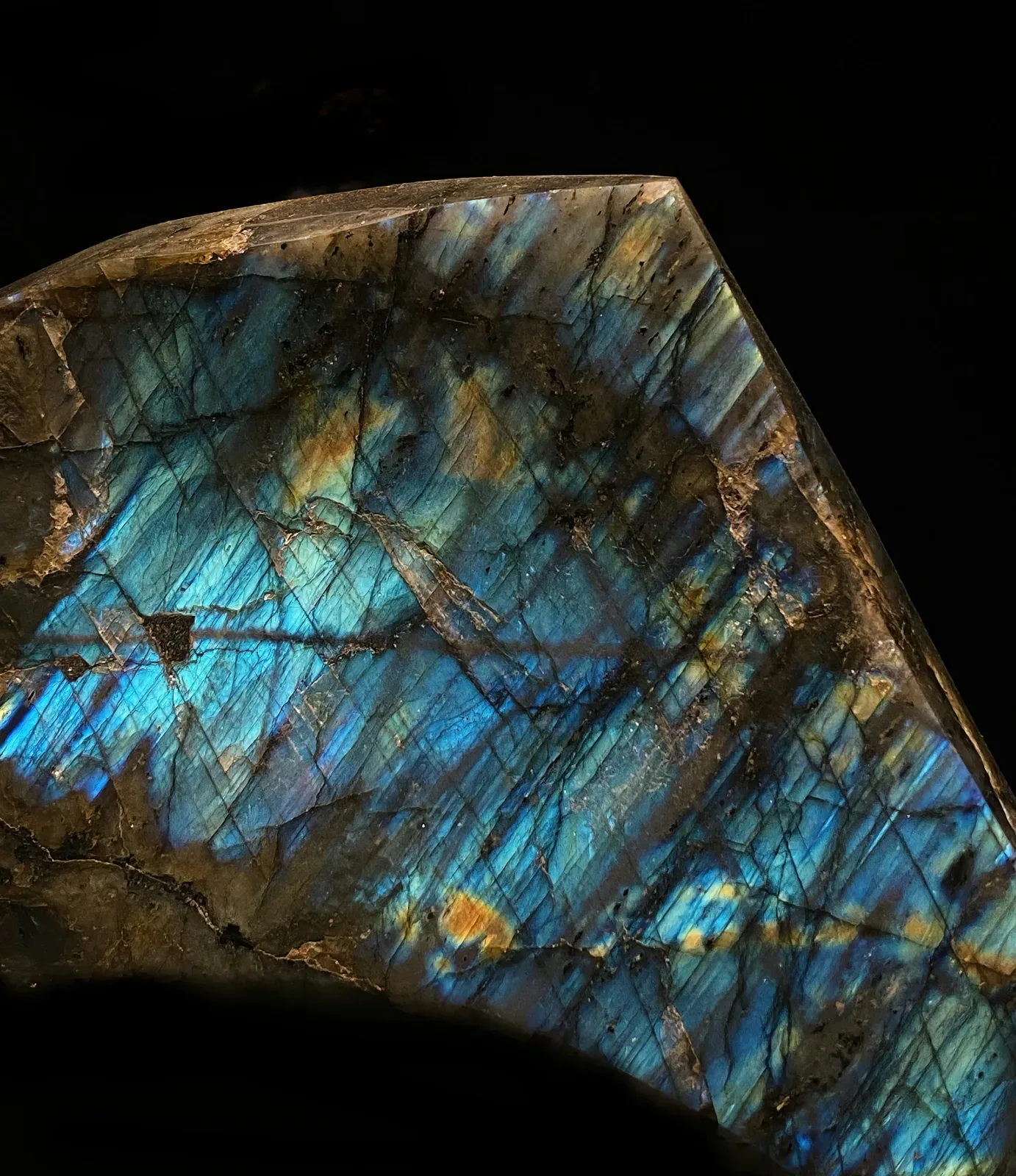
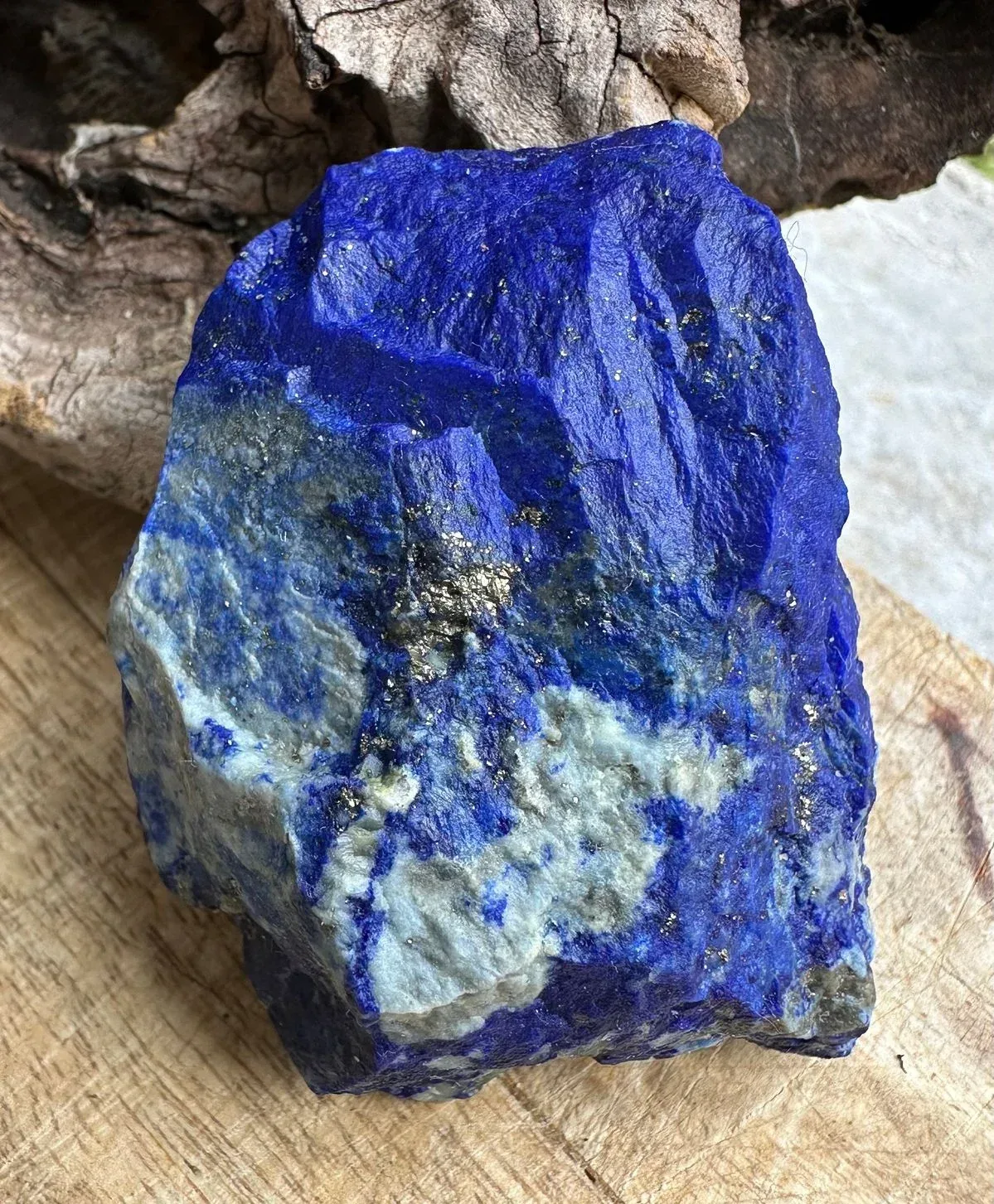
Crystal pairings starting with L
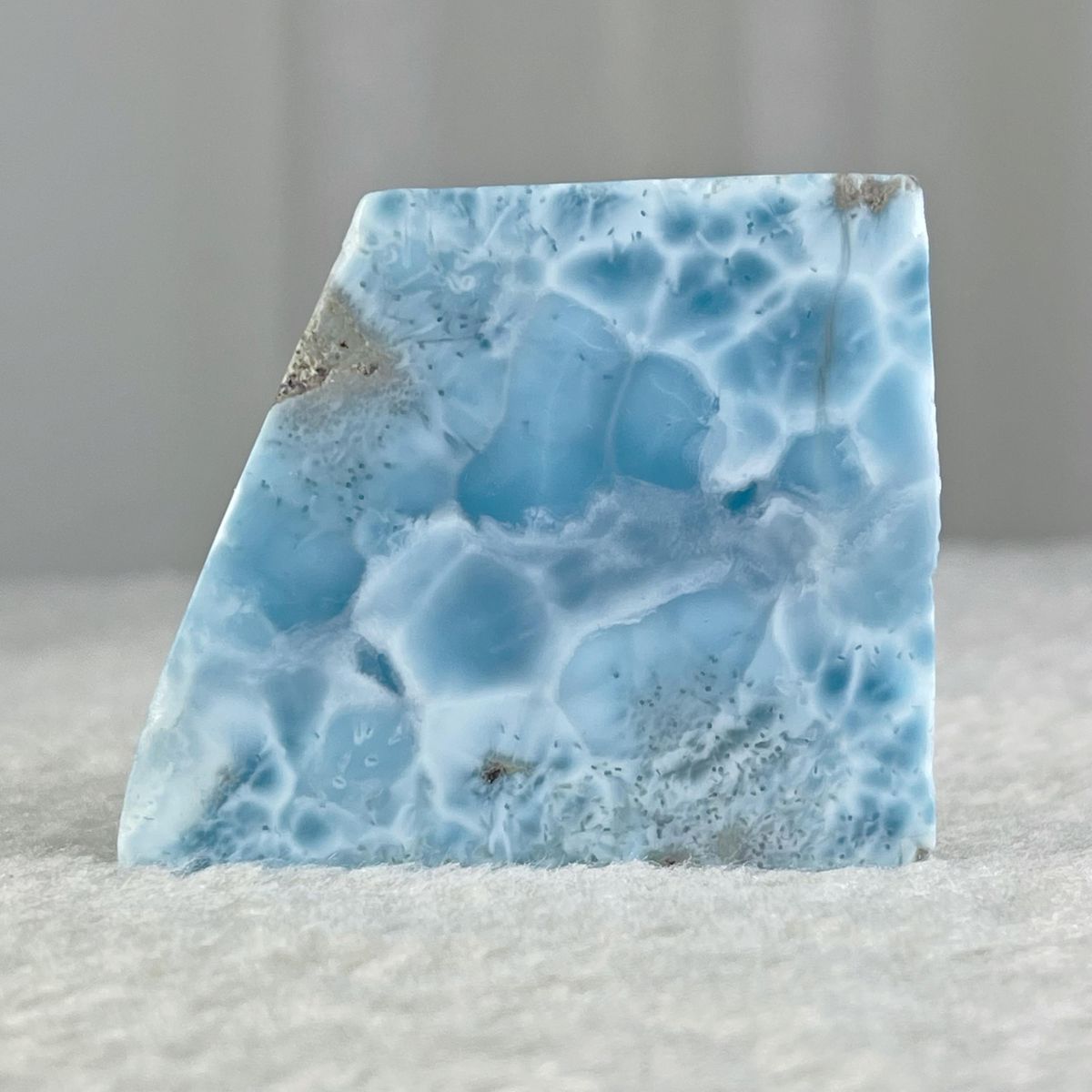
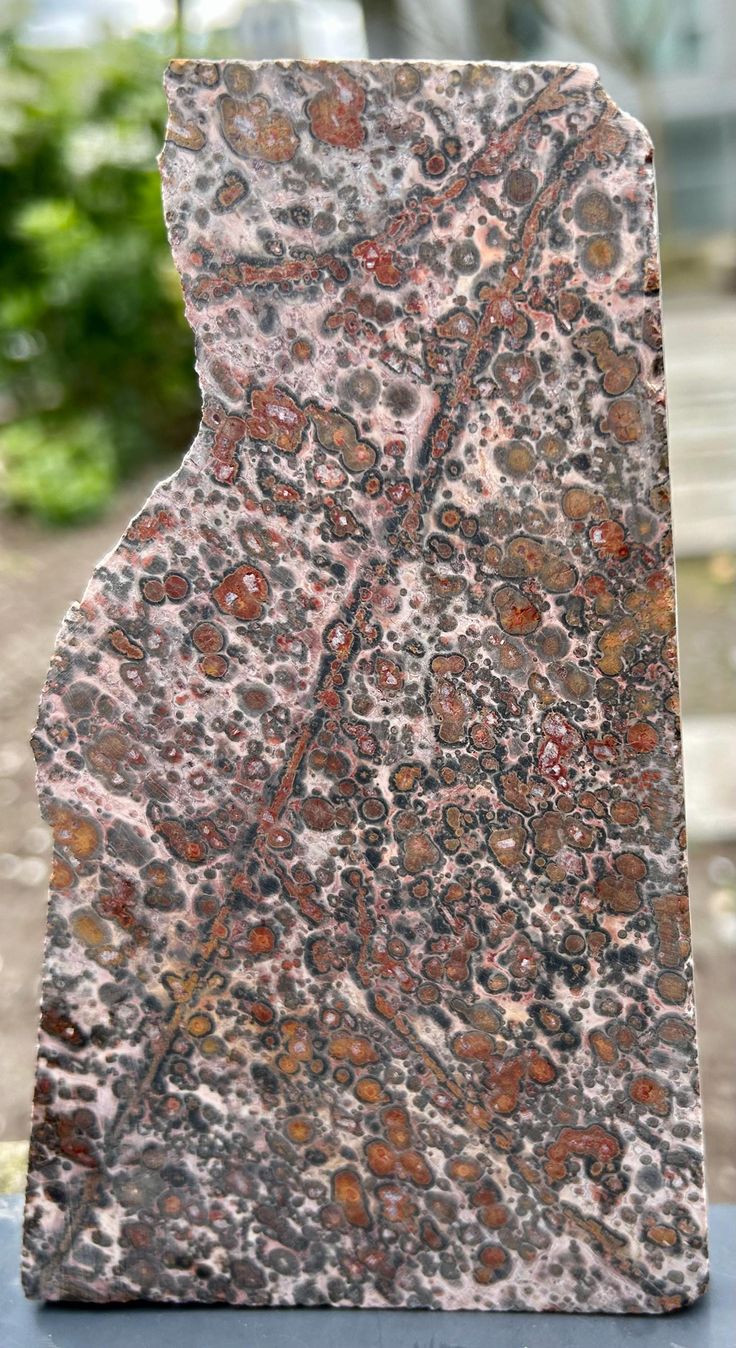
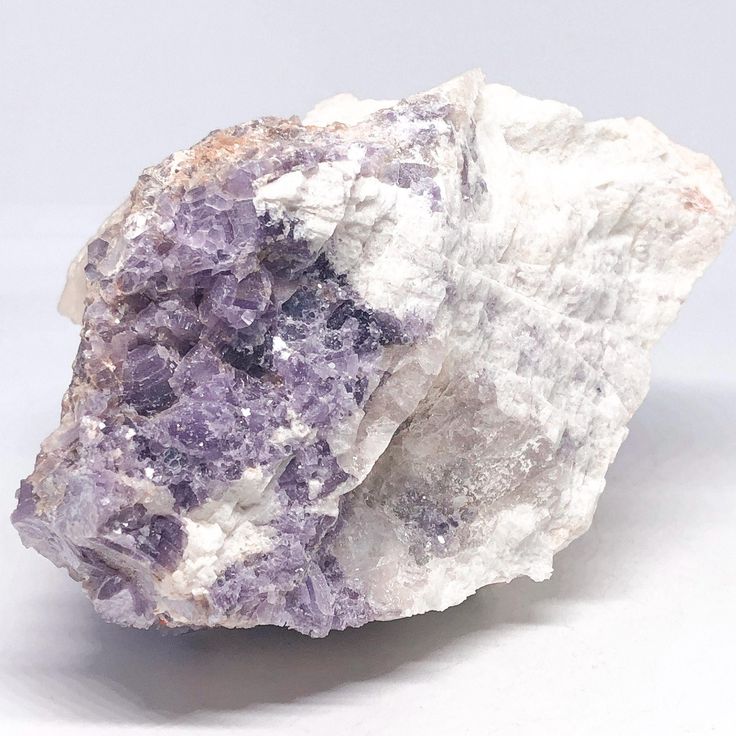
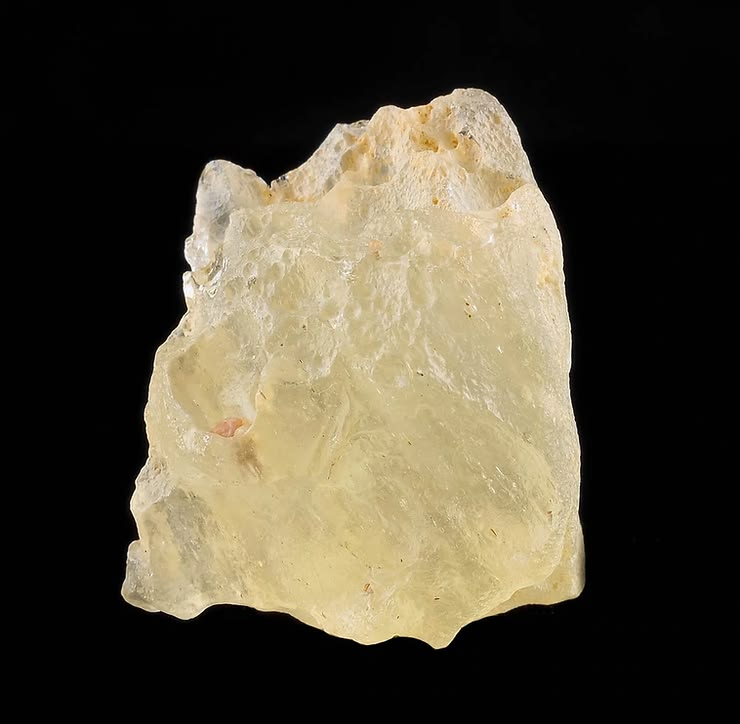
Crystal pairings starting with M
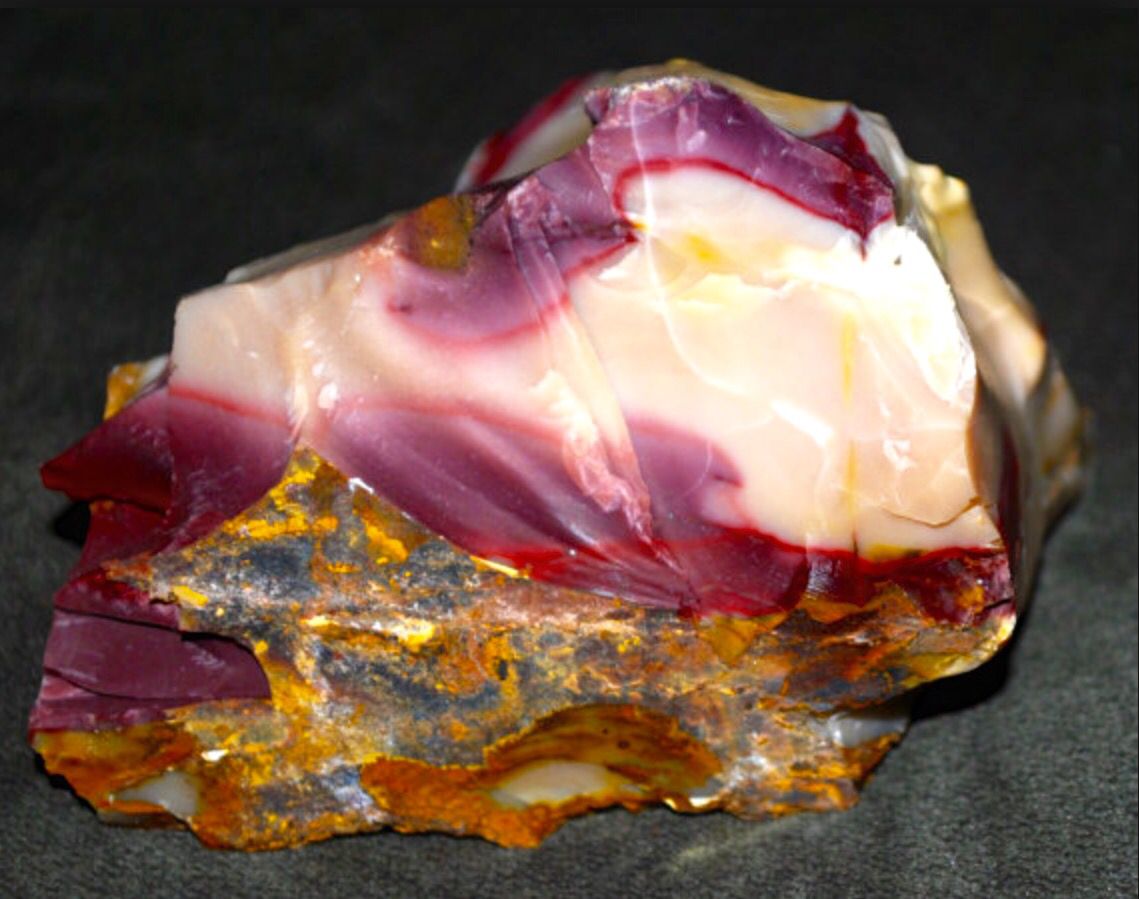
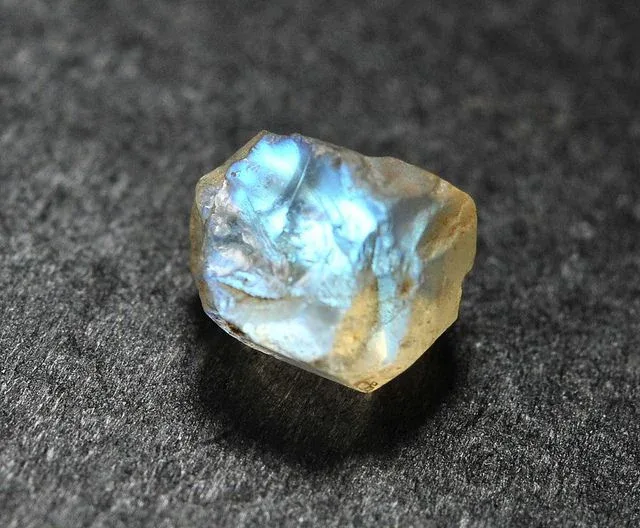
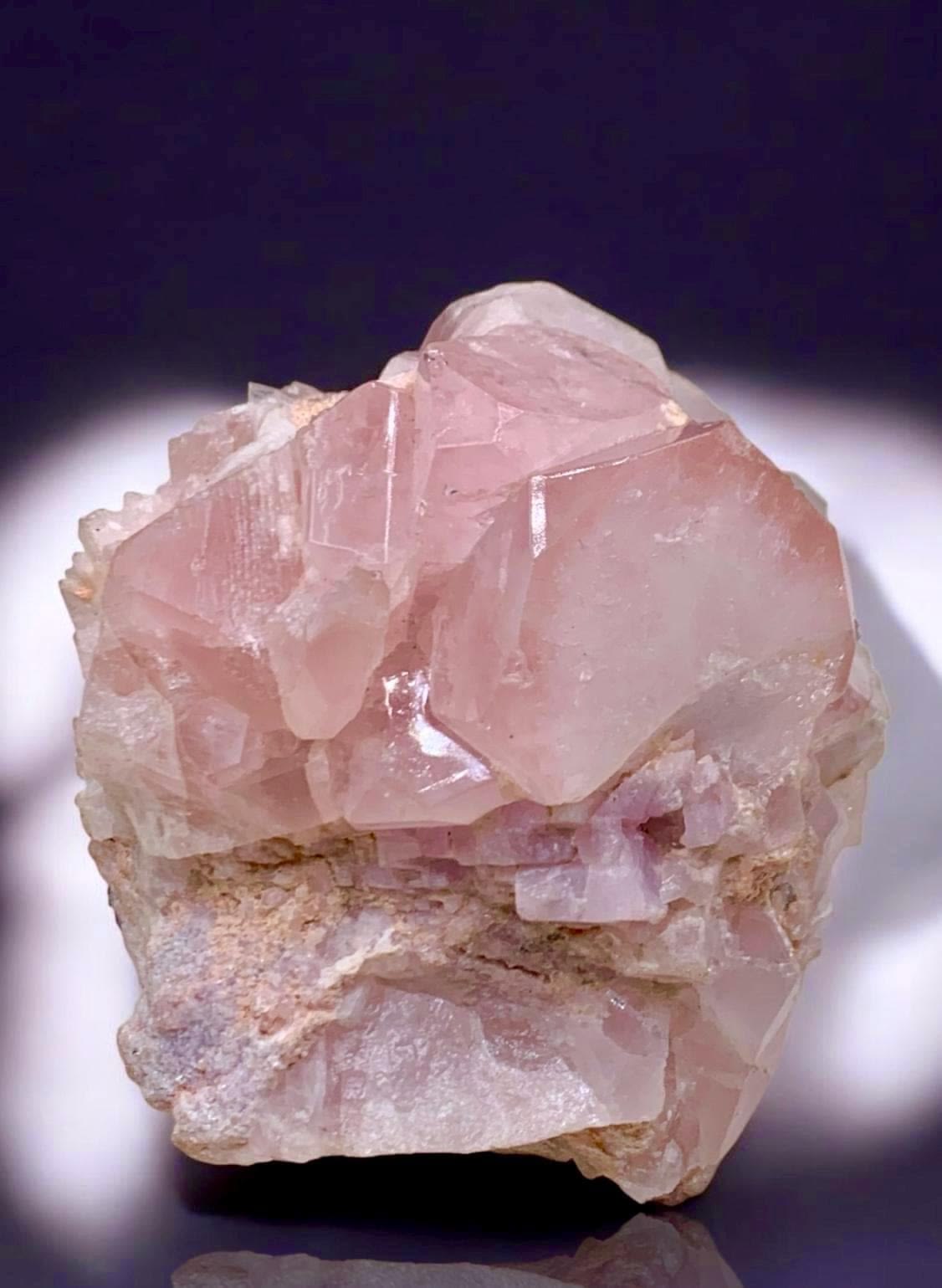
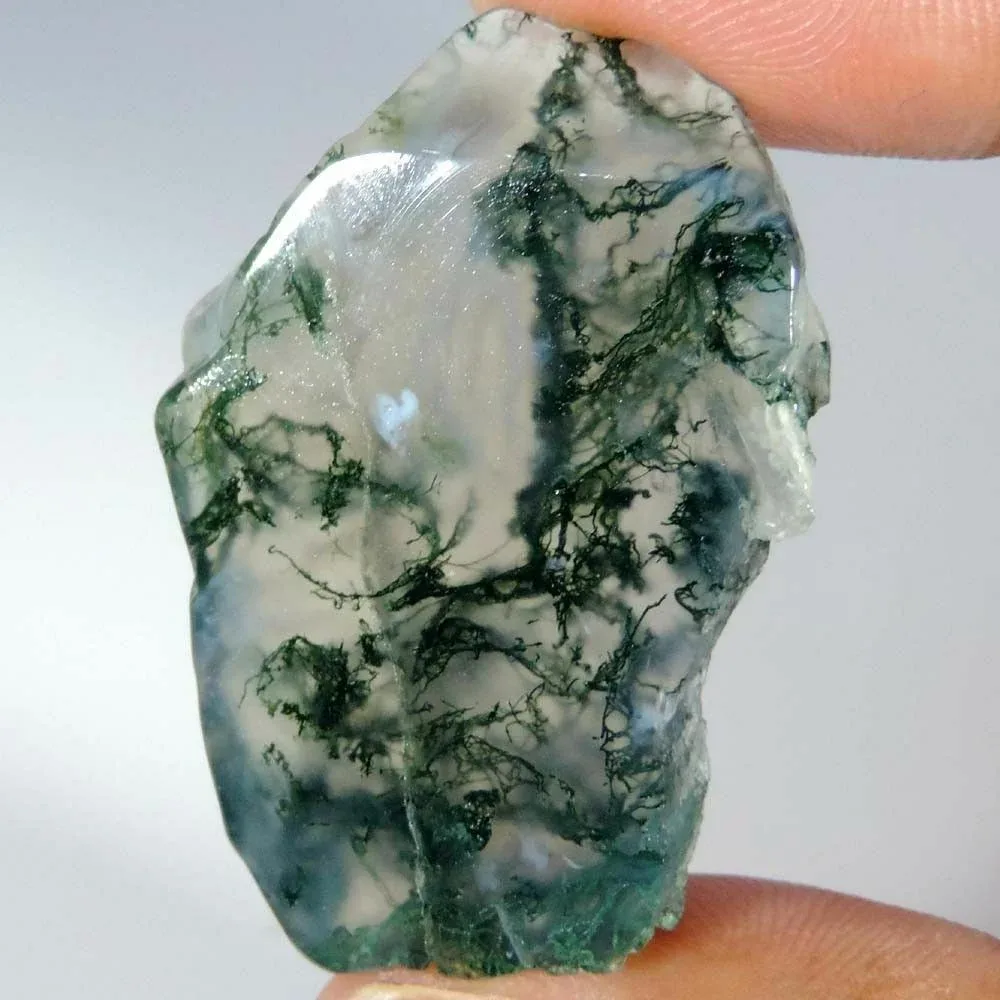
Crystal pairings starting with N
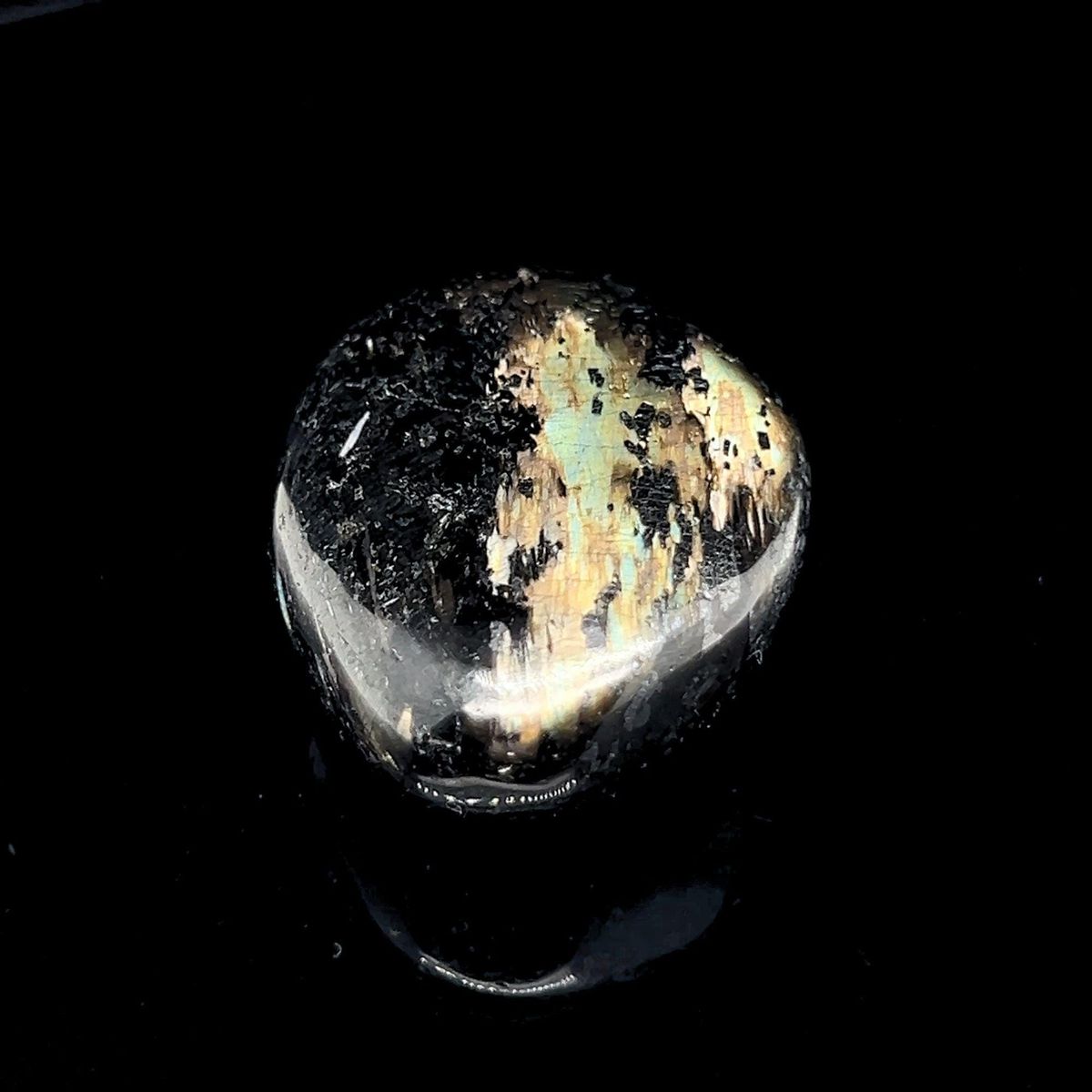
Crystal pairings starting with O
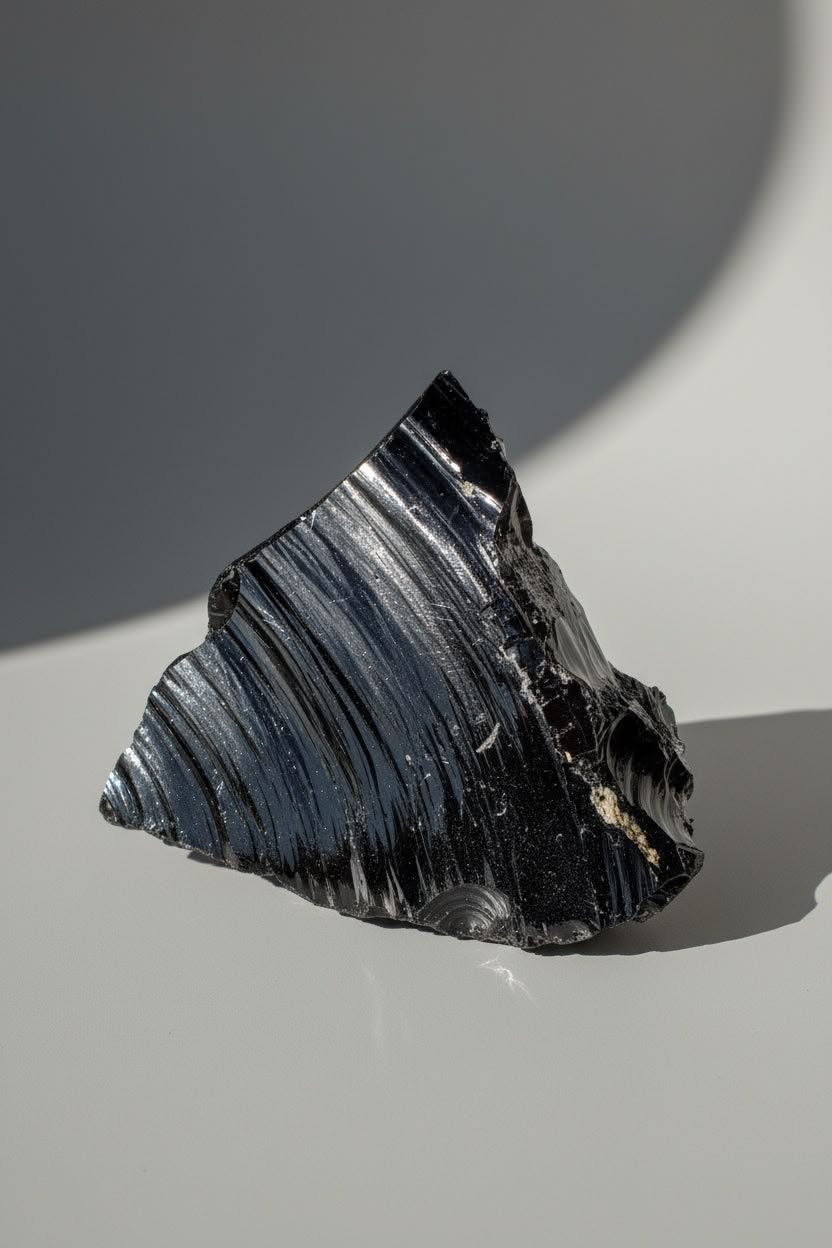
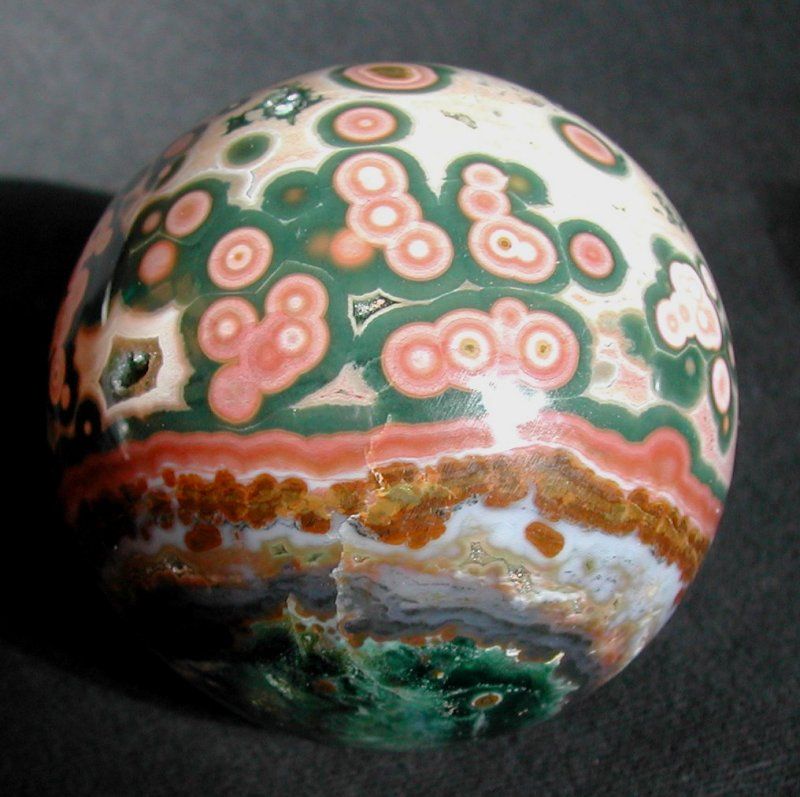
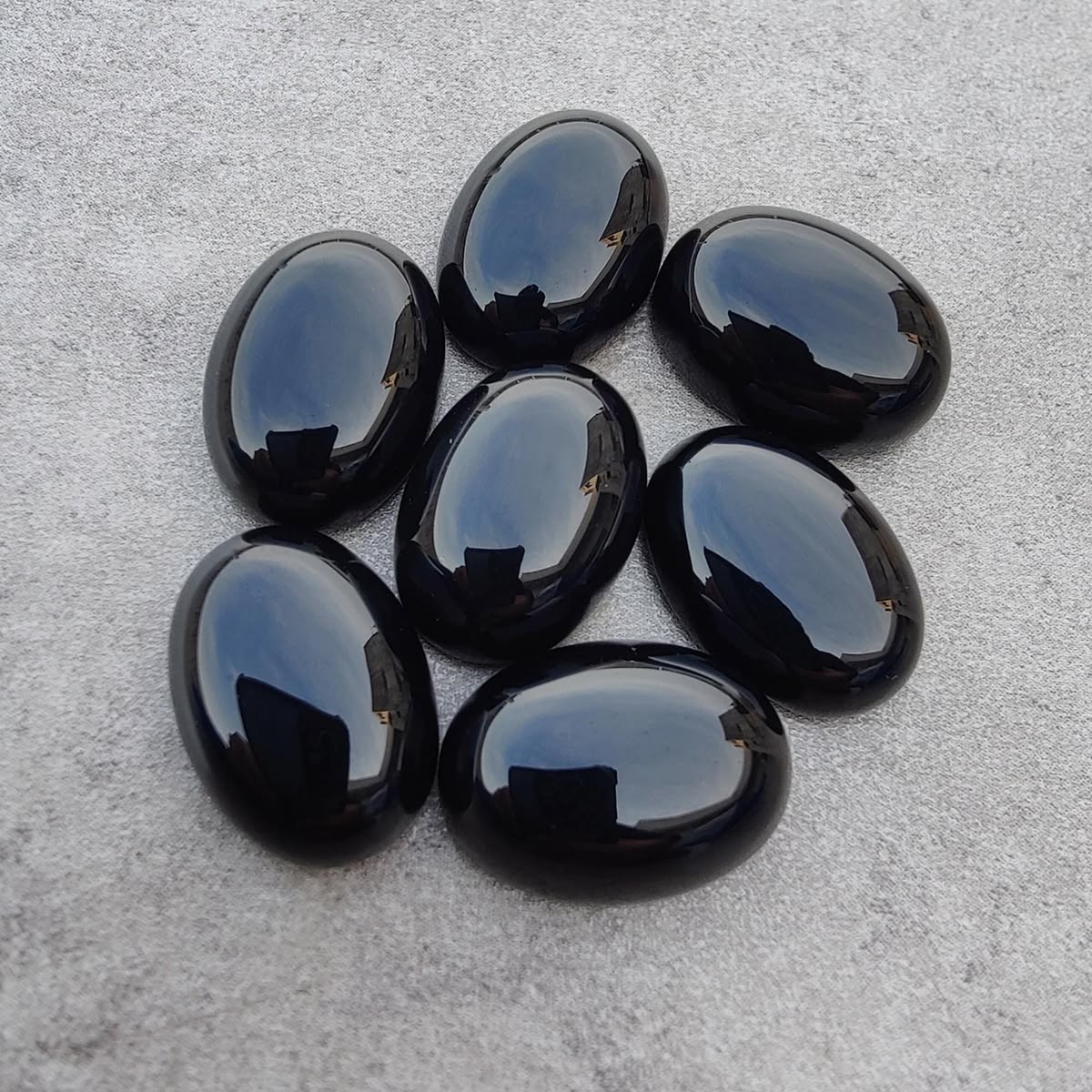

Crystal pairings starting with P
Crystal pairings starting with Q
Crystal pairings starting with R
Crystal pairings starting with S

Crystal pairings starting with T
Crystal pairings starting with U
Crystal pairings starting with V
Crystal pairings starting with W
Crystal pairings starting with Z
What are crystal pairings?
Crystal pairings are simply two or more stones chosen to work together. The idea is not complicated. One crystal brings one quality, and another adds a second layer that shapes the overall feel.
People use pairings in meditation, on altars, in pockets, on desks, and in jewelry. They are also common when someone wants a small set of stones for a clear purpose, such as calm, confidence, or protection.
This is different from owning a single crystal and letting it stand alone. A lone stone can feel direct and focused, while a pairing can soften, deepen, or balance that feeling by adding another voice.
The best pairings do not need to be dramatic. Often they are quiet combinations that make sense together and feel easy to live with.
Why pair crystals together?
Pairing stones gives you more than one kind of support at once. One crystal may steady the mood while another keeps the mind clear, so the whole set feels more rounded.
There is also a symbolic side to it. Two stones can mirror a need for balance, like softness with strength, or calm with courage. That contrast can make an intention feel more complete.
Sometimes one stone is not enough because the moment asks for more than one quality. A busy day may need grounding and focus. A tender season may need comfort and boundaries at the same time.
Pairings can also make a practice feel more personal. Choosing stones together encourages you to notice what you actually need, rather than reaching for the same crystal every time.
What makes two crystals a good pairing?
A good pairing usually shares a clear aim. The stones do not have to be identical, but they should point in the same general direction so the energy feels coherent rather than muddled.
Balance matters too. A strong, fiery stone often feels better with something that steadies it, while a soft, dreamy stone may benefit from a clearer or more grounding companion.
The physical feel matters more than many people expect. If the stones feel pleasant together in the hand, look harmonious side by side, or seem easy to wear or carry, that often tells you a lot.
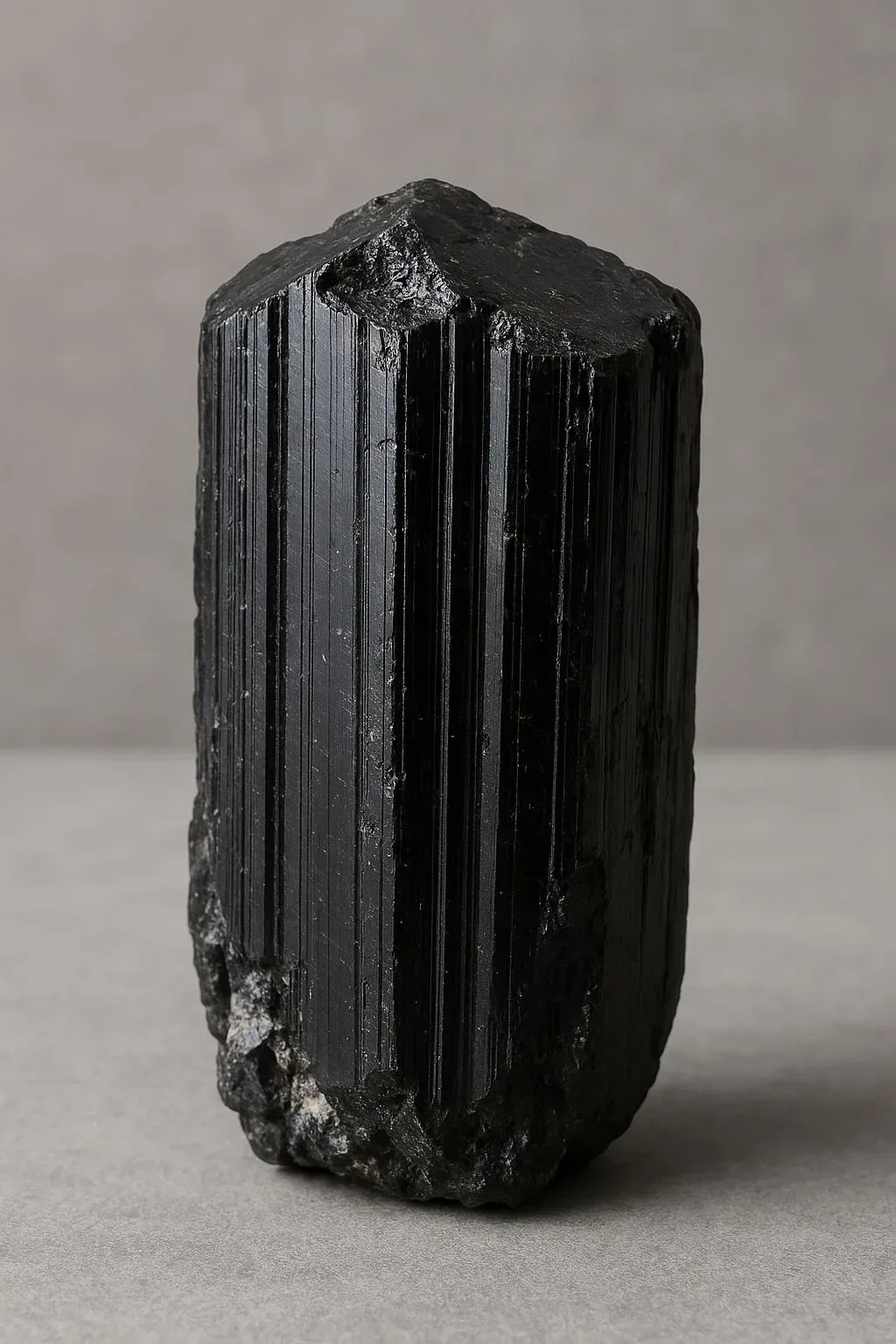
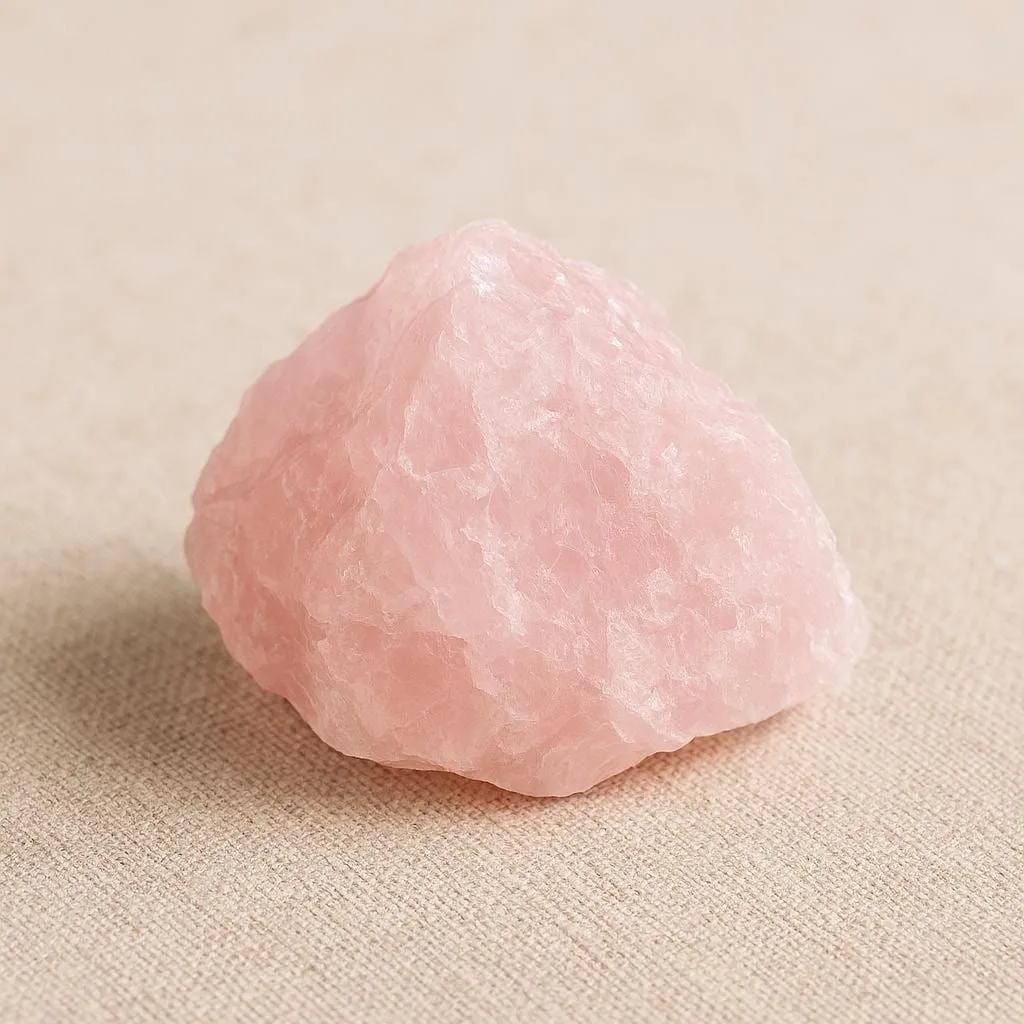
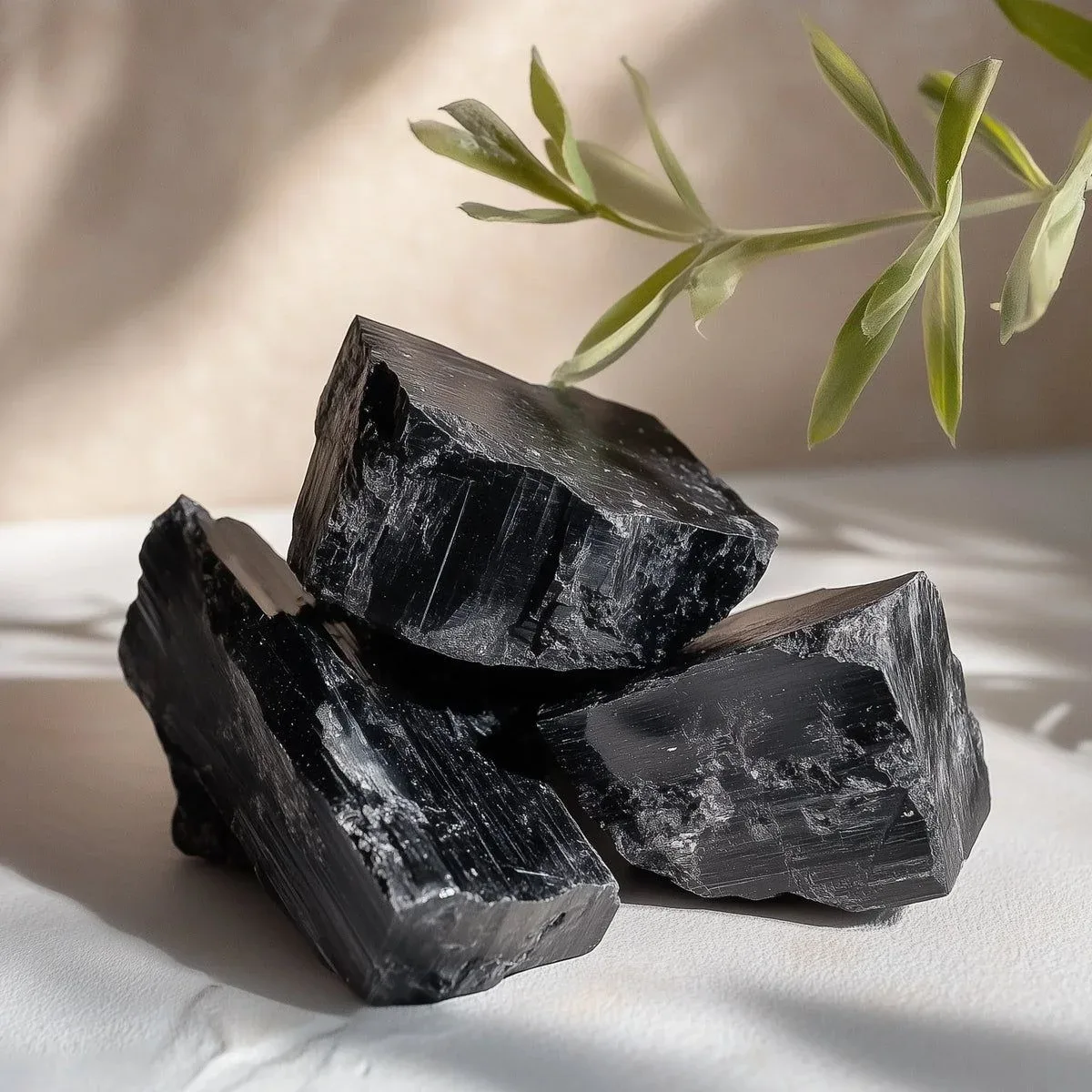
A good pairing often feels clear in the hand - Rose Quartz with Clear Quartz for soft clarity, or Black Tourmaline with Citrine when you want steadiness with lift.
How to choose crystals to pair together
Start with the feeling you want to create, not with a long list of stones. A pair works best when it has a simple purpose, because that keeps the choice calm and easy to trust.
Then notice what kind of support is missing. You may already have a stone that brings confidence, but need something that softens the edges, clears the mind, or helps you stay grounded.
Let the stones feel their way into the decision. Color, texture, weight, and the mood they give off can all help you decide whether they belong together.
- Choose one main intention. Begin with the heart of the matter, such as calm, focus, protection, or confidence. A pair becomes much easier to choose when it is serving one clear need.
- Add a balancing quality. Look for a second stone that supports the first without repeating it too closely. If one crystal feels bold, the other might feel soothing, grounding, or clarifying.
- Notice the mood of the stones. Some stones feel bright and active, while others feel quiet and steady. The mood they create together matters just as much as the names on the label.
- Think about how you will use them. A pair for a pocket, desk, or altar can be slightly different from one for jewelry. Practical use affects size, comfort, and how often you will actually keep them with you.
- Keep the set small at first. Two stones are often enough to begin with. Starting small makes it easier to notice what each crystal brings and whether the pairing feels natural.
Should crystal pairings have similar or complementary properties?
Both approaches can work well, and the better choice depends on what you want from the pair. Similar properties can create a very steady, focused feel because both stones are pointing in the same direction.
Complementary properties often bring more balance. One crystal may be soothing while the other is energizing, or one may support communication while the other helps with calm and confidence.
Similar pairings are useful when you want to deepen one quality without too much change in tone. Complementary pairings are helpful when you want a fuller response to a situation, especially if it has more than one layer.
Many people enjoy a mix of both. The key is that the stones should feel like they belong in the same conversation, even if they are saying different things.
When should you pair crystals?
Pairing is useful whenever a moment feels layered. Some days ask for more than one kind of support, and a pair can make that easier to hold.
It can also be helpful when you are moving between states, such as from stress into rest, or from hesitation into action. The stones can act like a gentle bridge.
- Before a busy day. A pair can help you feel more prepared when you need both focus and steadiness. This is a good time for stones that keep you clear without making you feel rushed.
- During meditation or reflection. Two stones can shape the mood of a quiet practice, especially if one supports stillness and the other deepens insight. The pair gives your attention a simple place to land.
- When you want to carry an intention. A pocket pair or pendant can keep a theme close through the day. This works well when you want a reminder that is subtle rather than loud.
- In times of change. Change often asks for both courage and stability. A pair can reflect that need by holding movement and grounding together.
- When your space feels unsettled. Placing two stones together on a desk, shelf, or bedside table can help a room feel more intentional. The pair can set a tone without needing much fuss.
Are there crystals that should not be paired together?
Some combinations feel busy rather than helpful. That usually happens when too many strong qualities are trying to lead at once, which can make the pairing feel noisy instead of clear.
Clashing aims can also be awkward. A stone that encourages deep stillness may not sit comfortably with one that feels highly activating, unless you are deliberately balancing those effects.
Overstimulation is the main thing to watch for. If a mix feels restless, scattered, or hard to settle with, it may be asking for a simpler companion or no companion at all.
There is no need to fear certain stones as if they are forbidden together. It is usually better to think in terms of fit, pace, and purpose, then adjust if the combination does not feel calm.
Can you pair crystals for different intentions?
Blended intentions can work beautifully when the aims support one another. For example, confidence and communication often sit well together because one helps you speak and the other helps you trust your voice.
The trick is to keep the intentions related enough that the pair still feels unified. When the meanings are too far apart, the stones may pull attention in different directions.
Sometimes a mixed intention is exactly right for a real-life situation. A new job, a difficult conversation, or a period of healing may all call for more than one kind of support.
If the goal is very specific, though, one focus is usually better. A single intention keeps the pairing clean and makes it easier to notice what is actually changing.
How many crystals can you pair together?
Two crystals are the easiest place to begin. They create a clear relationship, and each stone has room to be noticed.
Three can work well when one stone acts as the main focus and the other two support it from different angles. This can feel fuller, but it still stays manageable if the roles are clear.
More than three is possible, but the set can start to feel crowded. The more stones you add, the more likely it is that the message becomes blurred or the energy feels scattered.
Clarity usually matters more than quantity. A small, well-chosen group often feels stronger than a large mix that has no clear shape.
Can you pair crystals in jewelry?
Jewelry is one of the easiest ways to keep a pairing close. A bracelet, necklace, or ring can hold two stones in a way that feels natural and easy to wear.
Design matters here because jewelry has to work in daily life. The stones should suit the size of the piece, the weight of the setting, and how often you plan to wear it.
A jewelry pairing can be especially lovely when you want a private, steady reminder rather than a display piece. It keeps the intention with you without needing extra effort.
The best wearable pairings are comfortable as well as meaningful. If the piece feels awkward, heavy, or hard to use, the stones may be better kept separately.
Do crystals need to be touching to be paired?
Crystals do not need to touch for a pairing to feel meaningful. Being near each other, carried together, or placed in the same space can be enough for many people.
Touching can feel useful when you want the stones to act as a single unit, especially in jewelry or when holding them during meditation. It gives the pairing a neat, contained feel.
Distance can work just as well when the intention is clear. A pair on a shelf, bedside table, or desk can still feel linked if you have chosen them with care.
In the end, intention matters more than exact placement. The stones are there to support the feeling you are creating, and that can happen whether they are side by side or simply nearby.
Got questions?
We've got answers!
FAQ's
How do I know if a crystal pairing feels right?
+×
A good pairing usually feels easy rather than forced. The stones make sense together, and the overall mood feels calm, clear, or supportive when you sit with them for a moment.
Can I change my pairing over time?
+×
Pairings often change as your needs change, and that is completely natural. A set that felt right in one season may need a different companion later on.
Is it better to pair by color or by meaning?
+×
Both can be useful, but meaning usually gives the stronger guide. Color can help you notice a natural fit, while the deeper reason for the pairing keeps it purposeful.
What if two crystals look lovely together but feel off in practice?
+×
Trust the feeling in use rather than the look alone. A pair can be beautiful and still not suit your energy, your routine, or the intention you had in mind.
Can I keep one crystal from a pair and use the other on its own?
+×
That can work well if the single stone still feels complete by itself. Some crystals are lovely as part of a pair and also perfectly useful on their own.