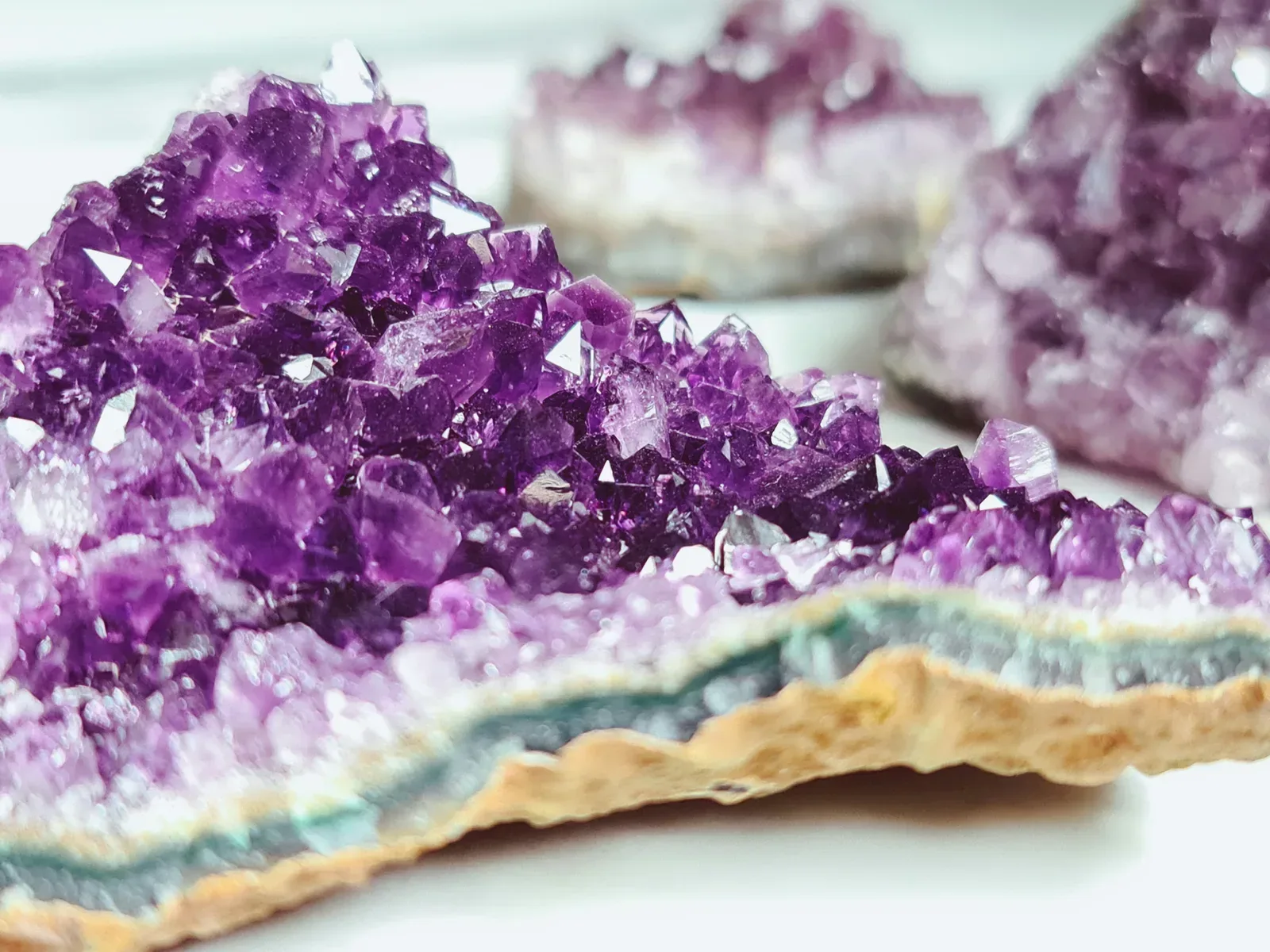
Amethyst crystal pairings
Amethyst is often chosen for its steady, clarifying feel, the sort of stone people reach for when the mind is busy and the atmosphere needs softening. Pairing matters because it lets that calm, clear tone stay present while another stone brings a secondary focus, such as grounding, heart-led ease, sharper concentration, or a more spacious spiritual mood.
A thoughtful pairing also helps tailor how Amethyst shows up in daily life, whether the aim is a quieter evening routine, a cleaner workspace energy, or a more intentional meditation practice. The best combinations keep Amethyst as the stabilizing thread, then add one complementary quality at a time so the overall effect feels coherent rather than overstimulating.
Crystals that combine well with Amethyst
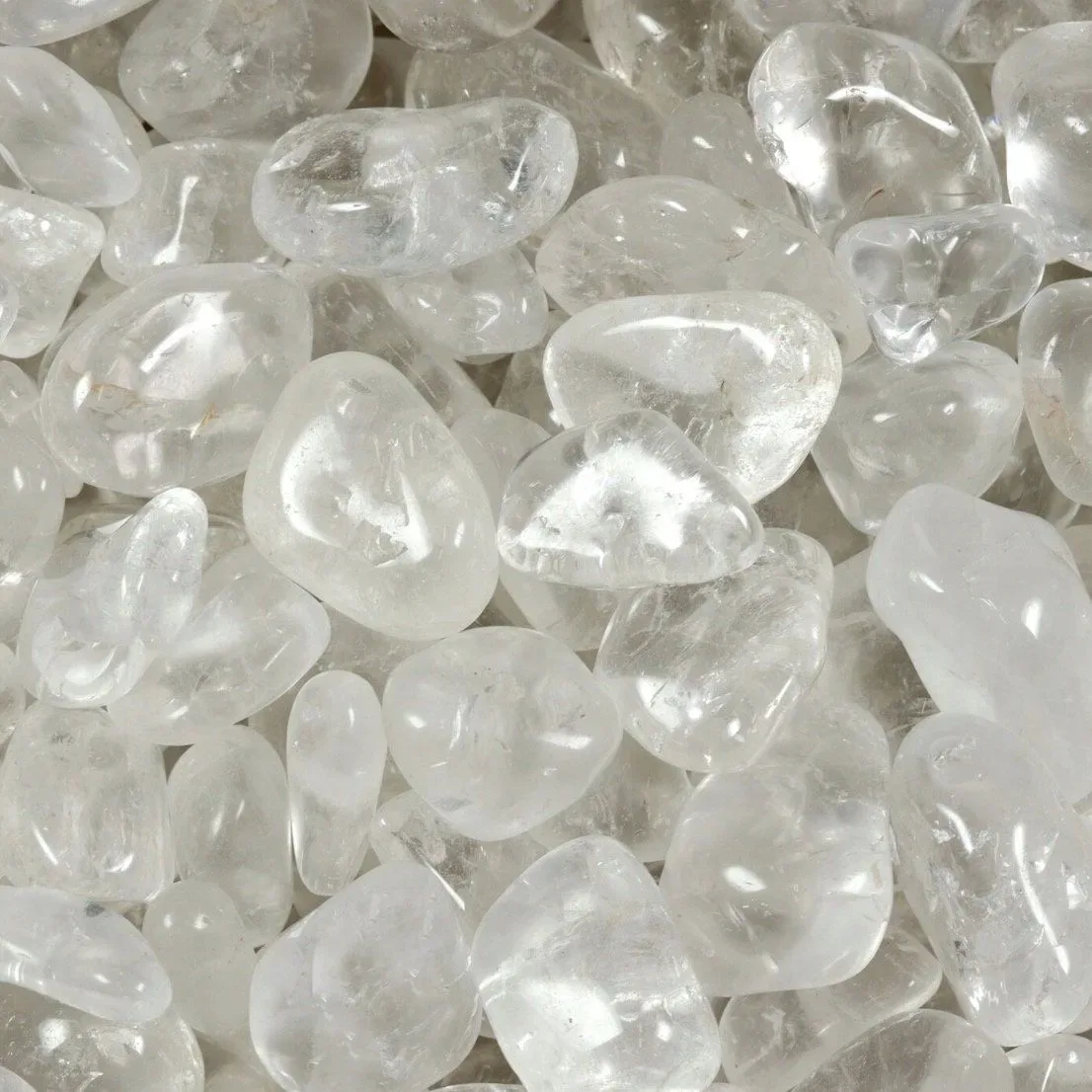
Clear Quartz amplifies the theme already in play. With Amethyst, it keeps the calm, clear feel clean and direct, handy when the intention needs to stay simple and specific.
For a focused meditation, place Amethyst near the crown area and hold Clear Quartz in the hand. Set one short intention phrase, then return to the breath each time the mind drifts.
On a desk or bedside table, keep the two stones a small distance apart with a written note between them. Refresh the note weekly with a tight theme like "calm focus" or "clear boundaries", and keep the area tidy so the cue stays obvious.
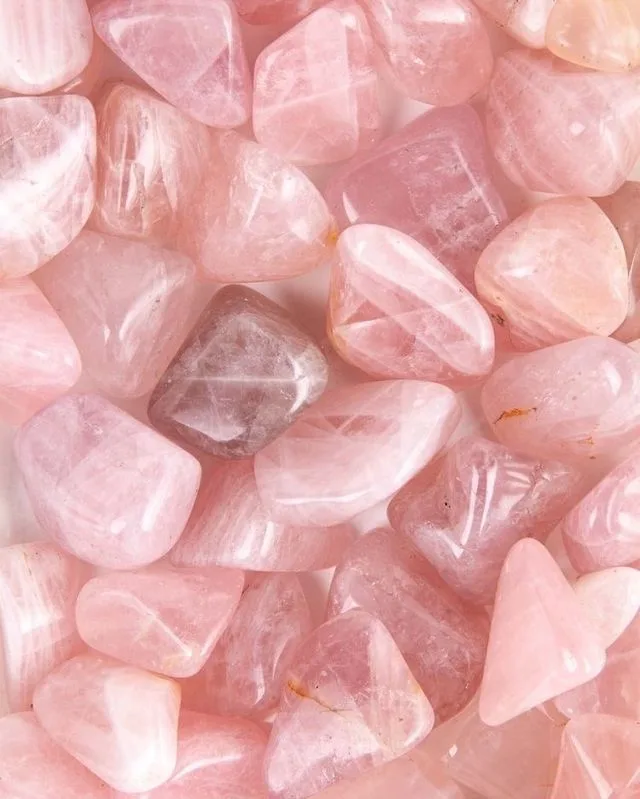
Rose Quartz softens Amethyst's tone. It brings a warmer feel, so reflective time lands in the body, not just in the head.
Try an evening wind-down by holding Rose Quartz at the heart and placing Amethyst nearby. Journal for five minutes on what felt soothing today, then add one practical, kind step for tomorrow.
For a pocket carry, place both stones in a small pouch with a slip of paper listing three values to return to when stressed, such as patience, honesty, and ease. Touch the pouch before difficult conversations as a reminder to stay calm and compassionate.
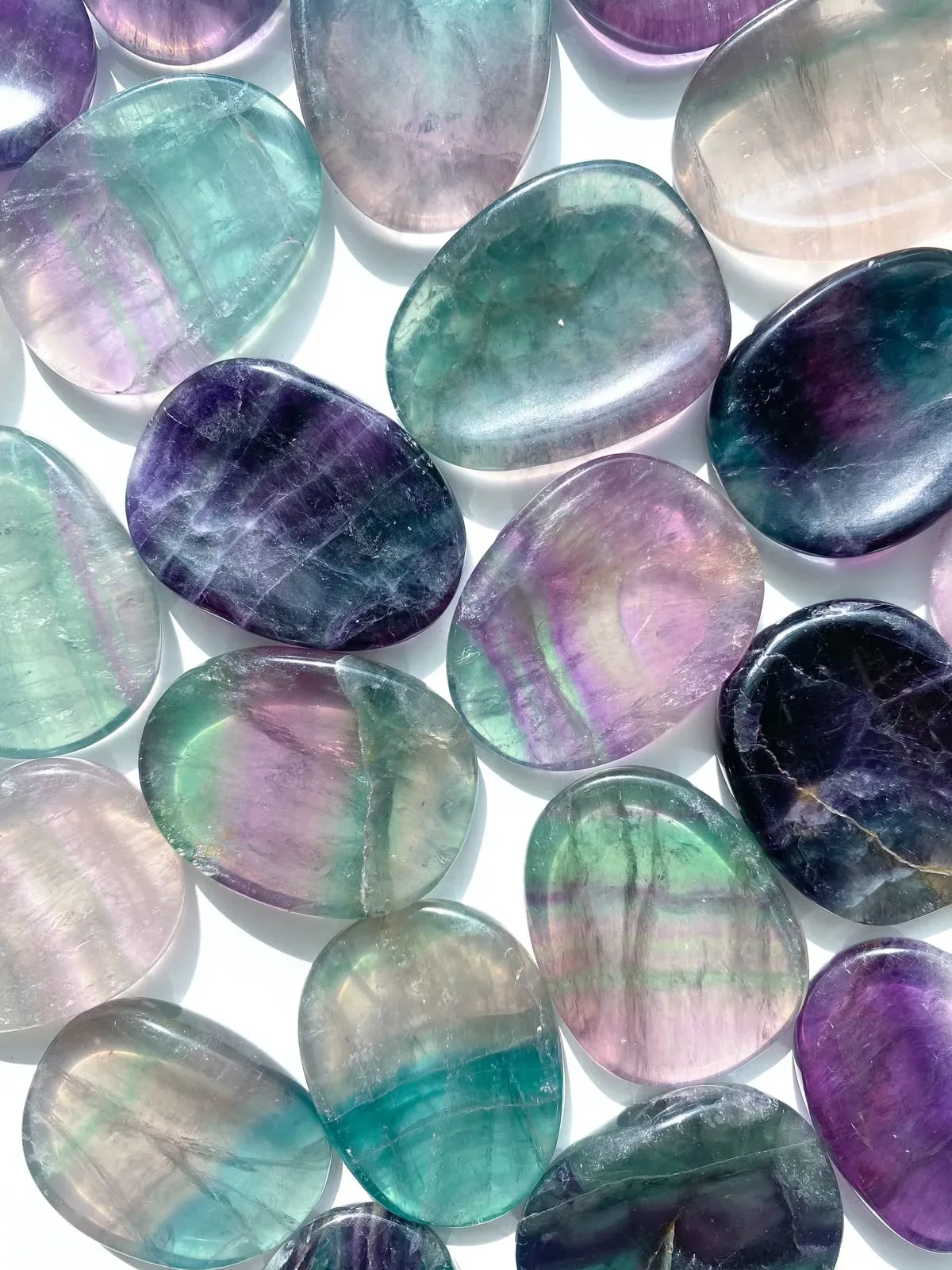
Fluorite and Amethyst suit structure. Use the pairing for sorting thoughts, picking priorities, and trimming mental clutter.
Use a planning ritual: set Fluorite next to a notebook and place Amethyst slightly above it, then write a short brain-dump. Circle the three items that matter most, and close by choosing a single next action for each.
For study or reading, place Fluorite on the left side of the workspace and Amethyst on the right. Take timed breaks, and during each break, look away from screens and take ten slow breaths before returning to the task.
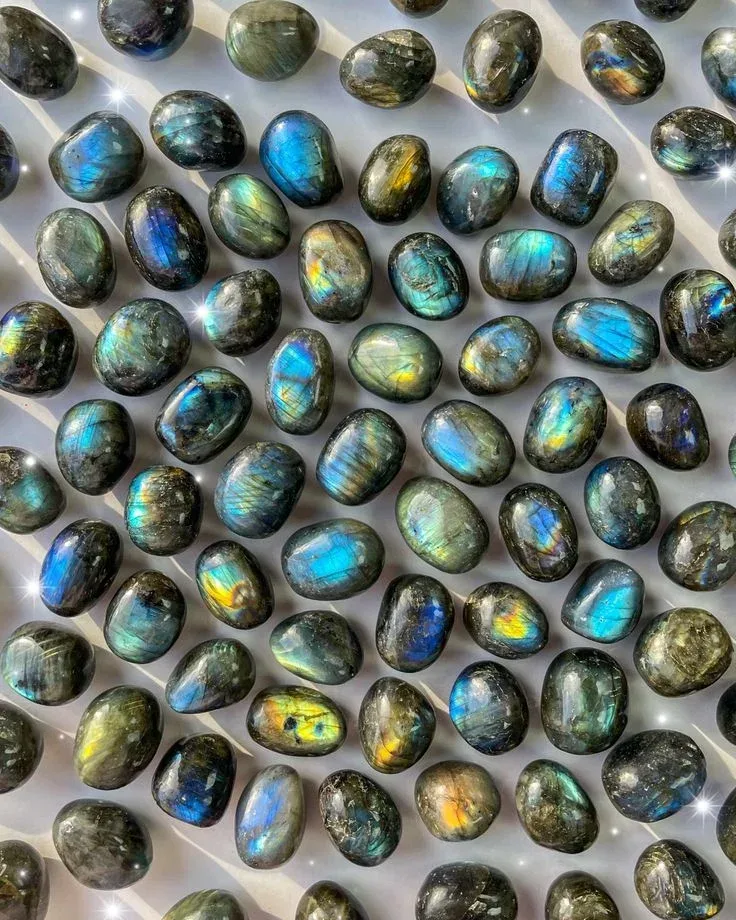
Labradorite adds curiosity to Amethyst's steady calm. Good for reflection that stays creative, not heavy.
For a creative reset, sit with Amethyst behind the body and hold Labradorite in the hand. Ask one question, such as "What am I ready to learn?", then free-write for seven minutes without editing.
Before leaving the house, do a quick intention check by placing both stones by the door. Choose a single word for the day, such as "discernment" or "ease", and repeat it once while picking up keys to mark the shift into the day.
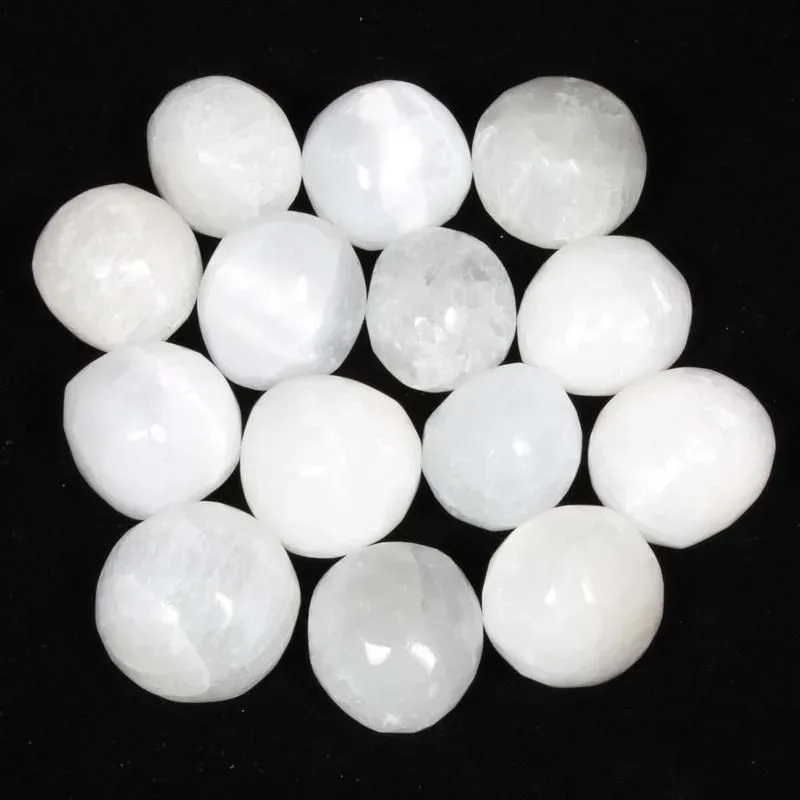
Selenite keeps things light alongside Amethyst. The combo feels uncluttered, easy to stick with.
Create a gentle evening reset by placing Selenite near the bedside and Amethyst a little further away. Keep lighting low, take a few slow breaths, and mentally list what can be left for tomorrow.
For a simple care routine, place jewelry or small stones near Selenite for a short period, then return Amethyst to its usual spot. Keep it consistent and minimal, skip the extra steps.
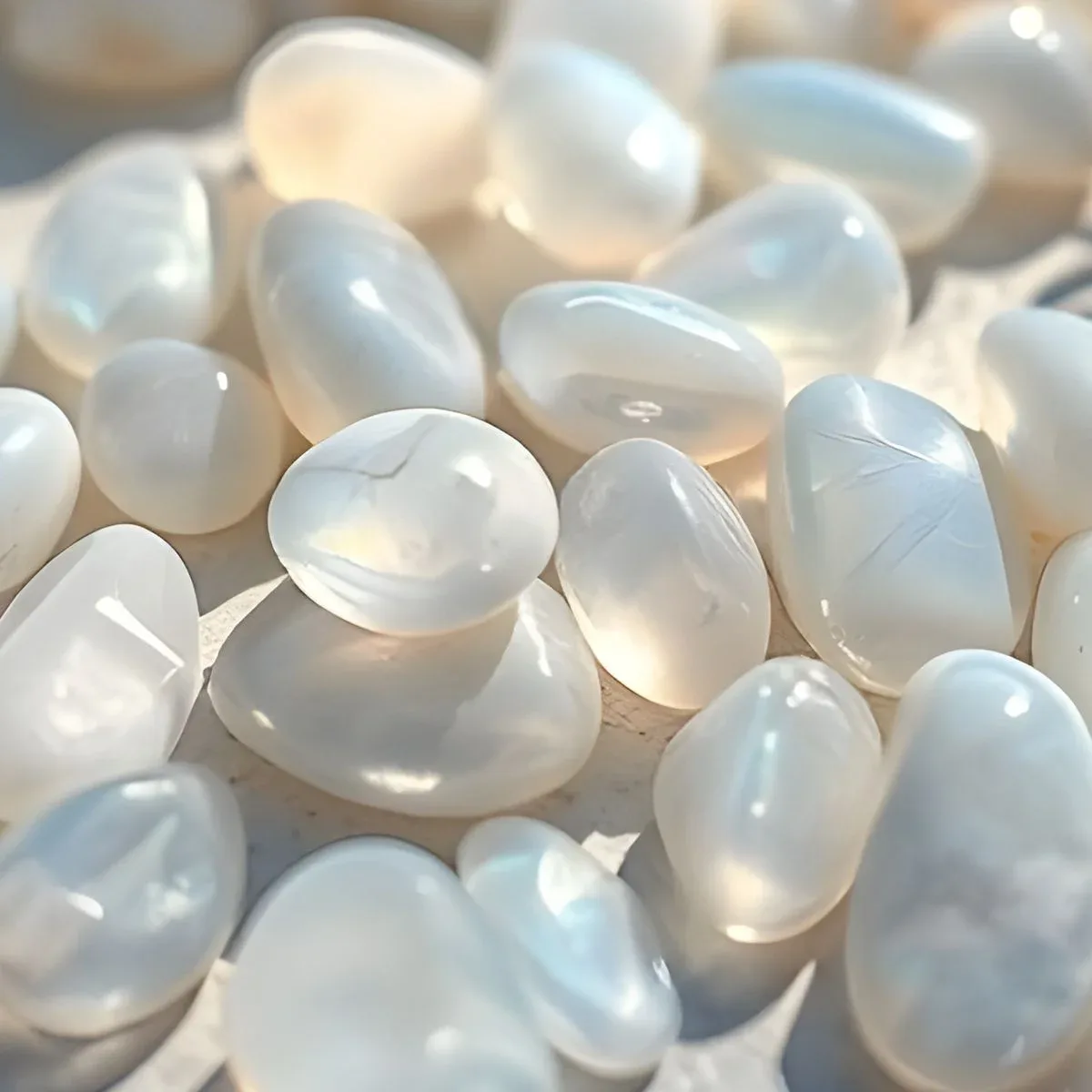
Moonstone brings a cyclical, reflective feel to Amethyst. It fits mood tracking, intuition work, and quiet self-review.
Try a monthly check-in by placing Moonstone with a calendar and setting Amethyst beside a journal. Note patterns in energy and focus across the month, then choose one supportive habit to carry forward.
For a calming night ritual, hold Moonstone for a minute while looking at a single line of intention written earlier in the day, then place Amethyst on the bedside table. Keep screens away for the last few minutes before sleep so the ending stays quiet and unhurried.
Jewelry pairings that work well together
Amethyst pairs well with pale, luminous stones and clear quartz-like finishes, where its violet depth can stay calm rather than heavy. Soft translucency, glassy polish, and gentle contrast suit it best, especially when the companion stone adds light without competing for attention.
Amethyst & Clear Quartz
The violet of Amethyst sits beautifully against the bright, colourless clarity of Clear Quartz. A polished finish on both stones creates a clean contrast, with the Amethyst bringing depth and the quartz keeping the look open and light. A slim cuff with alternating Amethyst and Clear Quartz cabochons gives the pairing a neat, architectural feel. It works well when worn alone with a crisp shirt cuff or a simple knit sleeve.
Amethyst & Rose Quartz
Amethyst and Rose Quartz create a softly saturated pairing, with purple and blush tones meeting in a gentle, low-glare harmony. The slight translucency of both stones keeps the palette tender and easy to wear. A pair of drop earrings with one stone above the other suits this combination well, especially in a fine drop setting. The vertical line is flattering and lets the color shift read clearly without feeling busy.
Amethyst & Fluorite
Both stones can carry a cool translucence, but Amethyst brings richer violet depth while Fluorite often adds a more banded, misty finish. Together they feel layered and quiet, with enough variation to stay interesting. A single signet ring with a smooth oval face is a strong choice for this pairing. It gives the two stones a compact, modern setting that suits everyday wear and keeps the colors close to the hand.
Amethyst & Selenite
Amethyst's saturated purple is sharpened by the milky, satin-white glow of Selenite. The contrast is gentle rather than stark, with the matte-soft look of Selenite balancing the more glassy quartz finish of Amethyst. A bangle with small stone sections or inlaid panels feels especially apt here. The round shape gives the pairing a serene, continuous flow that sits neatly beside a watch or other slim wristwear.
What not to pair with Amethyst
Amethyst works best when its calm, clarifying current stays easy to recognise. Pairings that are overly fiery, forceful, or disruptive can blur its gentle spiritual focus and make the overall field feel less settled.
Carnelian
Carnelian brings a lively, forward-moving fire that can pull Amethyst away from its quieter reflective mode. The combination may feel restless, with action and calm asking for the lead at the same time.
Ruby
Ruby carries a strong heart-fire intensity that can make Amethyst's softer intuition feel crowded. Instead of a clear, tranquil atmosphere, the pairing can become emotionally charged and harder to settle.
Sunstone
Sunstone's bright, expansive warmth can lift the mood so much that Amethyst's cooling clarity is diluted. The result may feel too animated for meditation or quiet inner work.
Pyrite
Pyrite tends to sharpen the field with a more driven, mental edge, which can compete with Amethyst's gentle stillness. That tension may make the energy feel busy rather than contemplative.
Black Obsidian
Black Obsidian can add a heavy, inward-facing depth that changes Amethyst's light, airy quality. The pairing may feel closed or overly intense when the aim is spacious clarity.
Moldavite
Moldavite is often experienced as highly catalytic, and that pace can overwhelm Amethyst's steady, balancing role. Together they may create spiritual noise rather than the clean, calm awareness Amethyst is known for.
Got questions?
We've got answers!
FAQ's
Can I wear Amethyst with more than one companion stone at once?
+×
Yes. Amethyst layers well when the mix stays intentional. For everyday wear, keep it to two or three stones total, one "main" stone and one or two accents, so it looks cohesive, not crowded.
Let Amethyst do the heavy lifting visually. Add one bright, clear note, then a softer, grounding note if it suits the day. Matching bead sizes or shapes helps. Small metal spacers can break up strong contrasts and keep the stack looking planned.
Do Amethyst and Clear Quartz need to touch in a pairing?
+×
No. They do not need to touch for the pairing to work in a practical sense. Touching can look more unified, but a little space often reads cleaner, especially in layered necklaces or mixed-bead bracelets.
Try Clear Quartz near the clasp or as a center accent, with Amethyst as the main feature. In a room, placing them on the same tray or shelf keeps the pairing together without forcing direct contact.
Is Amethyst and Citrine a good pairing?
+×
It can work well when the aim is balance. Amethyst brings a steady, reflective feel. Citrine adds a brighter, more upbeat note. It also suits day-to-evening styling because it reads both polished and lively.
Purple and gold naturally complement each other. For a softer look, pair light Amethyst (lavender) with pale Citrine. For more contrast, use deeper Amethyst with warm honey Citrine. If one piece feels too bold, split the pair across two items, like Amethyst earrings with a Citrine pendant.
What crystals should not be paired with Amethyst?
+×
There are no absolute rules, but certain mixes can feel off. Very stimulating, "high-heat" stones can pull the tone away from Amethyst's quieter, inward feel, which can clash if the goal is calm focus.
Another common issue is piling on too many similar heady stones at once. It can feel floaty in everyday life. If a pairing feels like too much, simplify to Amethyst plus one companion, or rotate stones on different days instead of stacking them all together.
How do I use Amethyst and Rose Quartz together in a ritual?
+×
Use Amethyst for quiet reflection and Rose Quartz for warmth and self-kindness, then tie them to one clear intention.
Set-up: place Rose Quartz on the left and Amethyst on the right of a candle, journal, or small bowl.
Practice: take a few slow breaths. Write one sentence naming what is being invited in, for example "More patience with myself this week." Hold Rose Quartz in one hand and Amethyst in the other for one minute. Keep attention on a softer, steadier response in everyday moments.
Close: place both stones on the page for a short pause. Leave one on a bedside table and carry the other during the day, so the pairing supports rest and real-world follow-through.