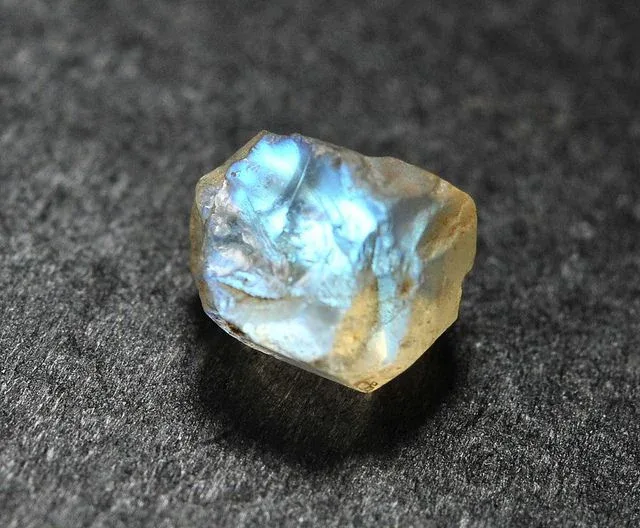
Moonstone moonstone pairings
Moonstone is at its best when it is treated as a soft, reflective centrepiece rather than a loud statement. Pairing it thoughtfully helps keep its moon-like glow focused on what it does well, supporting intuition, gentle emotional balance and the sense of moving with life's cycles instead of forcing outcomes.
The most satisfying pairings add either clarity, grounding, or a calm protective edge, so Moonstone's dreamwork and "new beginning" energy feels steady and usable. Aim for combinations that feel soothing and spacious, especially for evening routines, reflective practices, and moments of transition.
Crystals that combine well with Moonstone
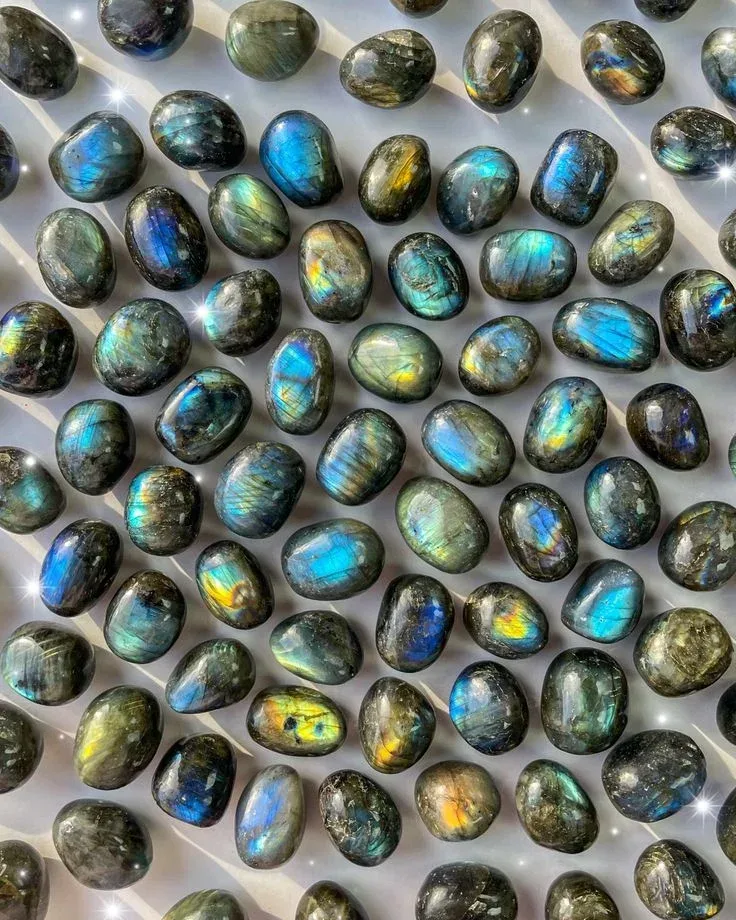
Labradorite is a solid match for intuitive work with Moonstone. It adds a steadier, more contained feel to Moonstone's soft, reflective tone, so it is easier to stay centered while listening inward.
For a focused intuition practice, hold Moonstone in the non-dominant hand and Labradorite in the dominant hand during a short meditation. Set a simple intention around cycles or new beginnings, then notice which impressions feel calm and steady, not urgent.
Keep both stones by a journal for evening reflection. Use Moonstone to name feelings plainly, then Labradorite to sort what matters from what is just noise. Write one page on what is changing, then finish with a short list of what feels worth carrying forward.
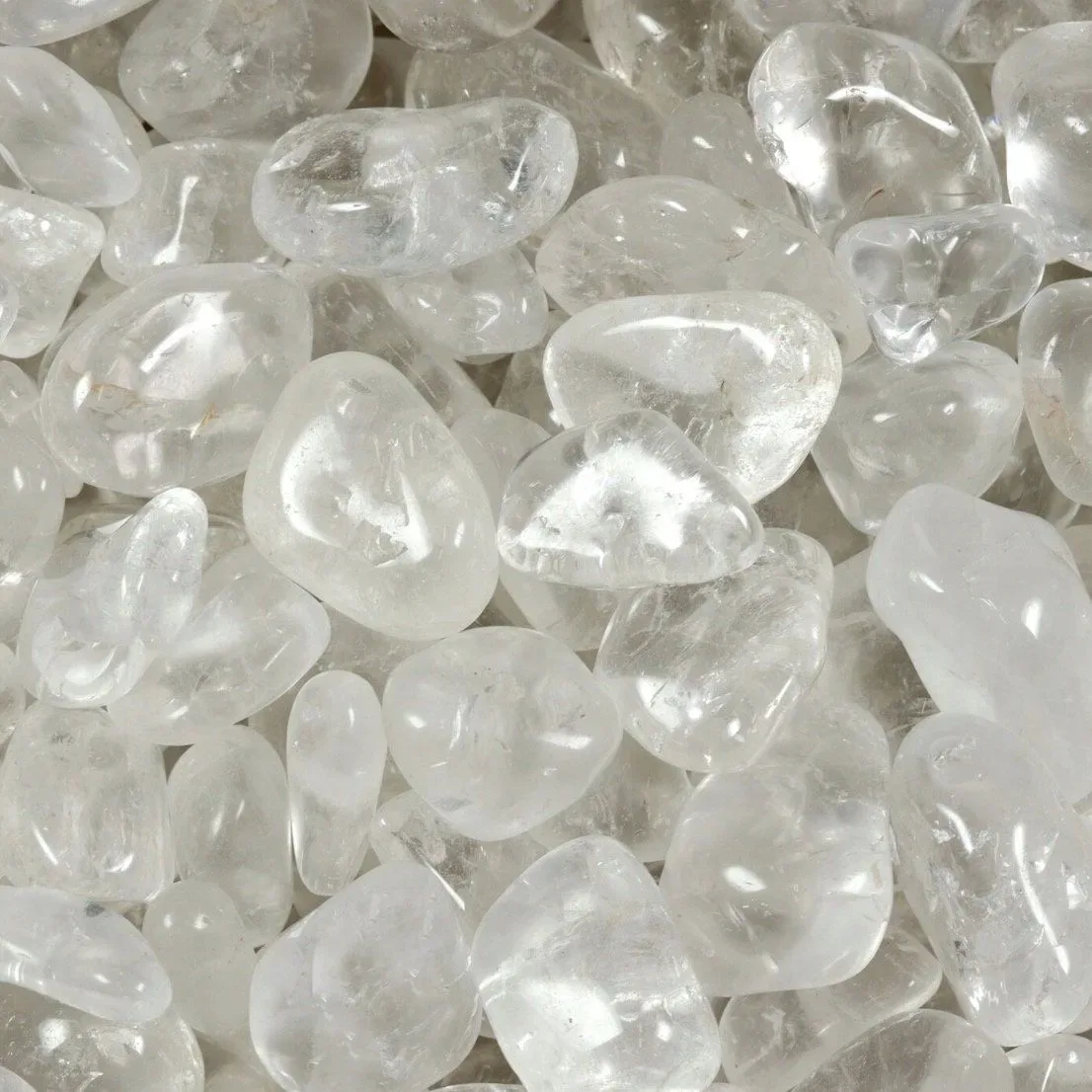
Clear Quartz brings a clean kind of clarity to Moonstone. It can make Moonstone's gentle mood feel easier to define and use in day-to-day routines.
Use this pairing to set a clear intention without going hard-edged. Place Clear Quartz above Moonstone on a small tray, take three slow breaths, then state one focus for the next week, such as smoother transitions or steadier emotions.
For a simple desk setup, keep Clear Quartz closest to the workspace and Moonstone slightly off to the side. When attention drifts, touch Quartz to reset the task, then touch Moonstone to return to a calmer, more receptive pace.
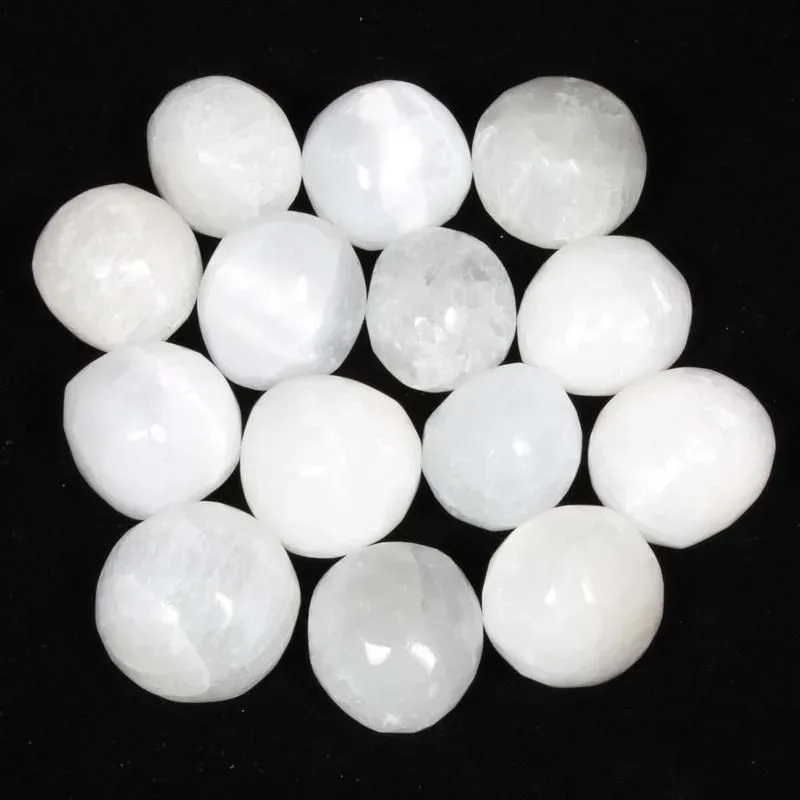
Selenite and Moonstone make a quiet, uncluttered pairing. Best for a calm atmosphere and a gentle reset.
Create a simple night-time reset by placing Moonstone on a Selenite plate, or beside a Selenite wand, for a few minutes before bed. Let it mark the end of the day. Drop the mental chatter, settle into a more spacious mood.
In a meditation space, place Selenite behind Moonstone as a visual cue for clarity with softness. Sit for five minutes with the breath, let thoughts pass, then finish by naming one supportive boundary for the next day.
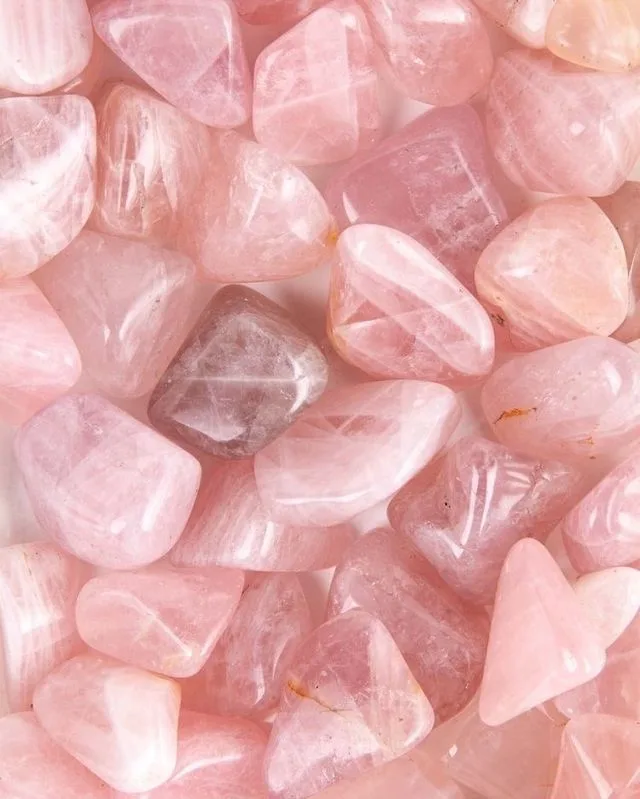
Rose Quartz brings warmth to Moonstone's inward, cyclical feel. The pair leans toward kindness when emotions are tender or timing feels uncertain.
For self-care rituals, place Moonstone and Rose Quartz near a bath or skincare routine and set an intention for gentleness. Keep attention on what care feels like in the body, not on analyzing the story, then end with one appreciative thought.
Try a relationship check-in journaling prompt with this pair: write what is needed, what is felt, and what is hoped for. Hold Rose Quartz when writing about tenderness, then hold Moonstone when writing about change and timing.
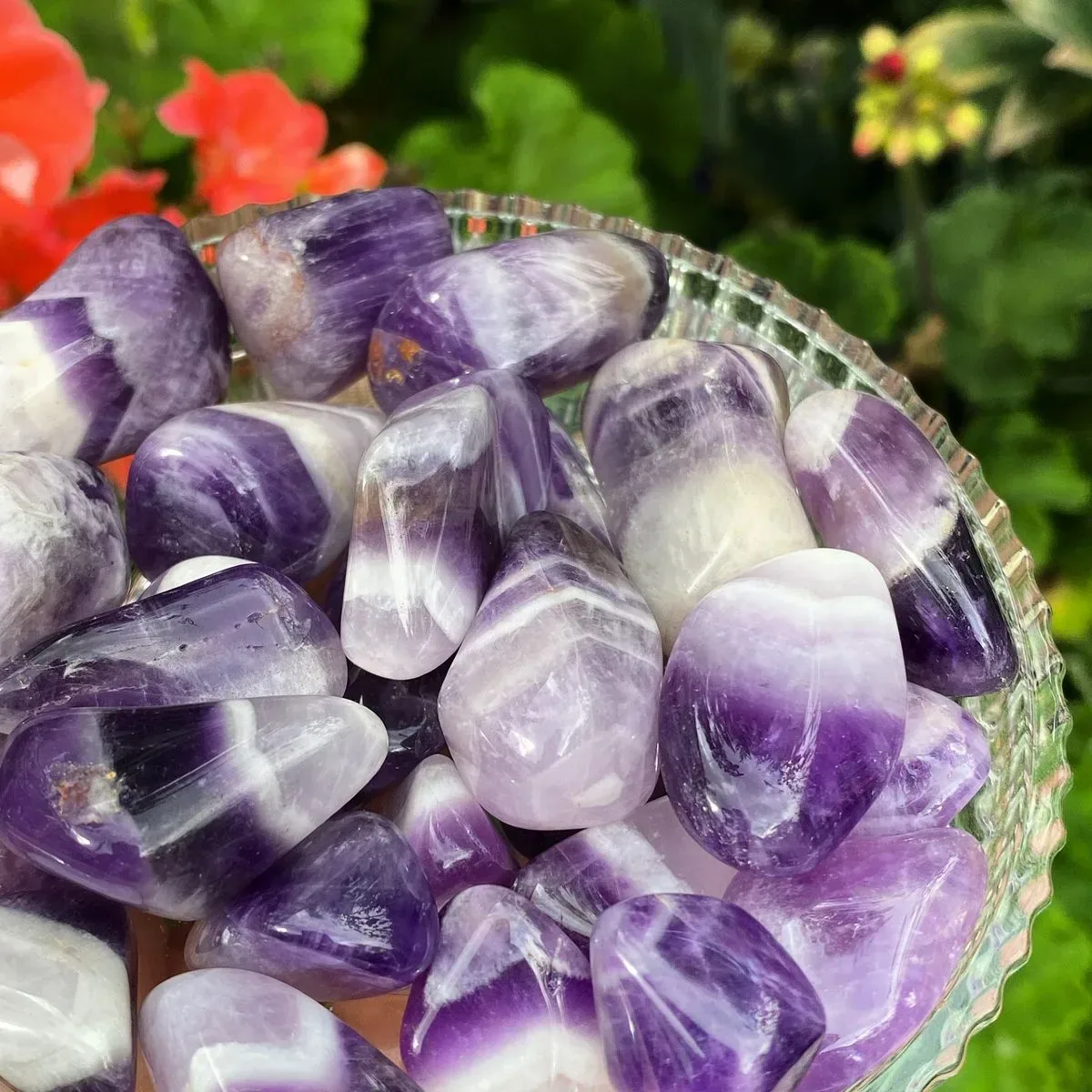
Amethyst adds a quiet, settled tone next to Moonstone. A good fit for reflective evenings, dream themes, and slowing down after a busy day.
For an evening wind-down, place Amethyst on a nightstand or near the head of the bed and keep Moonstone nearby. Spend two minutes breathing slowly, then set a light intention to notice dreams or insights without chasing them.
Use this duo for a short screen-break ritual. Hold Amethyst to let the mind unclench, then Moonstone to soften the emotional edges. Close the eyes for a minute, then return with one clear, calm next step.
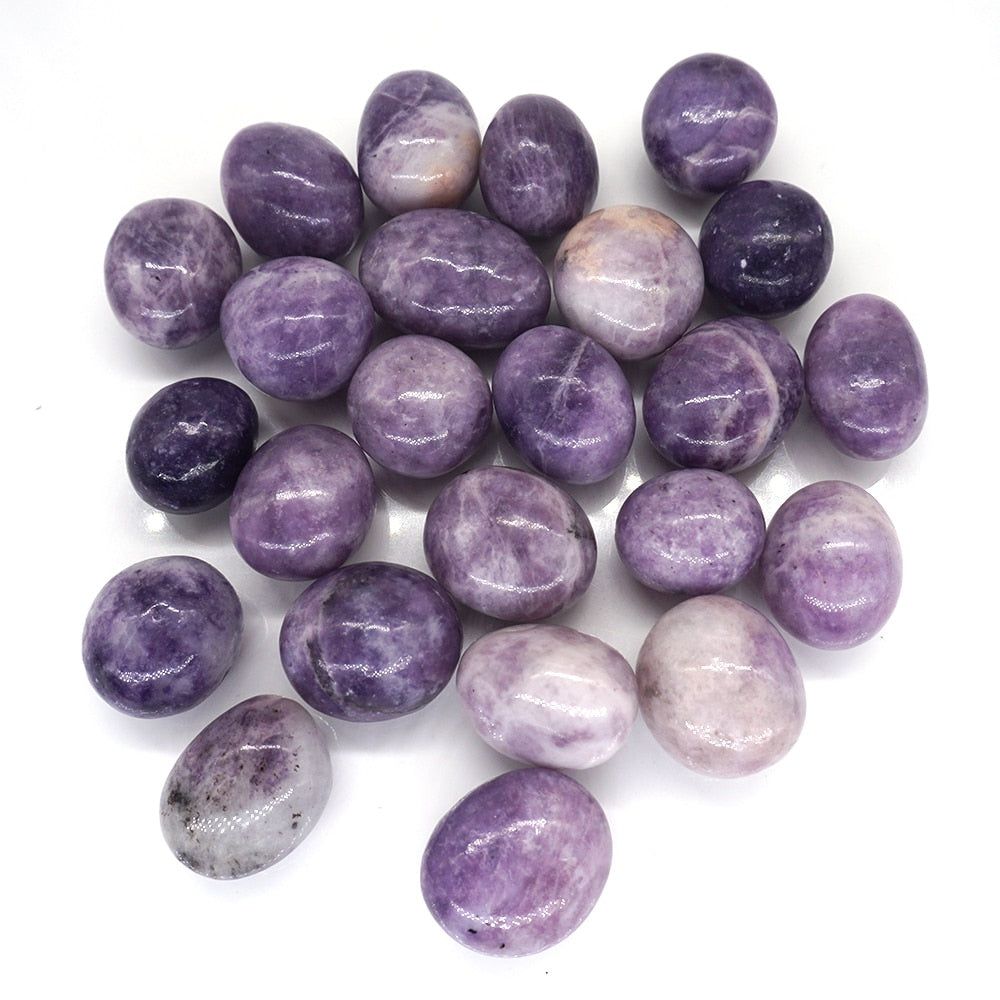
Lepidolite's steady feel sits well with Moonstone's more changeable, flowing mood. Handy for transitions, sensitivity, and staying grounded when the pace shifts.
Build a pocket or pouch pairing for days that feel changeable. Keep Lepidolite closest to the body for steadiness, with Moonstone alongside for adaptability, then touch both before meetings or travel to reset the mood.
Try a morning routine for smoother transitions: place Lepidolite and Moonstone beside a cup of tea, write three priorities, then add one line about moving through the day with softness. End by choosing a simple cue word such as "flow" or "steady".
Jewelry pairings that work well together
Moonstone works best beside companions that keep its glow soft and luminous. Cool translucent stones sharpen the blue sheen, while pale pinks and lilacs bring a gentler, more romantic finish.
Moonstone & Labradorite
Both stones have a shifting optical quality, but Moonstone stays softer and more pearly while Labradorite adds a darker flash of blue-green. The contrast is strongest when the Moonstone is white or colourless and the Labradorite is left with a polished, glossy finish. Try them in a slim cuff with alternating cabochons so the two sheens catch the light at different angles. It works well as a single statement piece with clean sleeves or evening wear.
Moonstone & Clear Quartz
This pairing feels bright and airy, with Clear Quartz lending extra transparency beside Moonstone's milky glow. A high-polish finish keeps the look clean, while the slight opacity of Moonstone stops the combination from feeling too stark. A tennis-style line bracelet suits this pairing beautifully, especially if the stones are set in small, neat mounts. It gives a refined, easy-to-wear effect that sits well with tailored shirts or a simple watch.
Moonstone & Rose Quartz
Moonstone's cool sheen softens the blush tone of Rose Quartz, creating a pale, luminous palette rather than a sugary pink one. The best contrast comes from pairing a more translucent Moonstone with a softly frosted Rose Quartz finish. Use them in a pair of drop earrings with one stone above the other for a gentle vertical line. The result is delicate but not fussy, and it suits open necklines or soft knitwear.
Moonstone & Amethyst
Moonstone's white or cream body color sits neatly against Amethyst's violet depth, giving the pair a calm, moonlit contrast. Both stones can look especially elegant when polished smooth, with Moonstone providing the lighter, mistier note. A signet ring with a Moonstone center and small Amethyst accents at the shoulders feels balanced and distinctive. It gives the softer stone a structured frame without losing its reflective quality.
Moonstone & Selenite
This is an especially pale, almost ethereal combination, with both stones reading as white and luminous rather than strongly colored. Moonstone brings a floating sheen, while Selenite adds a satin-like softness that keeps the finish quietly matte. A woven bracelet with small alternating sections of the two stones feels understated and tactile. It works well for everyday wear when you want something light, smooth, and close to the skin.
What not to pair with Moonstone
Moonstone is subtle and reflective, so it can lose its gentle focus beside crystals that are too hot, forceful, or mentally busy. Avoiding those pairings helps keep its role clear - supporting intuition, calm, and smooth transitions rather than being pulled into agitation or overdrive.
Sunstone
Sunstone's bright, outward fire can overpower Moonstone's lunar softness, shifting the blend towards drive and display rather than quiet reflection. That can make Moonstone's emotional balance feel less spacious and more reactive.
Carnelian
Carnelian brings a lively, activating current that can pull Moonstone away from its gentle, receptive rhythm. The result may feel emotionally busy, with action and impulse crowding out intuition and rest.
Ruby
Ruby carries a strong, passionate intensity that can make Moonstone's softer new-beginning energy feel overshadowed. Together they may create a sharper emotional register, which can muddy Moonstone's calm, reflective purpose.
Pyrite
Pyrite's assertive, success-driven tone can make the pairing feel more strategic than intuitive. It may close down Moonstone's fluid, dreamlike quality by pushing the field towards pressure, focus, and mental noise.
Tiger's Eye
Tiger's Eye tends to steady through will and practical alertness, which can be too directive for Moonstone's softer lunar flow. The combination may feel slightly split between control and surrender, weakening Moonstone's ease.
Black Obsidian
Black Obsidian can bring a deep, uncompromising intensity that feels heavy beside Moonstone's light reflective sheen. It may draw the energy inward so strongly that Moonstone's gentle openness becomes more guarded than receptive.
Hematite
Hematite's dense grounding can be useful in some settings, but with Moonstone it may flatten the airy, intuitive quality that makes Moonstone useful. The blend can feel weighted towards containment, closing down dreamwork and emotional flow.
Moldavite
Moldavite can be highly catalytic, and that pace may be too abrupt for Moonstone's soft, cyclical nature. Instead of a smooth new beginning, the pairing can feel unsettled and over-activated, making Moonstone's calm harder to hold.
Got questions?
We've got answers!
FAQ's
Can I wear Moonstone with more than one companion stone at once?
+×
Yes, Moonstone layers well when the mix stays focused. Keep Moonstone as the anchor. Add one stone to lift the tone, and one to tighten the focus, rather than stacking a lot of mixed themes.
Practical guidelines: - Keep it to two or three stones total, so it stays clean and easy to read. - Pick companions that point the same way, for example Moonstone with Labradorite for intuitive focus, then Clear Quartz to keep it clear and organized. - If the stack starts to feel distracting or "too much", remove one piece. See if the set feels calmer and more deliberate.
Do Moonstone and Labradorite need to touch in a pairing?
+×
No, they do not need to touch to be used as a pairing. Touch can make the set feel more unified, especially in one piece of jewelry. Not required.
Easy options: - Wear Moonstone as a ring or pendant, and Labradorite as earrings or a bracelet. - Place them side by side on a nightstand or meditation space, with Moonstone closer to the body-facing side if the aim is a more personal, reflective feel. - If the pairing feels scattered, put them in the same pocket or the same jewelry piece. It can help the intention feel contained.
Is Moonstone and Clear Quartz a good pairing?
+×
Yes, Moonstone and Clear Quartz are a strong, versatile pairing. Moonstone sets a reflective, intuitive tone. Clear Quartz is often used as a clarifier and amplifier, so the overall intention can feel more defined.
Ways to use the pairing: - For routines and consistency, keep Moonstone as the main piece and add a small Clear Quartz accent. Simple look, simple focus. - For intention-setting, hold or place both stones nearby while writing a short, specific prompt (for example, what to prioritize this week). Keep the pair where that routine happens, such as a bedside table or meditation space.
What crystals should not be paired with Moonstone?
+×
There are no absolute rules, but some combinations can feel mismatched if the goal is Moonstone's steady, reflective tone. Approach cautiously if a pairing feels busy, emotionally intense, or mentally scattered.
Examples that may not suit Moonstone for everyday wear or quiet practices: - Rhodochrosite, can feel too emotionally urgent alongside Moonstone's slower pacing. - Rhodonite, can add a corrective, problem-solving edge that pulls attention outward. - Rhyolite, its complex patterning can feel mentally crowded next to Moonstone's cleaner, moonlit mood.
If a pairing feels off, separate the stones by time or context, for example Moonstone for evenings and one of the above for daytime focus.
How do I use Moonstone and Labradorite together in a ritual?
+×
Keep it simple. This pairing suits quiet reflection and clear next steps, not big routines.
A practical 10-minute ritual: 1) Set the space: place Moonstone on the left side and Labradorite on the right side of a journal, candle, or cup of tea, whatever signals "quiet time". 2) Name the theme: write one sentence that describes what needs guidance (for example, a decision, a transition, or a creative direction). 3) Ask one clear question: keep it specific and answerable, such as "What is the next sensible step?" rather than "What should happen?" 4) Reflect and record: free-write for a few minutes. If it gets scattered, switch to three bullet points: what is known, what is felt, what is next. 5) Close with a cue: store the stones together overnight, or wear one the next day as a reminder to act on the single next step identified.