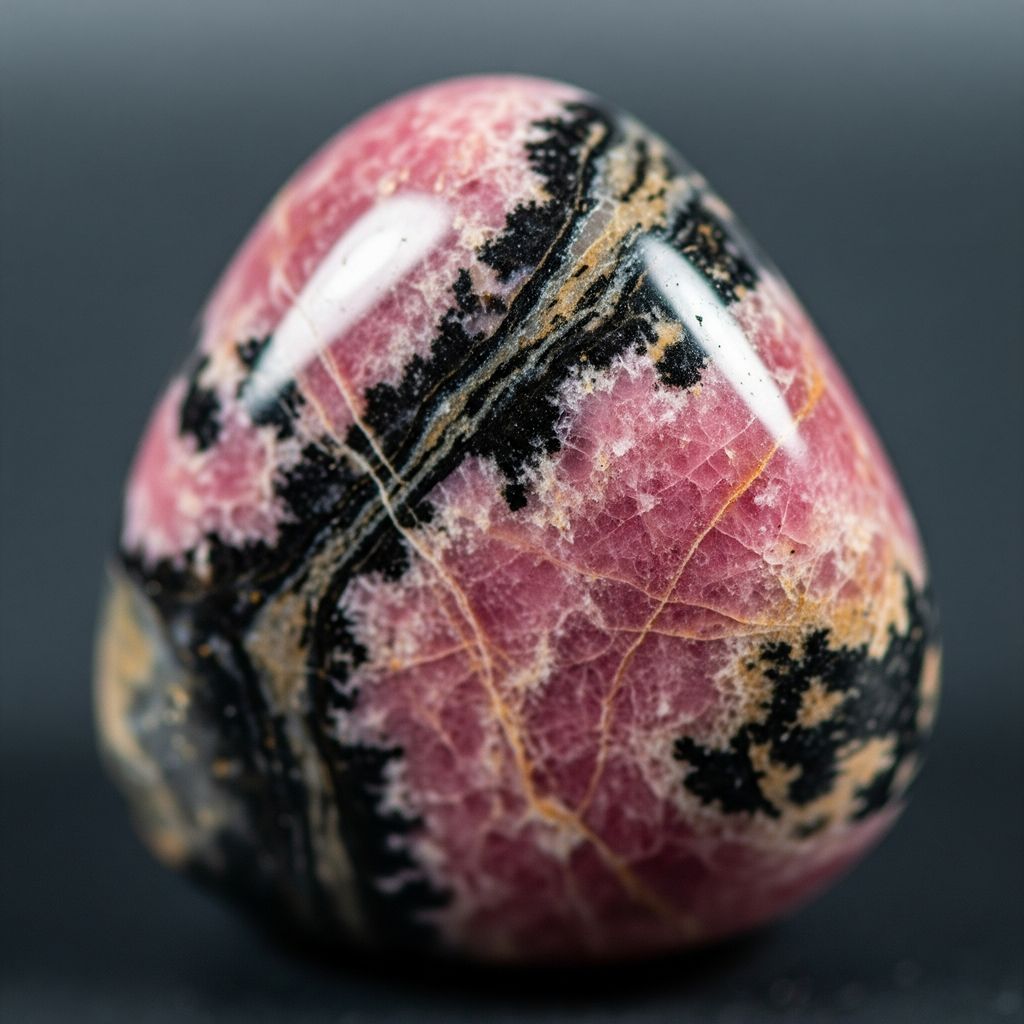
Rhodonite Crystal, Benefits and Meanings.
Named from the Greek 'rhodon' meaning rose, rhodonite is a manganese-rich stone known for its pink color and frequent black veining. It is often linked with emotional balance and calm support when stress runs high.
Metaphysical & Spiritual
Rhodonite has a steady, heart-centered feel. It is often linked with practical compassion, the kind that helps keep a level head when feelings run high. It is also tied to emotional repair and calmer reactions. Honest, plain, and boundaried, it suits moments where what hurts needs naming without turning it into a spiral. Rhodonite points to the middle ground. Warm, but not swept away. Grounded, but not cold. A reminder that care can stay firm and consistent.
Planet

Venus
Rhodonite fits Venus through quiet devotion, not showy romance. It reads as patience, fairness, and care that proves itself in small, consistent choices.
Element
Earth
Earth energy is grounded and practical, and Rhodonite sits comfortably there. It has a solid, settling feel that helps emotions land in something clear and manageable.
Crystal Pairings
Rhodonite pairs well with stones that soften the heart while keeping things steady and real. These combinations lean into kindness, clear boundaries, and a calmer way of meeting stress without shutting down.
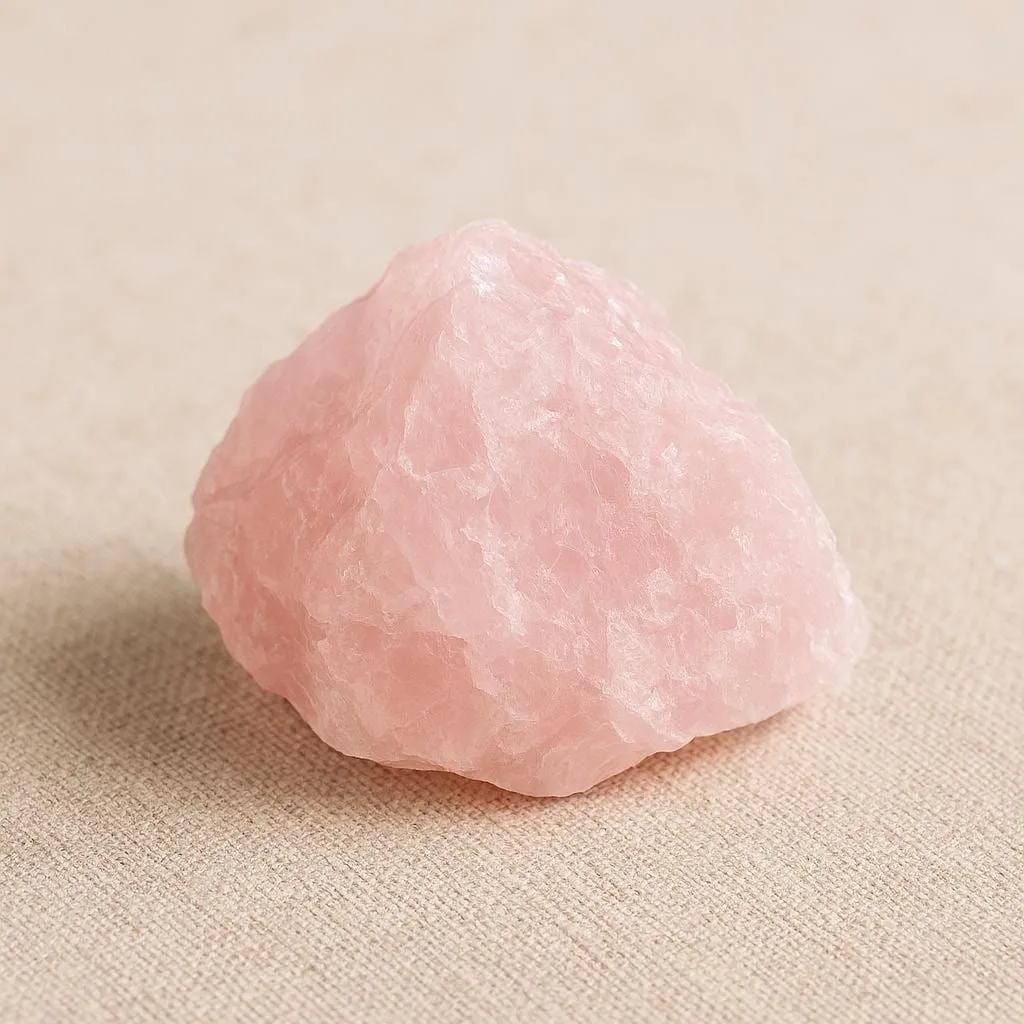
Rose Quartz
Rose Quartz brings a gentle, reassuring tone that helps Rhodonite’s heart focus feel less raw. Together it stays soft but clear. Care is there without losing self-respect or dodging what hurts.
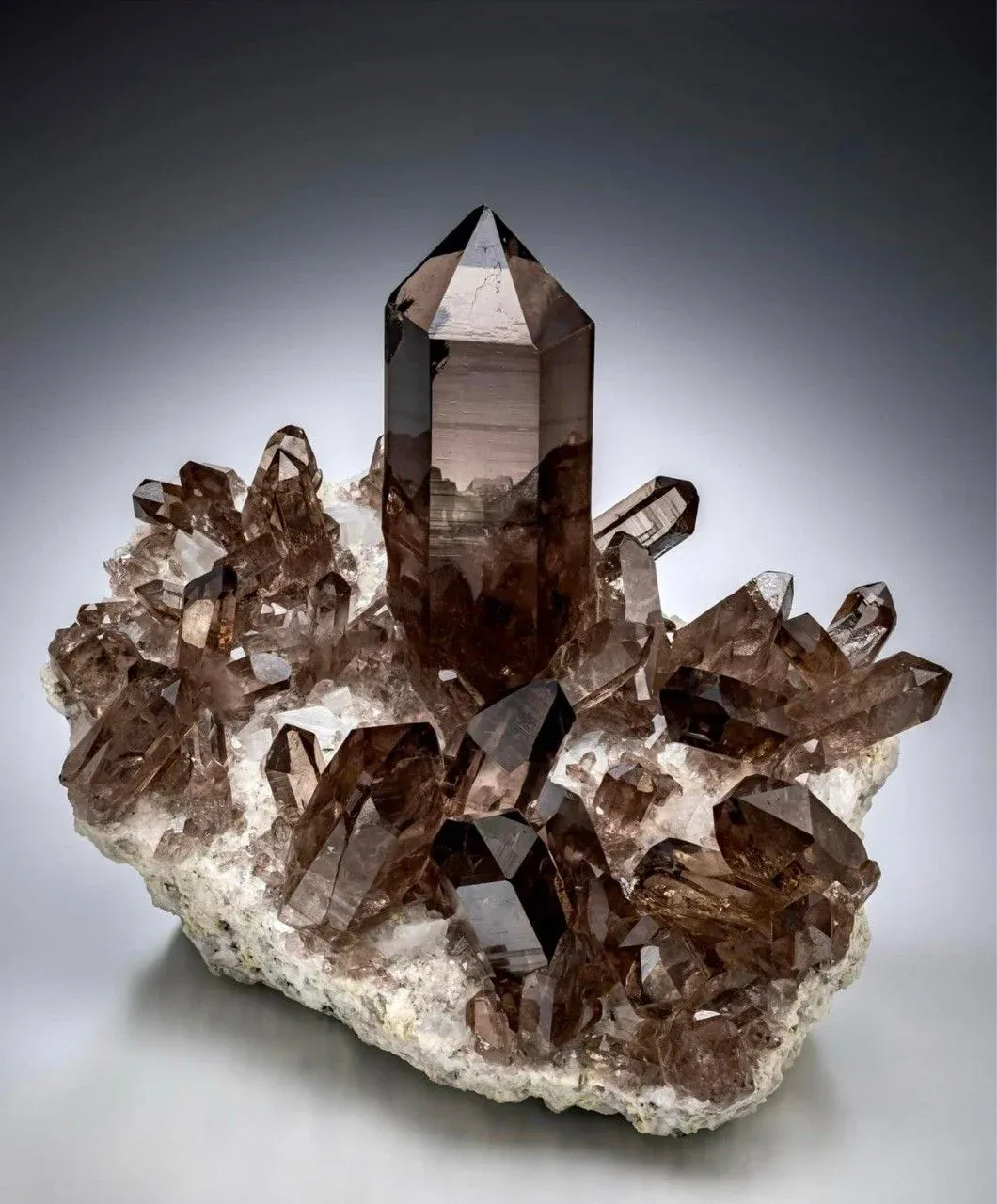
Smoky Quartz
Smoky Quartz adds a grounded, practical steadiness that balances Rhodonite’s emotional pull. Quiet strength. Feelings have room, but they do not take over everything.
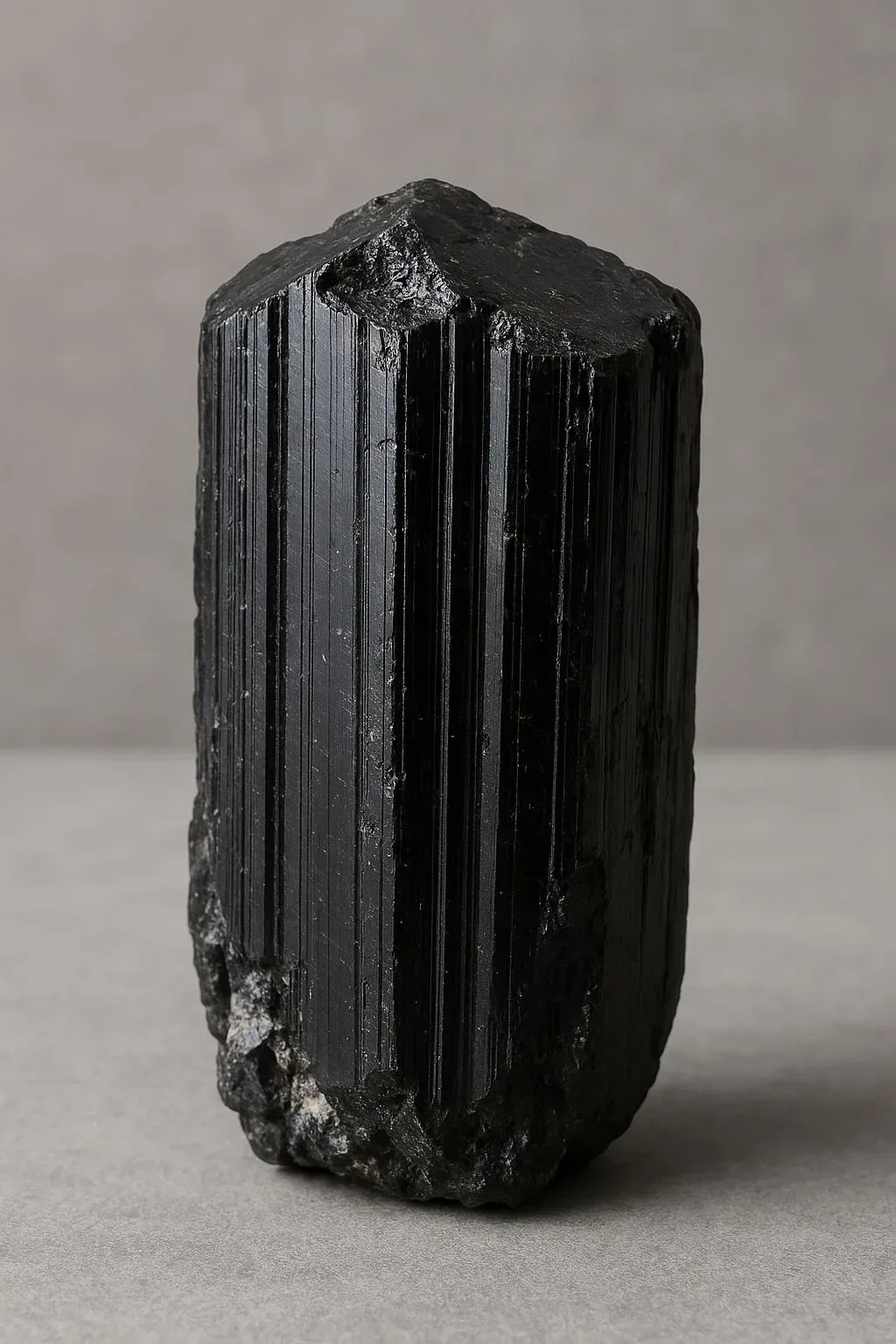
Black Tourmaline
Black Tourmaline brings a firm edge and a sense of personal space alongside Rhodonite’s compassion. It reads as care with limits, support that stays solid without sliding into over-giving or carrying other people’s load.
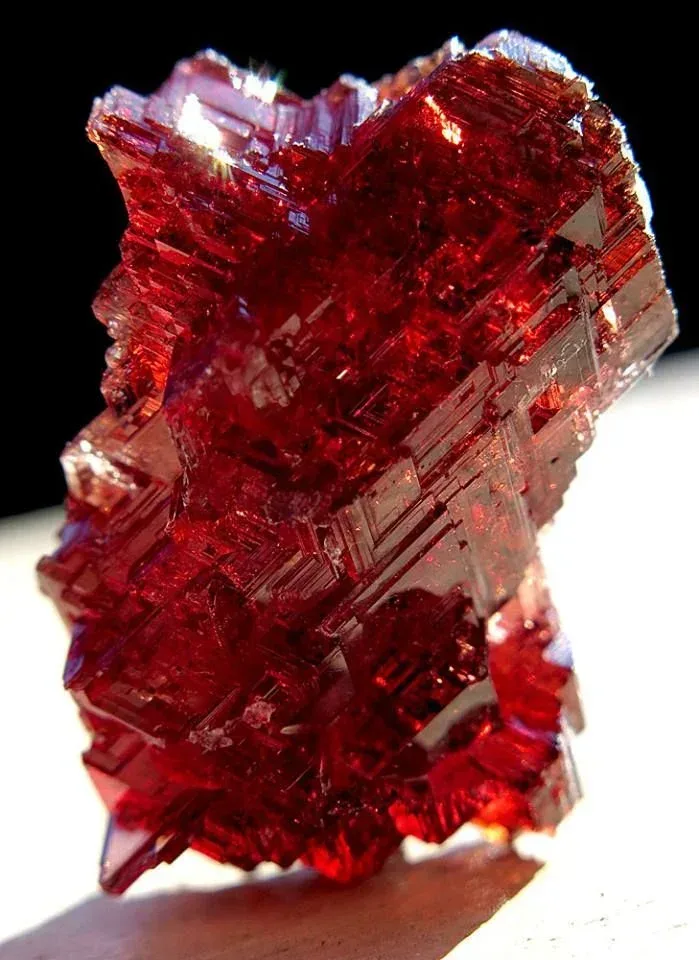
Garnet
Garnet brings warmth and grit that can make Rhodonite’s caring side feel braver and more direct. Together it points to loyalty and follow-through, love that shows up for the hard parts, not only the tender ones.
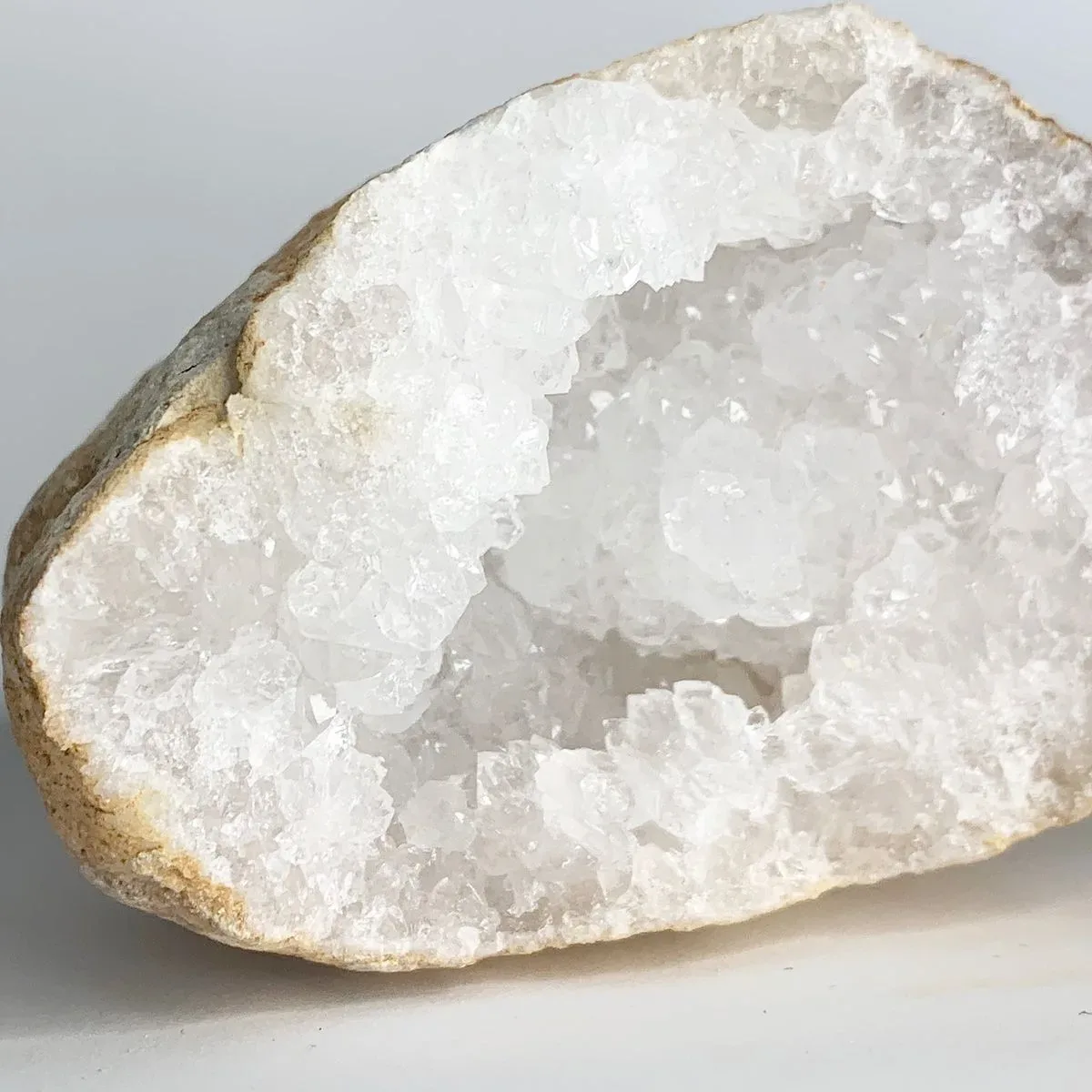
Clear Quartz
Clear Quartz is often linked with clarity and amplification, which can make Rhodonite’s message feel cleaner and easier to name. The pairing stays simple and direct, like clearing extra noise so the heart speaks plainly.
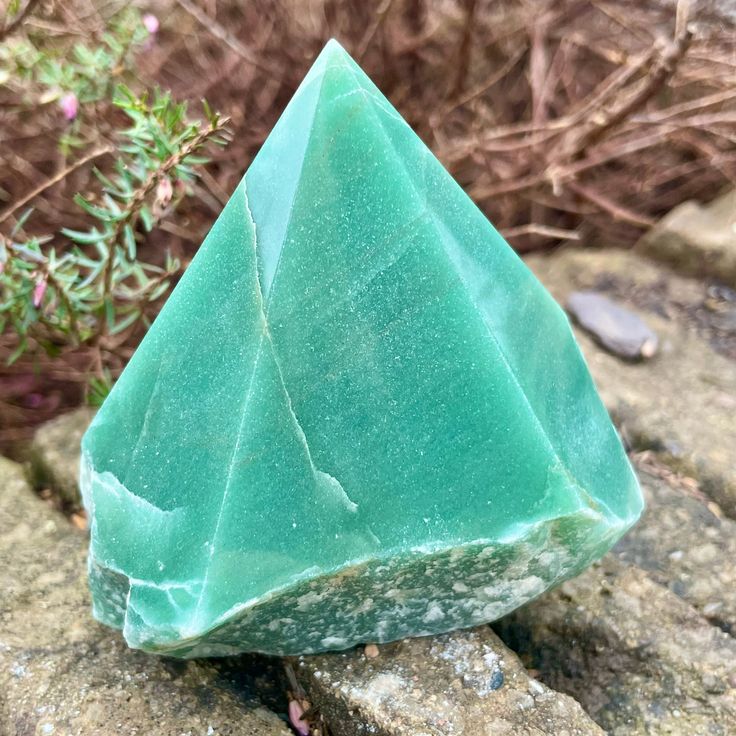
Green Aventurine
Green Aventurine adds a lighter, hopeful note that eases Rhodonite’s heavier emotional themes. Together it leans toward renewal, a steady return to openness after strain, without pretending everything is fine.
Healing
Rhodonite has a calm, practical feel for emotional healing. It suits moments when feelings run hot, but a steady response matters more than a perfect one.
It can help name what hurts, ease self-blame, and make room for forgiveness without dropping boundaries. It nudges a slower pace. Clear words, cleaner choices, fewer spirals. One honest step, then the next.
Affirmations
Use these when emotions feel tangled or when old stories resurface. Keep the tone simple and true, even if it feels small.
Say one line, pause, then notice what changes in the body, jaw, shoulders, breath. Repeat only what still feels honest.
- I meet my feelings with patience and respect.
- I can forgive without forgetting what matters to me.
- My heart stays open, and my feet stay on the ground.
- I choose calm responses over quick reactions.
- I let go of what I cannot carry anymore.
Intention Setting
Set an intention when a conversation, decision, or change needs both care and clarity. Rhodonite works well with intentions that are gentle but specific.
Keep it measurable. Focus on one behavior to practice, not a whole personality rewrite.
- Speak with care, and keep to the point.
- Repair what can be repaired, and release the rest.
- Respond after a breath, not in the heat of the moment.
- Treat myself with the same compassion I offer others.
- Stay steady through stress and finish what I start.
Manifesting
Manifesting here is about creating conditions for healthier patterns. Aim for outcomes that support real life, like better communication and follow-through.
Choose one manifestation that can be supported with a clear next step today.
- A calmer way of handling conflict that protects self-respect.
- Relationships that allow honesty, care, and space.
- The confidence to apologize, and the strength to change behavior.
- A steady routine that supports emotional balance.
- Closure with a past situation, without reopening old wounds.
Jewelry
Rhodonite jewelry suits everyday wear when support needs to be practical. Each piece lands a bit differently, from a small nudge to steady contact. Pick a style that fits how often it should be noticed, and what moments it should pull back into line.
General benefits: Wearing Rhodonite keeps its steady, heart-led tone close through the day. It can cue a pause before reacting, help words come out cleaner, and keep things grounded when emotions spike. Handy for returning to an intention without stopping everything.
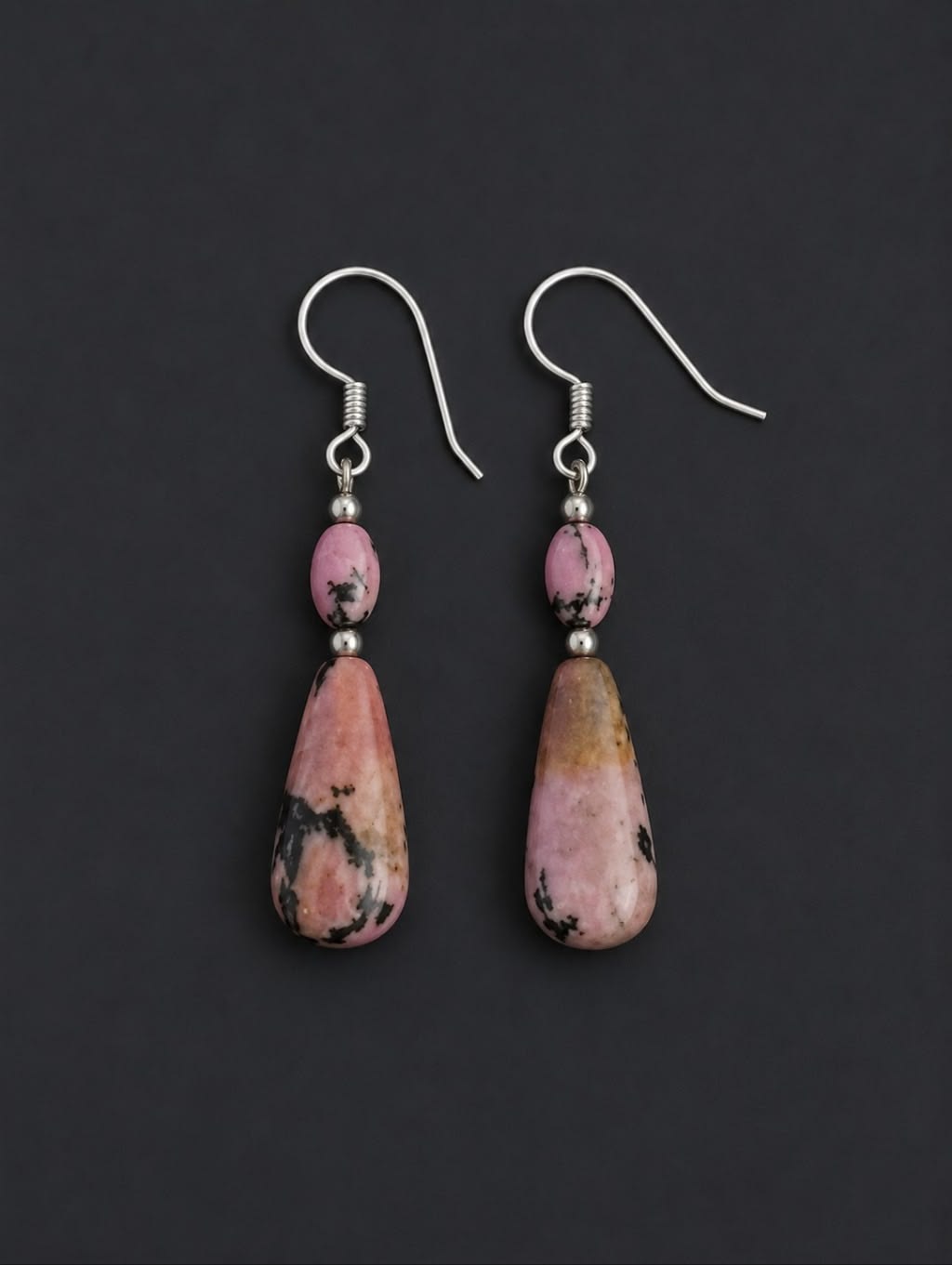
Earrings
Rhodonite earrings feel light and social. They suit days with meetings, calls, or shared plans, when listening matters as much as speaking. A quick check in a reflection can reset the tone. Less bite, more fairness, and fewer snap judgments.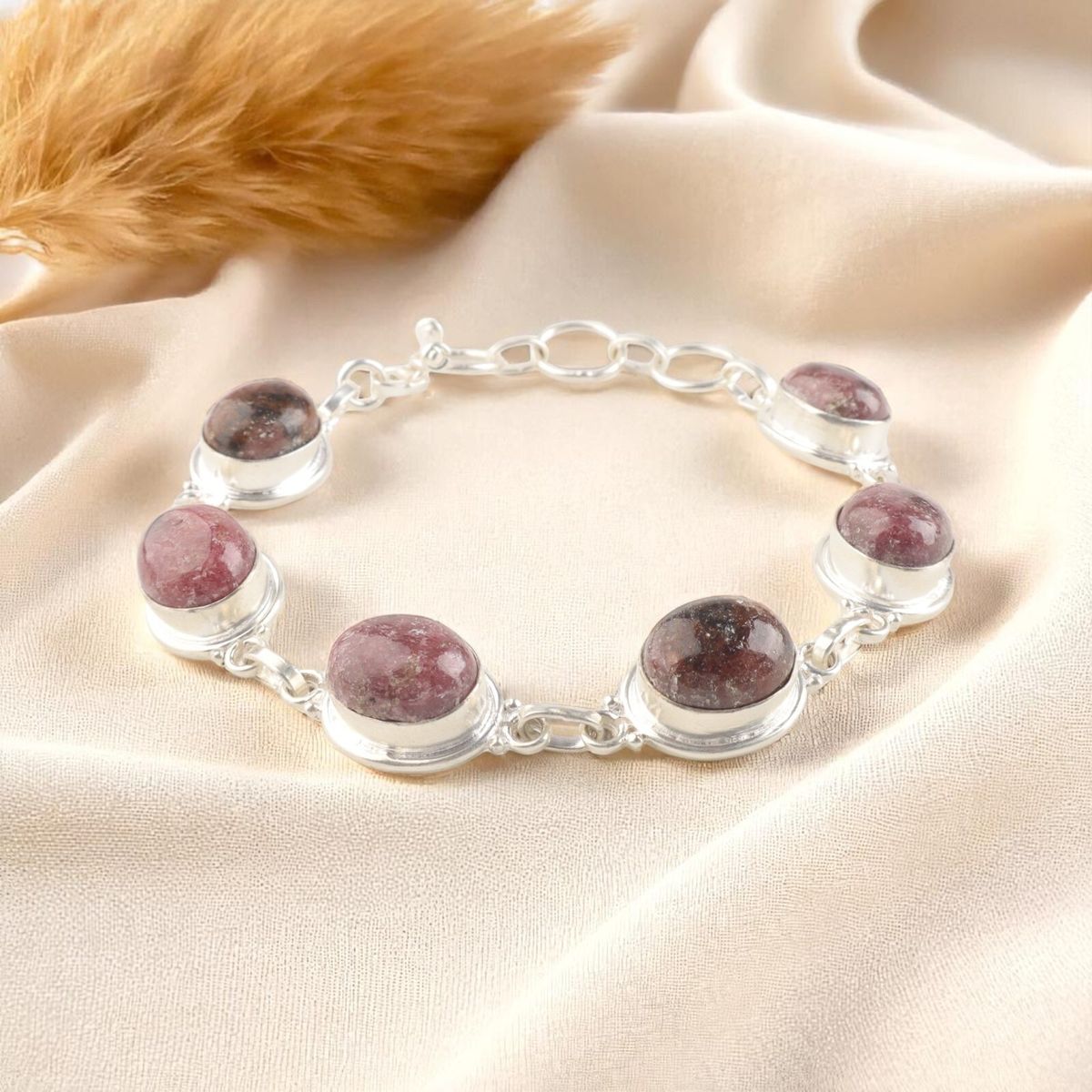
Bracelet
A Rhodonite bracelet gives steady contact, which can feel reassuring when stress builds. It suits routines, deadlines, and moments when patience runs thin. Noticing the weight on the wrist can bring attention back to breath and posture. A small reset before replying.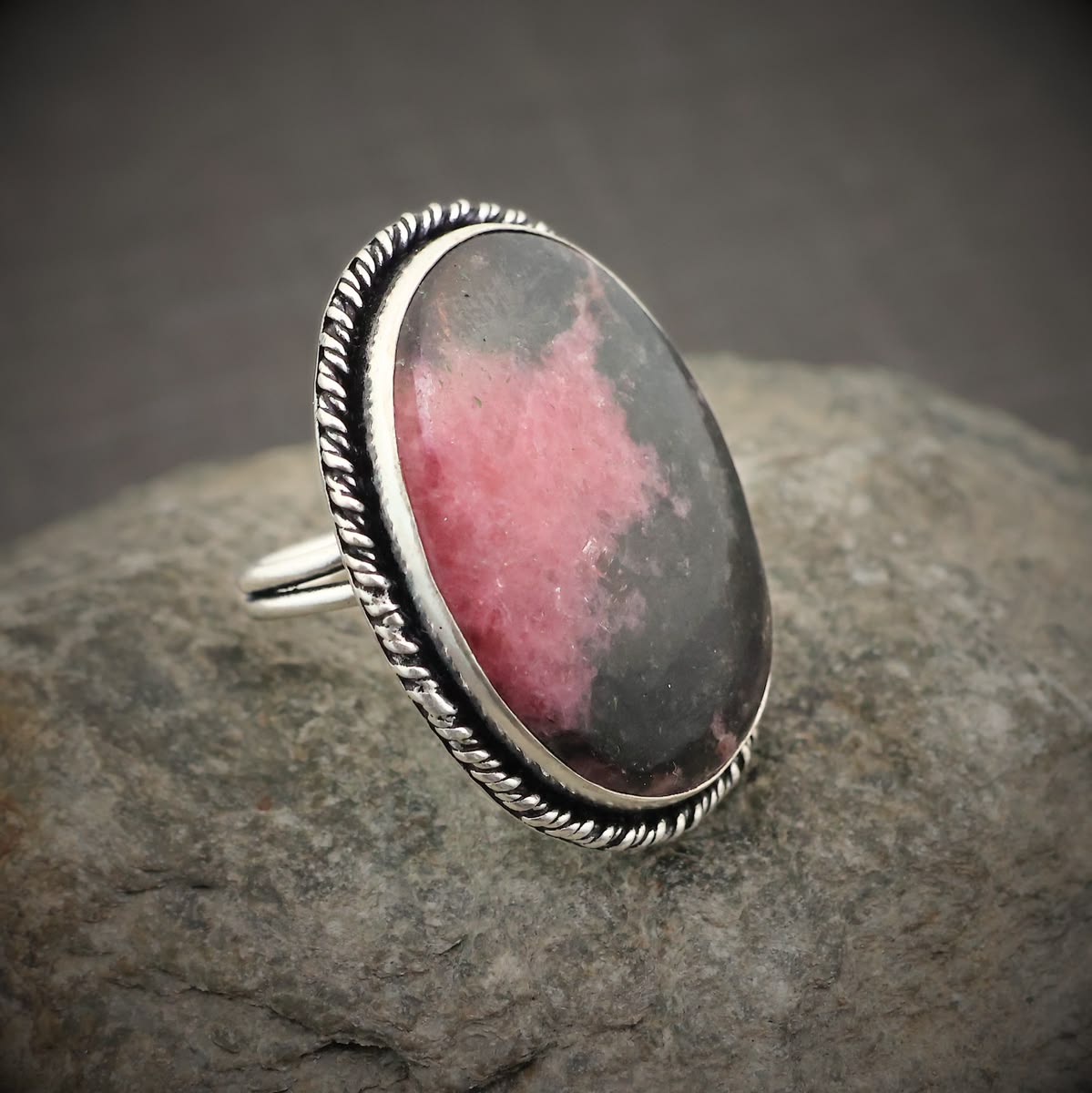
Ring
A Rhodonite ring feels direct and personal. It shows up while typing, writing, or handling day-to-day tasks, so it works as a boundary-with-kindness cue. It can help with follow-through too. Less backtracking, fewer heat-of-the-moment promises, more steady decisions.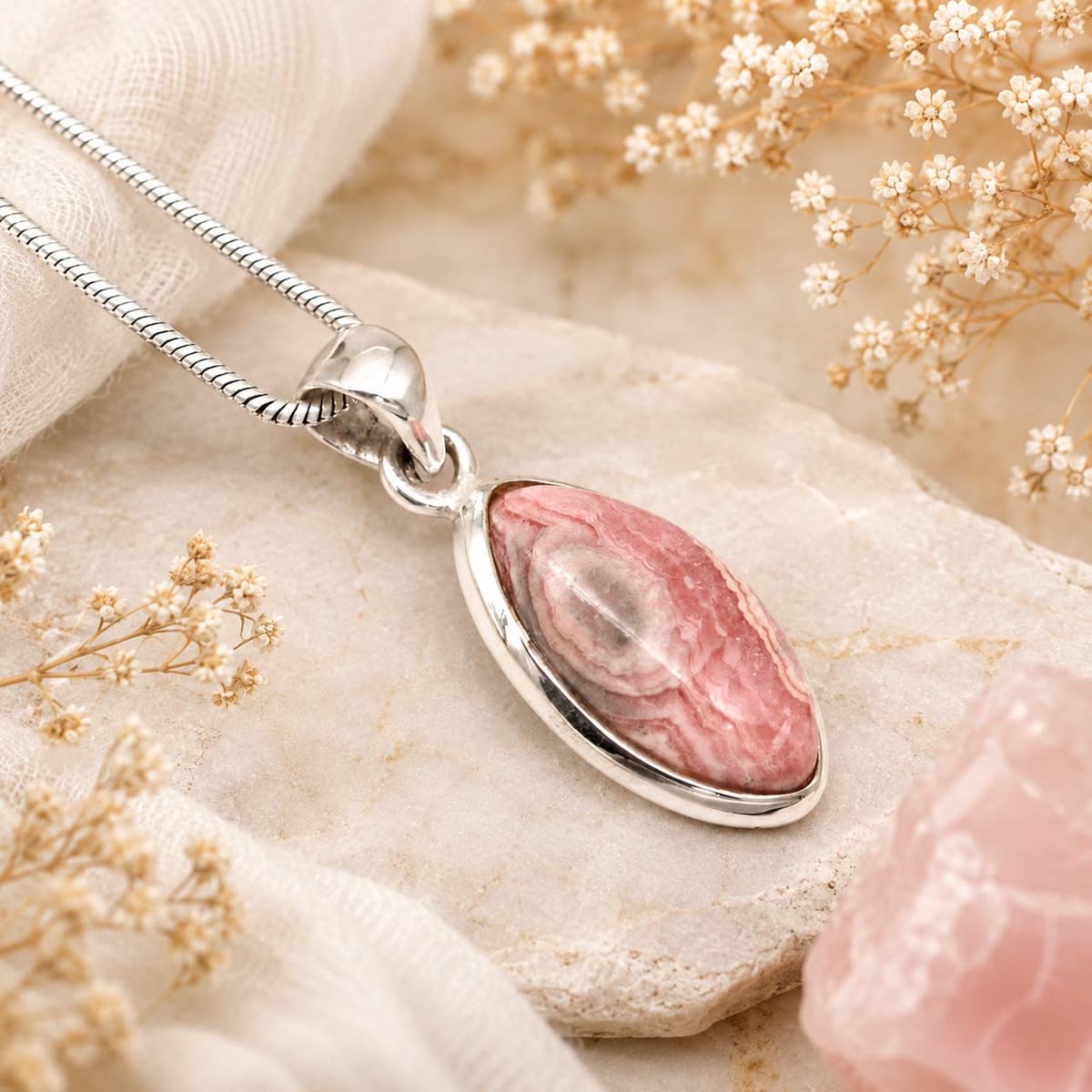
Necklace
A Rhodonite necklace sits close to the chest, which can feel steadying on tender days. It suits times when the heart feels raw, but life still needs moving. It can support gentler self-talk and slower breathing when emotions swell. Softening without shutting down.Forms
Each form below describes the feel it tends to carry with Rhodonite, so it is easier to pick one that fits the moment.
Rough
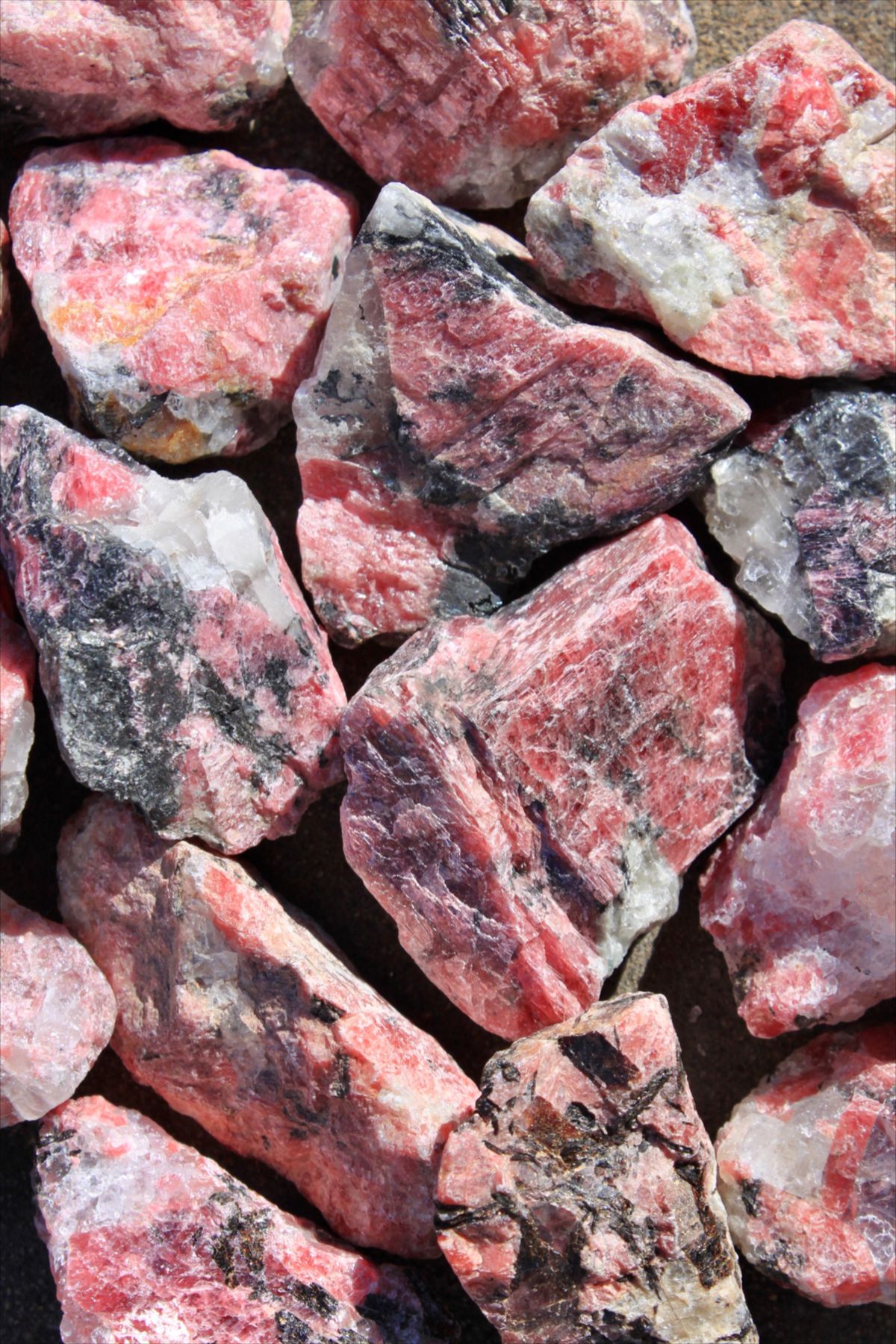
Rough Rhodonite feels blunt and real. The natural texture reads as sturdy support, like telling the truth without being cruel. It suits times when feelings need to be faced as they are, not smoothed into something easier.
Point / Tower
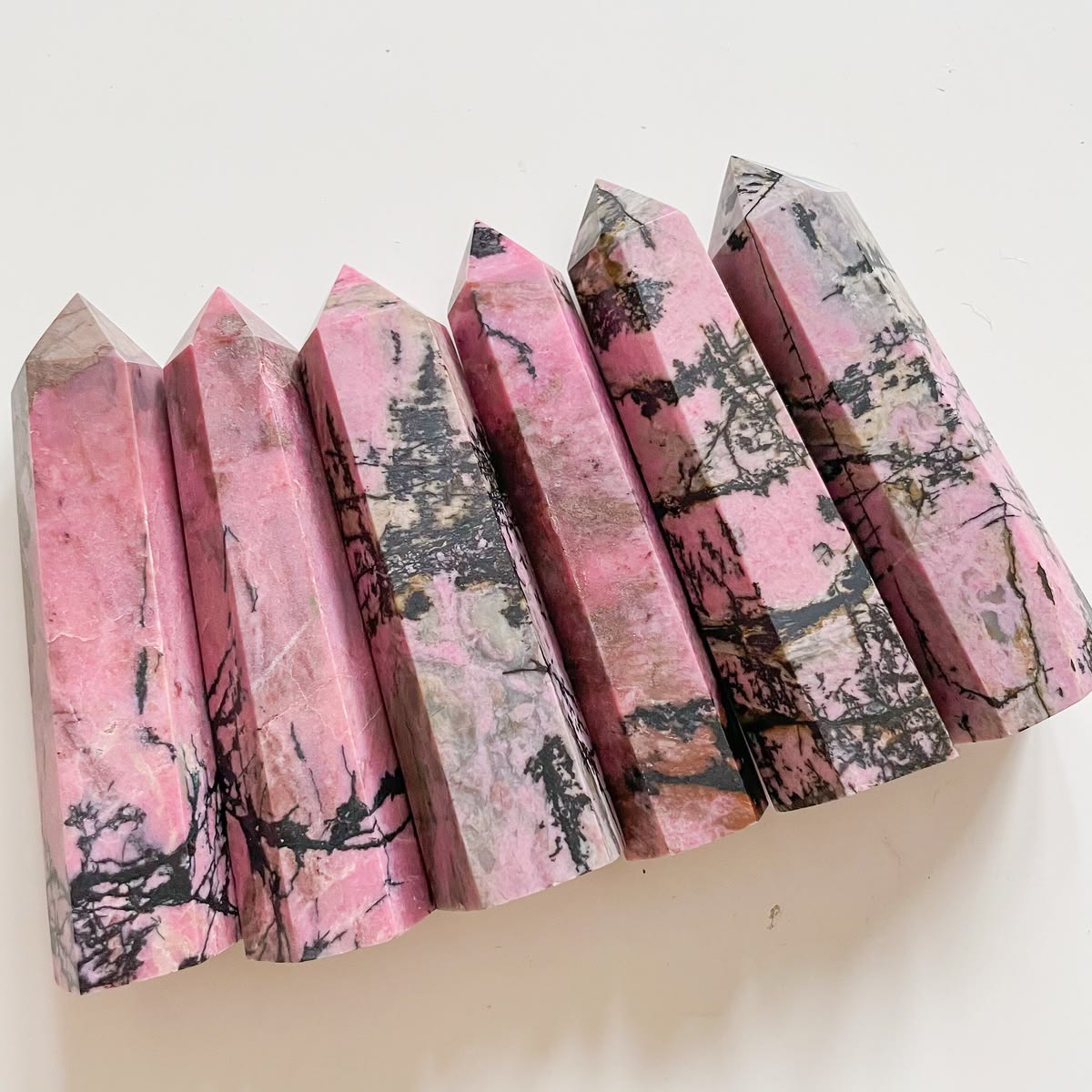
A point or tower gives Rhodonite a more directed feel. It reads as focus and resolve, helping its compassionate tone feel organized. It can feel like turning emotion into plain words, with clearer priorities and less drift.
Sphere
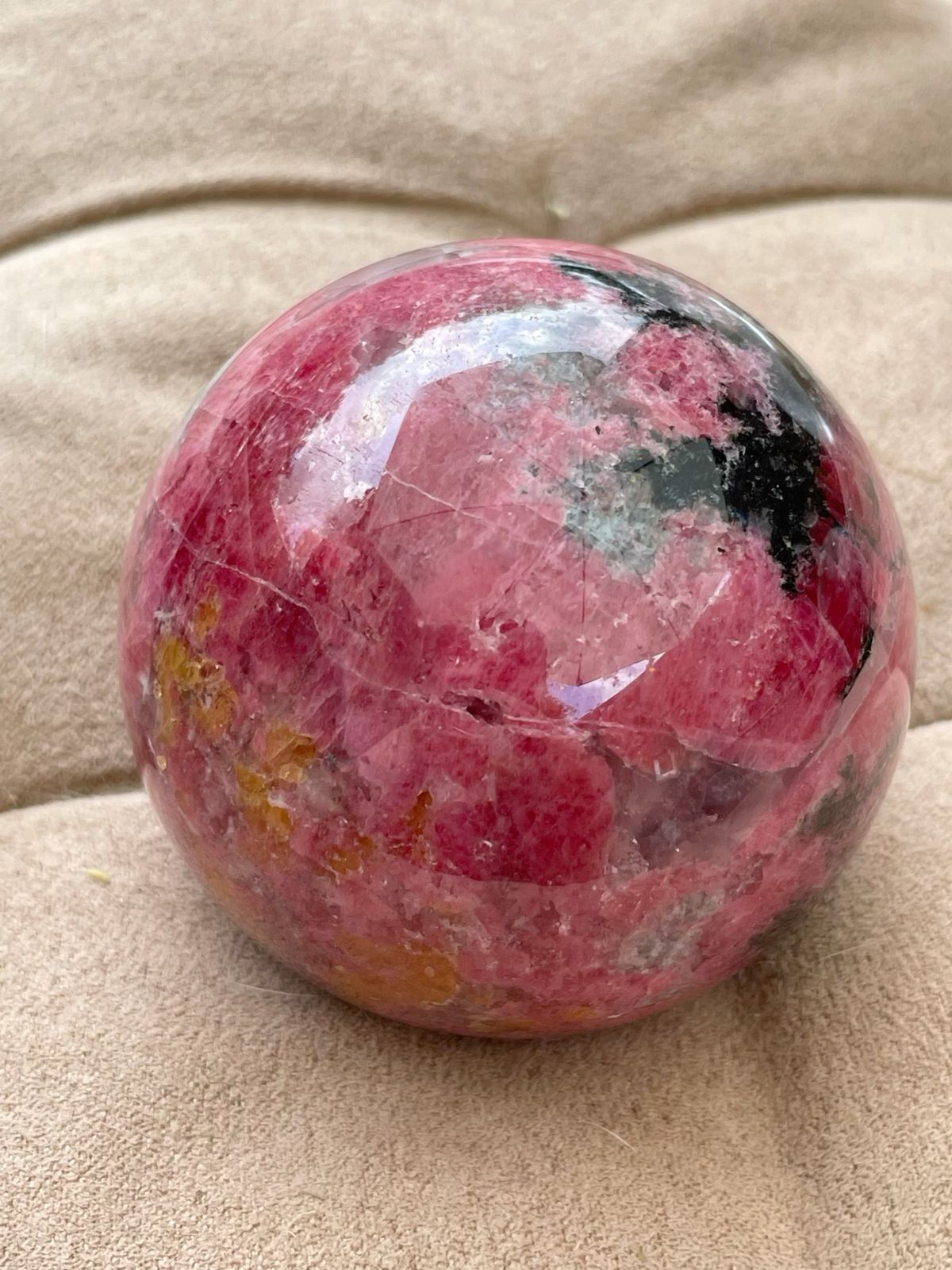
A Rhodonite sphere feels even and steady. The rounded form suggests balance and continuity, as if emotions can move without taking over. It often reads as softer and less reactive, with a calm that holds its shape.
Palm Stone
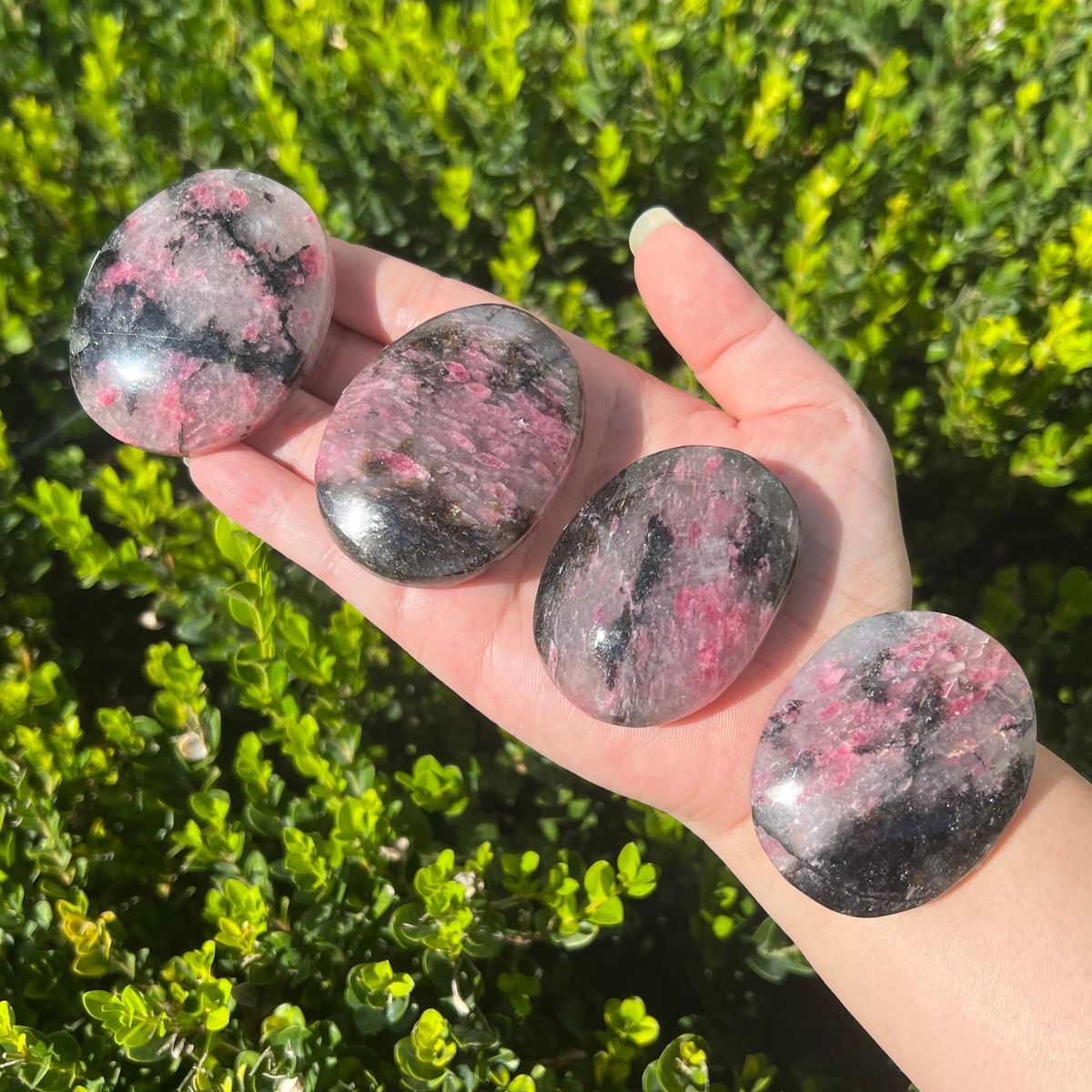
A Rhodonite palm stone feels personal and comforting. The smooth finish brings out a gentle, supportive tone, like reassurance that healing can be practical. Quiet care. It steadies the heart without making it heavy.
Tumble Stone
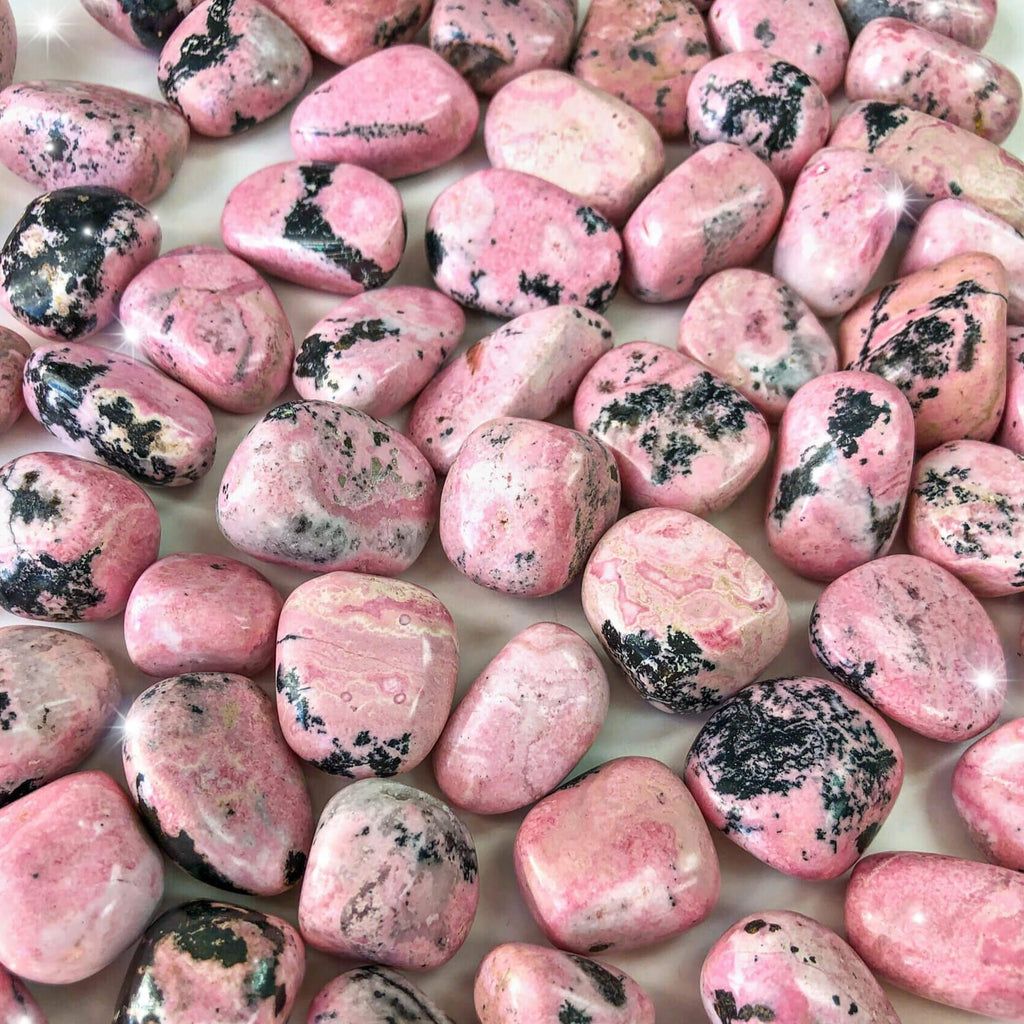
A tumbled Rhodonite feels simple and friendly. It reads as everyday support, not a big statement. The polish makes its emotional tone easier to approach, especially during transitions, when patience needs a small boost.
Figure
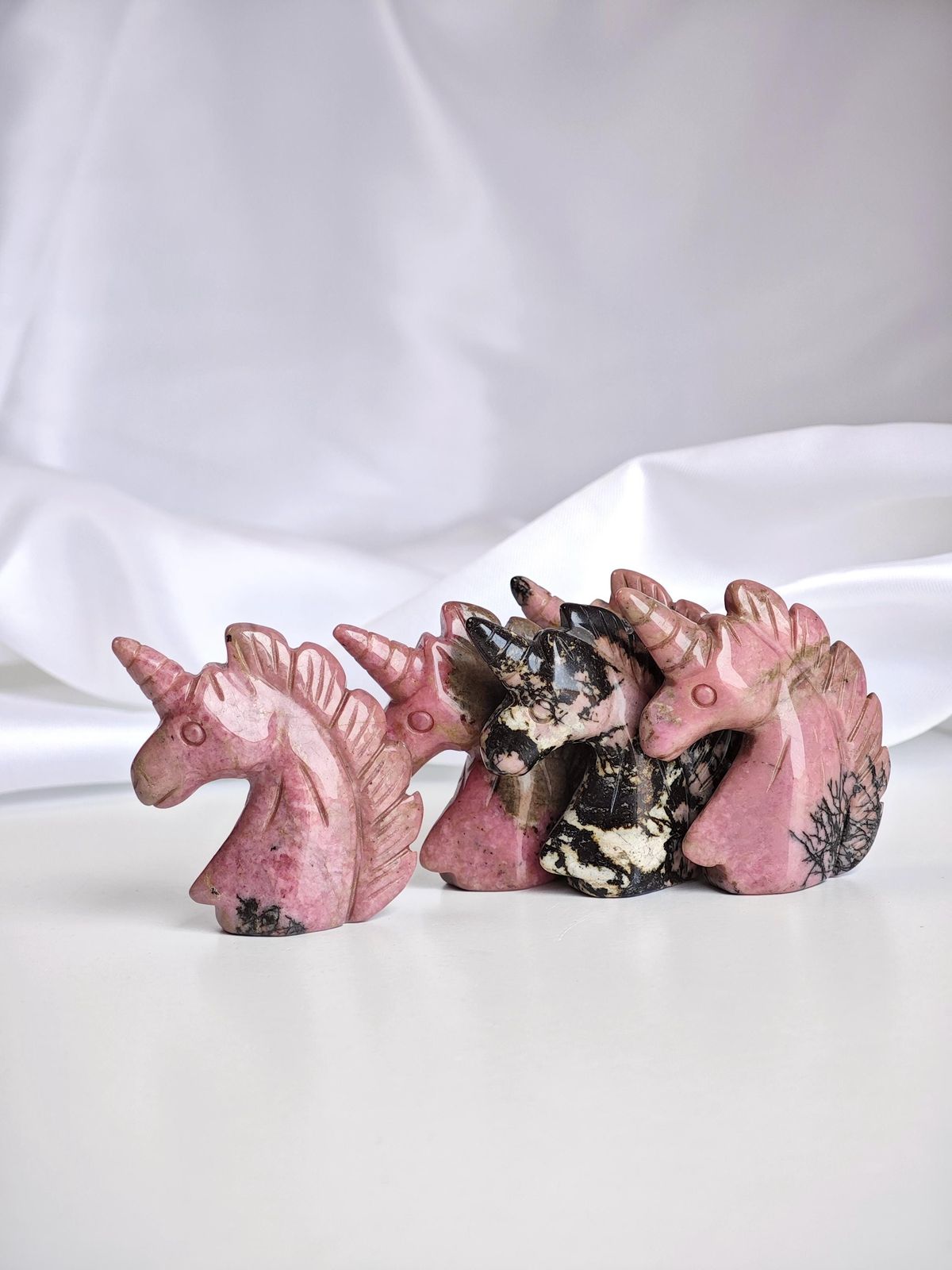
A Rhodonite figure adds a sense of story. It can feel like giving shape to a lesson, such as repair after conflict or compassion with self-respect. It often reads as a personal marker, a steady reminder with meaning.
Heart
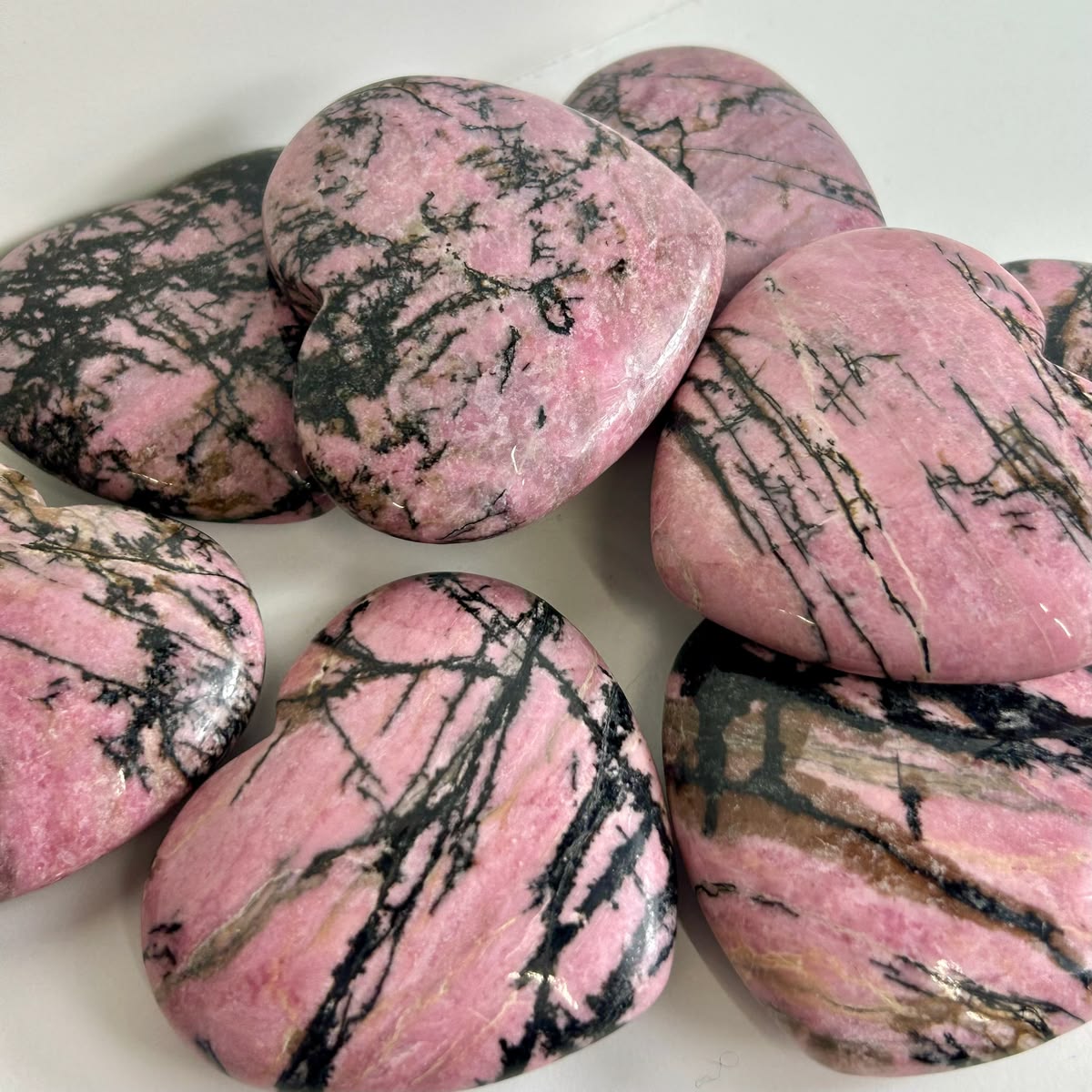
A heart form leans into Rhodonite’s link with emotional healing. It feels tender but not fragile, like care that still holds a line. The symbol makes forgiveness and self-kindness feel closer, and easier to reach for.
Cleansing & Charging
Rhodonite is moderately durable, so treat it with a bit of care. Keep cleansing simple and gentle, and avoid harsh chemicals or long soaks. A quick reset is often enough, especially after stressful days or heavy conversations.
Cleansing
- Wipe with a soft, dry cloth to clear everyday build-up.
- Use cool running water briefly, then dry well, avoid soaking.
- Smoke cleanse with incense or herbs for a gentle refresh.
- Use sound, like a bell or singing bowl, to reset the feel.
Charging
- Place in morning light for a short time, avoid strong midday sun.
- Set it near clear quartz to brighten and lift the tone.
- Leave it somewhere calm overnight to let it settle.
Where to Use
Use it in places where a gentle reset helps. If the space feels tense, pair it with a clear boundary in action, like a tidy surface, a clear plan, or a kinder way of speaking.
Bedroom
Use Rhodonite here to support softer self-talk at the end of the day. It suits unwinding after conflict, easing rumination, and making room for rest without replaying every detail.
Living room
Rhodonite can help keep the tone warmer during shared time. It suits spaces where family or flatmates talk things through, helping conversations stay respectful, even when opinions differ.
Office / study
In a work or study space, Rhodonite supports calm focus under pressure. It can help with steady follow-through, less reactive messaging, and taking feedback without spiralling into self-criticism.
Science
Physical properties
- Mineral class
- Pyroxenoid (inosilicate)
- Color
- Pink to red, often with black manganese-oxide veining
- Hardness
- 5.5 - 6.5
- Density
- ~3.4 - 3.7 g/cm3
- Durability
- Moderate
- Thermal stability
- Moderate
Optical properties
- Transparency
- Translucent to opaque
- Lustre
- Vitreous to pearly
- Refraction index
- ~1.72 - 1.75
Chemical composition
- Class
- Silicate
- Formula
- MnSiO3
- Group
- Pyroxenoid
- Magnetic
- Non-magnetic
Formation
Rhodonite forms where manganese is concentrated in the crust, most often during metamorphism. Manganese-rich sediments, or volcanic rocks altered by earlier fluids, can be buried and changed by heat and pressure. With the right mix of conditions, manganese and silica react and rhodonite grows through the host rock.
It also turns up in contact-metamorphic zones near intrusions. Hot fluids move along fractures and bedding planes, and shifting chemistry helps new minerals crystallize and replace older ones. Hydrothermal activity can keep manganese moving through cracks. The dark veining in many pieces usually develops later, when near-surface manganese oxidizes and fills small seams and breaks. Rhodonite often occurs with other manganese minerals in the same deposits.
Locations
- Russia
- Australia
- South Africa
- Brazil
- United States
- Sweden
History
Name derived from Greek for "rose"
Ancient Greece (term origin)
The name "rhodonite" comes from the Greek word for rose, a reference to the stone’s typical pink color. This is a naming origin, not a record of how the stone was used in the ancient world.
Described and classified in mineralogy
18th, 19th century
Rhodonite appears in formal mineral descriptions as modern mineralogy developed in Europe. Early study and collecting are commonly linked to manganese-rich deposits, including those in Russia.
Decorative stone and lapidary material
19th century
In the 1800s, rhodonite was used as an ornamental and lapidary stone, especially where large deposits made carving practical. Uses varied by region and by the material available.
Wider jewelry use and international supply
20th century
As the gem and mineral trade expanded, rhodonite became more widely available. It showed up more often as beads, cabochons, and small carvings, with material coming from multiple countries over time.
Modern rhodonite-healing and wellbeing associations
Late 20th century to present
In contemporary rhodonite and wellbeing circles, rhodonite is often linked with compassion, emotional balance, and support during stressful periods. These are modern cultural meanings rather than historical facts verified in the same way as mineral classification.
Got questions?
We've got answers!
FAQ's
What is Rhodonite used for?
+×
Rhodonite is often used as a steady support for emotional balance, especially after conflict or a rough patch. It is linked with compassion, forgiveness, and calmer reactions when feelings run high.
In day-to-day use, it is commonly carried as a pocket stone, worn as jewelry, or kept nearby during hard conversations, journalling, or quiet time. A small reset.
Which zodiac signs are connected to Rhodonite?
+×
Rhodonite is most closely connected with Taurus.
It is often chosen for Taurus themes like steadiness, loyalty, and practical care, especially when emotions need a calmer, more grounded outlet.
What chakras does Rhodonite activate?
+×
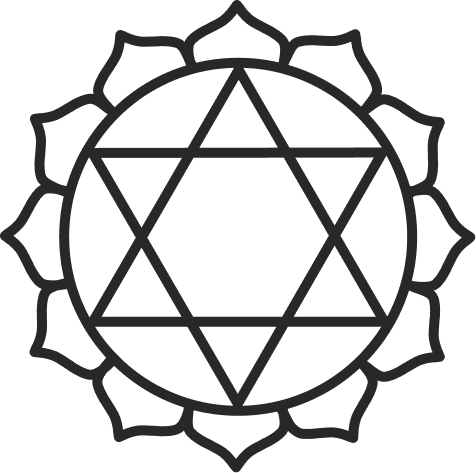
Rhodonite is most commonly linked with the Heart chakra.
It is often used with heart-focused intentions, like easing resentment and building self-compassion. Staying open, while still keeping a clear sense of what feels right.
Can Rhodonite help with stress and sleep?
+×
Rhodonite is often used as a calming support during stressful periods, mainly by encouraging a more settled mood and less reactive thinking.
For sleep, it can be placed by the bed or used in a short wind-down routine, like a few slow breaths or journalling. It is not a treatment for stress or sleep problems, but it can be a gentle cue to slow down and feel safer in the body.