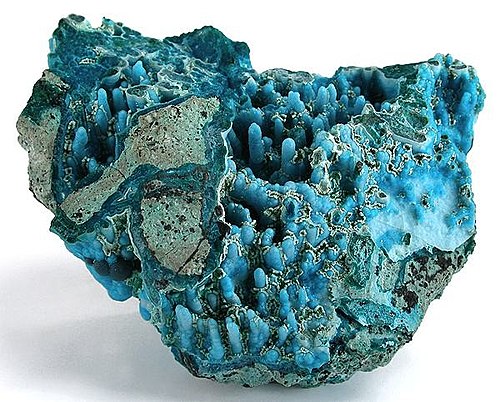
Chrysocolla Crystal, Benefits and Meanings.
Named from Greek 'chrysos' (gold) and 'kolla' (glue), referring to materials used in ancient metalworking; chrysocolla is widely associated with gentle communication, emotional balance, and soothing energy.
Metaphysical & Spiritual
Chrysocolla is linked with a softer kind of strength, steady even while feelings move through. It suits times when words need care and timing matters. Its energy is often described as cool and smoothing, like taking the edge off a tense talk without shutting it down. Honest stays the point, not sharpness. The associations below, from signs and planets to element, chakras, and key numbers, keep circling one theme. Calm, clear expression, shown from a few angles.

Planet

Venus
Venus themes show up as ease, support, and respect in close bonds. Chrysocolla fits that gentle harmony, where affection looks like patience, fairness, and clean boundaries.
Element
Water
Chrysocolla carries a Water-like feel, cool, flowing, and emotionally spacious. The link points to release without overwhelm, and a softer mood once the wave passes.


Crystal Pairings
Chrysocolla pairs well with stones that either deepen its steady, open-hearted tone or add a bit more backbone and clarity. These combinations keep the focus on honest expression, emotional steadiness, and staying kind without losing the point.
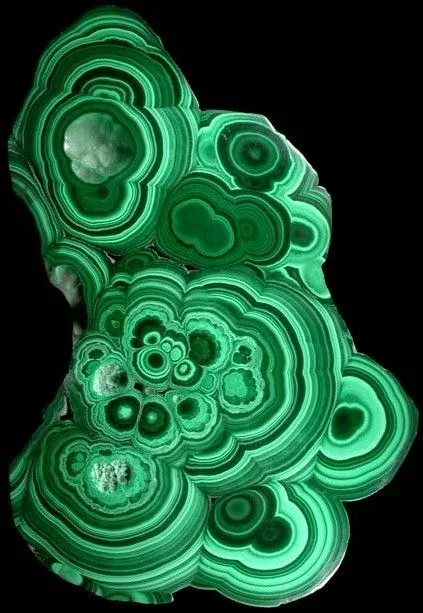
Malachite
Malachite brings a stronger change-current, which steadies Chrysocolla's softer tone. Together it feels like truth with momentum, still mindful of feelings, still willing to face what has to shift.

Azurite
Azurite adds a sharper, insight-led note that suits Chrysocolla's grounded warmth. The blend reads as clear thinking with a calm voice, ideas getting organized without turning cold.
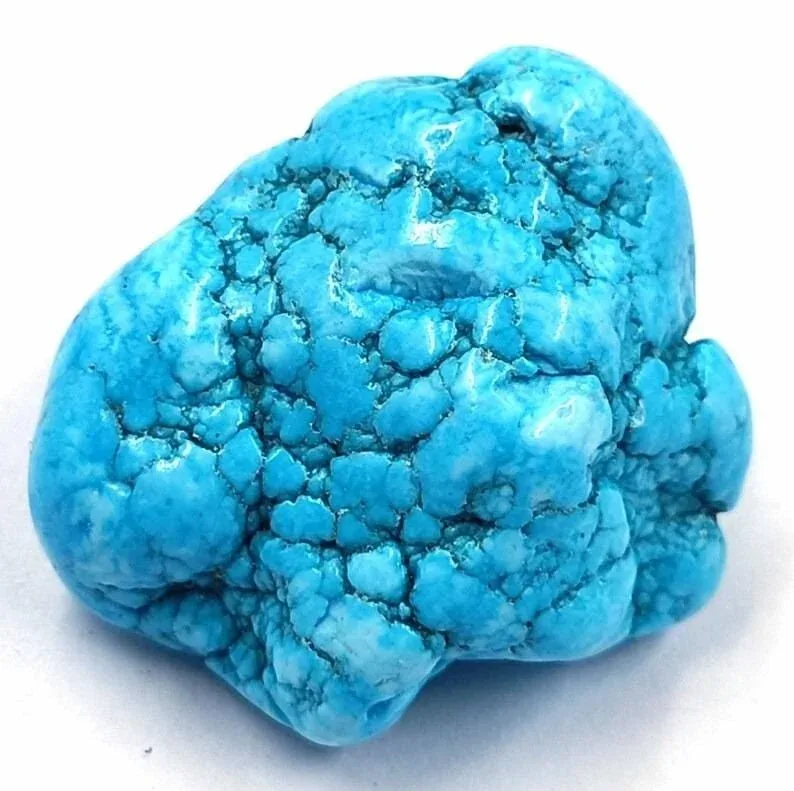
Turquoise
Turquoise shares Chrysocolla's open tone, but with more of a protective, socially steady feel. Together it points to plain speech that stays friendly, trust sitting underneath.
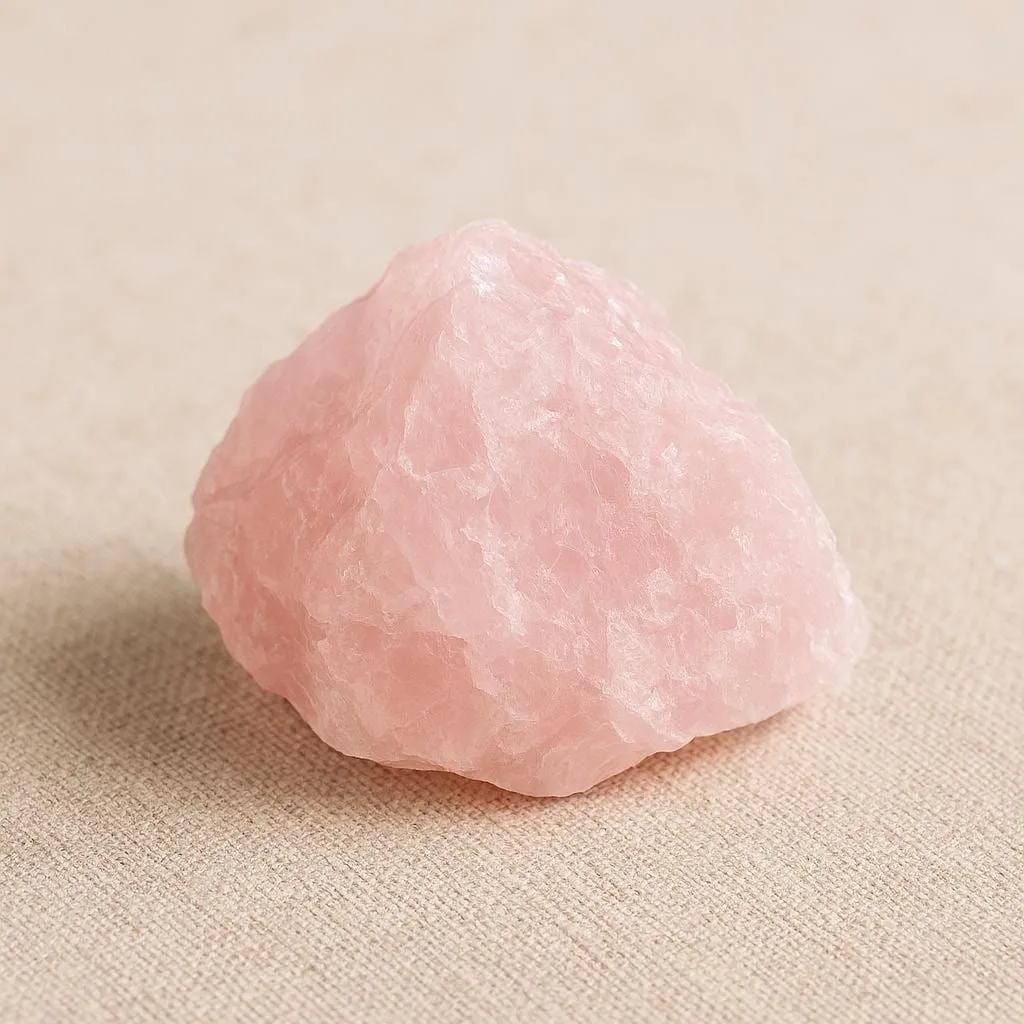
Rose Quartz
Rose Quartz leans into softness and self-kindness. It smooths the rougher edges that honesty can bring up. With Chrysocolla, the message stays direct, but not harsh.
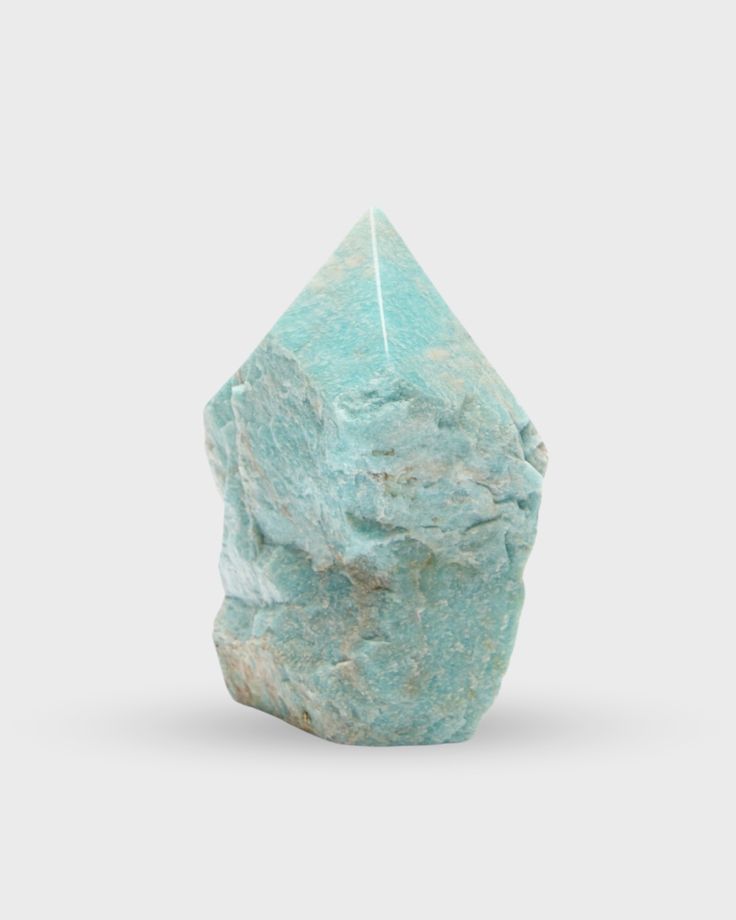
Amazonite
Amazonite has a clean, straightforward feel that matches Chrysocolla's emotional awareness. Side by side, it suggests calm honesty, keeping things clear without getting dragged into noise.
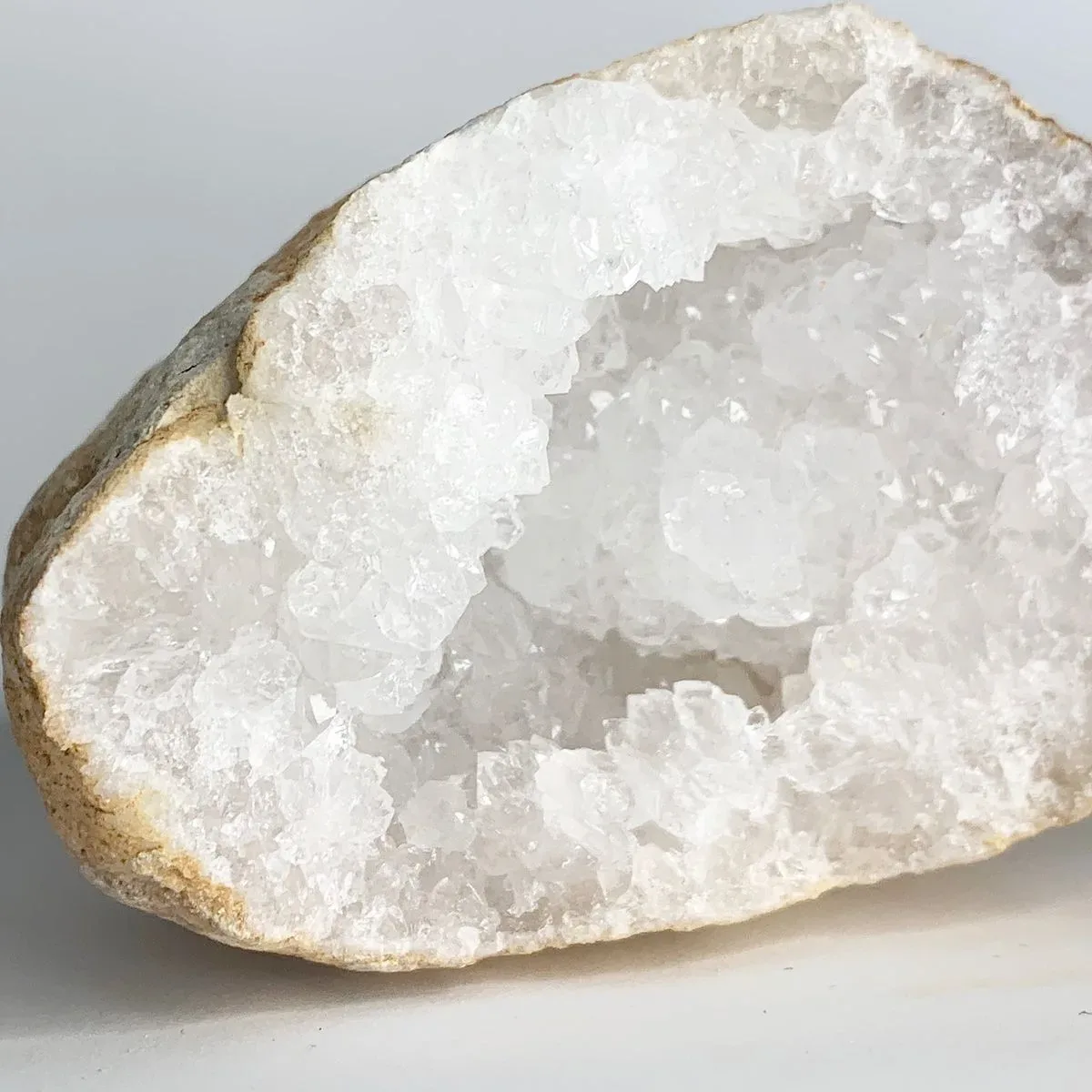
Clear Quartz
Clear Quartz is often treated as a simple clarifier, which helps Chrysocolla's themes land with more definition. The pairing feels emotionally steady, with a brighter line of focus.
Healing
Chrysocolla suits days when emotions sit close to the surface and the right words stall. It fits a softer approach that still holds the line, useful for apologies, honest feedback, or clearing the air without turning it into a fight.
It helps keep feeling and speech in the same lane, so the point stays clear. Let it cue a pause and one steady breath. Then answer slower. Say what is meant, keep it simple, and do not over-explain.
Affirmations
Affirmations work best when they feel believable. Keep the tone simple and repeat one line when needed, especially before a difficult chat or after a long day.
Say the words slowly. Notice where the body tightens, then soften that spot with the next breath.
- My words are kind and direct.
- It is safe to speak at my own pace.
- My feelings matter, and so do my boundaries.
- I listen with care and respond with honesty.
- I can pause before I reply.
Intention Setting
Set one intention, then make it practical. Link it to a small action so it has somewhere to land.
Choose a moment to check in with it, like before sending a message or starting a meeting.
- Speak clearly without pushing.
- Ask for what is needed, simply.
- Stay present during hard conversations.
- Respond with patience, not urgency.
- Keep the heart open while staying grounded.
Manifesting
Manifesting here is about follow-through. Focus on the tone and habits that support the outcome, not forcing a result.
Pick one theme for the week, then track small wins, like a calm reply or a clean boundary.
- Conversations that feel respectful and balanced.
- A steadier mood during stressful days.
- Clearer boundaries that do not need drama.
- More confidence in sharing ideas.
- Supportive relationships with honest feedback.
Jewelry
Chrysocolla jewelry keeps things simple. No big routine, just a steady prompt in the middle of normal life. The theme stays the same, calmer speech and clearer limits. The difference is placement, what gets noticed, and when it shows up.
General benefits: Wearing Chrysocolla as jewelry keeps the reminder close all day. It suits times when tone matters, meetings, calls, family plans, or hard texts. The cool touch can cue a pause, one breath, and cleaner words before replying.
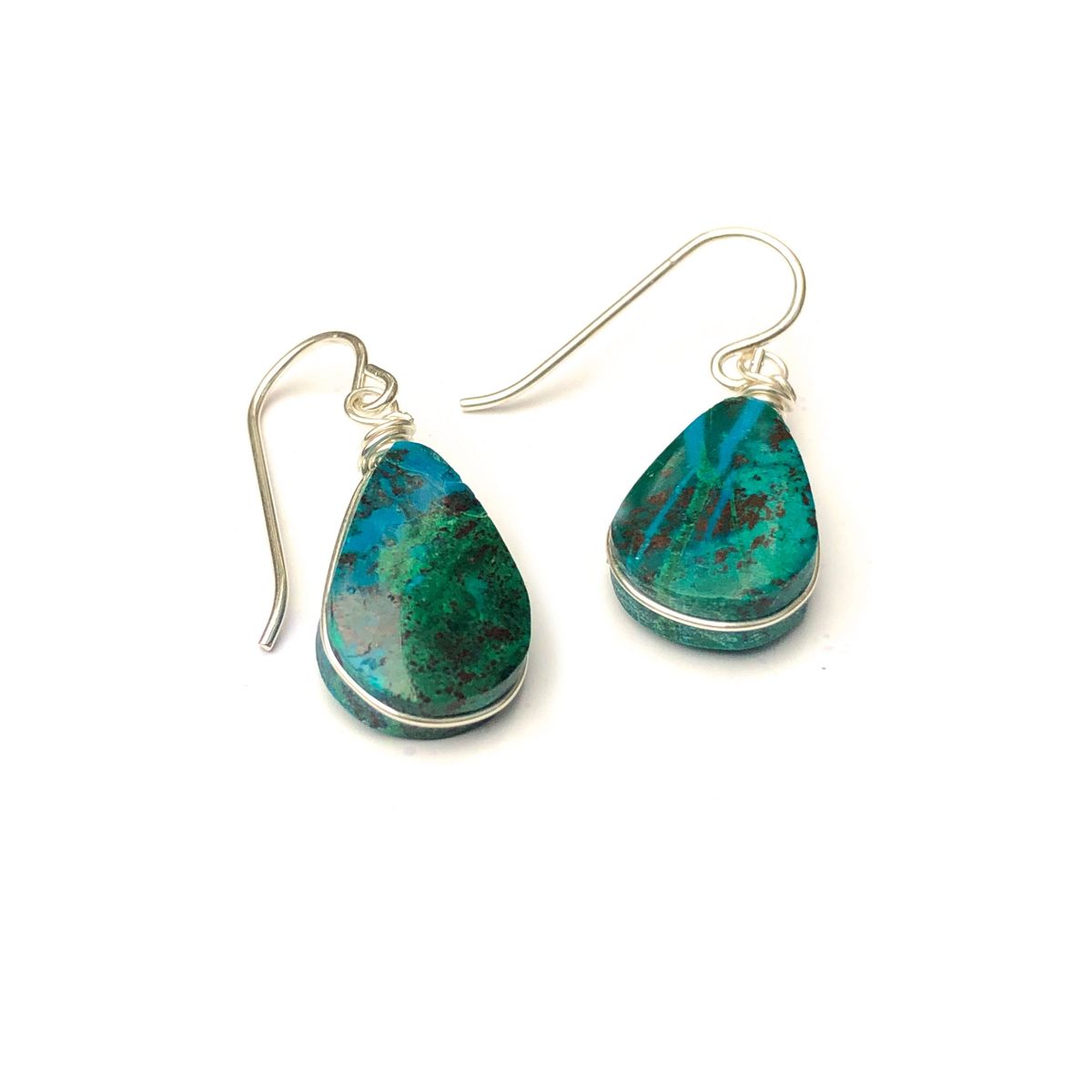
Earrings
Chrysocolla earrings lean into listening, not just talking. They suit social days when quick replies can get sharp. A small swing or glint can bring attention back to the other person's point, then help the answer come out steady.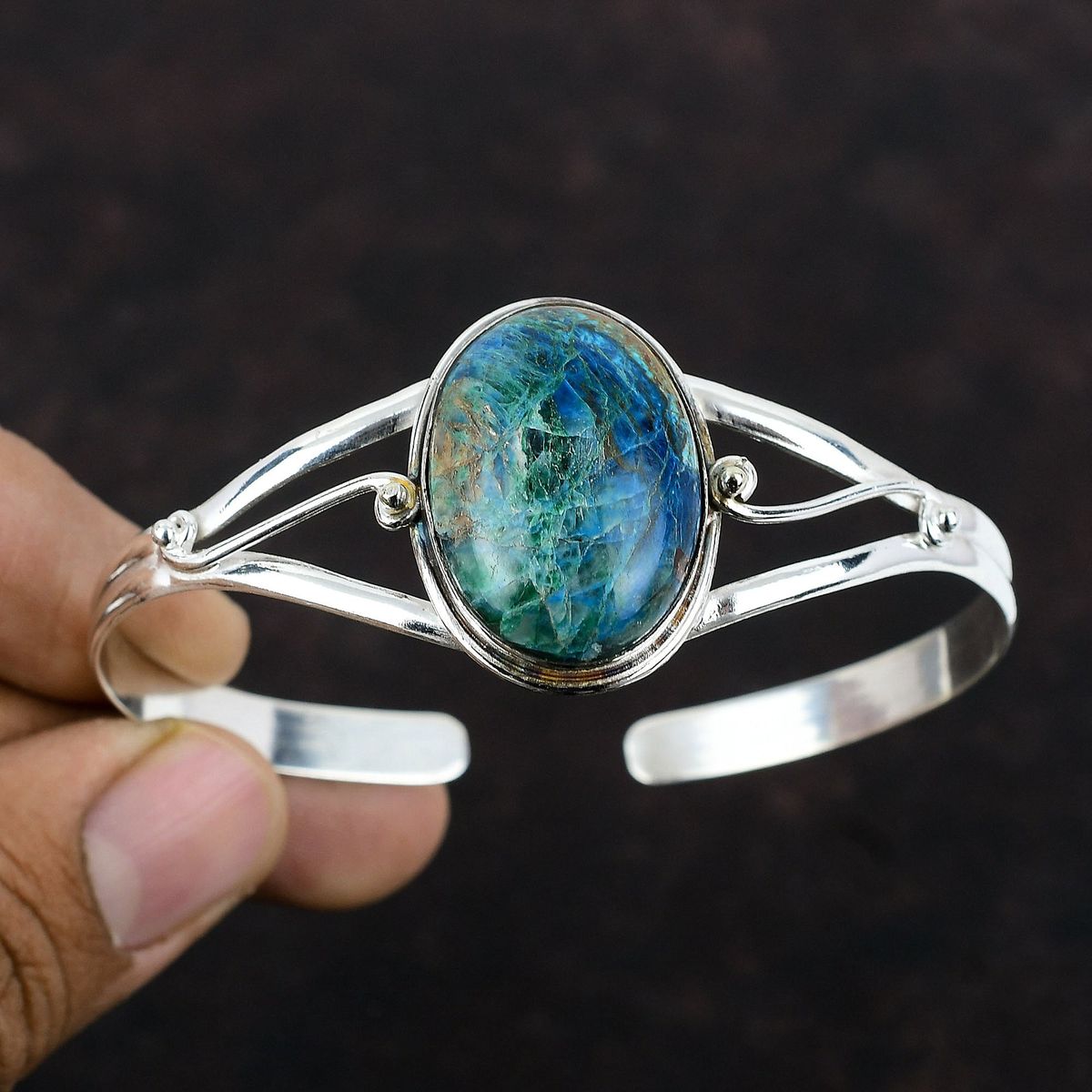
Bracelet
A Chrysocolla bracelet is easy to spot while typing, writing, or holding a phone. That makes it a practical cue for measured replies and clear limits. Handy in busy routines, when it helps to respond on purpose, not match someone else's speed.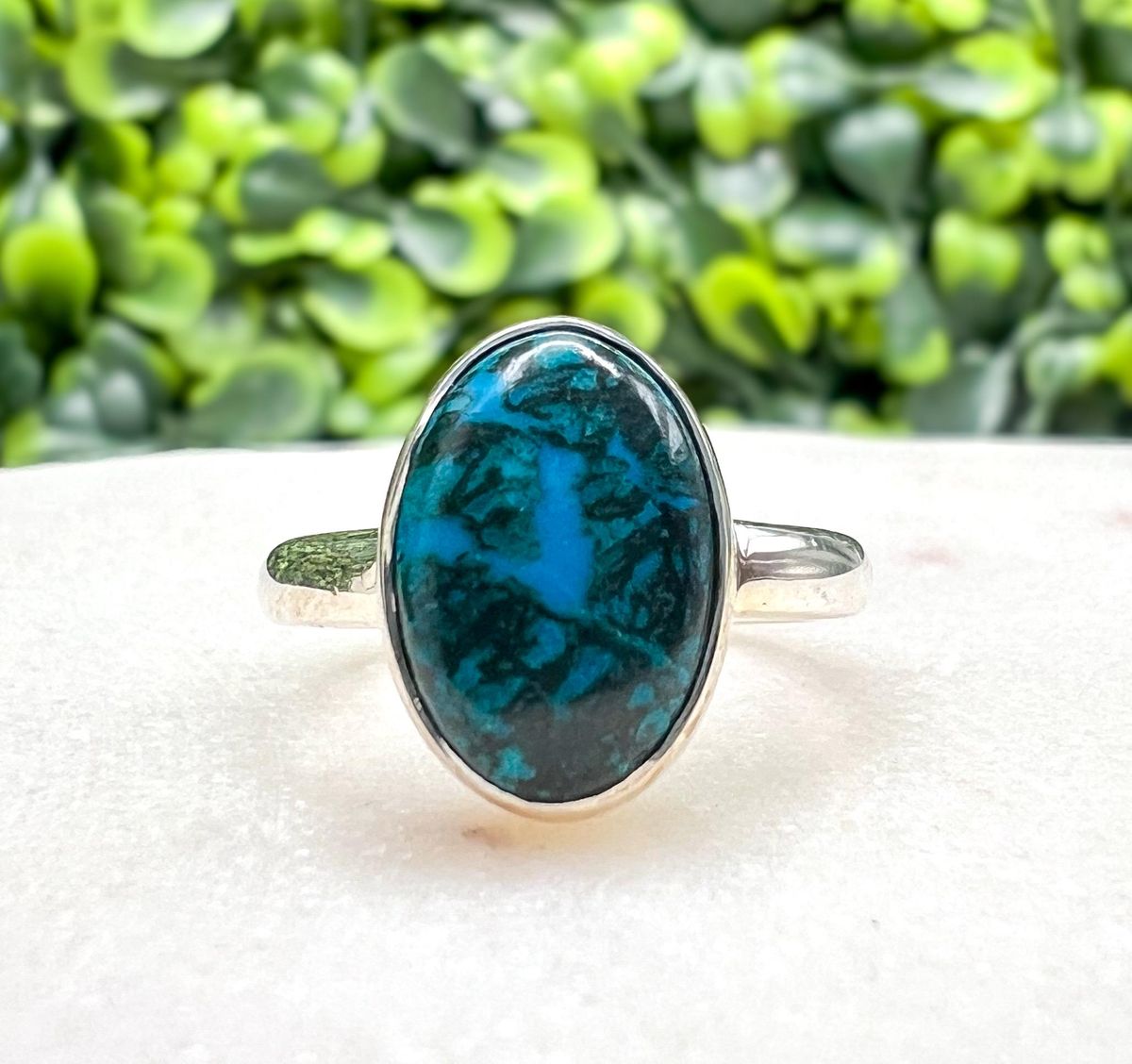
Ring
A Chrysocolla ring stays in view, which suits moments that need a calm head. Good for planning, negotiating, or setting terms. The feel of the band can prompt a plain sentence, then a stop. Let the message land without extra explaining.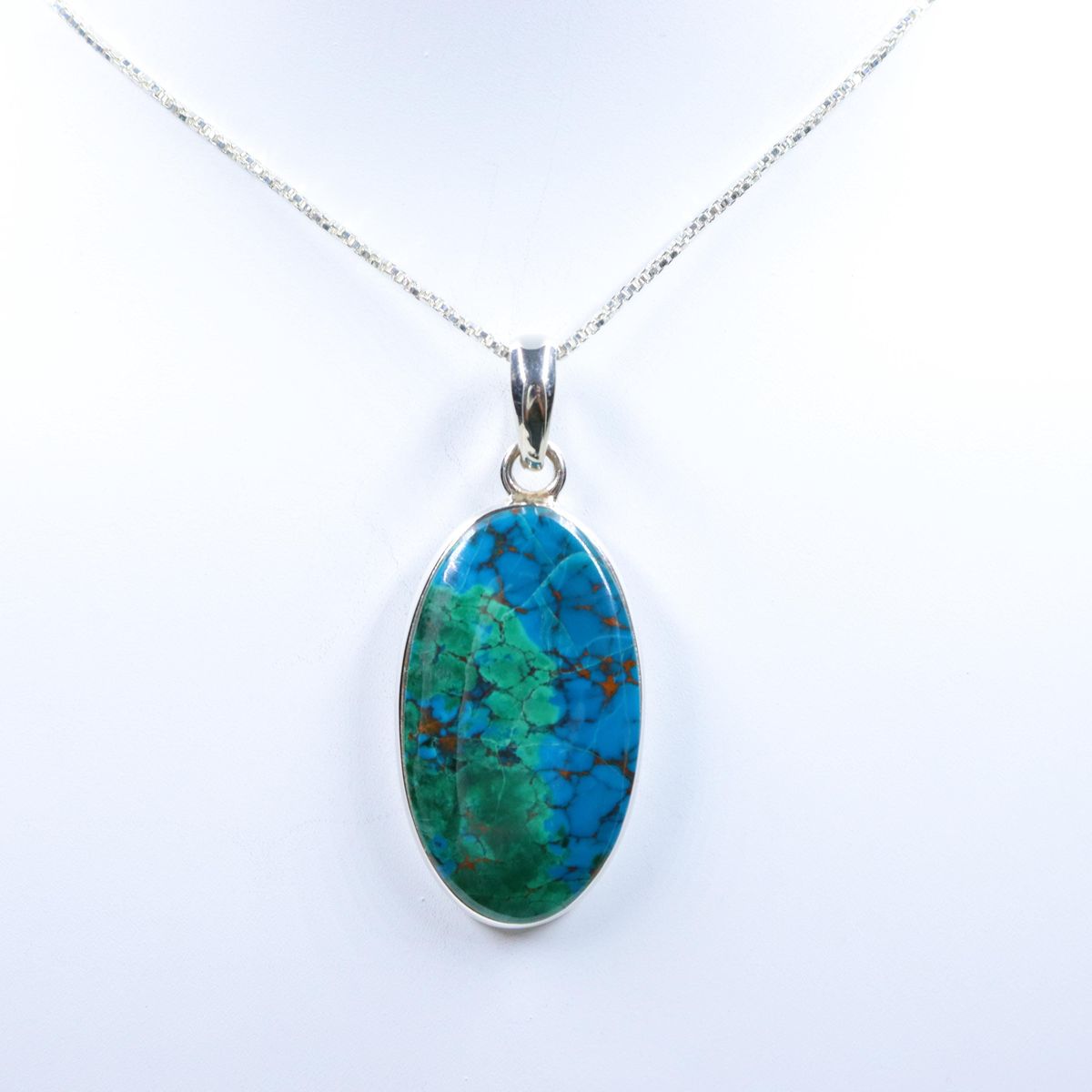
Necklace
A Chrysocolla necklace sits close to the throat and chest, where voice and feeling meet. It suits days when emotions run strong but the tone needs to stay even. It can also support quiet confidence, saying less, meaning it, and not backtracking.Forms
The cut and finish change how the color, veining, and patches show, which shifts the overall mood.
Rough

Rough Chrysocolla looks natural and unpolished, with earthy patches and uneven color shifts. The texture keeps it grounded and a bit raw. It reads as straight talk, the kind of piece that does not try to look perfect.
Point / Tower
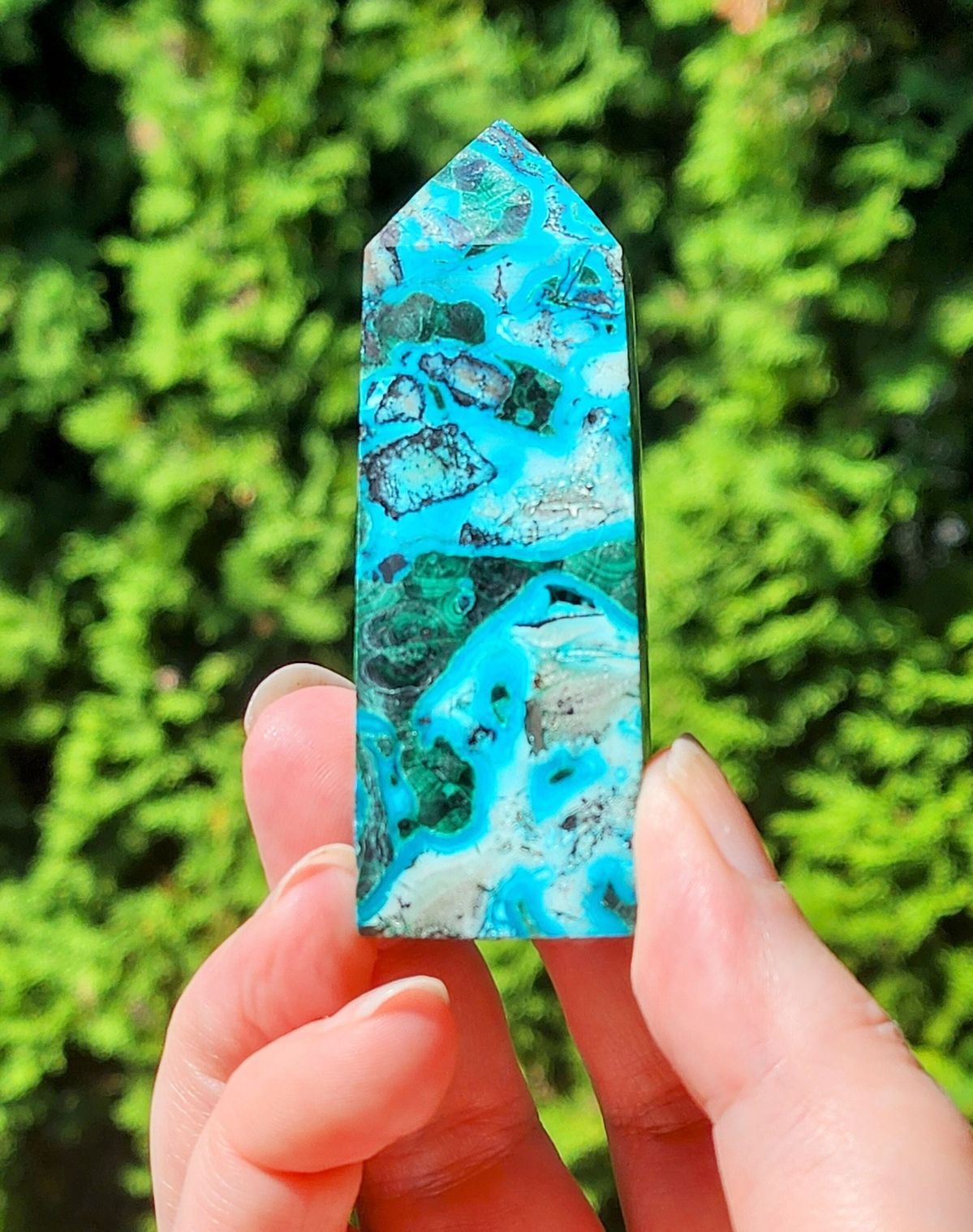
A Point or Tower gives Chrysocolla a focused, tidy look. The lines pull the eye upward and make the pattern feel more organized. It comes across as clear and structured, like thoughts that have been put into a simple order.
Sphere
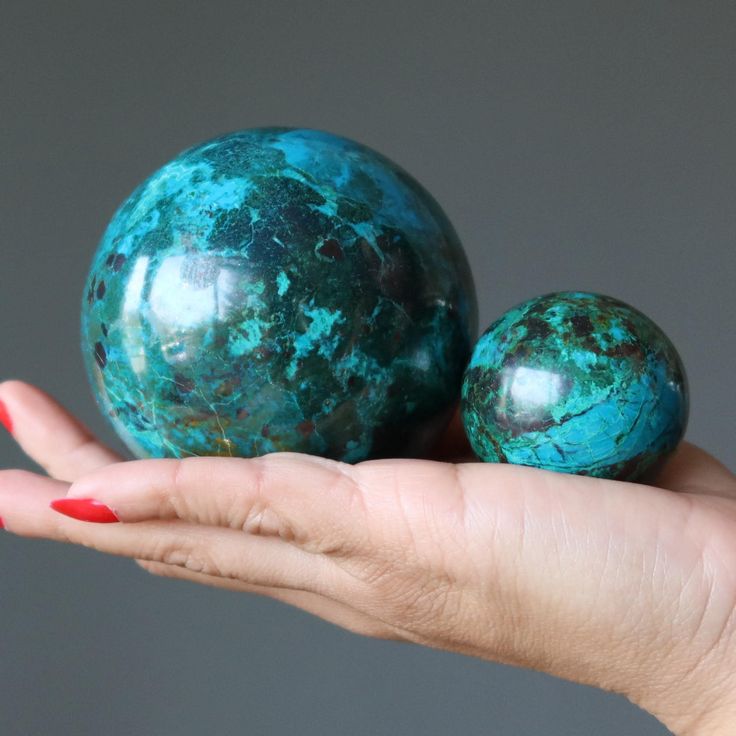
A Sphere softens Chrysocolla into an even, rounded form. Patterns wrap around in a continuous flow, which feels contained and steady. It reads as balance, with the colors blending in a way that looks calm, not scattered.
Palm Stone
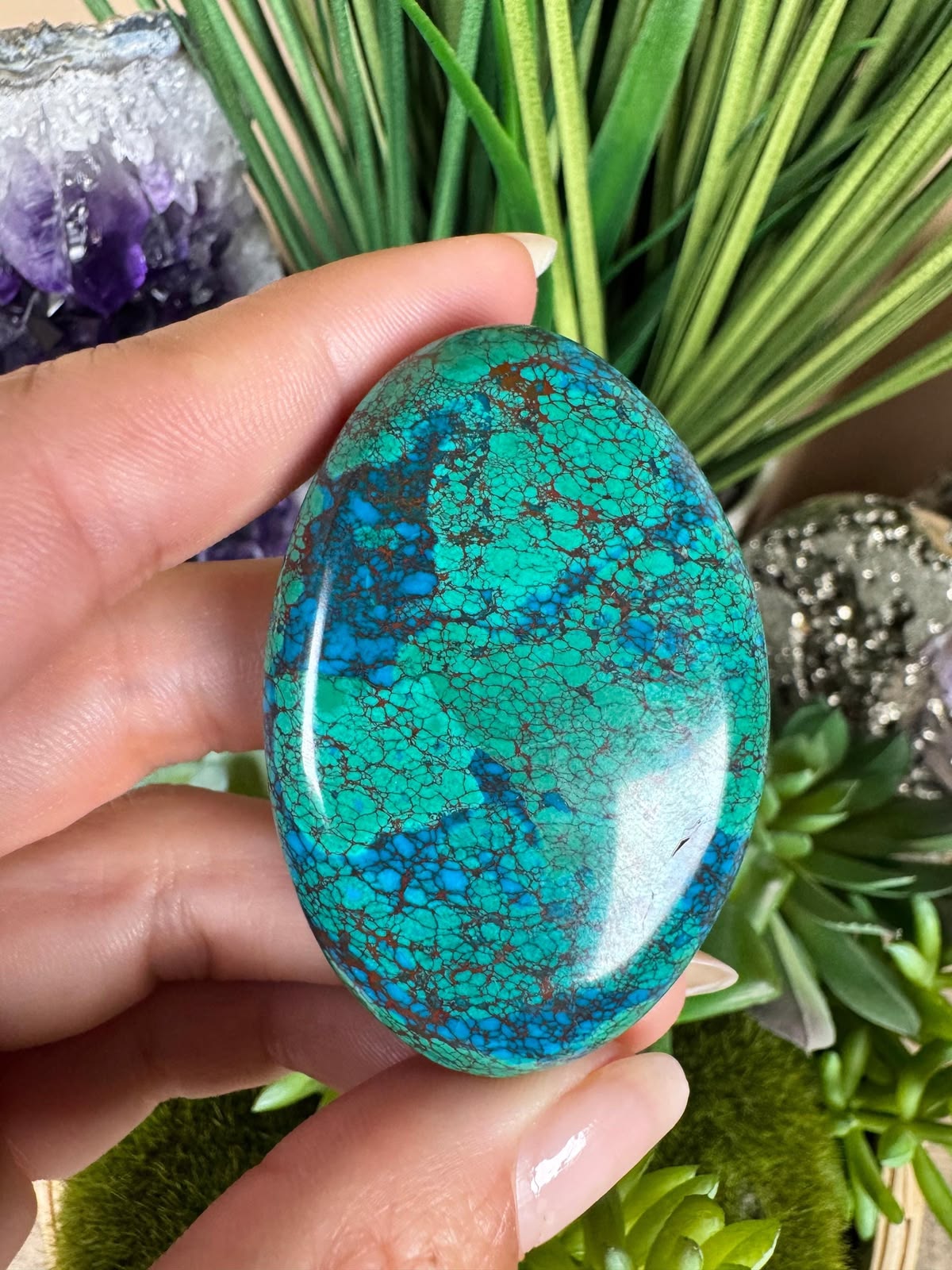
A Palm Stone feels smooth and settled. The polished finish makes mottling and color changes look gentler, with a quieter tone overall. It reads as comfort without fuss, a piece that looks calm even when the pattern is busy.
Tumble Stone
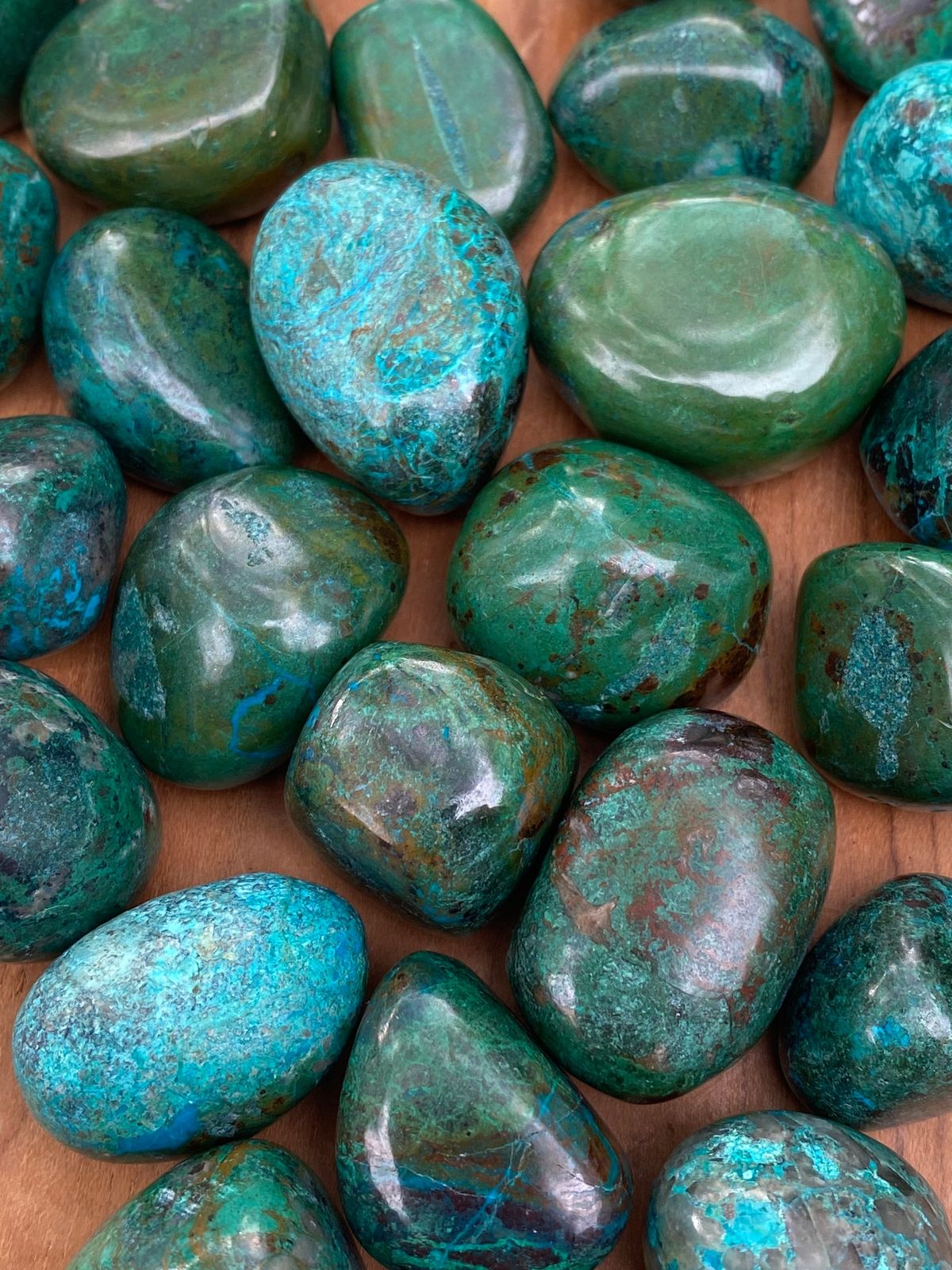
A Tumble Stone makes Chrysocolla feel casual and easy to like. The small, smooth finish can bring out bright blue and green flashes without looking formal. It reads as simple support, light, friendly, and straightforward.
Figure
A Figure gives Chrysocolla a story-like look. Bands and patches can suggest waves or little landscapes, which adds personality. It often feels warm but defined, with character that still keeps a clear outline and a solid presence.
Heart
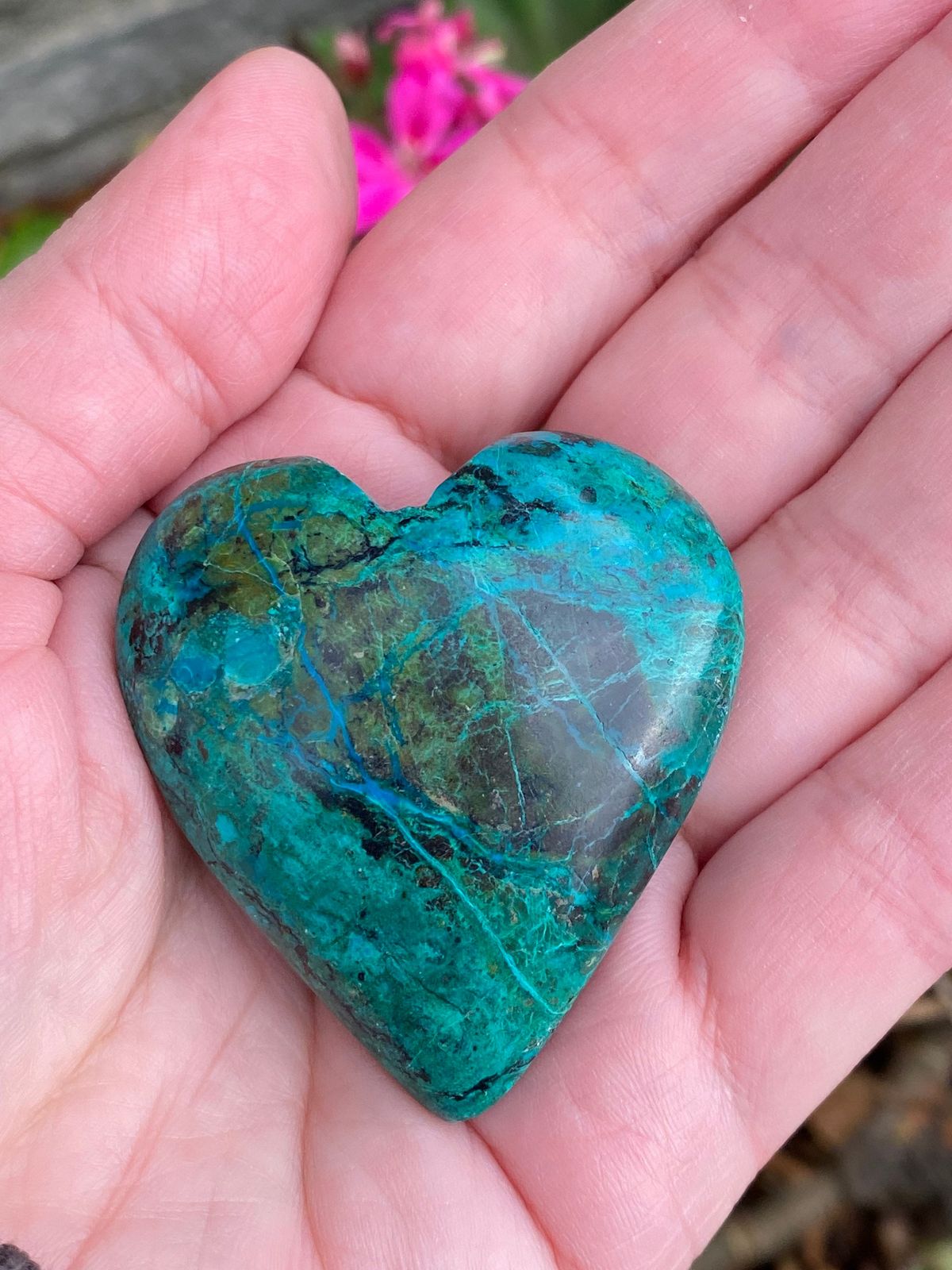
A Heart puts the emotional theme front and center. Chrysocolla's blues and greens often look softer in this form, with an obvious visual cue. It reads as care with honesty, gentle in shape, but not overly sweet.
Cleansing & Charging
Chrysocolla is a softer, low-durability copper mineral, so keep cleansing and charging gentle. Avoid salt water, harsh chemicals, and long soaks. A quick, careful routine helps it stay looking its best.
How to cleanse Chrysocolla
- Use smoke cleansing, like incense, and keep it brief.
- Try sound, such as a bell or singing bowl, for a light reset.
- Wipe with a soft, dry cloth, or a barely damp cloth if needed, then dry straight away.
- Avoid salt, salt water, and long water exposure, the stone can be porous.
How to charge Chrysocolla
- Place it in indirect moonlight for a gentle recharge.
- Set it near Clear Quartz to refresh the feel without handling it too much.
- Use intention and breath, hold it briefly and set a simple focus, then put it down.
Where to Use
Match the area to the kind of communication that happens there, focused work, reflection, family time, or rest. Small cues can make a difference when stress runs high.
Office / study
Useful for emails, meetings, and focused work where tone can slip. It suits tasks that need patience, like planning, feedback, or problem-solving. Let it be a reminder to stay clear and measured, especially when the day feels rushed.
Meditation space
Supports quiet reflection on what needs to be said, and what can be left unsaid. It suits practices that center on breath, self-forgiveness, and honest check-ins. Use it as a cue to soften the jaw and relax the throat.
Living room
Helps set a more respectful mood for shared time and small disagreements. It suits family chats, house decisions, and moments where everyone wants to be heard. Keep the focus on listening fully, then speaking without raising the temperature.
Bedroom
Good for winding down after emotional days, when thoughts keep replaying. It suits gentle closure, like letting go of arguments and choosing rest. Aim for a quieter inner voice, so sleep is not spent rehearsing conversations.
Science
Physical properties
- Mineral class
- Chrysocolla
- Color
- Blue to blue-green, often mottled with green and brown
- Hardness
- 2 - 4
- Density
- ~2.0 - 2.4 g/cm3
- Durability
- Low
- Thermal stability
- Low
Optical properties
- Transparency
- Opaque to translucent
- Lustre
- Vitreous to dull
- Refraction index
- ~1.46 - 1.50
Chemical composition
- Class
- Silicate
- Formula
- (Cu,Al)2H2Si2O5(OH)4·nH2O
- Group
- Copper silicate (hydrated, variable composition)
- Magnetic
- Non-magnetic
Formation
Chrysocolla forms near the surface in weathered, oxidized parts of copper deposits. As copper sulphides break down, copper-rich fluids move through cracks and porous rock. When those fluids meet silica in the host rock or groundwater, chrysocolla can precipitate. This is common in arid to semi-arid settings, where oxidation can reach deep and last a long time.
It often shows up as thin coatings, rounded botryoidal crusts, or compact masses lining cavities and fractures. Sometimes it is porous and holds a lot of water. Softer, chalkier material is typical then. Firmer pieces tend to be mixed with silica or cemented by fine quartz. Shifts in hydration and mixing help explain why color and hardness can vary between localities.
Locations
- Peru
- Chile
- Democratic Republic of the Congo
- United States
- Israel
- Mexico
- Namibia
History
Name roots in Greek technical language
Ancient Greece (term in use by classical era)
The name "chrysocolla" comes from Greek words for "gold" and "glue". In older texts, the term turns up around gold work and soldering, not always as a strict mineral name as used today.
Chrysocolla described in early natural history writing
1st century CE
Roman-era authors used "chrysocolla" for materials linked with copper and gold working. The name has a long written trail, but it does not always match neatly to the modern mineral chrysocolla.
Shift towards a modern mineral definition
18th, 19th centuries
As mineralogy developed, "chrysocolla" was used more consistently for a blue-green copper silicate from oxidized zones of copper deposits. Older labels can still be messy, similar-looking copper minerals were often grouped under one name.
Recognized as a variable, hydrated copper silicate
Late 19th, 20th centuries
Scientific descriptions increasingly noted that chrysocolla can be porous and variably hydrated. It may occur intergrown with quartz, malachite, and azurite. That helps explain why specimens can vary in hardness and appearance between localities.
Lapidary use expands where material is stabilized or quartz-rich
20th century
Chrysocolla is often soft, so it is mainly used in jewelry when it is naturally silica-rich or stabilized. Trade names sometimes refer to chrysocolla mixed with quartz, which tends to be more durable for cutting and wear.
Popular in modern chrysocolla and wellness culture
Late 20th, 21st centuries
Chrysocolla became common in modern chrysocolla and wellness culture, often tied to communication and emotional balance. This is a contemporary cultural use, not evidence of older ritual traditions.
Got questions?
We've got answers!
FAQ's
What is Chrysocolla used for?
+×
Chrysocolla is often used as a support stone for everyday communication, especially when a conversation feels sensitive or emotionally loaded.
It is also used for emotional balance and compassion. Keep it nearby during calls, journalling, or any moment when a calm, measured response matters more than a quick one.
Which zodiac signs are connected to Chrysocolla?
+×
Chrysocolla is most often linked with Taurus and Gemini.
For Taurus, it is typically used to soften stubborn moments and keep talks practical. For Gemini, it is often used to slow racing thoughts, so words land steadier and more grounded.
What chakras does Chrysocolla activate?
+×
Chrysocolla is commonly associated with the Throat chakra and the Heart chakra.
This pairing is used to support speaking with care. It also helps stay close to feelings without getting swept up in them.
Can Chrysocolla help with stress and sleep?
+×
Chrysocolla is widely used for easing day-to-day stress, especially stress that builds after holding things in or replaying a difficult exchange.
For sleep, it can be used as a gentle wind-down cue, for example placed on a bedside table during an evening routine. It is not a substitute for medical care. It can still work as a calming anchor while the mind settles.