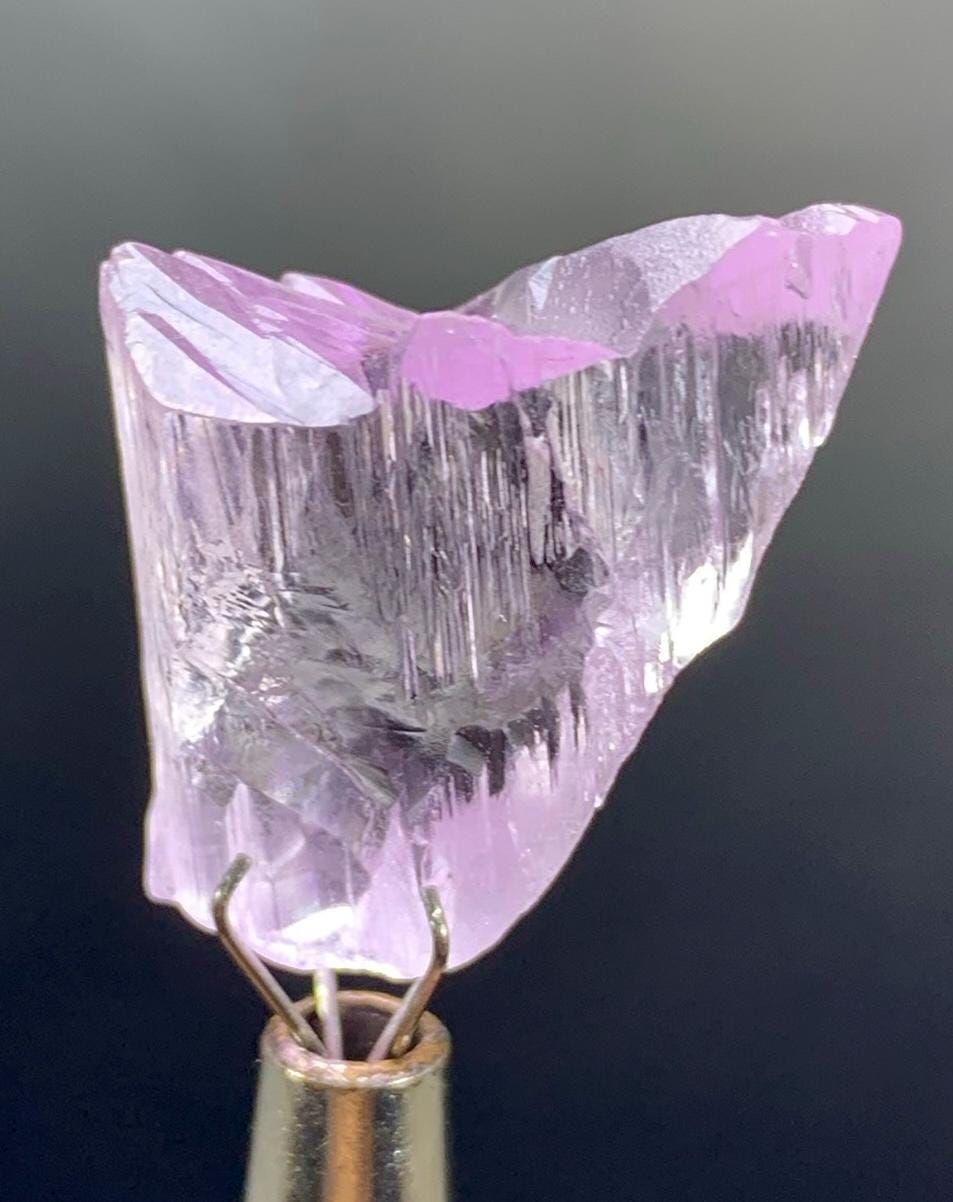
Kunzite Crystal, Benefits and Meanings.
Kunzite meaning centres on love, emotional openness, compassion, inner peace, and spiritual awareness.
Metaphysical & Spiritual
Kunzite works with the inner field in a quiet, refining way, helping feelings move without becoming tangled. It brings a softer pace to emotional processing, where tenderness can stay present without losing shape or direction. Its energy is often read as both receptive and clarifying. That makes Kunzite a steady companion for reflection, prayer, or any practice where the heart needs to stay open while the mind remains clear. The stone also carries a devotional quality that reaches beyond immediate feeling. It settles attention upward without cutting it off from the body, so insight arrives with warmth rather than distance. Kunzite is especially resonant when emotional honesty needs to be held with care. It supports the kind of inner listening that notices what is true, names it gently, and leaves space for grace to do its work.

Planet

Venus
Kunzite carries Venusian energy through affection, harmony, and the instinct to restore sweetness after strain. It works with the heart's need for beauty and closeness, while keeping that tenderness grounded in real feeling.
Element
Water
Kunzite works with Water by allowing emotion to move, release, and settle without resistance. It brings a fluid, cleansing quality to the inner world, where sensitivity becomes a source of wisdom rather than overwhelm.


Crystal Pairings
Kunzite pairings tend to work best when the aim is to keep the heart open without losing shape or direction. Paired with a clearer or more grounding stone, it can soften the emotional field while helping the mind stay organised, so tenderness does not spill into overwhelm and insight still has somewhere steady to land.
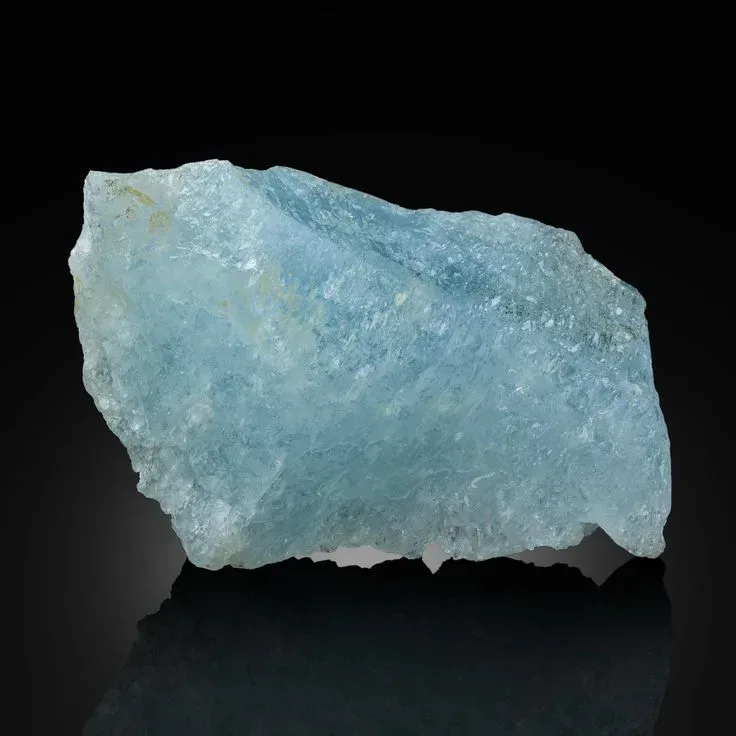
Aquamarine
Aquamarine brings a cool, truthful current beside Kunzite, helping gentle feelings move into clear speech without losing their softness. Together they support calm expression, especially when the heart wants to speak plainly and the throat needs a little ease.
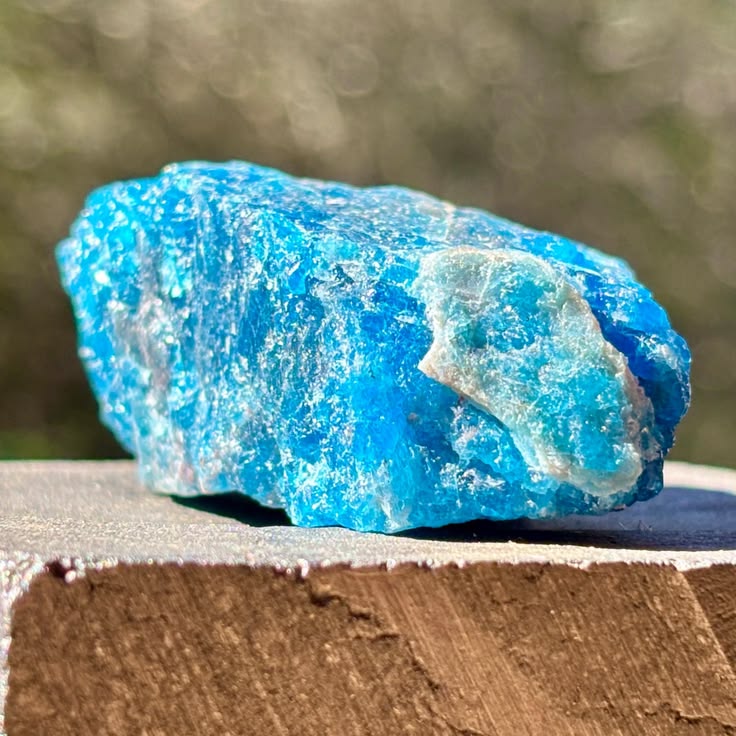
Blue Apatite
Blue Apatite sharpens Kunzite's reflective quality into something more focused and purposeful, which helps when emotional insight needs to become a decision, a plan, or a spoken truth. The pairing keeps compassion present while giving the mind a cleaner line to follow.
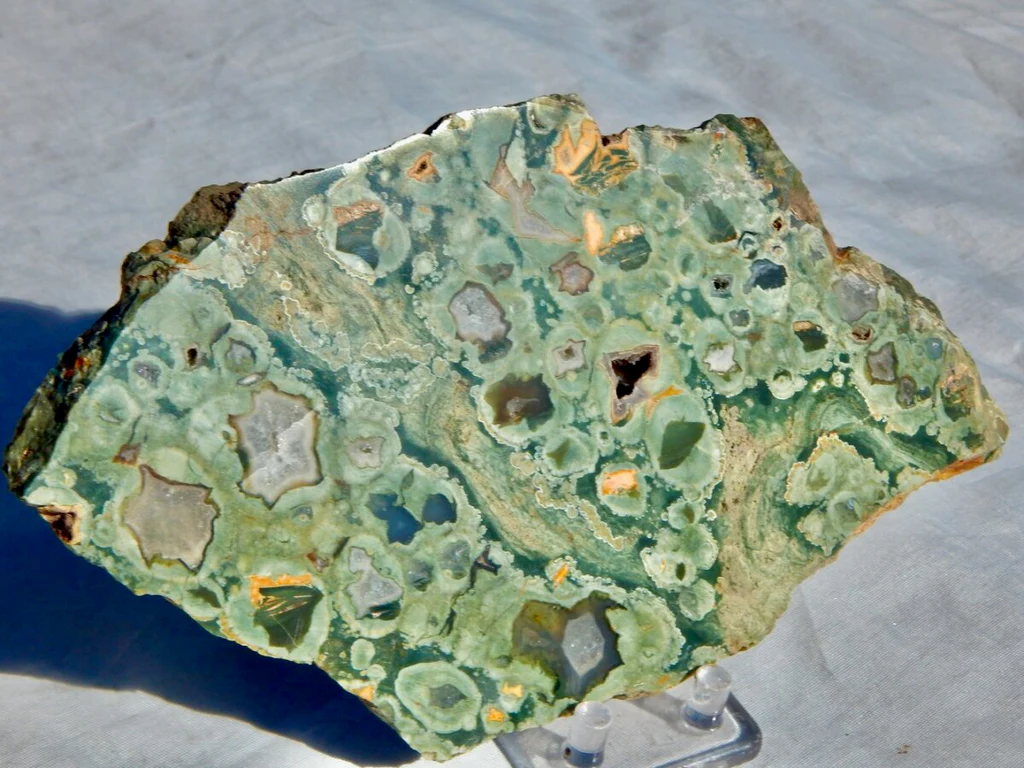
Rhyolite
Rhyolite grounds Kunzite's tender openness in a more earthy, steady rhythm, so emotional work feels held rather than exposed. It is a useful pairing for staying present with change, especially when the heart is processing old patterns and needs practical calm alongside feeling.
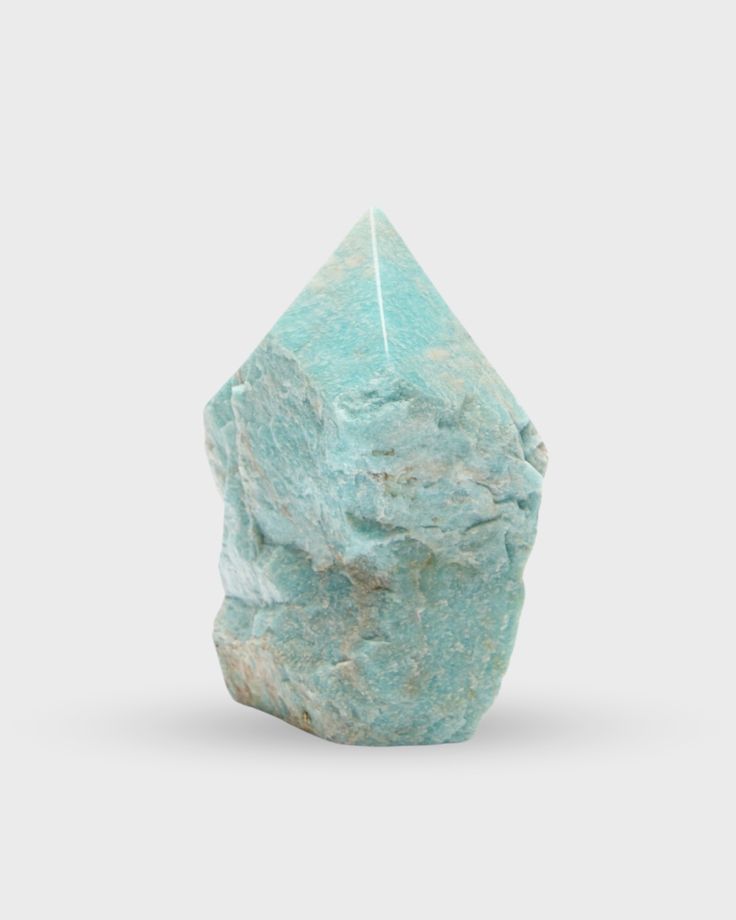
Amazonite
Amazonite and Kunzite create a gentle field around honesty, boundaries, and emotional ease, with Amazonite helping the voice stay balanced while Kunzite keeps the heart receptive. Together they support kind self-expression that does not collapse under pressure or over-explain itself.
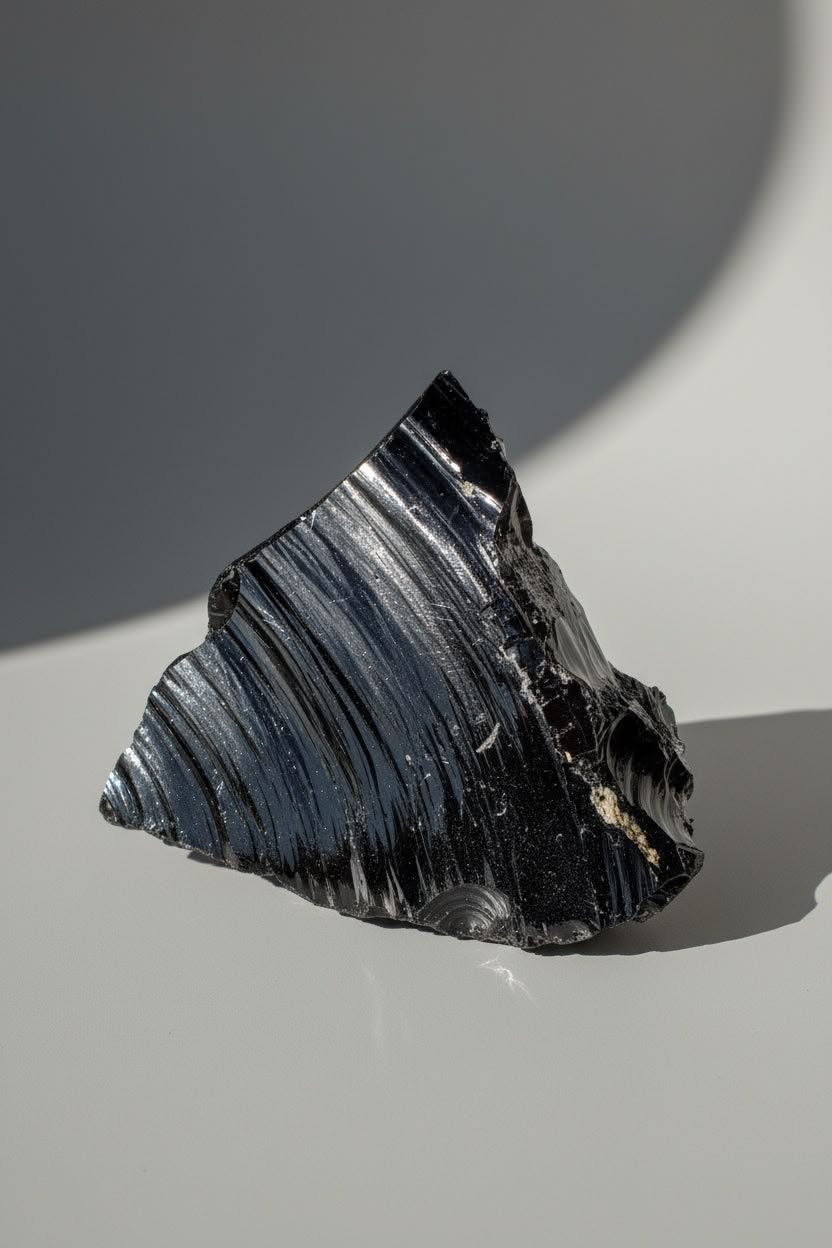
Obsidian
Obsidian gives Kunzite a strong boundary and grounding edge, which can be helpful when sensitivity needs protection and emotional energy needs to be cleared of residue. The pairing supports deep inner honesty without letting the process become scattered or porous.
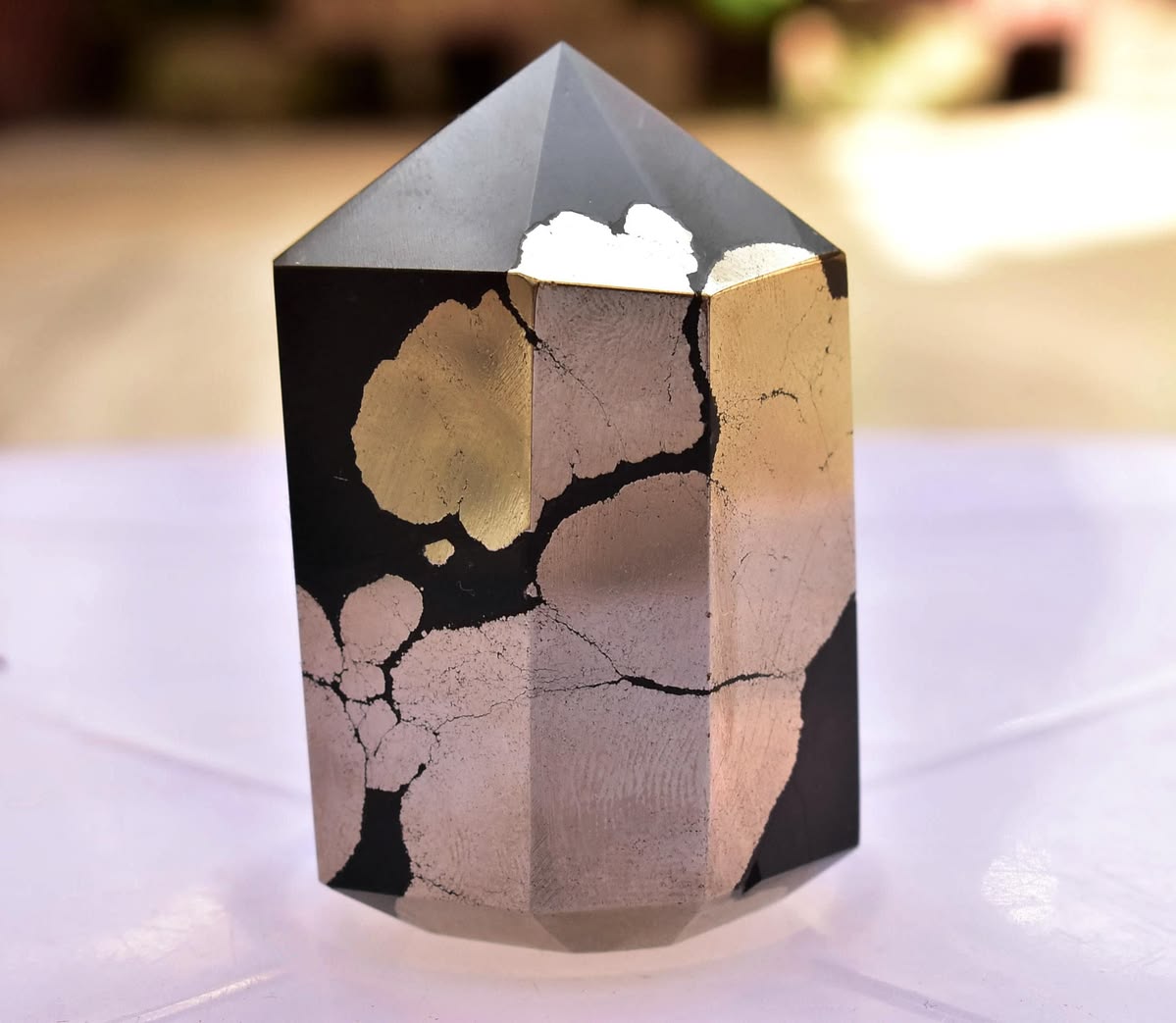
Healer's Gold
Healer's Gold adds a more vital, stabilising charge to Kunzite's compassionate tone, helping the spirit stay bright and anchored while emotional work unfolds. Together they can support resilience, self-worth, and a steadier sense of inner strength during tender periods.
Healing
Kunzite connects with moments when the heart feels guarded and the mind keeps circling the same feeling. It helps soften the inner grip so tenderness, truth, and quiet self-respect can sit in the same space without strain.
It is often chosen when emotions need room to move without spilling everywhere at once. Kunzite also works with calm boundaries, especially when change, closeness, or honest conversation asks for a steadier centre.
Affirmations
Hold Kunzite at the Heart or Crown area and choose an affirmation that matches what the day is asking for.
Repeat it slowly and let the words settle before moving into the next task, conversation, or decision.
- I speak with kindness and truth
- I welcome calm into my body
- I honour my feelings with care
- I keep my boundaries clear
- I trust gentle change
Intention Setting
Kunzite can help set intentions that feel tender without becoming vague. It is useful when the heart wants openness, but the day still needs shape and direction.
It also supports intentions around emotional honesty, especially when a boundary, apology, or new beginning needs to be held with grace.
- I meet today with a calm heart
- I speak honestly and gently
- I allow change without resistance
- I protect my peace with care
- I choose what feels true
Manifesting
Kunzite supports steady focus when manifesting around love, trust, self-worth, or spiritual reflection. It helps keep attention on what is sincere, rather than what is loud or rushed.
It is especially useful when the goal asks for patience, emotional maturity, or a softer way of holding personal power.
- I welcome loving connections
- I stay open and steady
- I trust my inner guidance
- I move through change with grace
- I choose peace over pressure
Jewellery
Kunzite jewellery works as a quiet spiritual cue, with each placement bringing the stone into a different part of the day. Near the throat, hands, or heart line, it can help the wearer pause, listen inwardly, and answer from a calmer place.
General benefits: Wearing Kunzite jewellery keeps its gentle, clarifying presence close through the day. It serves as a reminder to stay open without losing boundaries, and to let feelings be acknowledged before they harden into tension. It is especially helpful on busy days, during emotional conversations, or when change asks for a softer but more deliberate response.
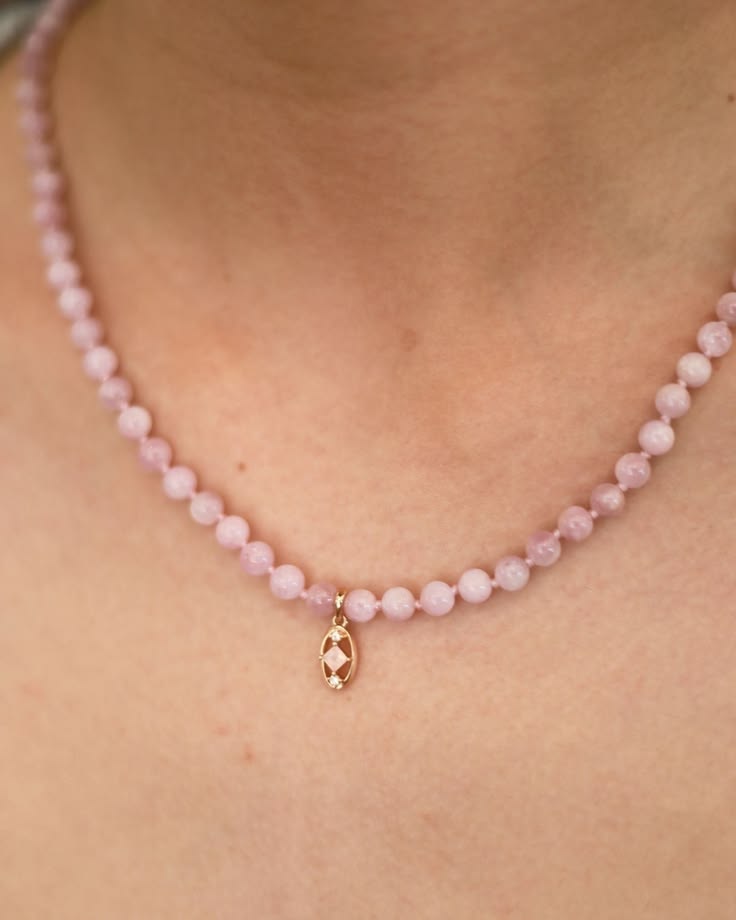
Necklace
A Kunzite necklace rests close to the heart and can support a more settled emotional tone through the day. It is useful when the wearer wants to stay receptive without becoming overwhelmed by other people's moods. It also brings a gentle reminder to breathe before speaking, especially when a conversation feels tender or important.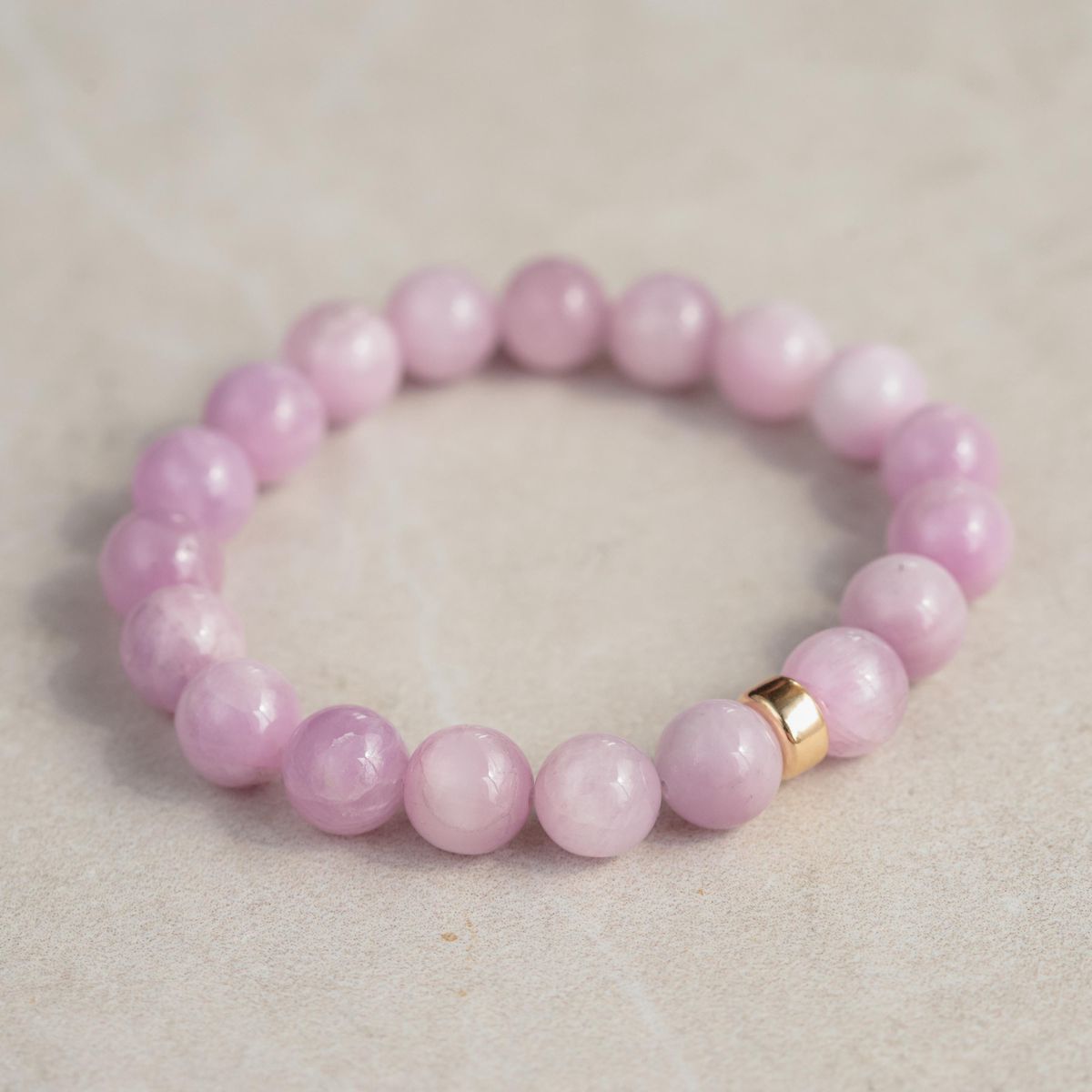
Bracelet
A Kunzite bracelet keeps the stone near the hands, where choices and habits are often made. Each glance at the wrist can become a cue to act with care rather than react from tension. It is a steady companion for days that involve errands, messages, or repeated decisions that need a softer touch.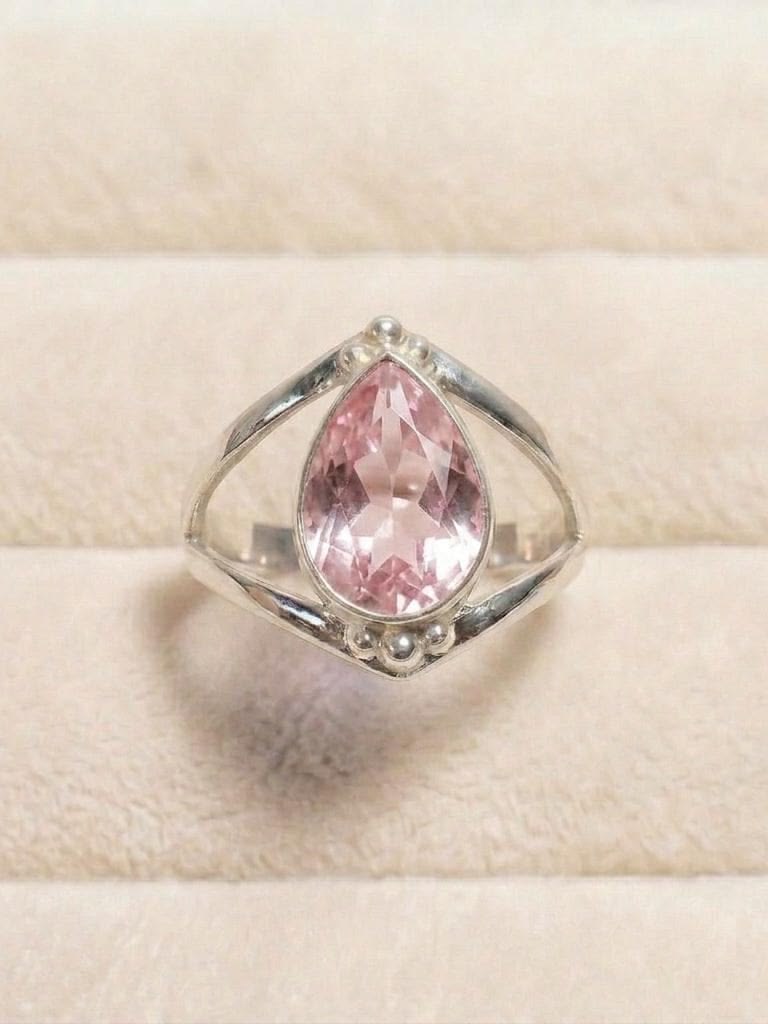
Ring
A Kunzite ring stays close during moments of self-talk, making it easier to return to calm when the mind starts to tighten. It can support clear choices that still honour feeling. This placement is often chosen for commitments, boundaries, or quiet promises made to the self.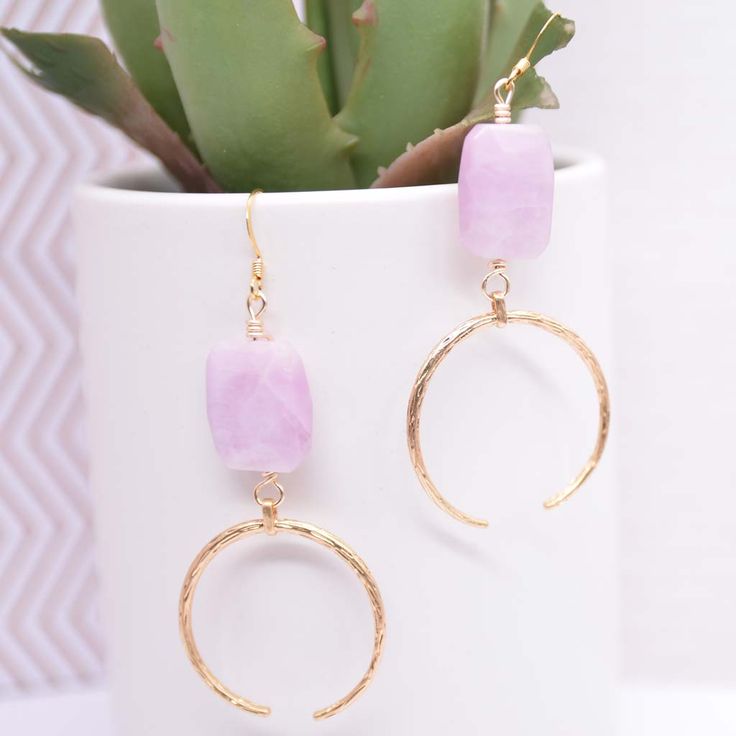
Earrings
Kunzite earrings sit near the head and can help keep thought and speech aligned when the day is full of talking or listening. They are useful for meetings, calls, and delicate conversations where tone matters as much as content. The reminder lands close to the ears, encouraging a slower response and a more attentive way of receiving what is being said.Forms
Different Kunzite forms shift how its energy gathers, from a more direct focus to a softer, more spacious feel. Choose the form that matches the kind of inner work needed, whether that is quiet reassurance, clearer intention, or a steadier emotional field.
Rough
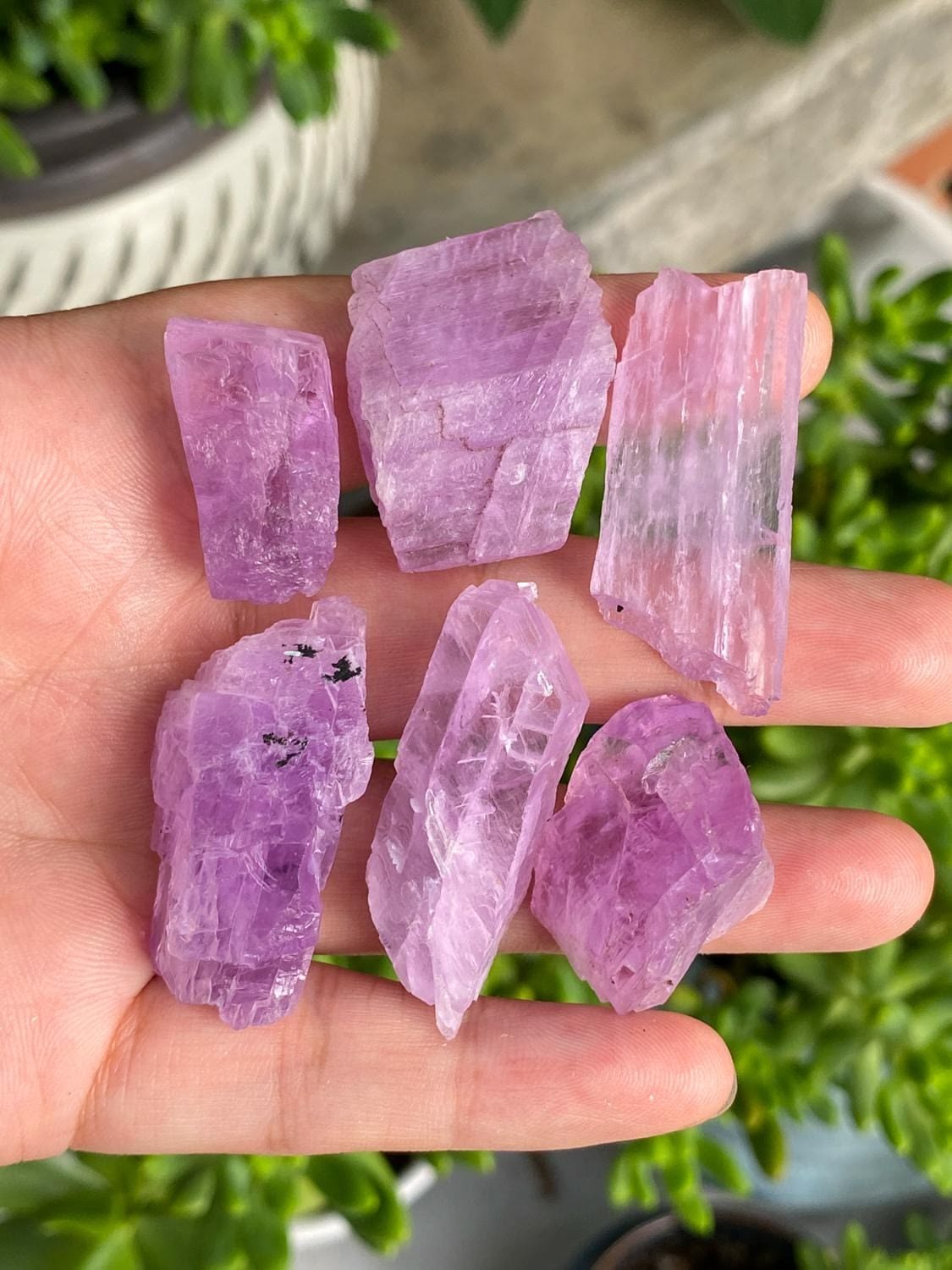
Rough Kunzite feels direct and unpolished, which can help keep the energy honest and simple. It is often used when the aim is emotional clarity without too much interpretation.
Sphere
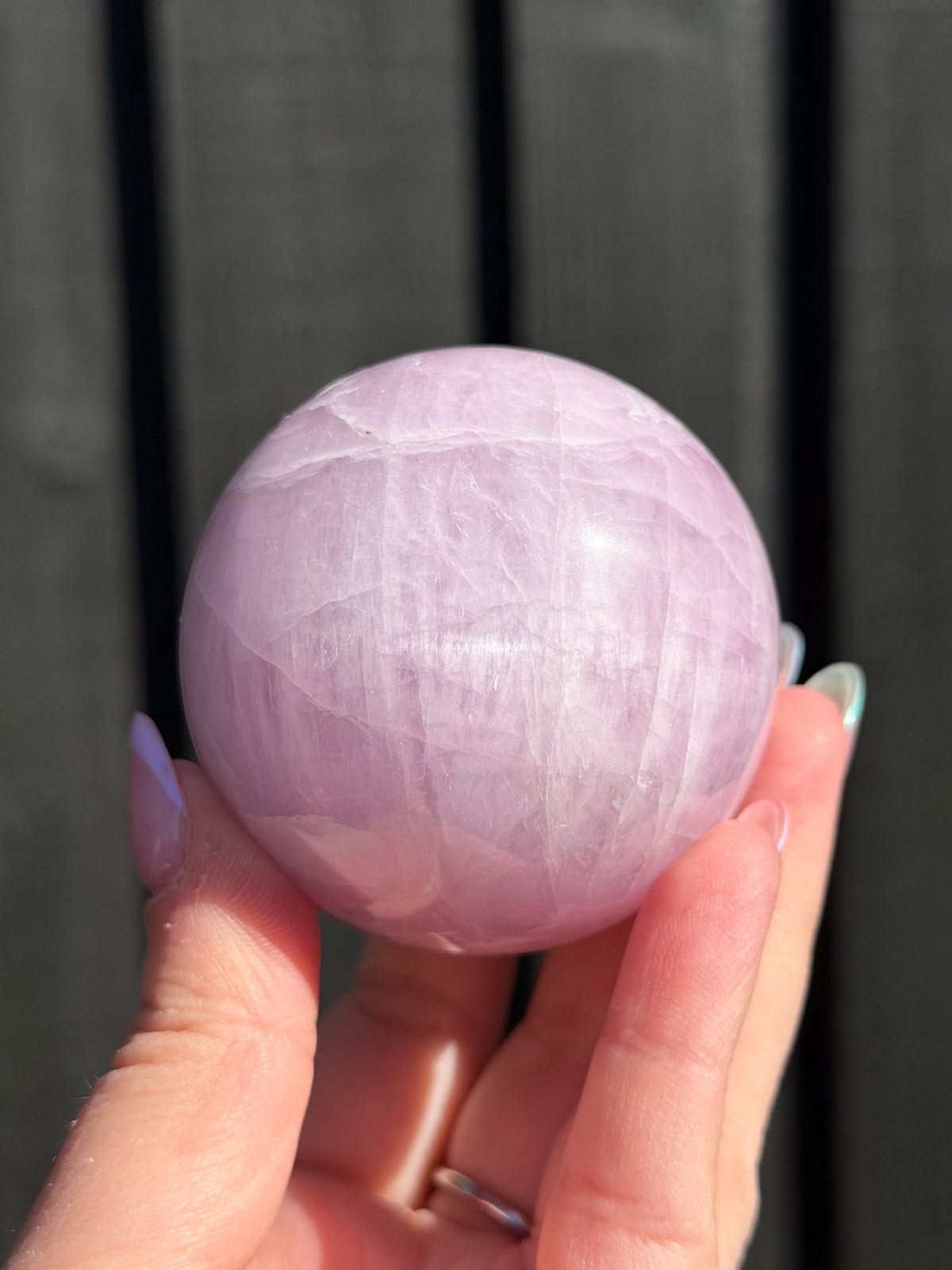
A sphere tends to spread Kunzite evenly, creating a calmer and more balanced field. It is useful when the day needs gentleness held all around rather than in one line.
Palm Stone
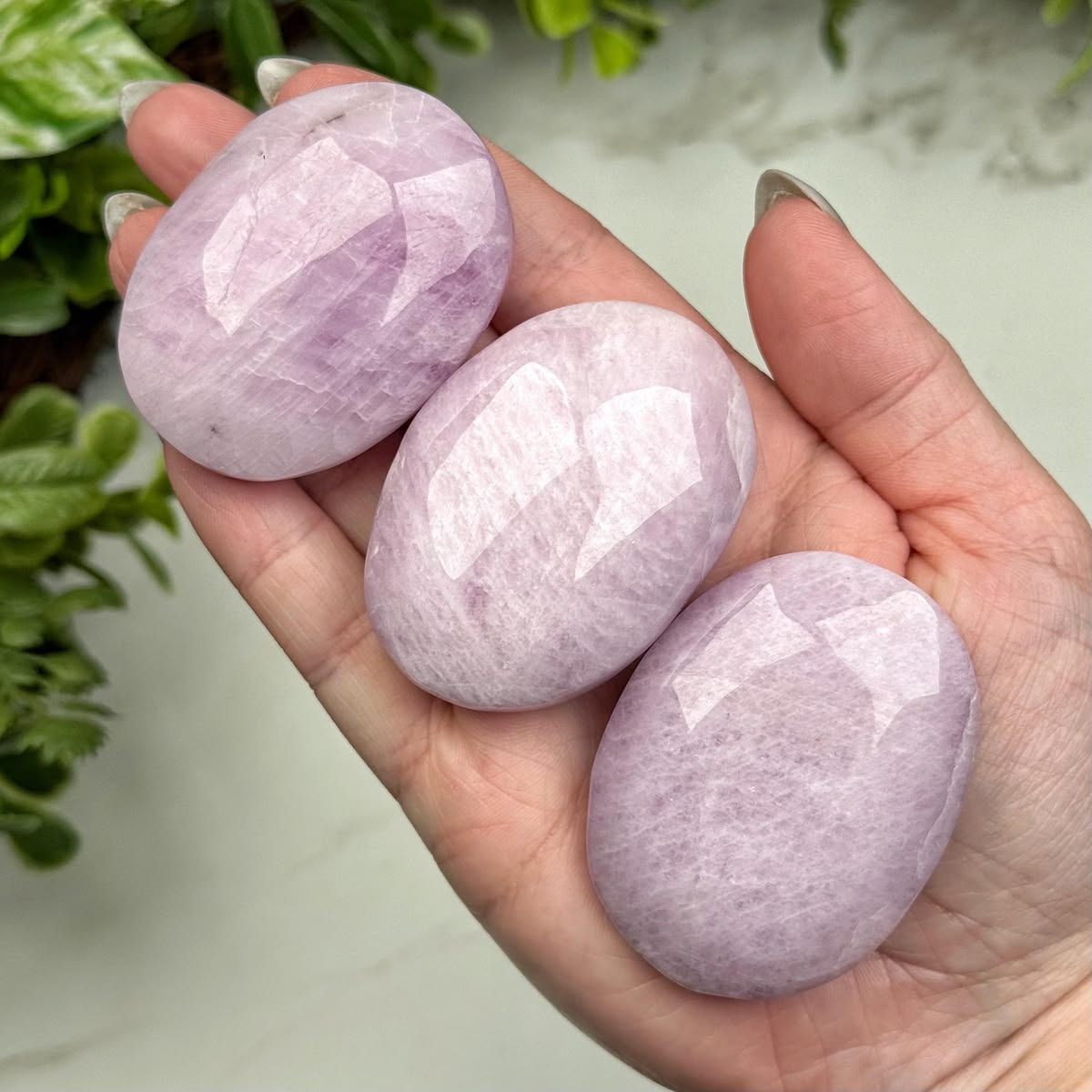
A palm stone gives Kunzite a contained, hand-held presence for quiet holding. It supports short pauses when the heart needs to settle before the next step.
Tumble Stone
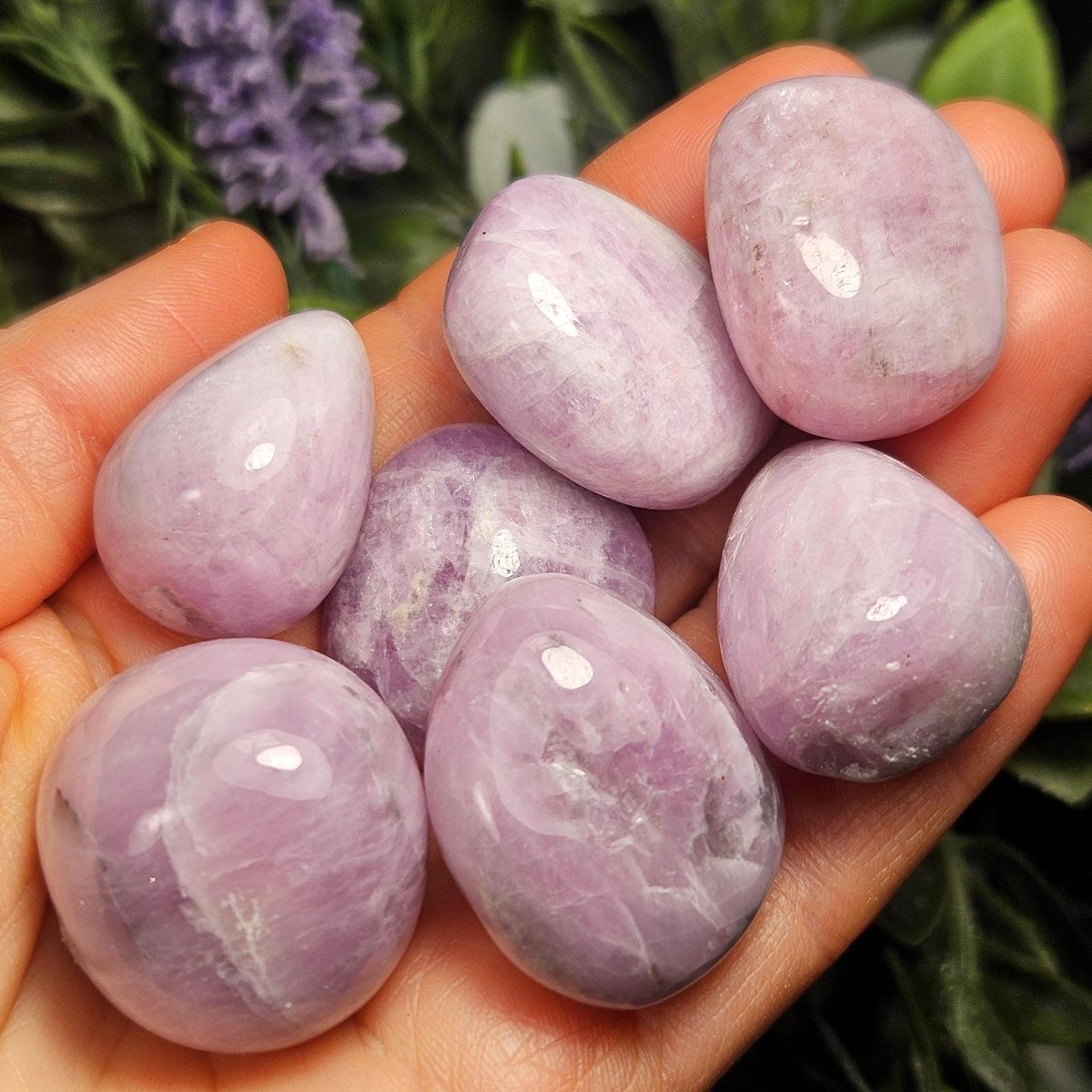
A tumble stone carries Kunzite in a compact, easy-to-hold form for pockets, bags, or brief resets. It helps keep a soft reminder close when the day feels emotionally busy.
Heart
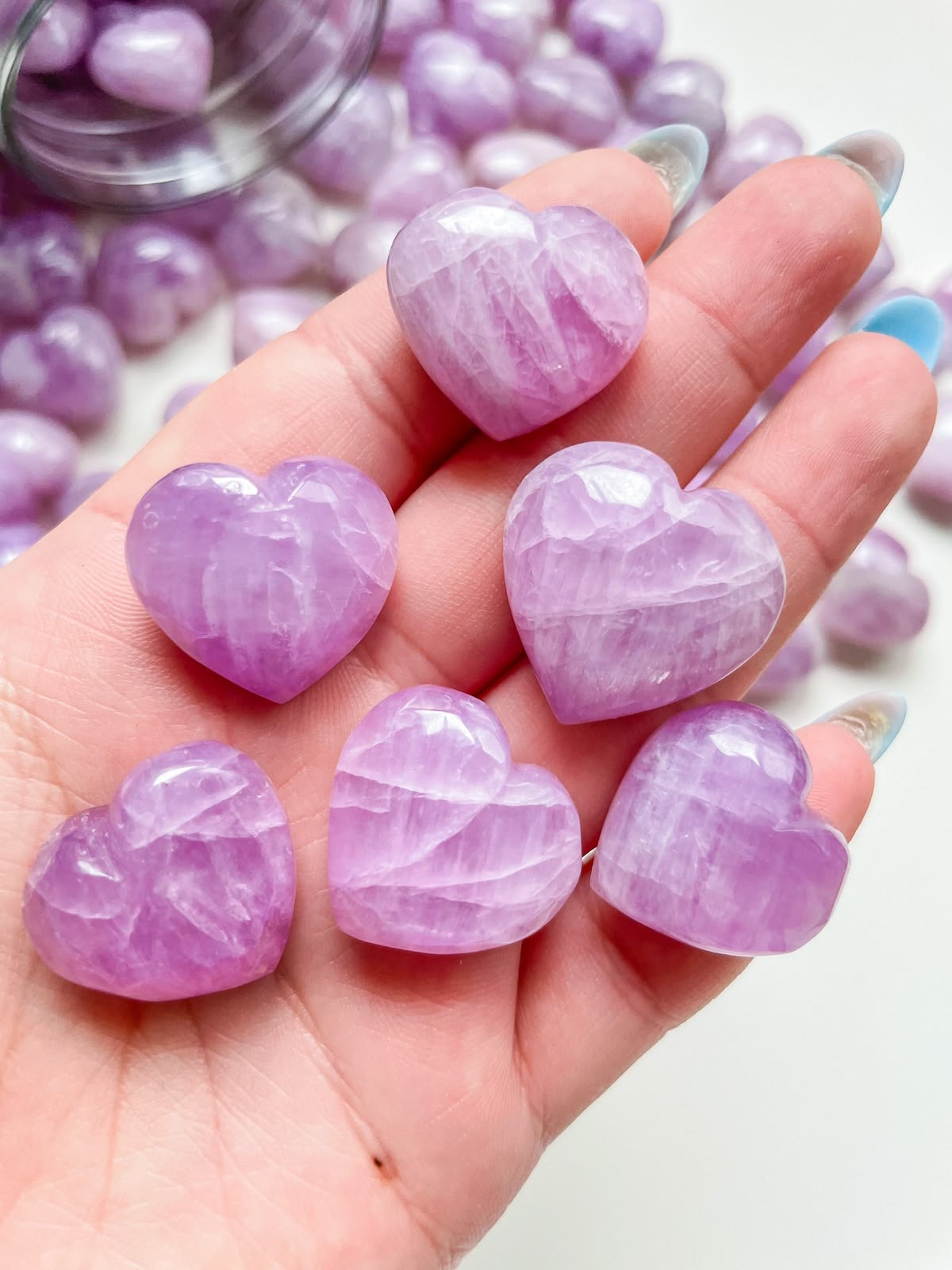
A heart form brings Kunzite into direct conversation with care, tenderness, and self-respect. It is often chosen when the work is about opening gently without losing discernment.
Cleansing & Charging
Kunzite benefits from regular cleansing after emotional work, long days around other people, or any time its feel has become heavy or dulled. Because it can fade in strong light and has fair durability, the gentlest methods are the most suitable.
How to cleanse Kunzite
- Pass Kunzite through soft smoke from sage, incense, or herbs for a brief reset, then let it rest in still air.
- Use sound from a voice, singing bowl, chime, or music to clear the atmosphere around the stone without handling it roughly.
- Place it beside selenite or clear quartz overnight so its energy can settle without exposure to water or harsh treatment.
How to charge Kunzite
- Leave Kunzite in indirect morning light for a short time, then bring it back indoors before stronger light can fade its colour.
- Set it near selenite or clear quartz while holding a clear intention for the kind of calm you want it to carry.
- Rest it in moonlight in a dry, sheltered place and let the quieter atmosphere refresh its feel.
Where to Use
Place Kunzite where its quiet, heart-led work can meet ordinary moments, especially when a room is used for reflection, softening, or resetting after contact with the outside world.
Personal altar
On a personal altar, Kunzite supports devotional reflection and a gentle return to what matters most. It can be held during prayer, intention-setting, or a few quiet breaths before the day begins. This placement keeps the stone close to ritual rather than routine, which helps its energy feel intentional.
Quiet reading area
In a quiet reading area, Kunzite brings a softer tone to stillness and inward attention. It can sit beside a chair or book stack as a reminder to read slowly and let meaning land. This is a good place for reflection after emotional conversations or before sleep.
Desk
At a desk, Kunzite helps keep the emotional field from hardening under pressure. It can be touched before emails, planning, or difficult tasks that need a calmer mind and a kinder inner voice. This placement works well when the day asks for both focus and grace.
In a pocket, Kunzite becomes a discreet companion for travel, errands, and moments when the heart feels exposed. A quick touch can bring attention back to breath, boundaries, and a steadier pace. It is especially useful when moving through busy places or uncertain conversations.
Science
Physical properties
- Mineral class
- Inosilicate
- Color
- Pale pink to rose, lilac, violet-pink, purplish pink, or occasionally pale peach
- Hardness
- 6.5 - 7
- Density
- Approximately 3.15 - 3.21 g/cm3
- Durability
- Fair because of perfect cleavage
- Thermal stability
- Low to moderate
Optical properties
- Transparency
- Transparent to translucent
- Lustre
- Vitreous, becoming pearly on cleavage surfaces
- Refraction index
- Approximately 1.66 - 1.68
Chemical composition
- Class
- Lithium aluminium inosilicate
- Formula
- LiAlSi2O6 with traces of manganese
- Group
- Pyroxene Group; Spodumene species
- Magnetic
- Usually non-magnetic
Formation
Kunzite is the pink to violet-pink gem variety of Spodumene, a lithium aluminium inosilicate in the Pyroxene Group. It forms in highly evolved granitic pegmatites, where slowly cooling, volatile-rich magma concentrates lithium, manganese, caesium, tantalum, and other uncommon elements into large crystals. The manganese in the structure gives Kunzite its colour, with the exact shade shaped by chemistry, concentration, crystal orientation, and any natural or artificial irradiation.
The mineral is known for strong pleochroism, so it can show different colours from different directions - nearly colourless in one view and deeper pink or violet in another. That same structure also brings practical limits: Kunzite commonly grows as flattened, vertically striated prismatic crystals, but perfect cleavage in two directions makes it prone to splitting or chipping if struck. Natural material can fade with prolonged sunlight or strong artificial light, and some treated stones are especially light-sensitive, which is why careful storage and gentle cleaning matter.
Locations
- Pala District, California, United States
- Nuristan Province, Afghanistan
- Gilgit-Baltistan, Pakistan
- Minas Gerais, Brazil
- Madagascar
- Mozambique
History
Kunzite formed in lithium-rich pegmatites
Ancient geological history
Kunzite began as pink Spodumene in slowly cooling, volatile-rich magma, where lithium, aluminium, silicon, and manganese gathered into large crystals. These conditions are typical of granitic pegmatite regions worldwide, and they allowed the gem variety to develop its distinctive pale pink to violet-pink colour.
Pink Spodumene discovered in California
1902
Gem-quality pink crystals were identified in the Pala District of California after being found in lithium-rich pegmatites in southern California. The discovery brought the material into clearer view as a distinct and attractive gem variety rather than only a mineral specimen.
Named in honour of George Frederick Kunz
1902
The pink gem variety of Spodumene was named Kunzite after mineralogist and gemologist George Frederick Kunz. Kunz studied and described the material, and his name became attached to the stone as it entered wider gem and mineral use.
New deposits expanded global supply
20th century
Further finds in Brazil, Afghanistan, Pakistan, and Madagascar increased the availability of Kunzite during the 20th century. Large transparent crystals from these pegmatite regions supported its use in faceted gemstones, mineral specimens, and ornamental pieces.
Colour treatments entered the gem trade
20th century
Some pale Spodumene was irradiated, and at times heated, to create or strengthen pink and violet tones for the gem trade. Certain treated colours can be unstable and fade with light exposure, which made careful handling and disclosure important in the market.
Popular pastel-coloured gemstone
Present day
Kunzite remains a familiar gemstone in pendants, rings, earrings, collector specimens, and polished crystal forms. Modern crystal traditions associate it with love, compassion, emotional openness, and spiritual reflection, while its delicate colour and strong pleochroism continue to shape its appeal.
Got questions?
We've got answers!
FAQ's
What is Kunzite used for?
+×
Kunzite is commonly chosen for heart-centred reflection, emotional openness, compassion, and a calmer inner atmosphere. In crystal practice, it is often placed in a bedroom, meditation space, quiet reading area, or on a personal altar where its gentle tone can support rest and thoughtful pause.
It is also a popular stone for jewellery, especially necklaces and bracelets, when a soft reminder is wanted through the day. Many people keep it nearby during moments that call for kindness, clear boundaries, or a more peaceful response.
What gives Kunzite its pink colour?
+×
Kunzite is the pink to violet-pink variety of Spodumene, and its colour comes from traces of manganese within the crystal structure. The exact shade can vary from pale pink to lilac or purplish pink depending on chemistry, crystal orientation, and pleochroism.
Because Kunzite is strongly pleochroic, it may look different when viewed from different angles. A cut stone can appear much deeper in one direction and paler in another, which is part of its distinctive character.
Why can Kunzite fade in sunlight?
+×
Kunzite can fade because its colour is sensitive to prolonged light exposure, especially strong sunlight and some bright artificial light. This is particularly important for treated material, which may be more light-sensitive than untreated stone.
For that reason, it is best stored away from direct sun and displayed in gentler light. A shaded shelf, closed box, or soft-lit room helps preserve its pastel colour for longer.
Which zodiac signs are connected to Kunzite?
+×
Kunzite is commonly linked with Taurus, Leo, and Scorpio. Taurus is often associated with its steady, affectionate quality, Leo with warm-hearted expression, and Scorpio with emotional depth and quiet transformation.
These zodiac links are used symbolically rather than as fixed rules. Kunzite can still be meaningful for any sign, especially when the aim is compassion, emotional openness, or a calmer heart.
What chakras does Kunzite work with?
+×
Kunzite is usually associated with the Heart and Crown chakras. The Heart connection reflects its gentle, loving quality, while the Crown link gives it a more reflective and spiritually aware tone.
In practice, it is often held during meditation or placed near the heart for softness and near the crown for quiet contemplation. Its energy is generally described as tender rather than forceful, which suits slow, reflective work.