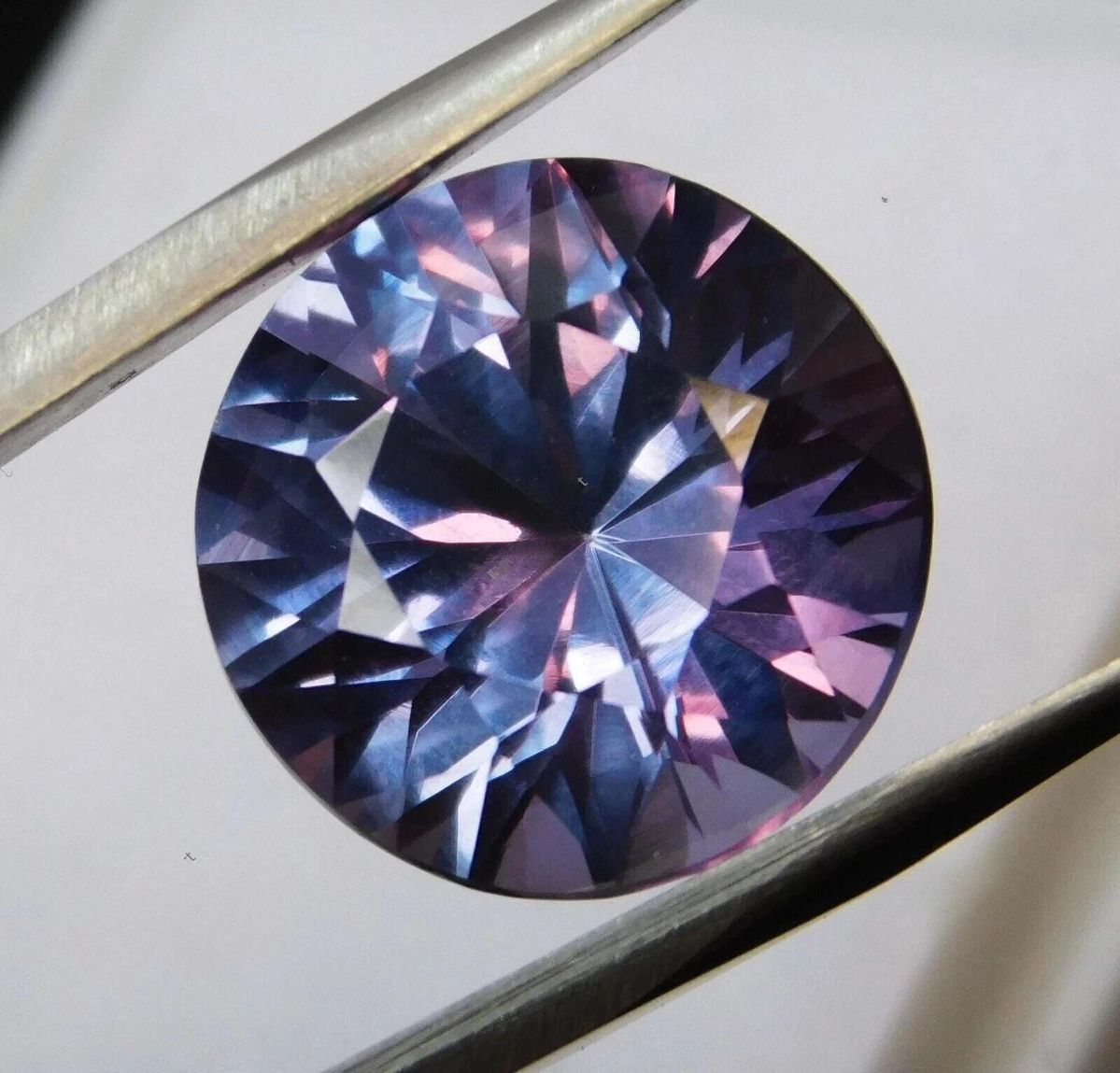
Alexandrite Crystal, Benefits and Meanings.
Alexandrite carries the energy of change held with composure. It is read as a crystal of emotional balance, adaptability, intuition, and personal growth, with a rare color shift that mirrors shifting inner states without losing center.
Metaphysical & Spiritual
Alexandrite works with the inner field where change first registers as tension, then slowly becomes choice. Its energy carries a quiet kind of adaptability, helping the spirit stay responsive without becoming scattered, and keeping the heart involved when the mind wants to rush ahead. It brings a refined sense of balance to moments that ask for both sensitivity and discernment. Rather than pushing emotion aside, Alexandrite helps arrange feeling into something clearer, so intuition can speak without being drowned out by noise or overthinking. This crystal also connects with personal growth that happens through honest adjustment. It supports the process of noticing what no longer fits, then meeting that truth with steadier breath, cleaner boundaries, and a more flexible response. Alexandrite reads as a stone for transition, but not for instability. It settles the space between what is felt and what is acted on, making room for a calmer kind of self-trust to form.

Planet

Mercury
Alexandrite connects with Mercury through quick perception, choice, and the movement of ideas into words. It helps communication stay agile while still carrying emotional intelligence.
Element
Water
Alexandrite works with Water by softening rigid reactions and letting feeling move with more awareness. It brings emotional depth into a steadier current, where intuition and reflection can travel together.


Crystal Pairings
Alexandrite pairings focus on emotional intelligence, flexible boundaries, and the kind of inner steadiness that can hold change without losing direction. Paired with softer throat and heart stones, it becomes more responsive and communicative; paired with intuitive companions, it deepens discernment and helps keep the heart open without becoming porous.
Hemimorphite
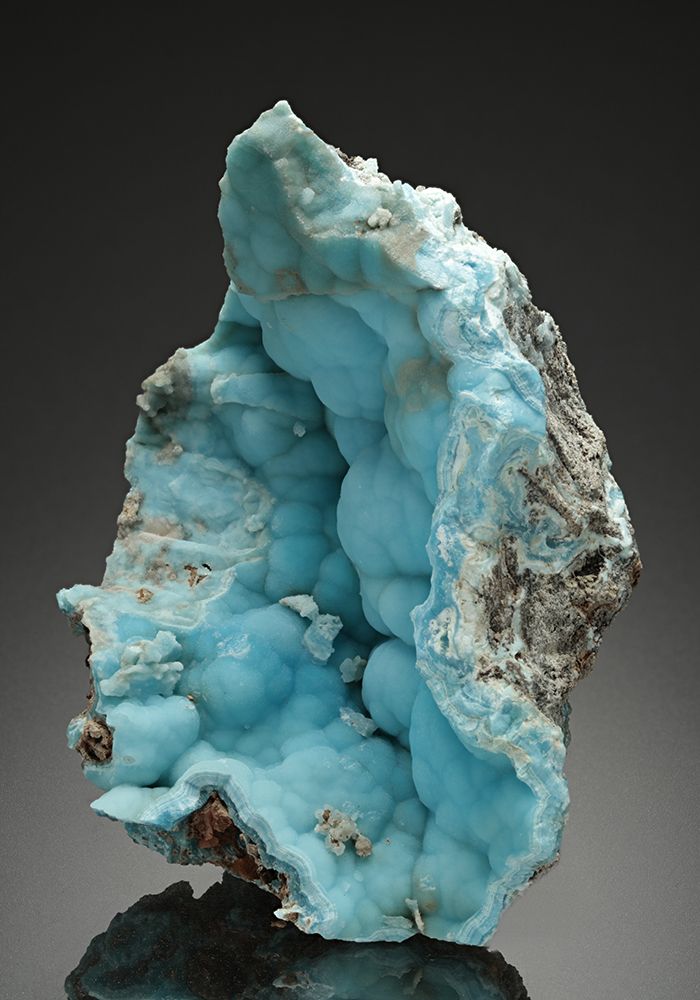
Hemimorphite brings a gentler emotional current beside Alexandrite, helping the heart speak without strain and keeping sensitive truths from turning sharp. Together they support clear feeling, soft boundaries, and a calmer way of naming what is changing.
Amazonite
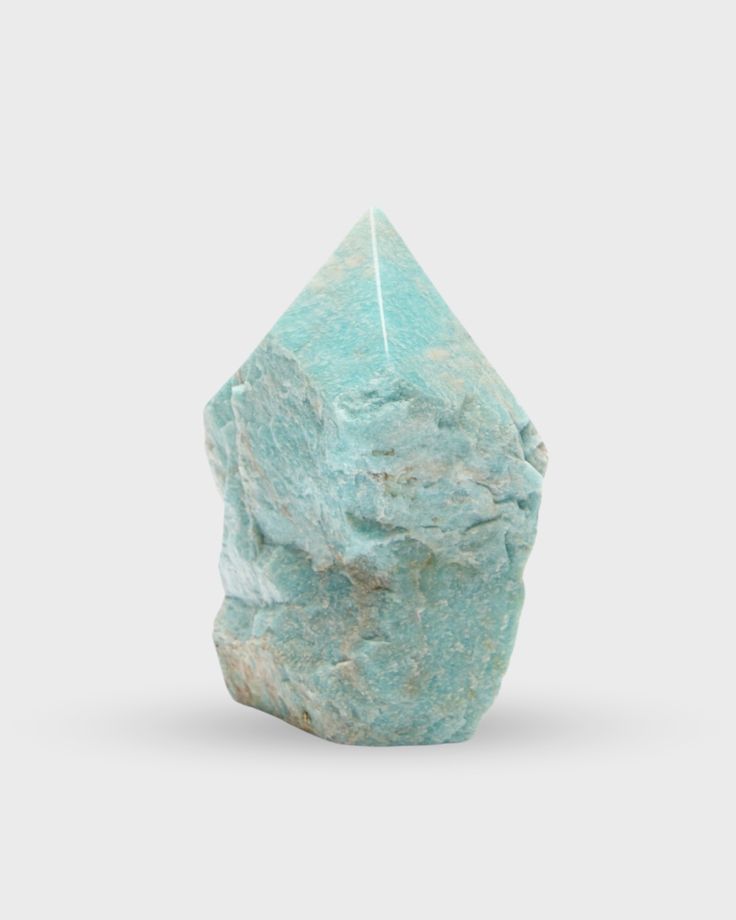
Amazonite steadies the voice beside Alexandrite and gives change a more truthful, measured rhythm. The pairing works well when honesty needs to stay kind, especially if the heart is learning how to say no without closing down.

Caribbean Blue Calcite
Caribbean Blue Calcite adds a quiet, spacious quality that helps Alexandrite settle scattered thoughts into a more coherent inner pattern. The combination supports reflection, emotional release, and a slower pace when the mind has been carrying too much.
Chrysocolla
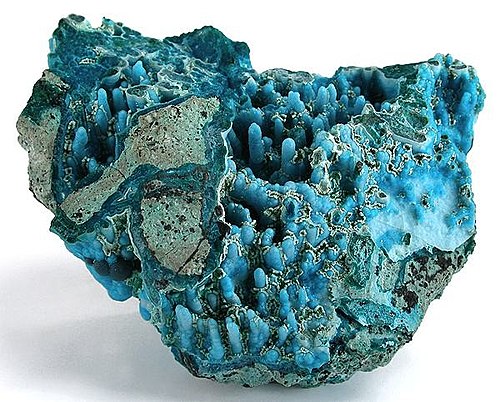
Chrysocolla deepens the heart-throat link beside Alexandrite, encouraging words that come from lived feeling rather than reaction. Together they support compassionate communication, especially when a relationship needs honesty with grace.

Gem Silica
Gem Silica brings a clear, receptive tone that helps Alexandrite's transformative energy move through the emotional body without becoming overwhelming. It is a strong pairing for intuitive listening, inner trust, and staying open while still grounded.
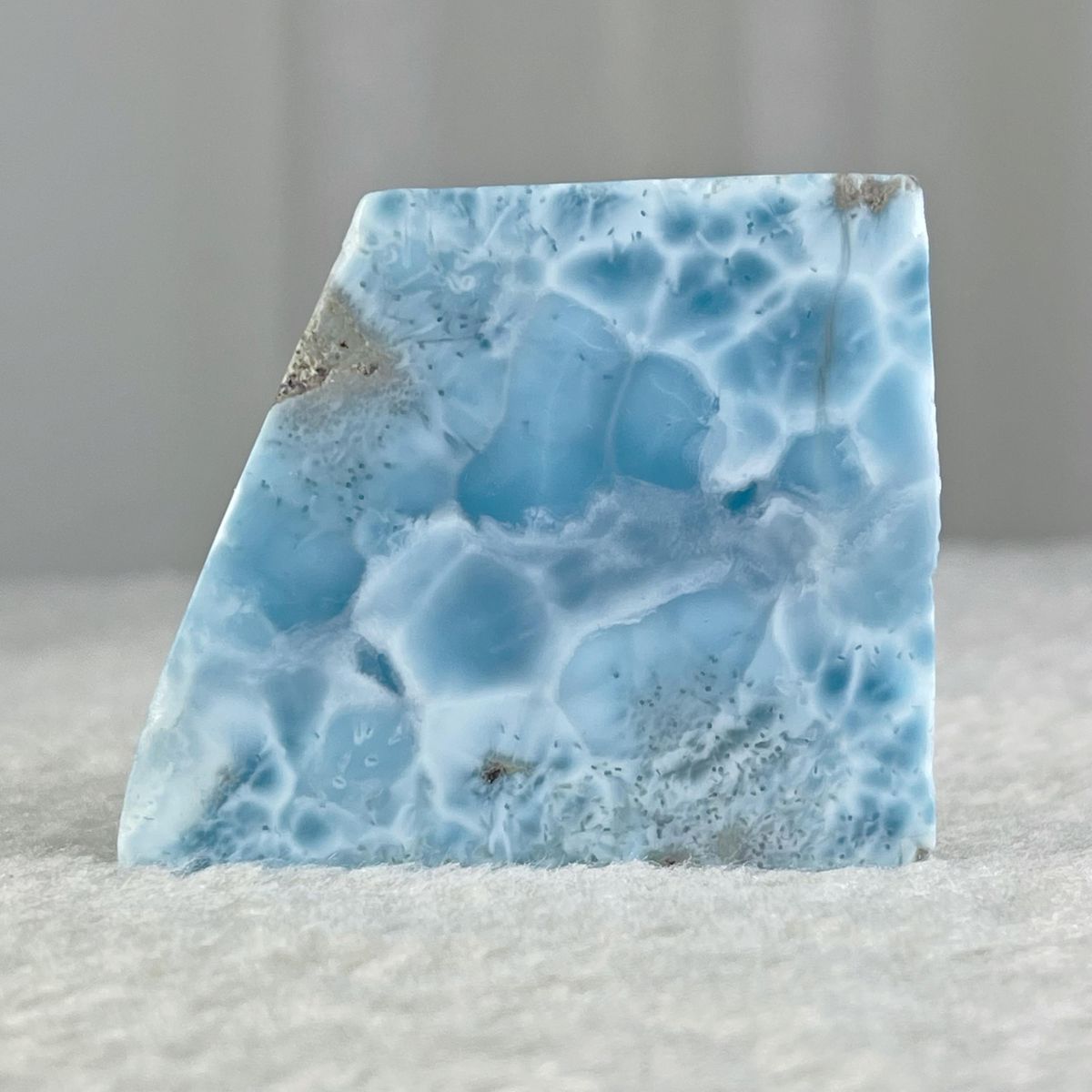
Larimar
Larimar softens the edges of Alexandrite and brings a more fluid, restorative rhythm to its changeable nature. The pairing supports surrender, emotional ease, and the ability to meet shifting circumstances with a quieter kind of confidence.
Healing
Alexandrite connects with moments when the inner field feels split between one version of the day and another. It helps gather scattered feeling back into a single, workable thread, so change can be met with more poise and less internal friction.
It is often used when nerves are alert, intuition is speaking quietly, or a decision needs to be made without losing emotional balance. Alexandrite also works with honest self-checks, especially when the heart knows one thing and habit is pulling in another direction.
Affirmations
Hold Alexandrite at the Heart or Crown area and choose an affirmation that matches the moment.
Repeat it slowly, then let the words settle before moving into one grounded action that reflects them.
- I move through change with calm
- I trust what I know
- I stay balanced and clear
- I honor my inner guidance
- I respond with steady grace
Intention Setting
Alexandrite can help set intentions that hold both sensitivity and direction.
It is useful when the day asks for flexibility without losing personal truth.
- I meet change with steadiness
- I trust my inner timing
- I keep my heart open and clear
- I choose what supports my growth
- I stay centered as things shift
Manifesting
Alexandrite supports focused intention when the goal involves adaptation, confidence, or a cleaner relationship with change.
It helps keep attention on the next honest step, rather than on fear, second-guessing, or the urge to retreat.
- I adapt with ease
- I welcome aligned change
- I act with quiet confidence
- I follow clear inner guidance
- I move forward with balance
Jewelry
Alexandrite jewelry works differently depending on where it rests, so the reminder can land in the mind, hands, throat, or heart line. That placement shapes how the stone is felt in real moments, from speaking plainly to choosing a calmer response or pausing before a decision.
General benefits: Wearing Alexandrite jewelry keeps its changeable, steadying presence close through the day. It serves as a reminder to stay flexible without becoming uncentred, especially when plans shift, conversations deepen, or the mood around you changes quickly. On busy days, it helps keep the inner pace measured so responses come from clarity rather than strain.
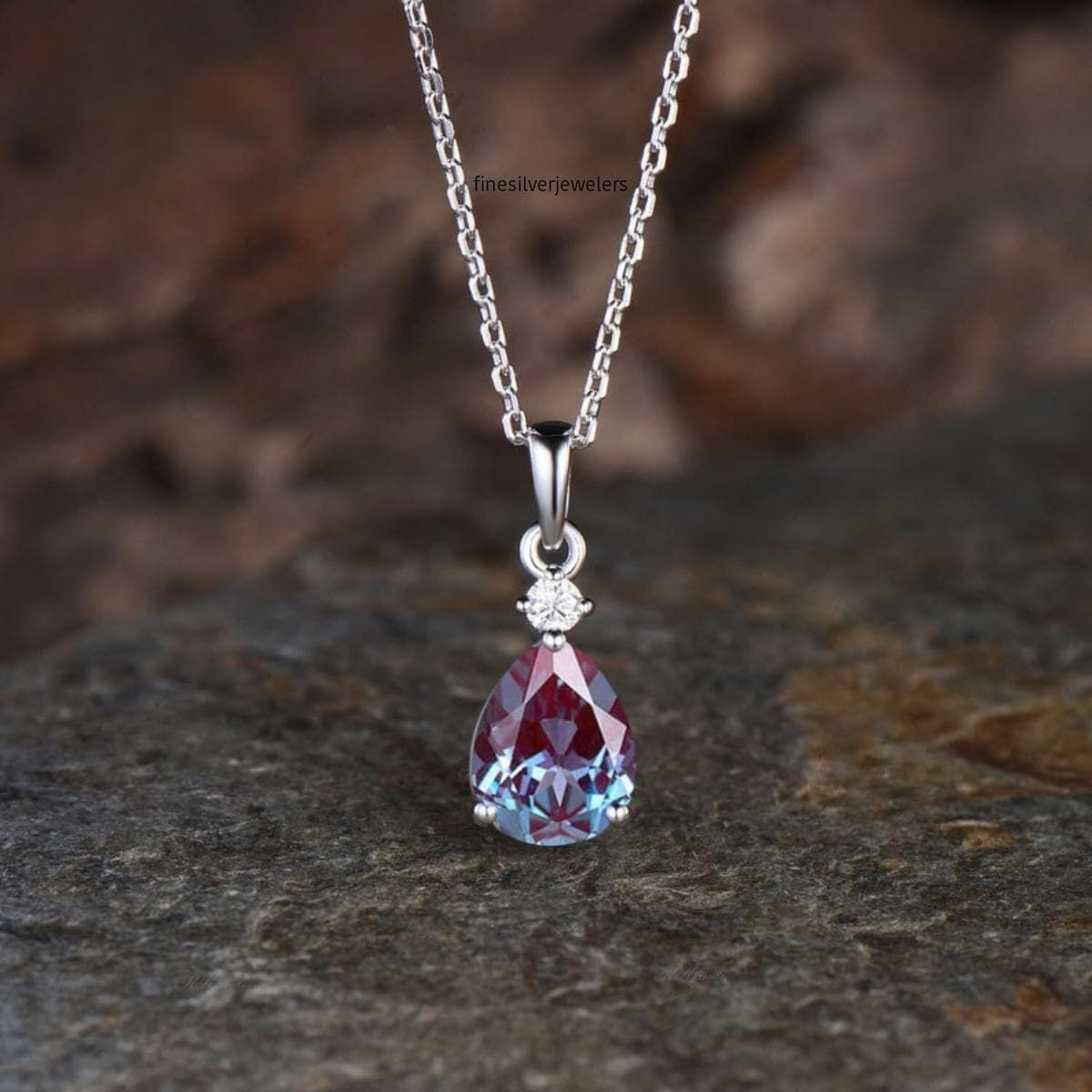
Necklace
An Alexandrite necklace sits close to the heart and can support emotional steadiness when feelings are changing quickly. It is a quiet companion for honest talks, especially when warmth and discernment both need to stay present. Worn near the chest, it helps keep the inner voice gentle without losing direction. That can be useful when you need to stay open, but not overgive.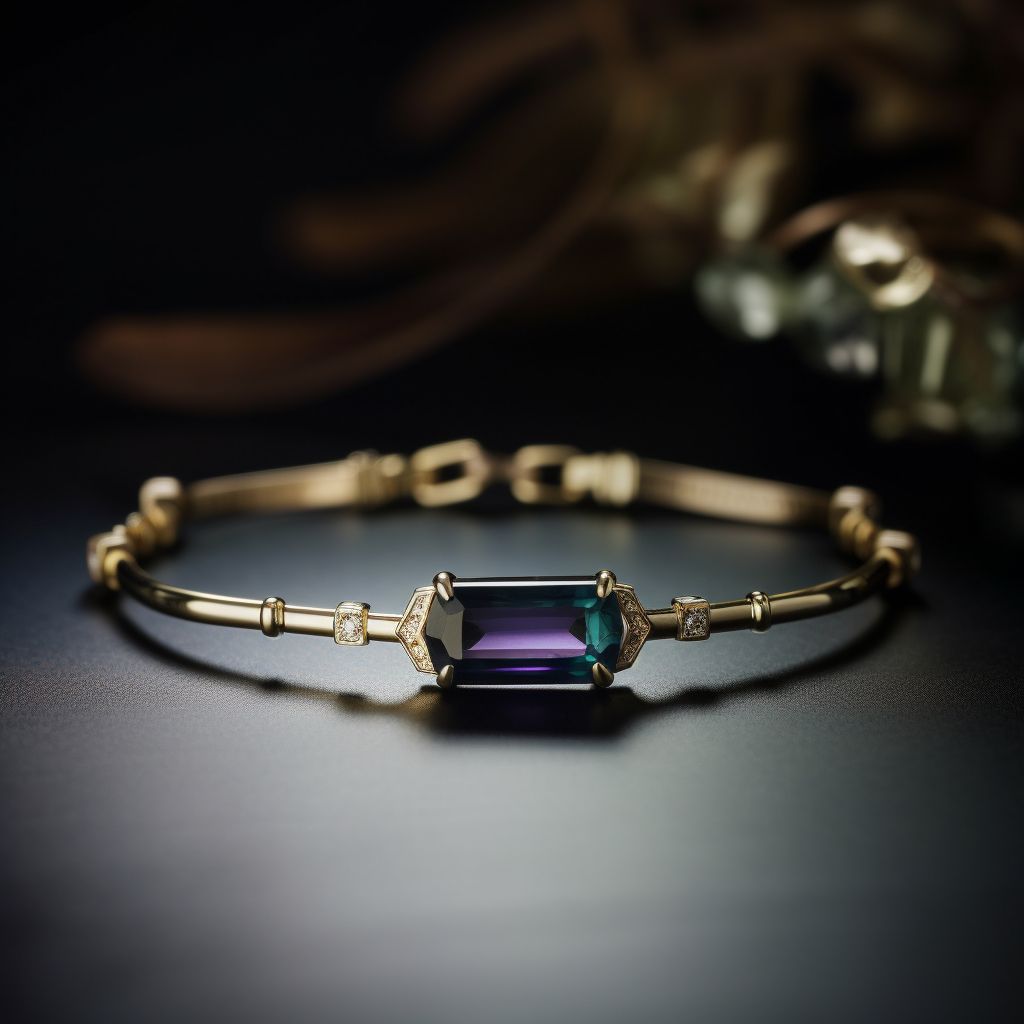
Bracelet
An Alexandrite bracelet brings the reminder into the hands, where action begins. It helps keep choices deliberate through the day, especially when tasks, messages, or responsibilities start to pile up. Each glance at the wrist can become a small reset before replying, signing, or moving on impulse. It supports a calmer rhythm when the body wants to rush ahead of the mind.
Ring
An Alexandrite ring keeps the stone in view during decisions and self-talk. It can steady the moment between feeling something strongly and acting on it. This placement works well when boundaries need to be held with care. It reminds the wearer to choose words and actions that match the deeper truth, not the quickest reaction.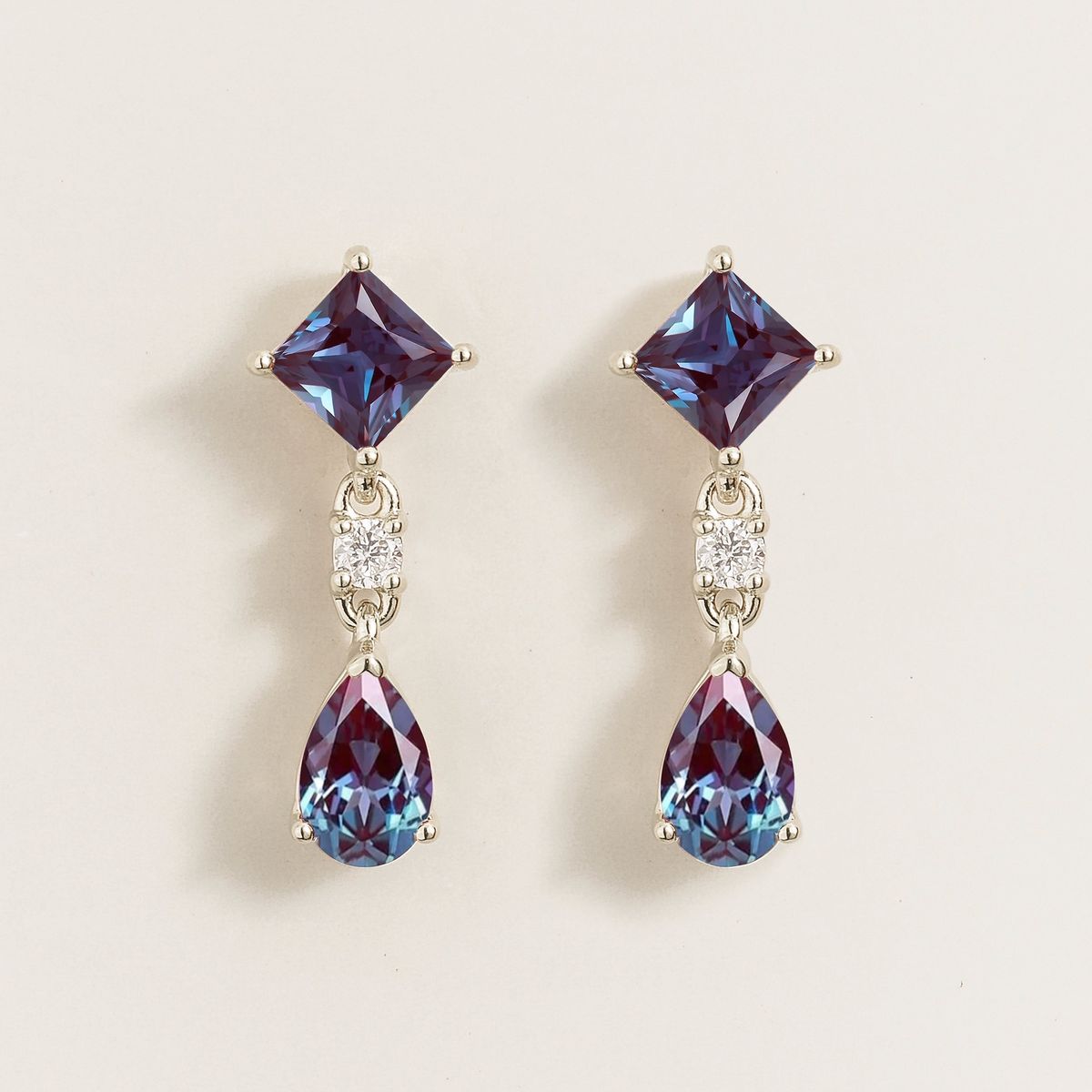
Earrings
Alexandrite earrings sit close to the head and can support clear thinking during conversations, meetings, and quick exchanges. They help keep the mind receptive, so listening stays active rather than defensive. This placement is useful when the day asks for adaptability without confusion. It can encourage a measured tone, especially when plans change and the next response needs to be both calm and precise.Forms
Different Alexandrite forms shift how its energy is held and directed. Some feel more contained and reflective, while others gather intention into a clearer line for change, focus, or quiet recalibration.
Rough
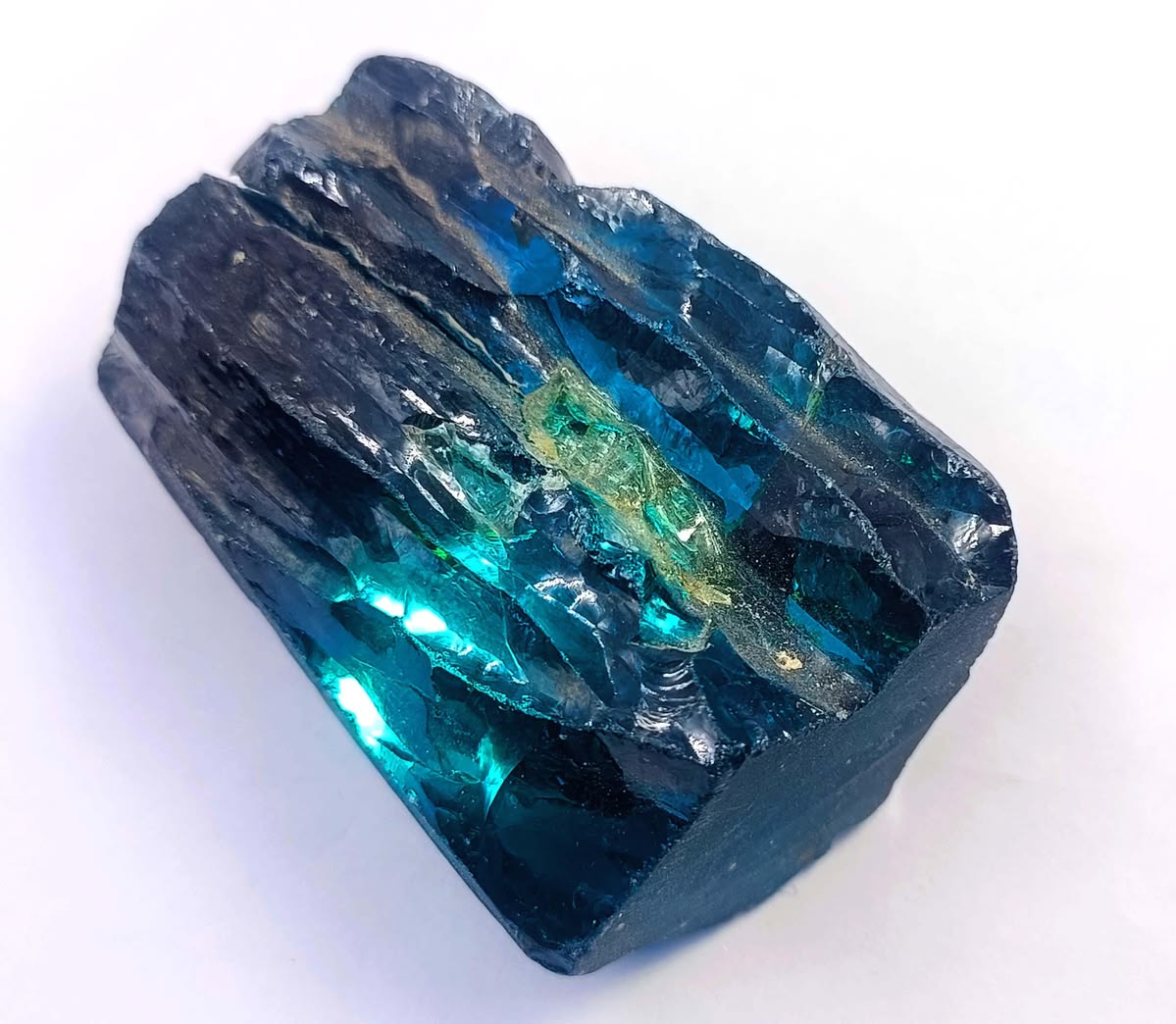
Rough Alexandrite feels direct and unpolished. It connects with simple truth and a more instinctive response to change.
Cleansing & Charging
Cleansing Alexandrite helps clear the residue that can build after intense conversations, changeable days, or periods of mental strain. Because it is a hard stone with distinct cleavage, a gentle routine keeps it feeling clear without asking too much of the crystal.
How to cleanse Alexandrite
- Wash Alexandrite briefly in lukewarm water with a little mild soap, then rinse well and pat it dry with a soft cloth.
- Use smoke cleansing with sage or incense when a water cleanse is not convenient, keeping the smoke light and the ritual unhurried.
- Cleanse it with sound from voice, music, or chimes when you want a dry method that feels clear and non-invasive.
How to charge Alexandrite
- Place Alexandrite in moonlight in a dry location for a gentle overnight charge.
- Set it in brief indirect morning light if you want a fresh reset, but avoid strong sun and sudden heat.
- Rest it beside selenite or clear quartz, then finish by naming a quiet intention for the day ahead.
Where to Use
Choose places where Alexandrite can support change without scattering attention, especially where words, habits, or routines need a steadier center.
Personal workspace
On a personal workspace, Alexandrite helps keep focus flexible when tasks shift or priorities change. It can support clear thinking during planning, writing, or decision-making, especially when you need to stay responsive without losing your thread. Keep it near the hand or keyboard as a quiet cue to pause before reacting.
Meditation space
In a meditation space, Alexandrite settles the mind into a more receptive state. It works well for reflection on change, inner timing, and the difference between fear and true guidance. Hold it before practice if you want the session to begin with a calmer, more balanced tone.
Personal altar
On a personal altar, Alexandrite brings a refined focus to intentions around growth and honest self-direction. It can sit beside candles, written intentions, or symbols of transition as a reminder to move with clarity rather than force. This placement suits moments when you are asking for guidance, not just reassurance.
In a pocket, Alexandrite stays close through errands, travel, and unpredictable days. It is useful when you want a private touchstone before a conversation, a meeting, or a change of plan. Reaching for it can become a small ritual of returning to center.
Science
Physical properties
- Mineral class
- Oxide
- Color
- Usually green, blue-green, yellow-green, or olive in daylight and red, purplish red, raspberry, or reddish purple under warm incandescent light
- Hardness
- 8.5
- Density
- Approximately 3.70 - 3.78 g/cm3
- Durability
- Good, although brittle with distinct cleavage
- Thermal stability
- Generally good but sudden temperature changes should be avoided
Optical properties
- Transparency
- Transparent to translucent
- Lustre
- Vitreous
- Refraction index
- Approximately 1.746 - 1.755
Chemical composition
- Class
- Beryllium aluminum oxide
- Formula
- BeAl2O4 with chromium substituting for part of the aluminum
- Group
- Chrysoberyl Group
- Magnetic
- Usually non-magnetic, although trace elements may produce a weak response in some specimens
Formation
Alexandrite is the chromium-bearing color-change variety of Chrysoberyl, and its formation depends on a rare geological balance. Beryllium- and aluminum-rich fluids need to meet chromium-bearing rocks in silica-poor settings, so the beryllium does not simply crystallize as Beryl instead. That uncommon chemistry is why fine Alexandrite remains scarce, even before cut, clarity, and size are considered.
The color shift comes from chromium ions inside the crystal lattice, which absorb light in different ways under daylight and warm incandescent light. Alexandrite is also strongly pleochroic because Chrysoberyl is orthorhombic, so it can show different colors along different crystallographic directions. Stones from Russia, Brazil, Sri Lanka, Tanzania, Zimbabwe, and India can vary in color change and character, but origin cannot be confirmed by color alone.
Locations
- Malyshevo, Sverdlovsk Oblast, Russia
- Minas Gerais, Brazil
- Bahia, Brazil
- Ratnapura District, Sri Lanka
- Tunduru District, Tanzania
- Lake Manyara Region, Tanzania
- Masvingo Province, Zimbabwe
- Odisha, India
History
Chromium-bearing Chrysoberyl formed under unusual conditions
Ancient geological history
Alexandrite began as a rare geological outcome rather than a common mineral occurrence. In metamorphic and pegmatitic regions, beryllium- and aluminum-rich fluids met chromium-bearing rocks in silica-poor settings, allowing color-changing Chrysoberyl to crystallize. That unusual chemistry is part of what makes Alexandrite so uncommon in nature.
Alexandrite discovered in the Ural Mountains
1830s
Color-changing Chrysoberyl was first identified in emerald-bearing deposits in the Ural Mountains of Russia. Stones appeared green in daylight and reddish under candlelight, which gave the material an immediate sense of mystery and distinction. The discovery linked Alexandrite with the Russian gem trade from the beginning.
Named in honor of Alexander II
1842
Mineralogist Nils Adolf Erik Nordenskiöld formally gave the stone the name Alexandrite in honor of the future Tsar Alexander II. The name helped set the gem apart as a mineral of status as well as rarity. From that point, Alexandrite carried both scientific interest and imperial association.
Alexandrite became associated with Imperial Russia
19th century
During the 19th century, Alexandrite's green and red colors echoed the military colors of Imperial Russia. That visual link strengthened its symbolic presence and made it feel closely tied to national identity. The stone gained a cultural weight that went beyond its mineral rarity.
Russian production declined
Late 19th and early 20th centuries
The original Ural deposits produced only limited quantities, and fine Russian Alexandrite became increasingly scarce in the gem trade. As supply tightened, the stone's reputation for rarity deepened. Collectors and jewelers came to value it as a difficult gem to source in strong quality.
Brazilian deposits renewed commercial supply
1980s
Important discoveries in Minas Gerais brought new quantities of strongly color-changing Alexandrite into the market. Brazilian material renewed commercial interest while still remaining uncommon at high quality. The finds broadened the stone's modern story without making it ordinary.
Additional sources entered the gem market
Late 20th and early 21st centuries
Further deposits in Sri Lanka, Tanzania, Zimbabwe, India, and Madagascar expanded the range of Alexandrite available to collectors and jewelers. These stones showed differences in color change, clarity, crystal size, and trace-element chemistry. The wider supply made the gem more visible, but fine natural Alexandrite remained rare.
Rare collector gemstone and June birthstone
Present day
Today, natural Alexandrite is prized for its strong color change, attractive colors, clarity, and size. It is recognized as a June birthstone and appears in fine jewelry as well as mineral collections. Its history continues to rest on rarity, unusual chemistry, and a long association with transformation in the gem world.
Got questions?
We've got answers!
FAQ's
What is Alexandrite used for?
+×
Alexandrite is often chosen as a stone of transformation, emotional balance, and adaptable thinking. In crystal practice, it is commonly kept during periods of change, when a steadier response and clearer intuition are wanted.
It is also a popular choice for jewelry and small pocket stones, especially when a practical reminder of calm flexibility is useful through the day.
Why does Alexandrite change color?
+×
Alexandrite changes color because chromium within the crystal absorbs light differently under different lighting. In daylight it usually appears green, blue-green, or olive, while warm incandescent light can bring out red, raspberry, or purplish tones.
This is a true color-change effect, not simply a surface tint. The exact result depends on the stone's chemistry, cut, clarity, and the light source.
Is Alexandrite a type of Chrysoberyl?
+×
Yes. Alexandrite is the chromium-bearing color-change variety of Chrysoberyl, rather than a separate mineral species. Its identity comes from the same beryllium aluminum oxide family, with chromium creating the distinctive color shift.
That is why Alexandrite is both scientifically specific and visually unusual. It belongs to the Chrysoberyl group, but its changing appearance sets it apart from ordinary Chrysoberyl.
Which zodiac signs are connected to Alexandrite?
+×
Alexandrite is most often linked with Gemini and Scorpio. Gemini is associated with mental agility and shifting perspective, while Scorpio connects with depth, transformation, and emotional intensity.
These associations suit Alexandrite's themes of adaptability and personal growth. It is often chosen when a sign's natural qualities need a little more balance, clarity, or composure.
What chakras does Alexandrite work with?
+×
Alexandrite is commonly associated with the Heart and Crown chakras. The Heart link reflects its themes of emotional balance and honest feeling, while the Crown connection suits insight, perspective, and inner guidance.
In practice, it is often used when the heart and mind need to work together more smoothly. A small stone held in meditation, or worn as a necklace, can be a simple way to focus that intention.
How can you tell whether Alexandrite is real?
+×
Real Alexandrite is usually identified by a combination of color change, refractive index, microscopy, spectroscopy, and other gemmological tests. A convincing shift between daylight and warm light is important, but it is not enough on its own.
Many lookalikes exist, including color-change synthetic corundum, garnet, sapphire, spinel, and even glass or assembled stones. For a valuable gem, independent testing is the most reliable approach.
How should Alexandrite be cared for?
+×
Most untreated Alexandrite can be cleaned with lukewarm water, mild soap, and a soft brush, then dried with a soft cloth. It is hard enough for jewelry, but it is also brittle and has distinct cleavage, so sharp knocks should be avoided.
Steam and ultrasonic cleaning are best avoided if the stone is heavily included, fractured, filled, or of uncertain treatment status. Strong heat and sudden temperature changes should also be kept to a minimum.