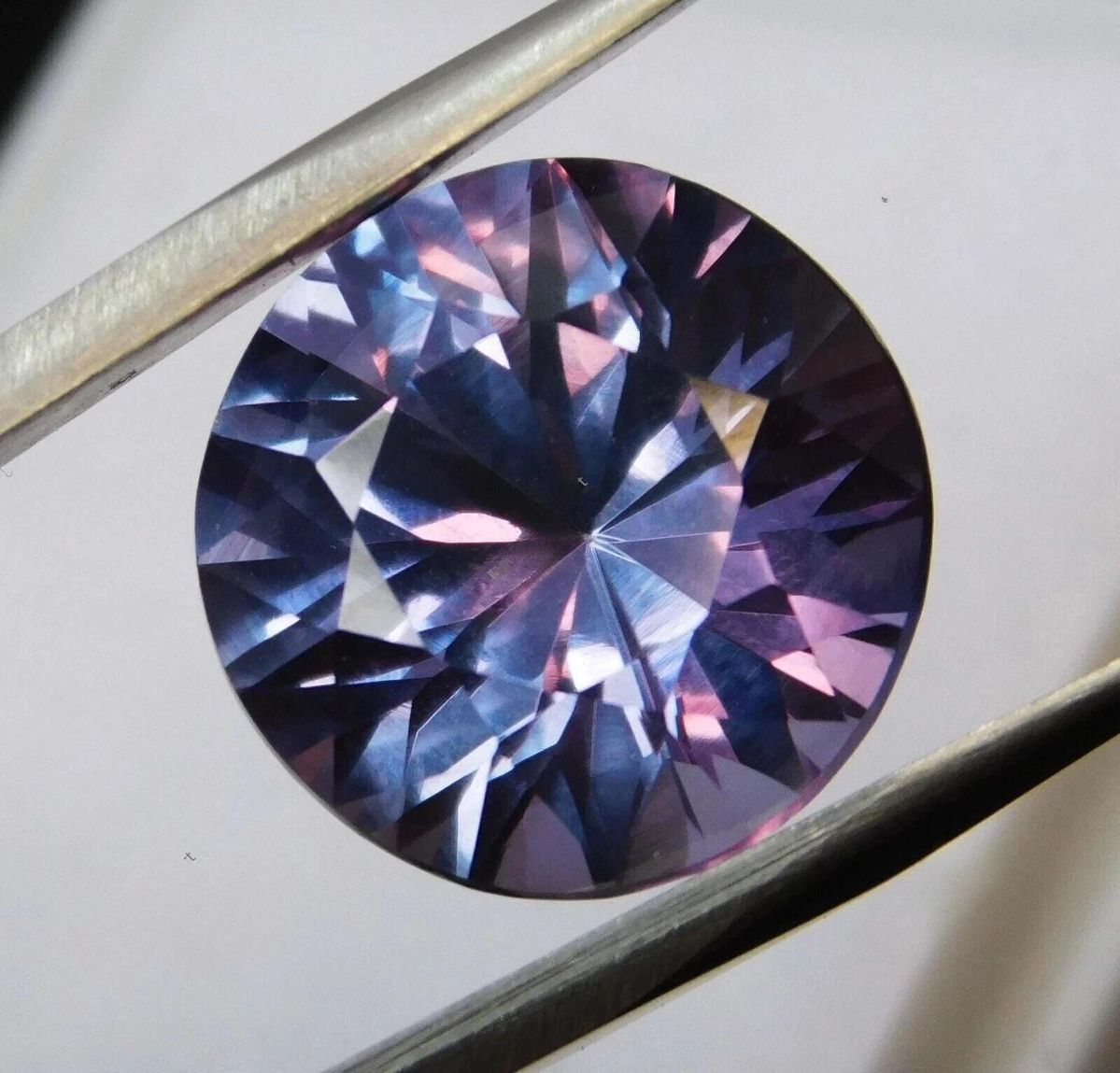
Its colour-change character gives it a natural sense of movement between feeling and insight, making it a thoughtful stone for work that asks for both openness and perspective.

Which chakras Alexandrite is associated with

  • Heart

    Alexandrite is strongly associated with the Heart chakra because it is often read as a stone of emotional balance, compassion, and change that begins from the centre of feeling.

  • Crown

    It is also linked with the Crown chakra, where its reflective quality is used to support intuition, perspective, and a more spacious awareness of personal growth.


Why Alexandrite connects to the Heart and Crown

Alexandrite connects to the Heart because its most familiar meanings revolve around emotional balance, adaptability, and the ability to meet change without losing softness. That makes it a natural fit for heart-centred work that values steadiness as much as openness.

It connects to the Crown because the stone is also associated with intuition and inner clarity. Its colour-change character is often taken as a symbol of shifting perception, which suits crown-level work focused on insight and higher awareness.

Together, the Heart and Crown create a useful bridge between feeling and understanding. Alexandrite is often chosen when someone wants to stay emotionally present while also seeing a wider pattern in what is unfolding.

Where to place Alexandrite on the body

Alexandrite is commonly placed over the centre of the chest when working with the Heart chakra, or worn higher on the body when the focus is on the Crown.

Because it is a rare and often valuable stone, many people prefer to wear it in jewellery rather than place it directly on the body for long sessions.

It is usually used in calm, intentional settings such as meditation, reflection, or quiet personal work, where its shifting colour symbolism can be given space to settle.

Jewellery closest to Alexandrite's Heart and Crown chakras

  • Necklace & pendant

    Heart

    Worn near the chest, this is the most direct jewellery choice for Heart-centred Alexandrite work. It keeps the stone close to the emotional centre while supporting calm, balanced presence.

  • Earrings

    Crown

    Earrings place Alexandrite near the upper energy field and are a natural choice for Crown-focused use. They suit reflective wear, meditation, and a subtle emphasis on intuition and perspective.

Can Alexandrite be used with other chakras?

Alexandrite can be used with other chakras, but it is usually a softer, secondary choice outside the Heart and Crown. Its main value is in supporting balance, transition, and a more reflective state of mind rather than acting as a specialist stone for every centre.

When used beyond its primary chakras, it is best treated as a companion crystal. It can add a calm, adaptive quality to chakra work, especially where emotional processing and intuitive awareness need to stay linked.

For deeper or more targeted chakra work, it is often paired with a stronger centre-specific stone. Alexandrite can then provide the balancing and transitional tone, while the other crystal does the more direct energetic work.

  • Root

    Alexandrite may offer a light sense of steadiness when change feels unsettling, but it is only a gentle match for the Root. Pair it with a more grounding stone if the work is focused on safety, stability, or practical security.

  • Sacral

    It can support emotional flow and adaptability at the Sacral in a broad, reflective way, especially when feelings are shifting. For stronger creative or sensual chakra work, it is better used alongside a more clearly Sacral-focused crystal.

  • Solar Plexus

    Alexandrite may help a person stay composed while confidence is being rebuilt, but it is not a primary Solar Plexus stone. Use it as a soft support for self-trust, and pair it with a stronger centre-specific crystal when willpower or personal power is the main focus.

  • Throat

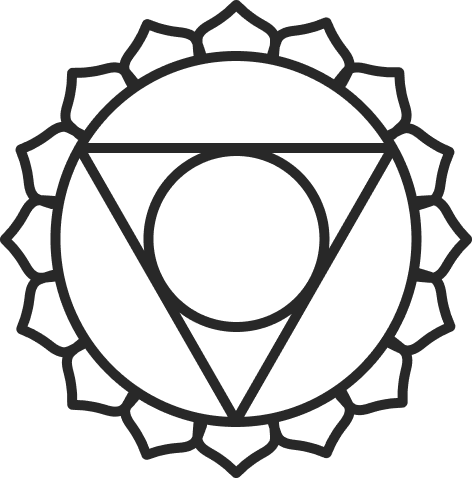
    It can gently support honest expression when words need to come from a balanced place, yet it remains a secondary Throat match. For clearer communication work, it is best combined with a more direct Throat stone.

  • Third Eye

    Alexandrite may encourage reflective insight and a quieter inner listening, but its connection here is subtle. If the aim is focused vision, dream work, or stronger intuitive development, a more specialised Third Eye crystal is usually more effective.

Got questions?

We've got answers!

FAQ's

What chakras is Alexandrite most associated with?

+

Alexandrite is most commonly associated with the Heart and Crown chakras. It is read as a stone that bridges emotional balance with intuition and higher awareness.

Can Alexandrite be used for chakra balancing?

+

Yes, Alexandrite can be used as a balancing stone, especially where the Heart and Crown are involved. It is usually best seen as a supportive crystal rather than a specialist stone for every chakra.

Is Alexandrite better worn as a pendant or earrings?

+

Both can be useful. A pendant keeps Alexandrite close to the Heart, while earrings place it nearer the Crown and suit more intuitive or reflective work.

Can Alexandrite support other chakras too?

+

It can offer gentle support to other chakras, but those connections are usually secondary. For deeper work at a specific centre, it is often paired with a more targeted crystal.