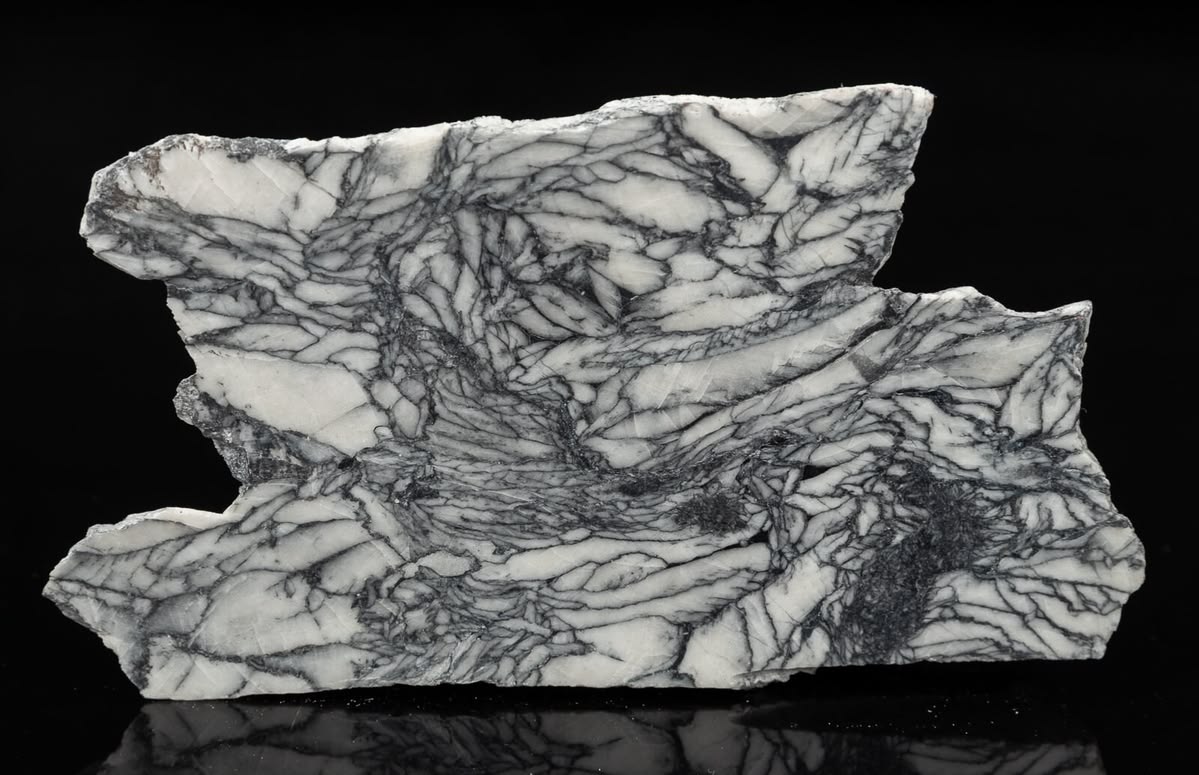
Pinolite Crystal, Benefits and Meanings.
Pinolite meaning centers on inner peace held with grounded strength.
Metaphysical & Spiritual
Pinolite settles into the inner field with a slow, organizing rhythm. It works well when feelings are layered or difficult to sort, bringing a sense of order without pushing emotion away. Its energy connects with the quiet discipline of sitting with what is present. Rather than forcing a release, it helps the body and mind soften around tension so patience can return in a more natural way. Pinolite also carries a reflective quality that supports compassionate self-awareness. It encourages honest inner listening, especially when the heart needs reassurance and the mind needs something steady to hold onto. In spiritual practice, Pinolite brings a grounded stillness that keeps insight practical. It is often chosen for work that asks for calm follow-through, clear boundaries, and a gentler pace through change.

Planet

Saturn
Pinolite carries Saturn's patient, shaping influence, where lessons are taken seriously and growth happens through consistency. It supports the kind of inner structure that holds firm without closing the heart.
Element
Earth
Pinolite works with Earth energy by drawing awareness back into the body and the practical moment. It helps emotions land in a way that feels contained, usable, and easier to live with.


Crystal Pairings
Pinolite pairs well with stones that keep the emotional body steady while giving feeling and intuition a cleaner channel. These combinations work best when the aim is gentle self-understanding, patient communication, and a grounded heart that can stay open without becoming overwhelmed.
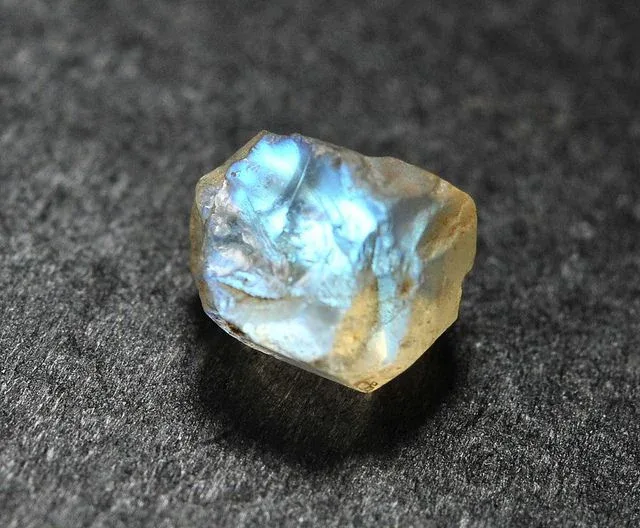
Peach Moonstone
Peach Moonstone brings a softer, more receptive current beside Pinolite, helping emotions move with less resistance and more trust. Together they support tender self-reflection, especially when the heart needs reassurance before it can speak plainly.
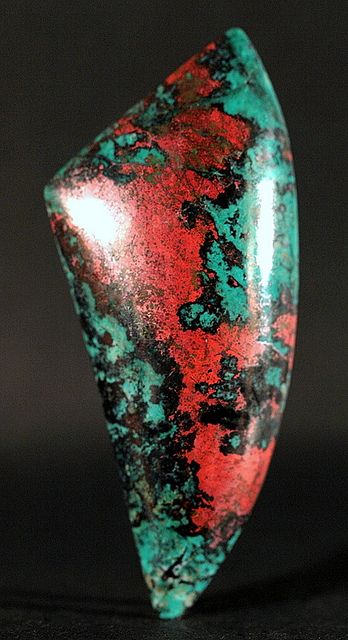
Sonora Sunrise
Sonora Sunrise adds a firmer, more active emotional presence to Pinolite's quiet steadiness. The pairing helps transform inner heaviness into clear purpose, so compassion is expressed through grounded action rather than passive endurance.
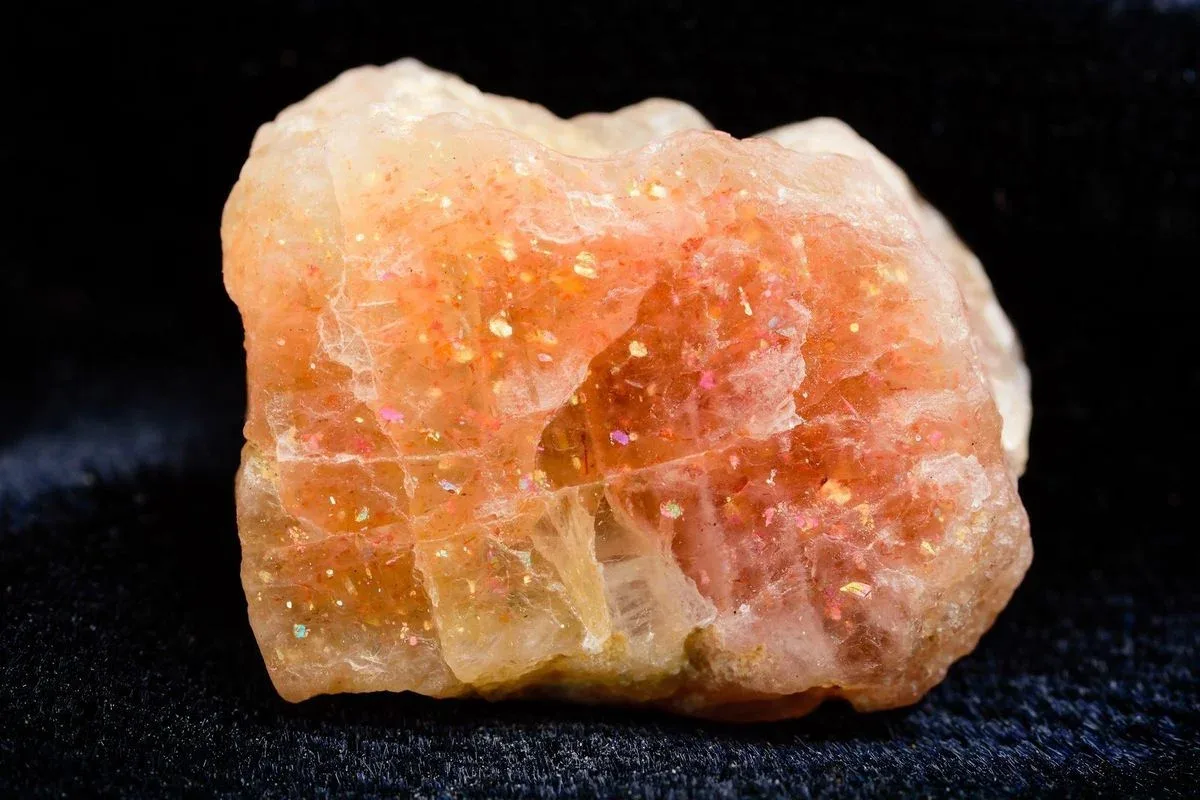
Sunstone
Sunstone lifts Pinolite into a brighter, more confident rhythm without losing its calm center. This combination supports self-worth, warm communication, and the kind of steady optimism that keeps boundaries clear and the spirit engaged.

Orca Agate
Orca Agate deepens Pinolite's reflective quality and brings a more measured pace to emotional processing. Together they help the mind listen before reacting, making space for honest truth, calm release, and a quieter inner dialogue.
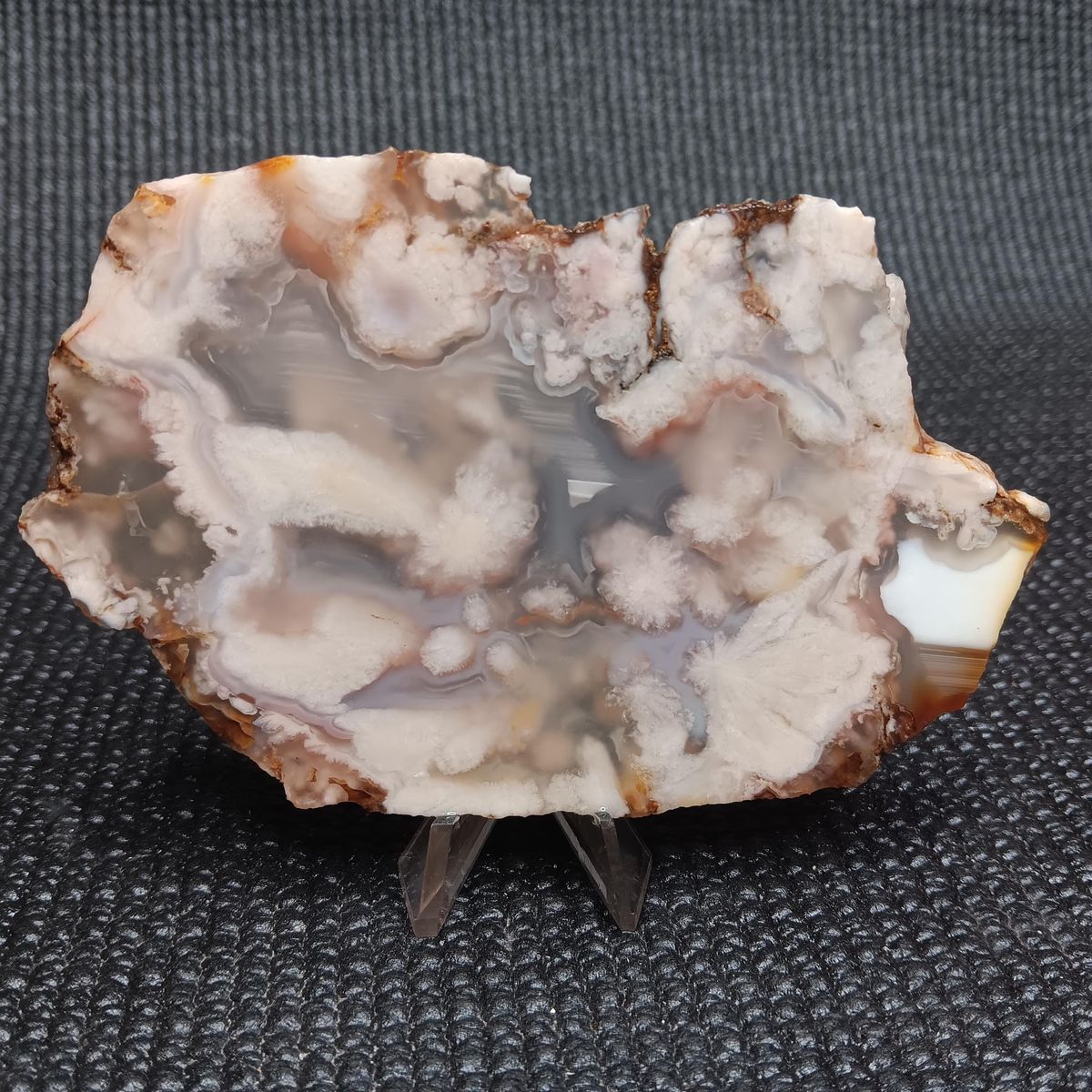
Flower Agate
Flower Agate softens Pinolite's grounding into something more nurturing and heart-led. The pairing supports growth that feels safe and gradual, helping confidence bloom through patience, self-kindness, and a gentler relationship with change.
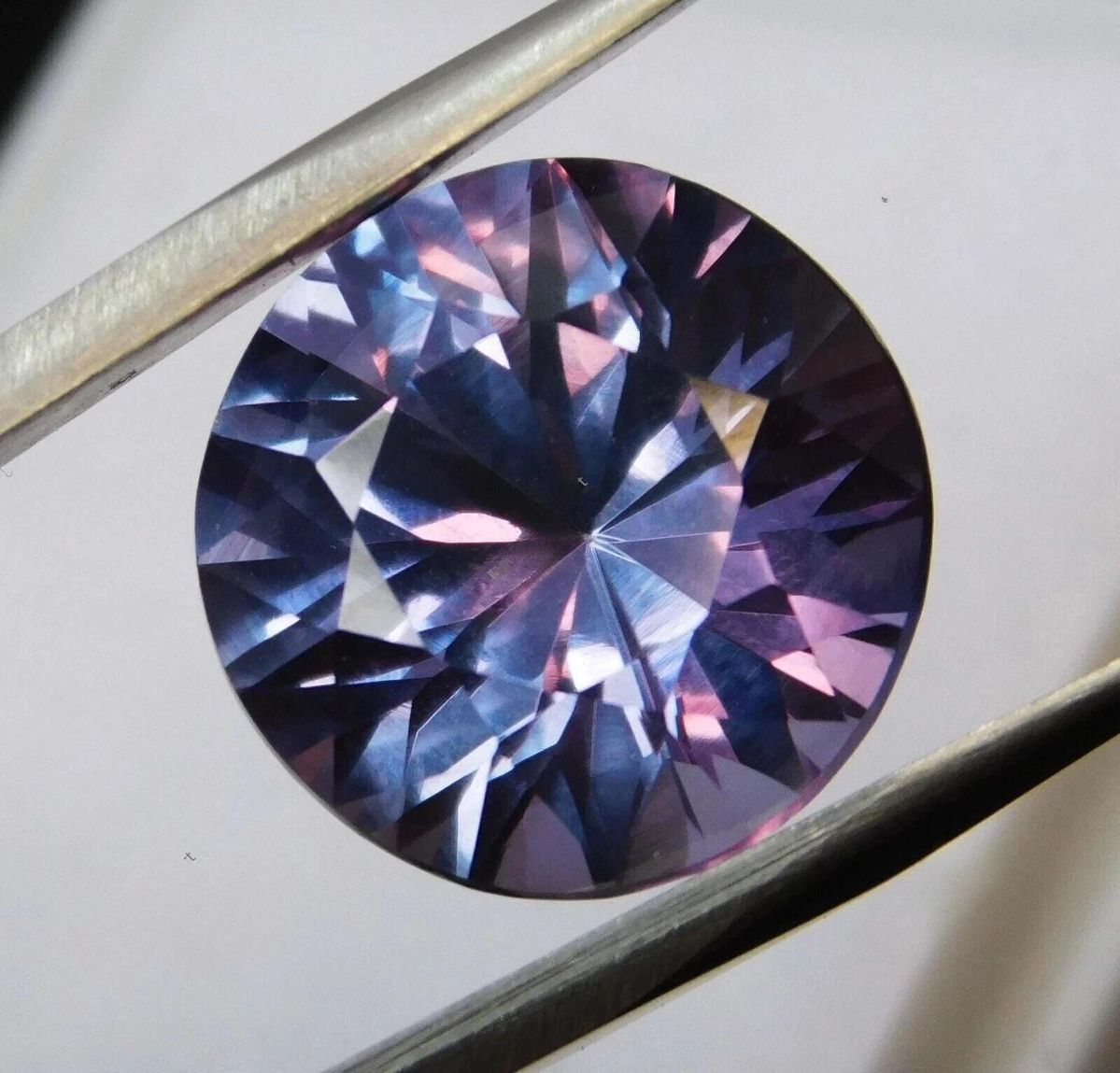
Alexandrite
Alexandrite adds a subtle sense of adaptation beside Pinolite, helping the spirit stay balanced when circumstances shift. This pairing works with discernment and emotional flexibility, so inner stability remains intact while new paths are considered.
Healing
Pinolite connects with moments when the inner world feels crowded and the body wants a slower pace. It brings a steady, grounded reminder to soften the grip of overthinking and let feelings settle into something easier to hold.
It is often chosen when patience is needed with change, with other people, or with the self. The stone carries a quiet, orderly tone that helps keep reactions measured and communication more thoughtful when emotions rise.
Affirmations
Hold Pinolite at the Heart or Crown area and choose an affirmation that matches the moment. Let the words move slowly, then follow them with one small action that keeps the day aligned.
Use the stone when the mind feels busy or the mood feels unsettled. Repeating a short phrase can help the body remember calm before the next choice is made.
- I stay calm and centered
- I meet change with patience
- I speak with clarity and care
- I trust my steady inner rhythm
- I keep my heart open and grounded
Intention Setting
Pinolite can help set intentions that feel calm, realistic, and quietly firm. It is useful when the aim is not force, but a steadier way of meeting the day.
It works well for intentions around patience, emotional balance, and clear boundaries. The stone keeps the focus on what can be held, chosen, and followed through.
- I meet this day with steady patience
- I choose calm over reaction
- I honor my boundaries with ease
- I let clarity guide my choices
- I move through change with trust
Manifesting
Pinolite supports manifesting that depends on consistency rather than speed. It helps keep attention on the next honest step, especially when the path feels slow or uncertain.
It is often used for goals that ask for emotional steadiness, mature communication, and grounded follow-through. The energy reads as patient and practical, which helps keep wishful thinking from drifting away from action.
- I build what lasts
- I move with patience and purpose
- I welcome balanced relationships
- I stay steady through change
- I follow through with calm focus
Jewelry
Pinolite jewelry works by placing the stone near different parts of the day’s rhythm. Near the throat, hands, or heart line, it can help shape the way words, actions, and self-talk settle before they are released.
General benefits: Wearing Pinolite keeps its grounded, patient tone close through the day. It serves as a quiet reminder to slow the response, stay compassionate under pressure, and keep the heart steady when life asks for a measured reply. It is especially useful on busy days, during difficult conversations, or when change needs to be met without losing center.
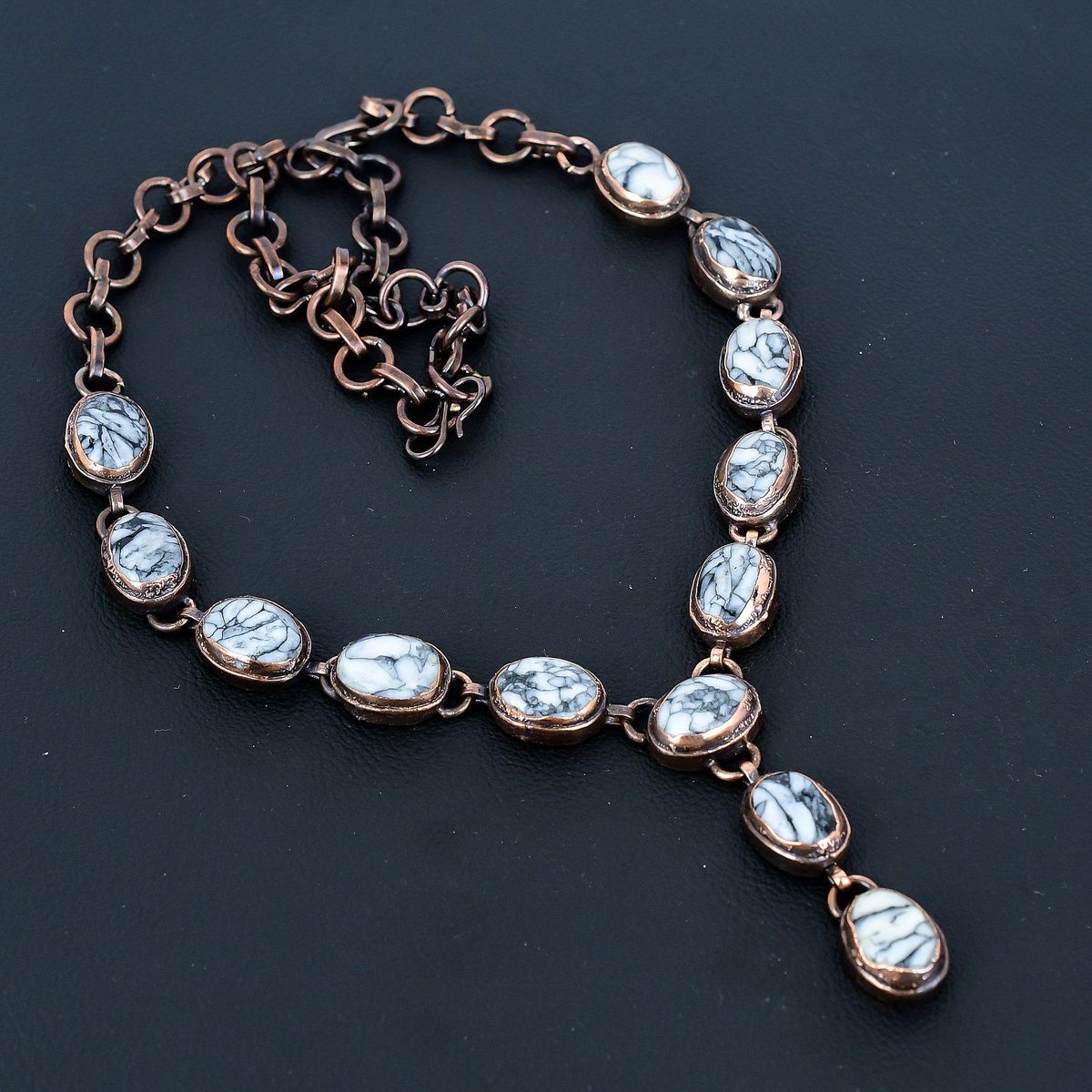
Necklace
A Pinolite necklace sits close to the chest and brings the stone’s calm tone into emotional moments. It can support steadier breathing before speaking and a more settled response when feelings run high. It is a useful piece for days that ask for patience with family, colleagues, or the self. The reminder stays near the heart, where compassion and boundaries need to work together.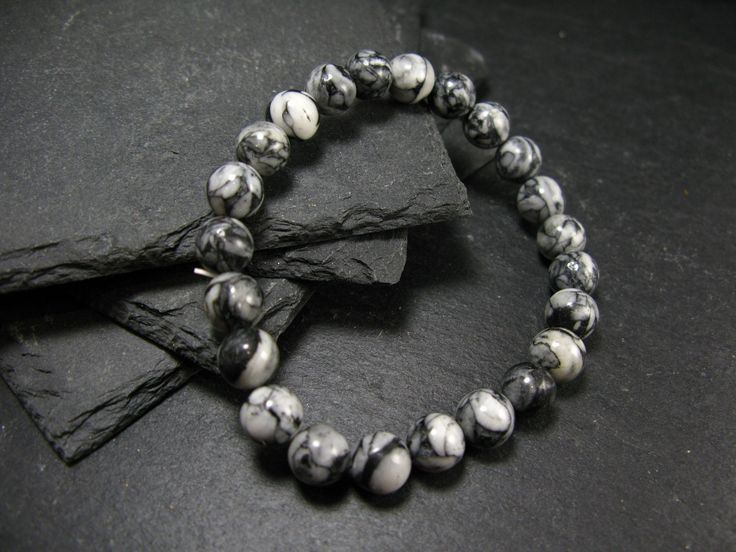
Bracelet
A Pinolite bracelet keeps the reminder in the hands, where choices and habits are made. Each glance at the wrist can become a cue to pause, soften tension, and act with more intention. It is especially helpful when the day is full of small demands and quick replies. The stone can keep the pace from becoming rushed or reactive.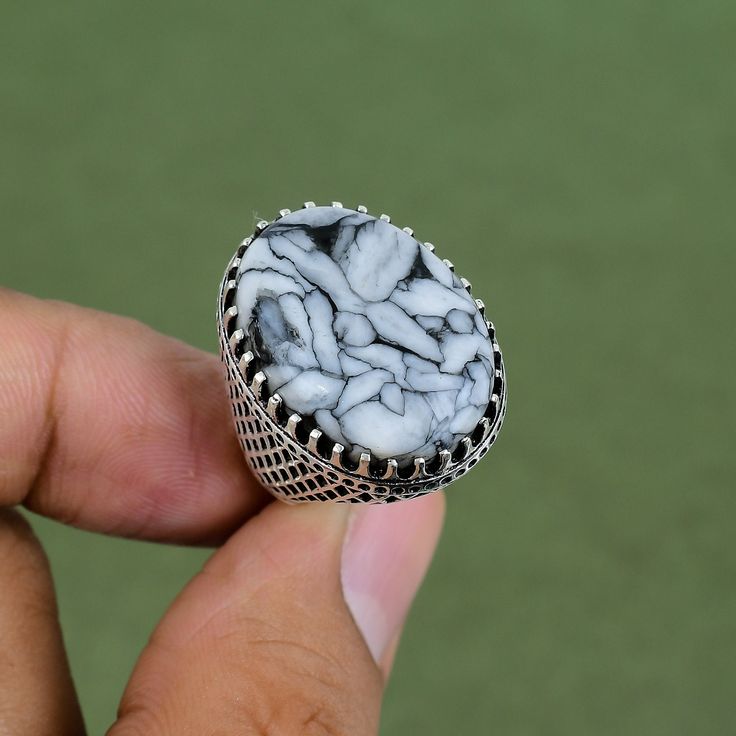
Ring
A Pinolite ring brings the stone into view during decisions, conversations, and moments of self-talk. It can help the wearer stay with what is true rather than what is easiest to say in the moment. This placement works well when boundaries need to be held with grace. The ring becomes a quiet anchor for calm follow-through.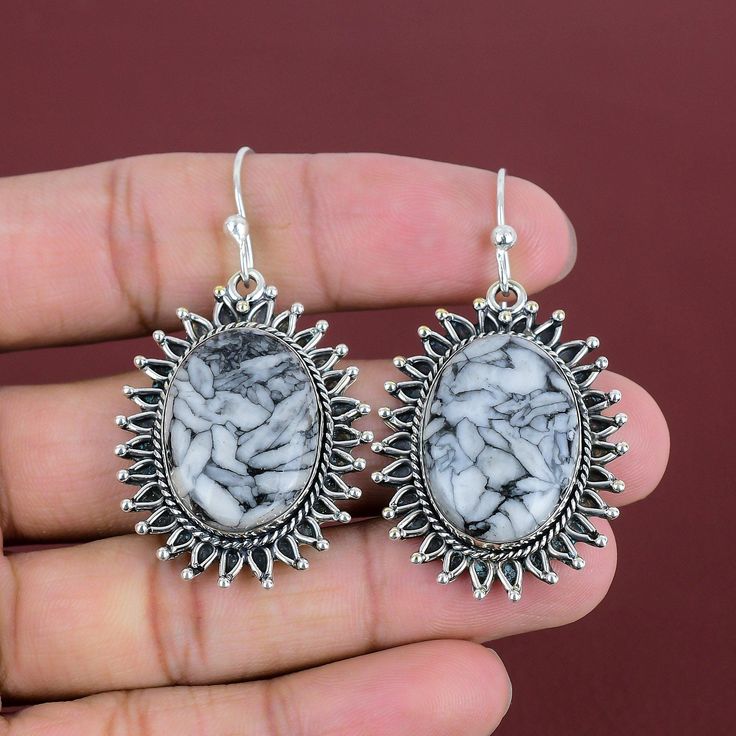
Earrings
Pinolite earrings sit close to the head and can help settle busy thoughts before they spill into speech. They are useful for meetings, calls, and any setting where listening matters as much as replying. The stone’s presence near the mind can encourage a slower, more thoughtful tone. It helps keep the inner field organized when many voices or tasks are asking for attention.Forms
Different Pinolite forms shift how its energy is held and directed. Some feel more settling and receptive, while others bring a clearer line of focus for intention work or daily grounding.
Rough
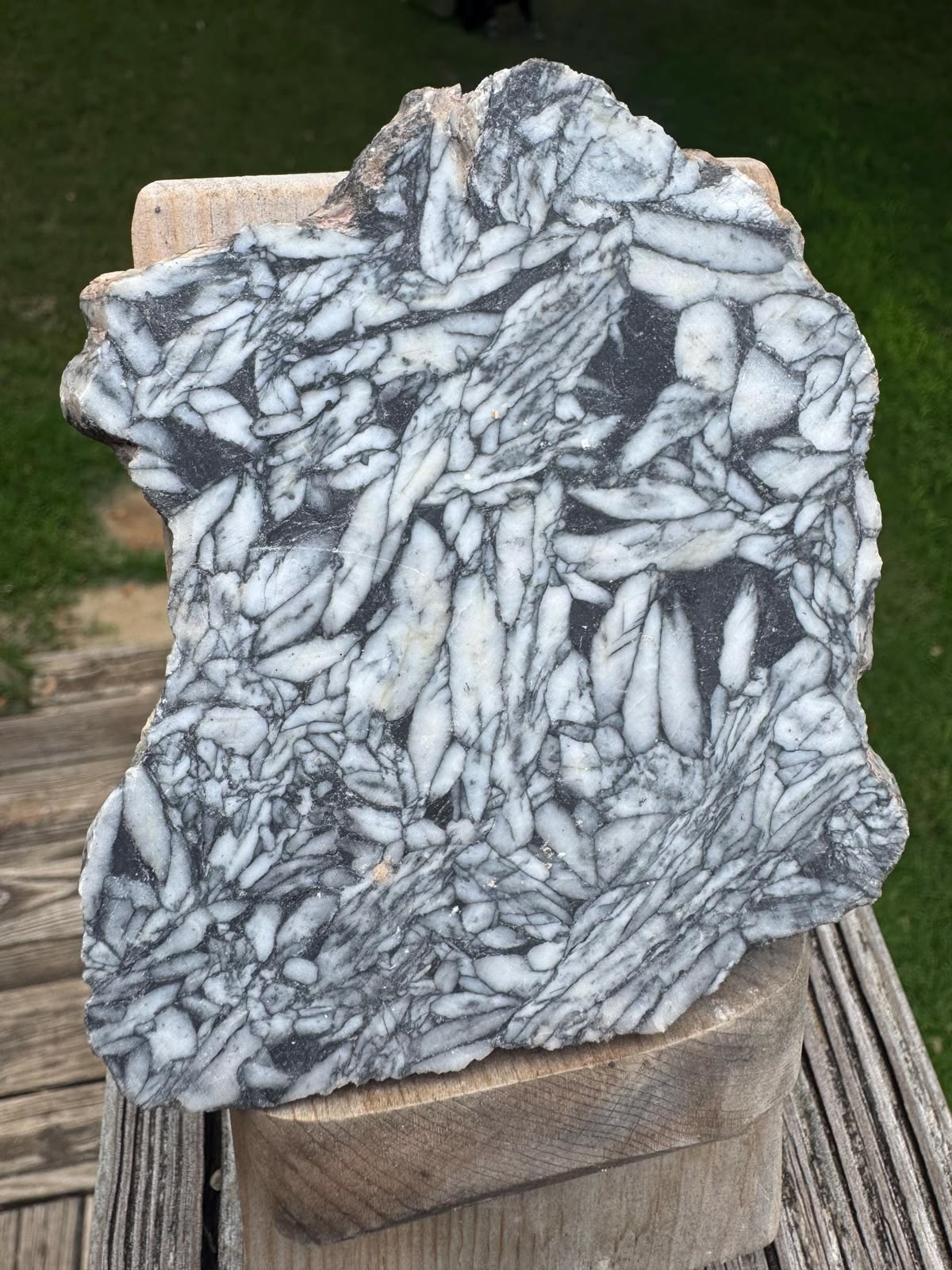
Rough Pinolite feels direct and earthy. It works well for simple grounding and unpolished honesty.
Point / Tower
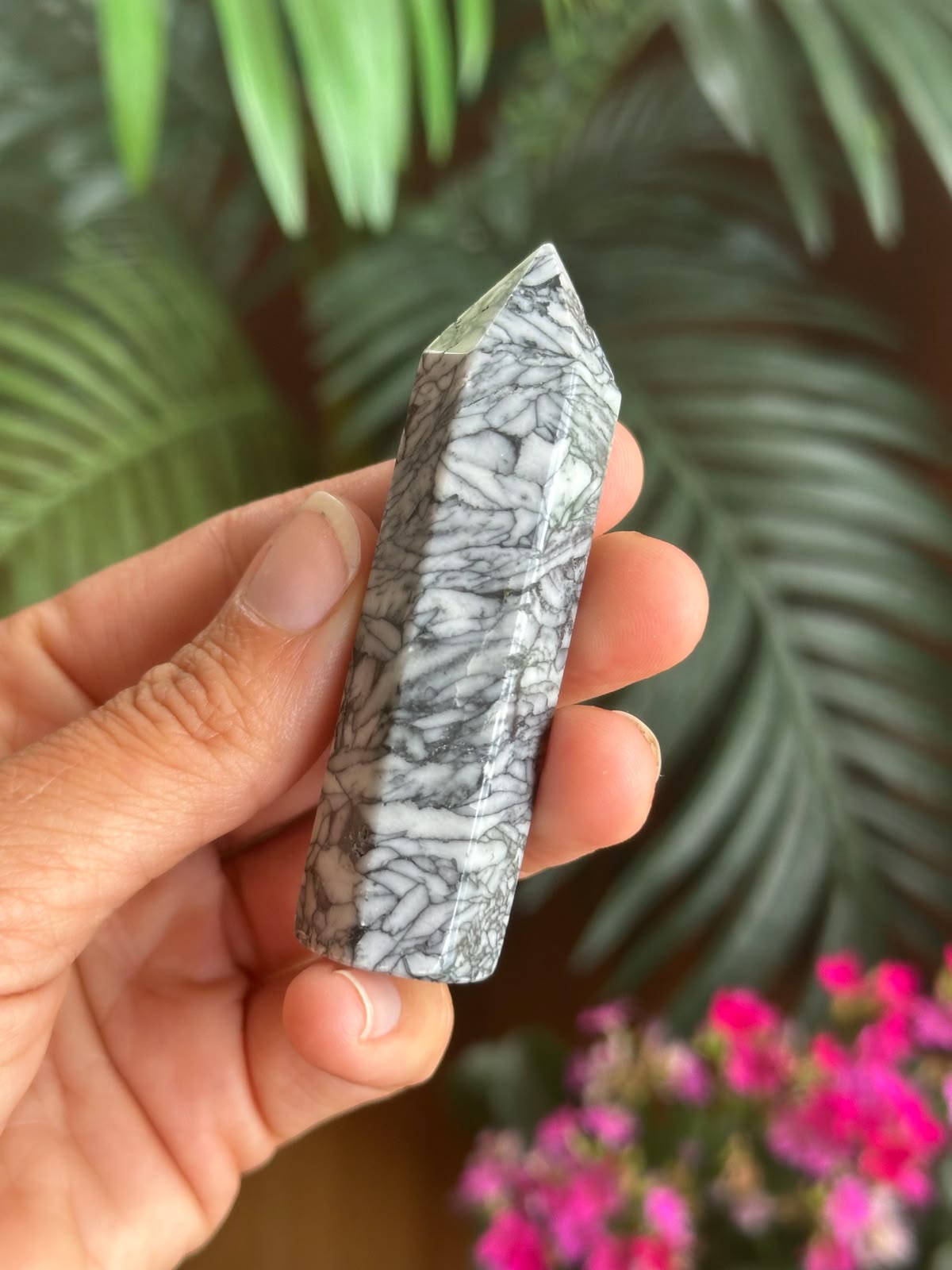
A point or tower gathers Pinolite into a more directed current. It helps focus intention when the mind needs a clearer line.
Sphere
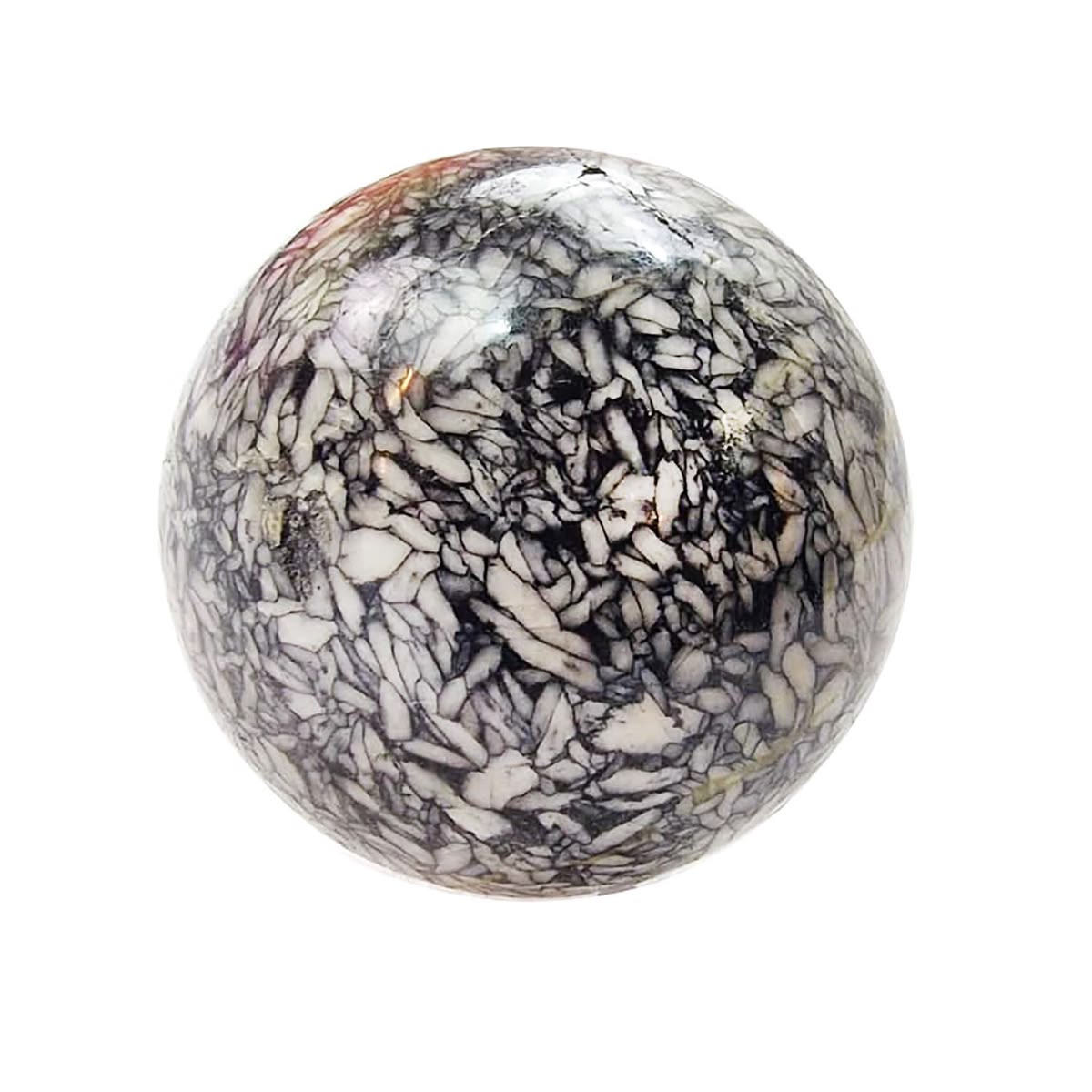
A sphere gives Pinolite an even, settled feel. It is useful when balance and calm need to be held across a whole space.
Palm Stone
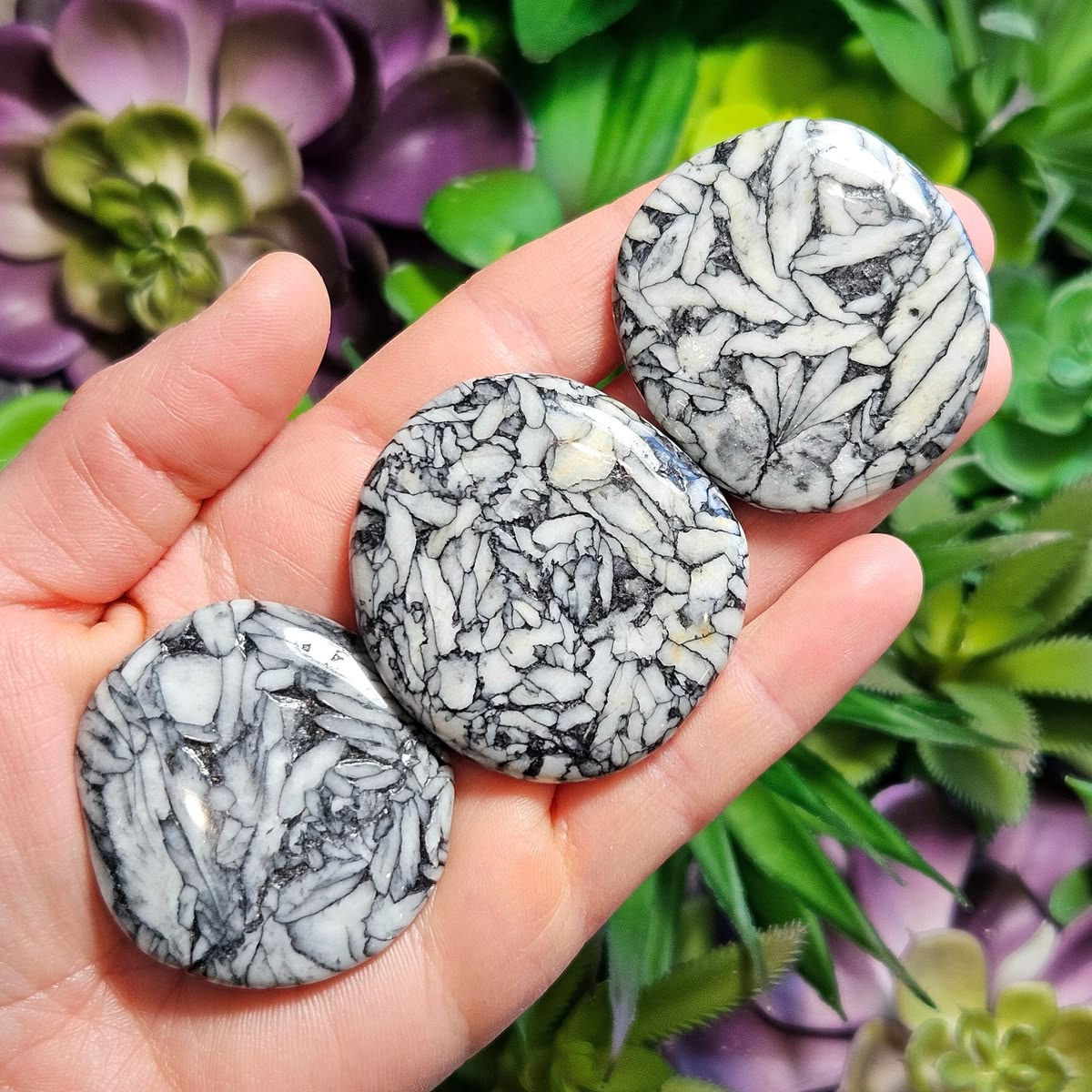
A palm stone offers a contained, hand-held steadiness. It is good for short pauses when emotions need to soften.
Tumble Stone
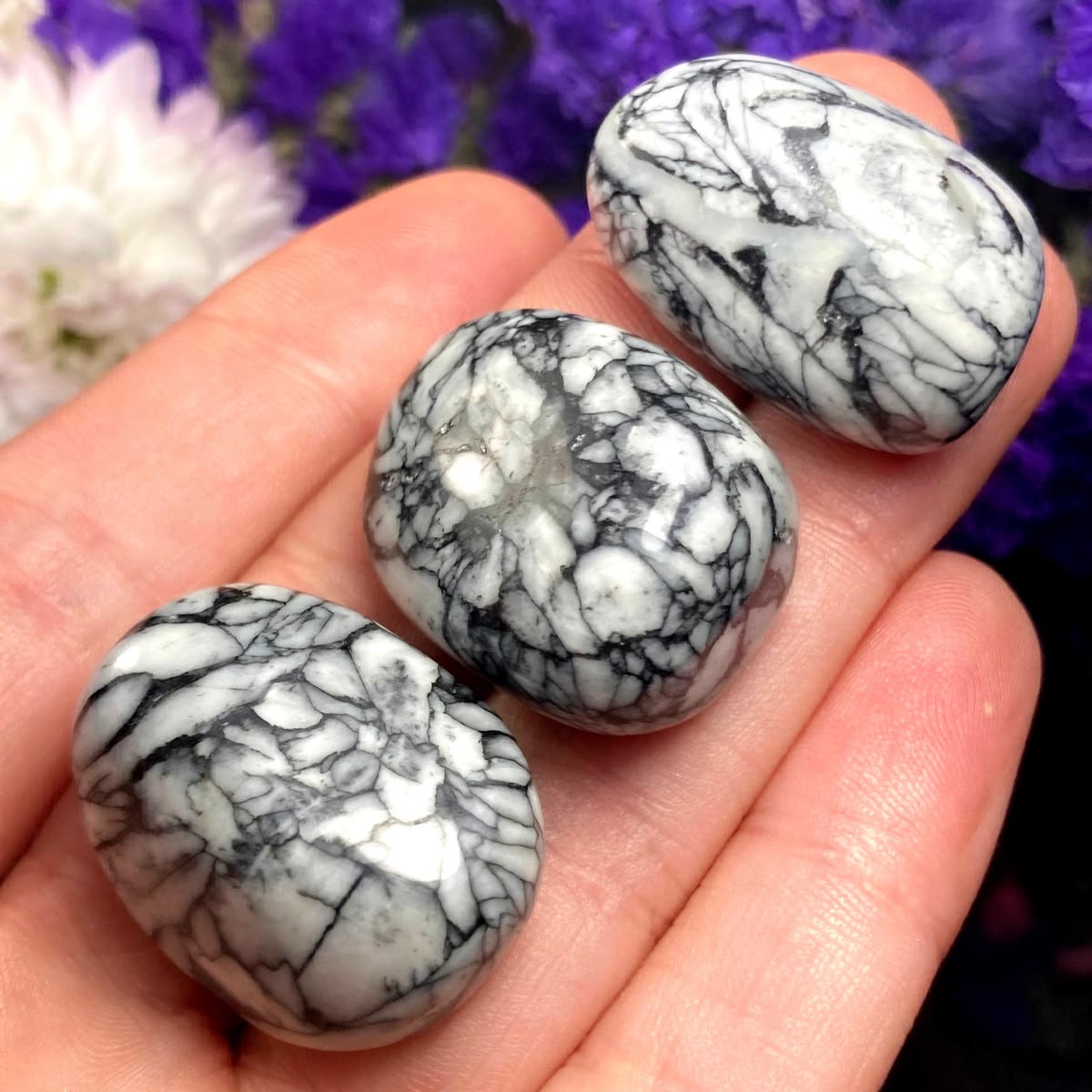
A tumble stone carries Pinolite in a small, easy form for pockets or bags. It supports quick resets during the day.
Figure

A carved figure gives Pinolite a more focused, companion-like presence. It can help hold a clear intention during quiet reflection.
Heart
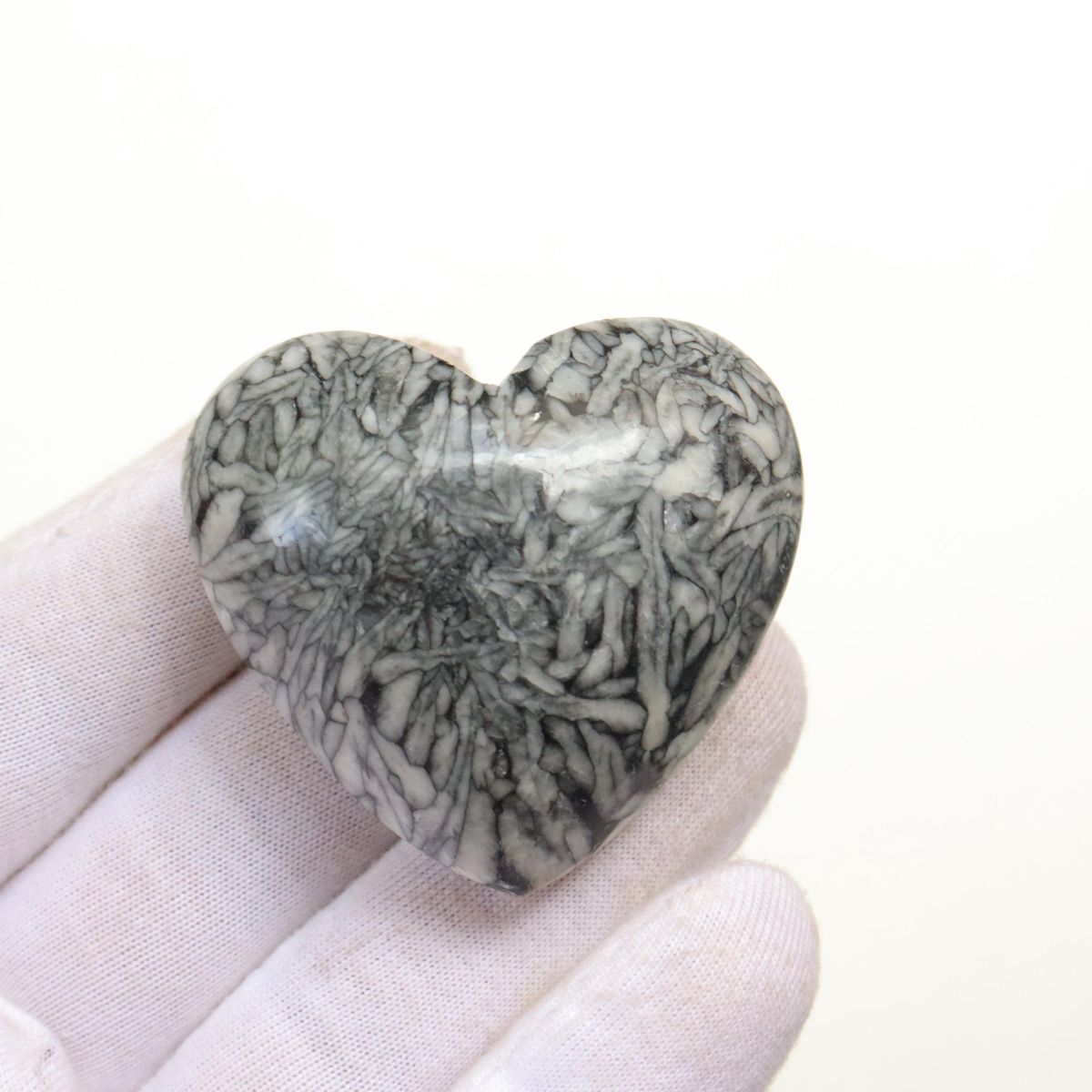
A heart form brings out Pinolite’s gentler tone around care and self-respect. It is a steady choice for emotional repair and kinder inner speech.
Cleansing & Charging
Pinolite benefits from a gentle reset after heavy days, tense conversations, or long periods of handling. Because it is a carbonate-rich rock, it is best treated with care and kept away from acids, salt water, harsh cleaners, and prolonged soaking.
How to cleanse Pinolite
- Wipe Pinolite with a soft, slightly damp cloth, then dry it straight away with a clean towel.
- Use smoke cleansing with sage or incense for a brief reset when water is not needed.
- Place it near selenite or clear quartz overnight to clear the feel without stressing the surface.
How to charge Pinolite
- Leave Pinolite in brief indirect morning light if you want a gentle refresh, then bring it back indoors before the light strengthens.
- Set it beside selenite or clear quartz in a quiet place to restore its calm tone.
- Hold it in both hands for a moment and set a clear intention before placing it down to rest.
Where to Use
Choose spaces where Pinolite can help settle the energy, support thoughtful speech, and keep the inner field from becoming too crowded.
Personal workspace
On a desk or work surface, Pinolite helps keep attention steady when tasks pile up and the mind starts to race. It can be held before emails, planning, or difficult decisions to encourage a calmer, more deliberate response. This is a strong place for it when the day asks for patience and clear boundaries.
Quiet reading area
In a reading corner, Pinolite supports slower thought and a more reflective pace. It can help the mind settle enough to absorb what is being read without drifting into tension or distraction. Place it nearby when you want a space that feels composed and inwardly quiet.
Meditation space
In meditation, Pinolite brings a grounded stillness that helps the breath deepen and the thoughts organise themselves. It is useful when the practice is about emotional balance, not escape. Keep it close when you want a calm center that feels steady rather than distant.
Front door
Near the front door, Pinolite can act as a threshold stone for leaving stress at the edge of the home. It helps set a calmer tone before stepping out or returning after a demanding day. This placement works well when transitions need to feel more deliberate and less abrupt.
Science
Physical properties
- Mineral class
- Carbonate-Rich Metamorphic Rock
- Color
- White or pale gray Magnesite crystals within a gray, charcoal, black, beige, or brownish carbonate-rich matrix
- Hardness
- Approximately 3.5 - 4.5 overall, varying with Magnesite, Dolomite, Calcite, Graphite, and other components
- Density
- Approximately 2.9 - 3.1 g/cm3, with variation according to mineral proportions and porosity
- Durability
- Moderate to low because of its carbonate composition, variable grain boundaries, possible fractures, and sensitivity to acids
- Thermal stability
- Low to moderate
Optical properties
- Transparency
- Usually opaque, with occasional slight translucency along thin pale edges
- Lustre
- Dull to pearly when rough and waxy to vitreous when polished
- Refraction index
- Variable because Pinolite is a multi-mineral rock; Magnesite is approximately 1.51 - 1.70 and Dolomite approximately 1.50 - 1.68
Chemical composition
- Class
- Magnesite- and Dolomite-rich carbonate rock
- Formula
- No single formula; principally MgCO3 and CaMg(CO3)2 with variable Graphite, Calcite, and associated minerals
- Group
- Carbonate-rich ornamental rock
- Magnetic
- Usually non-magnetic
Formation
Pinolite is a carbonate-rich metamorphic rock, not a single mineral species, and its identity comes from the way pale Magnesite grains sit within a darker Dolomite-rich matrix. In the classic Austrian material from Sunk near Hohentauern, those white to pale gray grains developed through burial, deformation, recrystallization, and mineral-bearing fluids in a magnesium-rich carbonate setting.
Graphite, Calcite, and other associated minerals can deepen the dark ground and sharpen the contrast that makes the stone so recognizable. Because it is a multi-mineral rock, Pinolite varies from piece to piece in grain size, polish, and pattern, with some sections showing clear pine-kernel forms and others appearing more mottled or densely packed.
Locations
- Magnesite deposit, Sunk, Hohentauern, Murtal District, Styria, Austria
History
Magnesium-rich carbonate rocks formed in the Austrian Alps
Ancient geological history
Carbonate sediments and magnesium-bearing rocks in what is now Styria were altered over long geological time by burial, tectonic pressure, metamorphism, and mineral-rich fluids. These processes created the conditions for the patterned material later known as Pinolite, with pale Magnesite developing inside a darker carbonate host. The rock records the slow mineral history of the Eastern Alps rather than a single crystallization event.
Magnesite crystals developed within a darker carbonate matrix
Geological development
At Sunk in Hohentauern, white to pale gray Magnesite formed as distinct grains and crystals within Dolomite-rich material that could also contain Graphite, Calcite, and related minerals. The contrast between the pale inclusions and the darker matrix gave the rock its recognizable seed-like pattern. Each specimen reflects local variation in grain size, mineral mix, and the direction of the cut.
The Sunk deposit became an important source of Magnesite
Historic mining period
The Austrian deposit was worked mainly for Magnesite, which had value in refractory and industrial applications. As extraction continued, the patterned sections of the rock became better known beyond the mine itself. This mining history sits behind Pinolite's later identity as both a geological material and an ornamental stone.
Patterned material entered the ornamental stone trade
20th century
During the twentieth century, sections with strong white Magnesite forms against a dark matrix were polished into slabs, cabochons, carvings, beads, and decorative objects. Lapidaries began to work with the contrast as a visual feature in its own right, rather than treating it only as a mining by-product. The material moved from industrial source rock into the world of display and collection.
The names Pinolith and Pinolite became established
20th century
The trade names Pinolith and Pinolite were adopted because the pale Magnesite grains resemble pine nuts, pine kernels, or other small seed-like forms. The naming helped collectors and jewelers recognise the material quickly in the lapidary market. It also fixed the stone's identity around its distinctive pattern rather than around a single mineral species.
Pinolite became popular among mineral and crystal collectors
Late 20th and early 21st centuries
As interest in unusual ornamental rocks grew, Austrian Pinolite gained attention for its bold natural contrast and immediately recognizable patterning. Polished pieces found a place in mineral collections, crystal shops, and decorative displays. Its appeal rested on the organic, seed-like forms created by nature rather than on symmetry or uniform color.
Used as an ornamental and jewelry material
Present day
Pinolite is now shaped into palm stones, beads, towers, cabochons, spheres, and freeforms for modern ornamental use. Crystal traditions commonly associate it with inner peace, compassion, patience, grounding, and emotional steadiness. Its ongoing popularity comes from the way its geological story and visual patterning continue to invite close looking and quiet appreciation.
Got questions?
We've got answers!
FAQ's
What is Pinolite used for?
+×
Pinolite is often chosen as a calming ornamental stone for reflection, grounding, and quiet focus. Its steady, patterned appearance makes it a natural companion for meditation spaces, bedside tables, or a personal workspace where a slower pace is welcome.
In crystal traditions, it is commonly linked with inner peace, compassion, emotional balance, and patience. Many people keep it nearby during journalling, reading, or moments that call for a more measured response.
Is Pinolite a recognized mineral?
+×
Pinolite is not a single recognized mineral species. It is a patterned ornamental rock, usually described as a magnesite-dolomite rock with variable graphite, calcite, and related carbonate minerals.
Its identity comes from the contrast between pale Magnesite grains and the darker matrix around them. That is why specimens can vary noticeably in texture, polish, and pattern from one piece to another.
What chakras does Pinolite connect with?
+×
Pinolite is commonly associated with the Crown and Heart chakras. The Crown link suits its quiet, reflective quality, while the Heart connection reflects its themes of compassion, patience, and emotional balance.
In practice, it is often used when the aim is to stay open-hearted without losing a grounded center. A palm stone or small piece held during meditation can suit this kind of work well.
Which zodiac signs are linked to Pinolite?
+×
Pinolite is most often connected with Virgo and Capricorn. Virgo may appreciate its orderly, thoughtful energy, while Capricorn may respond to its steady, disciplined tone.
These associations are symbolic rather than fixed rules. Pinolite can still be chosen by any sign, especially when the intention is grounding, calm follow-through, or a more patient emotional rhythm.
How should Pinolite be cared for?
+×
Pinolite should be handled gently because it is a carbonate-rich rock with moderate to low durability. It is best cleaned with a soft, slightly damp cloth and dried straight away, rather than soaked or scrubbed.
Acids, salt water, bleach, ultrasonic cleaning, steam, and abrasive products should be avoided, as they can dull or damage the surface. For cleansing, sound, smoke, moonlight in a dry place, or resting it with selenite or clear quartz are all suitable options.