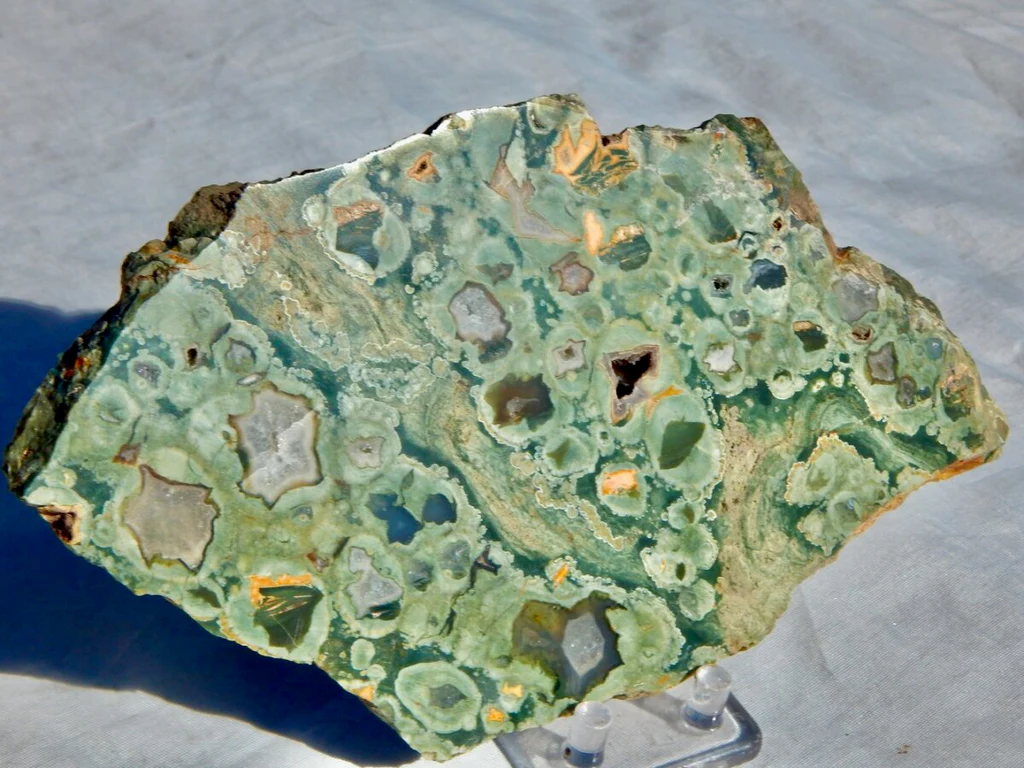
Rhyolite Crystal, Benefits and Meanings.
Named from the Greek 'rhyax' meaning lava flow, rhyolite is a silica-rich volcanic rock linked with grounding, resilience, and growth through change.
Metaphysical & Spiritual
Rhyolite is a volcanic stone with a steady, earthy feel. It suits times when life speeds up but a calm center still matters, keeping attention on what is real and workable. This stone is linked with resilience and self-acceptance. Change can land as something workable, small steps instead of a frantic push to fix everything at once. Rhyolite also has a gentle heart note alongside its grounding side. A nudge to stay kind and practical together, especially when choices feel tangled or emotions run high.
Planet

Jupiter
Jupiter leans towards expansion and perspective, and Rhyolite keeps that wide view connected to everyday reality. Big plans stay hopeful, but not airy.
Element
Earth
Earth energy is about what lasts and what can be built with patience. Rhyolite fits that grounded tone, supporting steady change that holds up over time.


Crystal Pairings
Rhyolite has a steady, lived-in feel, like support that grows over time. Pairing it with other stones can sharpen its message, softening the heart, strengthening resolve, or keeping the mind clear while change unfolds.
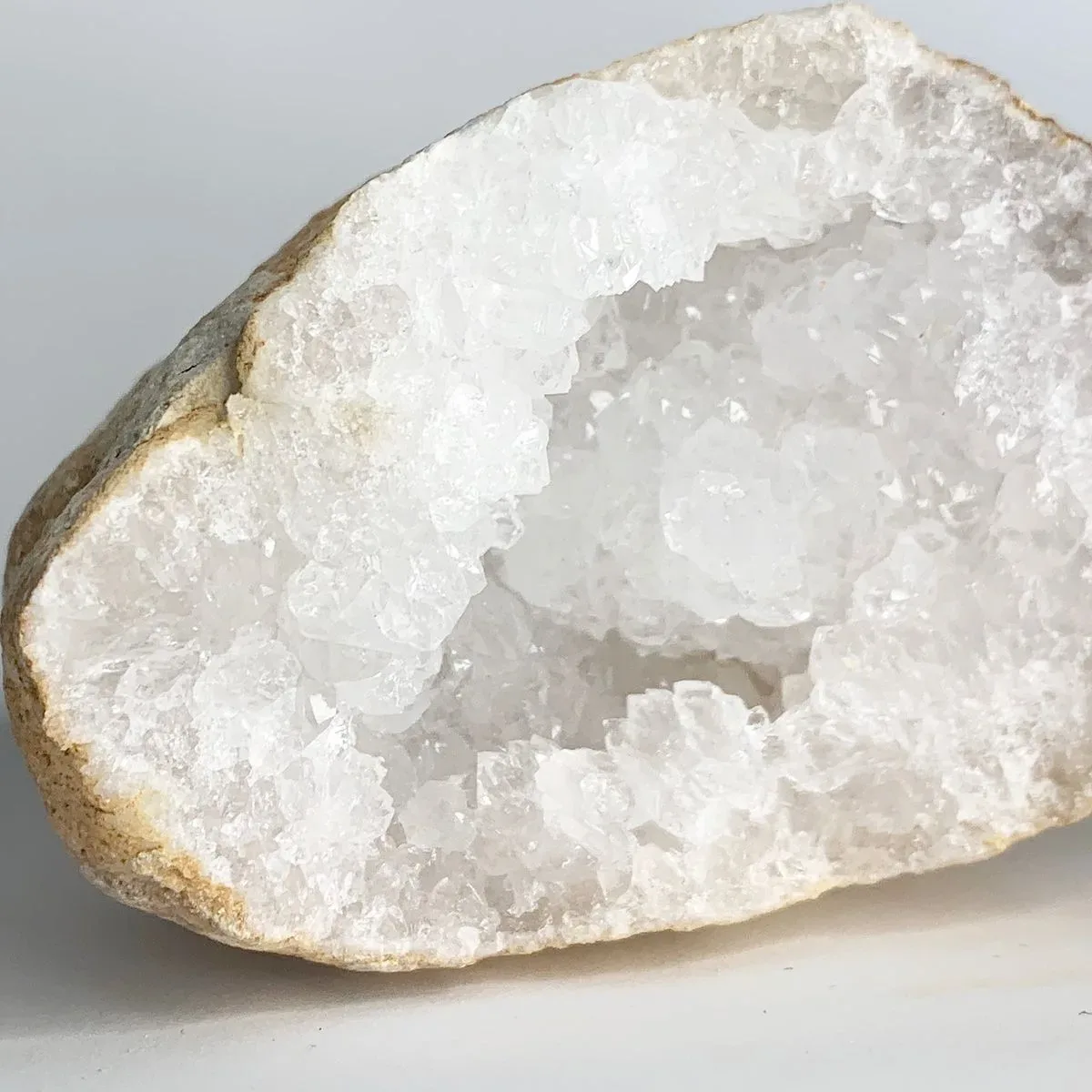
Clear Quartz
Clear Quartz brings clean clarity, keeping Rhyolite's earthy, reflective tone from feeling too heavy. Together it comes through as grounded insight, close to what is real but still open to the wider view.
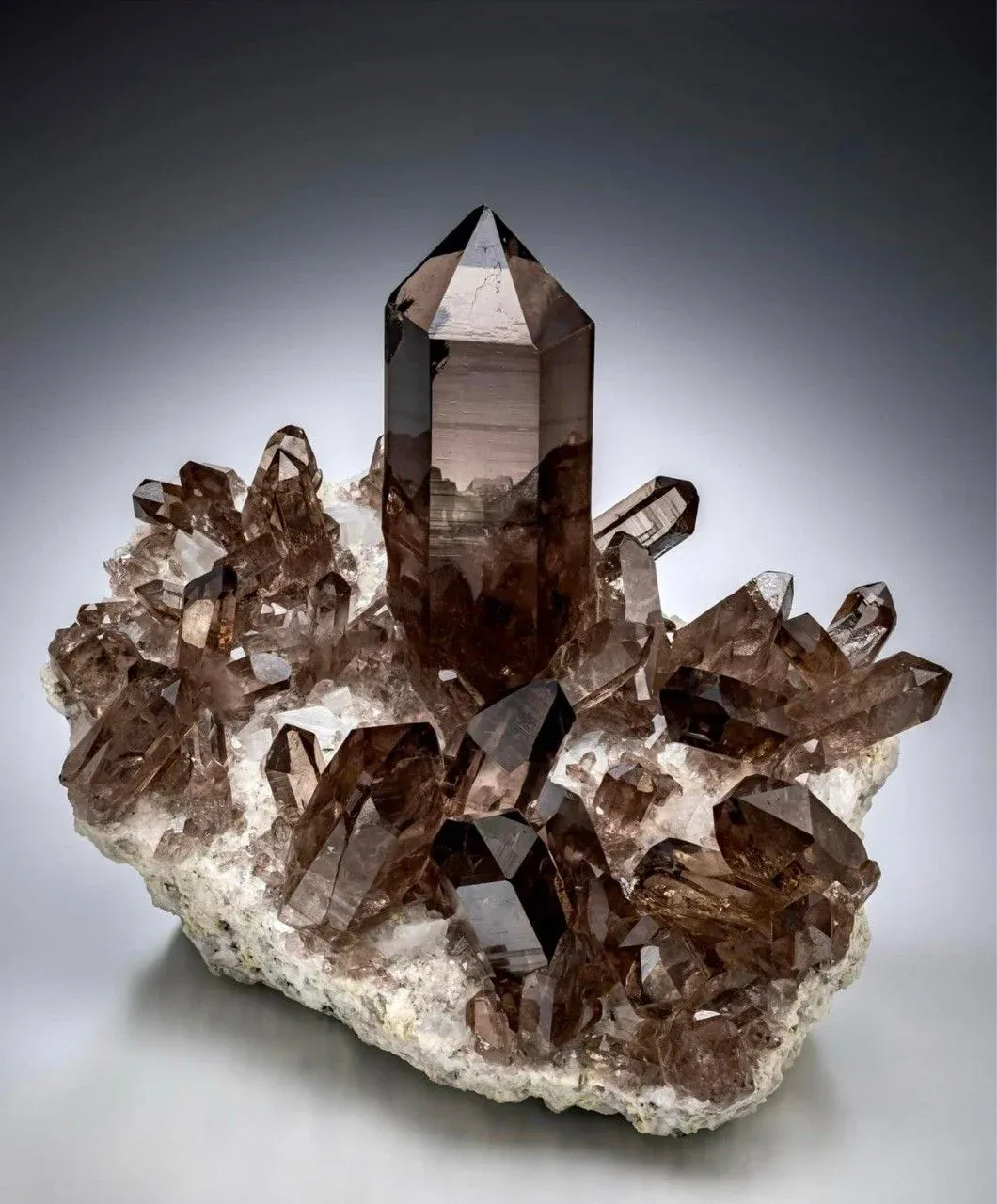
Smoky Quartz
Smoky Quartz has a quiet, contained calm that fits Rhyolite's practical resilience. The mix feels steady and clear-edged, less mental noise, more room to stay with what is happening.
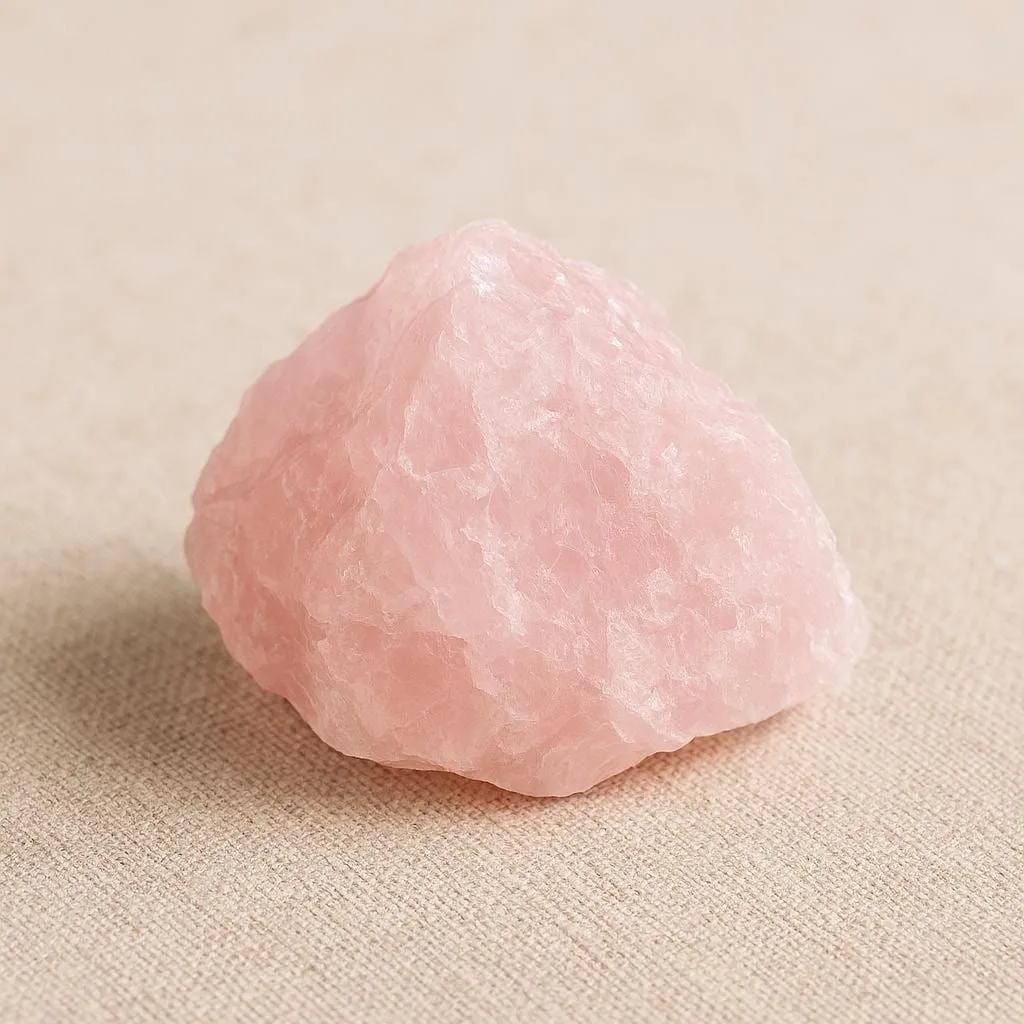
Rose Quartz
Rose Quartz adds softness and warmth, easing Rhyolite's honest, growth-focused tone. Together they hold rough spots and progress with a gentler, less self-critical feel.
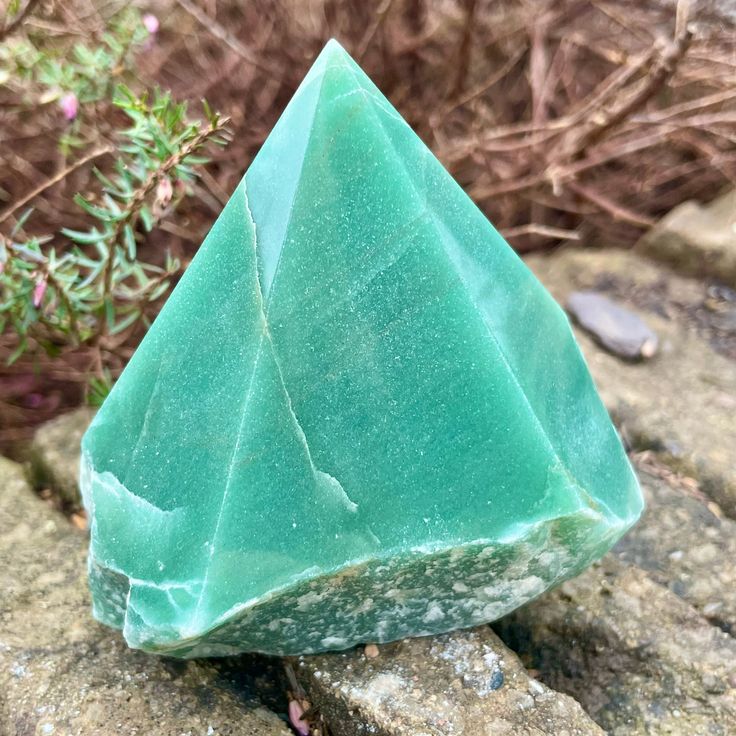
Green Aventurine
Green Aventurine brings an easy optimism that suits Rhyolite's slow, steady change. Together it reads as natural, repeatable growth, confidence built in simple, believable steps.
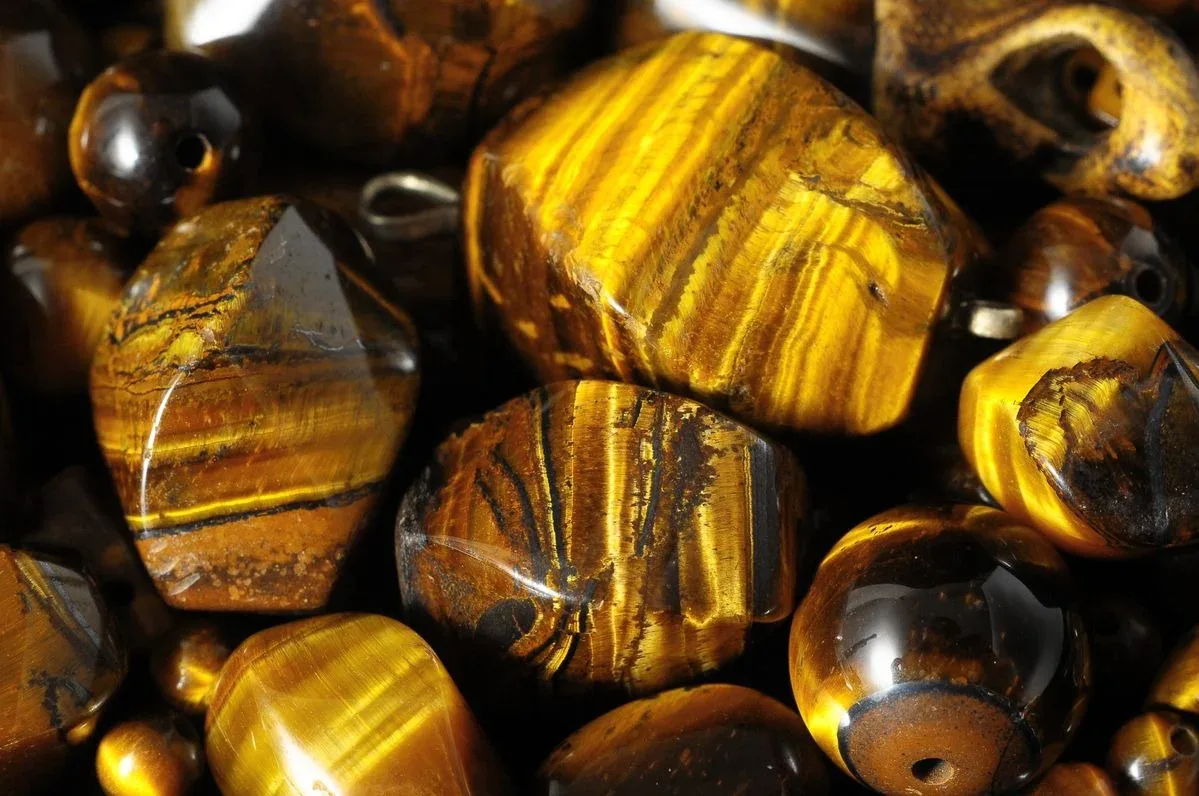
Tiger's Eye
Tiger's Eye adds grounded confidence and a steady sense of personal strength, matching Rhyolite's theme of change that lasts. The pairing feels self-directed and practical, with less second-guessing and more trust in solid choices.
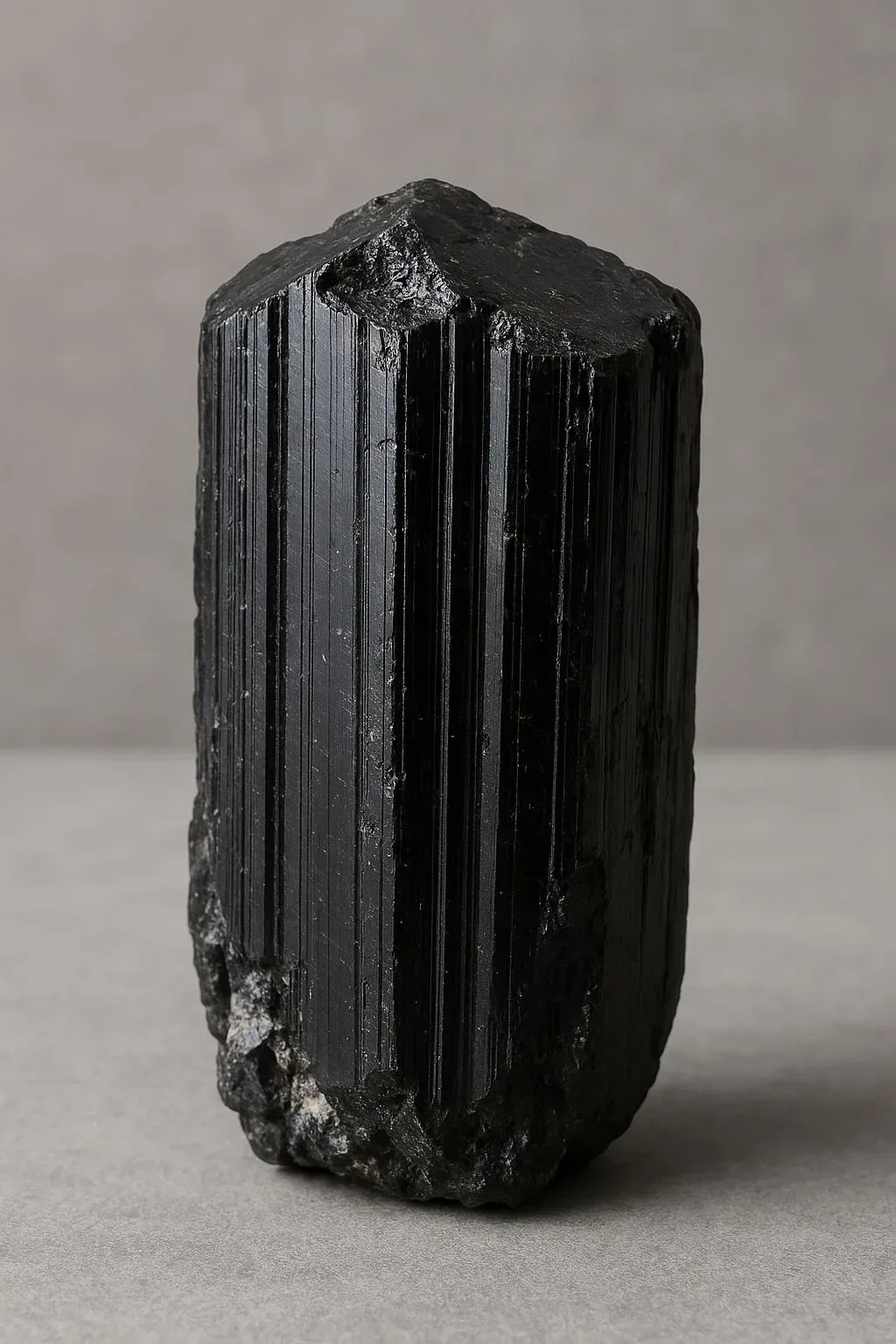
Black Tourmaline
Black Tourmaline has a firm, protective feel that supports Rhyolite's stabilizing nature. Together it reads as strong boundaries with a calm center, rooted and even when things around it feel busy.
Healing
Rhyolite suits days when feelings swing and plans keep shifting. It leans toward patience, self-acceptance, and one workable next step, not a big reset.
It can bring a warmer, steadier tone while keeping direction and boundaries clear. Use it as a cue to pause, name what matters, and choose what is actually doable today. Slow progress still counts.
Affirmations
Use these lines at the start of the day, before a tough conversation, or when motivation dips. Keep the words plain and repeat them slowly.
Pick one or two that feel true right now. Let the rest wait until they fit. Consistency matters more than intensity.
- I can take change one step at a time.
- My feelings can move without taking over.
- I trust myself to adjust and keep going.
- I choose steady effort over self-criticism.
- I stay grounded while I grow.
Intention Setting
Intentions work best when they point to a clear attitude or action. Keep them small enough to follow through today.
Set one intention, then name a simple next step that matches it. Let Rhyolite be a quiet cue to return to it.
- Stay calm and practical under pressure.
- Make one helpful choice, then another.
- Speak honestly without being harsh.
- Hold boundaries with warmth and respect.
- Keep going, even if progress is slow.
Manifesting
Manifesting with Rhyolite suits goals that need patience and repeatable habits. Focus on what can be done, not what must be perfect.
Write the outcome in plain words, then list the smallest actions that support it. Track effort, not just results.
- A steady routine that is easy to maintain.
- Confidence to handle change without spiralling.
- Healthier self-talk during setbacks.
- Clear priorities and follow-through.
- Supportive connections and calmer conversations.
Jewelry
Rhyolite jewelry works best as an everyday reminder, not a special-occasion piece. Different styles change how often it gets noticed, from subtle to more grounded and tactile. Pick what suits the day, whether it needs quiet support or a clear, visible cue.
General benefits: Wearing Rhyolite as jewelry keeps its steady, earthy feel close all day. It fits when emotions run high or plans keep shifting. A quick touch can cue a pause, a breath, and one sensible choice, especially in tense moments or messy transitions.
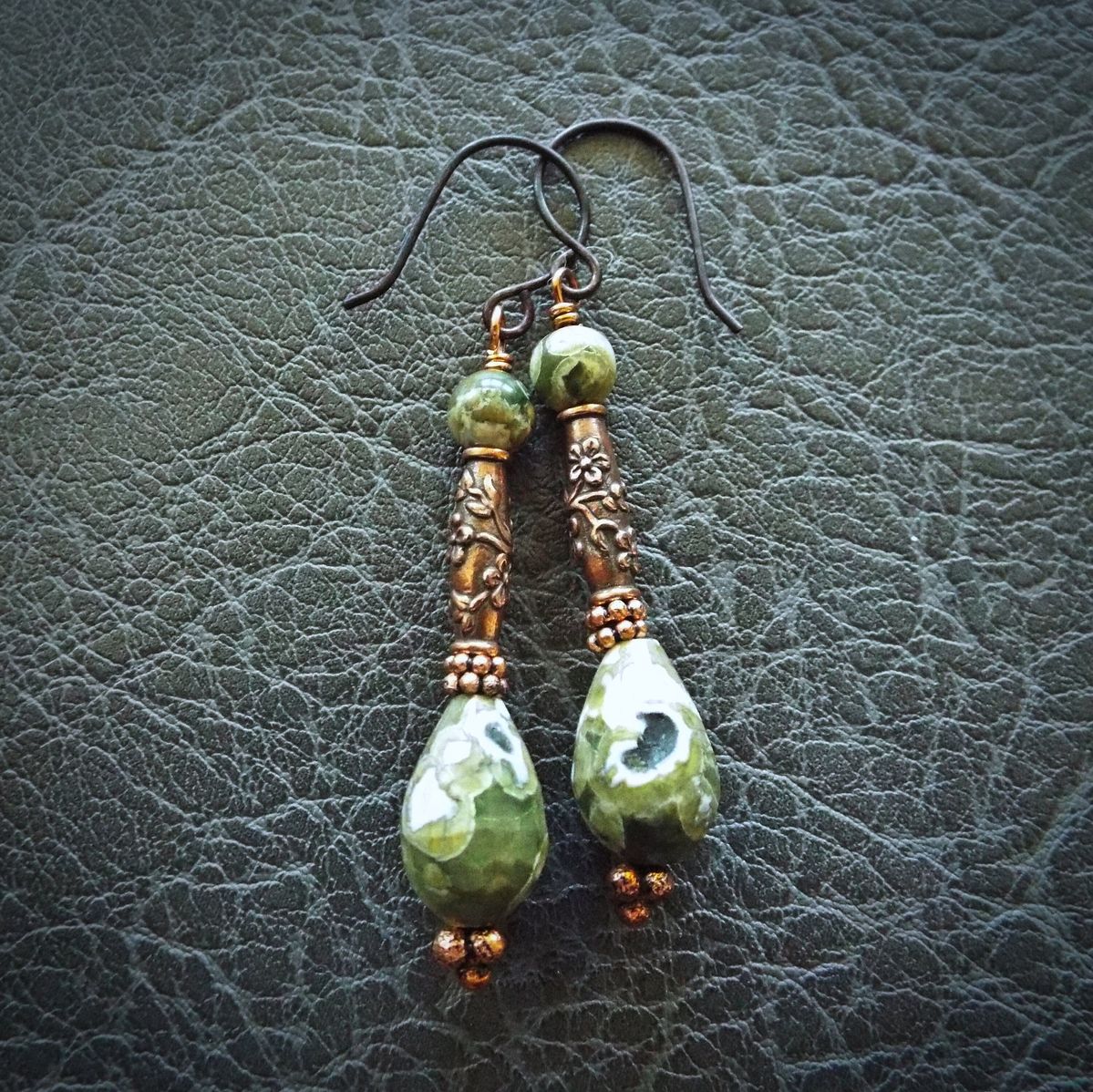
Earrings
Rhyolite earrings feel light and low-fuss. They suit days with lots of talking, quick decisions, or back-to-back plans. The pattern adds interest without taking over, so the overall look stays calm, grounded, and easy to wear.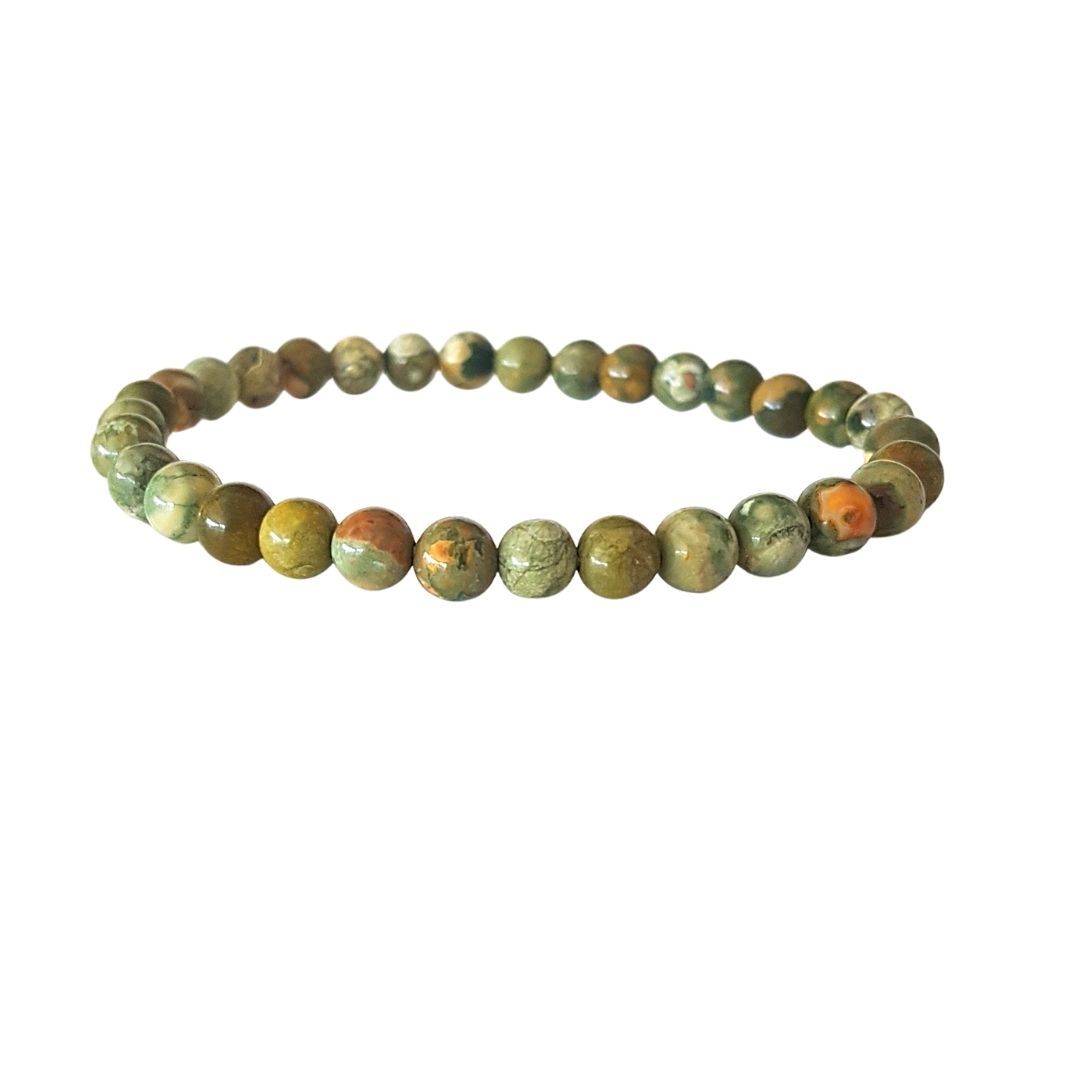
Bracelet
A Rhyolite bracelet is practical and hands-on. It is easy to notice while typing, cooking, or commuting, which makes it a natural check-in point. The repeating beads or links echo steady effort when patience is getting tested.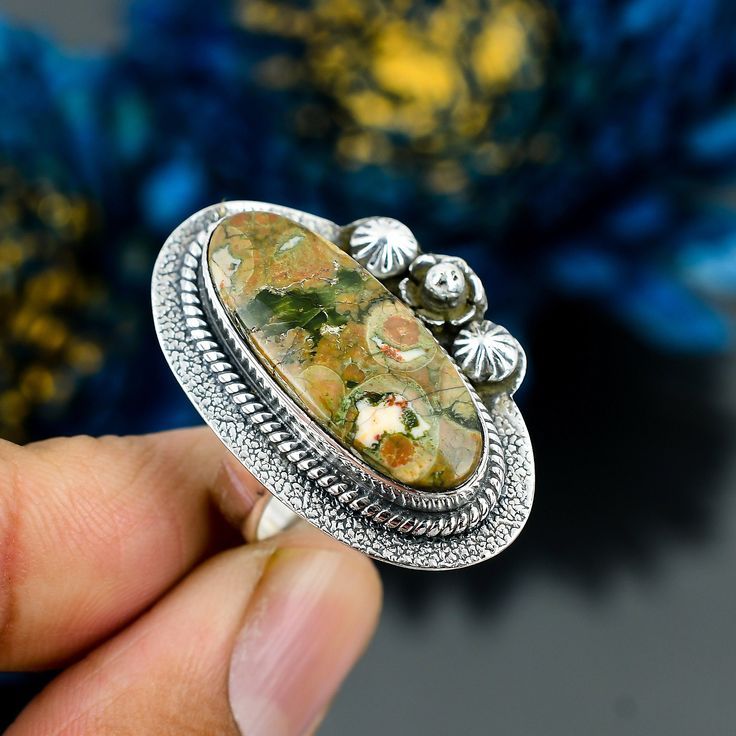
Ring
A Rhyolite ring turns the stone into a small, focused cue. It suits moments that need resolve, like holding a boundary or finishing the last stretch of a task. The earthy bands often stand out in the setting and pair well with simple daily style.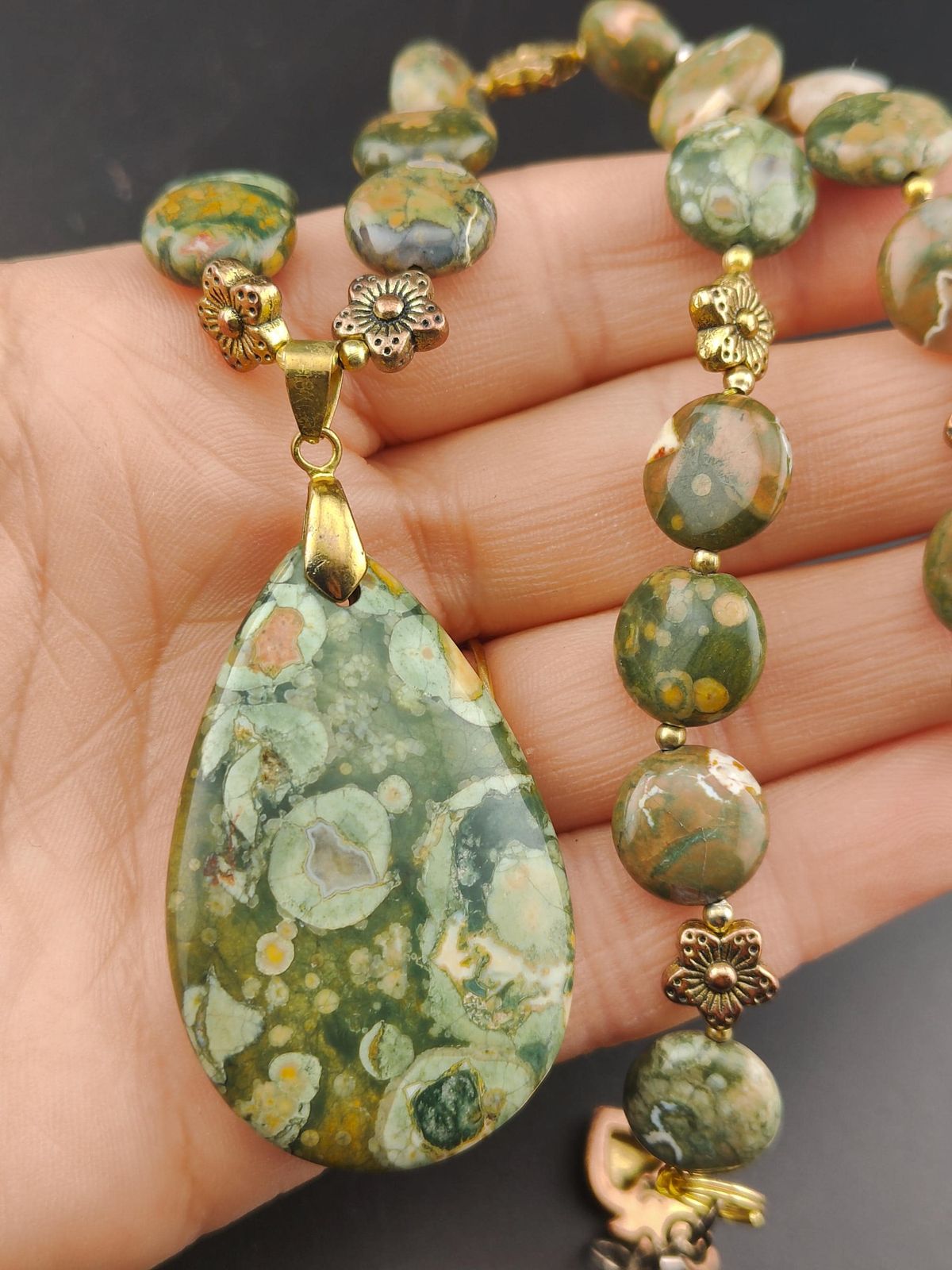
Necklace
A Rhyolite necklace sits close to the center of the body, which can feel steadying on emotional days. It suits a heart-led approach that still stays practical. Pendant styles show the stone's swirls and speckling clearly, for a calm statement that is not loud.Forms
Different forms highlight different moods in Rhyolite, from raw texture to clean lines.
Rough
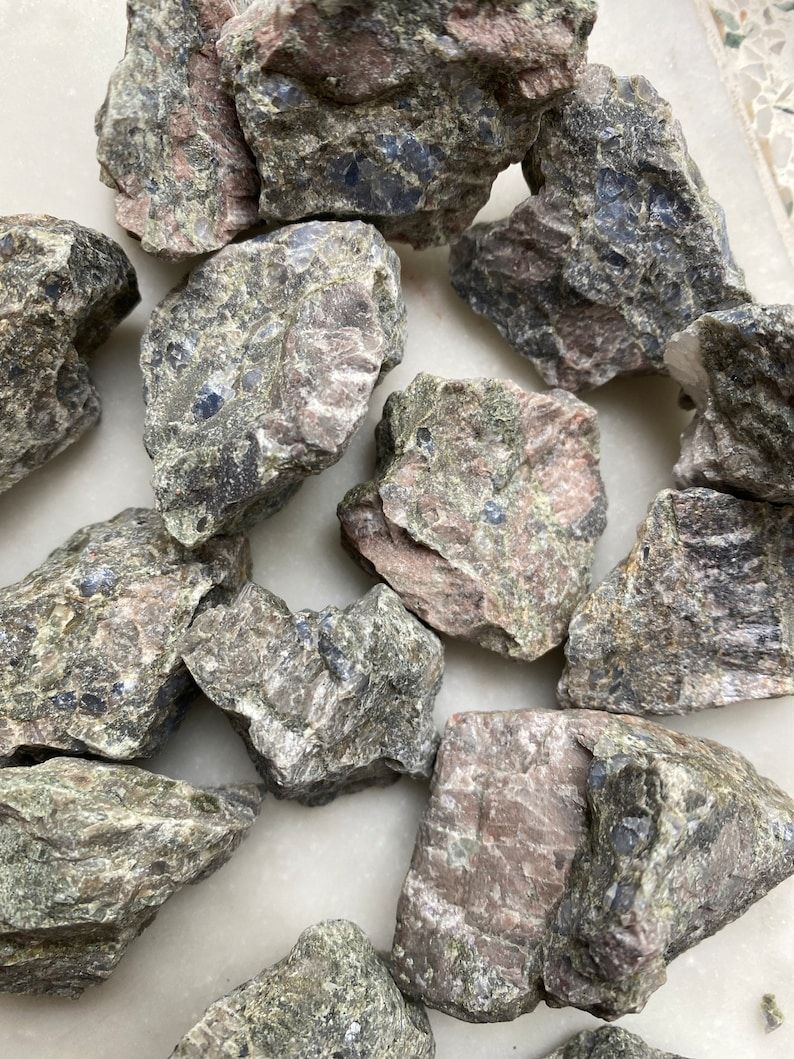
Rough Rhyolite feels straightforward and natural. Broken edges and uneven texture bring out its volcanic look, with markings that can resemble weathered ground or old maps. It reads as resilient and real, like progress that shows its steps.
Point / Tower
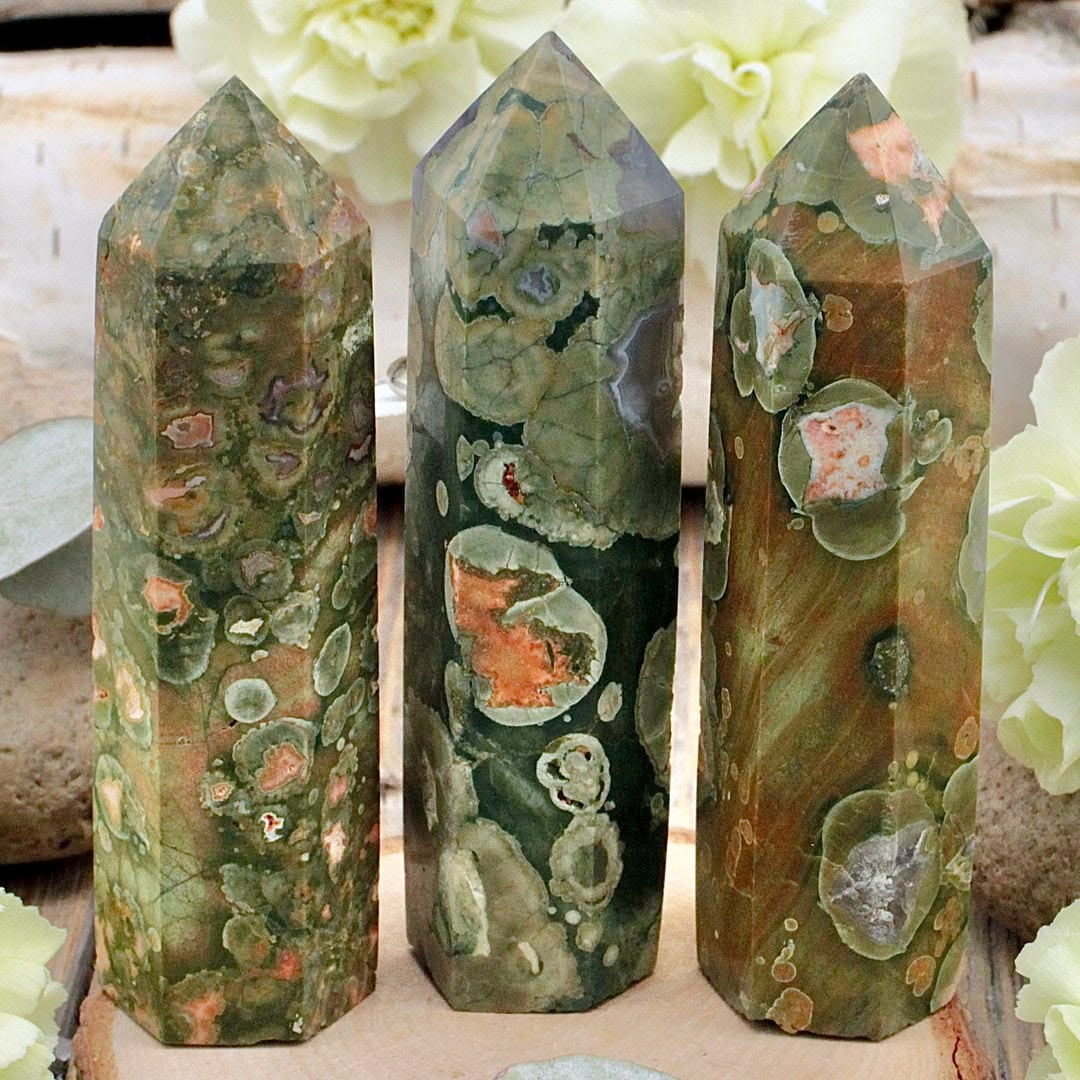
A Rhyolite point or tower gives the pattern a clear sense of direction. Polished faces and vertical lines make the bands look more organized, like layers stacked on purpose. The overall feel is focused and steady, with a clean, grounded presence.
Sphere
A Rhyolite sphere makes the pattern flow in every direction. The rounded surface softens sharp contrasts and lets swirls and speckles wrap around as one continuous scene. It tends to read as balanced and even, with a gentle, settled look.
Palm Stone
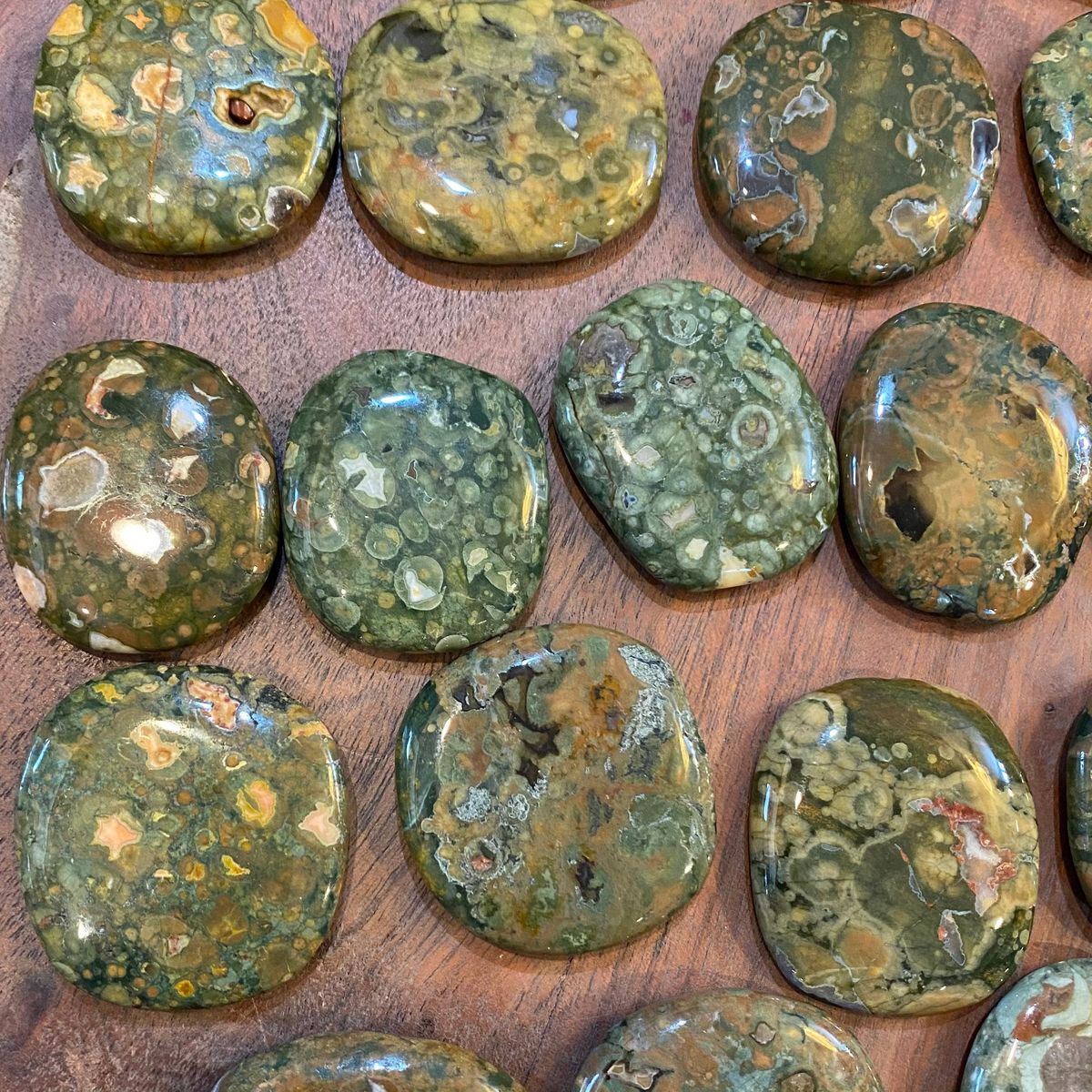
A Rhyolite palm stone feels simple and friendly. The smooth polish brings out small color shifts and fine speckling, giving the surface a warm, earthy depth. It reads as practical and comforting, more everyday than showpiece.
Tumble Stone
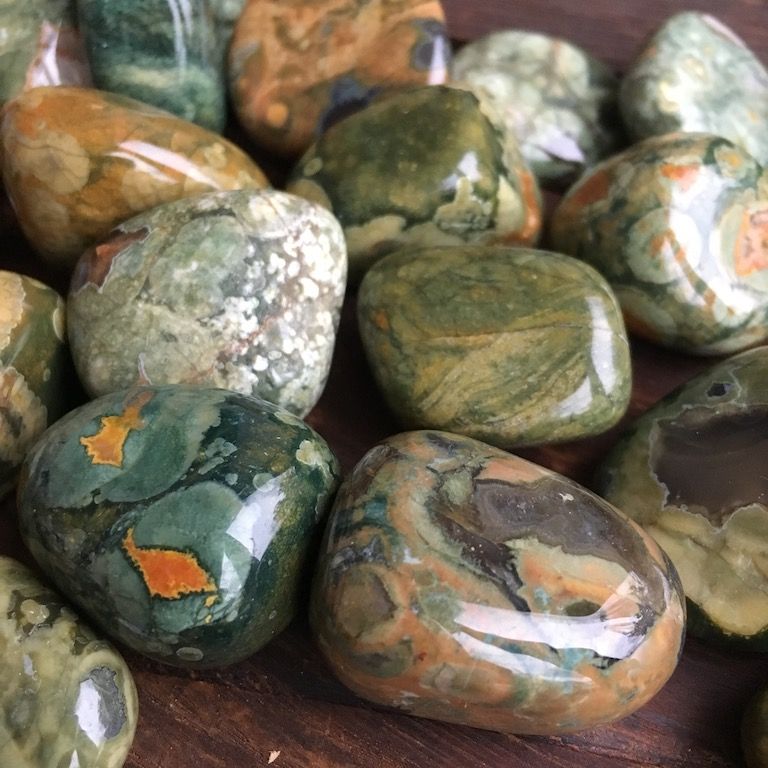
A tumbled Rhyolite stone has an easy, casual feel. The small size and glossy finish make the markings look lively and varied, and no two pieces look quite the same. It reads as adaptable and low-pressure, like change that happens gradually.
Figure
A carved Rhyolite figure adds character to the stone's scene-like patterning. Bands and speckles can look like hills, leaves, or flowing lines, which gives the carving extra depth. This form feels personal, like a marker for a theme or chapter.
Heart
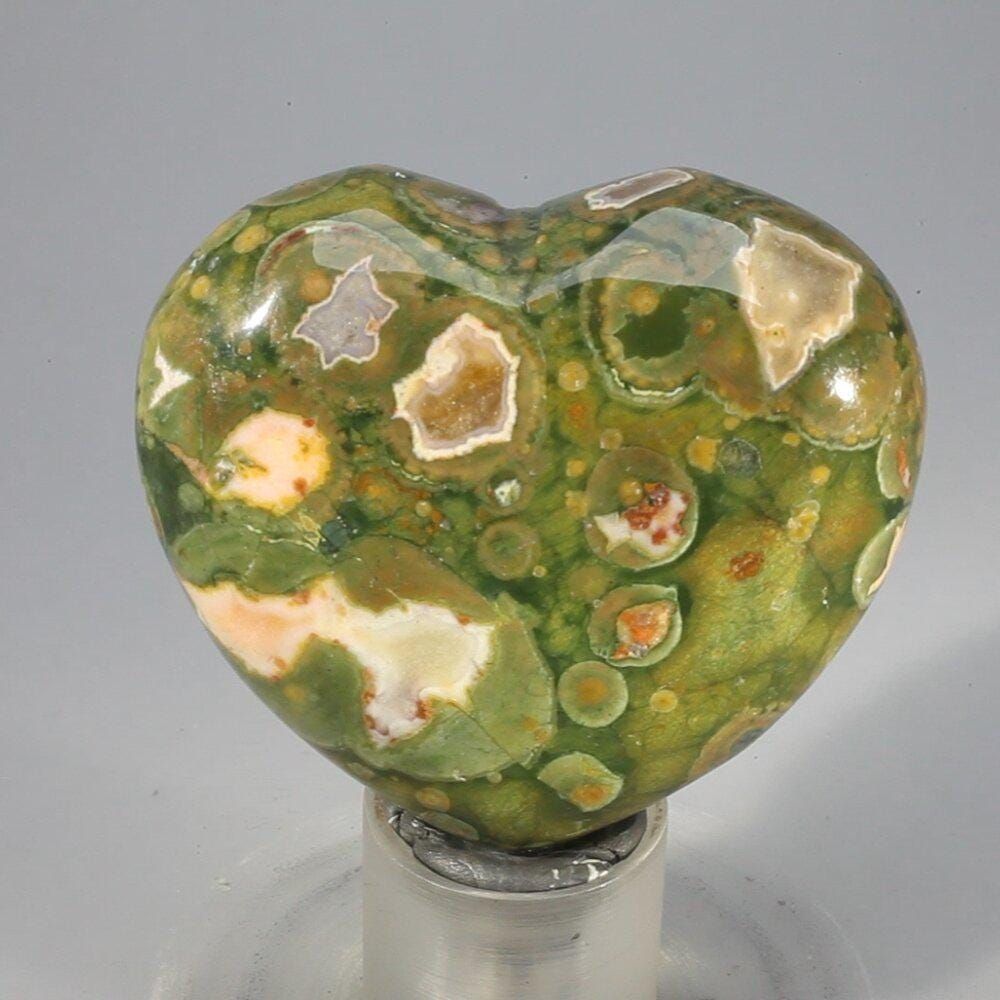
A Rhyolite heart form softens the stone's earthy, layered look. Curves make the pattern feel gentler and more supportive, even when the colors are bold. It reads as a simple symbol of steady care and self-acceptance during change.
Cleansing & Charging
Rhyolite is a durable volcanic rock, but it can still scratch or dull if handled roughly. Keep cleansing simple and avoid harsh chemicals. If using water, keep it brief and dry it well, especially around any jewelry settings.
How to cleanse Rhyolite
- Use smoke cleansing for a quick reset between busy days.
- Sound cleansing works well, especially after heavy conversations or intense focus.
- Place it on a dry bed of salt nearby, not buried, to avoid residue.
- If rinsing, use cool water briefly, then dry fully.
How to charge Rhyolite
- Charge in gentle morning light rather than strong midday sun.
- Rest it with Clear Quartz to refresh and brighten its feel.
- Set it on natural earth or a plant pot for a grounded recharge.
Where to Use
Match the space to the kind of support needed. In work areas it can cue focus and follow-through. In shared spaces it can support calmer tone and kinder boundaries, especially when plans change or emotions run close to the surface.
Office / study
Keep it nearby during planning, deadlines, or problem-solving. It suits steady focus and practical choices, especially when tasks feel scattered. Use it as a reminder to finish one clear step before starting the next.
Meditation space
Use it for quieter, grounded sessions that focus on acceptance and gentle change. It pairs well with reflection that stays practical, like noticing what is working, what is not, and what can be adjusted without self-judgement.
Living room
Place it where conversations and downtime overlap. It can support a calmer atmosphere when emotions run high, helping the space feel more settled. It also suits evenings when the goal is to unwind without zoning out.
Entryway
Use it as a boundary marker for the day. It can help shift gears when arriving home or heading out, encouraging a calmer tone and clearer priorities. A quick glance can be a cue to leave stress at the door where possible.
Science
Physical properties
- Mineral class
- Igneous rock (felsic volcanic)
- Color
- Light to medium gray, pink, tan, brown, or green; often banded or mottled
- Hardness
- ~6 - 7
- Density
- ~2.3 - 2.6 g/cm3
- Durability
- Moderate
- Thermal stability
- High
Optical properties
- Transparency
- Opaque
- Lustre
- Dull to vitreous (on fresh surfaces)
- Refraction index
- Not applicable (rock aggregate)
Chemical composition
- Class
- Silicate
- Formula
- Variable; typically high-SiO2 volcanic rock dominated by quartz and feldspar
- Group
- Rock aggregate (no single mineral group)
- Magnetic
- Non-magnetic
Formation
Rhyolite forms when silica-rich magma reaches the surface and cools quickly. That fast chill leaves little time for crystals to grow, so most rhyolite is very fine-grained. A few larger crystals can still show up, scattered through the finer matrix.
It is common in explosive volcanic settings, especially around calderas and thick lava domes. Thick, sticky lava can move in bands and leave clear flow banding behind. Cooling may also make spherulites. In spots that cool fastest, small glassy patches can remain.
Rhyolite often sits with other volcanic rocks and ash layers. Later eruptions can cut through it with new dykes as activity carries on. Over time, weathering and hydrothermal fluids can alter sections of the rock, shifting color and texture without turning it into one even mineral.
Locations
- United States
- Mexico
- Iceland
- Australia
- New Zealand
- Italy
History
Stone tools from volcanic rocks
c. 8000 BCE onwards
Fine-grained volcanic rocks were sometimes shaped into tools and cutting edges. Where rhyolite is local, it could be one of the options. Rock IDs are often site-by-site, so rhyolite is best treated as one possible material, not a universal toolstone.
Rhyolite in early stoneworking
c. 3000 BCE onwards
In areas with accessible flows and domes, rhyolite could be collected as cobbles or taken from outcrops for practical stonework. Reports tend to name the local rock type, not a traded "gem" label. So the evidence usually stays regional, tied to specific volcanic landscapes.
Volcanic landscapes in story and ritual
Ancient to medieval periods
Volcanic terrain and lava flows show up in myths and local traditions across many cultures. Fire and mountains. Creation stories. Rhyolite itself is rarely called out as a distinct named stone.
Rhyolite defined in modern geology
18th to 19th century
As geology developed, rhyolite became established as a rock name in scientific classification. The term reflects its link with lava flows. It is commonly described as the volcanic equivalent of granite.
Mapped and studied in volcanic provinces
Late 19th to early 20th century
As geological surveys expanded, rhyolite units were mapped across major volcanic fields and caldera systems. The work focused on eruption history, textures, and mineral content. Decorative use was not the main focus.
Lapidary and decorative stone use
Late 20th century to present
Rhyolite varieties with strong patterns and colors have been cut for cabochons, beads, and small carvings. In modern rhyolite culture it is often presented as a supportive stone for steadiness and personal growth. This is a contemporary use, not a historical tradition.
Got questions?
We've got answers!
FAQ's
What is Rhyolite used for?
+×
Rhyolite is often used as a practical support stone for staying steady during change. It suits times when life feels busy and a calmer, more grounded mindset would help.
It is also chosen for emotional balance, resilience, and self-acceptance. Handy for journalling, reflection, or keeping close during work when focus and follow-through matter.
Which zodiac signs are connected to Rhyolite?
+×
Rhyolite is most closely linked with Sagittarius. It is also associated with Jupiter, which fits themes of growth and learning, while still keeping things realistic and workable.
What chakras does Rhyolite activate?
+×
Rhyolite is commonly connected with the Heart chakra and the Solar Plexus chakra.
For the Heart, it is used when the aim is kinder self-talk and a more open, balanced mood. For the Solar Plexus, it is used for confidence, direction, and sticking with a decision without forcing it.
Can Rhyolite help with stress and sleep?
+×
Rhyolite is often used as a calming, steadying stone. It can be supportive during stressful periods. A simple way to use it is to hold it for a few slow breaths, or keep it nearby while winding down.
It is not a treatment for stress or sleep issues, but it can be part of a relaxing routine. If stress or sleep problems are persistent or severe, consider speaking with a qualified health professional.