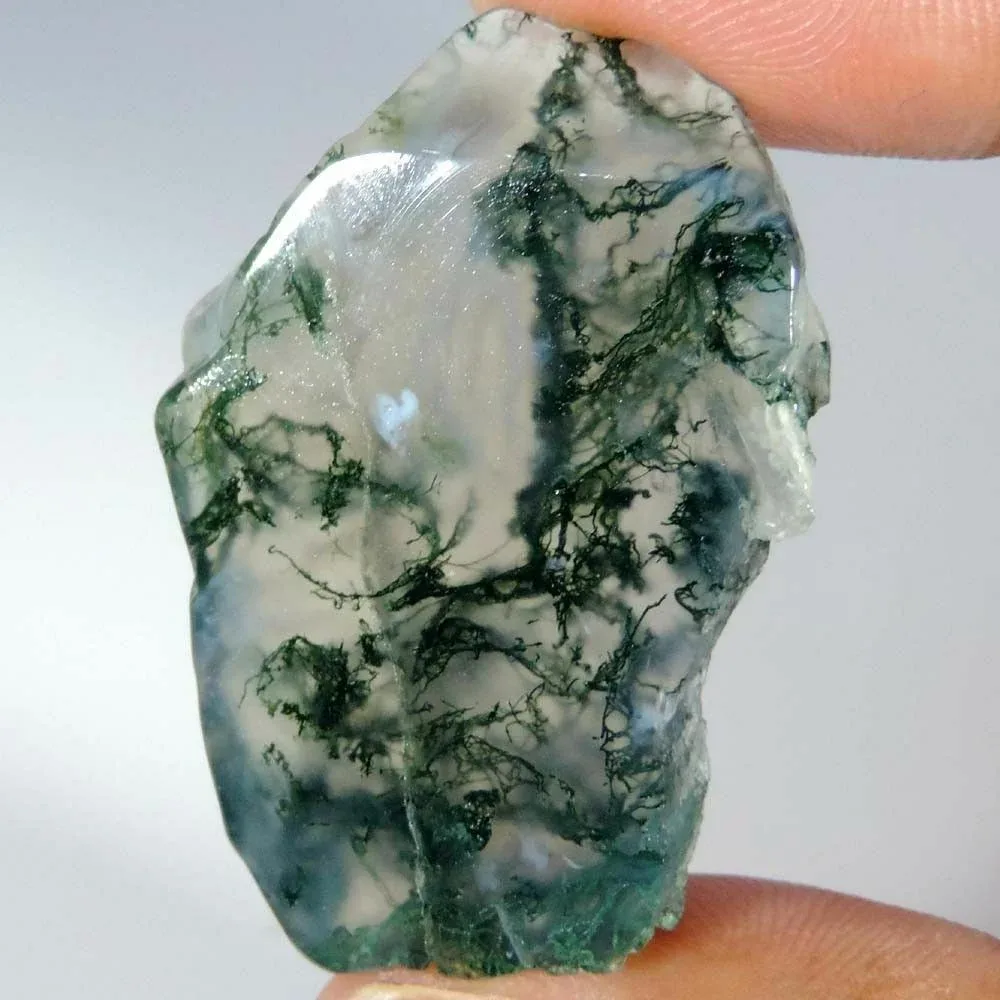
Moss Agate Crystal, Benefits and Meanings.
A dendritic variety of chalcedony named for its moss-like inclusions rather than true plant material, traditionally linked with growth, grounding, and time in nature.
Metaphysical & Spiritual
Moss Agate is easy to spot by its branching, moss-like markings. The message is plain, growth rarely runs straight. It suits times that call for patience, steady effort, and a return to what feels real. Earthy and unhurried. Moss Agate is often linked with tending what is already in motion, building stability, and staying close to nature without forcing a result. As a symbol, Moss Agate points to slow progress and quiet resilience. It can be a steady touchstone when life feels loud and the aim is to stay grounded and kind.
Planet

Mercury
Moss Agate brings a slower note to Mercury themes of thought and communication. It suits clear ideas, plain words, and choices that still hold up once the rush has passed.
Element
Earth
Roots, routines, and what holds steady, that is Earth. Moss Agate reflects that grounded base, keeping the focus on basics and progress built through consistency.

Crystal Pairings
Moss Agate pairs well with stones that either sharpen its steady, nature-led tone or add a clear emotional note on top. These combinations keep the feeling practical and grounded, while still leaving room for optimism and warmth.
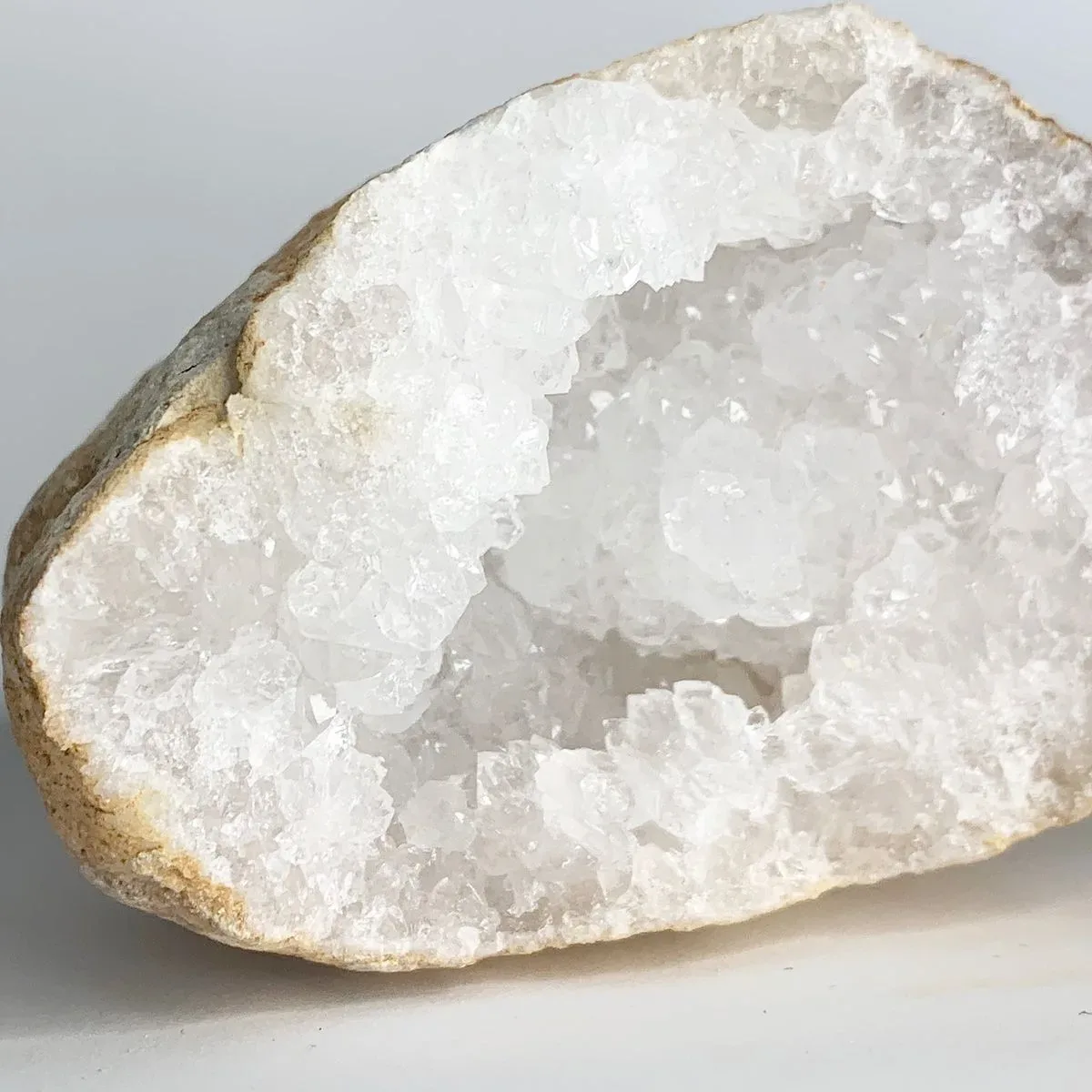
Clear Quartz
Clear Quartz gives Moss Agate a crisp, clean edge. Together it feels bright and straightforward, like clear light over green ground, calm, focused, and quietly lifting.
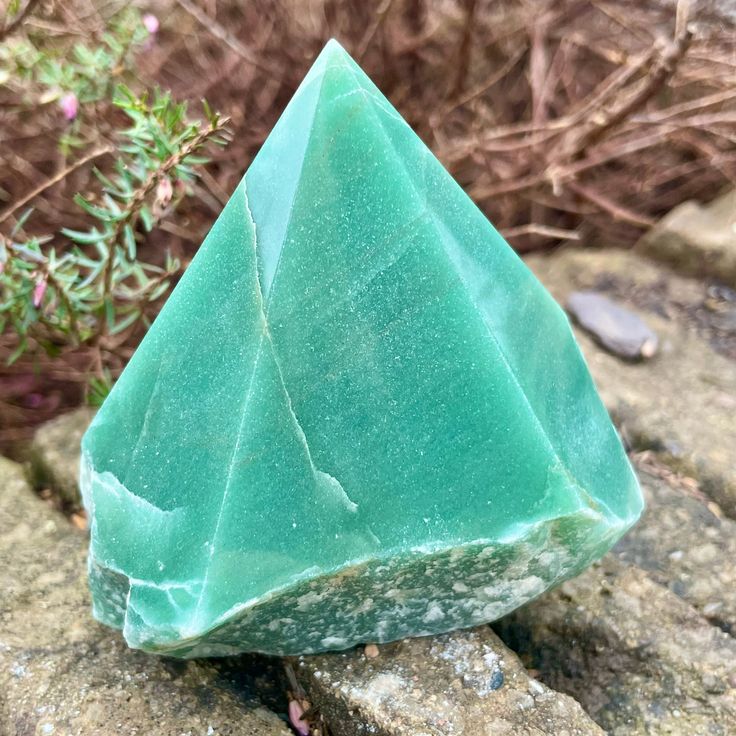
Green Aventurine
Green Aventurine pulls up the lighter, hopeful side of Moss Agate. The mix reads as steady growth with an easy mood, grounded and moving forward without the weight.
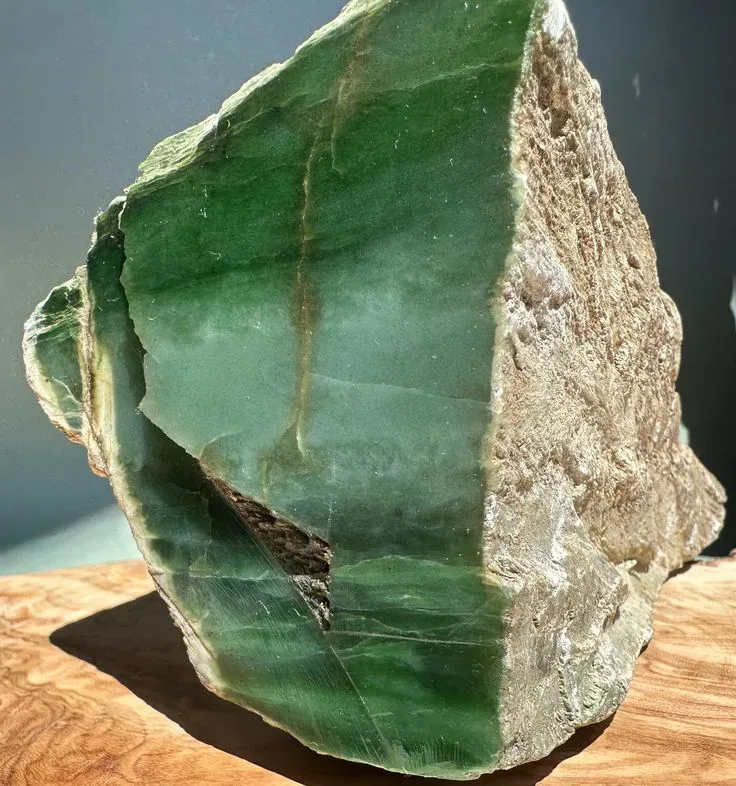
Jade
Jade sits well with Moss Agate's slow, steady feel and adds a calm, protective note. The overall tone is lasting and warm, practical, not sappy.
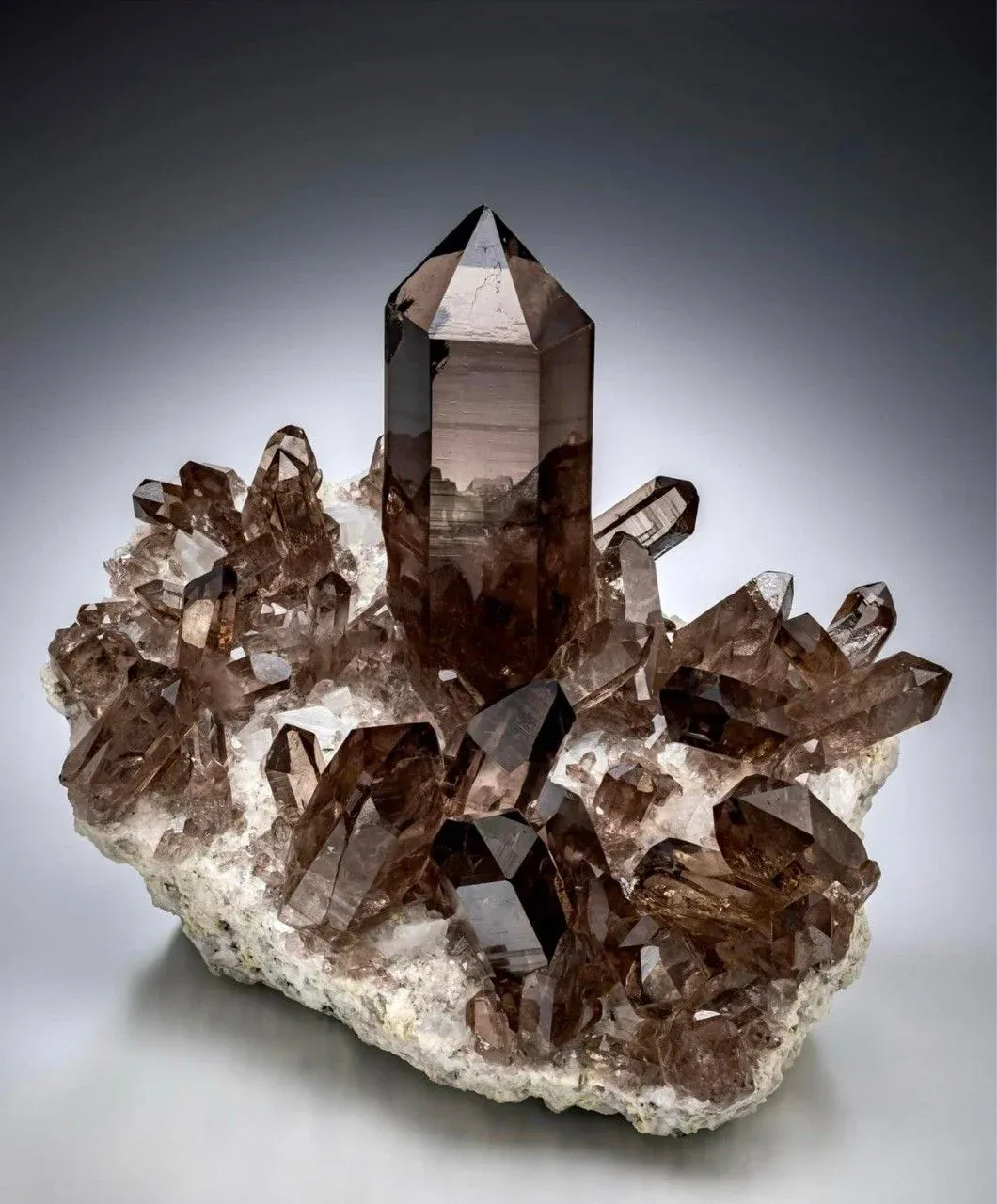
Smoky Quartz
Smoky Quartz makes Moss Agate feel more anchored. The pairing comes off firm and composed, like strong roots in dense soil, with less noise around it.
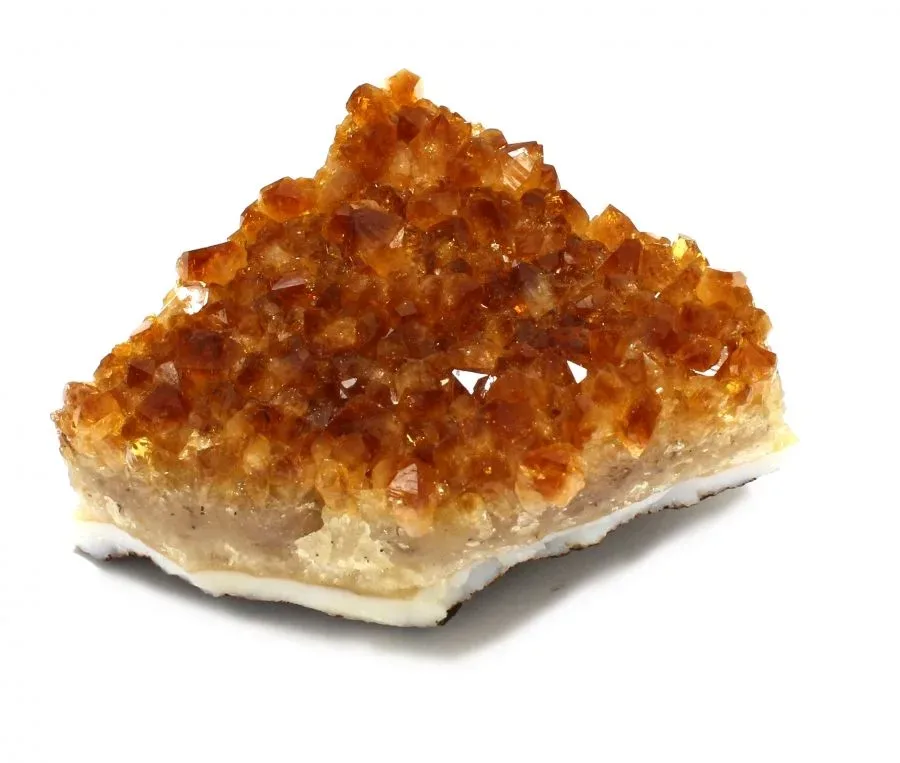
Citrine
Citrine brings warmth and a clear, upbeat spark to Moss Agate's natural calm. Together it stays grounded but brighter, encouraging without getting floaty.
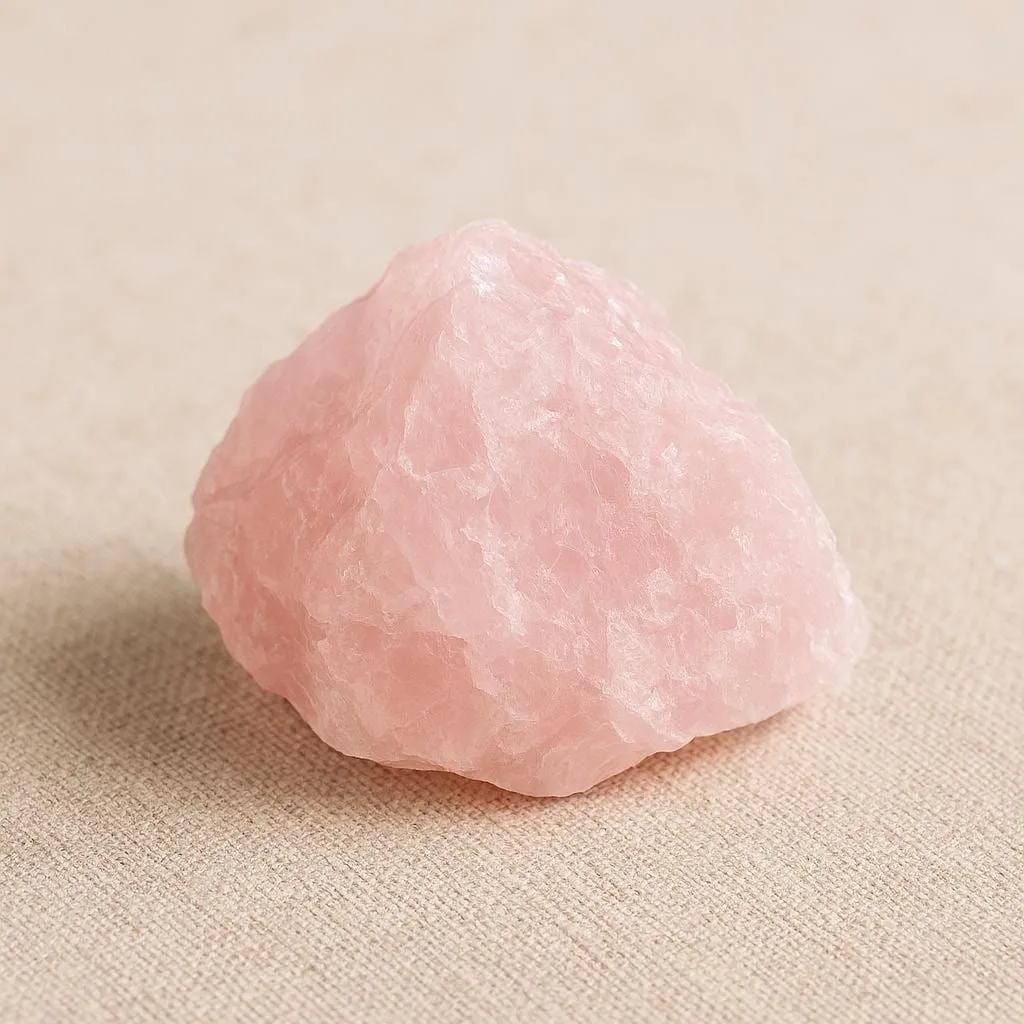
Rose Quartz
Rose Quartz softens Moss Agate with a kind, gentle note. The pairing feels steady and reassuring, warm in a simple, down-to-earth way.
Healing
Moss Agate suits a gentle reset when feelings feel a bit tangled. It pulls attention back to what is real and doable, so the next decision feels simpler and less rushed.
It also fits longer healing work. Rebuild trust in a routine. Ease harsh self-talk. Stay kind without getting swept up. One task at a time helps, a pause before replying, then back to basics when the day gets loud.
Affirmations
Affirmations land best when they feel believable right now. Keep the words simple, then use them in small gaps, starting work, before a conversation, or when switching tasks.
If a line feels too big, soften it. Change one word at a time until it sounds natural, then repeat it often enough that it becomes a steady cue.
- I grow at a pace that suits me.
- I can take the next step with care.
- I treat myself with patience and respect.
- I speak clearly and listen well.
- I welcome steady progress in my life.
Intention Setting
An intention is a clear direction for the day. Choose one, then check in later, did choices match it, even a little?
Moss Agate suits intentions that are steady and practical, especially when building habits or giving a fresh start some structure.
- Set a steady rhythm for work and rest.
- Nurture one goal with consistent effort.
- Respond thoughtfully instead of reacting fast.
- Keep a kind, honest boundary.
- Make space for what supports growth.
Manifesting
Manifesting here means naming what is being built, then backing it with small actions. Keep it specific so progress is easy to notice in real life.
Moss Agate suits outcomes that grow over time, like skills, routines, and calmer ways of relating to people, plans, and everyday pressure.
- A stable routine that supports my wellbeing.
- Progress on a long-term project.
- More ease in expressing what I need.
- Supportive connections that feel natural.
- A calmer, clearer approach to money and resources.
Jewelry
Jewelry makes Moss Agate easy to see or touch, which helps it stay in mind. Different pieces sit in different places, near the face, on the wrist, or in the hands. Pick the style that fits how attention drifts, and what needs steadying.
General benefits: Wearing Moss Agate as jewelry keeps the reminder close through ordinary moments. It can nudge a slower pace and steadier words, especially when the day gets noisy. The green, branchy pattern is easy to wear, and each piece feels slightly personal.
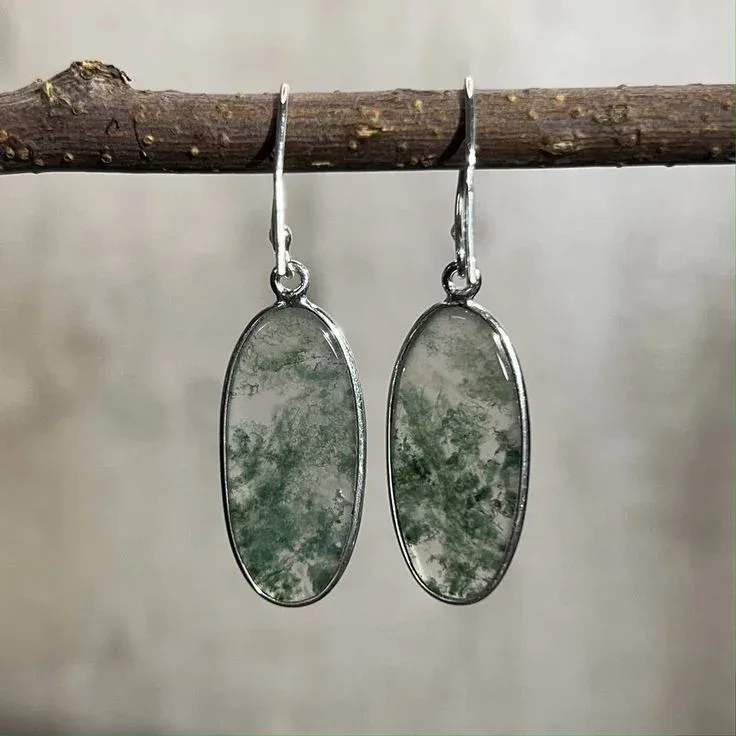
Earrings
Moss Agate earrings sit close to the senses, so they suit clear thinking and calmer communication. Handy on meeting or study days. They can prompt a quick pause, then a cleaner reply. Soft greens and fine branching keep the look understated.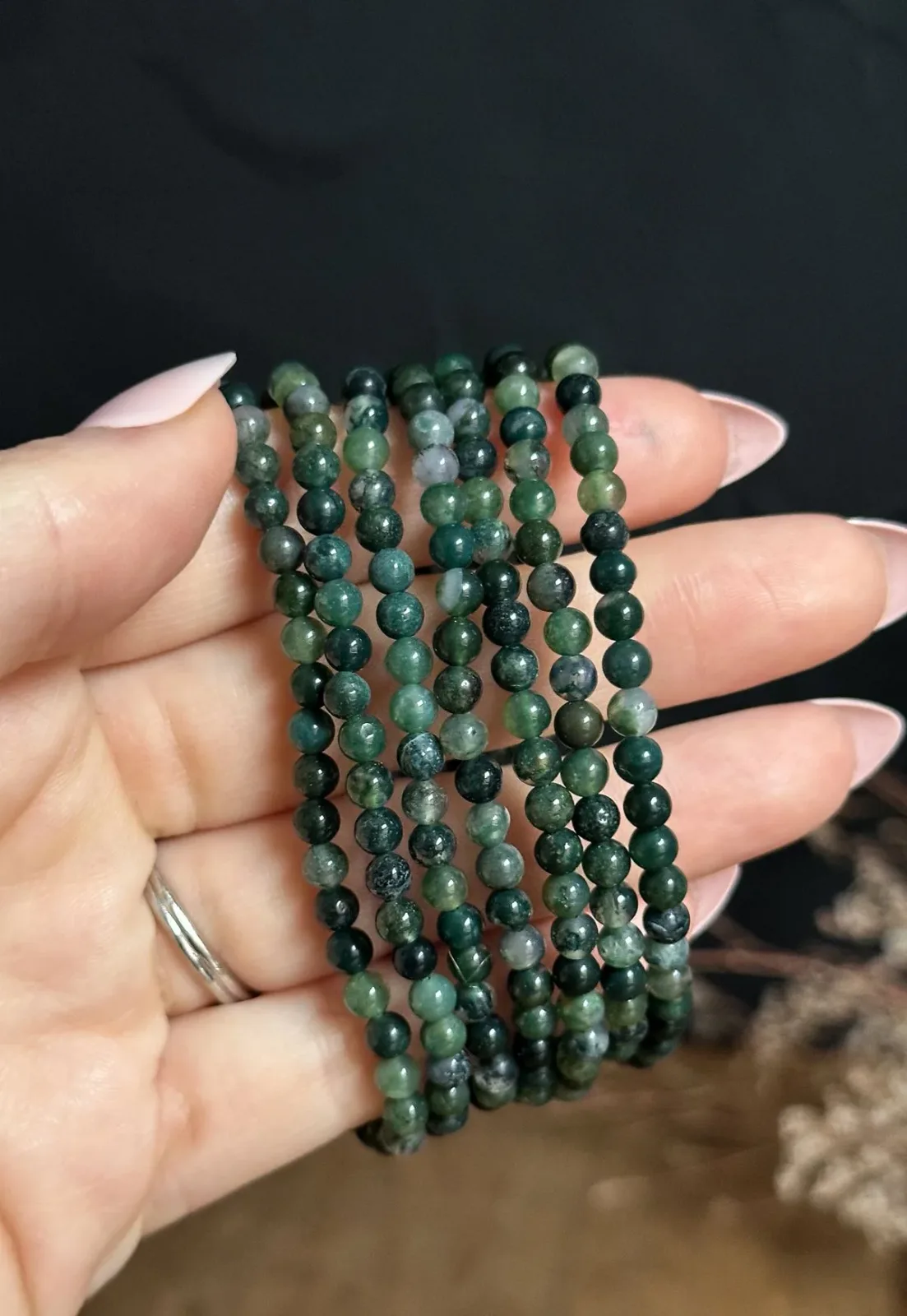
Bracelet
A Moss Agate bracelet is easy to notice and touch, which suits quick check-ins. Useful when focus slips or plans change. One glance can bring attention back to the next small step. It also fits habit-building, steady action, no fuss.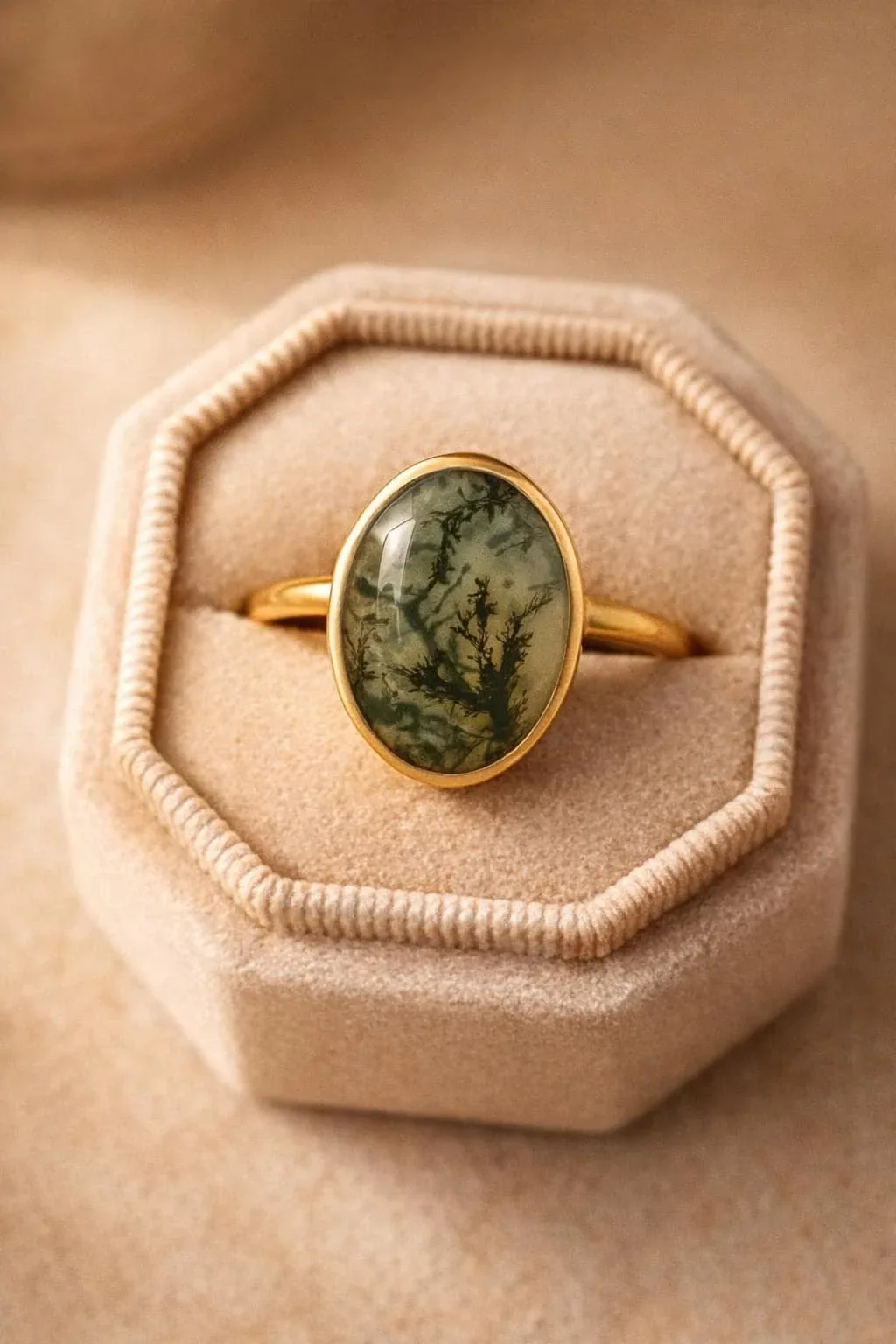
Ring
A Moss Agate ring keeps the stone with the hands, linking it to choices and follow-through. It suits patient effort and doing things properly, not quickly. Many rings show a clear mini landscape pattern. The detail feels unique without shouting.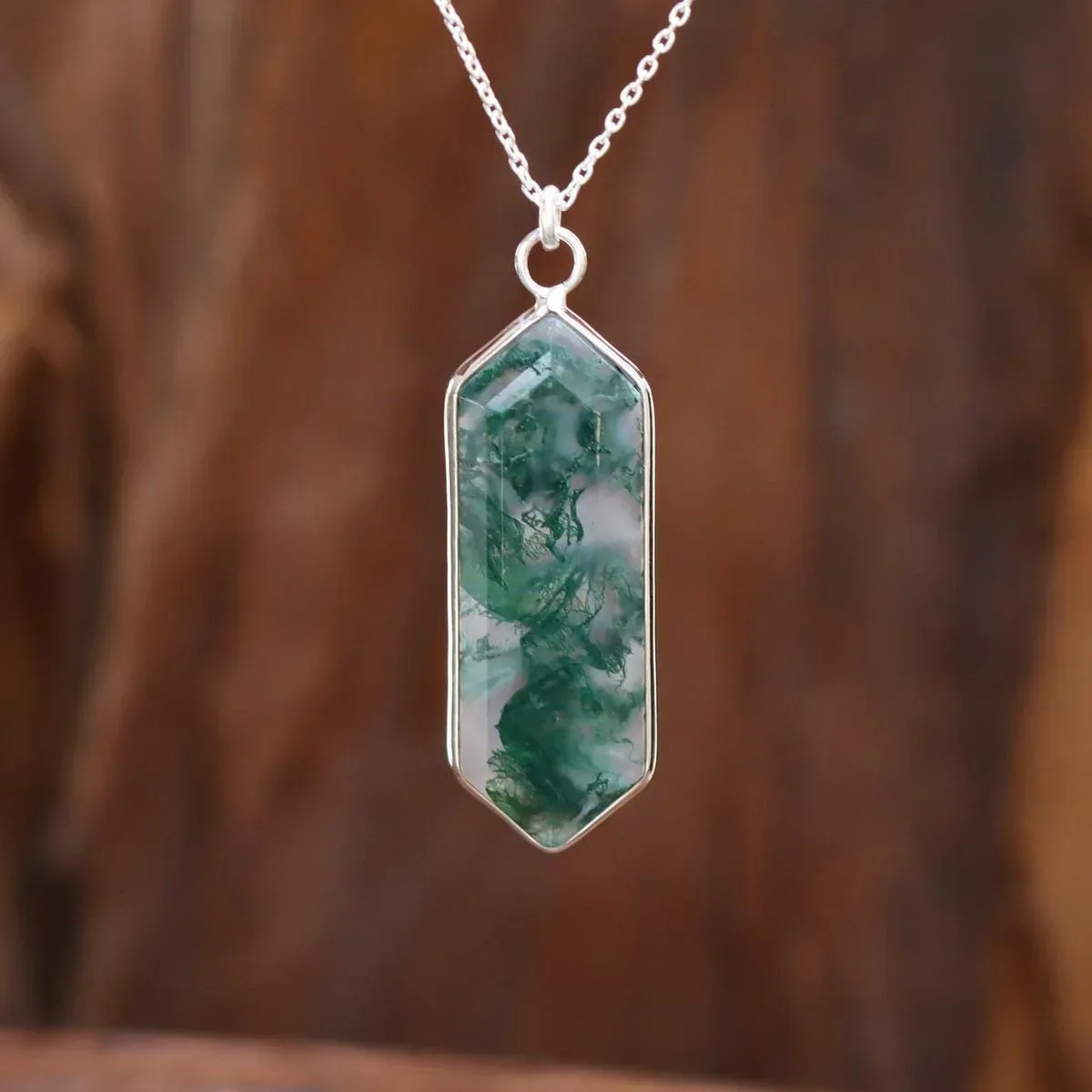
Necklace
A Moss Agate necklace rests near the chest, which fits warmth, balance, and softer self-talk. It can feel steady on long days, especially when staying open while keeping boundaries. The muted green layers well, and does not fight other pieces.Forms
Form changes how the pattern reads. One piece can feel quiet and soft, another more structured and clear.
Rough
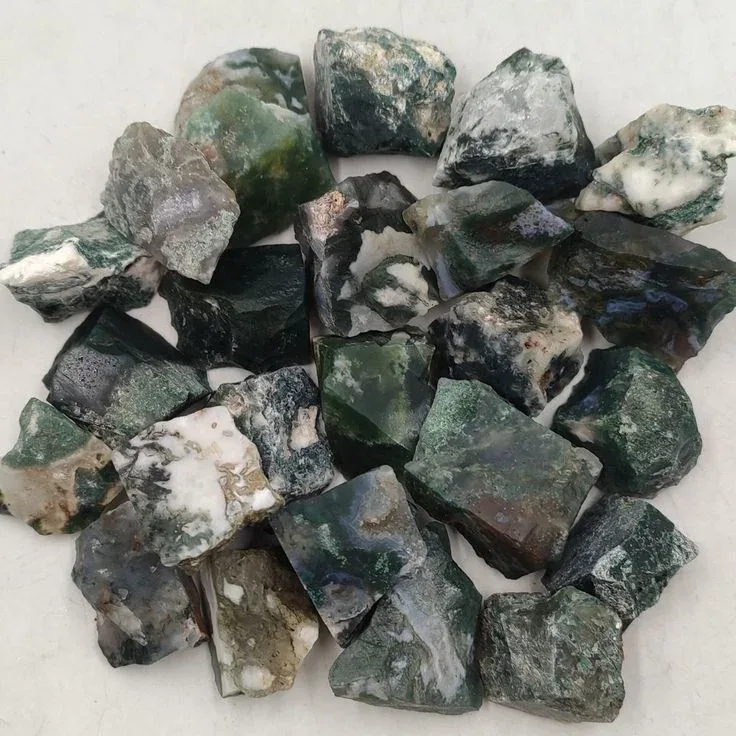
Rough Moss Agate feels earthy and straightforward. The surface stays uneven, and the inclusions often look softer and more blended. It reads as natural and simple, with a steady, no-frills character.
Point / Tower
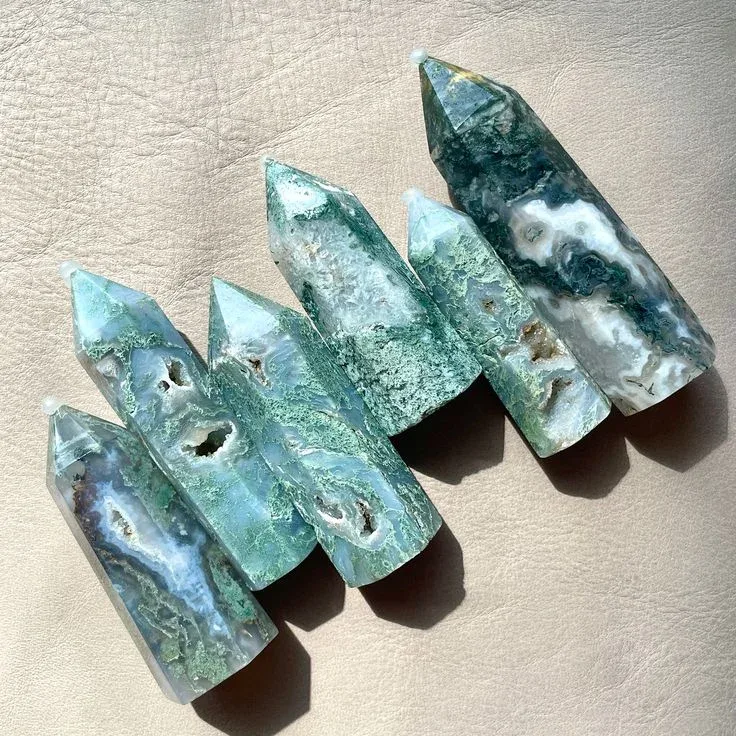
A point or tower gives Moss Agate a more directed feel. The pattern can look sharper and more organized, pulling the eye along a line. It reads as focused and intentional, like keeping to one main thread.
Sphere
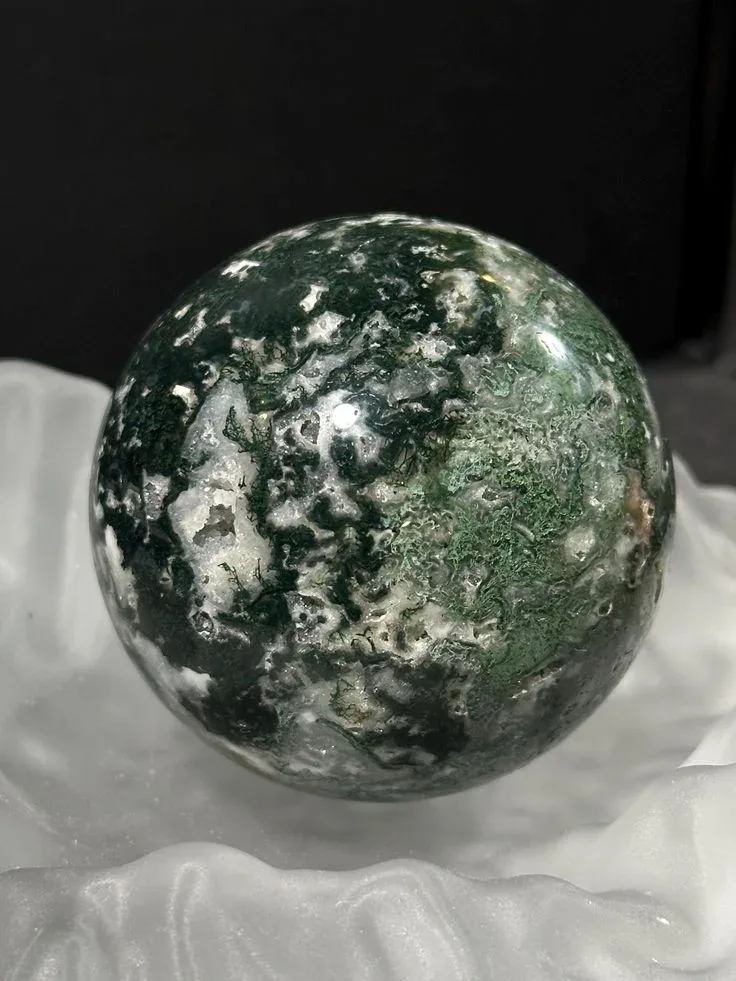
A sphere gives Moss Agate a continuous, flowing look. The pattern wraps around with no clear start or end, so it feels even and complete. It reads as balanced and calm, with a steady, settled tone.
Palm Stone
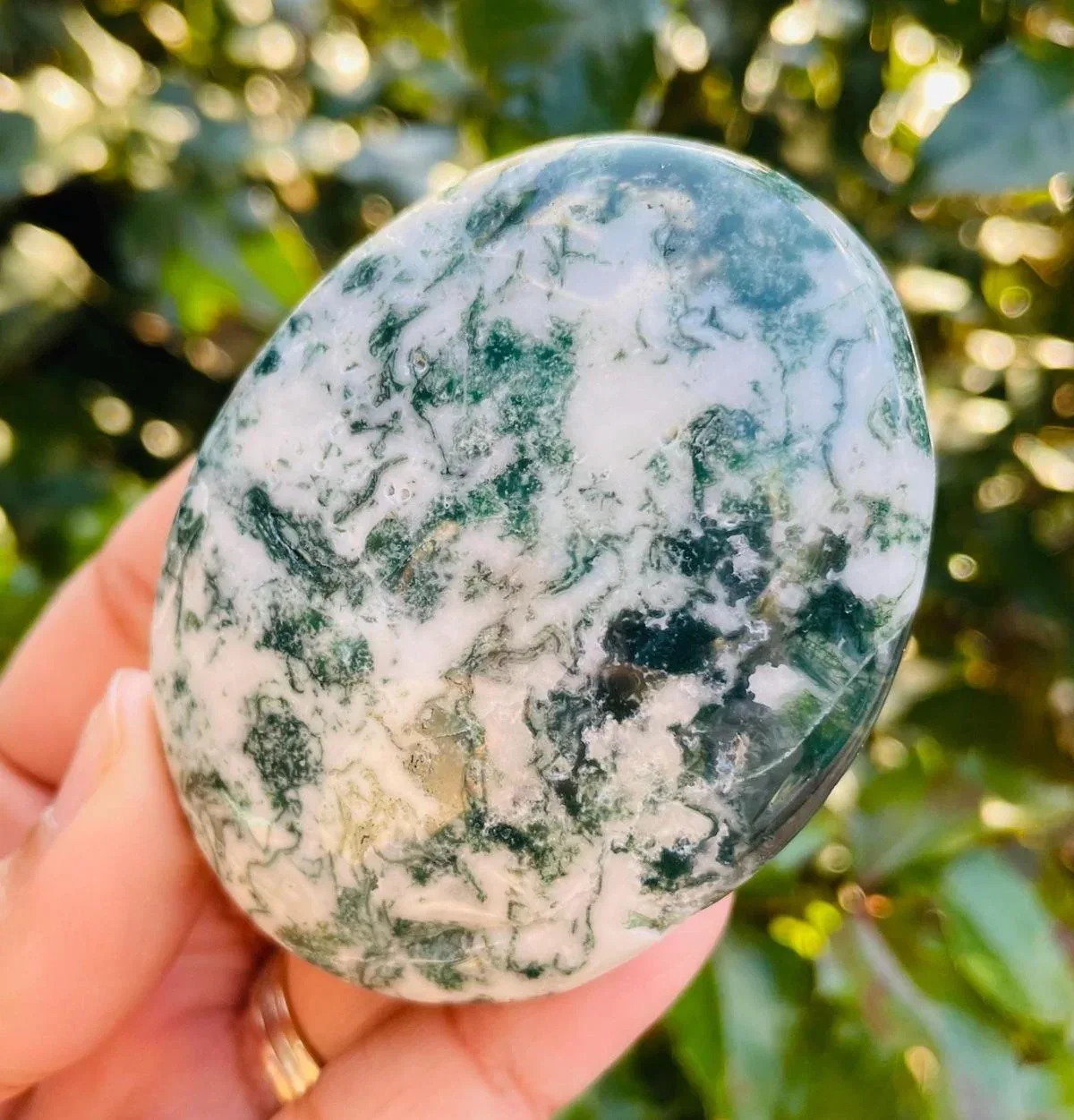
A palm stone brings out Moss Agate's smooth, comforting side. The polish highlights fine detail and gentle contrast in the inclusions. It reads as friendly and settled, with a quiet look that is easy to spend time with.
Tumble Stone
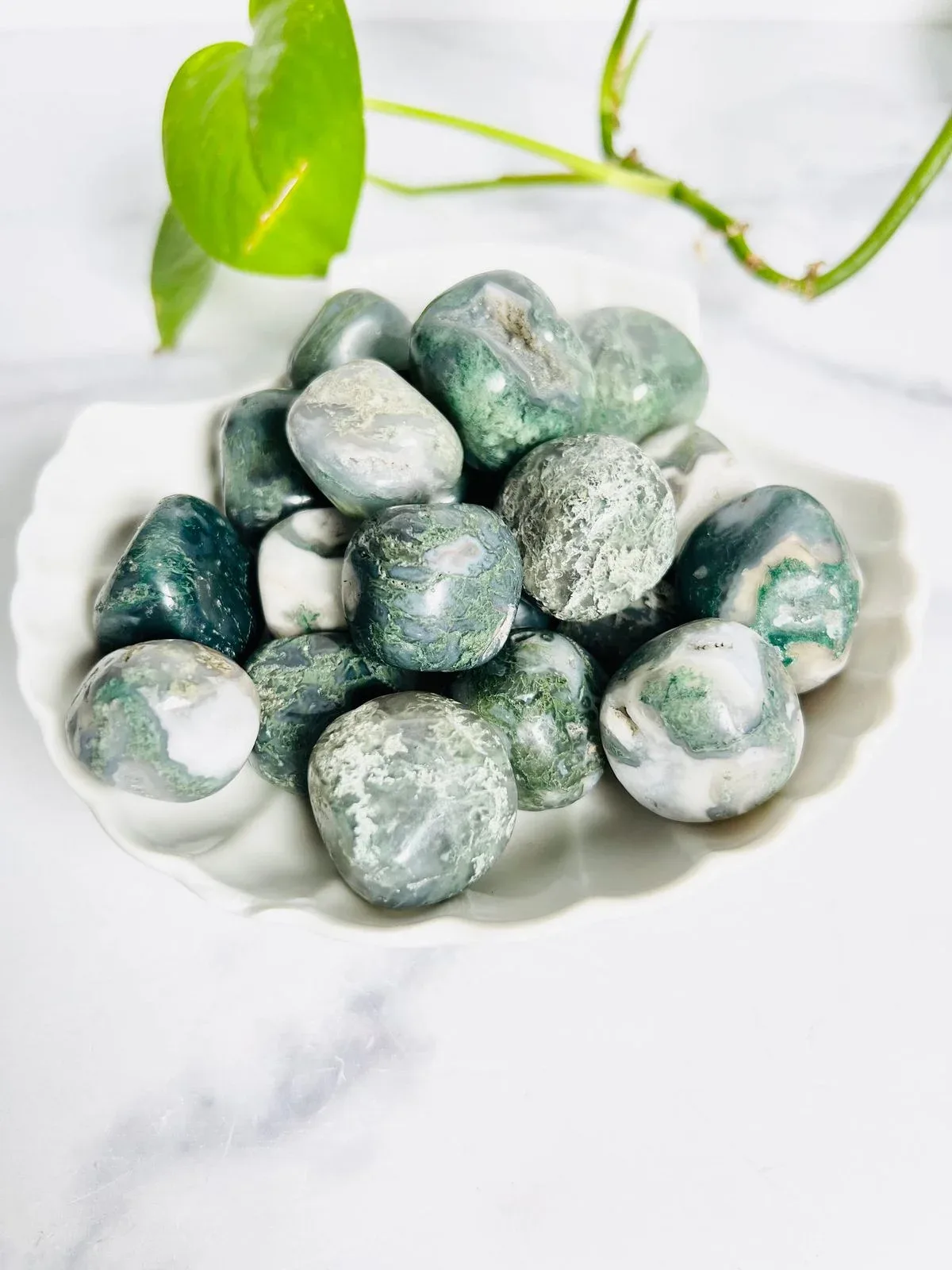
A tumbled Moss Agate feels neat and approachable. The rounded form softens the pattern, which can look cloud-like or sharply branching depending on the piece. It reads as practical and easygoing, with a casual finish.
Figure
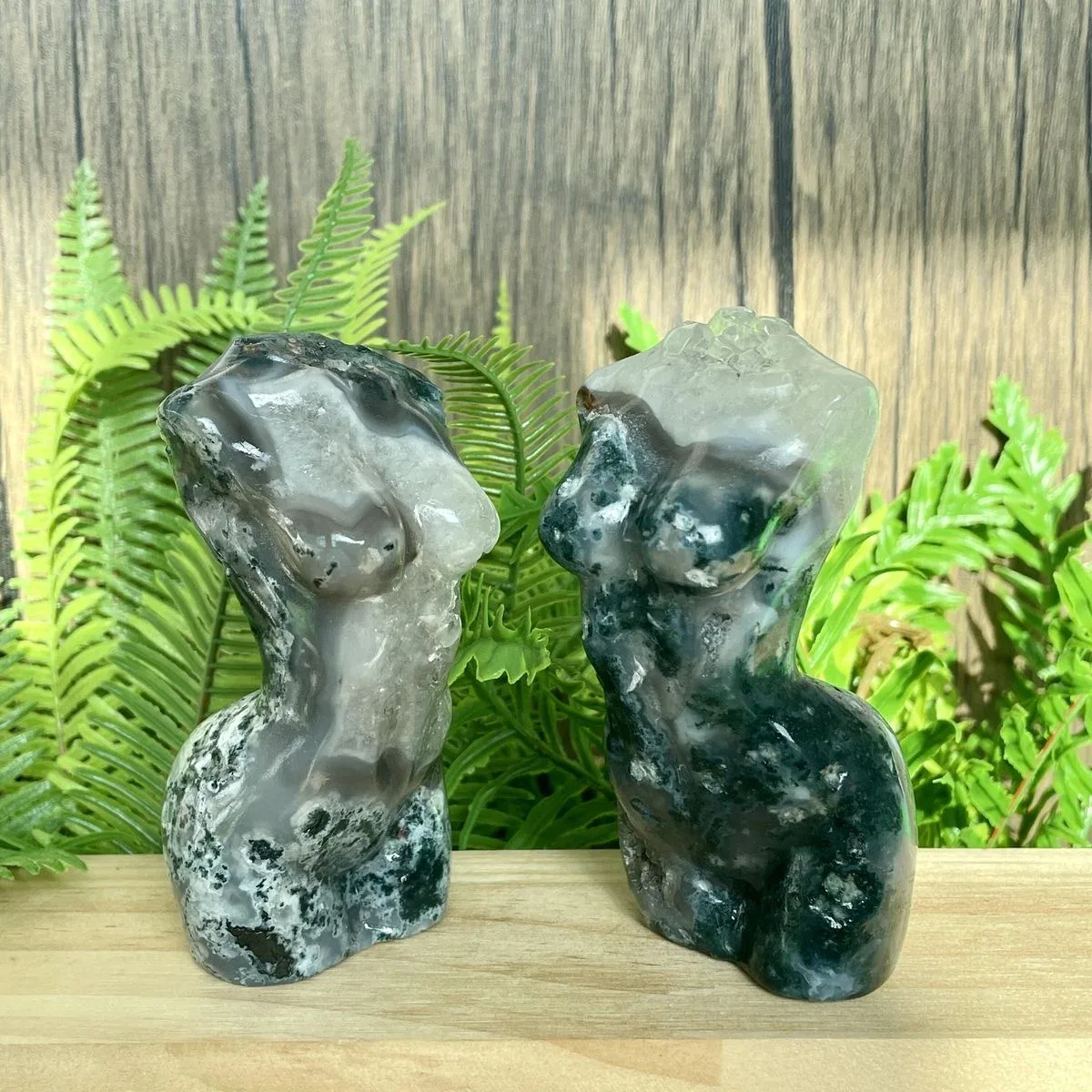
A carved figure gives Moss Agate extra personality. The inclusions become part of the character, so the piece feels more expressive and story-like. Depending on the carving, it can read as protective, nurturing, or quietly determined.
Heart
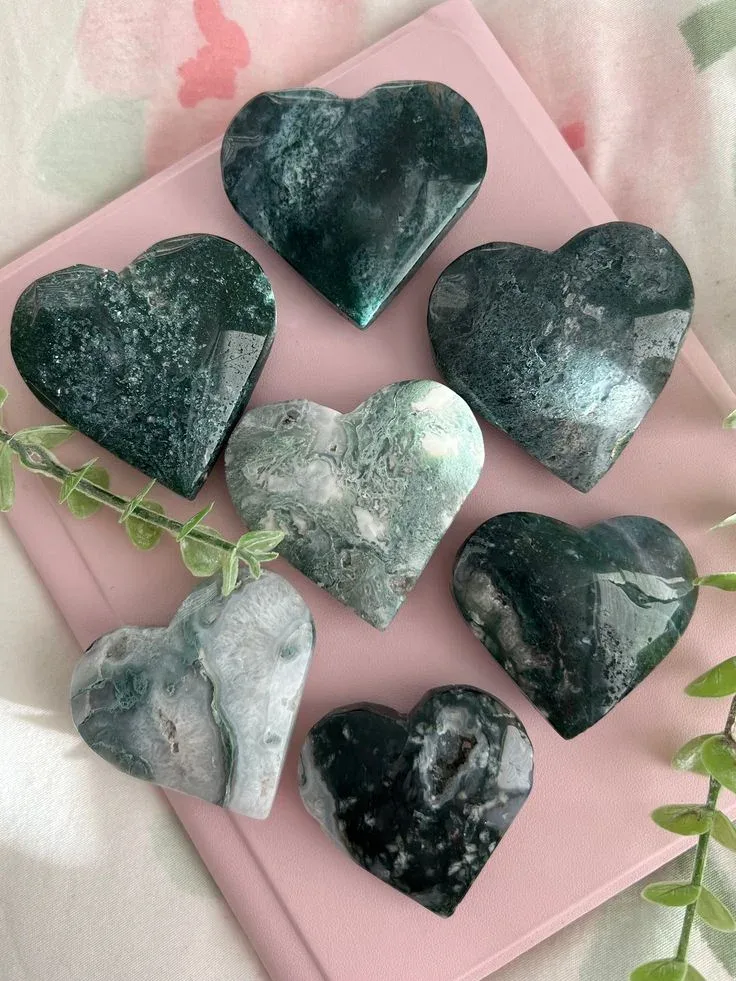
A heart form leans into Moss Agate's warmer tone. The familiar outline keeps it emotionally focused without feeling intense. Inclusions often look like soft movement across the surface, giving a sense of care and steady support.
Cleansing & Charging
Moss Agate is durable, but simple care helps it feel fresh. Cleanse it after stressful days, heavy conversations, or lots of handling. Charge it when setting a new intention, starting a new routine, or when it feels a bit flat.
How to cleanse Moss Agate
- Rinse briefly under cool running water, then pat dry.
- Use smoke cleansing if water is not practical.
- Place it near a small bowl of dry salt for a few hours, not buried.
- Use sound, like a bell, for a quick reset.
How to charge Moss Agate
- Leave it in gentle morning light for a short time, avoid harsh midday sun.
- Set it on clear quartz to refresh the feel.
- Hold it and name one clear intention in a single sentence.
Where to Use
Think of this as practical placement, not rules. Use it where it will be noticed, and where a small reminder to slow down and stay consistent will actually help.
Home office / study
Supports steady focus and patient progress, especially for long projects. It can be a helpful visual cue to take tasks in order and keep communication clear in emails, calls, and notes.
Living room
Brings a softer, more settled feel to shared time. It suits spaces where conversations happen, helping keep the tone warm and grounded when plans, feelings, or boundaries come up.
Garden / plant area
Pairs naturally with plant care and seasonal routines. It can fit moments of noticing growth over time, and keeping attention on small, regular actions rather than quick results.
Entryway
Works well as a reset point between outside and home. It can support a calmer arrival, helping the day's noise drop away, and making it easier to step into the next part of the routine.
Science
Physical properties
- Mineral class
- Quartz
- Color
- Colorless to milky white chalcedony with green to brown dendritic inclusions
- Hardness
- 6.5 - 7
- Density
- ~2.60 - 2.65 g/cm3
- Durability
- High
- Thermal stability
- High
Optical properties
- Transparency
- Translucent to opaque
- Lustre
- Vitreous to waxy
- Refraction index
- ~1.53 - 1.54
Chemical composition
- Class
- Silicate
- Formula
- SiO2
- Group
- Chalcedony (microcrystalline quartz)
- Magnetic
- Non-magnetic
Formation
Moss agate develops when silica-rich groundwater or hydrothermal fluids move into cracks and small cavities in volcanic rock, and sometimes into nearby sedimentary layers. As the fluid cools, or its chemistry shifts, microcrystalline quartz (chalcedony) precipitates. It builds in thin bands and layers, slowly lining the walls and sealing the open space.
During growth, small amounts of iron and manganese compounds can mix into the silica gel or fluid. These impurities crystallize along tiny fractures or between chalcedony layers. Branching, tree-like patterns form, giving the stone its green to brown dendrites. Later, weathering and erosion can break down the host rock and release pieces into gravels, where they may be collected and cut to show the internal patterning.
Locations
- India
- Brazil
- Uruguay
- United States
- Madagascar
- Australia
History
Agate and chalcedony in early lapidary use
Ancient to medieval period (general)
Agate and chalcedony were widely used for beads, seals, and small carvings across the ancient world. "Moss agate" is harder to spot as a named variety in early sources, stones were usually filed under broad labels like agate or chalcedony, not by inclusion patterns.
Variety names become more standard in mineral trade
18th, 19th century
Mineral collecting and gem trading grew in Europe and North America, and variety names got more specific. "Moss agate" turns up as a trade and collector term for translucent chalcedony with plant-like dendritic inclusions, even though the inclusions are mineral.
Montana moss agate enters the jewelry market
Late 19th, early 20th century
A well-known commercial source developed in the United States, especially in Montana. Pieces from river gravels suited cabochons and small decorative items, and "moss agate" became a familiar lapidary name.
Modern geology explains dendrites as mineral growth
20th century
Scientific descriptions of chalcedony and agate pinned the branching "moss" patterns to dendritic mineral inclusions, commonly linked with manganese and iron oxides. That helped move the look of the stone away from older ideas that the patterns were plant material.
Folk associations with farming and gardens
19th, 20th century (popular tradition)
In some European traditions, moss agate was treated as a good-luck stone for fields, livestock, and harvest. Stories vary by place and are not consistently documented. Later popular accounts still lean on the land-and-growth theme.
New Age and moss agate-healing meanings expand
Late 20th century, present
In contemporary moss agate culture, moss agate is commonly linked with growth, emotional balance, and a closer feel for the natural world. These meanings are modern spiritual uses, they spread through books, shops, and online communities.
Got questions?
We've got answers!
FAQ's
What is Moss Agate used for?
+×
Moss Agate is often used as a steady, supportive stone for personal growth and long-term goals. It suits new beginnings, building routines, and sticking with a plan.
It is also used for emotional balance and feeling closer to nature. Some people keep it nearby while working or studying. Others place it where they spend time with plants or in outdoor spaces.
Which zodiac signs are connected to Moss Agate?
+×
Moss Agate is most commonly linked with Virgo.
It is also sometimes connected with Mercury in moss agate traditions. A handy match for practical planning, learning, and clear, grounded communication.
What chakras does Moss Agate activate?
+×
Moss Agate is most often associated with the Heart chakra.
It is typically used with intentions around emotional balance, gentle self-acceptance, and being more open to giving and receiving support.
Can Moss Agate help with stress and sleep?
+×
Moss Agate is often used as a calming, grounding companion when stress feels high. It fits into a wind-down routine, take a few slow breaths while holding it, or keep it on a bedside table.
It is not a medical treatment for stress or sleep issues, but it can support a soothing bedtime habit. If sleep problems are ongoing, it is best to speak with a qualified health professional.