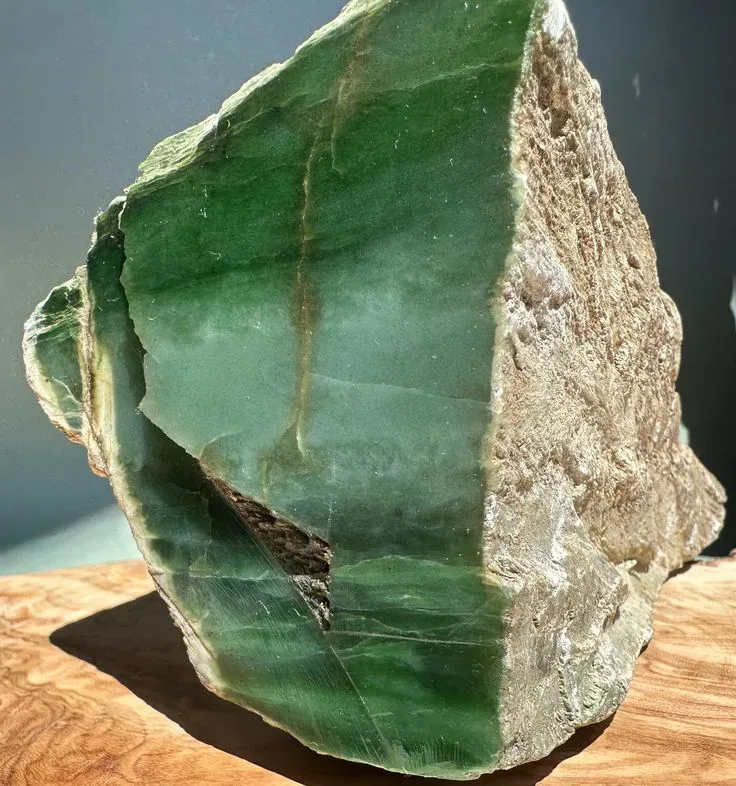
Jade Crystal, Benefits and Meanings.
Known for its rich green color and long-standing association with harmony and prosperity; historically valued in many cultures as a symbol of balance and good fortune.
Metaphysical & Spiritual
Jade has a steady green look that reads as calm. It is often linked with harmony and balance, like easing into a slower pace without forcing it. It is also tied to prosperity in a practical way, feeling resourced, supported, and able to choose with patience. Less about sudden luck, more about steady growth over time. Jade can be a touchstone when emotions feel loud, or when a decision needs a gentler hand. It also carries a protective reputation, a quiet nudge to stay centered and keep what matters close.

Planet

Venus
Under Venus, Jade reads as warm and worth tending. It leans toward appreciation and bonds that feel steady and supportive.
Element
Earth
Jade fits Earth for its grounded pace and no-fuss steadiness. It keeps the focus on balance, resilience, and what can be built step by step.
Crystal Pairings
Jade pairs well with stones that keep things kind, clear, and steady. These combinations lean into balance and long-term growth, without pushing for quick fixes.
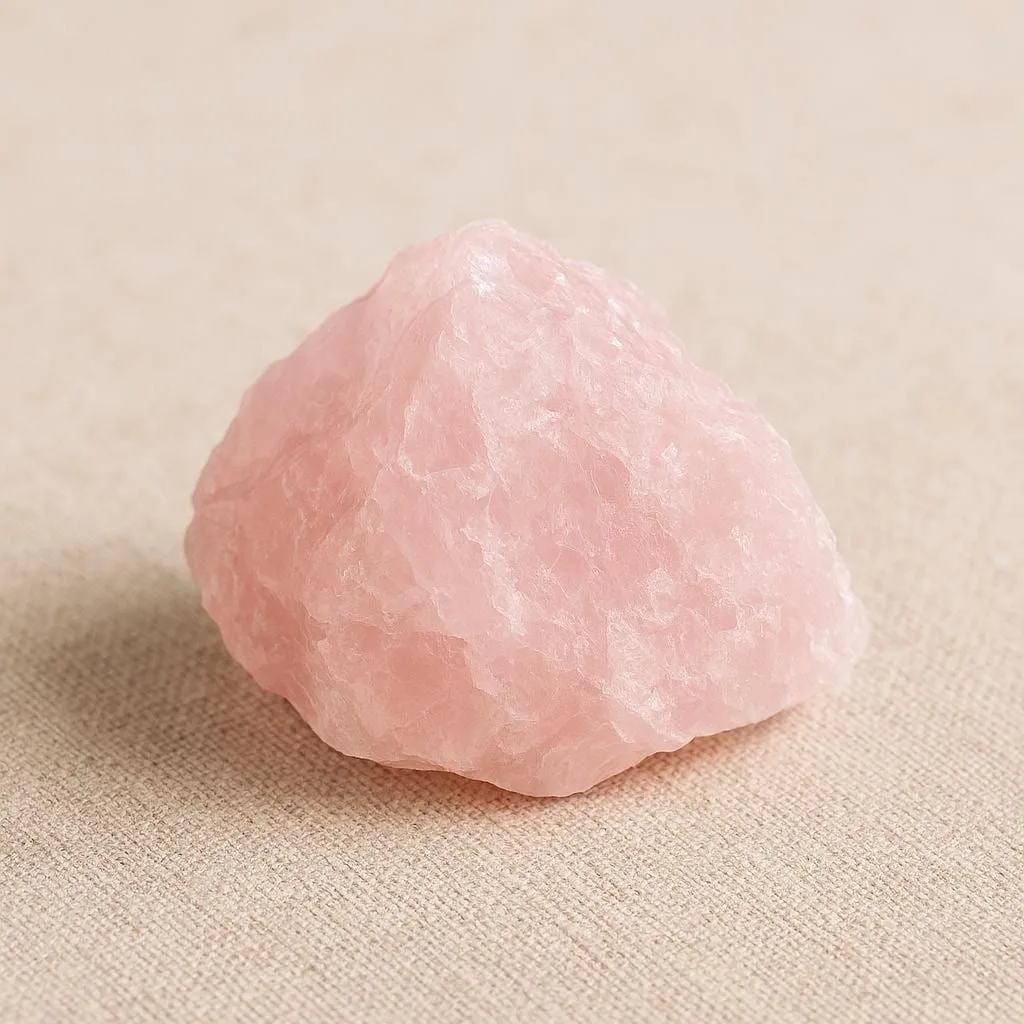
Rose Quartz
Jade and Rose Quartz make a gentle match for the heart. Jade stays settled and balanced, Rose Quartz brings softness and warmth. Together it feels like calm self-respect, care with clear boundaries, and relationships that grow without rush.
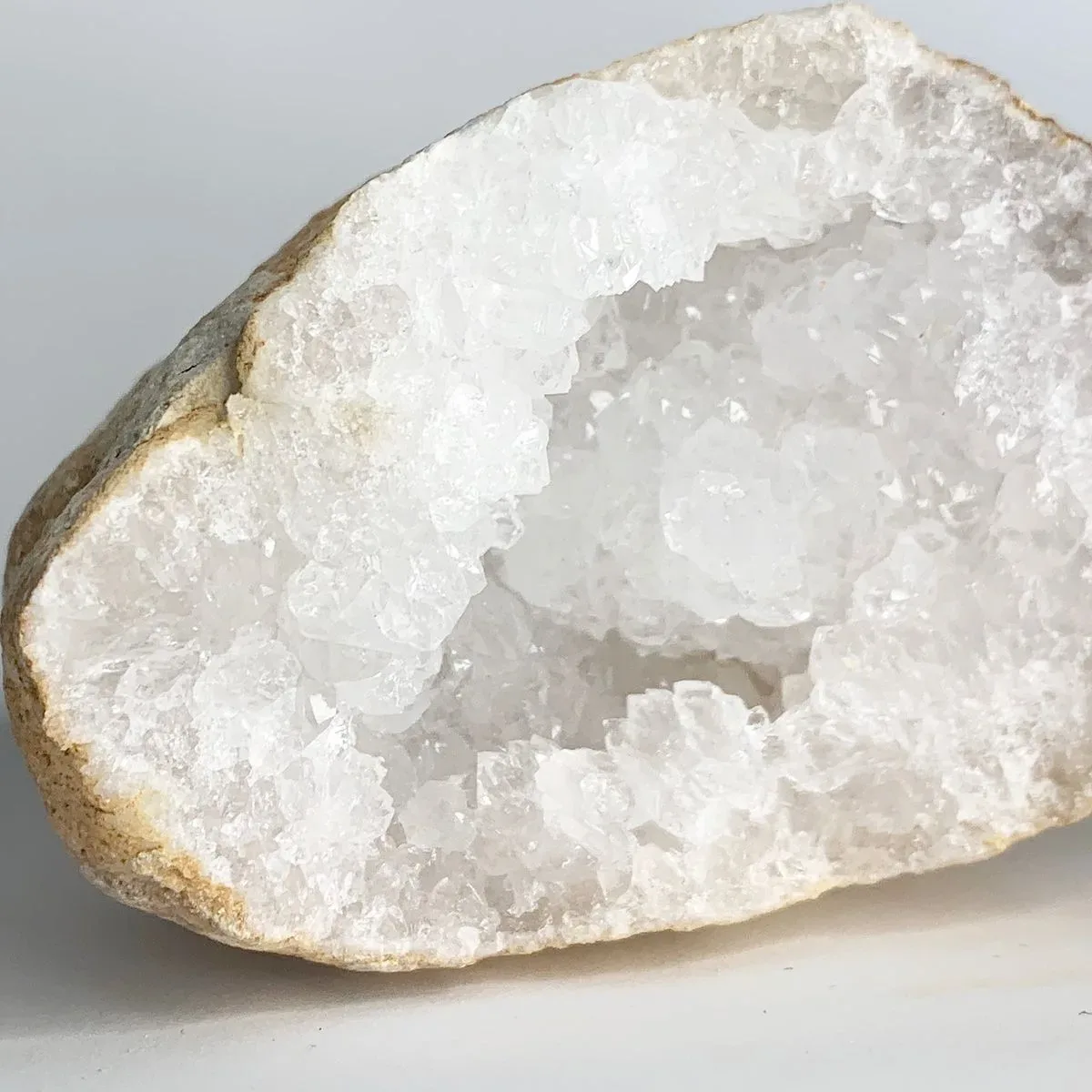
Clear Quartz
Jade brings a steady, grounded tone, and Clear Quartz adds clean focus. The pairing feels simple and uncluttered, like a clear intention held quietly. Clear without getting intense.
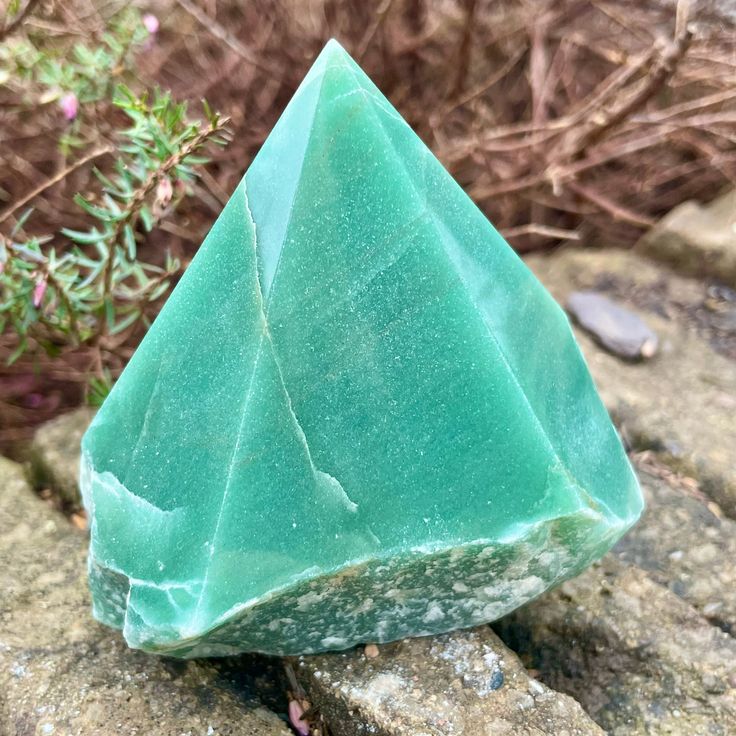
Green Aventurine
Jade and Green Aventurine share an easy, growth-minded feel. Jade leans toward balance and protection, Green Aventurine adds a brighter, forward-moving note. Together it reads as steady progress and confidence built through small wins.
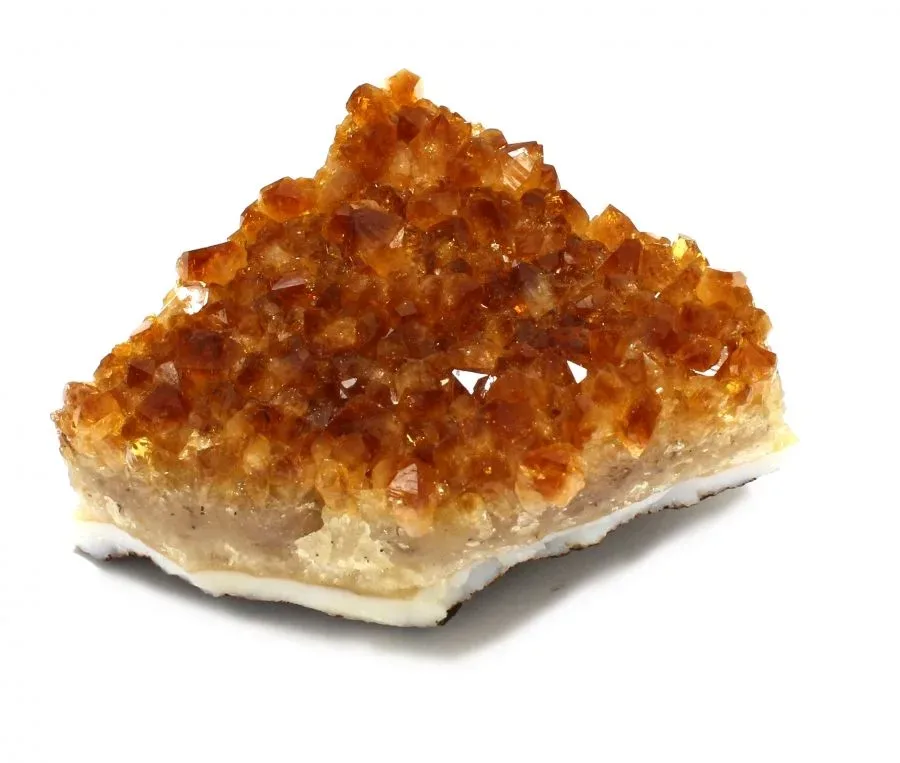
Citrine
Jade is linked with stability and sensible prosperity, and Citrine adds a sunnier sense of possibility. Together it reads as practical confidence, grounded but open to good outcomes. Upbeat, not carried away.
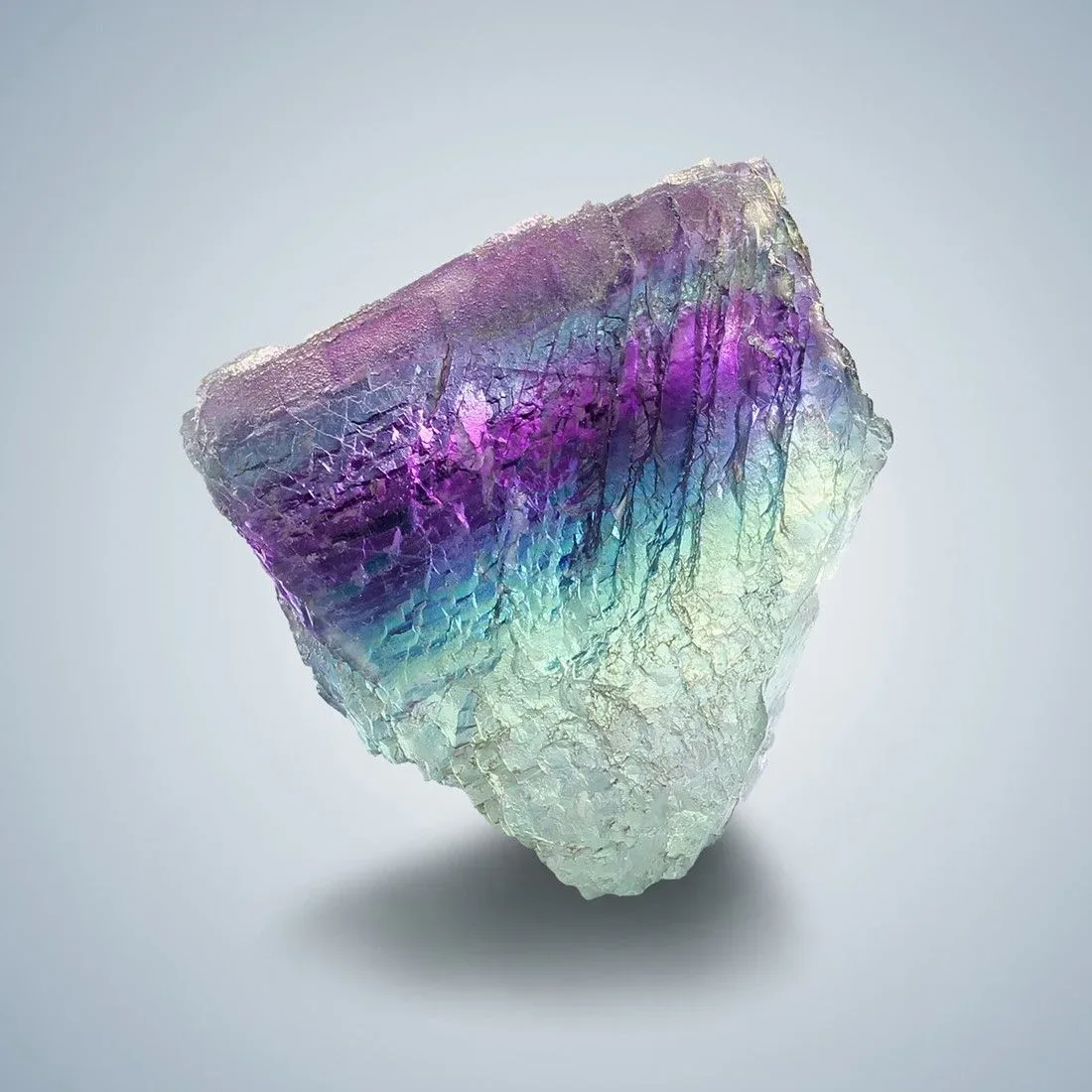
Fluorite
Jade offers emotional steadiness, and Fluorite is tied to order and clear thinking. Together they balance heart and head, keeping the mood calm while choices feel cleaner and more defined. Steady, precise.
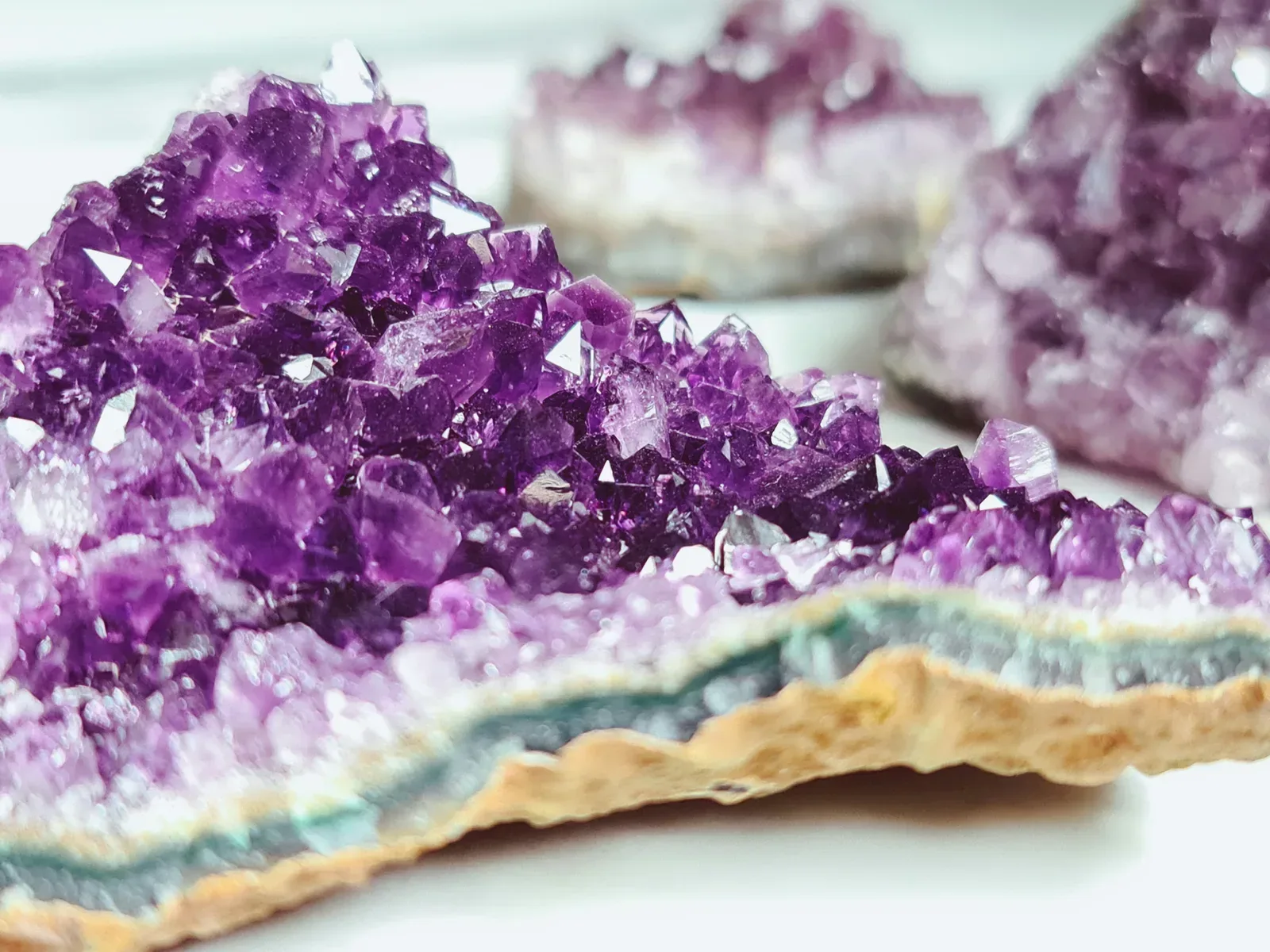
Amethyst
Jade and Amethyst blend calm with quiet insight. Jade keeps the tone centered, Amethyst adds a reflective, inward pull. Together it suggests emotional maturity, a wider view, and peace chosen on purpose.
Healing
Jade suits times when the heart feels tired, guarded, or stretched thin. It supports a softer inner tone, so feelings can move without taking over. Useful after conflict, change, or a long run of stress.
Keep it as a quiet cue for patience and self-respect. Jade works with small, repeatable steps, one clear choice, one honest conversation, one promise kept. When worry spikes, it can slow the reaction just enough to answer calmly.
Affirmations
Use these when emotions run high or when self-talk turns sharp. Keep the words simple and let them land.
Say one line a few times, then pause and notice what changes in the body, even if it is small.
- My heart feels safe to open and close in healthy ways.
- I choose balance over rush.
- I treat myself with patience and respect.
- I welcome steady progress.
- I let go of what I cannot control.
Intention Setting
Intentions work best when they are practical. Tie each one to a real action, like a message to send, a boundary to hold, or a task to finish.
Pick one intention for the day and keep coming back to it when attention drifts.
- Stay calm and clear during difficult conversations.
- Make choices that support long-term wellbeing.
- Protect time and energy with simple boundaries.
- Build stability with consistent habits.
- Keep the heart open without overgiving.
Manifesting
Jade is often linked with growth that is earned, not rushed. Focus on what can be repeated, measured, and improved.
Name what is wanted, then name the next step. Let results build through follow-through.
- I create steady financial habits that support me.
- Opportunities meet me when I show up consistently.
- My relationships feel balanced and respectful.
- I make decisions with a clear head and a kind heart.
- I grow confidence by keeping small promises to myself.
Jewelry
Jade jewelry keeps a steady, heart-led focus within reach. Each style lands differently. Some feel subtle, others feel more direct. Choose what fits the day, and how often that reminder needs to show up without becoming a distraction.
General benefits: Wearing Jade keeps its message close through the day. It suits moments where patience matters, like meetings, travel, or family time. Easy to touch or notice. That small contact can cue a pause, a breath, then a calmer reply.
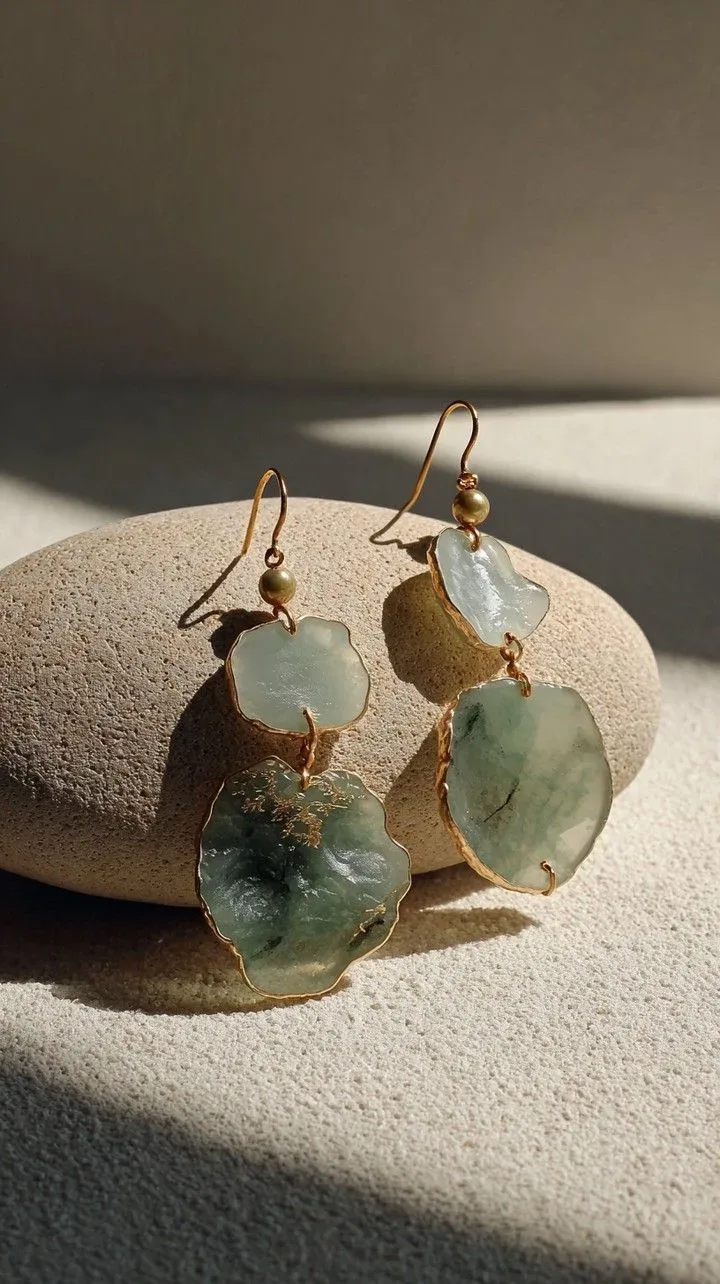
Earrings
Jade earrings feel light and low-key, good for daily wear. They suit days when words matter and reactions need to stay measured. Sitting near the face, they can cue a softer expression, a relaxed jaw, and clearer speech.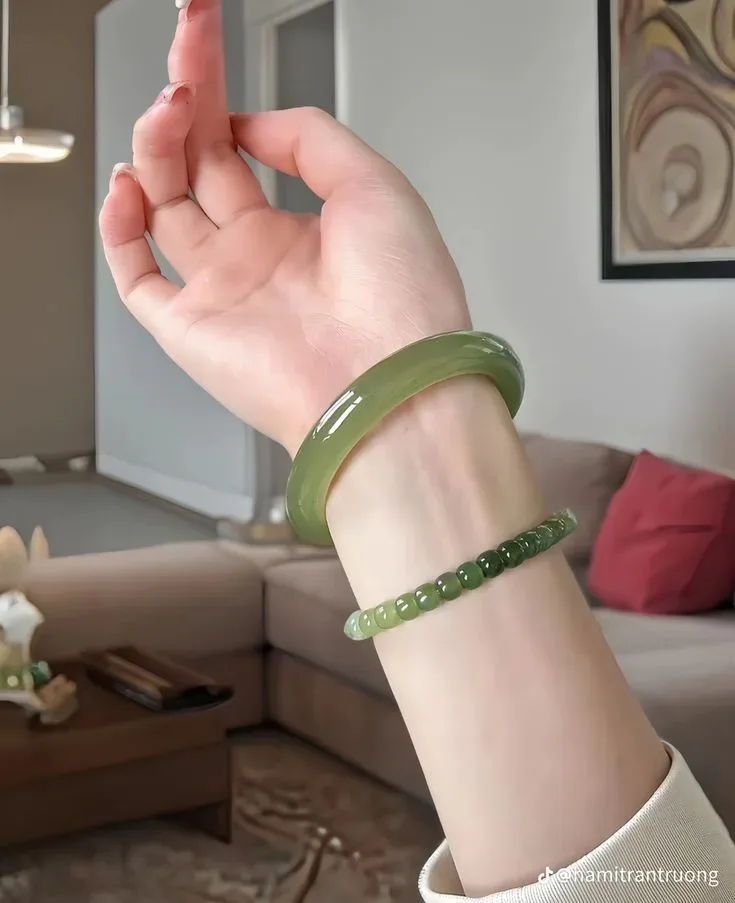
Bracelet
A Jade bracelet is easy to spot and easy to touch. Handy on busy days when attention gets pulled around. A quick glance at the wrist can prompt a reset, simpler boundaries, and a steadier pace before the next task.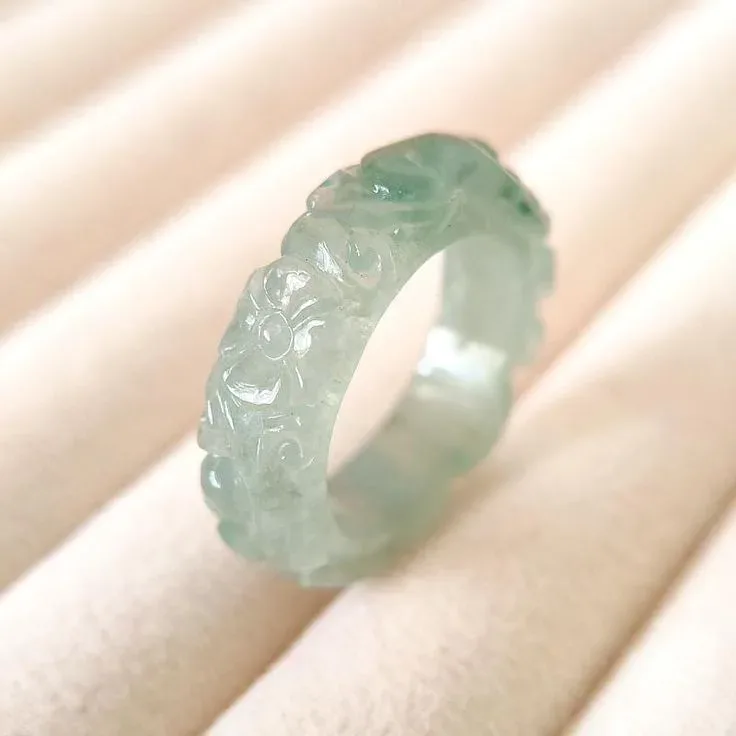
Ring
A Jade ring feels personal and direct. It suits commitment, sticking with a plan, keeping a promise, choosing the calmer option mid-moment. Hands are always in use, so the ring becomes a regular nudge to act with balance.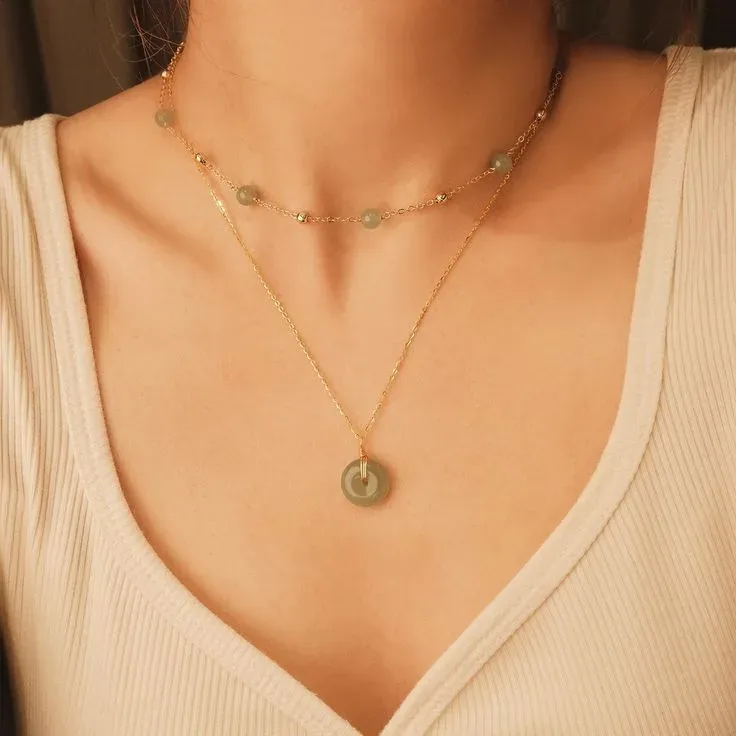
Necklace
A Jade necklace rests close to the chest, steady when emotions rise. It suits anyone who wants a heart-centered reminder that stays in the background. During conversations it can help attention stay present, kind, and less reactive.Forms
Each form brings out a different side of Jade, from quiet strength to gentle heart support.
Rough
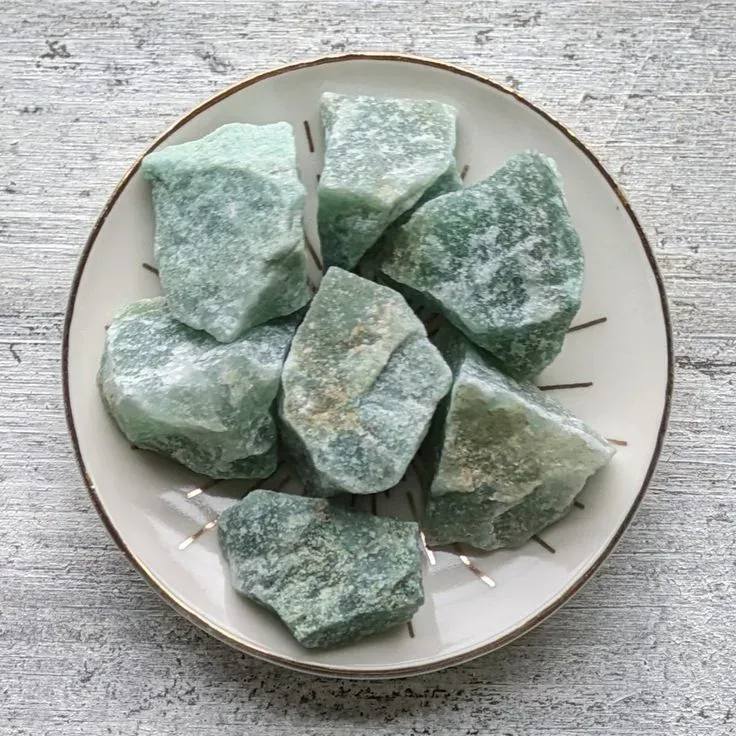
Rough Jade feels direct and natural. The uneven surface gives it an earthy, honest presence, like strength that does not need polishing. It often reads as protective and steady, with a grounded, no-fuss character.
Point / Tower
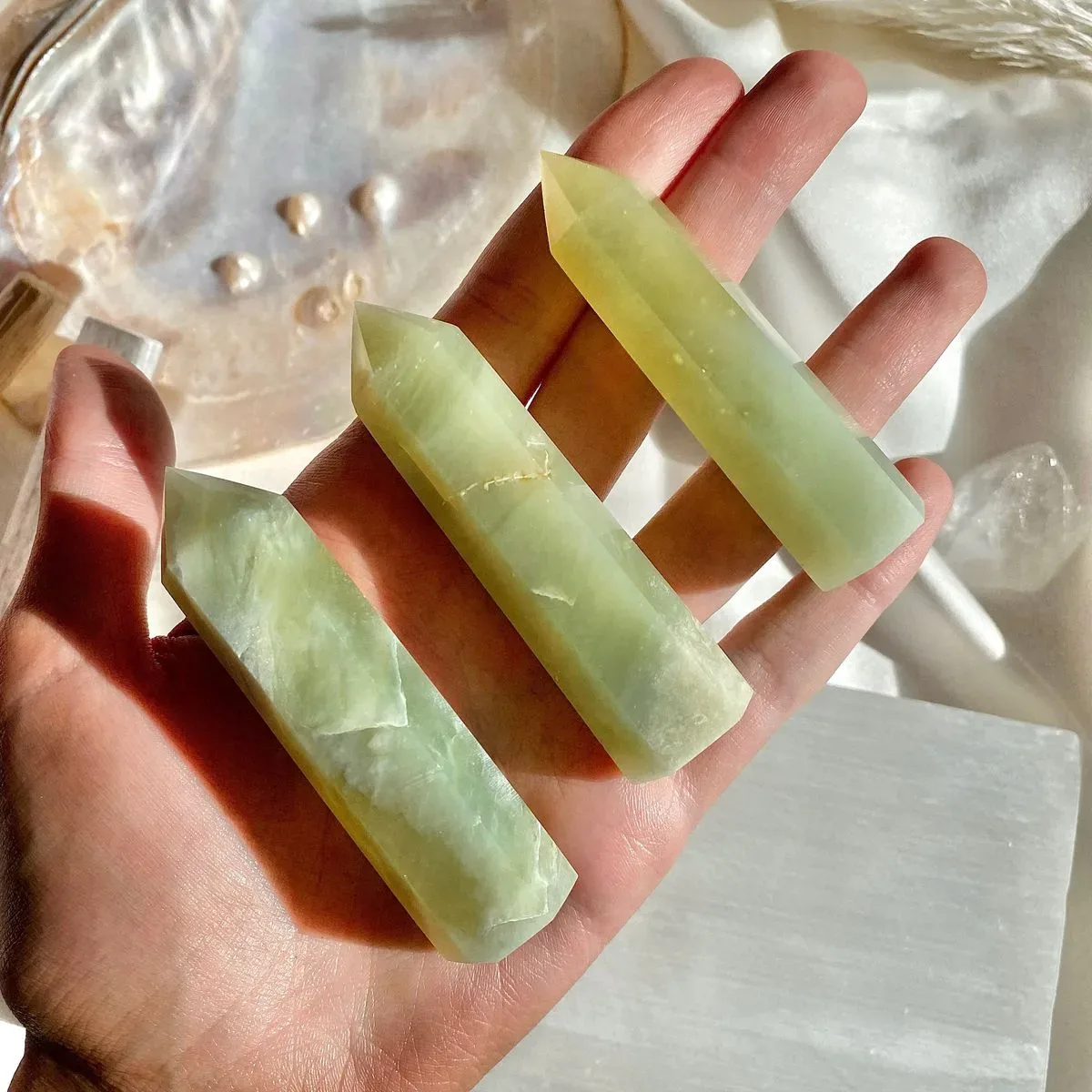
A Jade point or tower feels focused and directional. It can bring a sense of order, like scattered thoughts getting a single line to follow. This form often reads as purposeful and clear, with an emphasis on priorities and follow-through.
Sphere
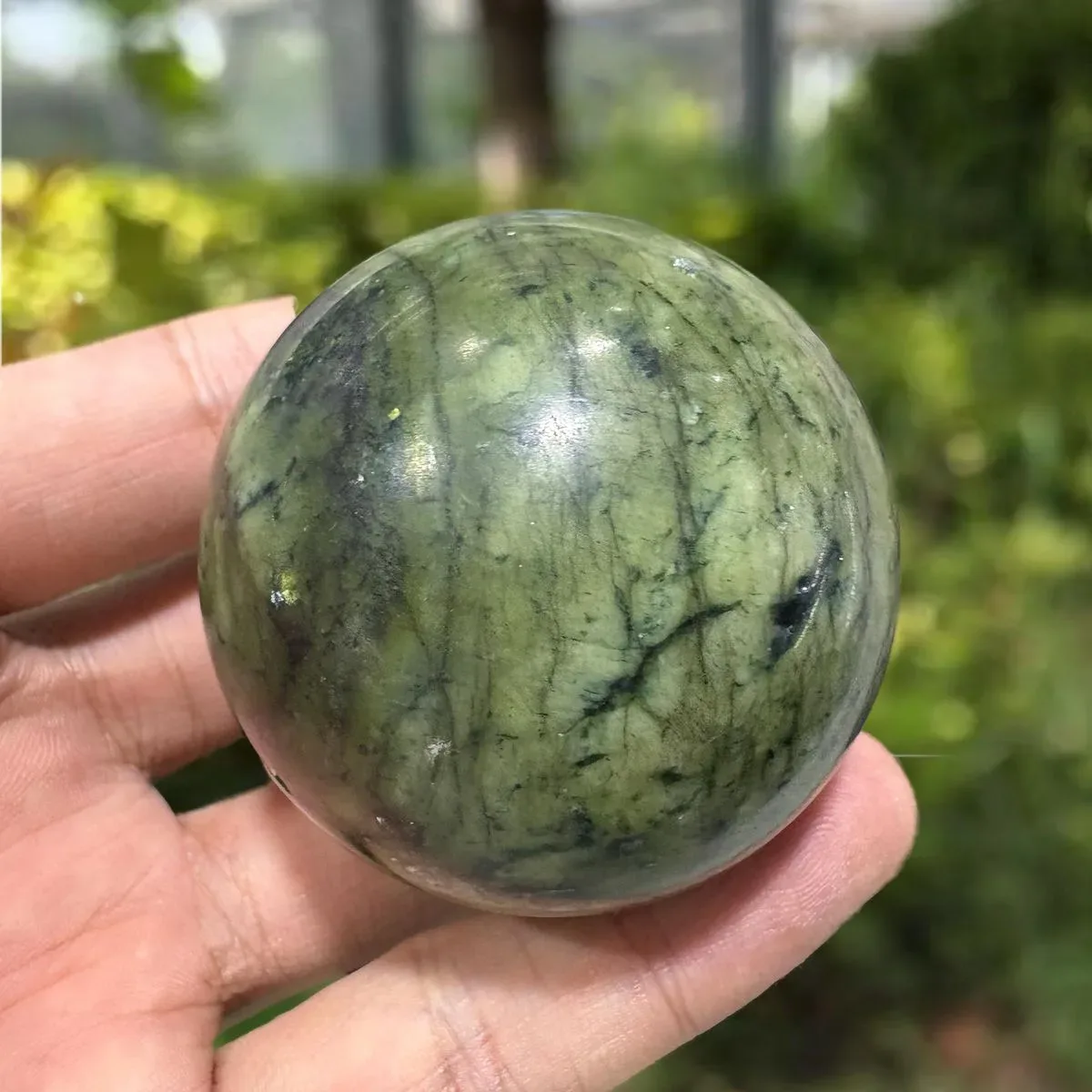
A Jade sphere feels even and complete. The shape suggests balance without sharp edges, steady support in every direction. It often comes across as soothing and consistent, like calm that holds a situation without pushing it.
Palm Stone
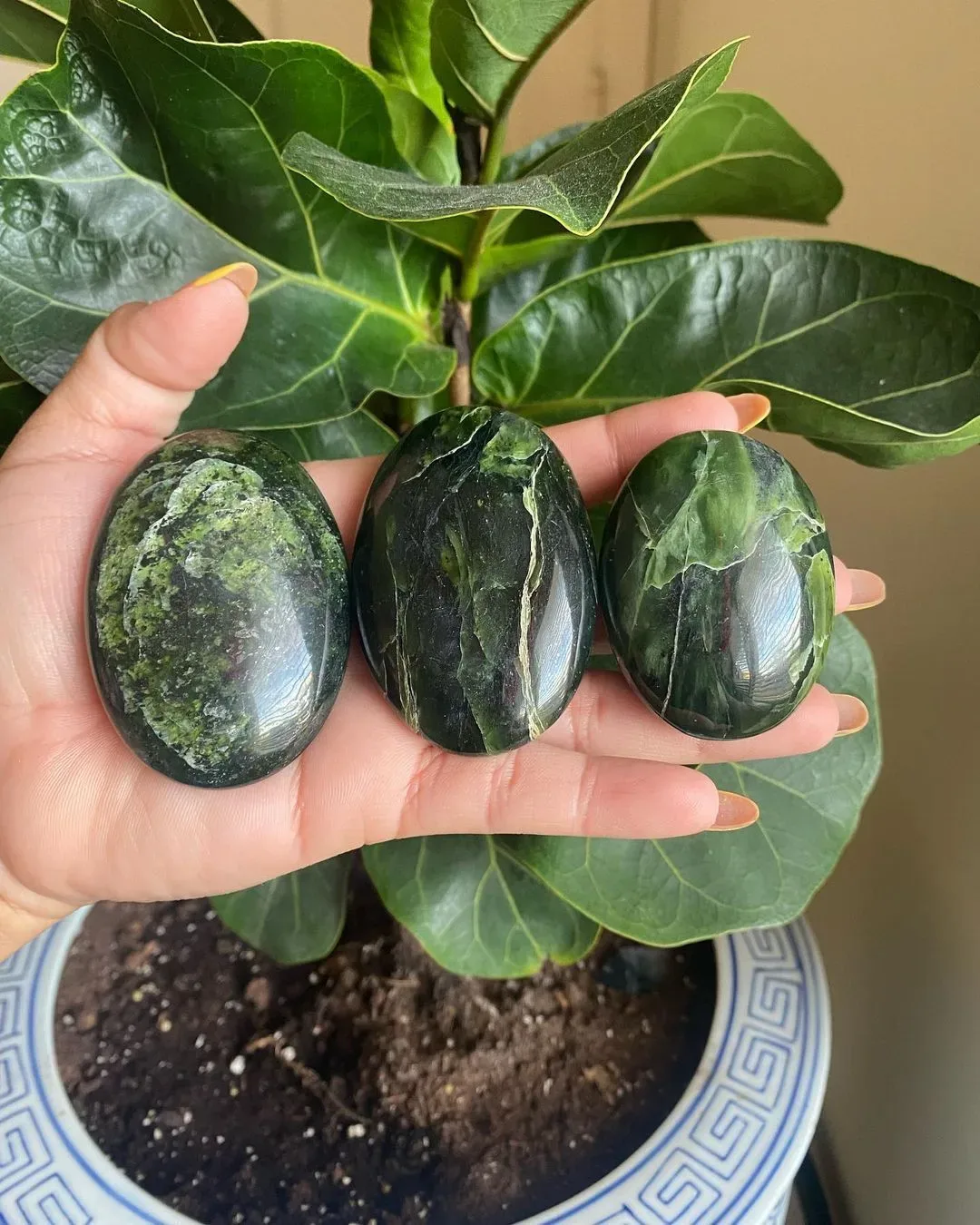
A Jade palm stone feels reassuring and close. The smooth finish gives it a friendly, settled quality that leans into self-kindness and emotional ease. It often reads as nurturing, steady warmth rather than a big statement.
Tumble Stone
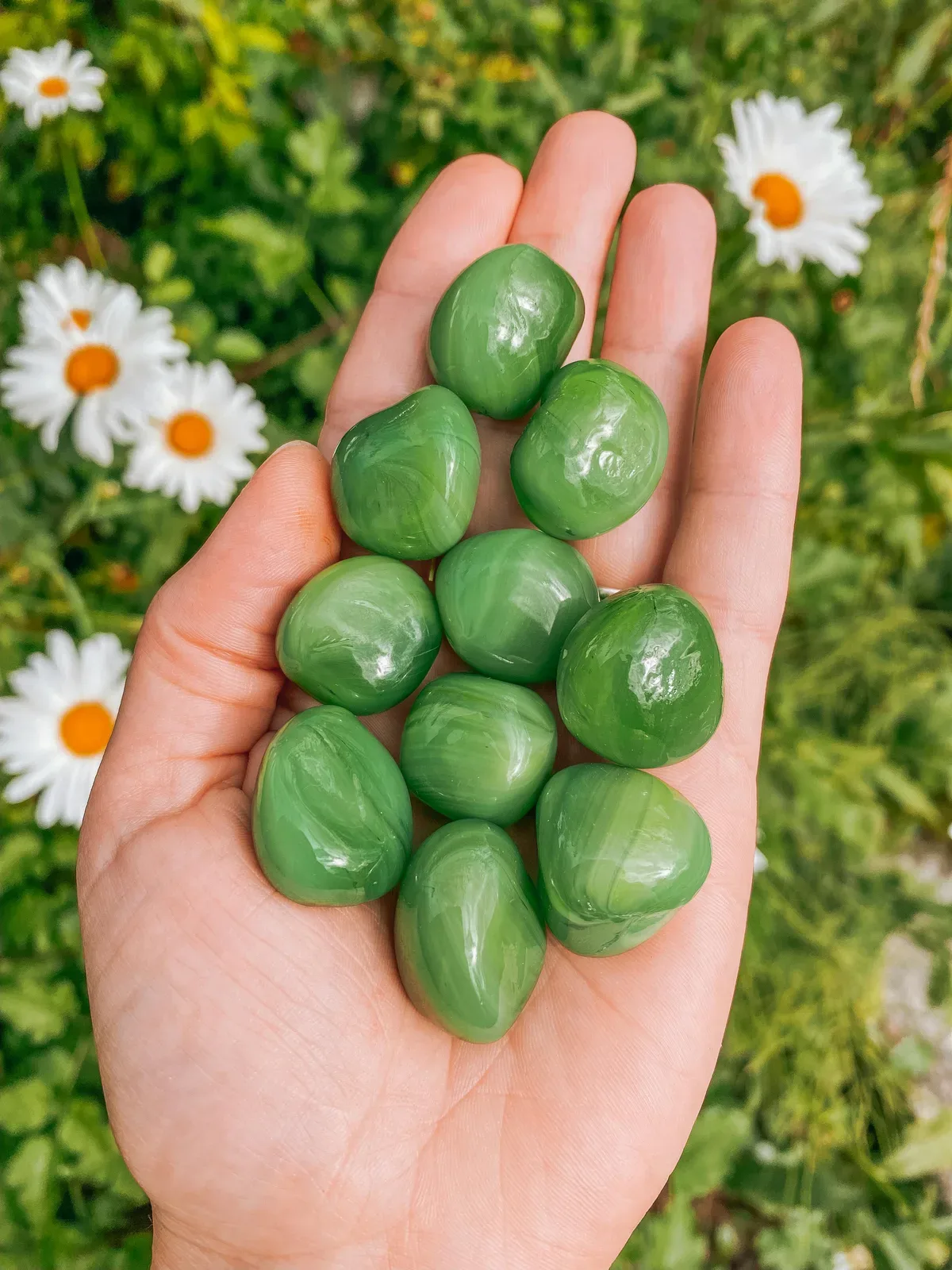
A tumbled Jade stone feels simple and approachable. The polished surface looks clean and tidy, with an everyday steadiness to it. It often reads as practical support, like keeping thoughts manageable and returning to what matters.
Figure
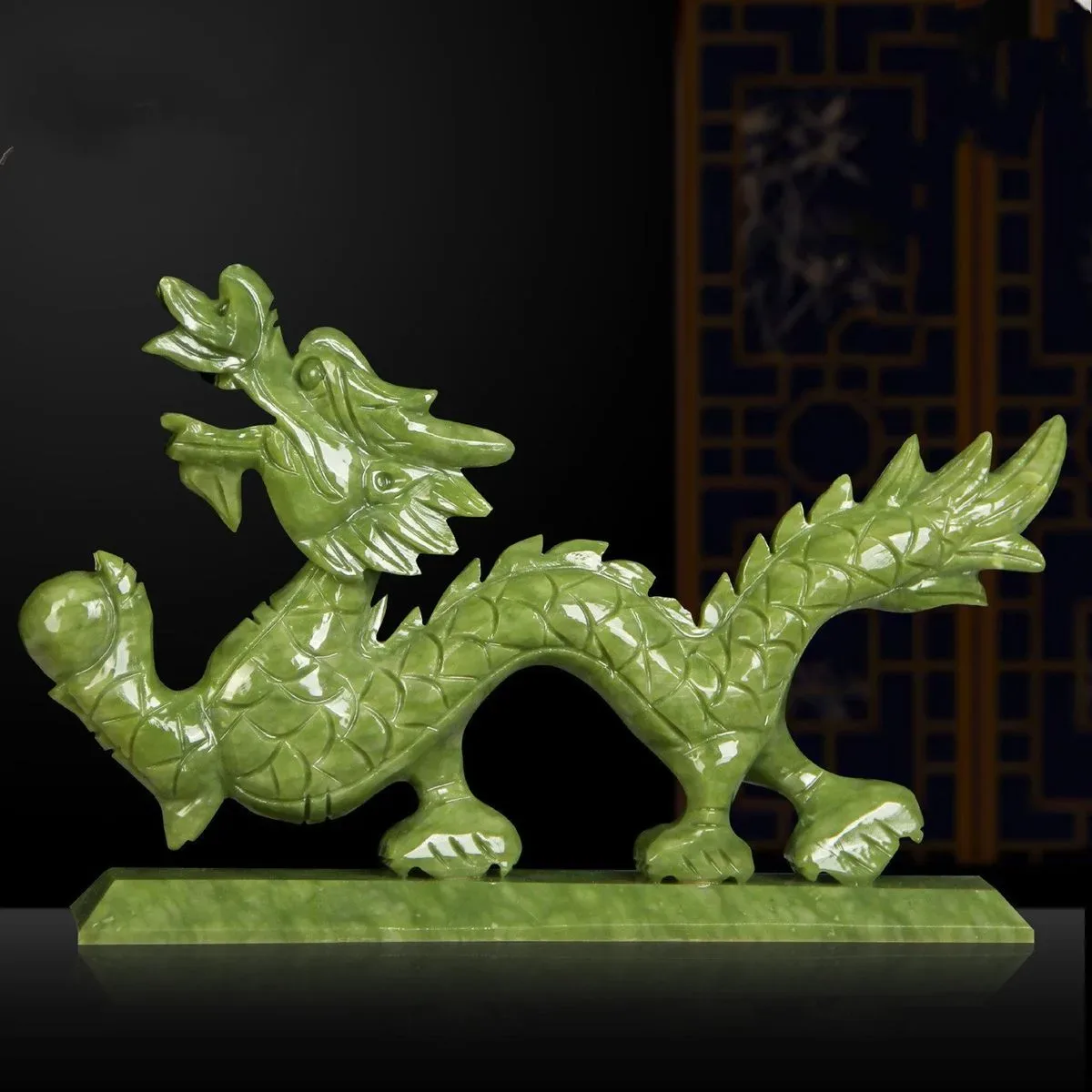
A Jade figure has a symbolic, story-like feel. It can carry a sense of meaning, as if it stands for a value worth protecting. This form often feels traditional and intentional, turning Jade into a reminder of what matters.
Heart
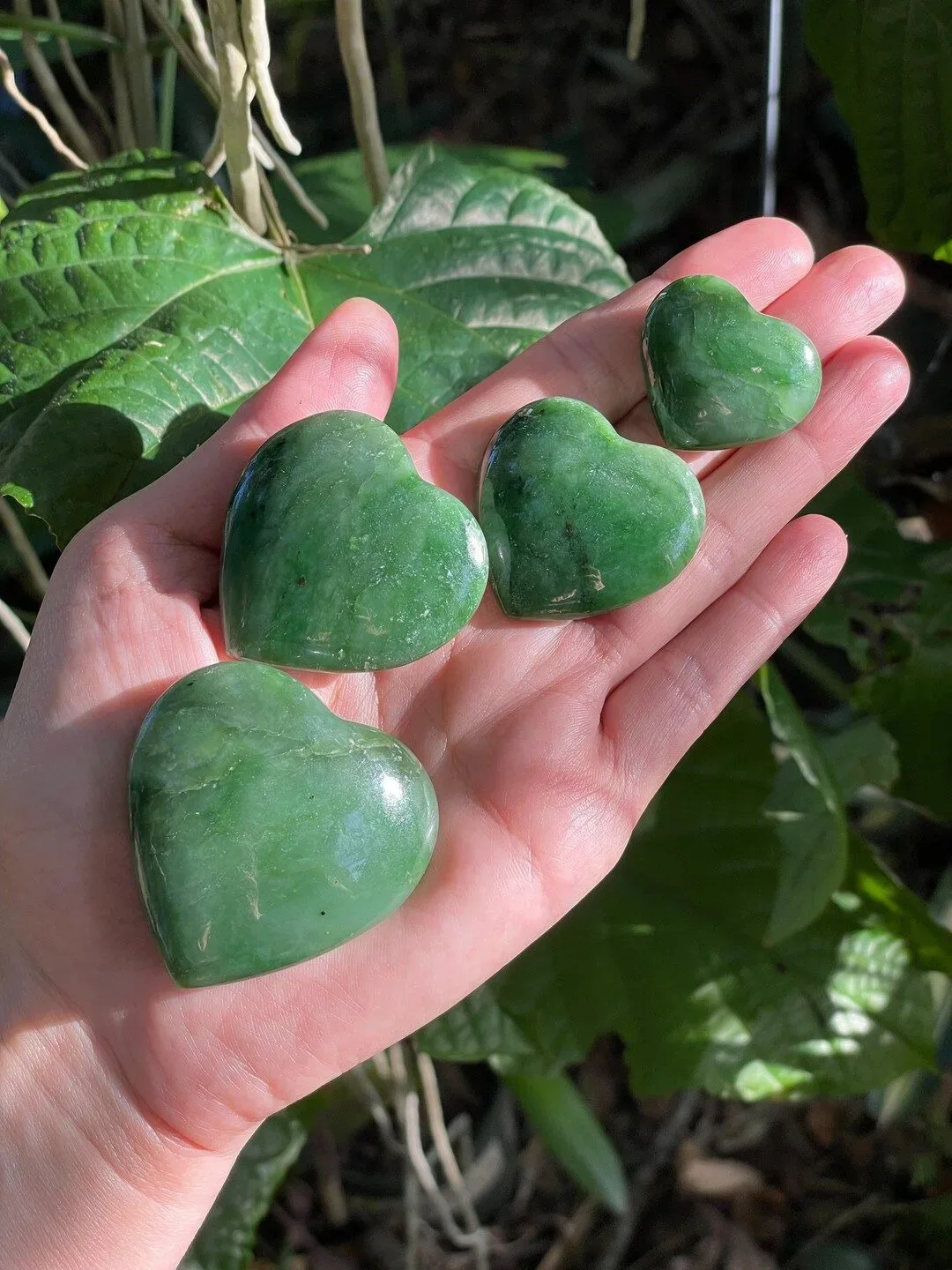
A Jade heart form leans into tenderness without getting too sweet. It suggests gentle courage, staying open while still staying wise. This form often reads as support for self-respect and forgiveness, with a calm, steady tone.
Cleansing & Charging
Jade is fairly tough, but it still benefits from gentle care. Cleanse it when it feels dull, after intense days, or when it has been handled by lots of people. Keep methods simple and avoid harsh chemicals or long soaks.
How to cleanse Jade
- Wipe with a soft, slightly damp cloth, then dry fully.
- Use cool running water briefly, avoid long soaking.
- Clear it with smoke from incense or a herb bundle, keep it light.
- Place it on a dry bed of salt nearby, not buried, for a few hours.
How to charge Jade
- Leave it in soft morning light for a short time, avoid strong midday sun.
- Rest it near Clear Quartz to refresh its feel.
- Set a clear intention while holding it, then let it sit somewhere undisturbed.
Where to Use
Use Jade where decisions are made, money is handled, or routines are built. It works best as a simple reminder, not a demand for constant attention.
Purse / wallet
Keep Jade with cards or cash as a reminder to spend with care and plan ahead. It suits budgeting, saving, and choosing value over impulse. Cleanse it more often here, since it picks up a lot of day-to-day handling.
Front door
Place Jade near the entrance to support a calmer tone when leaving and returning. It can help set a simple boundary between outside stress and home life. Cleanse it when the household has had visitors or a run of busy days.
Office / study
Use Jade where work gets done to support steady focus and level-headed decisions. It pairs well with planning, admin, and long-term projects where consistency matters. Cleanse it after deadlines, difficult meetings, or periods of mental overload.
Science
Physical properties
- Mineral class
- Silicate
- Color
- Green (varies from light to dark)
- Hardness
- 6 - 7
- Density
- ~3.3 g/cm3
- Durability
- High
- Thermal stability
- High
Optical properties
- Transparency
- Opaque to translucent
- Lustre
- Waxy to vitreous
- Refraction index
- ~1.60 - 1.67
Chemical composition
- Class
- Silicate
- Formula
- NaAlSi2O6 (Jadeite) / Ca2(Mg,Fe)5Si8O22(OH)2 (Nephrite)
- Group
- Jade
- Magnetic
- Non-magnetic
Formation
Jade forms mainly in metamorphic belts where plates converge. In subduction zones, oceanic crust and mantle rocks are driven down and changed by hot, water-rich fluids released during metamorphism. The fluids seep through fractures and shear zones, tweak the rock's chemistry, and support new mineral growth at high pressure and relatively low temperature.
Jadeite often grows in high-pressure rocks such as blueschist and eclogite, commonly where shearing keeps fluid pathways open. Nephrite tends to form when serpentinized ultramafic rocks react with silica- and calcium-bearing fluids, often near contacts with surrounding rocks. Slow deformation helps. So does repeated fluid flow. Over time this builds dense, interlocking crystals, which is why jade is tough, not just hard.
Locations
- China
- Myanmar
- Guatemala
- Russia
- New Zealand
- Canada
History
Early nephrite tools and ornaments
c. 7000, 3000 BCE
Neolithic finds in parts of East Asia show nephrite jade shaped into tools and ornaments. The work is often careful, and the pieces can signal status. Meanings still vary by site.
Long use in Chinese ritual and court culture
c. 2000 BCE onwards
Jade held high status in China across many dynasties. It appears in ritual objects, personal ornaments, and burial goods. Texts and surviving artefacts point to strong cultural meaning, even as interpretations changed.
Jade burial suits in the Han period
c. 200 BCE, 200 CE
Some elite Han tombs include suits made from small jade plaques, stitched with metal wire. They are well documented in excavations and museum collections. Often discussed in relation to status and ideas about preservation.
Jadeite from Myanmar becomes prominent in China
18th century CE
In the Qing period, jadeite, much of it from present-day Myanmar, rose in popularity in China. Trade networks helped. So did changing tastes, and it came to sit alongside older nephrite traditions.
High-value jade in Mesoamerica
Pre-Columbian era (before 16th century CE)
Several Mesoamerican cultures used jade, especially jadeite, for beads, masks, and ceremonial items. Artefacts and excavation records show it could be prized more than precious metals in certain contexts.
British Columbia nephrite and modern supply
19th, 20th centuries CE
Nephrite deposits in Canada, especially in British Columbia, became part of the modern jade trade. Industrial extraction and lapidary work expanded supply and widened access beyond older regional sources.
Māori pounamu taonga in Aotearoa New Zealand
Ongoing (traditional and contemporary)
In Aotearoa New Zealand, nephrite is known as pounamu and made into taonga such as pendants and tools. It holds deep cultural value. Practices and protocols continue today.
Symbolic links with virtue and protection
Traditional (stories recorded in later sources)
Across different cultures, jade has been linked with moral character, protection, and social standing. These themes show up in historical writings and later folklore. Specific meanings depend on time and place.
Got questions?
We've got answers!
FAQ's
What is Jade used for?
+×
Jade is often used as a support stone for harmony and balance, especially when emotions feel tangled or a choice feels split.
It is also a popular pick for practical, long-term prosperity intentions. Kept in a purse or wallet. Near the front door. Or on a desk as a quiet nudge to stay steady.
Which zodiac signs are connected to Jade?
+×
Jade is most commonly linked with Taurus and Libra.
It can be used as a simple touchstone for those signs, for example during journalling, goal-setting, or when relationships and routines need a more even pace.
What chakras does Jade activate?
+×
Jade is associated with the Heart chakra.
It is often used to support kinder self-talk, steadier emotions, and a more open, grounded way of relating to others.
Can Jade help with stress and sleep?
+×
Jade is often used as a calming, comforting stone, so it may feel supportive when stress is running high.
For sleep, it can be placed on a bedside table or held for a few slow breaths before bed as part of a wind-down routine. It is not a substitute for medical care, but it can be a gentle cue to relax and switch off.