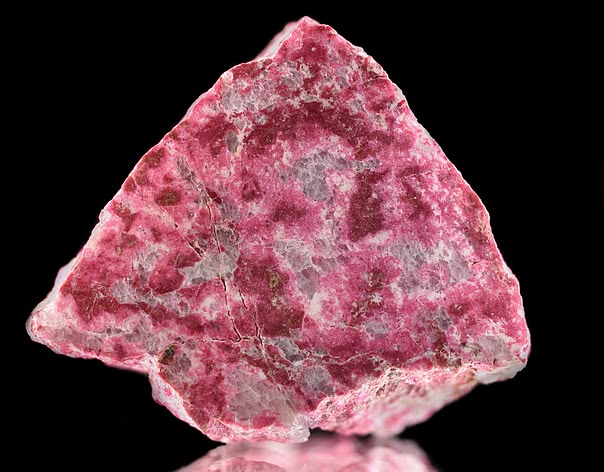
Thulite Crystal, Benefits and Meanings.
Thulite meaning centres on loving expression, self-assurance, and compassionate emotional balance.
Metaphysical & Spiritual
Thulite works with the heart as a place of expression rather than performance. It brings feeling into clearer movement, so affection, care, and self-worth can be held without becoming tangled or over-analysed. Its energy carries a warm, responsive quality that helps soften guardedness while keeping the inner field organised. That makes Thulite a steady ally when emotions need to be acknowledged, spoken, or shared with more ease. The stone also brings a quietly encouraging current to confidence. It supports the kind of self-belief that does not push or posture, but simply helps a person stand more fully in what they feel and value. In spiritual practice, Thulite is often used to keep tenderness grounded in daily life. It works well when the aim is to stay open-hearted without losing discernment, especially during conversations that ask for both compassion and clear boundaries.

Planet

Venus
Thulite carries Venusian energy through love, tenderness, and the desire to relate with care. It helps beauty and affection feel lived and heartfelt rather than merely idealised.
Element
Earth
Thulite works with Earth by grounding emotional openness in the body and in daily action. It helps feelings settle into something usable, practical, and steady.

Crystal Pairings
Thulite pairings work best when the aim is to keep the heart open without losing steadiness. Paired with another supportive stone, it can soften guarded feelings, encourage honest warmth, and help affection move through the body in a grounded, usable way.
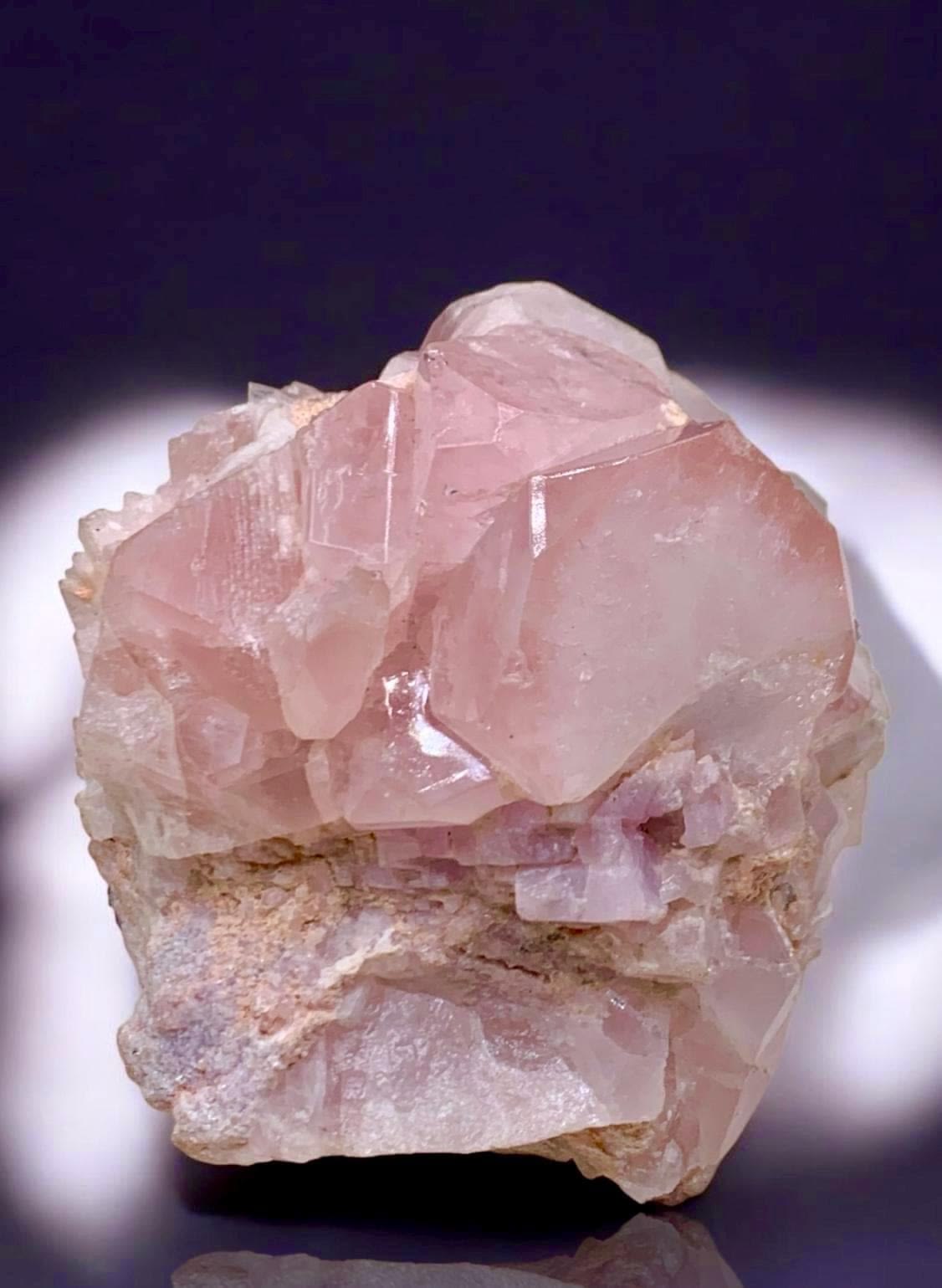
Morganite
Morganite and Thulite create a tender heart-centred pairing that encourages gentle self-acceptance and affectionate communication. Together they help soften inner resistance, so care can be given and received with less fear and more trust.
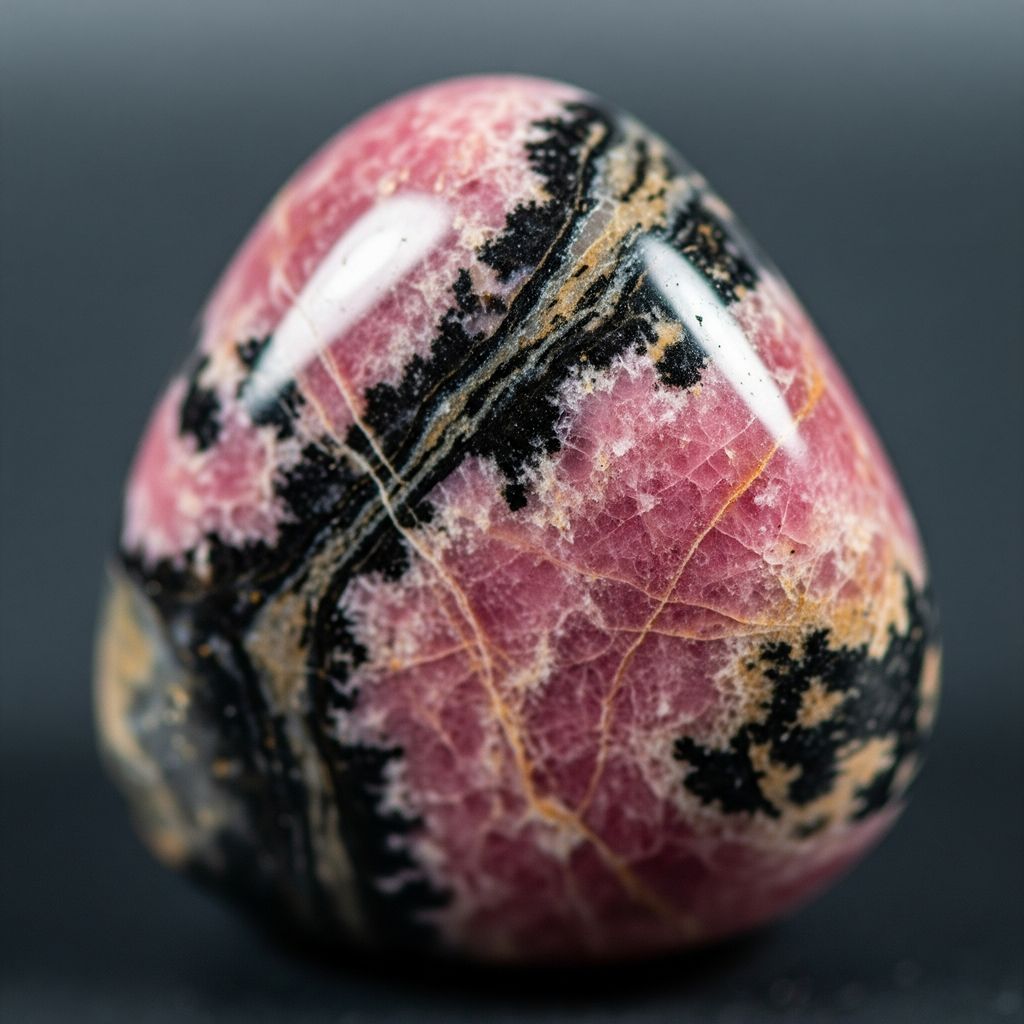
Rhodonite
Rhodonite brings a steadier edge to Thulite, helping compassion stay anchored when emotions feel messy or reactive. This pairing supports forgiveness, clear boundaries, and the kind of heart healing that does not ignore what still needs attention.
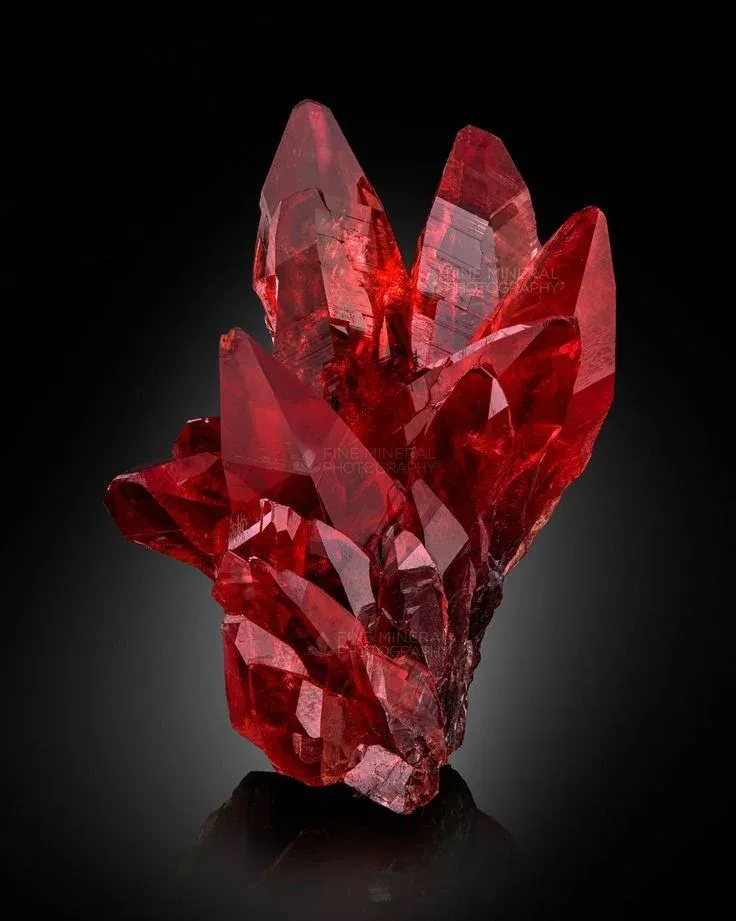
Ruby in Zoisite
Ruby in Zoisite adds vitality and inner drive to Thulite, keeping loving energy active rather than passive. The two together support courage, emotional recovery, and a more confident way of following what the heart already knows.
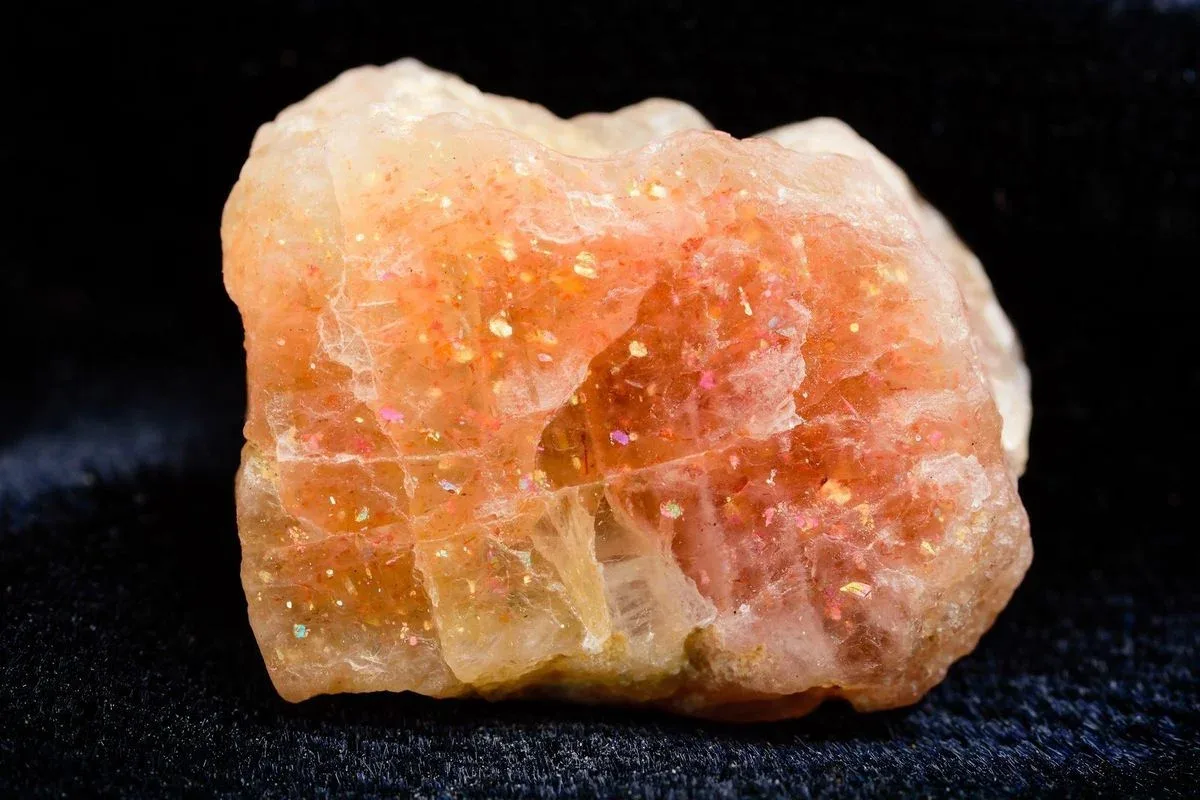
Sunstone
Sunstone lifts Thulite into brighter self-belief, helping warmth become visible in action as well as feeling. This combination is useful when confidence needs a lift and the heart needs encouragement to step forward without shrinking.
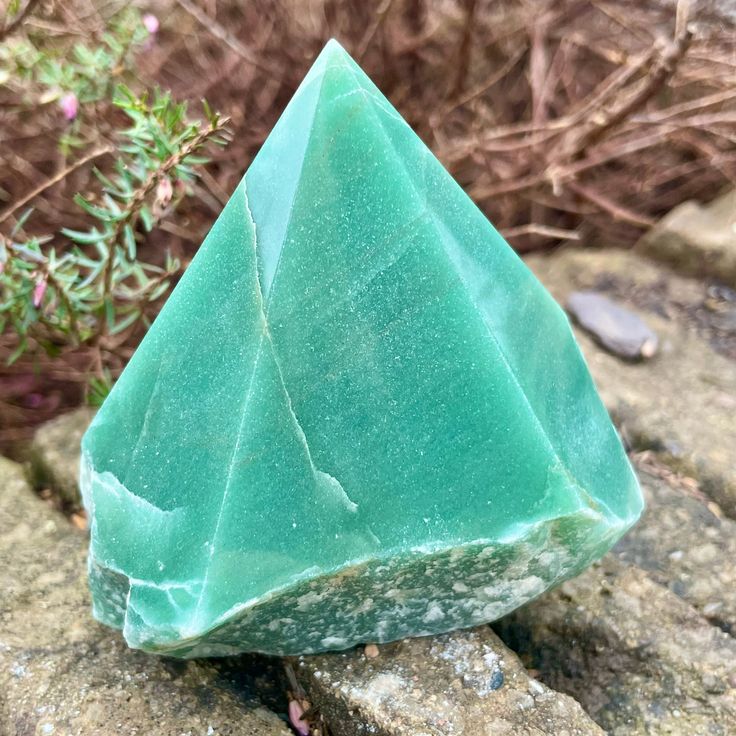
Green Aventurine
Green Aventurine and Thulite bring a calm, reassuring rhythm to emotional growth. Together they support a kinder relationship with change, helping the heart stay open while new habits, connections, or choices take root.
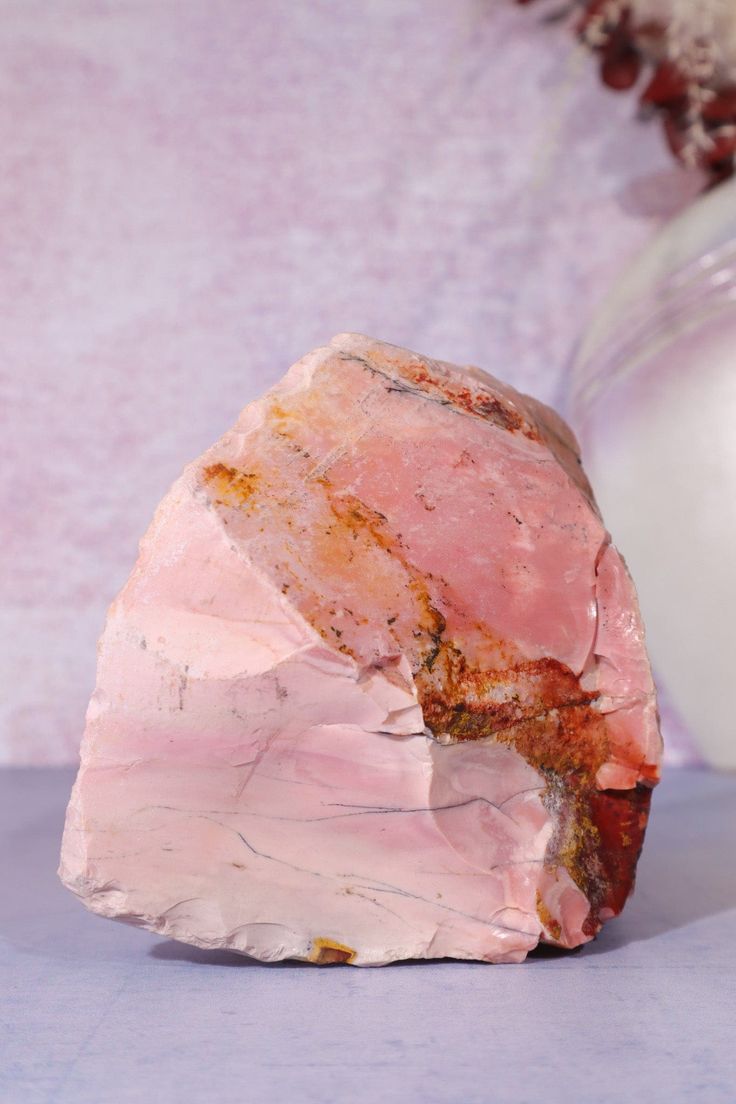
Pink Opal
Pink Opal deepens Thulite's softness and gives emotional release a quieter, more soothing pace. This pairing works well for tender reflection, helping old feelings rise gently so they can be acknowledged without overwhelm.
Healing
Thulite connects with moments when the heart feels tender but guarded, especially when feelings need space to move without being rushed. It can help soften inner pressure so care, confidence, and honest expression sit closer together.
It is often chosen when emotions feel mixed with self-doubt, social strain, or the strain of change. Thulite works with a steadier emotional rhythm, helping the wearer stay present with what is true rather than folding feelings away.
Affirmations
Hold Thulite at the Heart or Throat area and choose an affirmation that matches the mood of the day.
Repeat it slowly a few times, then let the words guide one small action that reflects them.
- I speak with warmth and clarity
- I trust my feelings
- I honour my boundaries
- I stay open and steady
- I let kindness lead
Intention Setting
Thulite can help set intentions that feel tender, direct, and workable in daily life.
It is useful when the heart wants to stay open while still choosing what feels respectful and true.
- I choose honest, kind expression
- I protect my peace with care
- I welcome balanced relationships
- I move through change with grace
- I let my heart stay steady
Manifesting
Thulite supports manifesting that begins with self-worth, emotional honesty, and a willingness to be seen. It keeps attention on what nourishes connection rather than what drains it.
It is often used when goals involve confidence, heartfelt communication, or a calmer response to pressure. Thulite helps the mind stay with the next right step instead of drifting into doubt.
- I welcome relationships that feel respectful
- I express myself with ease
- I stay calm in emotional moments
- I trust my inner guidance
- I move towards what feels aligned
Jewellery
Thulite jewellery works differently depending on where it is worn, so the reminder can land near the mind, the hands, or the heart. That placement shapes how the stone is felt through the day, whether the need is clearer speech, steadier choices, or a kinder inner voice.
General benefits: Wearing Thulite jewellery keeps its gentle, heart-led tone close through the day. It serves as a reminder to stay warm without losing self-respect, and to answer from the centre rather than from tension. It is especially helpful on busy days, during emotional conversations, or when change asks for a softer kind of courage.
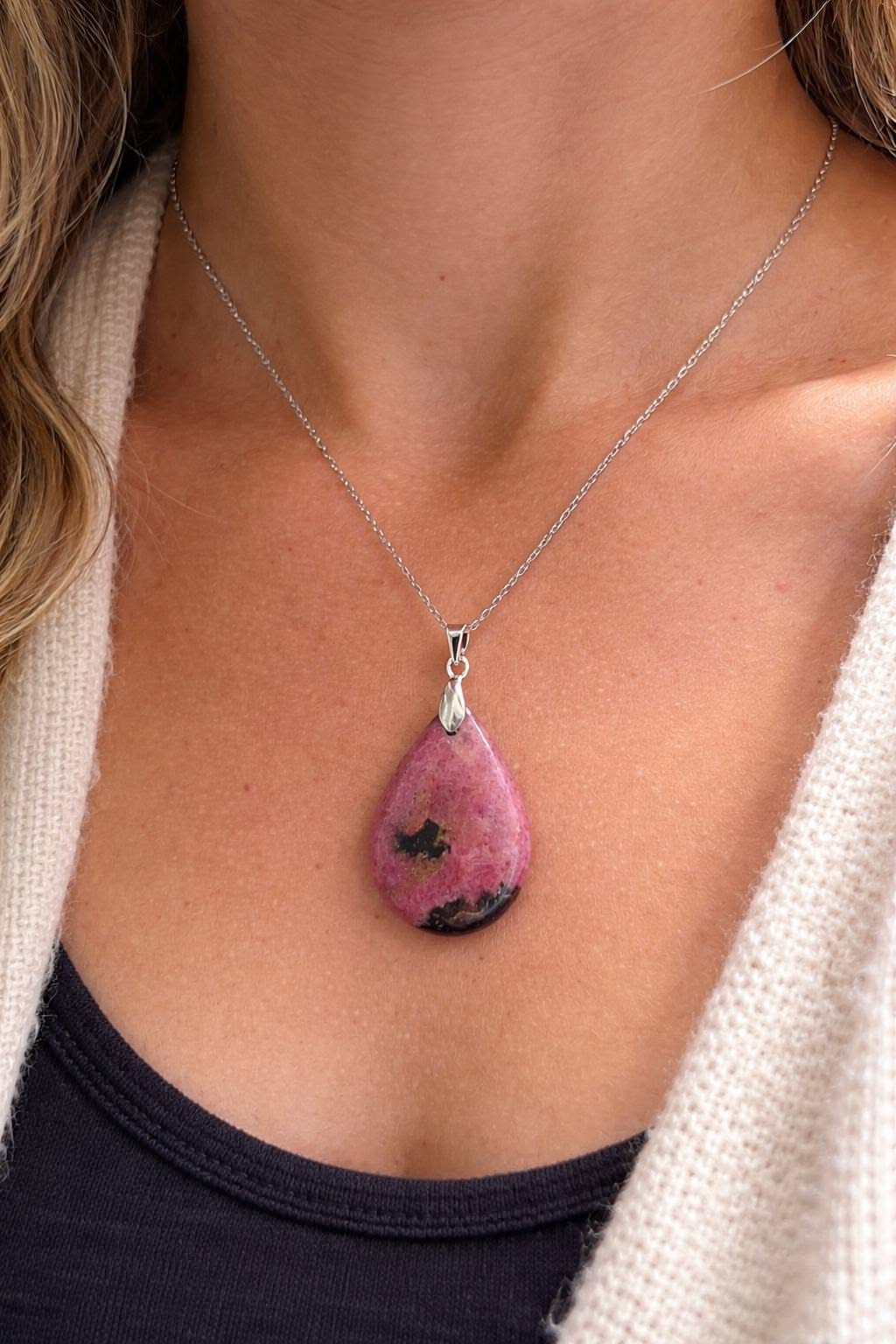
Necklace
A Thulite necklace keeps the stone close to the heart, where it can support emotional honesty and a calmer way of holding feelings. It is often chosen for days when the wearer wants to stay open without becoming overwhelmed. It can also act as a quiet cue to lead with care in close relationships.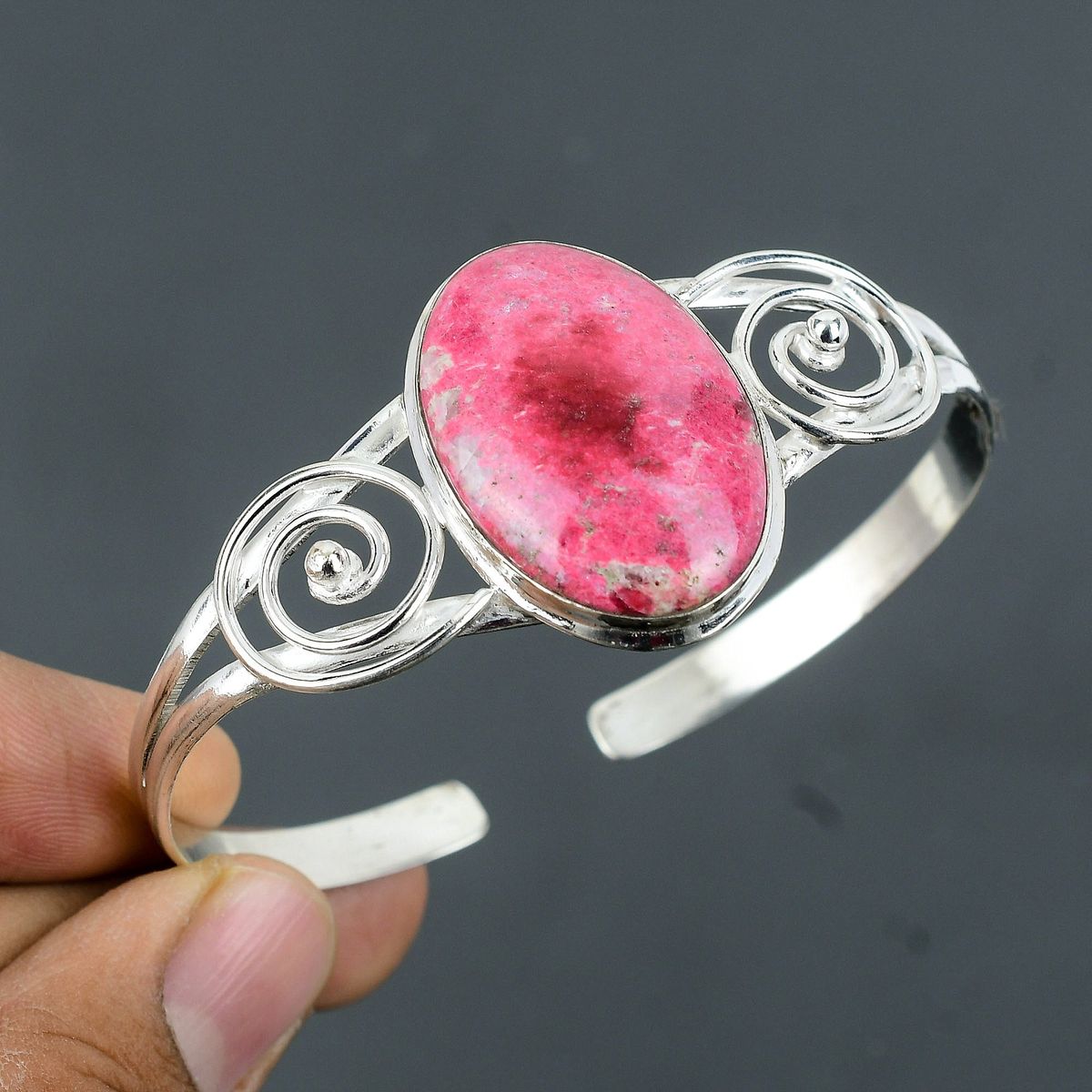
Bracelet
Thulite on the wrist brings its reminder into daily movement, especially when the hands are busy and the mind is moving quickly. It can help keep reactions measured and intentions clear while making choices, writing, or speaking. Many people use it when they want to stay centred through changing plans.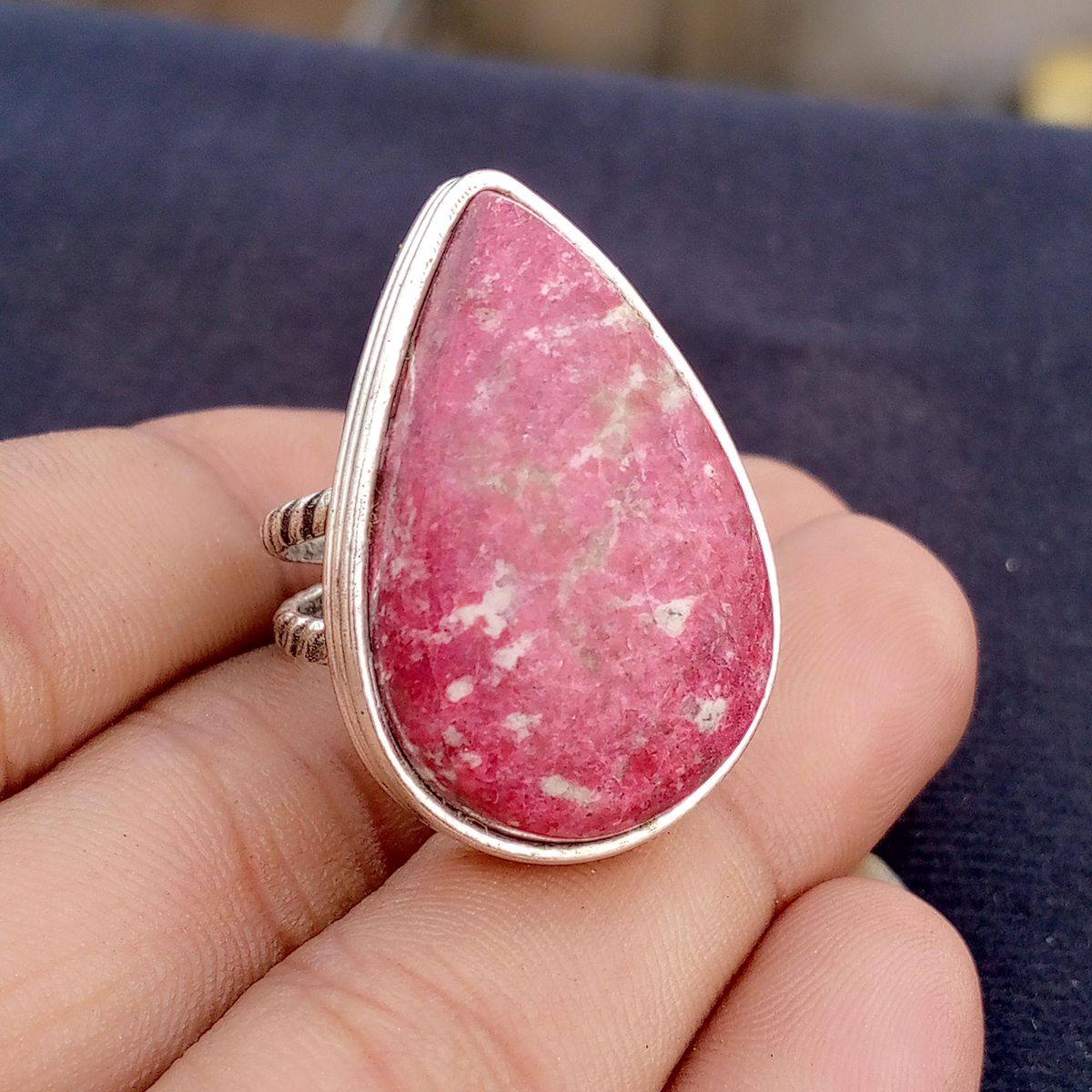
Ring
A Thulite ring places the stone where it is noticed often, which helps keep self-worth and emotional balance in view. It can support moments that call for a calm response, a firm boundary, or a more compassionate self-talk. It is a practical choice for carrying the stone's message into ordinary decisions.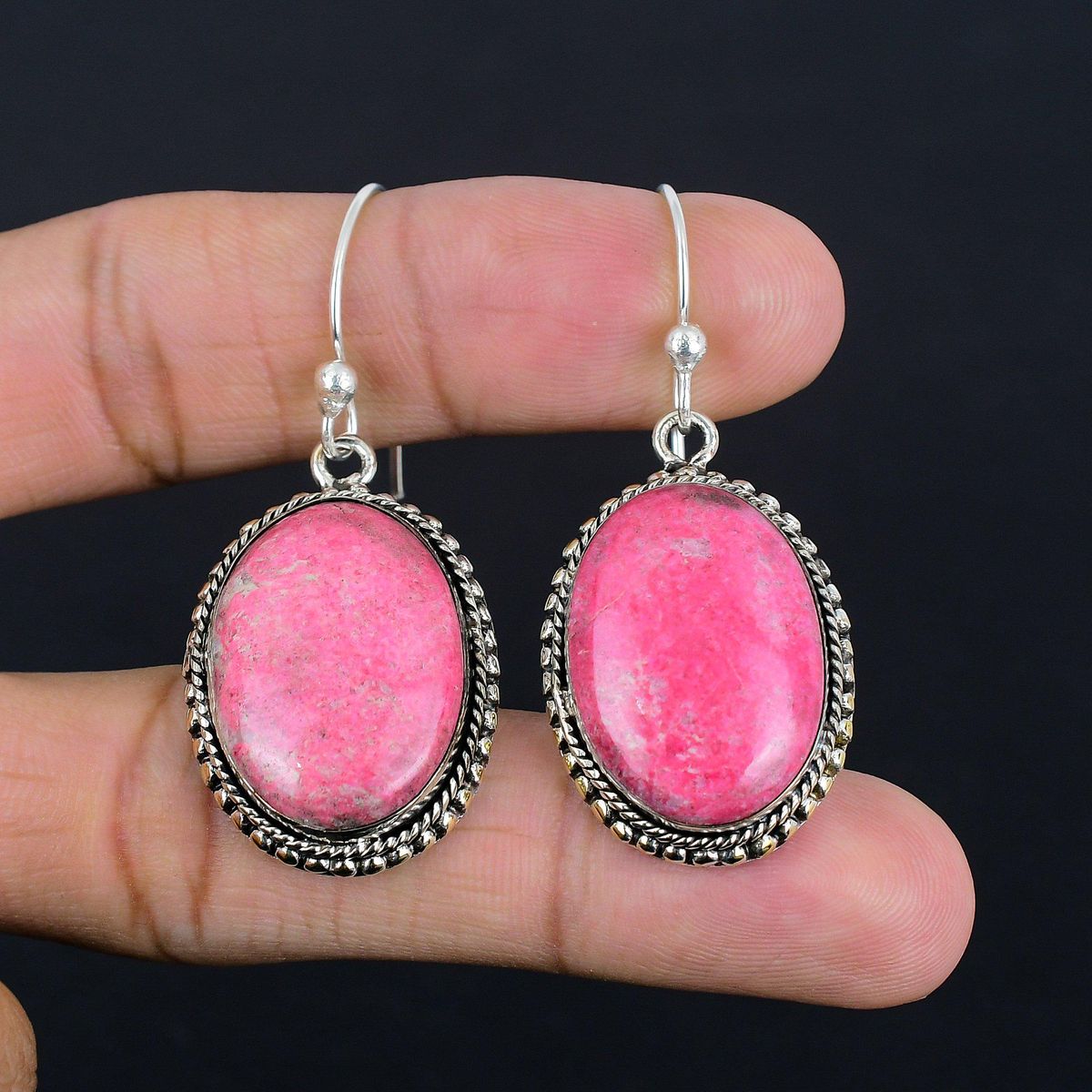
Earrings
Thulite earrings sit close to the head and can be used when thoughts need softening before they become words. They work well for conversations that ask for tact, listening, and a steady tone. They also help keep the inner field from becoming crowded with other people's moods.Forms
Different Thulite forms shift how its energy is carried, from something more grounded and held to something more direct and immediate. Choose the form that matches the kind of support needed, whether that is quiet reassurance, a clearer emotional boundary, or a stronger sense of heart-centred presence.
Rough
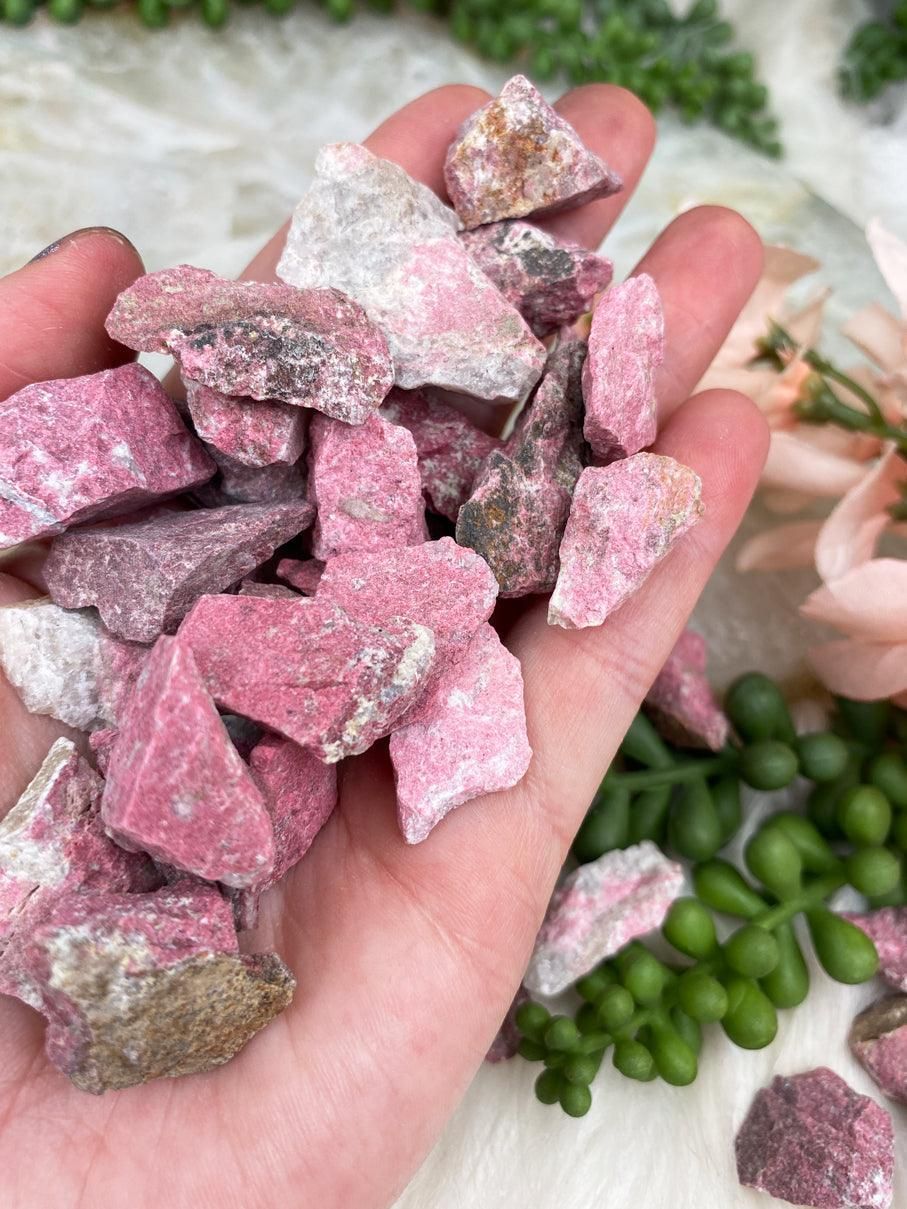
Rough Thulite feels direct and unpolished. It is often used for simple heart work and steady emotional grounding.
Palm Stone
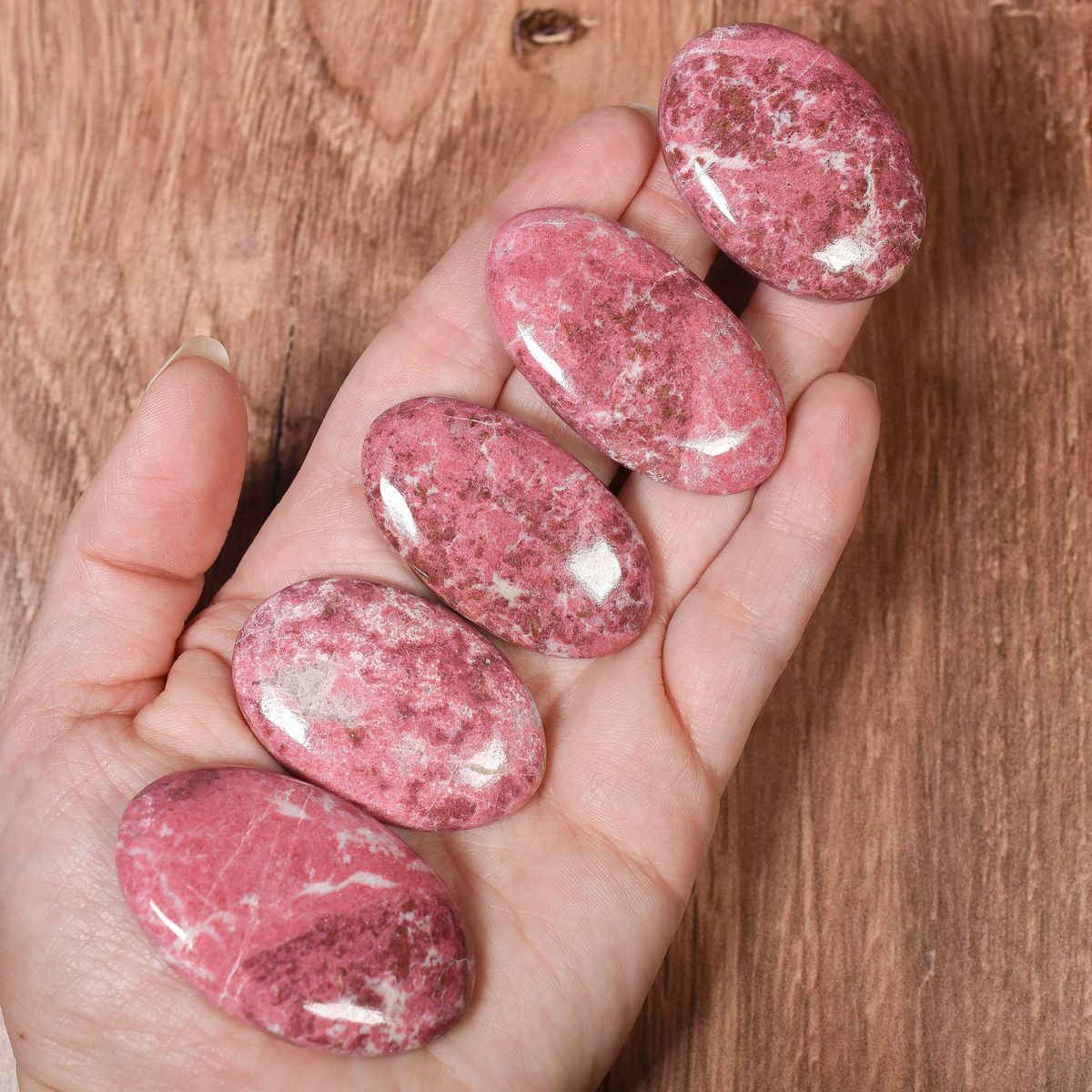
A palm stone gives Thulite a held, comforting feel. It works well in moments when the hands need something steady while the emotions settle.
Tumble Stone
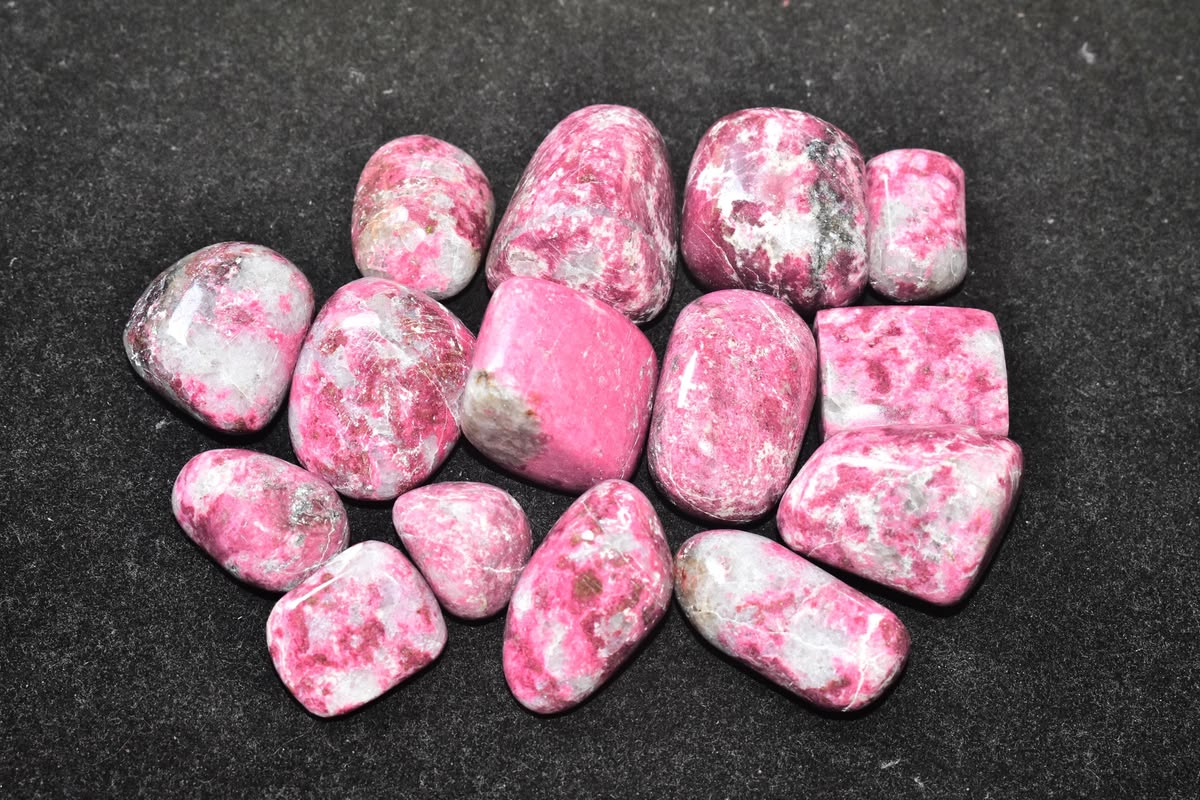
Tumbled Thulite carries a softer, easier rhythm. It is useful for keeping close during the day as a small reminder to stay kind with oneself.
Sphere
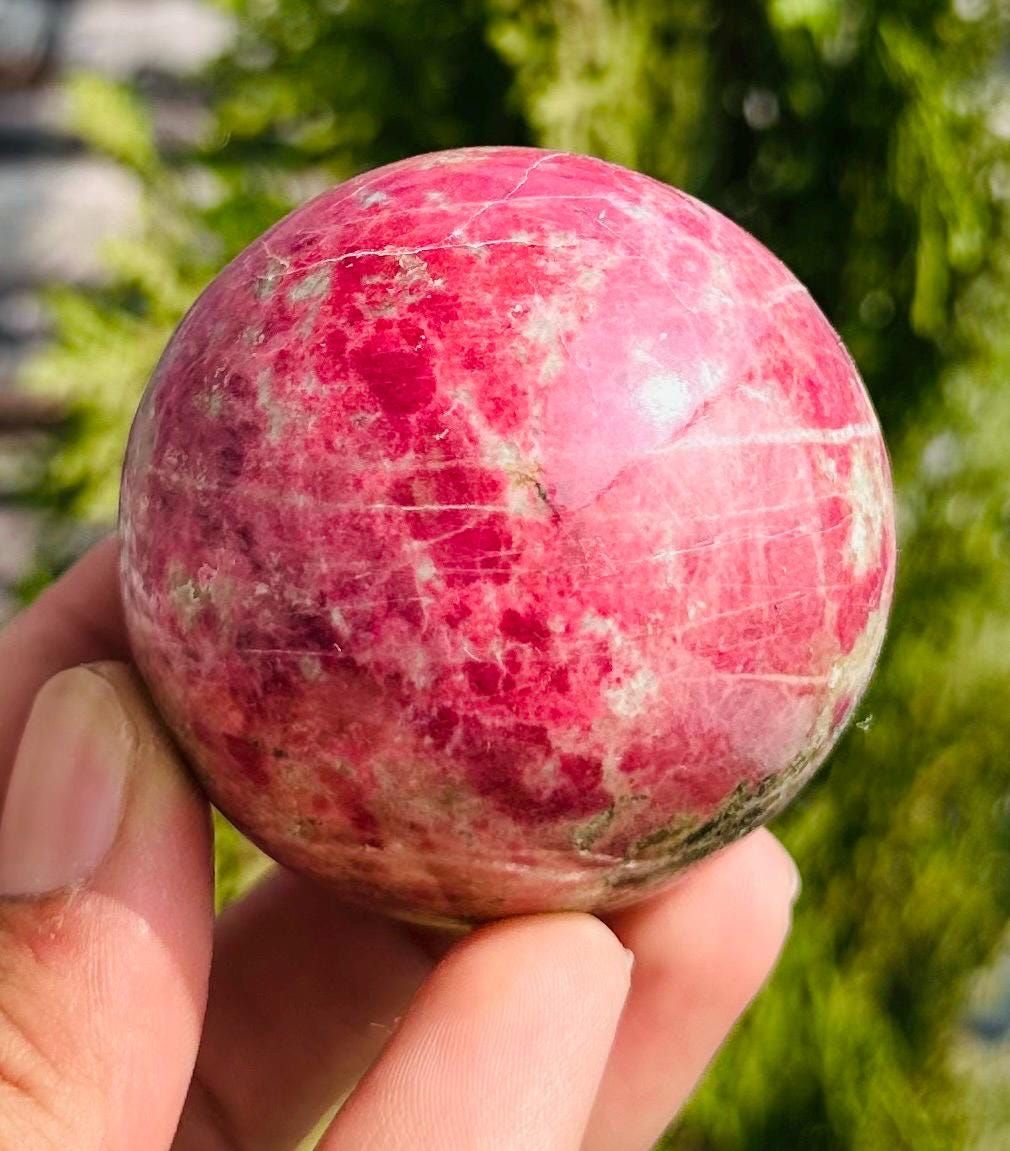
A sphere spreads Thulite's energy evenly in a space. It is often chosen when the aim is to keep the emotional atmosphere gentle and coherent.
Heart
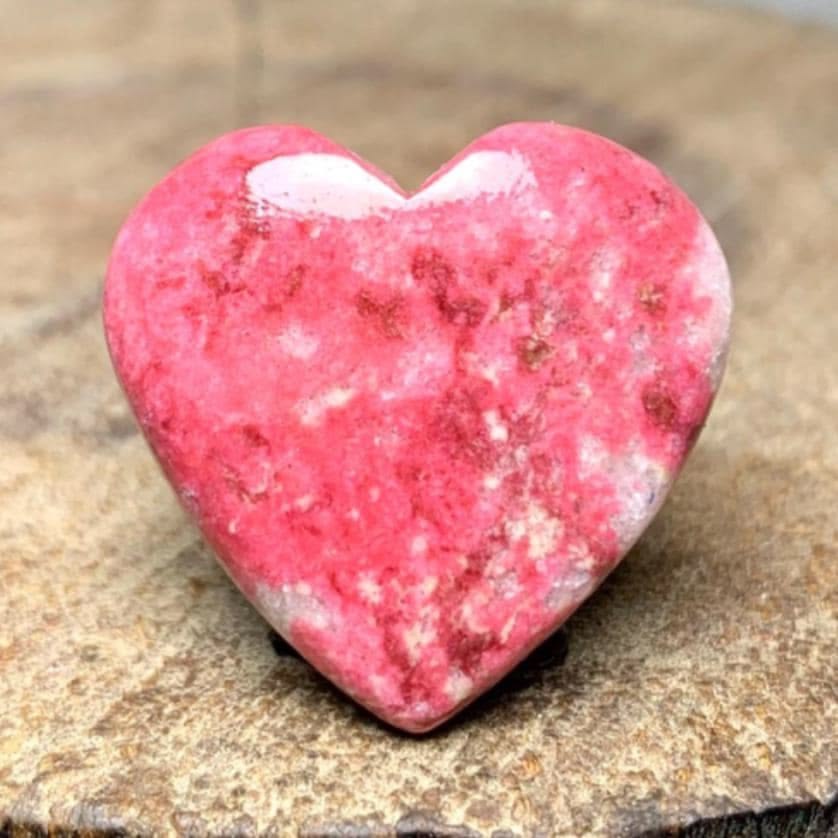
A heart-shaped Thulite piece keeps the message direct and devotional. It is a simple form for holding affection, self-respect, and emotional care in one place.
Cleansing & Charging
Thulite benefits from a gentle reset after emotional conversations, crowded days, or periods when it has been held often. A calm cleansing routine helps clear away the residue of other people's moods and brings the stone back to its own steady tone.
How to cleanse Thulite
- Place Thulite in moonlight overnight, especially under a full moon, to give it a soft and spacious reset.
- Use sound cleansing with a singing bowl, chime, or clear voice for a brief, gentle clearing.
- Rest it beside selenite or clear quartz for several hours to help lift away heavy emotional residue.
- If smoke cleansing is preferred, pass it through a light wash of sage or incense smoke without lingering too long.
How to charge Thulite
- Set Thulite in soft morning light for a short time, keeping it away from strong direct sun.
- Place it beside selenite or clear quartz on a plate, bowl, or cloth while holding a clear intention.
- Leave it in quiet meditation with a simple heart-centred focus so its energy can settle back into balance.
- Return it to a calm place after charging, then use it with a fresh intention for the day ahead.
Where to Use
Choose places where Thulite can support the small moments that shape the day, especially where the heart needs reassurance and the voice needs to stay calm.
In a pocket, Thulite stays close through conversations, errands, and moments of uncertainty. It can be touched before speaking to help the wearer pause, breathe, and answer with more care. This is a simple place for carrying emotional steadiness into ordinary life.
Front Door
Near the front door, Thulite can act as a threshold stone for the energy that comes in and goes out. It is useful for setting a tone of warmth, self-respect, and calm before stepping into the wider world. Many people keep it there as a reminder to leave stress at the edge and return home more gently.
Desk
On a desk, Thulite helps keep the emotional field clear while decisions, messages, and deadlines move through the day. It can soften self-criticism and support a more balanced response to pressure. This makes it a useful companion for work that asks for both focus and heart.
Altar
On an altar, Thulite brings a devotional quality to self-care and emotional healing. It can be placed with candles, written intentions, or other heart-centred stones when the aim is to stay open without losing inner structure. The space becomes a quiet place to return to honesty and compassion.
Science
Physical properties
- Mineral class
- Sorosilicate
- Color
- Pink to reddish-pink, salmon pink, often with white, grey, or black veining
- Hardness
- 6 - 7
- Density
- ~3.1 - 3.4 g/cm3
- Durability
- Good
- Thermal stability
- Good
Optical properties
- Transparency
- Translucent to opaque
- Lustre
- Vitreous to pearly
- Refraction index
- ~1.69 - 1.70
Chemical composition
- Class
- Sorosilicate
- Formula
- Ca2Al3(SiO4)(Si2O7)O(OH)
- Group
- Zoisite
- Magnetic
- Non-magnetic
Formation
Thulite is the pink variety of Zoisite, a calcium aluminium sorosilicate whose colour comes from manganese taking the place of small amounts of aluminium in the crystal structure. It forms during regional metamorphism, when existing rocks are changed by heat and pressure, and it is commonly found with quartz, feldspar, epidote, and calcite in manganese-rich settings.
Because Thulite is generally translucent to opaque rather than transparent, it is most often cut as cabochons, beads, carvings, and other ornamental pieces. Its good durability and thermal stability support that use, while the pink to reddish-pink body colour, sometimes marked with white, grey, or black veining, gives it a distinctive place within the Zoisite family.
Locations
- Norway
- Austria
- United States
- South Africa
- Australia
History
Discovered in Norway
1820s
Thulite was first identified in Norway, where its pink zoisite deposits drew attention for their unusual colour and decorative promise. Early finds stood out among local minerals because the stone carried a softer, warmer tone than many other rocks from the same region. That distinct appearance helped establish Thulite as a mineral of both geological and ornamental interest.
Named after the legendary island of Thule
19th century
The gemstone takes its name from Thule, the ancient Greek and Roman term for the far north. This naming reflects both its Scandinavian discovery and the sense of distance and northern origin attached to the stone. The name gave Thulite a cultural identity that linked it to place as well as mineral character.
Recognised as the pink variety of Zoisite
19th to 20th century
Mineralogists established Thulite as a manganese-rich variety of Zoisite, with manganese responsible for its characteristic pink colouring. This clarified its place within the Zoisite family and distinguished it from other members such as Tanzanite. The identification also helped explain why Thulite appears in shades from rose pink to reddish pink, often with white or darker veining.
Popular ornamental and lapidary stone
20th century
As interest in decorative minerals grew, Thulite became valued for carvings, cabochons, beads, and polished objects. Its good toughness made it practical for lapidary work, while its colour gave it a steady appeal in jewellery and display pieces. Over time, it found a place in collections where beauty, craft, and mineral identity were all part of its draw.
Valued by collectors and crystal enthusiasts
Present day
Today, Thulite is appreciated both as a collector's mineral and as a stone with a warm spiritual reputation. Modern crystal traditions connect it with love, joy, confidence, and emotional openness, while mineral collectors continue to value it as a distinctive pink member of the Zoisite family. Its appeal rests in that balance between geological rarity, lapidary usefulness, and symbolic meaning.
Got questions?
We've got answers!
FAQ's
What is Thulite used for?
+×
Thulite is often chosen as a heart-centred stone for love, joy, confidence, compassion, and emotional balance. It is commonly kept close during conversations, reflection, or moments that call for kinder self-expression and steadier feelings.
In practical use, it suits jewellery, pocket stones, and small altar pieces. Many people place it where they want a gentle reminder to stay open-hearted without losing their footing.
What makes Thulite pink?
+×
Thulite is the pink variety of Zoisite, and its colour comes from manganese within the crystal structure. That manganese-rich chemistry gives it shades that can range from rose pink and salmon pink to reddish pink, sometimes with white veining.
It is generally translucent to opaque rather than clear, which is part of its appeal in cabochons, carvings, and polished pieces. The colour is one of the main reasons it stands out among the Zoisite family.
Which zodiac signs are connected to Thulite?
+×
Thulite is most often linked with Taurus and Libra. For Taurus, it brings warmth to a steady, grounded nature, while for Libra it supports graceful expression and balanced choices.
Its Venus connection fits both signs well, as the stone is associated with affection, harmony, and thoughtful relating. It is often used when the aim is to keep the heart open while staying calm and centred.
What chakra does Thulite activate?
+×
Thulite is connected with the Heart chakra. It is commonly used for gentle opening, emotional honesty, and a more secure sense of compassion.
In practice, it is often held near the chest during quiet reflection or worn as a pendant to keep that heart-led focus close through the day. Its energy is usually described as warm, steady, and reassuring rather than intense.
How should Thulite be cleansed and charged?
+×
Thulite responds well to gentle cleansing methods such as moonlight, sound, smoke, or resting beside selenite or clear quartz. A soft overnight moonlight cleanse is especially suitable, while strong or prolonged direct sunlight is best avoided.
To charge it, place it in morning natural light for a short time, set it with clear quartz or selenite, or leave it in quiet meditation with a simple intention. Afterward, it is best returned to a calm place so its tone stays clear and balanced.