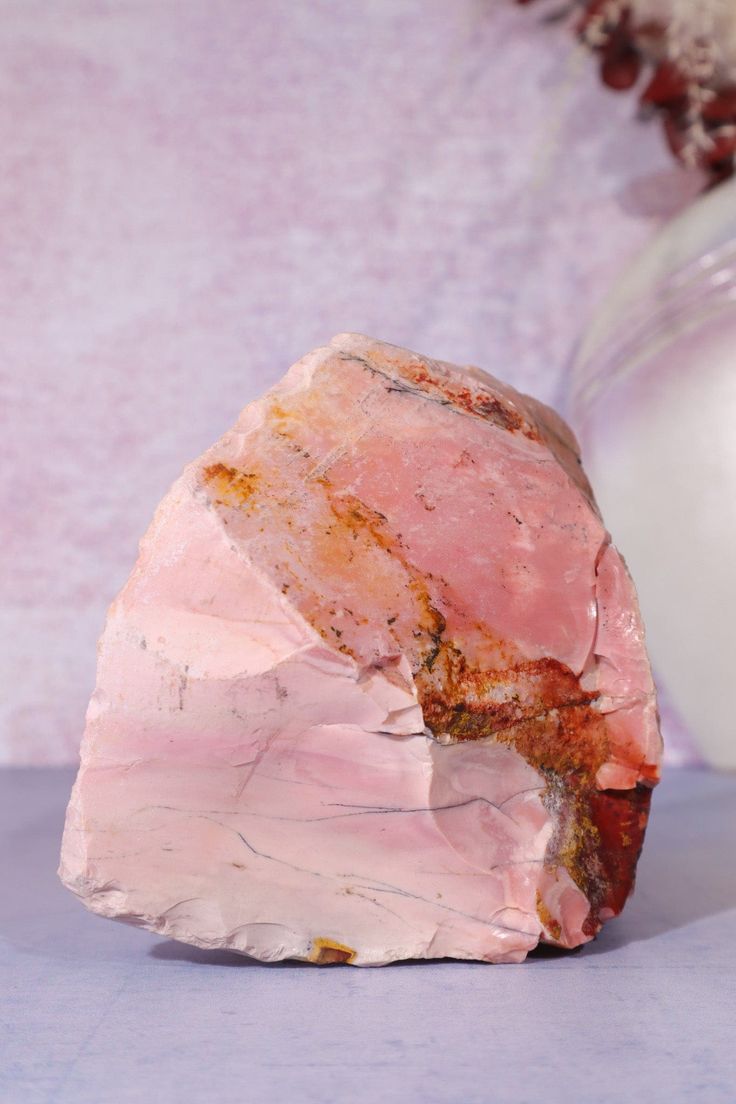
Pink Opal Crystal, Benefits and Meanings.
Pink Opal meaning centres on emotional comfort, gentle love, and a softer return to the self.
Metaphysical & Spiritual
Pink Opal works with the inner field in a soft, absorbing way, especially when feelings have gathered in the chest and need space to move. Its energy does not push for release; it settles beside emotion and helps it become easier to hold, name, and soften. This stone carries a tender kind of heart wisdom. It brings comfort to tender places without asking them to harden, and it supports the quiet repair that happens when the heart is given time, gentleness, and honest care. Pink Opal also connects with the rhythm of emotional trust. It helps keep sensitivity from turning into overwhelm, and it can bring a calmer pace to self-talk, relationships, and the private moments where the heart decides whether to stay guarded or open.

Planet

Venus
Pink Opal carries Venusian energy through affection, receptivity, and the desire to relate with grace. It brings warmth to the heart without forcing performance, and it keeps love feeling sincere rather than polished.
Element
Water
Pink Opal works with Water by moving through feeling rather than around it. It brings emotional flow, helping the inner world stay supple enough for comfort, reflection, and gentle release.

Crystal Pairings
Pink Opal pairings tend to work best when the aim is to soften the edges without losing direction. It sits well beside stones that steady the body, clear the mind, or keep the heart open while the rest of the field stays organised and calm.
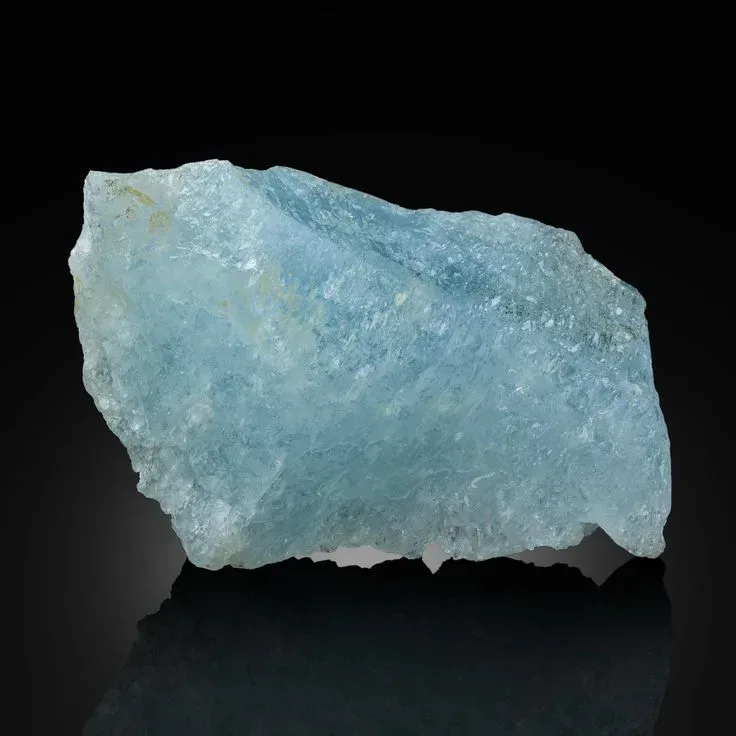
Aquamarine
Aquamarine brings a clear, cooling current that helps Pink Opal express feeling without overwhelm. Together, they support honest speech that stays soft at the edges and steady in the throat.
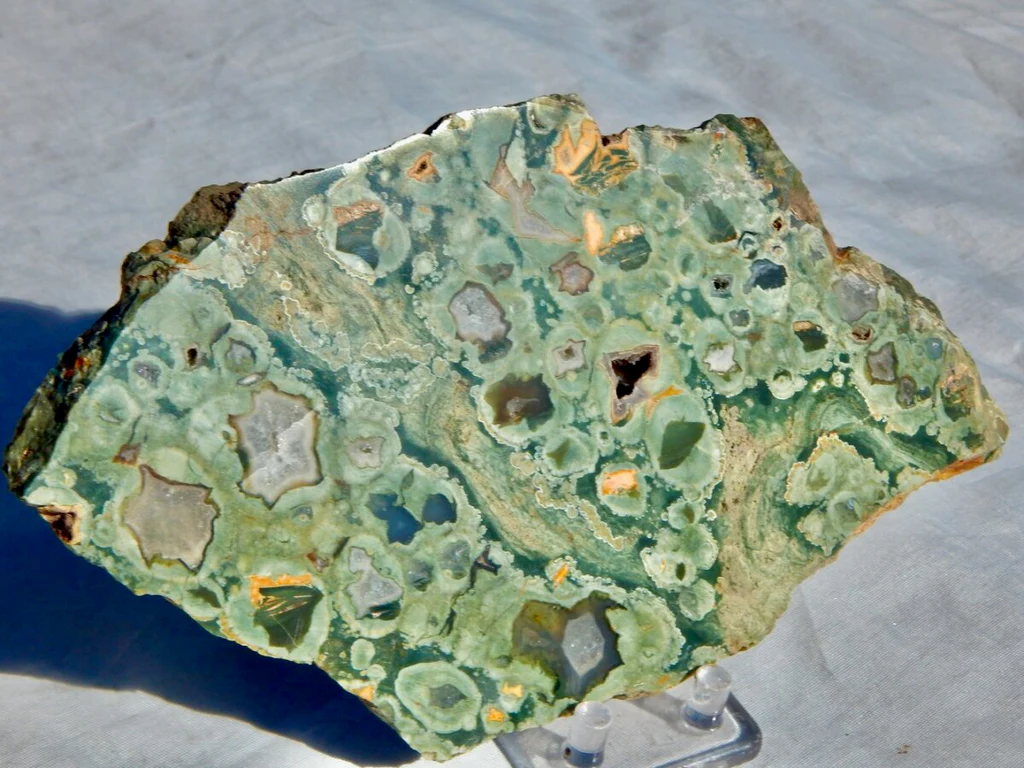
Rhyolite
Rhyolite adds grounded movement to Pink Opal's gentler emotional tone, helping feelings settle into practical change rather than staying suspended. The pairing works well when the heart needs reassurance and the day still asks for action.
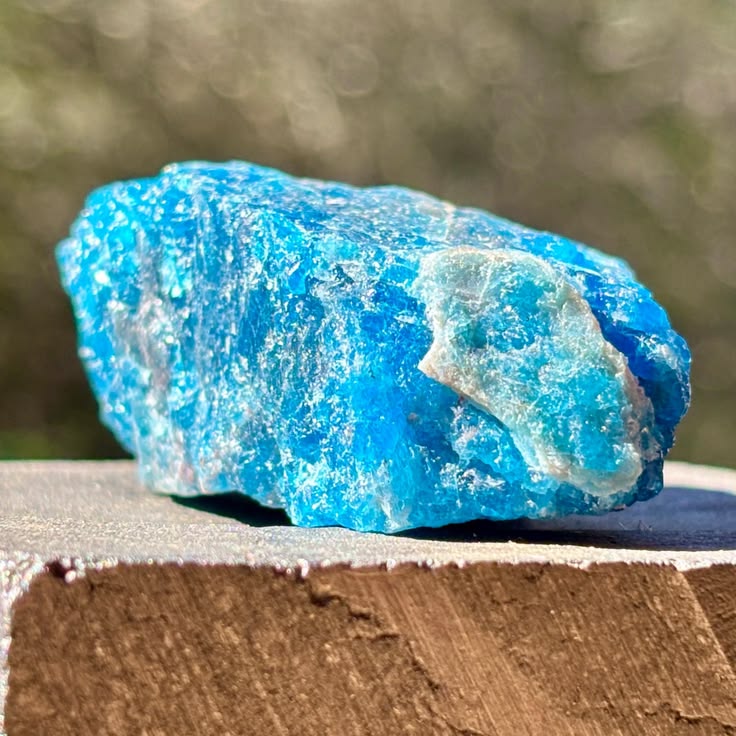
Blue Apatite
Blue Apatite sharpens focus and gives Pink Opal a cleaner line of intention. This pairing helps keep compassion from drifting into vagueness, so insight, communication, and emotional clarity move together.
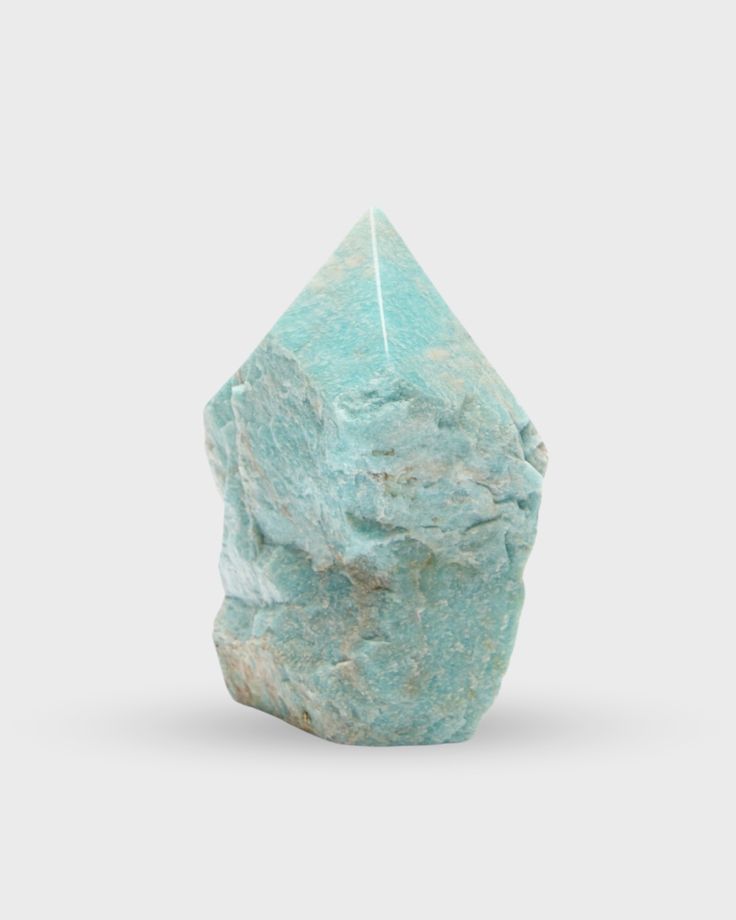
Amazonite
Amazonite strengthens calm boundaries beside Pink Opal's softer heart-centred energy. The two stones support truthful expression that remains kind, especially when a conversation needs both tenderness and firmness.
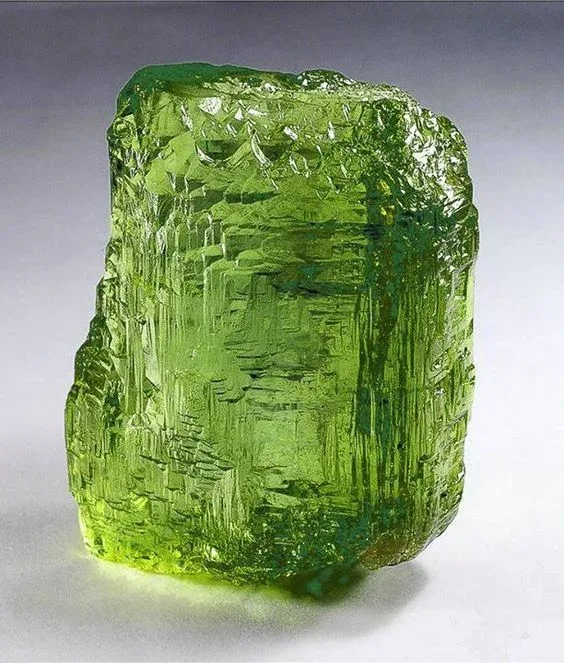
Peridot
Peridot brings a brighter, more renewing current that helps Pink Opal release old emotional weight. Together they support a lighter inner atmosphere, where the heart can soften without carrying what no longer belongs.
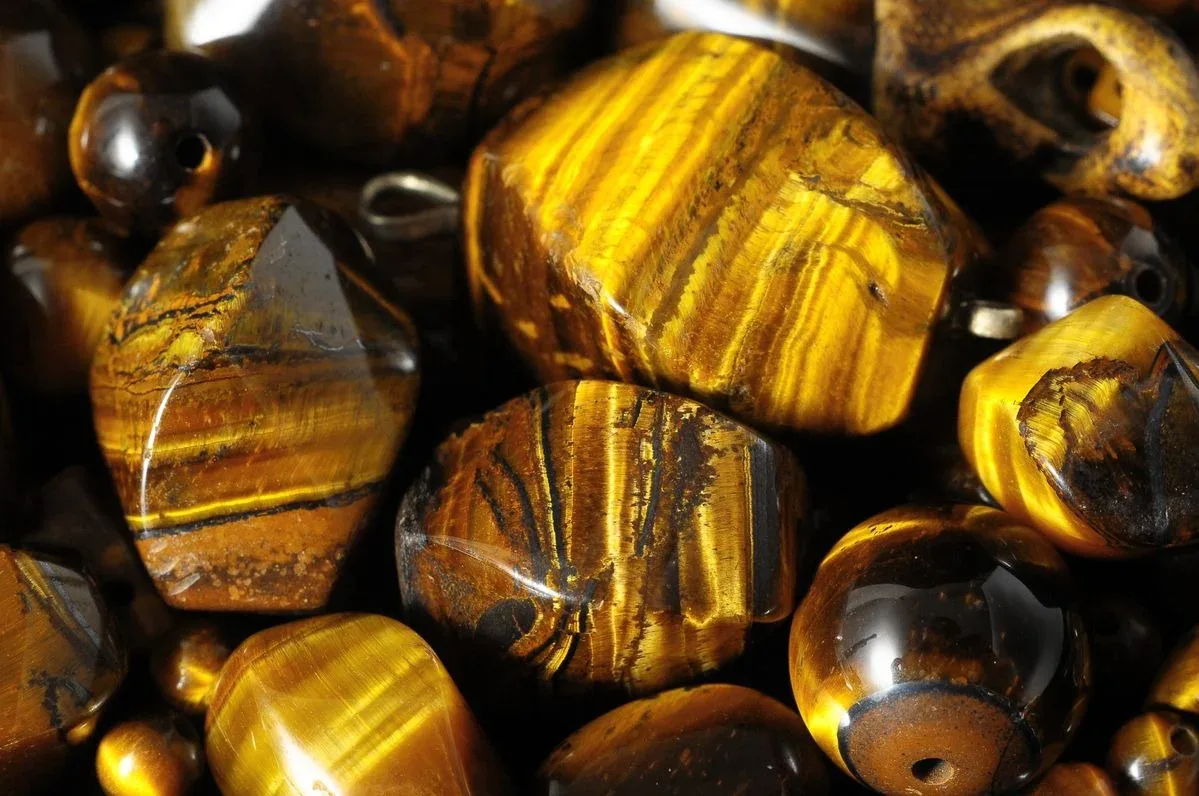
Tigers Eye
Tigers Eye gives Pink Opal structure, courage, and a steadier sense of self. This pairing is useful when compassion needs backbone, helping the heart stay open while decisions remain clear and grounded.
Healing
Pink Opal connects with moments when feelings sit close to the surface and the body wants a softer pace. It is often used when the heart needs comfort without being crowded, and when the nervous system feels better with fewer demands, fewer sharp edges, and more room to breathe.
It also works with the quiet work of change, especially when old tenderness is still being carried into new situations. Pink Opal can help keep the inner field gentle while boundaries are being learned, spoken, or held in place.
Affirmations
Hold Pink Opal at the Heart area and choose an affirmation that matches the mood of the day.
Say it slowly a few times, then let one small action follow so the words have somewhere to land.
- I welcome gentle love
- I speak with a soft and steady voice
- I honour what I feel
- I keep my heart open and clear
- I move through change with grace
Intention Setting
Pink Opal can support intentions that ask for tenderness, emotional honesty, and a calmer pace of healing.
It is useful when the aim is to stay kind without losing clarity, especially around what needs to soften and what needs to stay firm.
- I choose gentle emotional clarity
- I protect my peace with care
- I meet change with a calm heart
- I release what feels too heavy
- I let kindness guide my boundaries
Manifesting
Pink Opal supports steady focus when manifesting a more peaceful inner life, kinder relationships, or a softer way of responding under pressure.
It helps keep attention on what is nourishing, so the mind does not drift back into old hurt, overgiving, or self-protection that has gone too rigid.
- I welcome calm and compassionate connections
- I create space for healing and rest
- I trust gentle progress
- I respond with softness and strength
- I allow peace to grow in my life
Jewellery
Pink Opal jewellery works best when the wearer wants the reminder to land in a specific part of the day. Near the mind it can steady self-talk, near the hands it can guide more thoughtful action, and near the heart or throat it can support gentler expression.
General benefits: Wearing Pink Opal jewellery keeps its tender, reassuring tone close through the day. It is a quiet reminder to soften the inner grip, breathe before reacting, and stay kind to the parts of life that still feel delicate. On busy days, during emotional conversations, or while moving through change, it helps keep the heart from hardening and the voice from becoming too guarded.
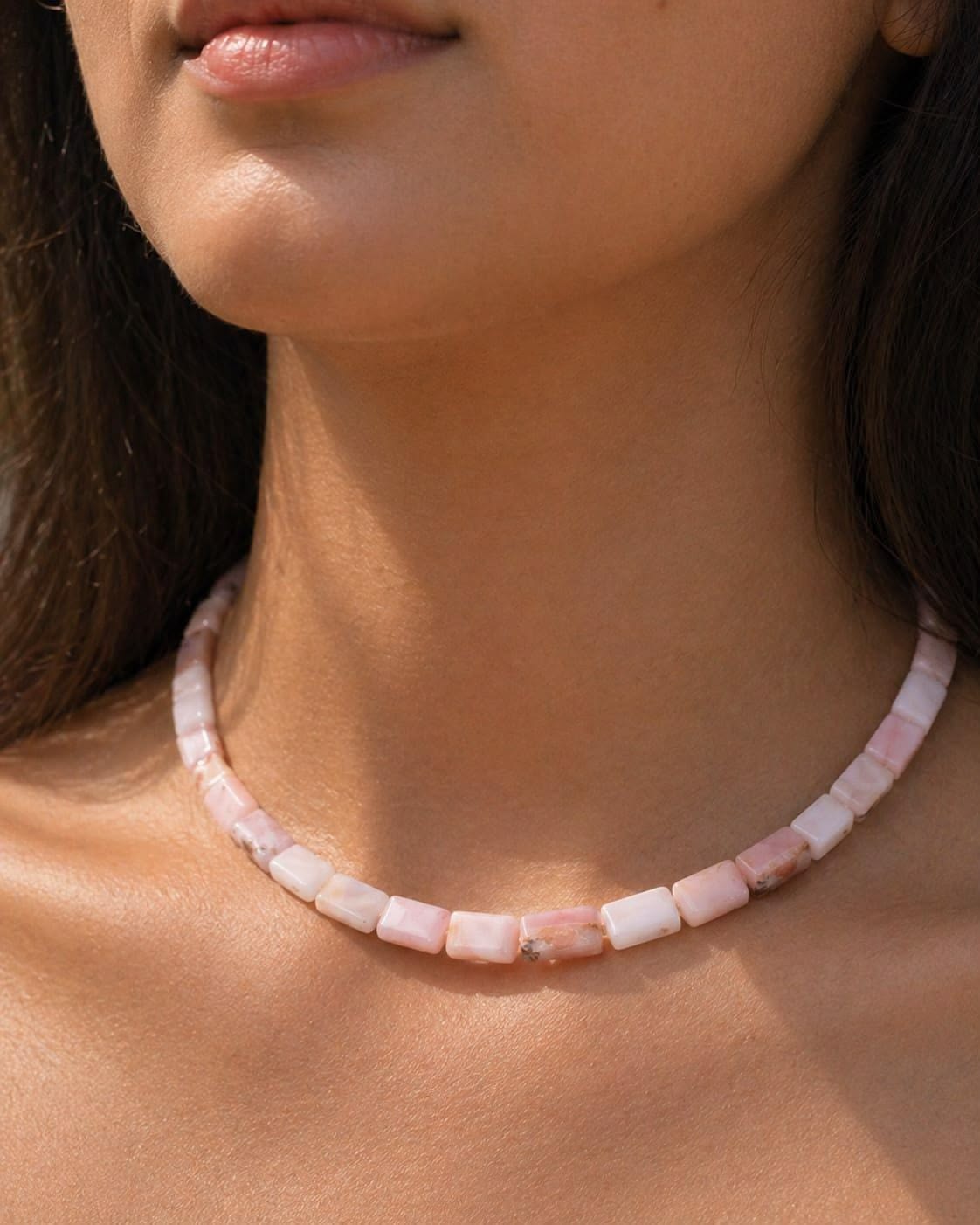
Necklace
A Pink Opal necklace sits close to the heart and keeps the stone's comfort within reach during emotional moments. It can support softer breathing, kinder self-talk, and a more open tone when feelings need to be named. This placement is useful when conversations ask for honesty without force. It helps the wearer stay present with what is true, while still speaking from care.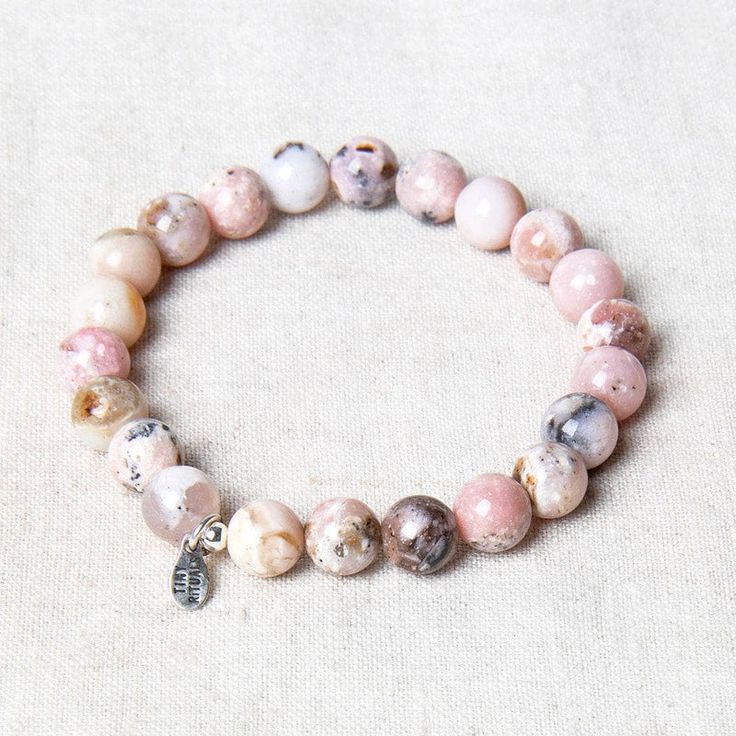
Bracelet
A Pink Opal bracelet brings the reminder into the hands, where choices and daily actions are made. Each glance at the wrist can become a small pause before replying, reaching, or overcommitting. It is a steady companion for days that ask for patience and follow-through. The stone can help keep actions gentle, especially when the mood around the wearer feels hurried or tense.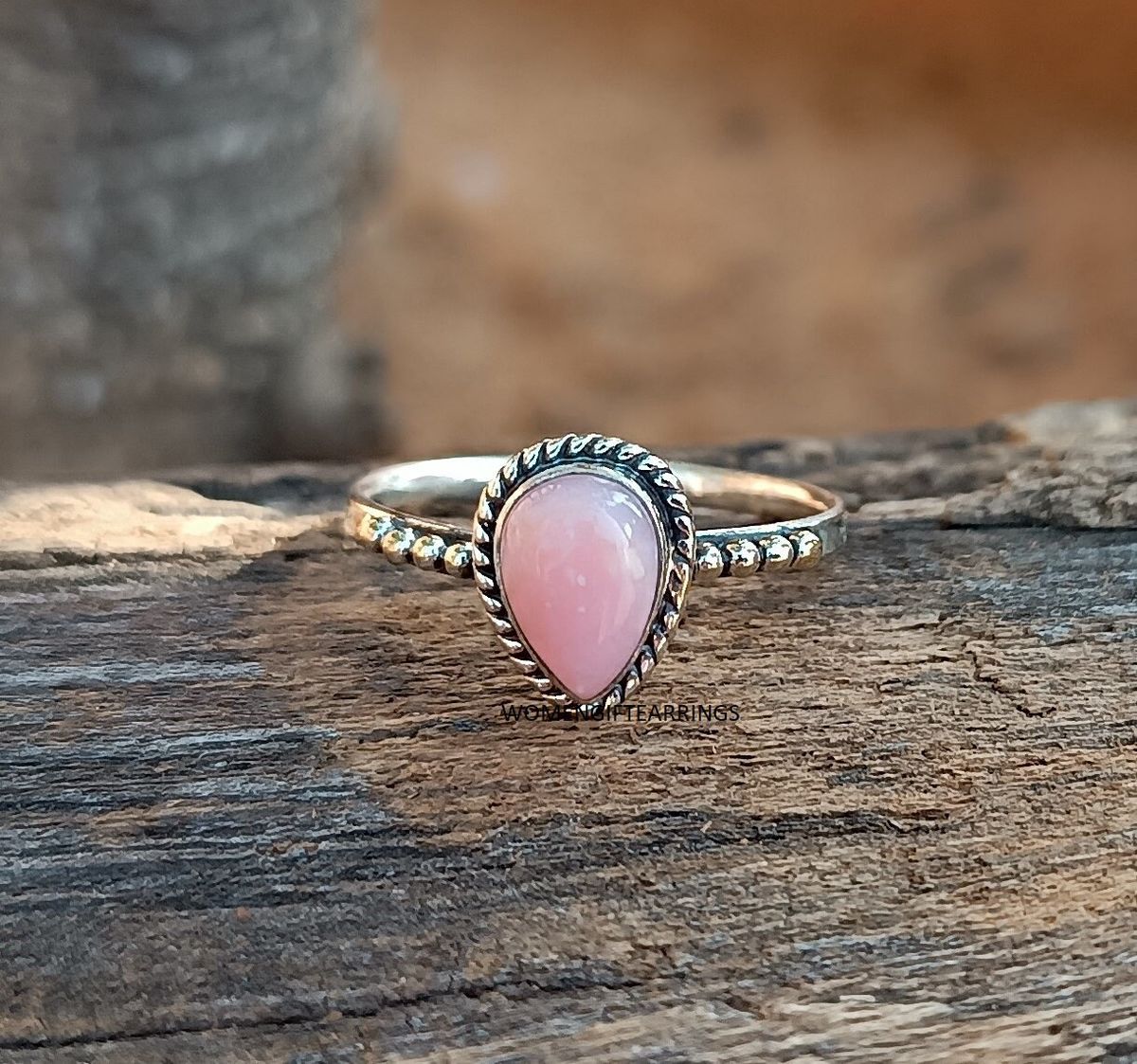
Ring
A Pink Opal ring keeps the energy in view during decisions, self-reflection, and moments of private doubt. It can act as a quiet anchor when the mind starts to tighten or second-guess. This placement works well for setting boundaries with grace. It reminds the wearer that tenderness and firmness can live in the same choice.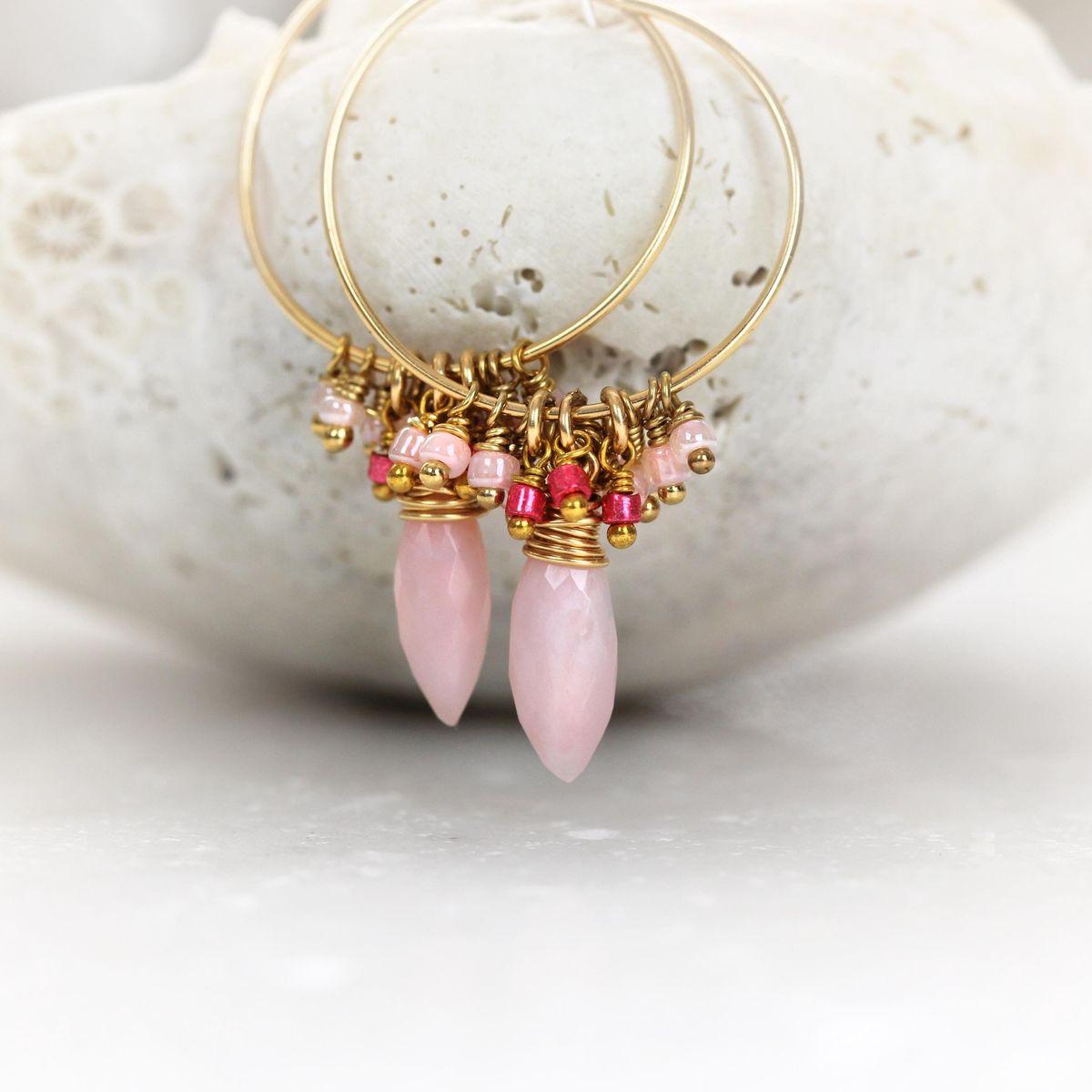
Earrings
Pink Opal earrings sit close to the head and can support a softer inner tone during conversations, meetings, or busy social days. They are useful when listening matters as much as speaking, and when the wearer wants to stay open without becoming unguarded. This placement can help keep words calm and measured. It brings a gentle focus to what is heard, then lets the reply come from a more settled place.Forms
Different Pink Opal forms shift how its energy is held and directed. Some feel more grounding and private, while others give the stone a clearer line for intention, comfort, or quiet emotional release.
Rough
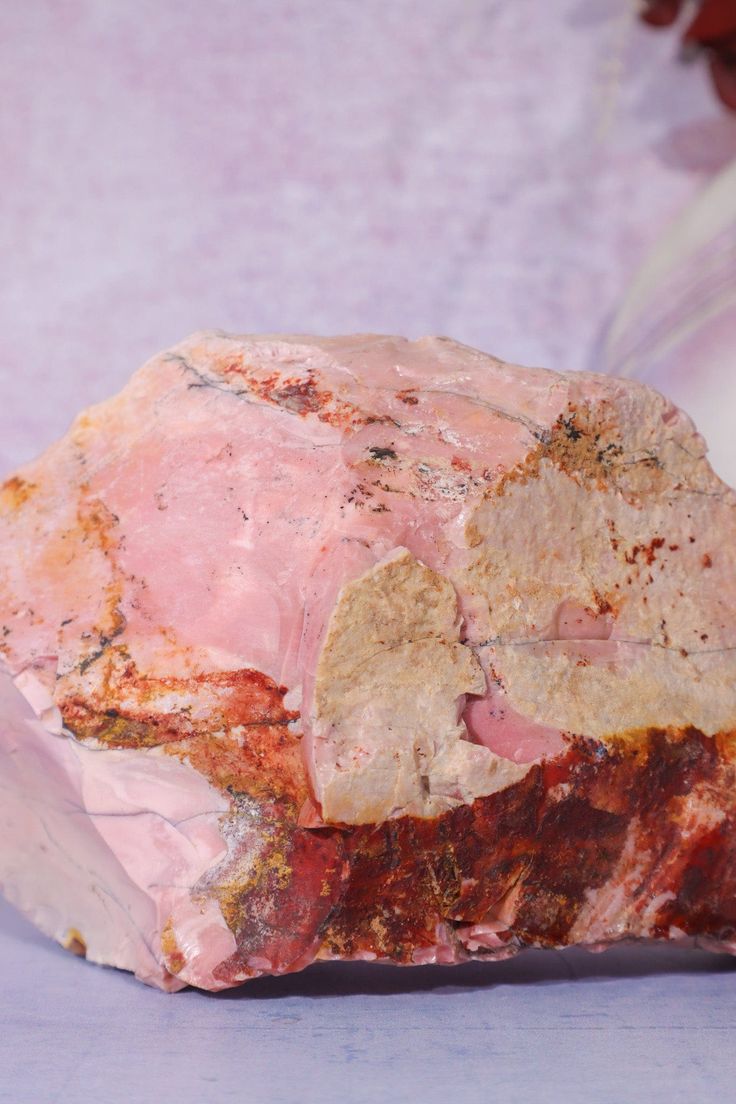
Rough Pink Opal feels direct and unpolished, which suits simple heart work and honest emotional clearing. It keeps the energy close to the earth and easy to sit with.
Point / Tower
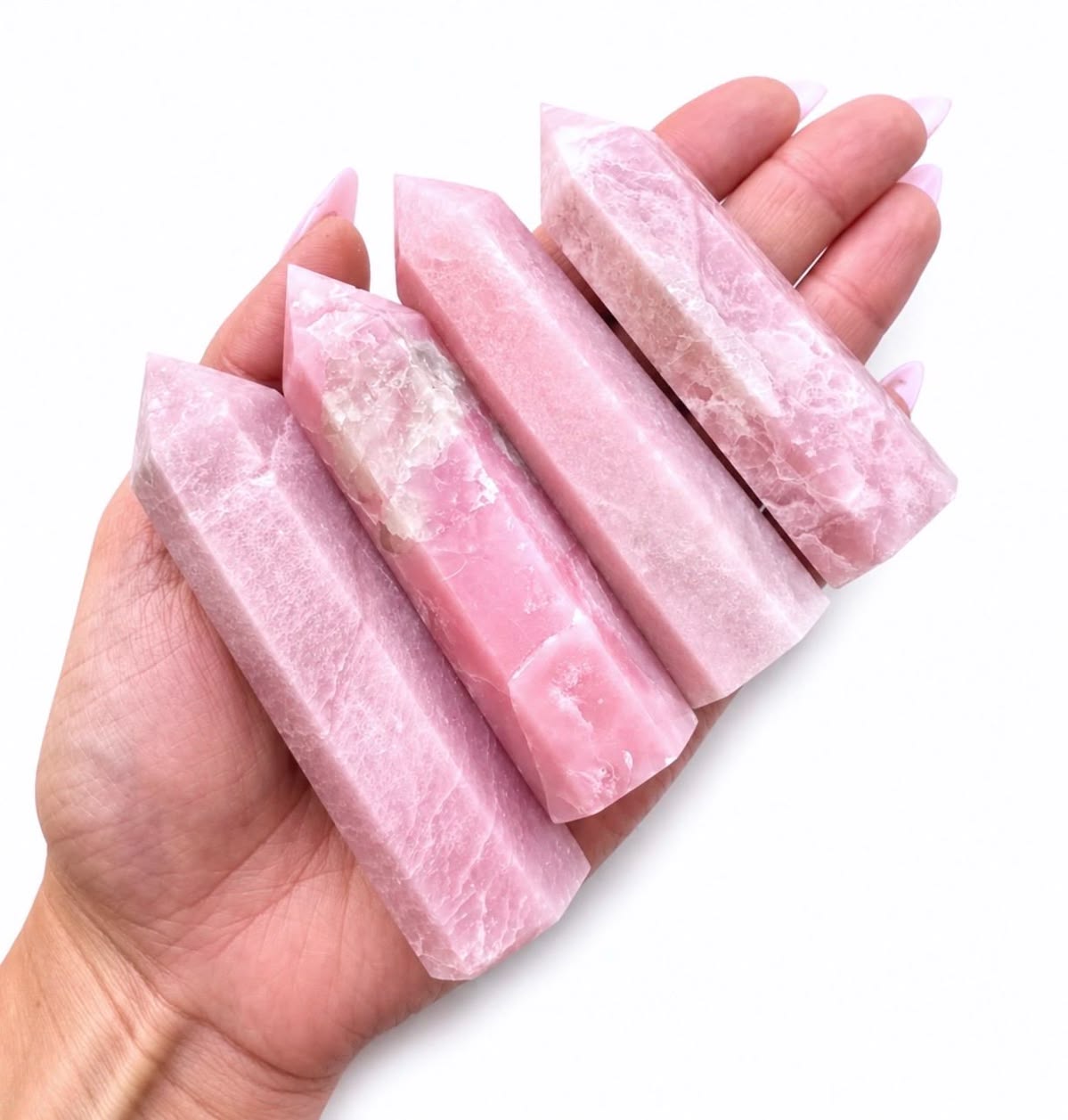
A point or tower gives Pink Opal a more focused direction. It can help gather scattered feelings into one calmer intention.
Sphere
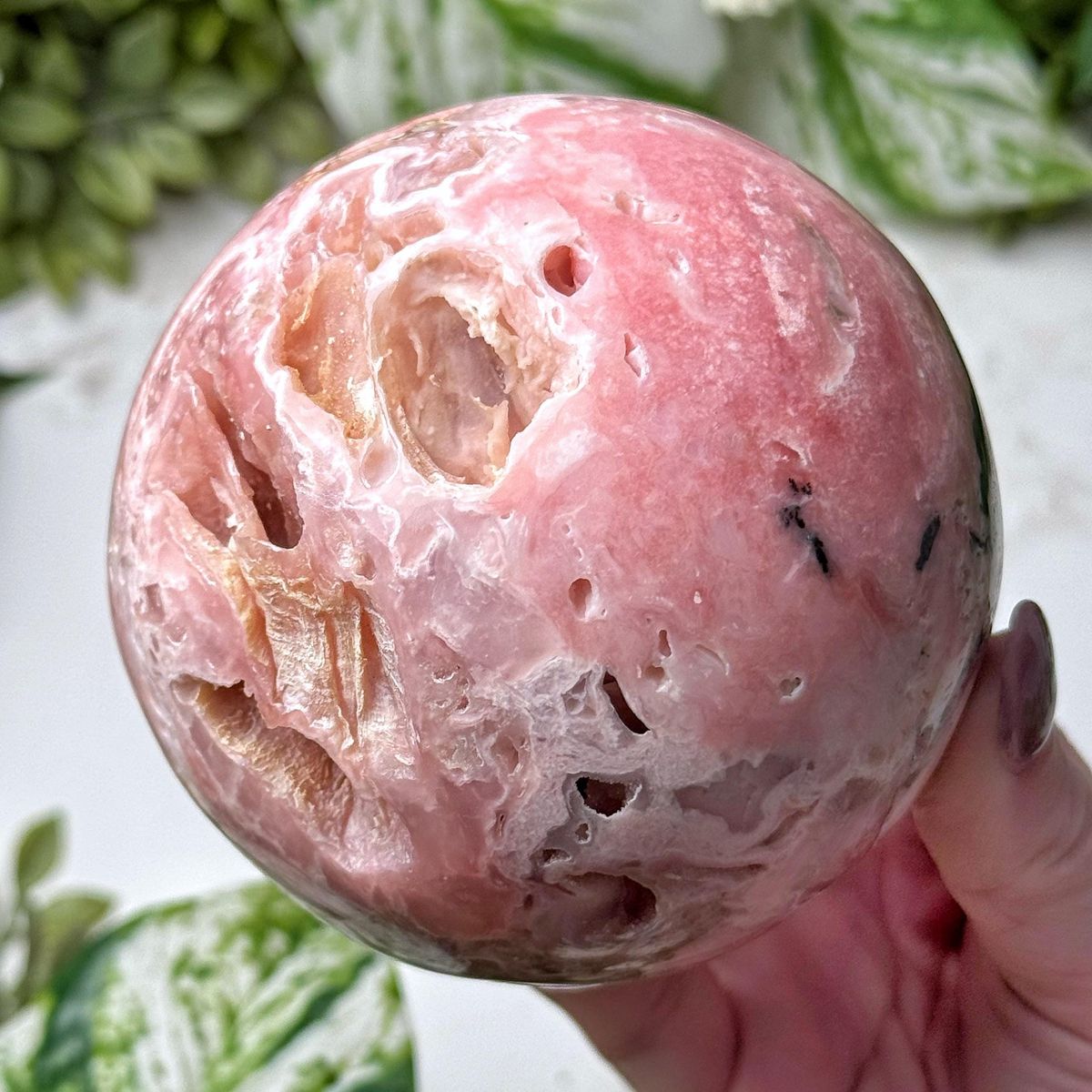
A sphere spreads Pink Opal's energy evenly and gently. It is a good form for creating a peaceful atmosphere in shared or private spaces.
Palm Stone
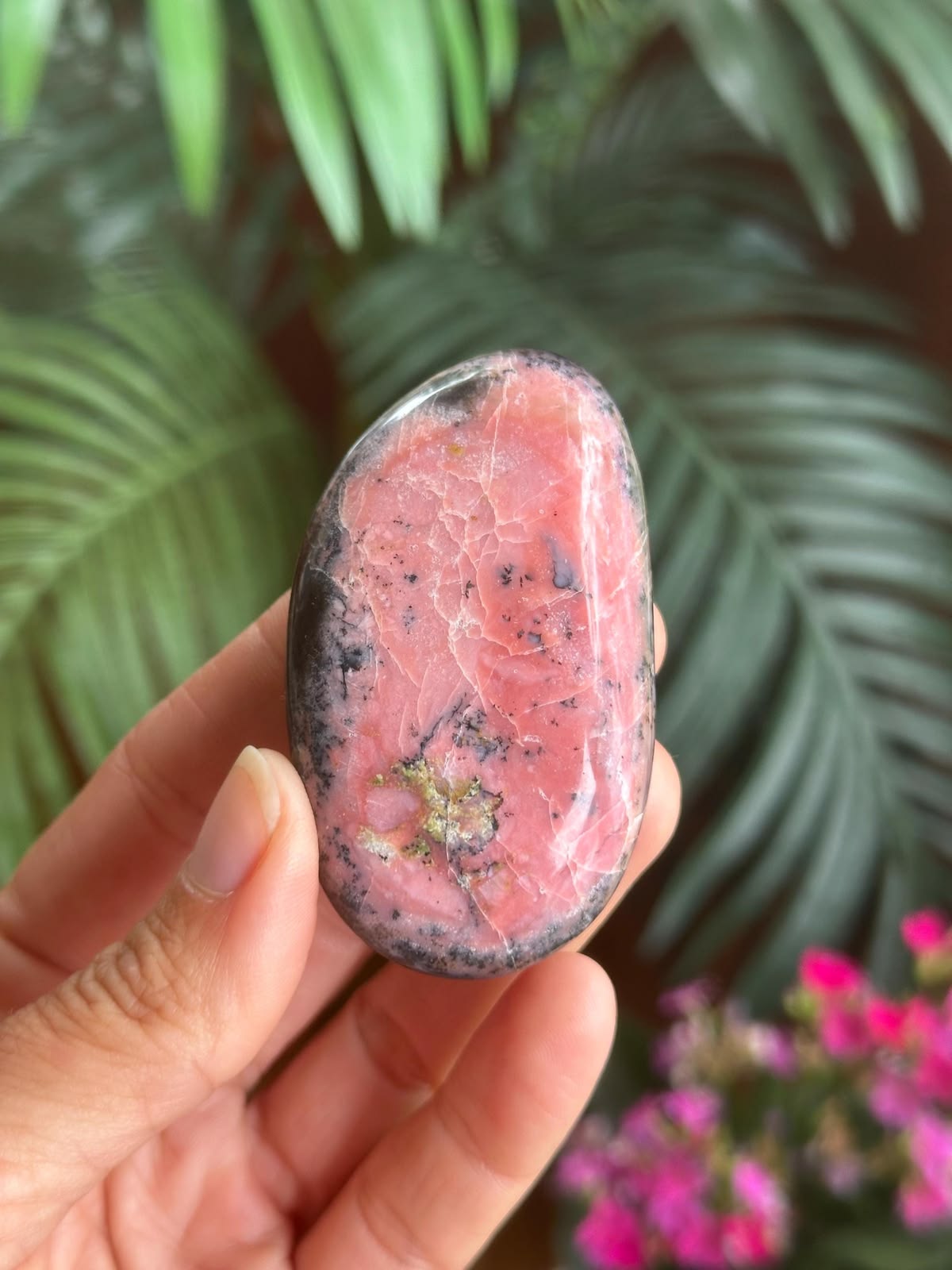
A palm stone offers Pink Opal as a quiet hand-held comfort. It is useful for short pauses, breathing breaks, and moments when the body needs reassurance.
Tumble Stone
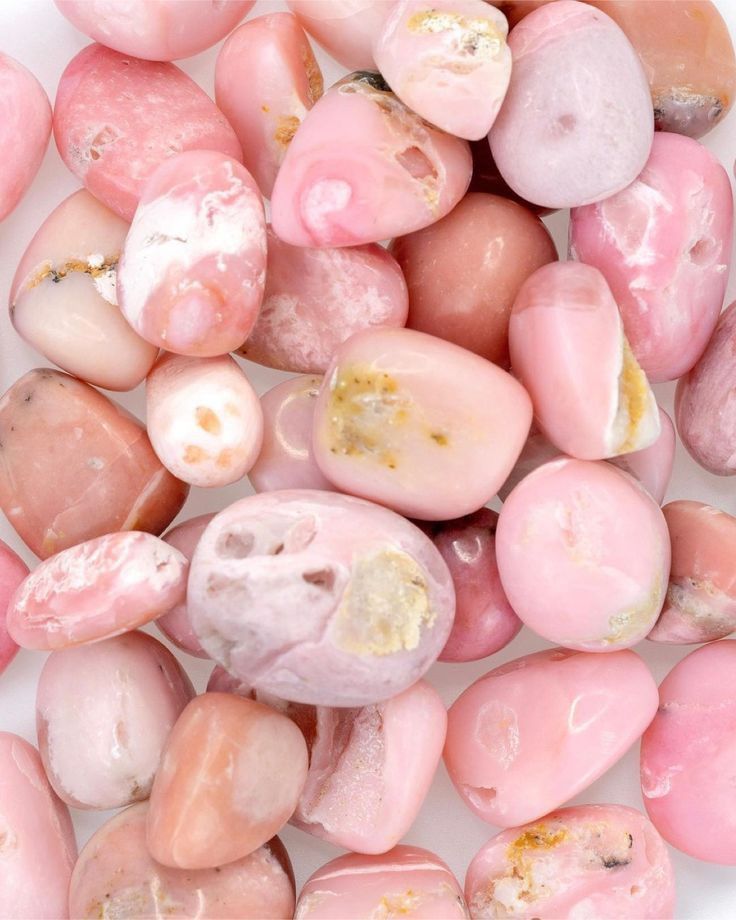
A tumble stone carries Pink Opal in a small, easy form for pockets or bags. It works well for brief resets during the day.
Figure
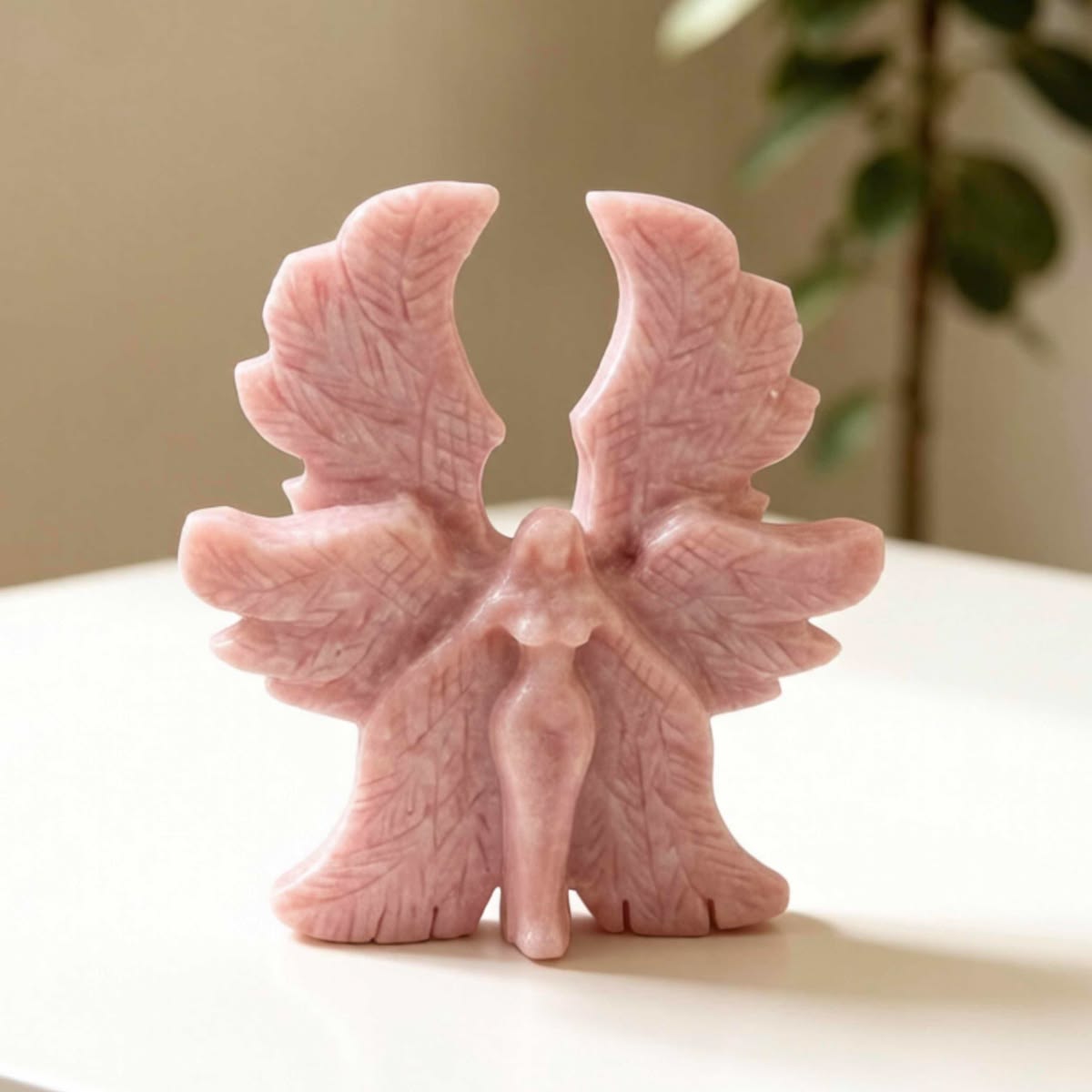
A carved figure gives Pink Opal a more intentional, companion-like presence. It can support focused work around care, tenderness, and emotional repair.
Heart
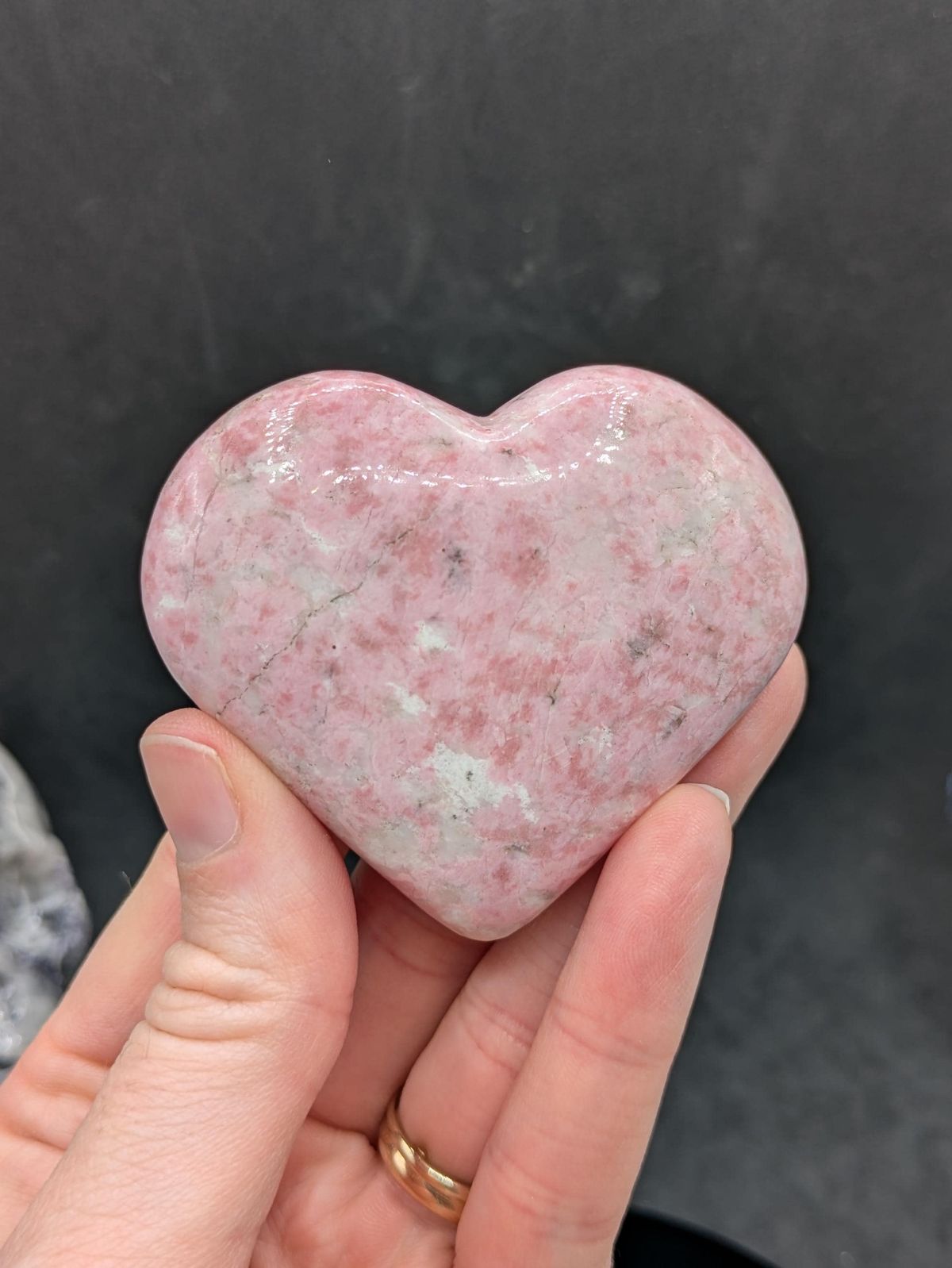
A heart form brings Pink Opal into direct contact with loving intention. It is often chosen when the aim is to soften self-judgement and invite gentler feeling.
Cleansing & Charging
Pink Opal benefits from gentle cleansing after heavy conversations, emotional work, or days when it has been handled often. Because it is softer and more sensitive to heat and rapid drying, it is best treated with care and kept away from harsh cleaning methods.
How to cleanse Pink Opal
- Use sound cleansing with a voice, chime, or singing bowl, letting the tone pass around the stone for a gentle reset.
- Place Pink Opal beside selenite or clear quartz for a calm, dry cleanse that does not stress its surface.
- Set it in moonlight in a dry location overnight, keeping it away from damp air and direct weather exposure.
How to charge Pink Opal
- Leave Pink Opal in brief indirect morning light, then bring it back inside before the light becomes strong.
- Rest it near selenite or clear quartz while holding a clear intention for comfort, softness, or emotional ease.
- Place it in moonlight in a dry location and let the quieter night atmosphere refresh its feel without heat or pressure.
Where to Use
Choose places where Pink Opal can soften the tone of daily life, support calm conversation, and help the heart stay open without becoming overexposed.
Bedroom
In the bedroom, Pink Opal can support winding down after emotionally full days. It brings a softer edge to bedtime reflection and can help the body settle when the mind keeps replaying conversations or worries.
Personal altar
On a personal altar, Pink Opal works well as a quiet focus for tenderness, forgiveness, and gentle self-respect. It can hold a simple intention for healing without asking for anything dramatic or forced.
Living room
In the living room, Pink Opal can help keep the atmosphere calm when family, housemates, or guests are sharing space. It is useful near places where conversation happens, because it encourages a kinder tone and less emotional strain.
Carried in a pocket, Pink Opal becomes a discreet companion for errands, appointments, and emotionally busy days. It can be touched before a difficult call or a needed boundary, giving the body a small moment to soften and reset.
Science
Physical properties
- Mineral class
- Hydrated Amorphous to Poorly Crystalline Silica
- Color
- Pale pink to rose pink, peach, cream, or pinkish white, sometimes with brown, black, or white veining
- Hardness
- Approximately 5.5 - 6.5
- Density
- Approximately 1.9 - 2.3 g/cm3, varying with composition and porosity
- Durability
- Fair to low
- Thermal stability
- Low
Optical properties
- Transparency
- Opaque to translucent
- Lustre
- Waxy to vitreous
- Refraction index
- Approximately 1.37 - 1.47, varying with structure and water content
Chemical composition
- Class
- Hydrated silica, sometimes mixed with palygorskite or other minerals
- Formula
- SiO2·nH2O; Peruvian material may contain substantial palygorskite
- Group
- Opal and silica-rich gem material
- Magnetic
- Usually non-magnetic
Formation
Pink Opal is a commercial and descriptive name for pink silica-rich gem material rather than a single fixed mineral species. In geological terms it sits within hydrated amorphous to poorly crystalline silica, and most material sold under the name is common opal that does not show play-of-colour.
Its pink tone is tied to local chemistry and structure rather than one simple cause. Peruvian material from areas such as Acarí has been described as opal-CT with fibrous palygorskite, while research on translucent pink opals from Peru and Mexico has linked the colouring to organic quinone-like compounds occurring alongside those fibres. Other deposits, including some Australian material, can have a different origin, which is why Pink Opal appears in several forms and compositions across its source regions.
Locations
- Acarí District, Arequipa, Peru
- Ica Region, Peru
- Michoacán, Mexico
- Durango, Mexico
- Western Australia, Australia
- Idaho, United States
History
Pink silica-rich material formed within rock fractures
Ancient geological history
Silica-bearing fluids moved through fractures, pores, and sedimentary settings before depositing hydrated silica and related minerals that later became pink opal material. This long geological process created a soft, water-bearing gem material rather than a single uniform mineral species. The result is a stone whose structure can vary from piece to piece, even when the colour reads as similar.
Opal valued as a decorative gemstone
Ancient world
Opal was known and traded in the ancient world, especially around the Mediterranean and South Asia. Historical records usually refer to opal in general rather than separating out pastel Pink Opal as its own distinct variety. Even so, the wider appreciation of opal helped set the stage for later interest in softer pink material.
Peruvian Pink Opal entered the gem trade
19th and 20th centuries
Pink opal from Peru became commercially recognised through material from the Arequipa and Ica regions. It was fashioned into beads, cabochons, carvings, and ornamental objects, and appeared in trade as Peruvian Pink Opal or Andean Pink Opal. This period gave the stone a clearer identity in modern gem use and made its gentle colour more widely known.
Scientific studies examined its unusual structure
Late 20th and early 21st centuries
Mineralogical research began to look closely at translucent pink material from Peru and Mexico, revealing that some pieces are opal-CT with significant amounts of fibrous palygorskite and associated organic compounds. These studies helped explain why Pink Opal can differ so much in structure, texture, and appearance. They also showed that the name covers more than one geological expression, rather than one fixed composition.
Popular pastel ornamental material
Present day
Pink Opal is now widely shaped into palm stones, hearts, beads, cabochons, and carvings for modern crystal use. Contemporary traditions commonly associate it with affection, compassion, emotional comfort, and gentleness. Its appeal rests not only in its soft colouring, but in the calm, reassuring presence people continue to read in it.
Got questions?
We've got answers!
FAQ's
What is Pink Opal used for?
+×
Pink Opal is often chosen for emotional comfort, gentleness, and a softer heart-centred atmosphere. It is commonly kept close during reflective moments, quiet self-care, or times when a calmer tone feels more supportive.
It is also popular in bedrooms, meditation spaces, and personal altars, where its tender presence can suit rest, journalling, or a simple intention for peace.
Is Pink Opal a real Opal?
+×
Yes - Pink Opal is a real opal material, although the name covers more than one geological type. Most pieces sold as Pink Opal are common opal or silica-rich material rather than the colourful play-of-colour opal seen in precious opal.
Its composition can vary by source, which is why some pieces look opaque and creamy while others are more translucent or show veining. The name is descriptive as well as mineralogical.
What gives Pink Opal its colour?
+×
Pink Opal gets its colour from its local chemistry and structure, not from one single cause. In some material, especially from Peru and Mexico, studies have linked the pink tone to organic compounds alongside fibrous minerals within the opal.
Because Pink Opal comes from different deposits, the shade can range from pale blush to rose, peach, cream, or pinkish white. That variation is part of its character.
Which zodiac signs are connected to Pink Opal?
+×
Pink Opal is commonly linked with Libra and Cancer. Libra connections often focus on harmony, grace, and kinder balance, while Cancer associations lean toward emotional tenderness and protective comfort.
These zodiac links are traditional rather than fixed, so the stone can still be used by anyone drawn to its gentle, heart-centred energy.
What chakra does Pink Opal activate?
+×
Pink Opal is associated with the Heart chakra. It is often used when the aim is to encourage softness, compassion, and a more open emotional tone.
Placed near the chest, held during meditation, or kept on a bedside table, it can serve as a quiet reminder to stay kind without losing personal boundaries.