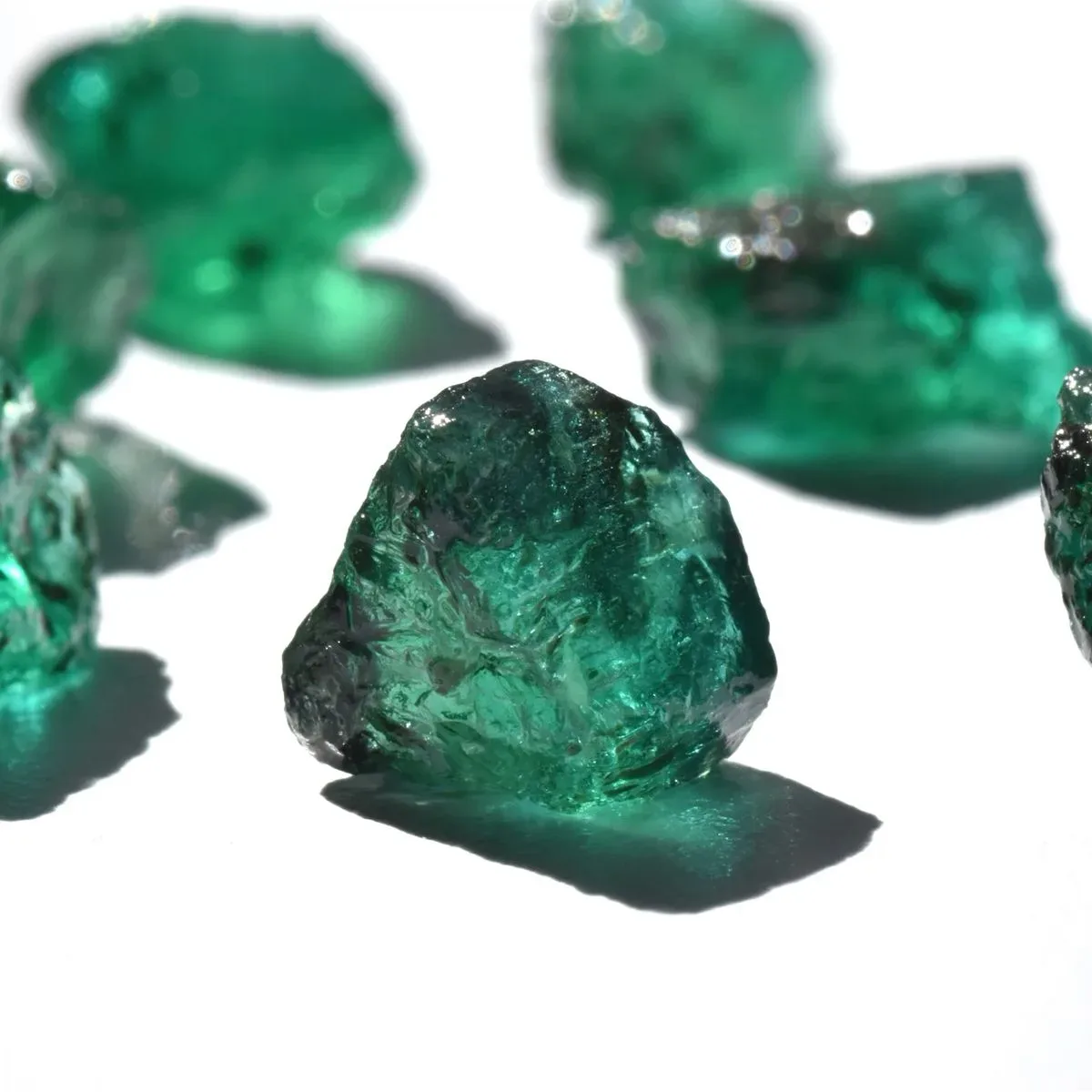
Emerald Crystal, Benefits and Meanings.
Emerald meaning centres on love that stays honest, wisdom that softens the heart, and growth that unfolds with patience.
Metaphysical & Spiritual
Emerald works with the inner field in a measured, settling way. Its energy is often read as a steadying presence for the heart, bringing feeling into a clearer shape without rushing the process. It carries a quality of honest warmth, where care is not vague but directed. That makes Emerald a stone for keeping affection, loyalty, and discernment in the same conversation. In spiritual practice, Emerald brings a sense of renewal that is patient rather than dramatic. It helps the heart stay open while still holding its own rhythm, which is useful when emotions, commitments, or values need to be sorted with care. The stone also reads as a bridge between tenderness and wisdom. It supports a person in choosing what is true, then staying with that choice long enough for it to take root.

Planet

Venus
Emerald carries Venusian energy in a refined, heart-led way. It brings beauty, harmony, and relational grace into the spiritual body, encouraging love that is both tender and discerning.
Element
Earth
Emerald works with Earth by grounding emotion into something steady and usable. It helps the heart stay present in the body, where care can become action, commitment, and follow-through.

Crystal Pairings
Emerald pairings work best when the stone is given a clear purpose, rather than simply added for emphasis. With the right companion, Emerald settles into a more focused rhythm: one stone can soften the edges of feeling, another can steady the will, and another can keep the heart open without losing discernment.
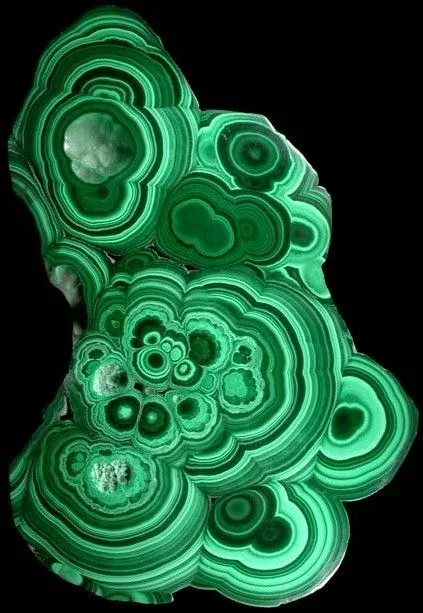
Malachite
Malachite and Emerald create a strong heart-centred current that clears emotional residue while keeping the deeper lesson in view. Together they bring courage to change, helping feelings move honestly without losing the sense of protection and self-respect that keeps growth sustainable.
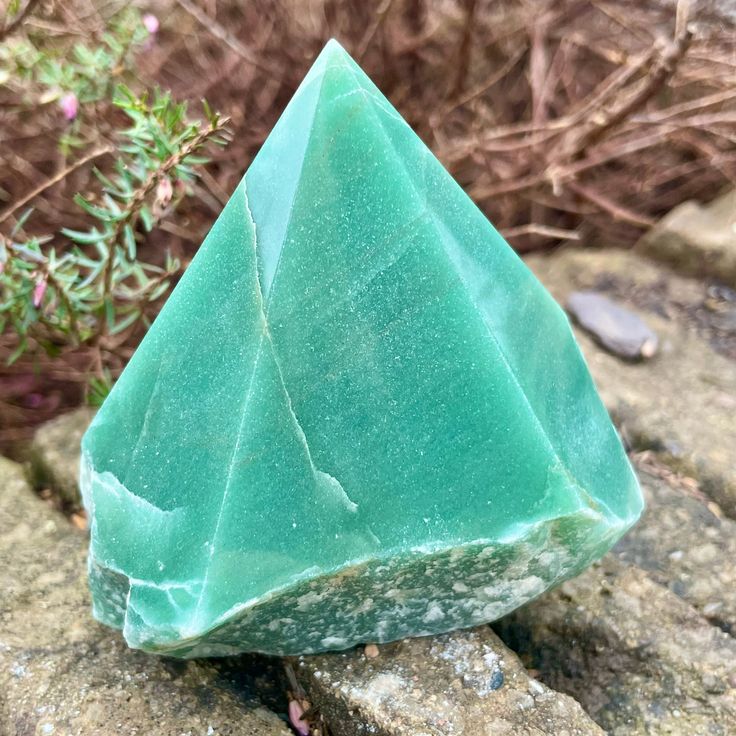
Green Aventurine
Green Aventurine adds a lighter, more forgiving movement beside Emerald, easing the pressure that can build around hope and healing. This pairing supports a gentle return to trust, where the heart can stay open without feeling overworked or guarded.
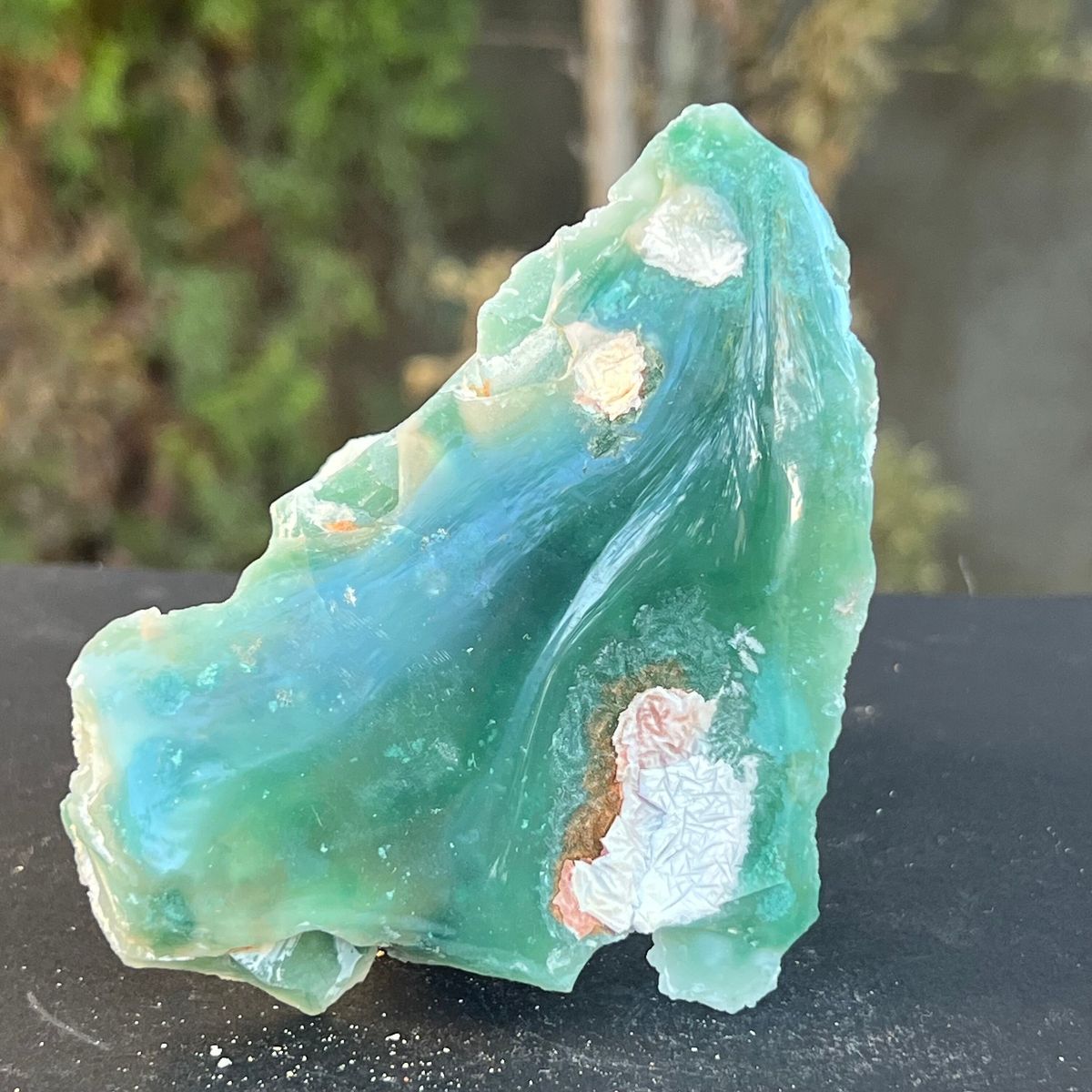
Chrysoprase
Chrysoprase brings a tender, restorative quality that helps Emerald speak to the softer layers of the heart. The two stones work well for compassion, forgiveness, and emotional release, especially when old patterns need to loosen without force.
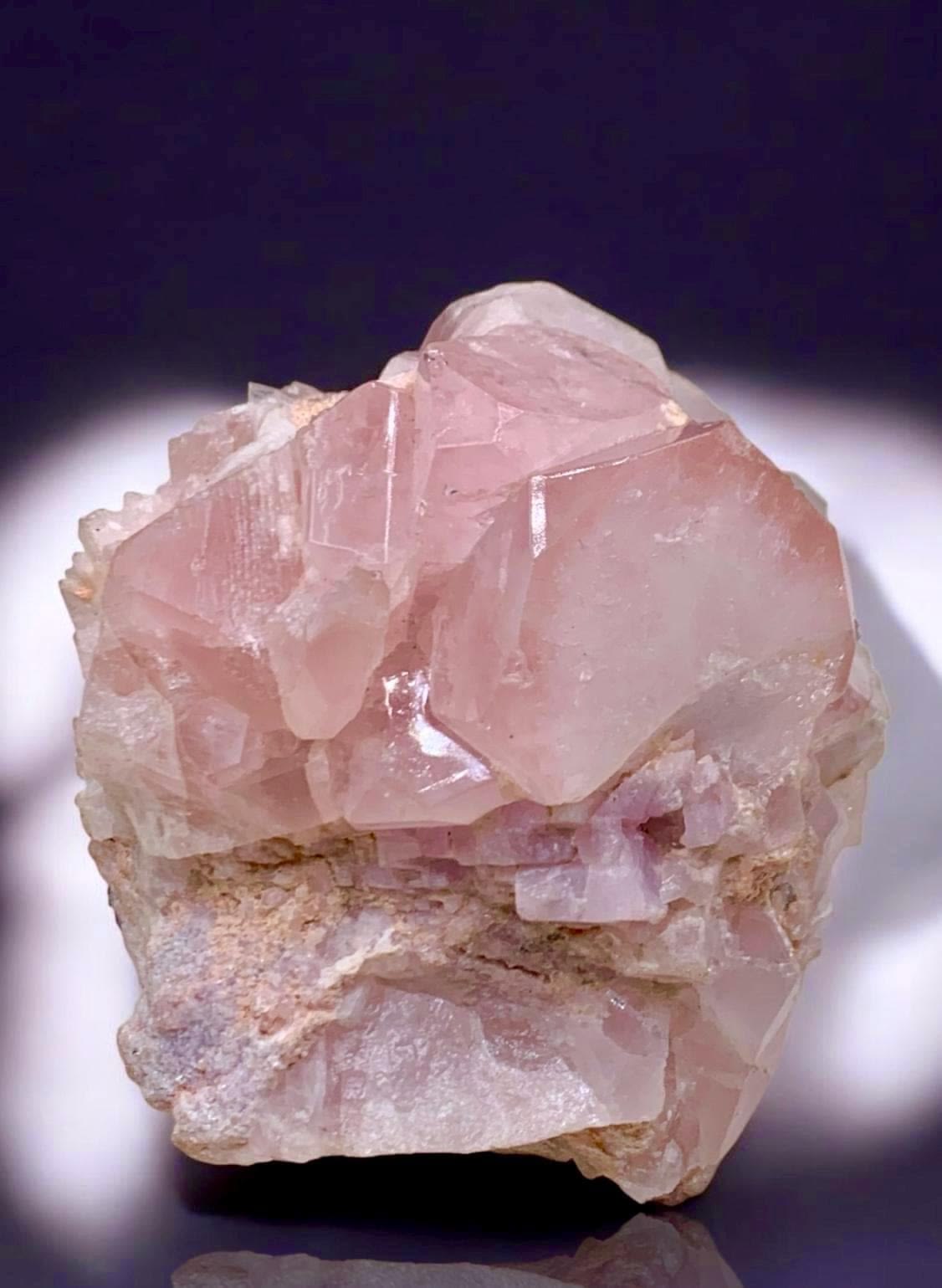
Morganite
Morganite deepens Emerald's loving current with a more receptive, soothing tone. Together they support tenderness, mutual care, and emotional honesty, making space for affection that feels calm, sincere, and unhurried.
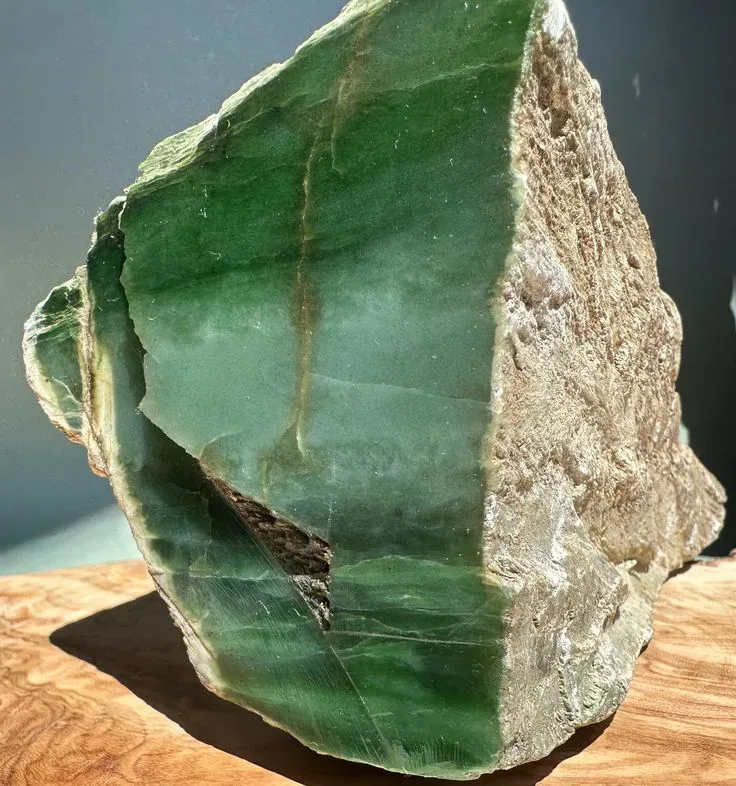
Jade
Jade grounds Emerald's heart wisdom into something steady and lived, rather than purely felt. This pairing supports balance, patience, and wise choices, especially when the heart needs to stay open while the practical side of life still asks for attention.
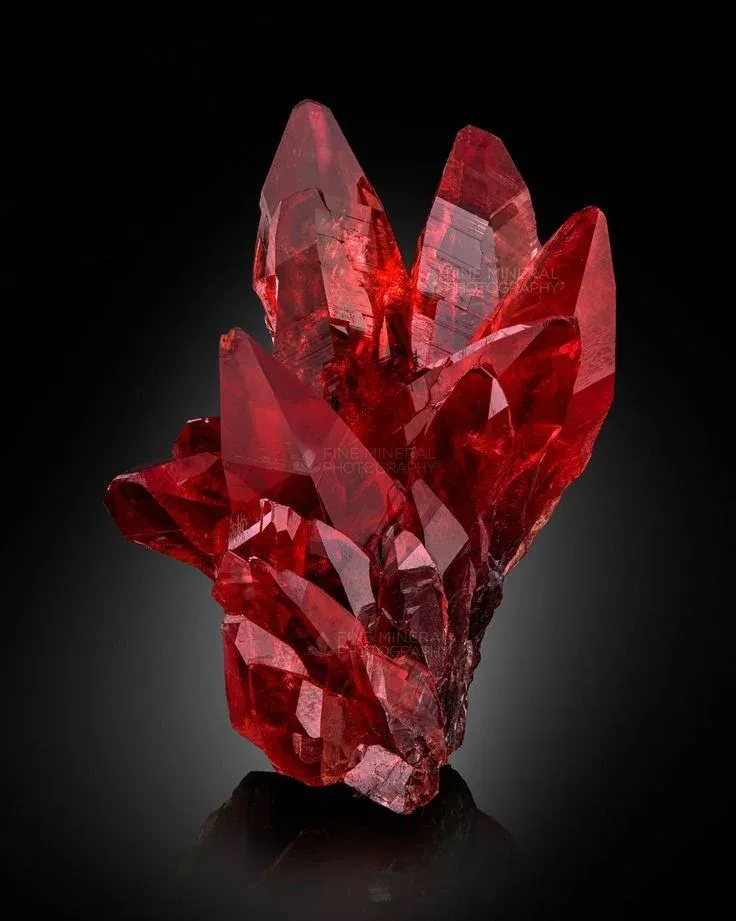
Ruby
Ruby brings heat, vitality, and decisive life force beside Emerald's measured heart energy. Used together, they support devotion with backbone, helping love stay alive, clear, and committed without drifting into passivity or hesitation.
Healing
Emerald connects with moments when the heart wants to stay open but the nervous system feels guarded. It helps slow the inner rush so feelings can be met with more patience, and so care does not get lost in reactivity.
It is often chosen when a person is sorting through change, relationship tension, or the quiet pressure of holding too much in. Emerald brings a measured, heart-led steadiness that helps keep boundaries clear without hardening the tone.
Affirmations
Hold Emerald at the Heart or Throat area and choose an affirmation that feels honest for the day.
Say it slowly a few times, then let the words shape one small action that matches them.
- I speak clearly and kindly
- I listen to my heart
- I honour my boundaries with ease
- I stay calm when feelings rise
- I choose honest, steady words
Intention Setting
Emerald can help set intentions that feel sincere, grounded, and emotionally clean.
It is useful when a decision needs both compassion and a firm sense of what is right.
- I choose calm, honest communication
- I set clear boundaries with respect
- I act from my values today
- I pause before I respond
- I let my voice match my heart
Manifesting
Emerald supports steady focus when working towards goals shaped by trust, commitment, or deeper self-respect.
It helps keep attention on what is lasting, rather than what is urgent, dramatic, or driven by fear.
- I move towards what feels right
- I welcome respectful connections
- I express myself with ease
- I stay steady under pressure
- I follow through with calm focus
Jewellery
Emerald jewellery works differently depending on where it rests, so the reminder can land near the mind, the hands, the throat, or the heart. That placement shapes how the stone is felt in real time, whether the day calls for clearer speech, calmer choices, or a softer inner tone.
General benefits: Wearing Emerald jewellery keeps its steady, heart-centred reminder close through the day. It is a quiet cue to breathe before reacting, speak with care, and stay loyal to what feels true. On busy days, during hard talks, or while moving through change, Emerald helps the wearer carry compassion without losing direction.
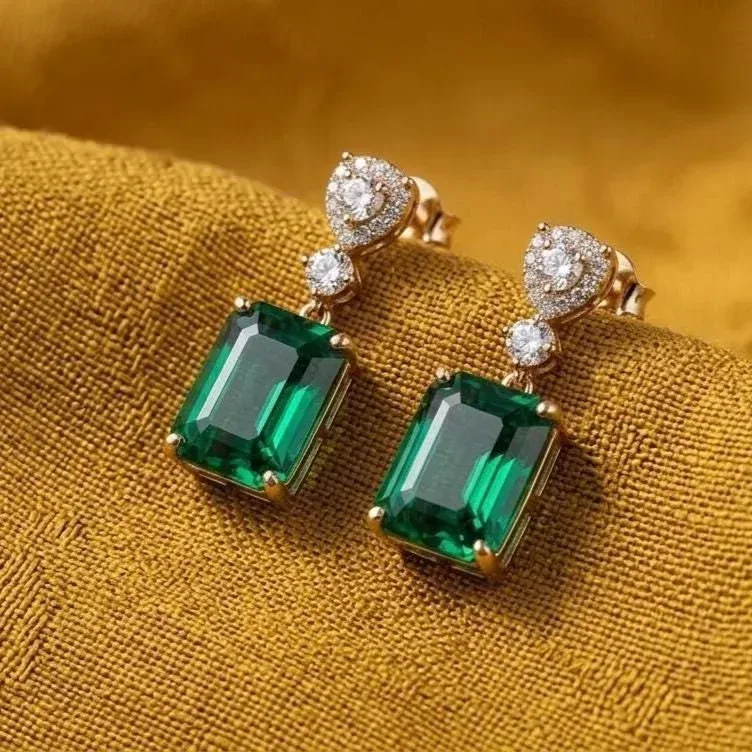
Earrings
Emerald earrings sit close to the mind and can help keep thoughts clear when conversations move quickly. They are often chosen for days that ask for listening first, then speaking with care. They bring a composed tone to meetings, calls, and delicate exchanges where words need to land cleanly. The energy feels especially useful when the mind tends to race ahead of the heart.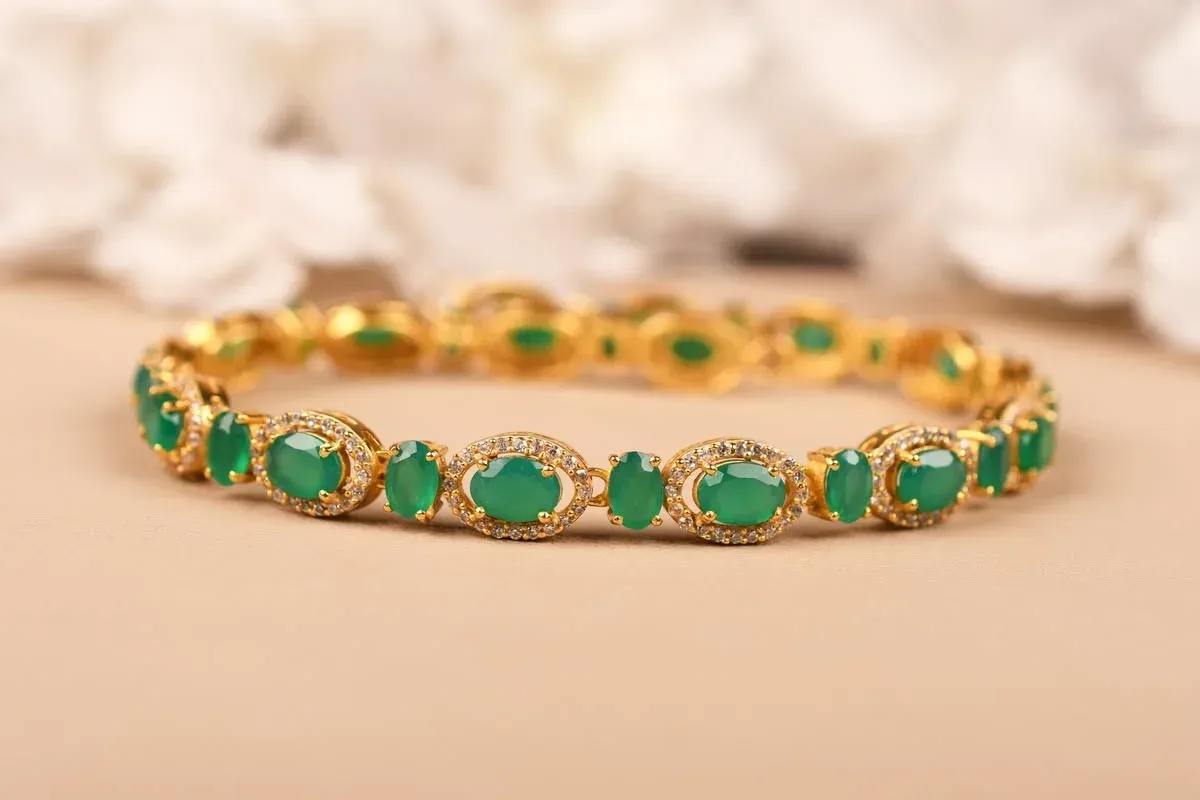
Bracelet
Emerald bracelets keep the stone near the hands, where choices are made and actions are taken. They can act as a steady reminder to move with intention rather than habit. This placement works well when the day is full of tasks, messages, or repeated decisions. It helps the wearer stay aligned with values even when the pace is brisk.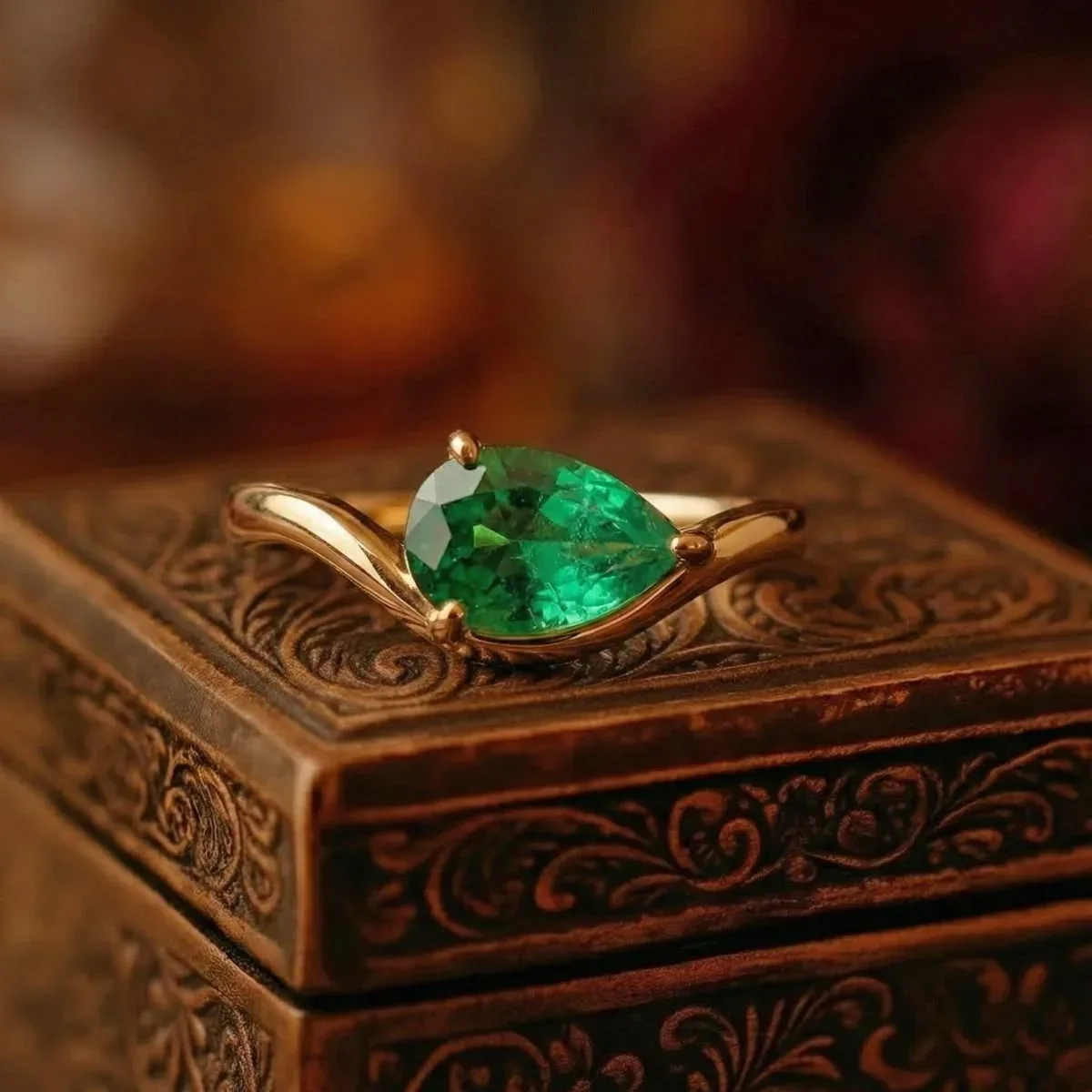
Ring
Emerald rings bring the stone into the rhythm of daily action and can feel especially personal in moments of commitment. They support clear promises, careful follow-through, and a sense of devotion that is practical as well as heartfelt. They are often worn when a person wants to keep returning to one clear standard: speak honestly, act gently, and do not abandon what matters.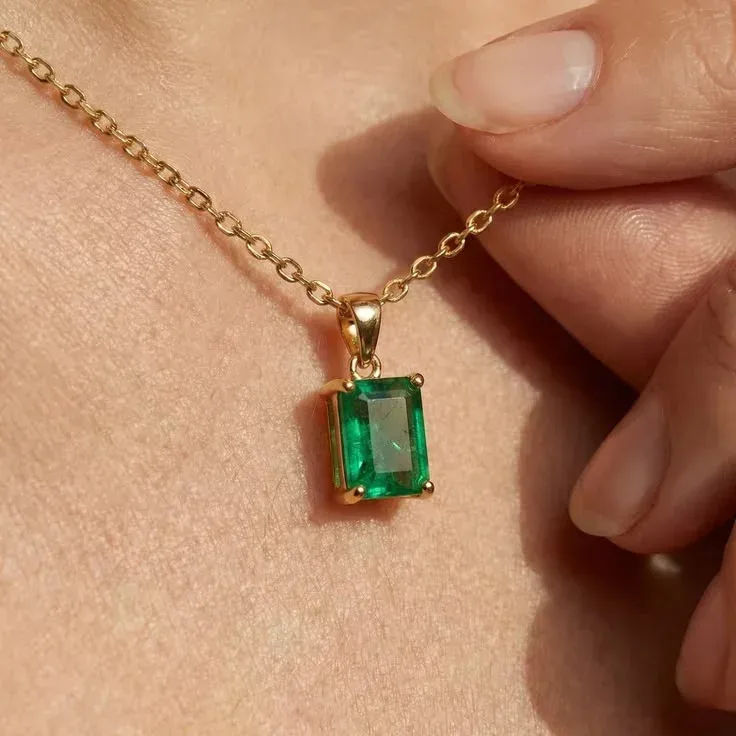
Necklace
Emerald necklaces rest near the Heart and Throat areas, where feeling and expression meet. They are a strong choice for times when the heart is full but the words need to stay balanced. This placement helps keep communication warm without becoming vague. It can be a steady companion for emotional conversations, boundary-setting, or any day that asks for grace under pressure.Forms
Different Emerald forms shift how the stone is held and how its energy is met. Some feel more direct and focused, while others invite a slower, more receptive kind of attention.
Rough
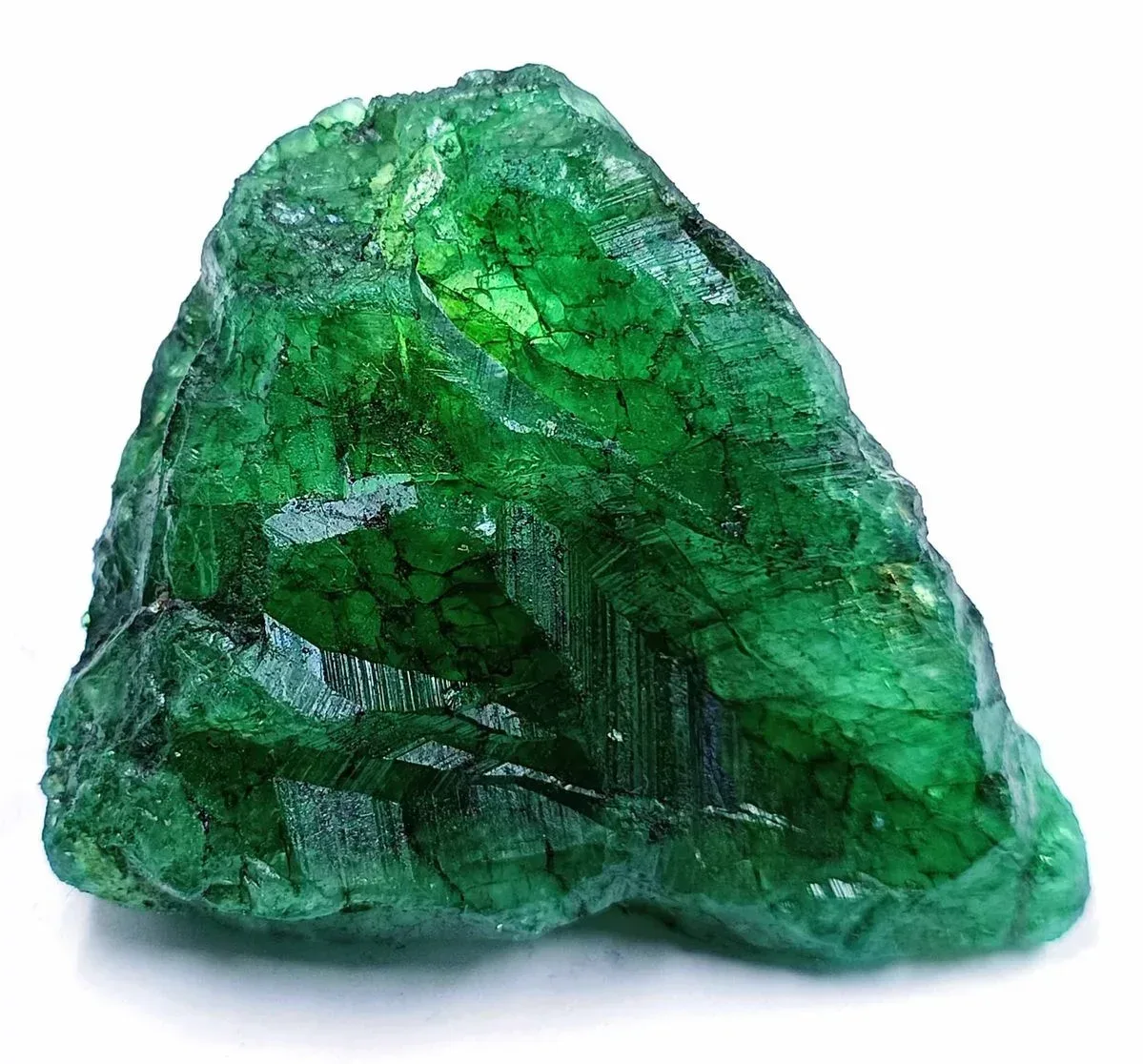
Rough Emerald feels close to the earth and carries a straightforward, unpolished tone. It is often used for simple heart work and honest reflection.
Point / Crystal
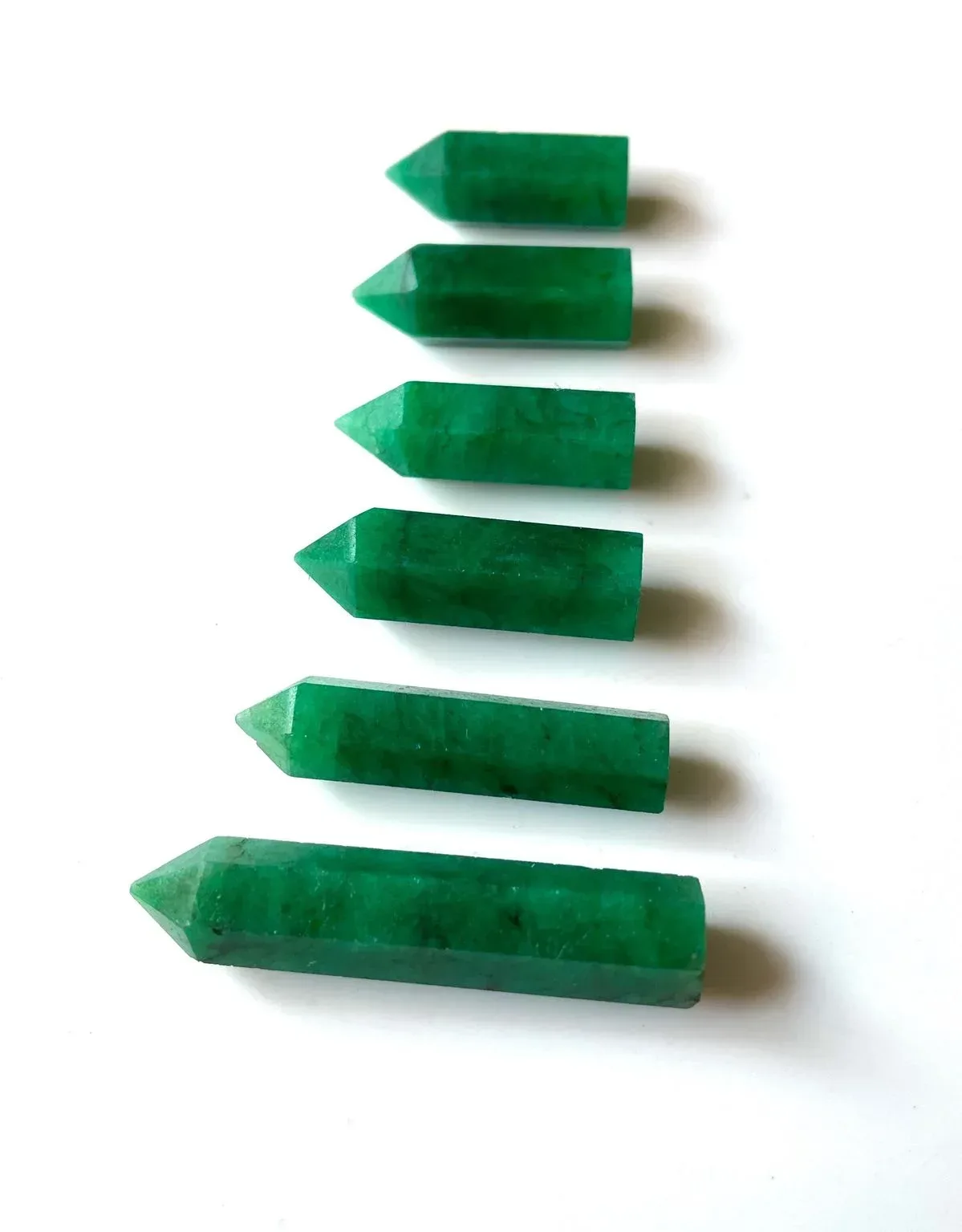
A point or crystal form helps direct Emerald's energy towards a clear intention. It is useful when focusing on one relationship, one boundary, or one decision at a time.
Tumble Stone
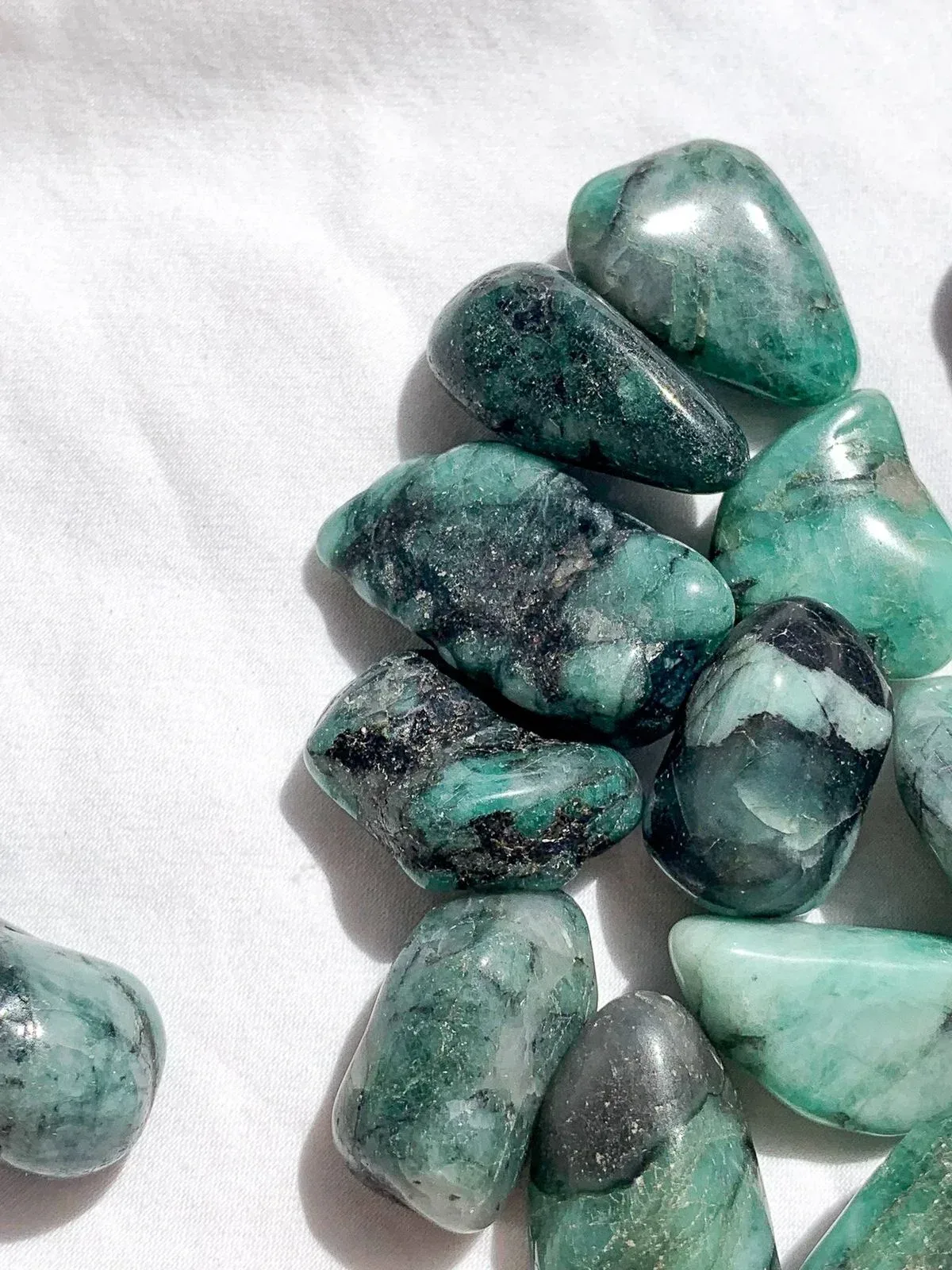
A tumble stone is easy to carry and works well for daily reassurance. It keeps Emerald close during errands, travel, or moments when a small reset is needed.
Cleansing & Charging
Emerald benefits from gentle cleansing after emotional work, long days of conversation, or any period when its energy feels crowded by other people's moods. Because Emerald can contain natural fractures and inclusions, it is best handled with care and cleaned in ways that stay soft rather than harsh.
How to cleanse Emerald
- Wipe Emerald gently with a soft, dry cloth after use to remove dust and keep the surface clear.
- Use smoke cleansing with sage or incense for a light energetic reset, keeping the smoke brief and gentle.
- Place Emerald near sound from a singing bowl, chimes, or a calm voice to help clear lingering tension.
- Set it beside selenite or clear quartz for a quiet overnight cleanse without adding moisture or abrasion.
How to charge Emerald
- Leave Emerald in moonlight, ideally during a full moon, for a soft and steady recharge.
- Rest it near healthy plants so its green, heart-centred feel is refreshed by living growth.
- Place it beside selenite or clear quartz on a bowl, plate, or wand to lift its energy after heavy use.
- Give it a very brief touch of morning sunlight only, then bring it back indoors before the light becomes strong.
Where to Use
Choose places where Emerald can support clear feeling, steady communication, and a calmer way of moving through ordinary moments.
Front door
At the front door, Emerald can be used as a threshold stone for what is allowed in and what stays outside. It helps set a tone of warmth with discernment, so arrivals feel welcoming without becoming draining. Place it nearby as a reminder to greet people with openness and keep the home field clear.
Shared table
On a shared table, Emerald brings a thoughtful, heart-led quality to meals, family conversations, and everyday gathering. It can soften the atmosphere when different opinions are present, helping everyone stay respectful and present. This is a strong place for intentions around harmony, listening, and mutual care.
Desk
At a desk, Emerald supports decisions that need both compassion and structure. It helps keep the mind from scattering when messages, plans, or responsibilities start to pile up. Keep it nearby when work asks for calm communication and a steady sense of priorities.
In a pocket, Emerald becomes a private anchor for moments when emotions need to stay settled in public. It can be held before a conversation, a meeting, or a difficult errand to bring the breath back into the body. This placement works well when the day calls for quiet courage and self-respect.
Science
Physical properties
- Mineral class
- Beryl
- Color
- Light green to deep bluish-green
- Hardness
- 7.5 - 8
- Density
- ~2.67 - 2.78 g/cm3
- Durability
- Good
- Thermal stability
- Good
Optical properties
- Transparency
- Transparent to translucent
- Lustre
- Vitreous
- Refraction index
- ~1.577 - 1.583
Chemical composition
- Class
- Silicate
- Formula
- Be3Al2Si6O18
- Group
- Beryl
- Magnetic
- Non-magnetic
Formation
Emerald is the green variety of Beryl, and its colour comes from trace amounts of chromium, vanadium, or occasionally iron replacing aluminium within the crystal structure. That chemistry gives the gem its light green to deep bluish-green range, while the mineral itself remains a silicate with a hexagonal crystal system and a vitreous lustre.
Fine Emerald forms under unusual geological conditions, where beryllium-rich fluids meet rocks carrying chromium or vanadium. It commonly grows in hydrothermal veins, pegmatites, and metamorphic rocks, and the natural fractures and mineral inclusions inside many crystals are known as jardin, a feature long accepted as part of Emerald's character rather than a flaw.
Locations
- Colombia
- Brazil
- Zambia
- Afghanistan
- Pakistan
- Ethiopia
History
Favoured by Cleopatra
Ancient Egypt
Emerald was highly prized in Ancient Egypt and held a place among the most treasured stones of the royal court. Cleopatra is famously associated with the gem, and Egyptian mines supplied Emerald for jewellery, ceremonial objects, and adornment linked to status and power. Its presence in this period shows how early cultures recognised both its rarity and its strong visual presence.
Associated with Venus
Ancient Rome
Roman writers connected Emerald with Venus, the goddess of love and beauty. That association gave the stone a place in ideas of harmony, fertility, and renewal, and helped shape its long-standing link with the heart. In Roman culture, Emerald carried both decorative value and symbolic weight.
Colombian Emeralds reached Europe
16th century
After the Spanish conquest of South America, the rich Emerald deposits of Colombia became known across Europe and changed the gemstone trade. Colombian stones quickly gained a reputation for exceptional quality and became the most famous source in the world. This shift established Colombia as a central name in Emerald history and trade.
Scientific understanding of Emerald expanded
19th to 20th century
Mineralogists confirmed Emerald as the green variety of Beryl during the 19th and 20th centuries. They also identified chromium and vanadium as the elements responsible for its characteristic colour. This period brought clearer scientific language to a gem that had already carried centuries of cultural meaning.
One of the world's most valued gemstones
Present day
Emerald remains one of the four traditional precious gemstones alongside Diamond, Ruby, and Sapphire. It is valued in fine jewellery, mineral collections, and modern crystal practice, where its long history adds depth to its appeal. The stone continues to hold a place as both a luxury gem and a symbol of enduring significance.
Got questions?
We've got answers!
FAQ's
What is Emerald used for?
+×
Emerald is often chosen for heart-centred work linked with love, compassion, wisdom, harmony, and growth. In crystal practice, it is commonly kept close during relationship reflection, intention setting, or any period that calls for calm, honest communication.
It is also a popular stone for jewellery and small carried pieces, especially when a steady reminder is needed throughout the day. Emerald tends to suit situations where care, loyalty, and clear boundaries need to sit together.
What gives Emerald its green colour?
+×
Emerald is the green variety of Beryl, and its colour comes from trace amounts of chromium, vanadium, or sometimes iron within the crystal structure. These elements create the stone's light green to deep bluish-green range.
Its colour is part of what has made Emerald so prized for centuries. Many crystals also contain natural inclusions and fractures, known as jardin, which are widely accepted as part of the gem's character.
Which zodiac signs are connected to Emerald?
+×
Emerald is traditionally linked with Taurus and Cancer. Taurus is often associated with its steady, devoted quality, while Cancer connects with its gentle support for feeling and emotional honesty.
These zodiac links are usually read alongside Emerald's Venus association and Earth element. Together, they give the stone a calm, grounded character that suits patient, heart-led work.
What chakra does Emerald activate?
+×
Emerald is connected with the Heart chakra. It is often used when the aim is to encourage balanced openness, compassion, and a clearer sense of what the heart can hold without losing its boundaries.
A small piece may be placed over the heart area during quiet reflection, or worn as a necklace to keep that reminder close. Its energy is usually described as steady rather than dramatic, which suits gentle inner work.
How should Emerald be cleansed and cared for?
+×
Emerald is best cared for gently. A soft, dry cloth is usually enough for routine cleaning, and it is wise to avoid harsh treatment, strong chemicals, or abrasive handling because many stones contain natural fractures and inclusions.
For energetic cleansing, smoke, sound, moonlight, or placement beside selenite or clear quartz are all suitable options. If charging in sunlight, it is best to keep it brief and gentle rather than leaving it in strong light for long periods.