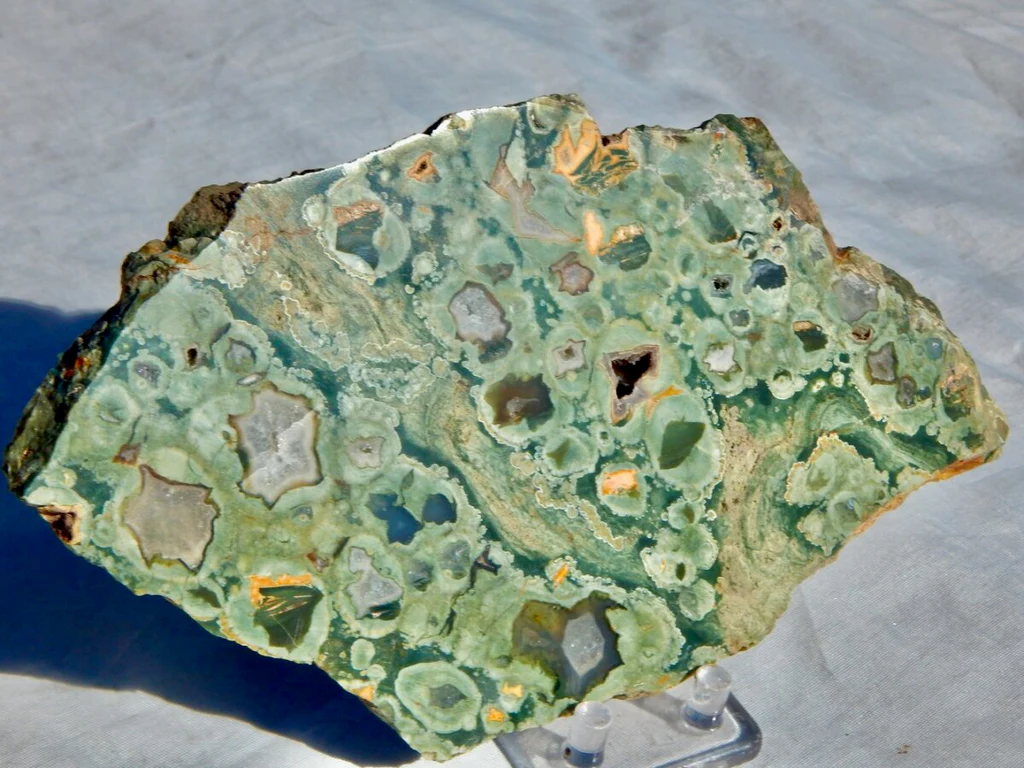
Rhyolite rhyolite pairings
Rhyolite carries a steady, earth-rooted feel that suits times of change, helping intentions land with calm realism rather than urgency. Pairing it thoughtfully can sharpen the focus of a grounding practice, adding clarity, warmth or confidence while keeping the overall tone supportive and balanced.
Because Rhyolite is often chosen for emotional balance, resilience and self-acceptance, combinations work best when they reinforce steadiness without tipping into intensity. The aim is a layered blend that feels anchored and heart-led, with enough lift to support transformation while staying practical for everyday life.
Crystals that combine well with Rhyolite
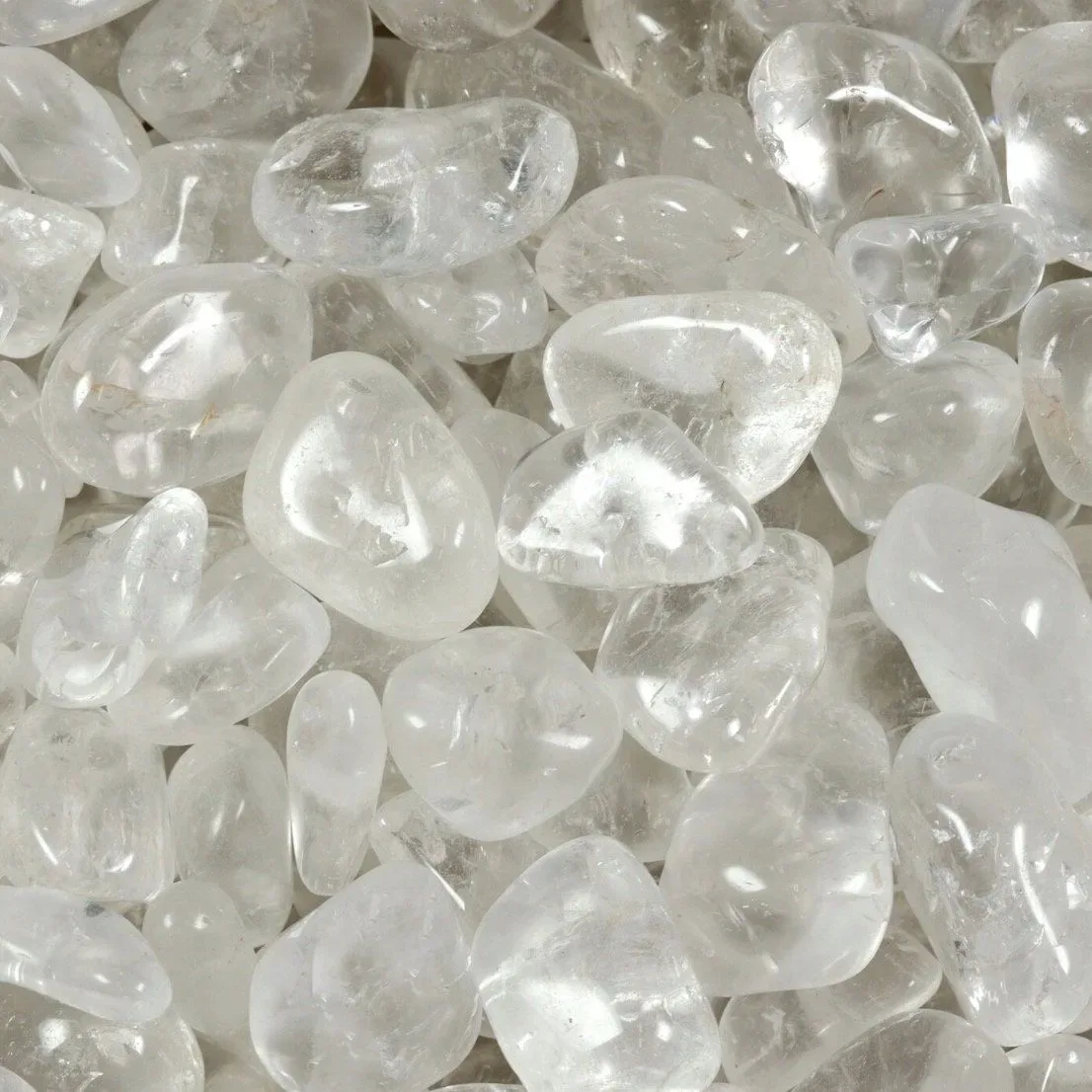
Clear Quartz sharpens focus and keeps things simple. With Rhyolite, it helps change feel steadier, with one clear aim to follow.
Before meditation, set one simple intention. Place Rhyolite over the Solar Plexus area and hold Clear Quartz in the hands. Breathe slowly. Let the Quartz be the cue to come back to the intention when attention drifts.
Set up a small desk pairing, Rhyolite near the keyboard, Clear Quartz beside a notebook. Use them as a two-minute reset. Write one priority and one next step, then return to the task without adding extra layers.
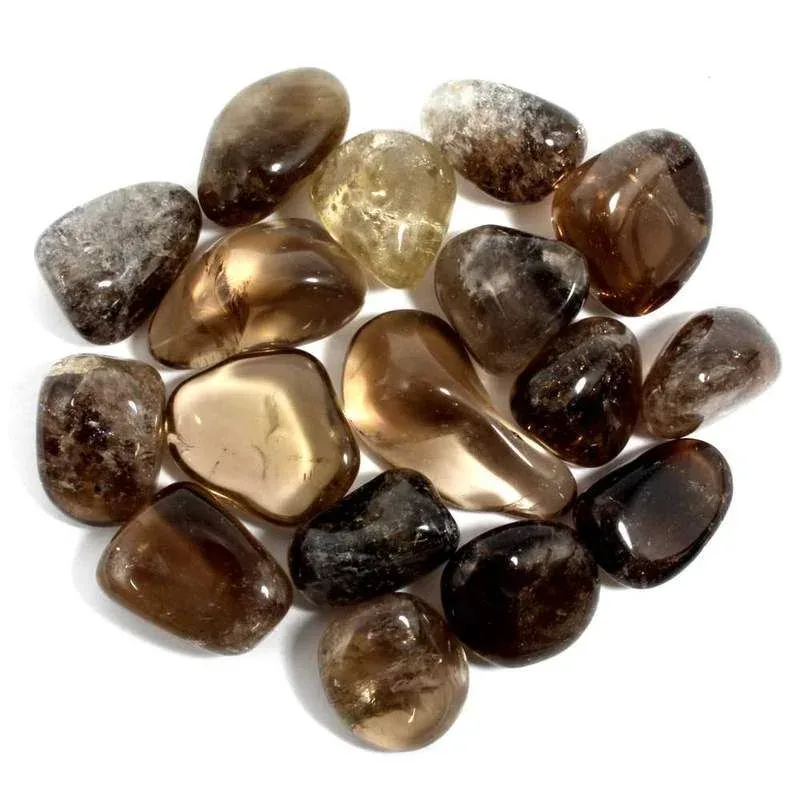
Smoky Quartz has a settling, clearing feel that suits Rhyolite's steady tone. Handy when life is loud, busy, or in flux.
Try an evening wind-down. Place Smoky Quartz by the bed and hold Rhyolite in the palm for a few slow breaths. Name what can wait until tomorrow. End with a short phrase like "steady and safe" to close the day.
Carry both in a pouch on travel days or during changeable weeks. When feeling scattered, touch the stones and name three anchors, time, place, and next action. Then take the smallest doable step.
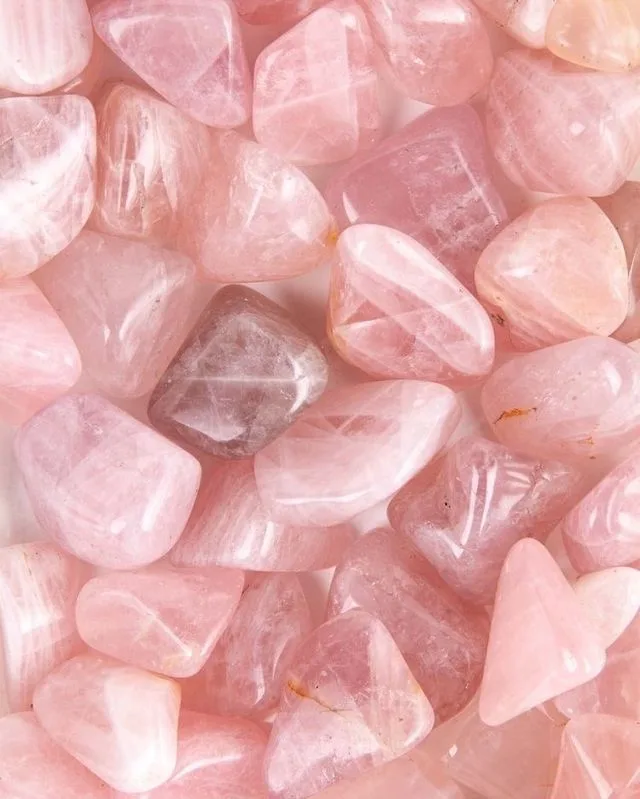
Rose Quartz softens the edges. Paired with Rhyolite, it supports self-acceptance while change is underway, without chasing a quick fix.
Use a gentle journalling prompt. Place Rose Quartz over the Heart area and keep Rhyolite on the desk. Write what is changing, what is staying, and what needs kindness right now. Keep it honest, not polished.
Hold both stones for one minute before getting dressed. Pick one supportive behavior for the day, like speaking more kindly, taking breaks, or asking for help. Keep Rhyolite nearby as a steady reminder.
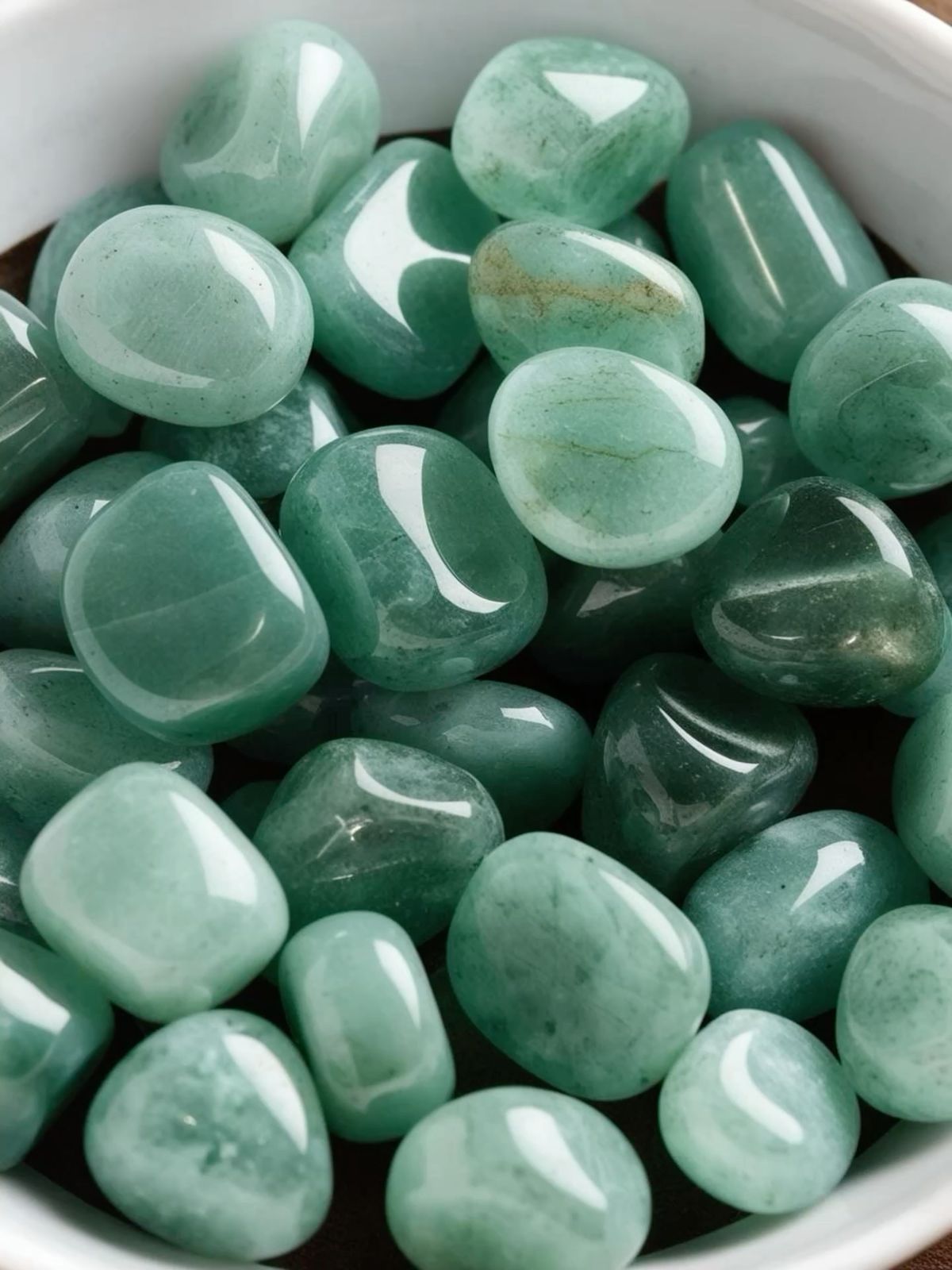
Green Aventurine brings a hopeful, forward-moving push. With Rhyolite, growth stays practical, one new option at a time.
Set up a "next step" page. Place Rhyolite on the left side of the journal and Green Aventurine on the right. On the left, note what is being released, on the right, list one realistic opportunity to explore this week. Circle the smallest action to start.
In meditation, hold Green Aventurine in the dominant hand and Rhyolite in the other. Picture one calm step at a time. If the mind races ahead, come back to the weight and feel of the stones.
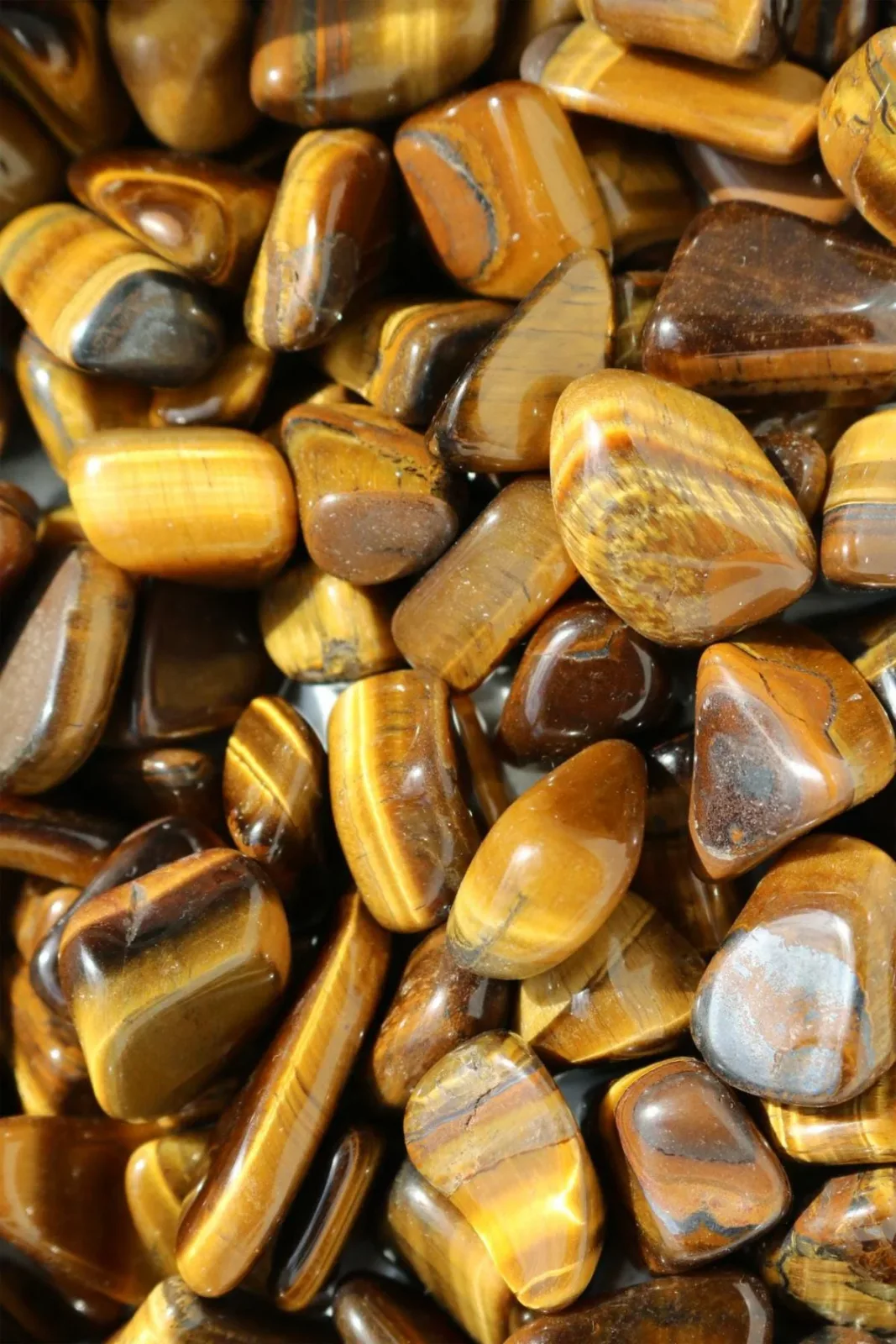
Tiger's Eye supports clear calls and steady follow-through. With Rhyolite, reflection turns into a grounded choice that can be acted on.
Try a decision check-in. Place Tiger's Eye beside a glass of water and keep Rhyolite under the palm. Ask one clear question, write two options, then pick the most balanced path based on effort, timing, and values, not impulse.
Use them during a focused work block. Place Tiger's Eye at the top of the workspace and Rhyolite near the chair or feet. Quick posture reset. Then work for 25 minutes, using the stones as simple visual anchors.
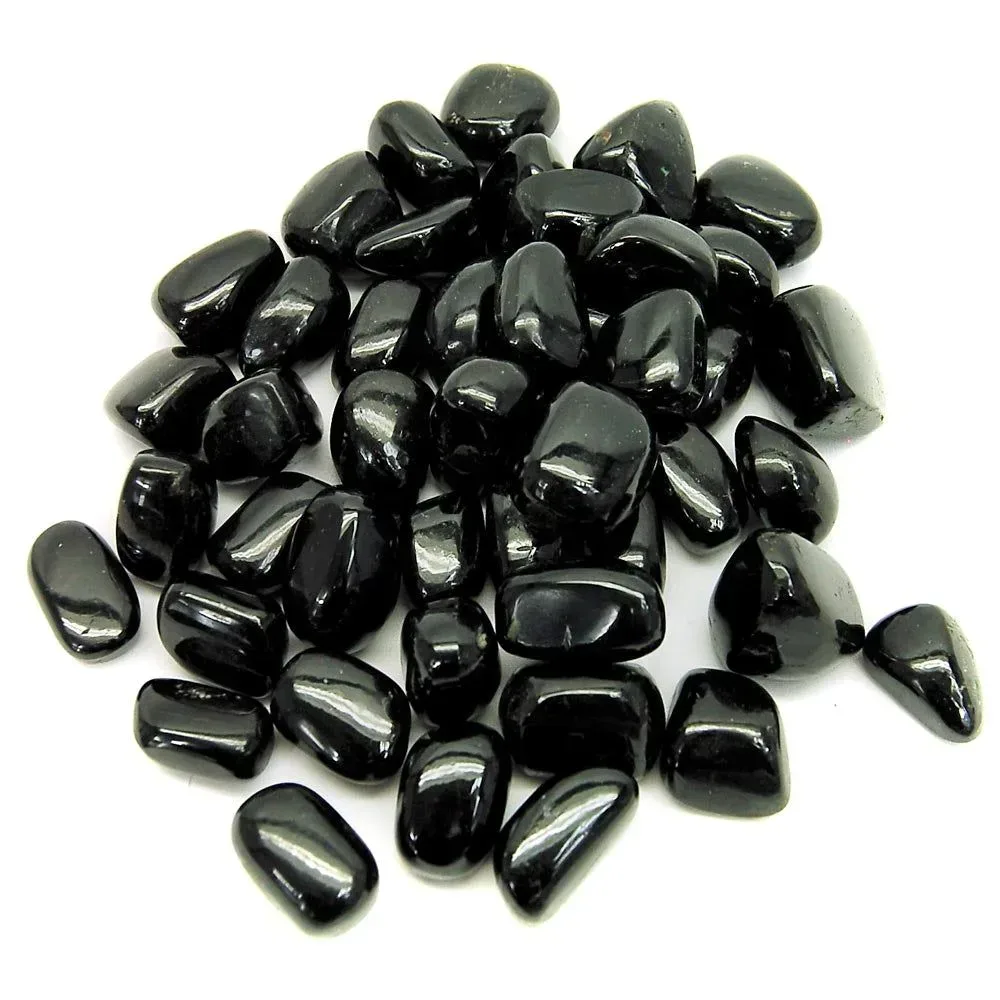
Black Tourmaline has a firm, boundary-setting feel that matches Rhyolite's grounded nature. Useful for staying centered in demanding spaces.
Create an entryway pairing. Place Black Tourmaline near the door and keep Rhyolite on a shelf or tray nearby. On arriving home, pause for three breaths and mentally leave the day at the threshold. Then step further inside.
For busy social settings, carry Black Tourmaline in a pocket and keep Rhyolite in a bag or pouch. If overstimulated, step aside, touch each stone, and reset with a simple boundary line such as "only what matters comes with me."
Jewelry pairings that work well together
Rhyolite suits warm, grounded metals and softly textured settings, where its mottled tan, green and pink tones can read as natural rather than ornate. It pairs best with companions that either sharpen its earthy pattern or soften it with a gentle, balanced contrast.
Rhyolite & Clear Quartz
Rhyolite's earthy mottling sits neatly beside Clear Quartz's bright, transparent finish, creating a clean contrast between opaque depth and glass-like light. Silver or polished white metal keeps the pairing crisp and lets the quartz lift the more muted tones in the rhyolite. Try this as a slim cuff with one stone at each end, so the clear stone acts like a bright pause against the patterned surface. It works well with linen, knitwear, or a simple shirt sleeve where the contrast can be seen at a glance.
Rhyolite & Smoky Quartz
Both stones feel rooted and understated, but Smoky Quartz brings a deeper translucency that gives the pairing more shadow and polish. The shared brown-gray range is especially elegant in brushed silver, oxidized settings, or matte finishes. A pair of drop earrings in a long, narrow silhouette suits this combination well, with Rhyolite above and Smoky Quartz below to create a gentle vertical line. The look is calm and wearable, especially with tonal tailoring or a high-neck top.
Rhyolite & Rose Quartz
Rhyolite's speckled, earthy surface is nicely softened by Rose Quartz, whose cloudy pink glow adds warmth without overpowering the stone. The contrast is subtle rather than sharp, so rose gold or softly antiqued silver both feel natural here. Choose a single statement ring with a low bezel setting, letting the two stones sit side by side on the hand. This is a good pairing for everyday wear when you want something gentle but still distinctive.
Rhyolite & Green Aventurine
The green tones in Rhyolite echo Green Aventurine's smooth, even color, but the two stones differ in texture and depth. Rhyolite brings mottled variation, while aventurine offers a steadier, more polished finish that keeps the pairing fresh. A woven bracelet suits this combination particularly well, as the mixed stones can be threaded into a relaxed, tactile line around the wrist. It has an easy, natural feel that works well with casual layers and earthy fabrics.
Rhyolite & Black Tourmaline
Rhyolite's muted patterning becomes more defined beside Black Tourmaline's dense, opaque black, giving the pairing strong contrast and a grounded feel. Darkened silver, gunmetal, or a brushed finish keeps the overall look cohesive and practical. An anklet in a simple linked design is a subtle way to wear this pairing, especially if the stones are small and evenly spaced. It feels steady and unfussy, with enough contrast to register without looking heavy.
What not to pair with Rhyolite
Rhyolite works best when its grounding, heart-led steadiness stays clear and easy to feel. Pairings that are very expansive, highly activating, or strongly visionary can pull it away from its calm role and make the blend feel less settled and harder to use day to day.
Phenacite
Phenacite can lift the field into a very high, quick register that is hard for Rhyolite to anchor. Instead of supporting resilient calm, the pairing may feel airy and over-extended, with less of Rhyolite's earthy containment.
Azeztulite
Azeztulite tends to open a very expansive and spiritually charged current, which can outpace Rhyolite's practical grounding. The contrast may blur Rhyolite's steady emotional balance and make the intention feel less rooted.
Libyan Desert Glass
Libyan Desert Glass carries a sharp, catalytic quality that can push Rhyolite into a more forceful mode than it naturally prefers. This can make the blend feel edgy rather than calmly transformative, especially when you want self-acceptance and resilience.
Herkimer Diamond
Herkimer Diamond can intensify clarity so strongly that Rhyolite's softer, earthier rhythm gets overshadowed. The pairing may feel bright and restless, with less of the grounded warmth that helps Rhyolite hold change gently.
Selenite
Selenite is very cleansing and light, which can thin out the denser, stabilizing side of Rhyolite. Together they may feel too stripped-back, leaving less emotional shelter and making it harder for Rhyolite to do its steadying work.
Apophyllite
Apophyllite can open a clear but elevated current that draws attention upward rather than inward and grounded. For Rhyolite, this may create a scattered, less embodied feel that muddies its role in practical balance and resilience.
Azurite
Azurite brings strong insight and mental depth, but its intensity can make the blend feel more cerebral than heart-centered. That can crowd out Rhyolite's gentle emotional balance and make the pairing feel weighty with thought rather than steady with feeling.
Moldavite
Moldavite is highly transformative and can move the field very quickly, which may be too abrupt for Rhyolite's patient, earth-rooted pace. The result can feel unsettled and over-activated, with Rhyolite's grounding and self-acceptance harder to hold.
Got questions?
We've got answers!
FAQ's
Can I wear Rhyolite with more than one companion stone at once?
+×
Yes. Rhyolite can work with more than one companion stone, as long as the set stays intentional and not crowded. Pick one "lead" partner for the main focus. Add one supporting stone for tone or balance.
Wearable trios that tend to feel tidy include Rhyolite + Clear Quartz + Smoky Quartz for a clean, grounded feel, or Rhyolite + Rose Quartz + Green Aventurine for a softer, heart-led mix. Keep it to two or three stones. If it starts to feel busy, drop one and let the set do less, but do it well.
Do Rhyolite and Clear Quartz need to touch in a pairing?
+×
No. They do not need to touch for the pairing to feel coherent. Wearing them on the same wrist, placing them together on a tray, or keeping them in the same small space is often enough.
If they do touch, it can feel more "integrated", especially in bracelet stacks where both stones sit against the skin. For a clean, no-fuss set-up, place Clear Quartz closest to the clasp or center, and let Rhyolite sit alongside it. Balanced look, easy to wear.
Is Rhyolite and Smoky Quartz a good pairing?
+×
Yes. Rhyolite and Smoky Quartz are a steady, sensible pairing, especially on days that call for calm focus and a more grounded mood. Good for work, commuting, or anywhere simplicity helps.
Try Smoky Quartz as the "base" stone in a pocket or on a longer necklace, with Rhyolite worn closer to the hands as a touchstone. One stays in the background. The other is easy to reach when a reset is needed.
What crystals should not be paired with Rhyolite?
+×
There are no hard rules, but some pairings can feel less harmonious if the goal is grounded, clear, day-to-day momentum. Very airy, dreamy stones, or ones that feel intensely heart-forward, can pull attention away from Rhyolite's practical tone.
If a mix feels scattered or overly sentimental, keep stones like Moldavite, Celestite, or Flower Agate separate. Strong "push" stones such as Pyrite can also make the overall feel more driven than reflective. When in doubt, stick with a classic companion like Clear Quartz or Smoky Quartz, then add other stones one at a time.
How do I use Rhyolite and Clear Quartz together in a ritual?
+×
A simple, grounded ritual works best with this pairing.
1) Set the space: place Rhyolite on the left side of a small surface (table, altar, desk), and Clear Quartz on the right. Add a glass of water or a candle if desired. Keep the set-up uncluttered. 2) Choose one clear theme: pick a single focus such as "adapt well to change" or "stay centered while making progress". 3) Hold the stones: rest Rhyolite in the non-dominant hand and Clear Quartz in the dominant hand for 2 to 5 minutes. Breathe slowly. Keep attention on the chosen theme. 4) Close with a practical action: place Clear Quartz where it will be seen (desk or bedside), and carry Rhyolite for the day. Pair it with one small next step, like sending one email, tidying one area, or making one decision that supports the intention.