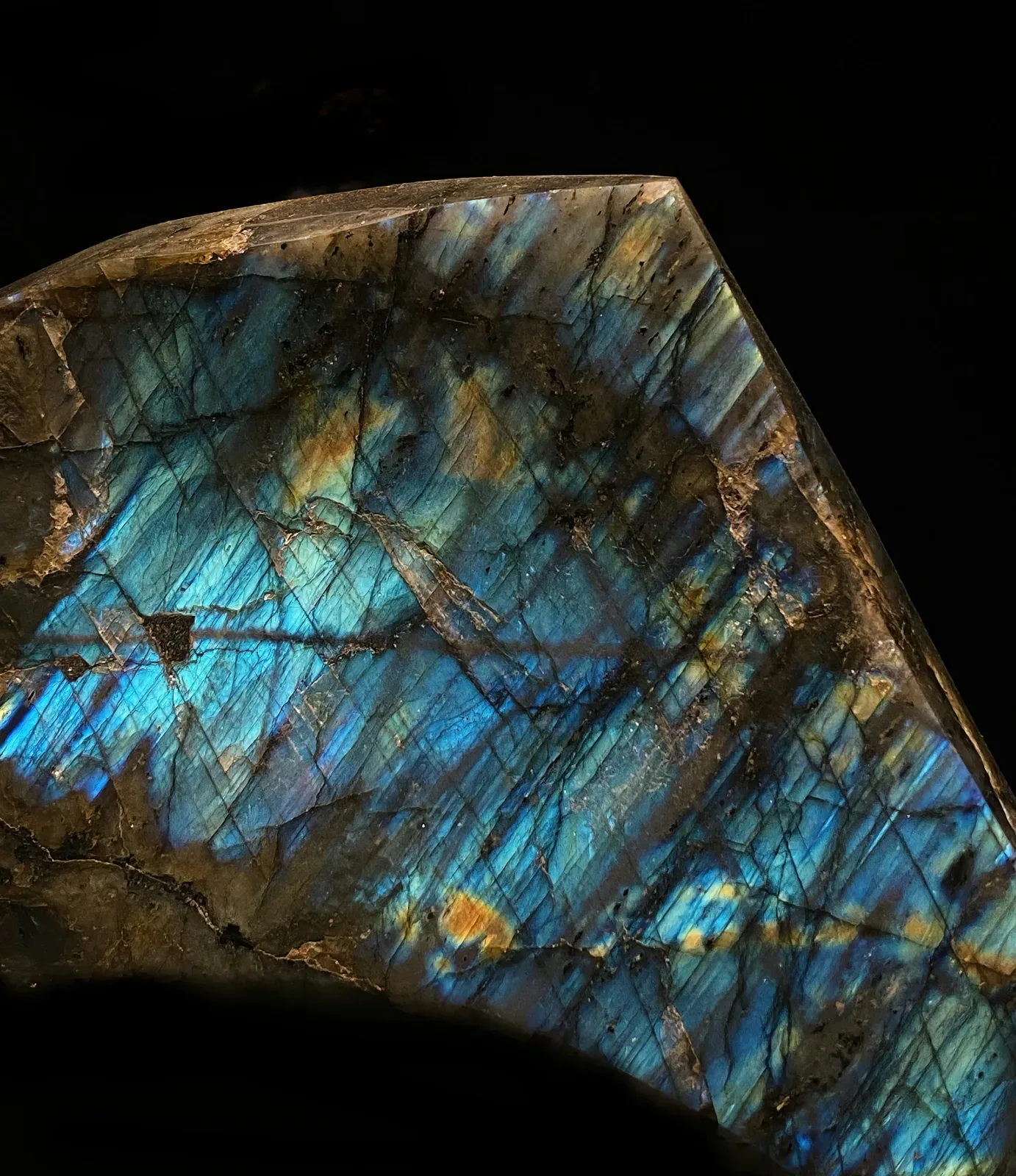
Labradorite Crystal, Benefits and Meanings.
Named after Labrador in Canada where it was first described, it is best known for labradorescence, a shimmering play of color often linked with intuition and protection.
Metaphysical & Spiritual
Labradorite can feel steady when the mind is busy and the edges of a situation feel fuzzy. It is linked with inner sight and protection, in a practical way, like turning the noise down so choices look simpler. Those shifting colors suit times of change. Less push, more give. Staying grounded while old patterns loosen and new ones start to form. These links are symbolic, not fixed rules. They help name what is already moving inside, and flag the themes Labradorite tends to bring up.

Planet

Uranus
Uranus brings sudden turns and a need to break stale loops. Labradorite matches that spark, with a steadier, less scattered feel.
Element
Water
Water is feeling and memory, the quiet current under a day. Labradorite fits that tone, making what is going on underneath easier to notice.
Crystal Pairings
Labradorite has a bright, shifting quality that suits big-picture thinking and personal growth. Pairing it with a steadier or clearer stone can balance that spark, so the overall feel stays focused, calm, and coherent.
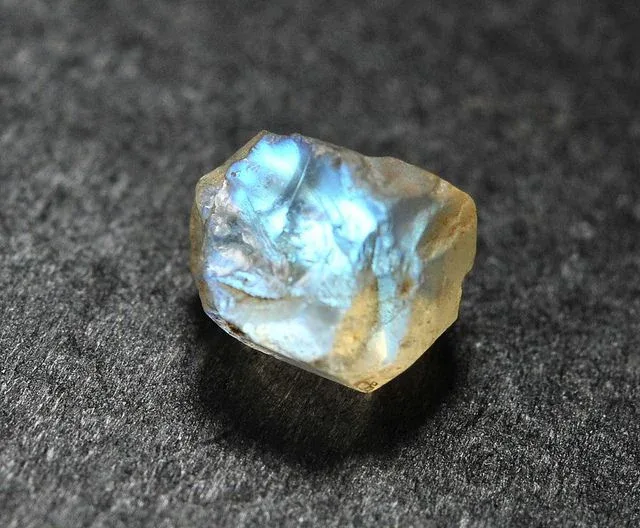
Moonstone
Moonstone softens Labradorite's sharper flashes into something gentler and more reflective. Together the mood turns quiet and inward, like a night sky instead of a high-voltage buzz.
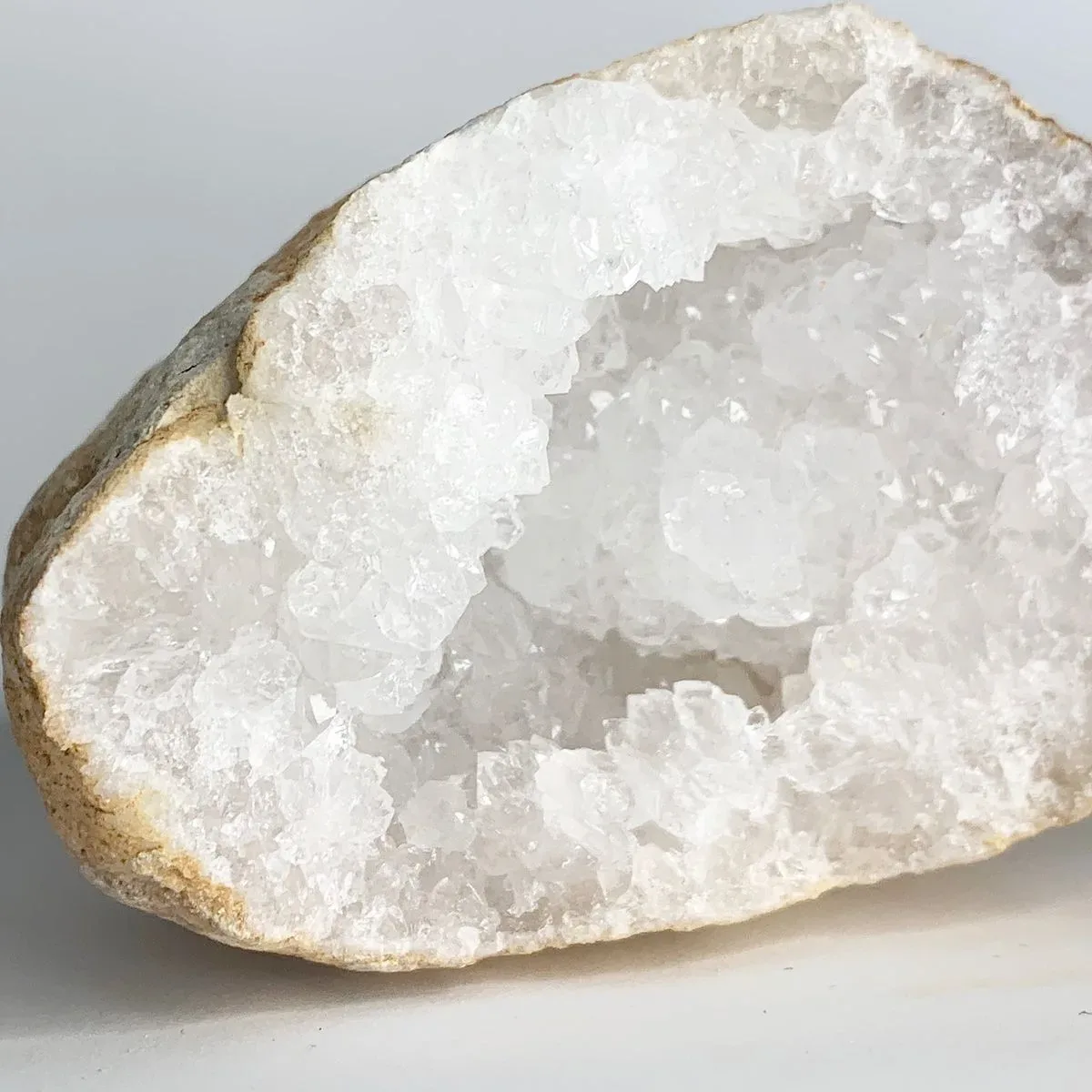
Clear Quartz
Clear Quartz keeps things clean and uncluttered next to Labradorite's layered, mysterious feel. The blend comes through bright and precise, so the imaginative edge stays easy to track.
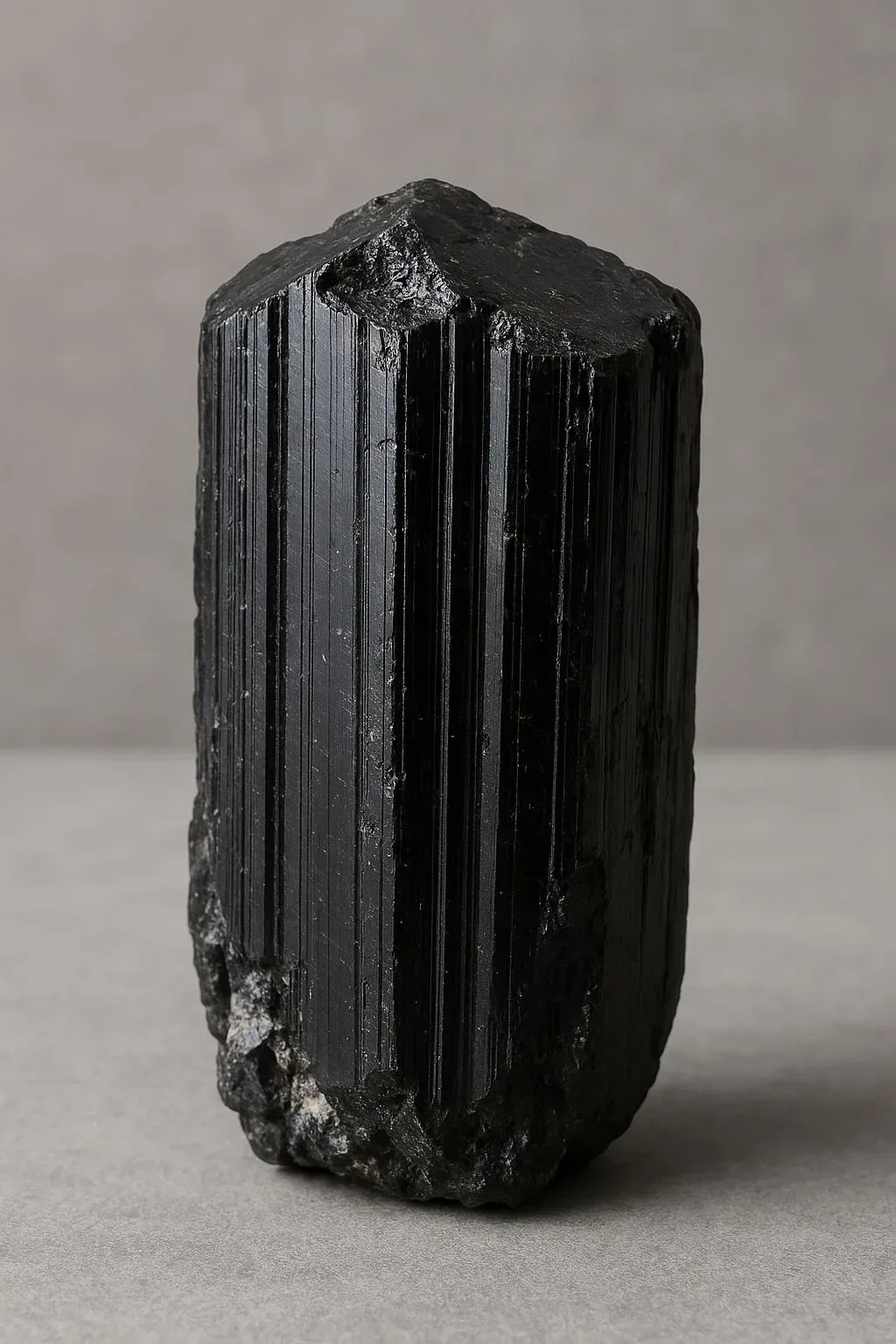
Black Tourmaline
Black Tourmaline adds weight and firm edges to Labradorite's airy, changeable feel. Like a solid base under shifting light. Steady, but not dull.
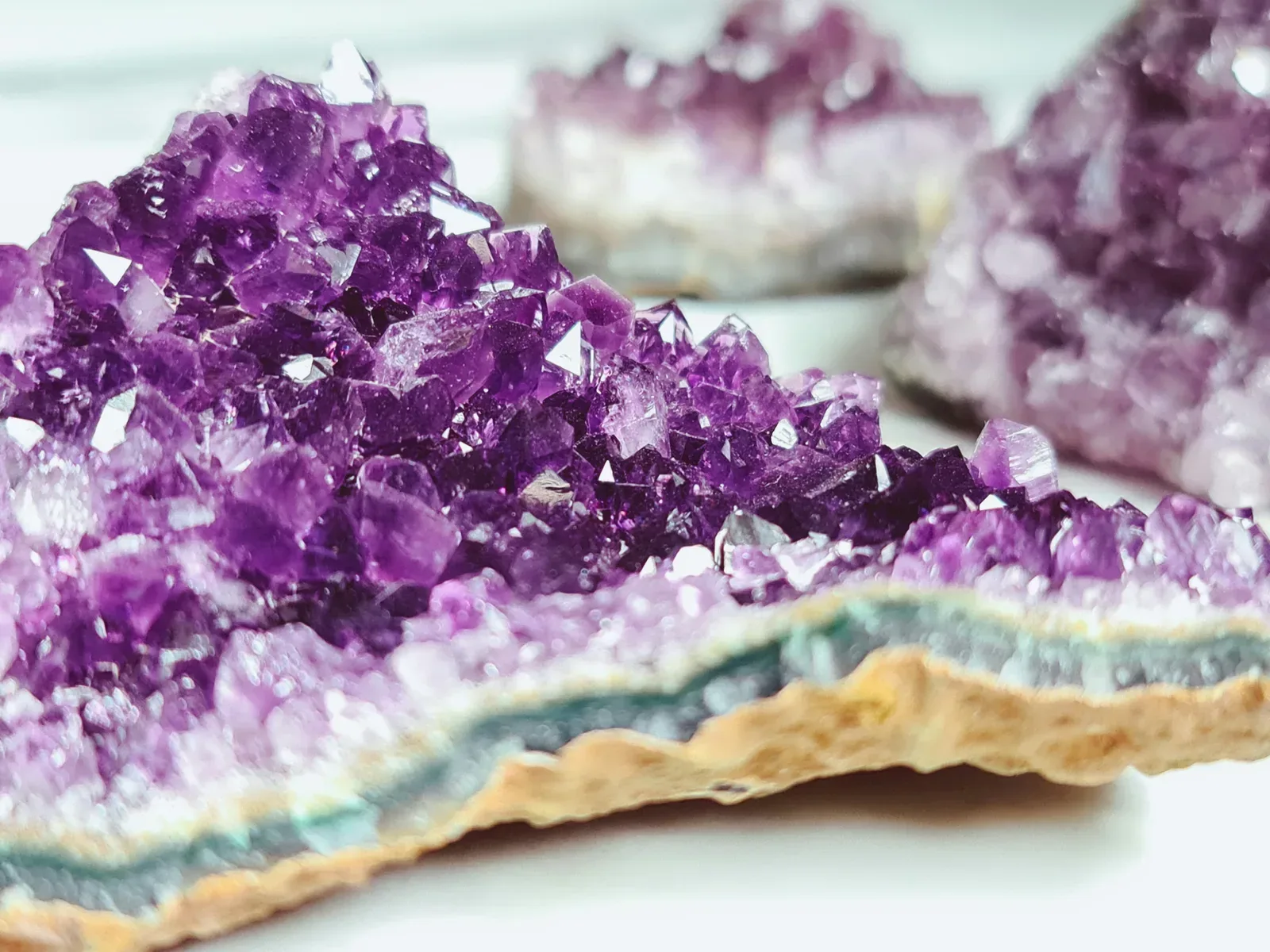
Amethyst
Amethyst and Labradorite both read contemplative, just in different registers. Amethyst feels serene and spacious, Labradorite stays curious and electric, so the mix is calm but switched on.
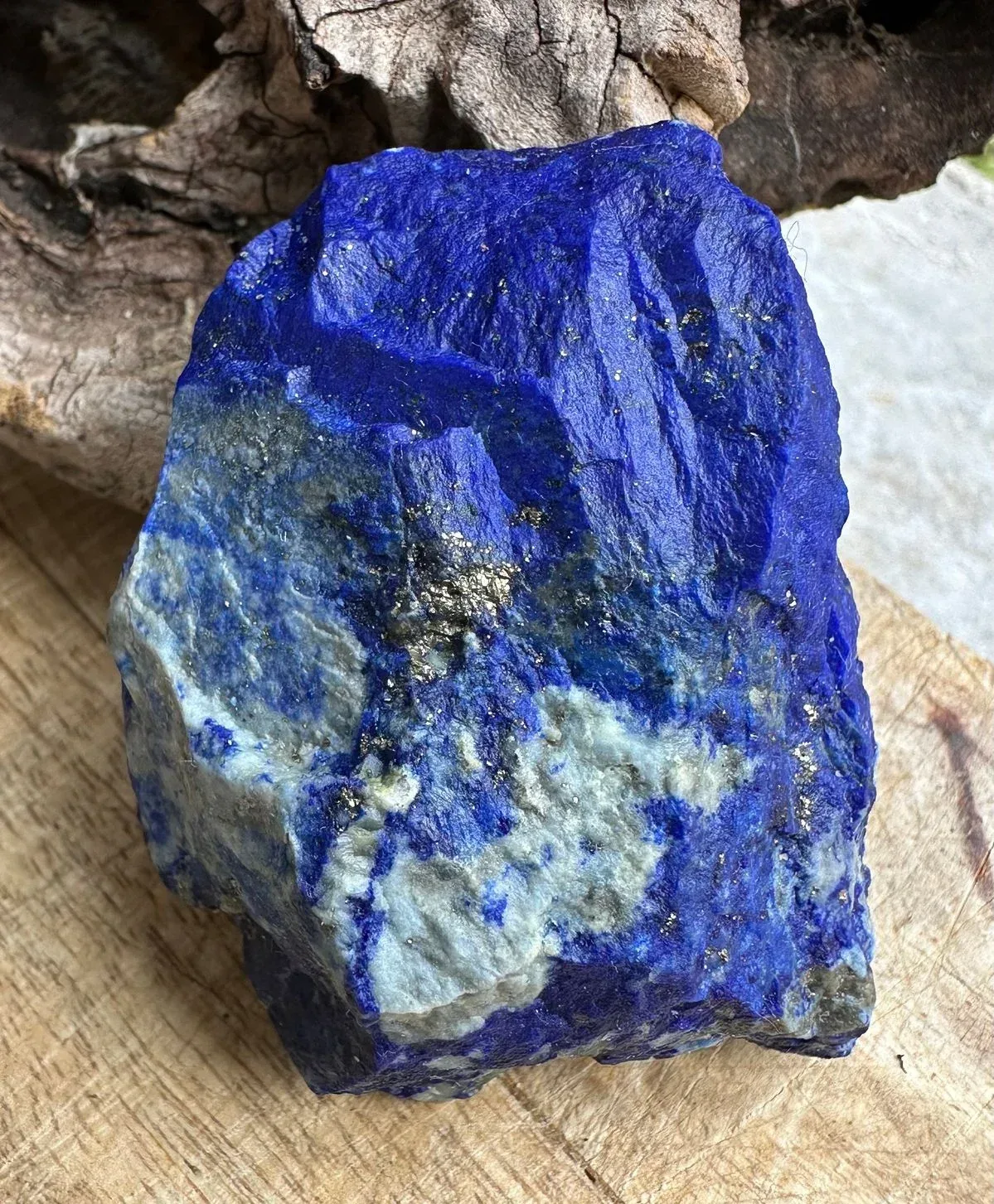
Lapis Lazuli
Lapis Lazuli gives Labradorite a more direct, truth-centered tone. Labradorite follows patterns and hidden links, Lapis feels clear and principled, so the pairing lands as insight with backbone.
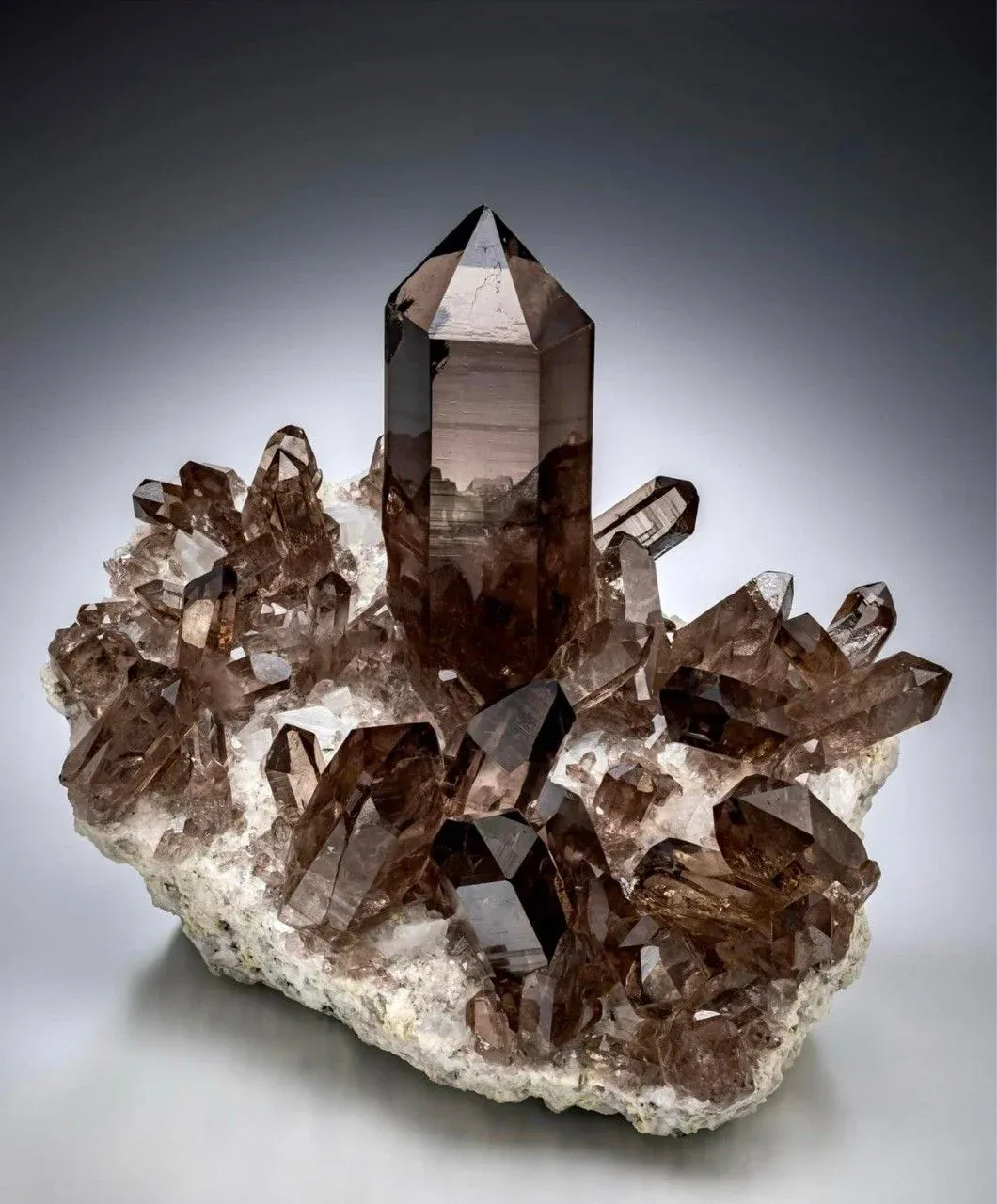
Smoky Quartz
Smoky Quartz brings a grounded, realistic undertone to Labradorite's shimmering, exploratory vibe. Big ideas, solid footing. The tone stays practical even when the mind ranges.
Healing
Labradorite suits busy, emotionally loud stretches. It is often linked with clearer instincts, firmer boundaries, and a calmer sense of direction when messages, choices, and other people's opinions start stacking up.
Keep it close as a cue to pause and check what feels true. Take one next step. It also fits creative runs, when ideas need space to land, get shaped, and move forward without spiralling.
Affirmations
Use these lines when focus slips or confidence wobbles. Keep the words simple, and repeat one that fits the moment.
Say them while getting ready, before a meeting, or when switching tasks. Let the tone be calm and practical.
- My instincts are clear and steady.
- I trust myself to choose what fits.
- I protect my time and energy with ease.
- I stay grounded while I grow.
- I let new ideas arrive without pressure.
Intention Setting
Intentions work best when they are small and specific. Pick one for the day, then choose a clear action that matches it.
If the mind feels scattered, shorten the intention. A few honest words can be enough.
- Stay calm and focused during busy moments.
- Speak clearly and keep healthy boundaries.
- Follow curiosity without losing direction.
- Let change feel manageable and steady.
- Notice what drains energy, and step back.
Manifesting
These prompts are about direction, not forcing outcomes. Use them to name what is being built and what needs to be released.
Pair each one with a practical next step, even a small one, so it stays grounded.
- A clear plan for the next step appears.
- Work feels more focused and less reactive.
- Creative ideas turn into finished drafts.
- Relationships feel safer and more balanced.
- Confidence grows through consistent choices.
Jewelry
Labradorite jewelry suits everyday wear when steadiness is the aim. Go subtle and close to the skin for private support, or choose a more visible piece when a clear reminder helps. Handy for boundaries, follow-through, and staying calm under pressure.
General benefits: Wearing Labradorite keeps it close through the day, like a quiet buffer when moods, noise, or a packed schedule start to crowd attention. The flash catches the eye and prompts a quick check-in. Pause, breathe, then respond instead of reacting.
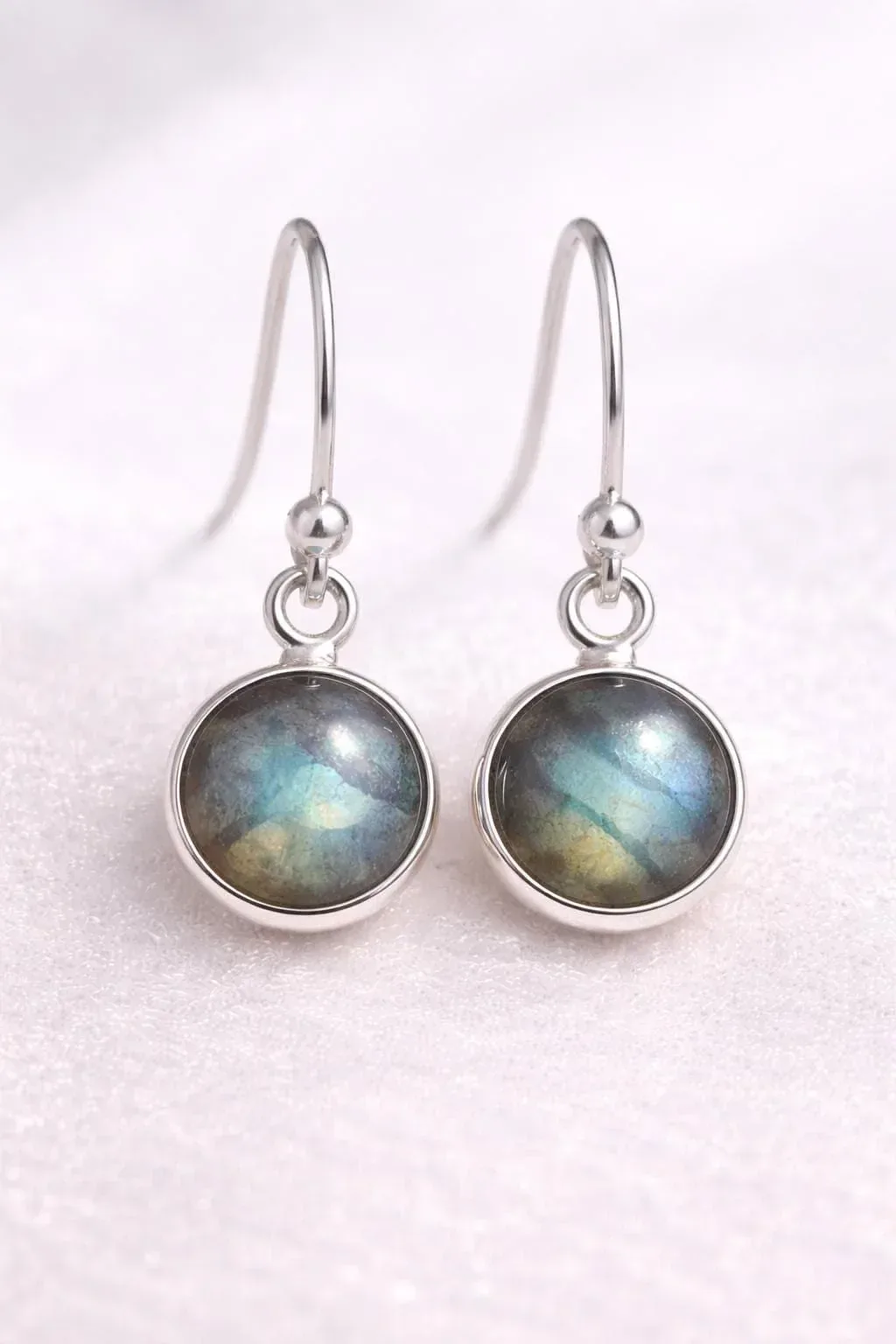
Earrings
Labradorite earrings sit near the head, which can suit days that need clear thinking and calmer reactions. Good for meetings, study, or fast decisions. As the light shifts, the flash shows up and disappears. A small cue to slow down, listen properly, and answer from what feels steady.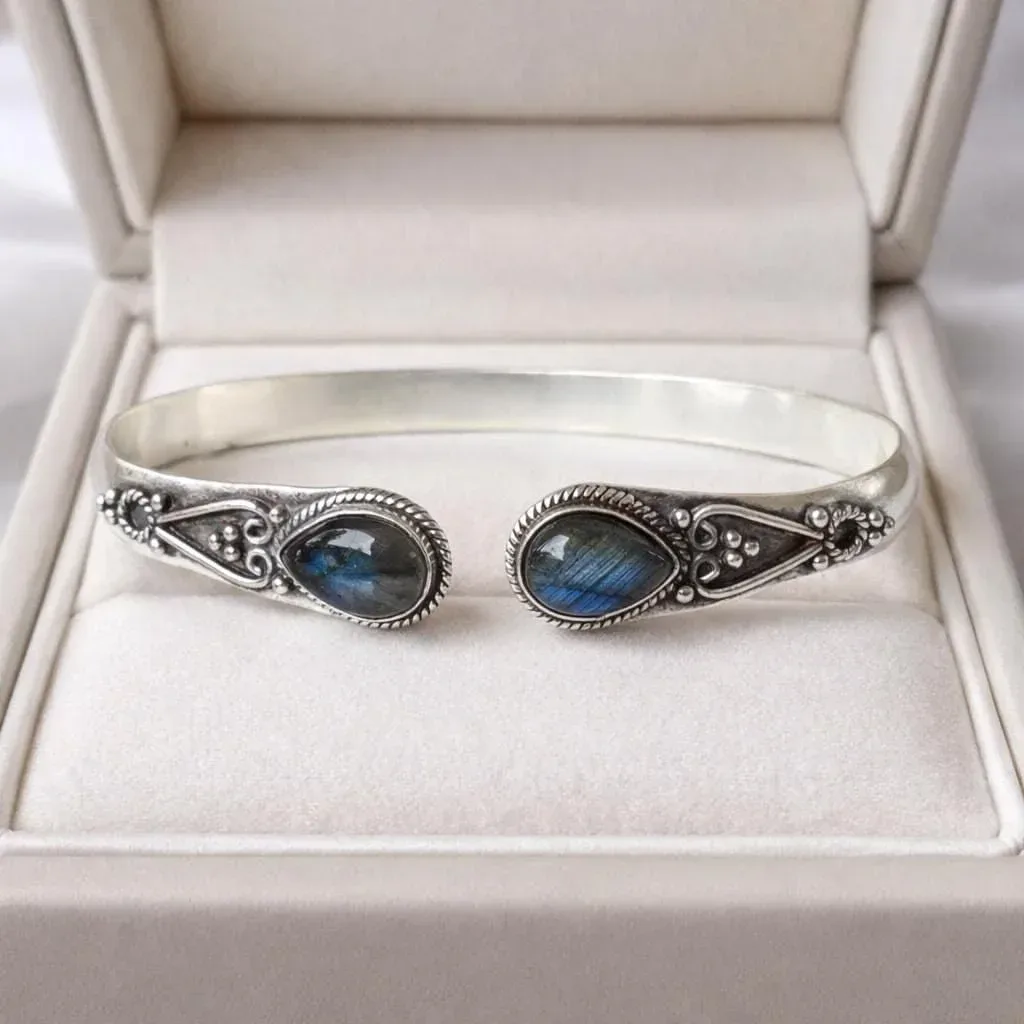
Bracelet
A Labradorite bracelet is an easy boundary reminder because it stays in view. Useful when plans change, work runs long, or social time gets noisy. It suits quick resets. Notice the wrist, loosen the grip, take one breath, then return to the next task instead of the whole list.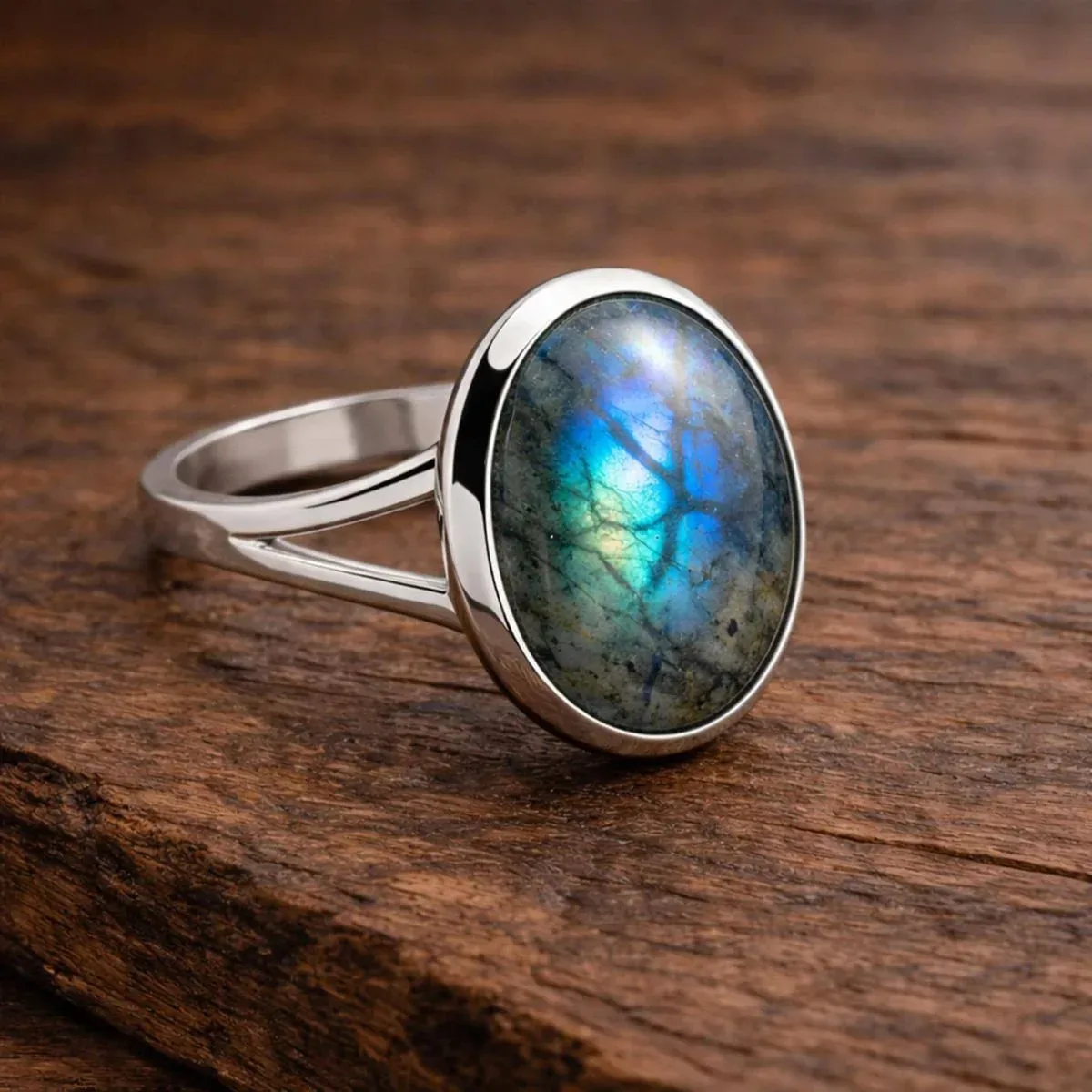
Ring
A Labradorite ring keeps the stone in sight and in use, which can support follow-through. It suits intentions around consistency and clean choices when details pile up. It can work like a pause cue. Spot the ring, wait a beat before replying, then pick the calmer option over urgency.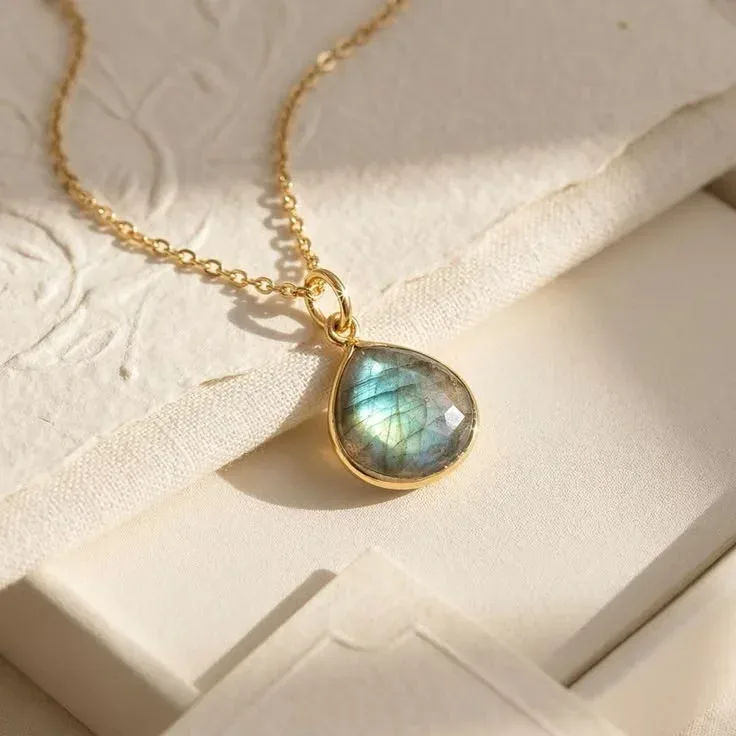
Necklace
A Labradorite necklace rests near the center of the body and can feel steadying when emotions run high. It suits days when presence matters more than speed. The glow can sit quietly under clothing. It brings attention back to what matters, while distractions move through without grabbing hold.Forms
Even with the same stone, the cut changes how the flash shows and how the piece feels in the hand and the eye.
Rough
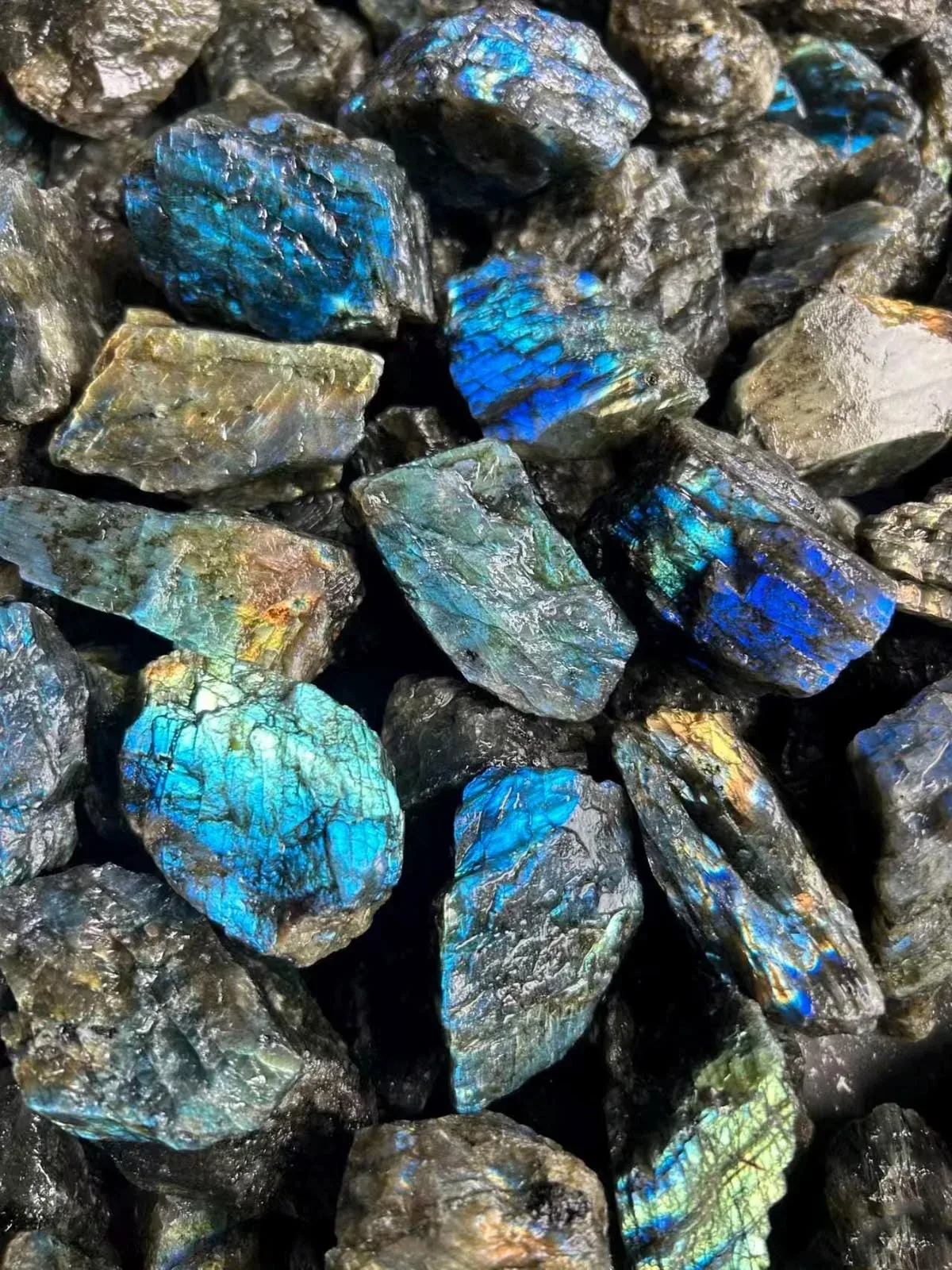
Rough Labradorite feels raw and natural. The surface is more matte, and the color can show up in uneven patches instead of one clean shine. It comes across as sturdy and grounded, with a practical, no-fuss look.
Point / Tower
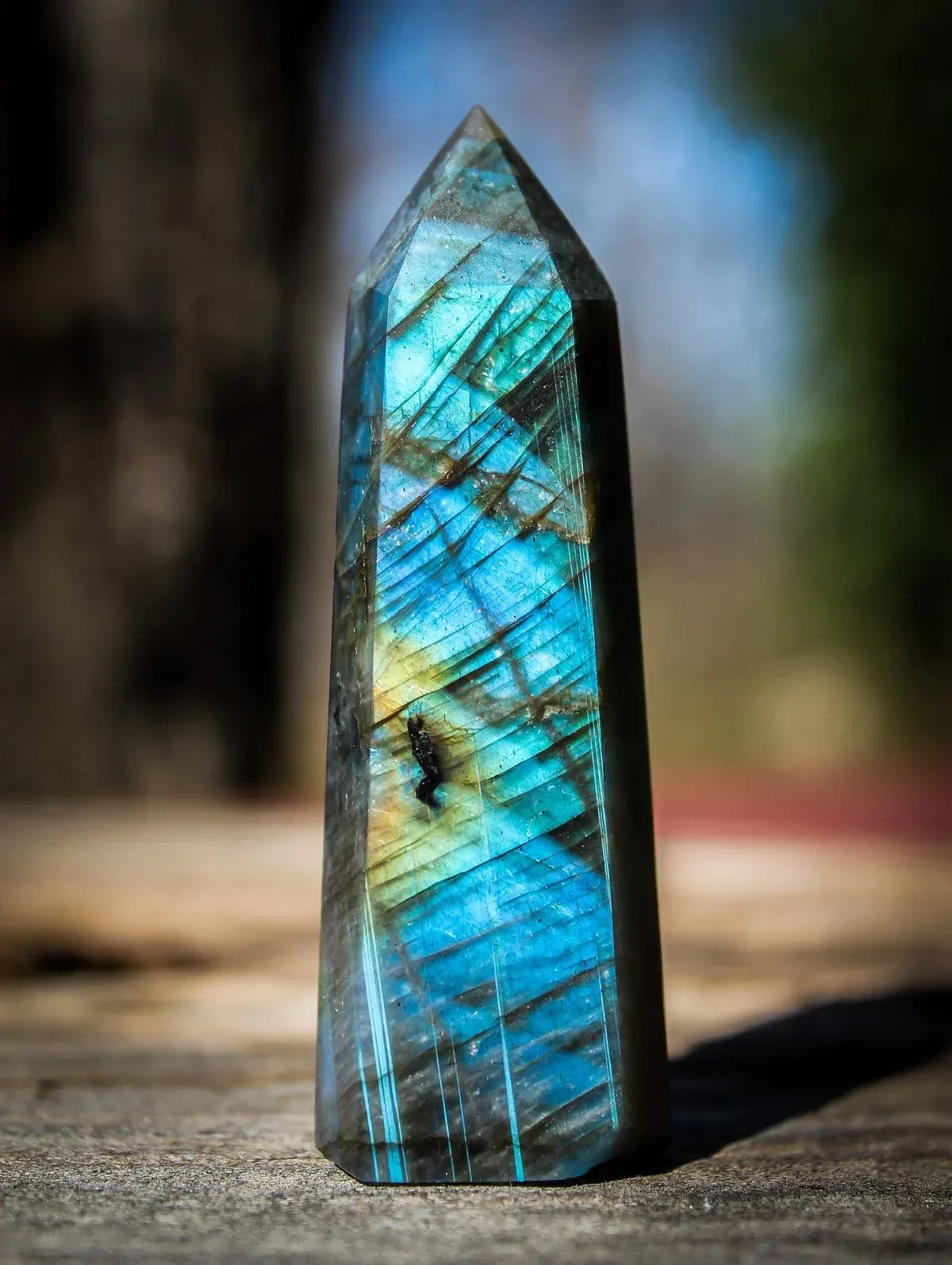
A Labradorite point or tower feels focused and directional. Polished faces catch strong bands of color and clean lines, giving it a crisp, purposeful look. It reads like mental tidying, pulling scattered attention into one lane.
Sphere
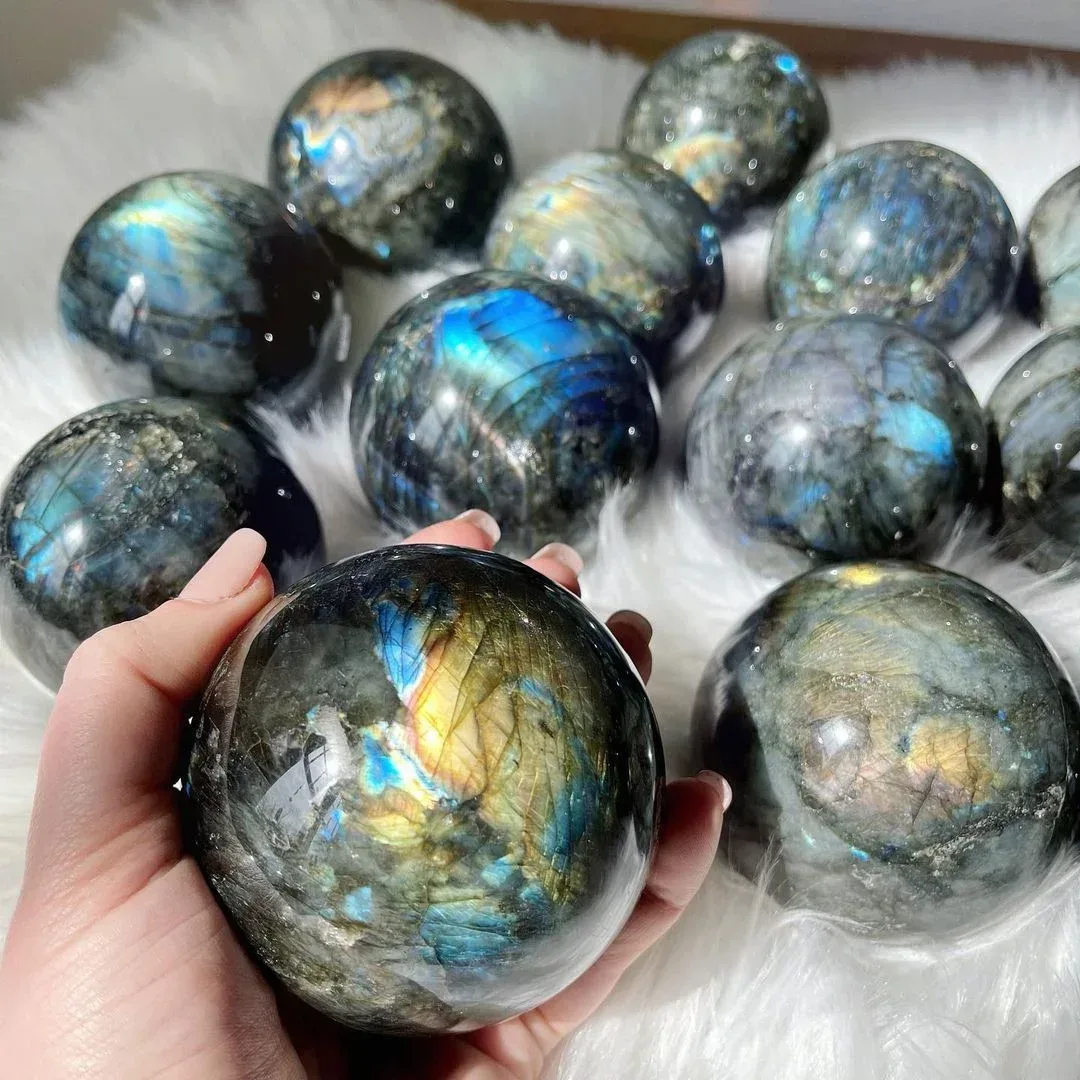
A Labradorite sphere has a smooth, even presence. As it turns, the flash glides across the surface in a slow sweep. It reads as calm and balanced, more all-around and steady than sharp or intense.
Palm Stone
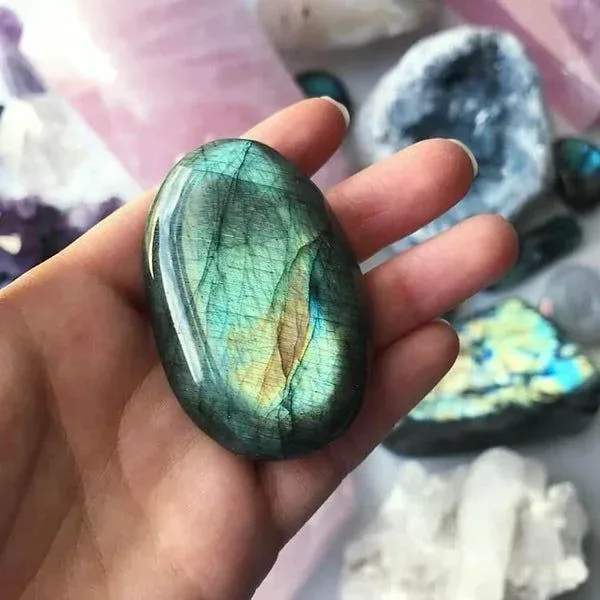
A Labradorite palm stone feels personal and comforting. The polish brings out a softer glow and makes the color easier to catch at different angles. It reads as quiet support, reassuring without needing to stand out.
Tumble Stone
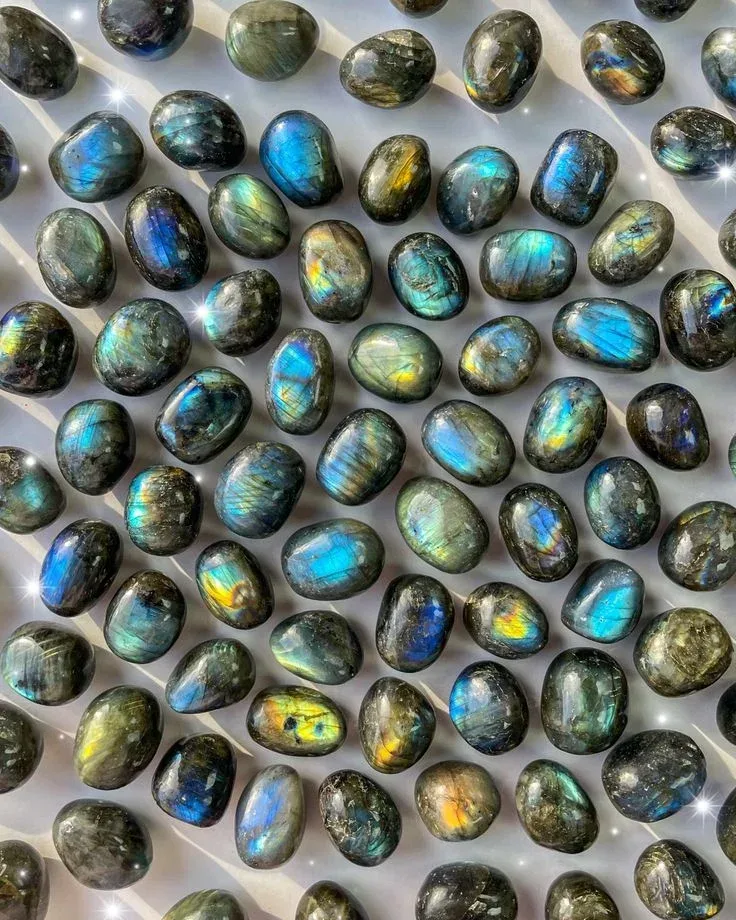
A tumbled Labradorite is small, simple, and easygoing. The rounded finish gives it an everyday feel, and the flash can be subtle but satisfying in the light. It reads as low-key steadiness, practical and approachable.
Figure
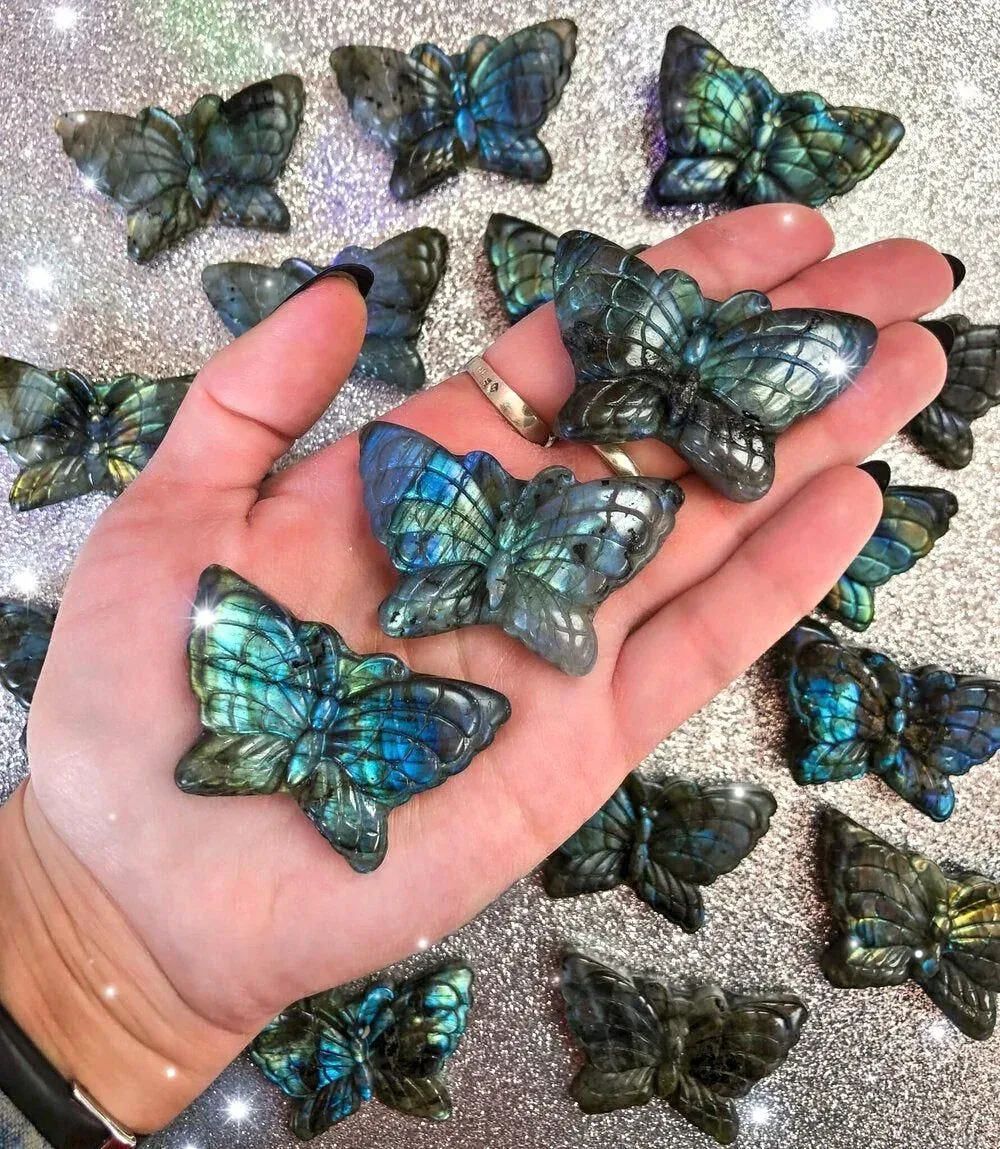
A Labradorite figure adds character. The carving plays with light and shadow, and certain angles can spotlight a strong flash in one spot. It reads as protective and symbolic, with a bit of story in the shape.
Heart
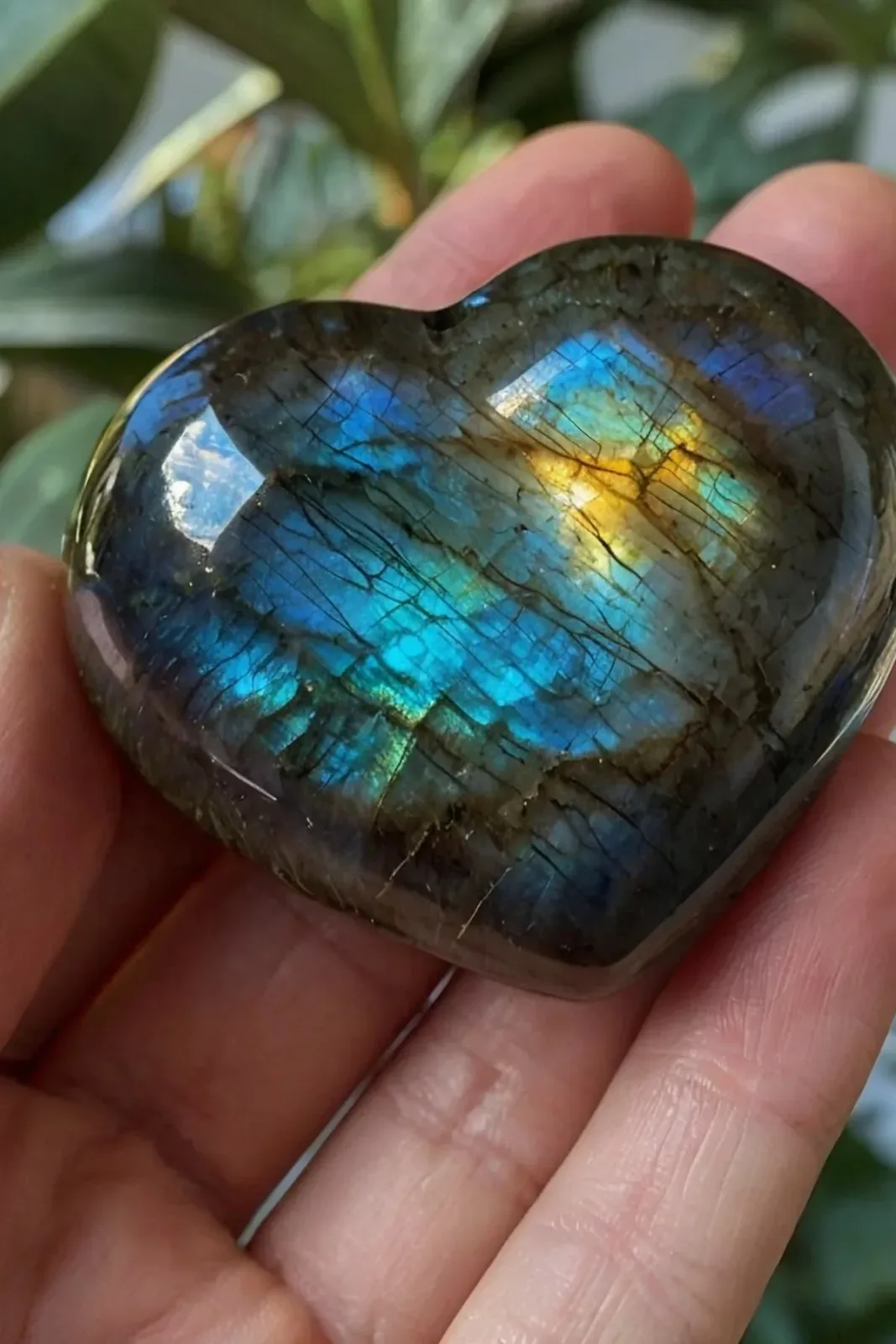
A Labradorite heart softens the stone's sharper look. The curved form pairs the color play with warmth, so it feels gentler at first glance. It reads as supportive and calming, especially during tender, emotional moments.
Cleansing & Charging
Labradorite has moderate durability, so keep cleansing methods gentle. Avoid salt water and harsh chemicals, and take care with knocks or sudden temperature changes. A soft cloth and mindful handling go a long way.
How to cleanse Labradorite
- Wipe with a soft, dry or slightly damp cloth, then dry fully.
- Use smoke cleansing with herbs or incense in a well-ventilated space.
- Place it near a singing bowl or bell to cleanse with sound.
- Rest it on a dry bed of rice overnight, then discard the rice.
How to charge Labradorite
- Leave it in morning light for a short time, avoid strong midday sun.
- Place it on a selenite plate or beside Clear Quartz for a few hours.
- Set a clear intention while holding it, then let it rest somewhere safe.
Where to Use
If the stone starts to look dull, give it a quick wipe and a gentle recharge. A small reset can help it feel fresh again, especially after intense days.
Office / study
Support focused work and cleaner decision-making. Useful for days with lots of messages, deadlines, or problem-solving, when it helps to stay clear and not take on other people's stress.
Meditation space
Helps settle the mind and notice what is going on beneath surface noise. A good fit for reflection, journalling, or quiet time when clarity matters more than intensity.
Entryway
Sets a boundary between outside energy and home life. It can help with switching off after work and keeping the tone of the home calmer when people come and go.
Bedroom
Encourages a calmer wind-down, especially after a mentally busy day. It can suit gentle reflection before sleep, without pushing the mind into overthinking or late-night planning.
Science
Physical properties
- Mineral class
- Feldspar
- Color
- Gray to dark with blue, green, or gold iridescence
- Hardness
- 6 - 6.5
- Density
- ~2.68 - 2.72 g/cm3
- Durability
- Moderate
- Thermal stability
- Moderate
Optical properties
- Transparency
- Translucent to opaque
- Lustre
- Vitreous to pearly
- Refraction index
- ~1.55 - 1.57
Chemical composition
- Class
- Silicate
- Formula
- (Na,Ca)(Al,Si)4O8
- Group
- Plagioclase feldspar
- Magnetic
- Non-magnetic
Formation
Labradorite forms as calcium-sodium plagioclase feldspar when magma cools and crystallizes. It is most common in mafic to intermediate igneous rocks, often basalt and gabbro. It can also be abundant in anorthosite bodies, where plagioclase builds up in thick layers and large volumes.
The color play comes later. Slow cooling lets the chemistry separate into very thin internal layers. These microscopic lamellae set up light interference, which produces the shifting blue, green, or gold flash seen on polished surfaces. Labradorite can also survive metamorphism, where heat and pressure rework the original rock while leaving many feldspar grains intact.
Locations
- Canada
- Madagascar
- Finland
- Russia
- Norway
- United States
History
Early European reports from Labrador
1770s
Labradorite is commonly linked to the Labrador region of Canada. Many accounts mention Moravian missionaries and other European visitors noting the stone there in the 18th century. Exact dates and details still vary by source.
Name tied to place of description
Late 18th century
The name "labradorite" is generally explained as coming from Labrador, where the mineral was first described in Western mineralogy. That place-name origin gets repeated a lot, even when older references do not agree on a single first publication.
Mineralogy classification within feldspar
19th century
As mineral classification developed, labradorite was placed within the plagioclase feldspar series. Later work clarified its sodium-calcium composition and its common occurrence in igneous rocks such as basalt, gabbro, and anorthosite.
Used as a decorative stone
19th, 20th century
Through the 19th and 20th centuries, labradorite became better known as an ornamental material, valued for its color flash. It appears in jewelry and small decorative objects. Use grew as supply and cutting techniques improved.
Scientific explanation of the color effect
20th century
Modern mineralogy explains the stone's color flash as an optical interference effect. It is linked to microscopic lamellae and exsolution structures formed during slow cooling and ordering in feldspar. This description is broadly consistent across contemporary references.
New sources and wider availability
Late 20th, 21st century
Additional commercial sources, including Madagascar and Finland, helped make labradorite more widely available on the gem and mineral market. Availability varies by deposit and by the quality of the color effect.
Modern metaphysical and wellness use
Late 20th, 21st century
In modern labradorite and wellness culture, labradorite is often described with themes like intuition, protection, and personal growth. Meanings sit within contemporary practice and vary by tradition and everyday use.
Northern stories and popular folklore
Traditional and modern (dates not fixed)
Popular writing sometimes links labradorite to Northern and Inuit-inspired stories about captured light or aurora-like color. These retellings are common in modern folklore. They are not consistently documented in primary historical sources.
Got questions?
We've got answers!
FAQ's
What is Labradorite used for?
+×
Labradorite is often used as a support stone for intuition, personal boundaries, and staying steady when things feel in flux.
It is also a popular choice for creativity and focus, for example during journalling, planning, or meditation. Some people keep it by a desk or near an entryway as a reminder to protect energy and attention.
Which zodiac signs are connected to Labradorite?
+×
Labradorite is commonly linked with Scorpio and Leo.
It is often chosen when working on Scorpio-style depth and self-trust, or Leo-style confidence and self-expression, especially when trying to stay grounded while showing up more fully.
What chakras does Labradorite activate?
+×
Labradorite is most often associated with the Third Eye and Crown chakras.
In practice, it is typically used to support clearer insight, reflection, and a wider view of a situation, rather than pushing for quick answers.
Can Labradorite help with stress and sleep?
+×
Labradorite is sometimes used as a calming, protective companion when the mind feels busy, which can make it easier to unwind at night.
For sleep, try placing it on a bedside table or using it in a short wind-down routine, like a few slow breaths or a simple intention for rest. It is not a medical treatment, and persistent stress or sleep issues are best discussed with a qualified professional.