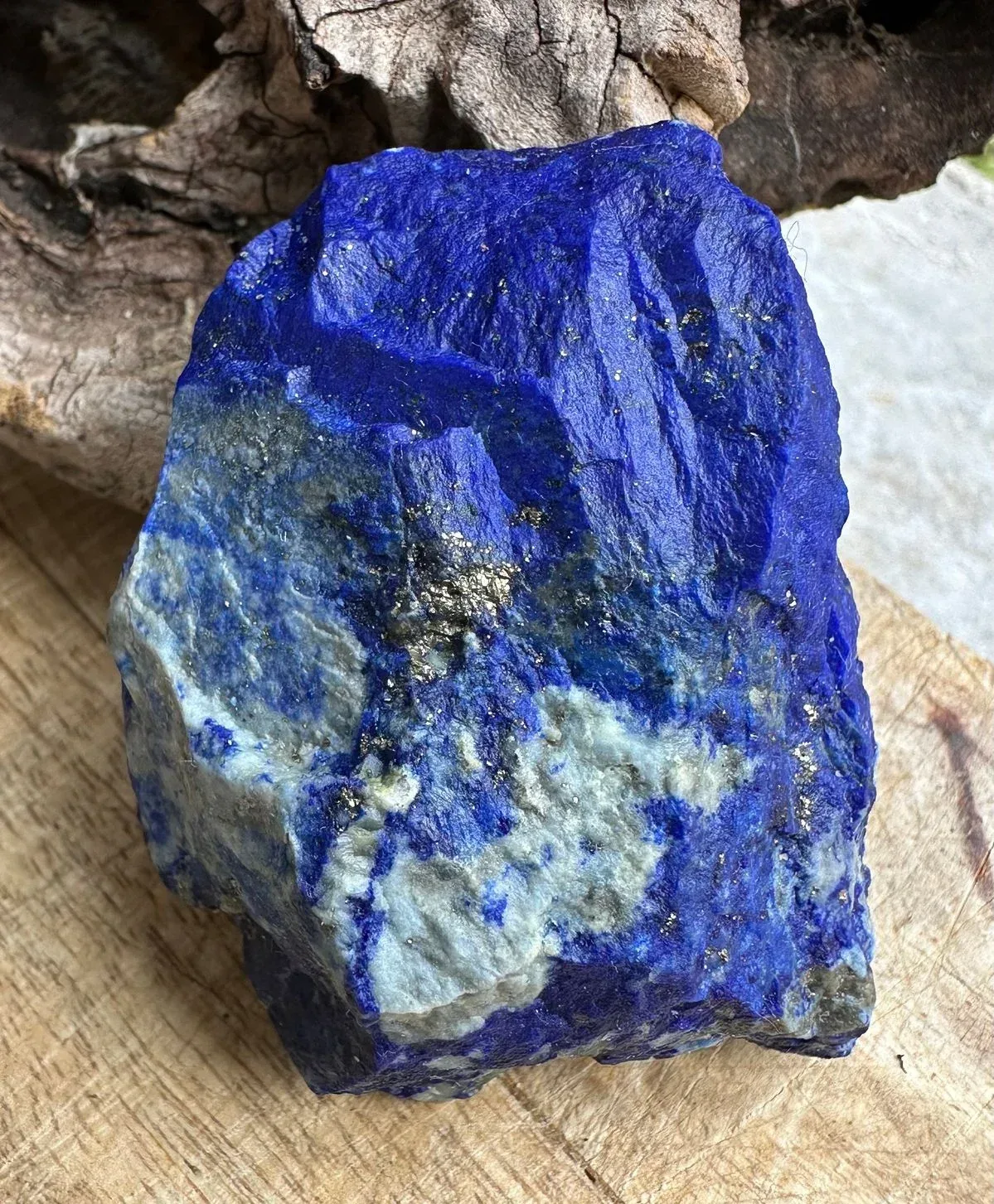
Lapis Lazuli Crystal, Benefits and Meanings.
A deep-blue ornamental stone named from Latin 'lapis' (stone) and Persian/Arabic 'lazward' (blue), long linked with wisdom, truth, and royal power.
Metaphysical & Spiritual
Lapis Lazuli is often linked with plain speech and clear thinking. That deep blue look has made it a steady symbol for truth, direct but not harsh. It is usually read as supportive when words carry weight, naming a need, holding a boundary, or finally saying what has been stuck in the throat. Calm matters here. Honest too. Lapis Lazuli is also tied to insight, not a dramatic "vision", more like spotting patterns and trusting a sensible hunch. Good for times when the mind needs clarity, plus the nerve to act on it.
Planet

Jupiter
Lapis Lazuli fits Jupiter's wider-view mood, growth through understanding, meaning over impulse. It nudges words toward what is learned and what actually matters.
Element
Air
With Air themes, Lapis Lazuli reads clean and mental. It sharpens wording and steadies reasoning when feelings start to blur the message.


Crystal Pairings
Lapis Lazuli is often linked with honest words and a steady, thoughtful mind. Pairing it with other stones can shift the tone, adding clarity, softness, or grounded confidence.
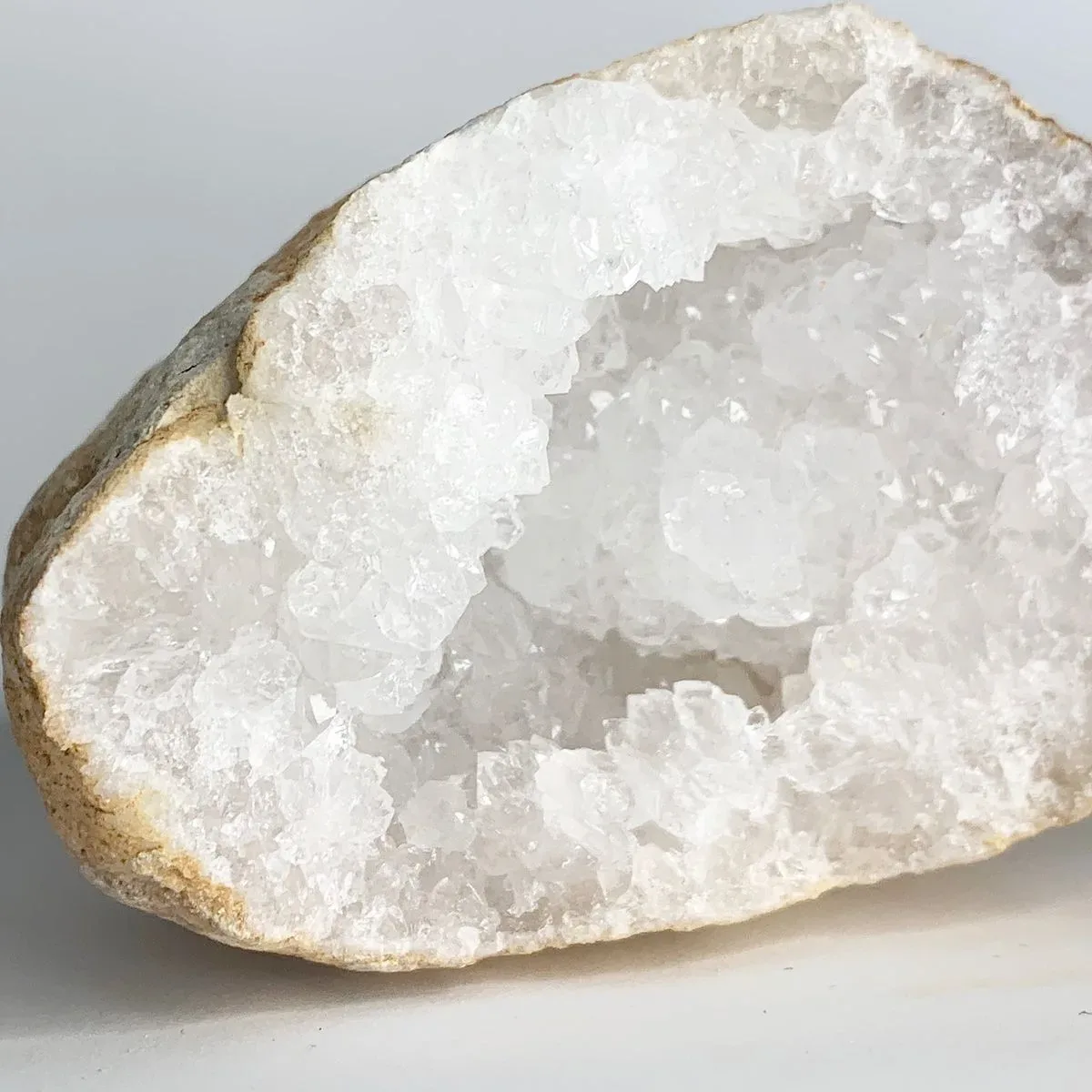
Clear Quartz
Clear Quartz has a clean, bright feel that sharpens Lapis Lazuli's thoughtful, truth-focused tone. Together it reads as clear speech and a mind that feels less cluttered, like a window wiped clean.
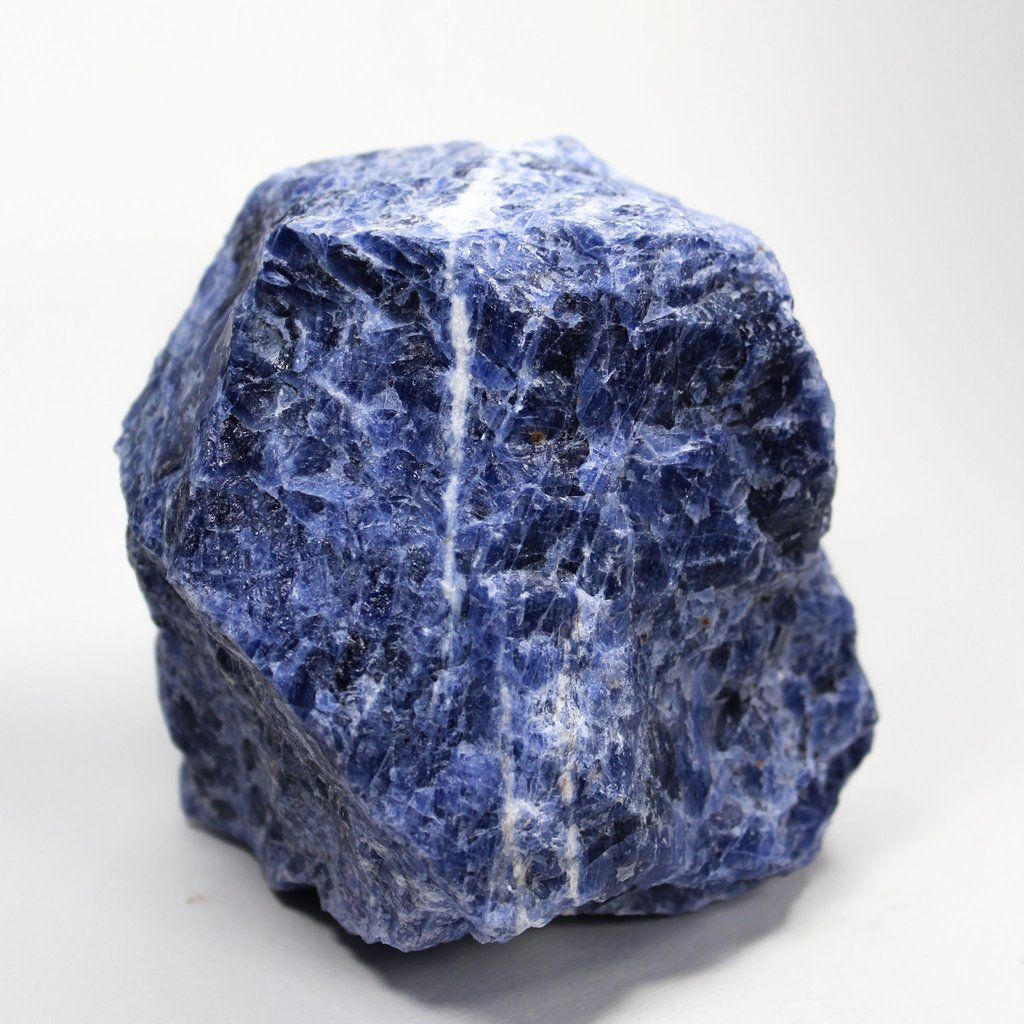
Sodalite
Sodalite and Lapis Lazuli share a calm, blue, head-and-voice quality. Sodalite leans more logical, so the mix stays even, clear, and measured, without turning sharp.
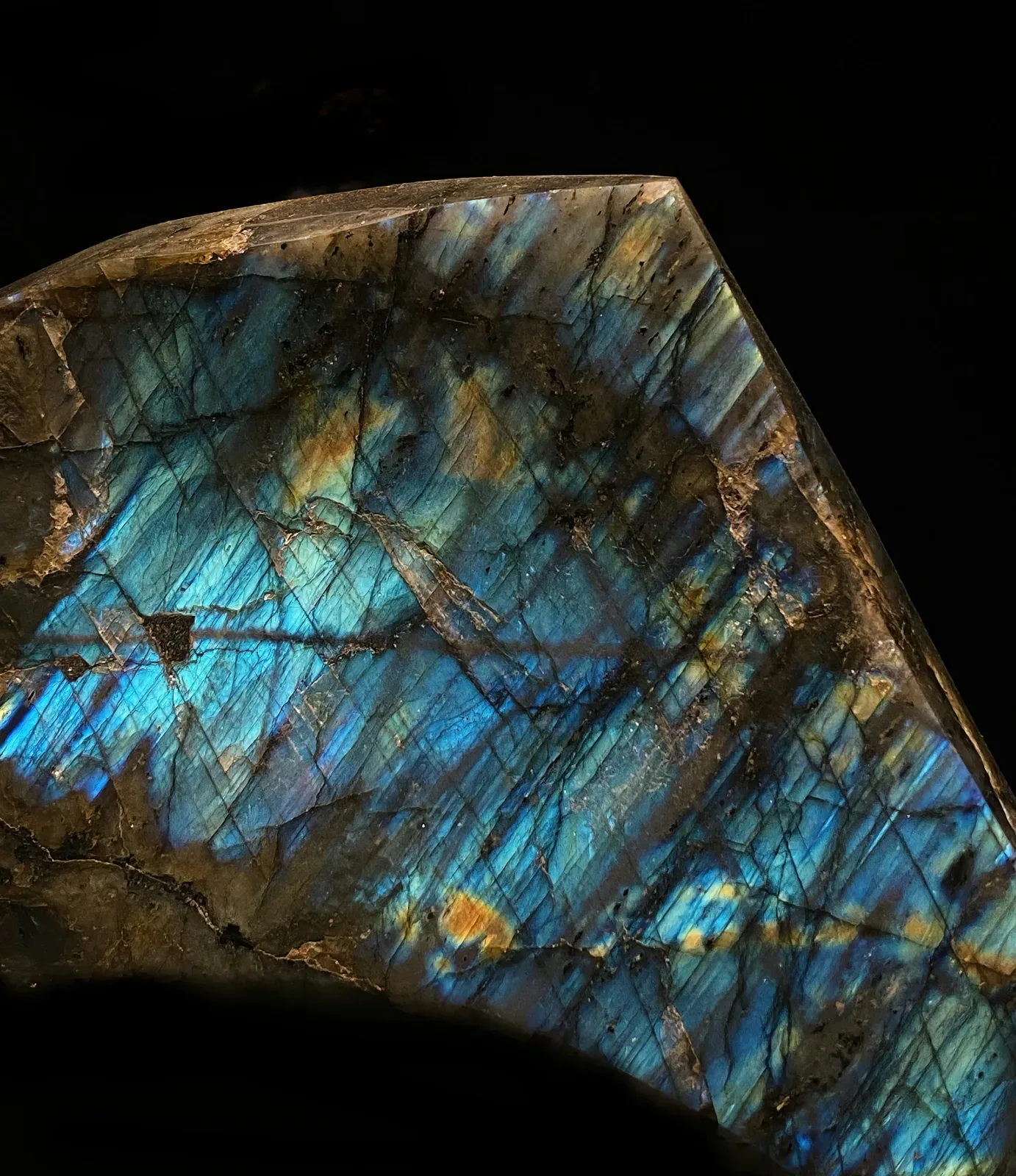
Labradorite
Labradorite brings a shifting, reflective edge to Lapis Lazuli's straightforward clarity. The pairing keeps imagination in the mix, but still checks it against simple values and what feels true.
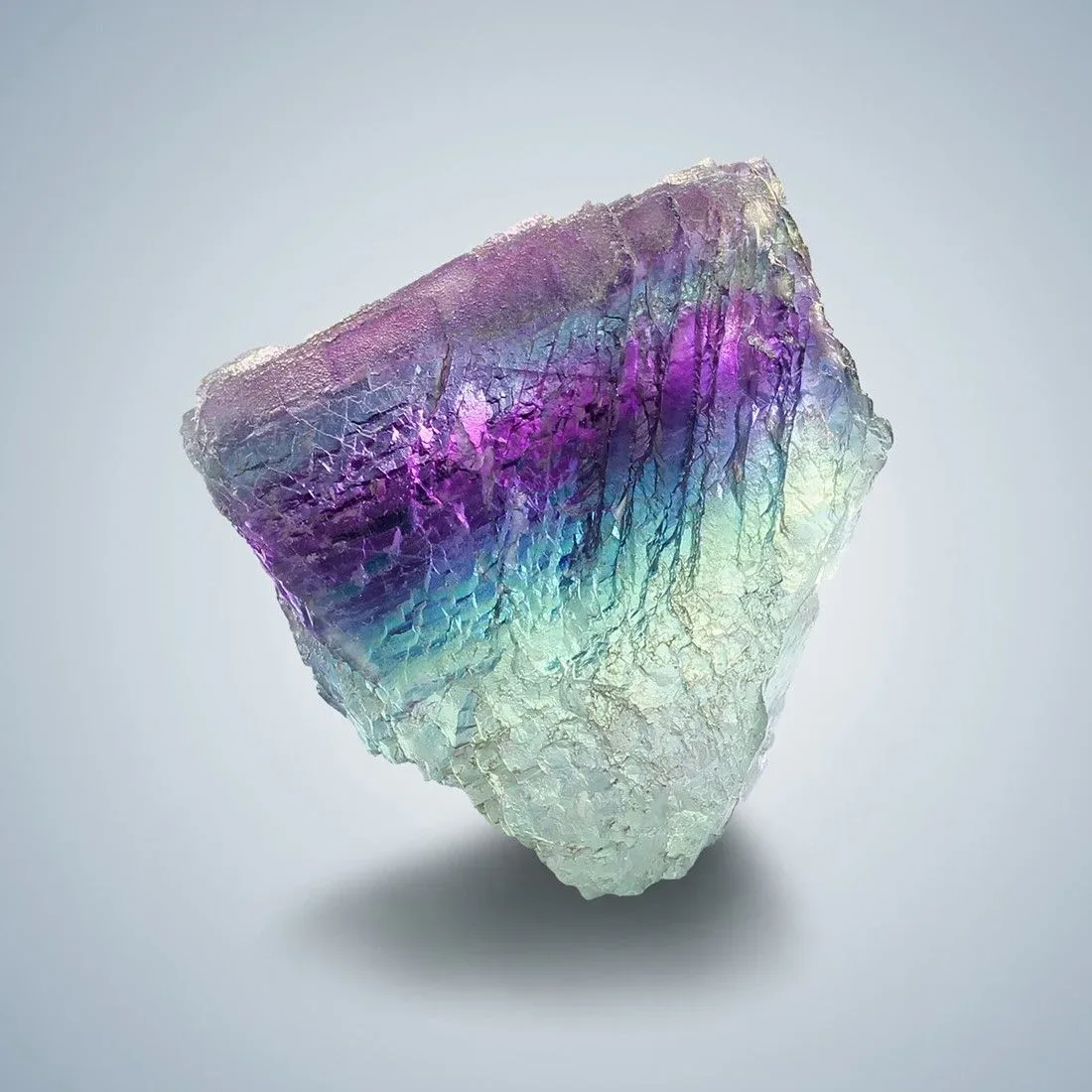
Fluorite
Fluorite is often linked with structure and mental order, which sits neatly alongside Lapis Lazuli's bigger-picture wisdom. The tone feels tidy and clear, with ideas that are easier to sort and name.
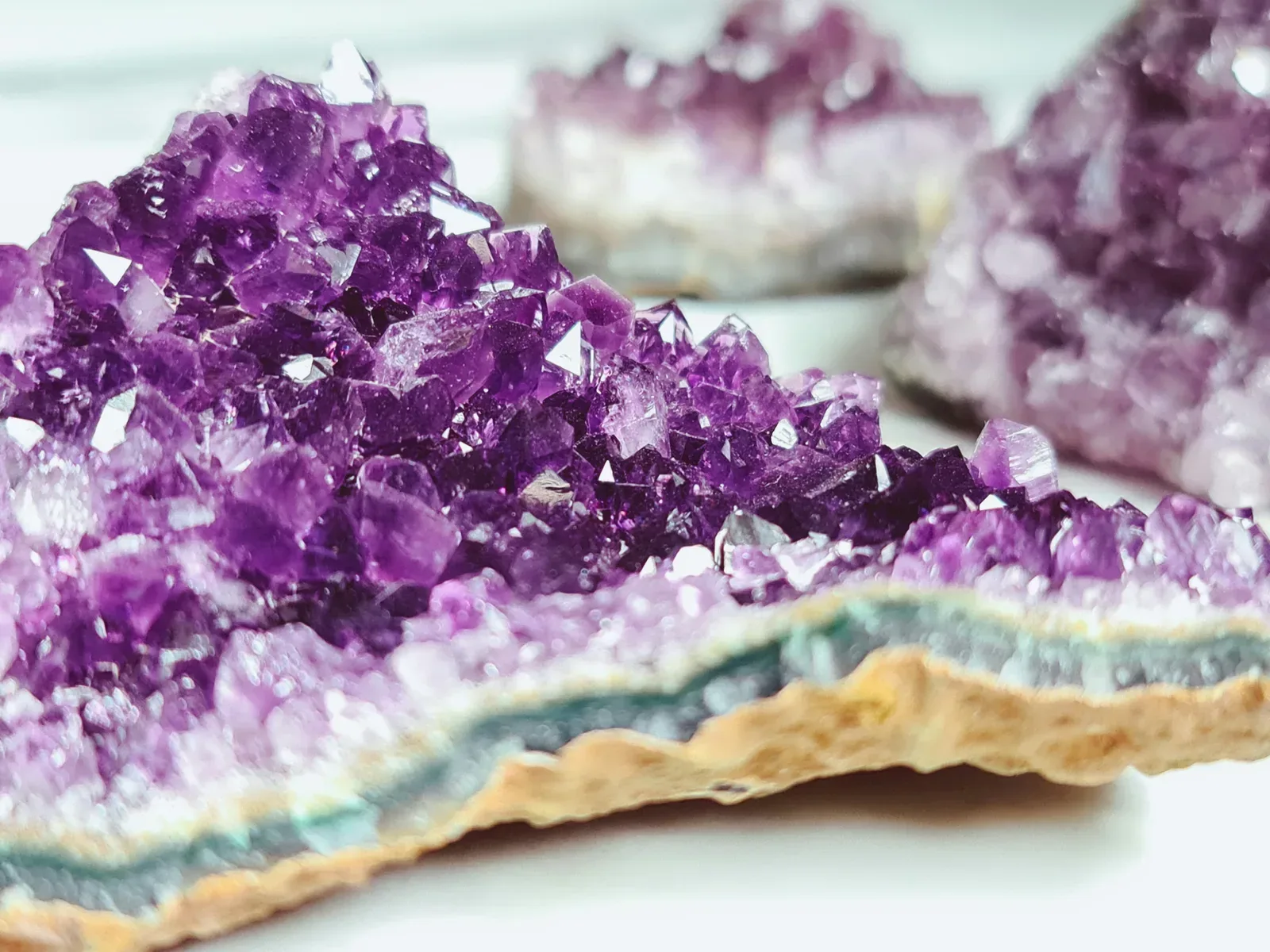
Amethyst
Amethyst adds a softer, quieter note that takes the edge off Lapis Lazuli's directness. It reads as honesty delivered with calm, clear words.
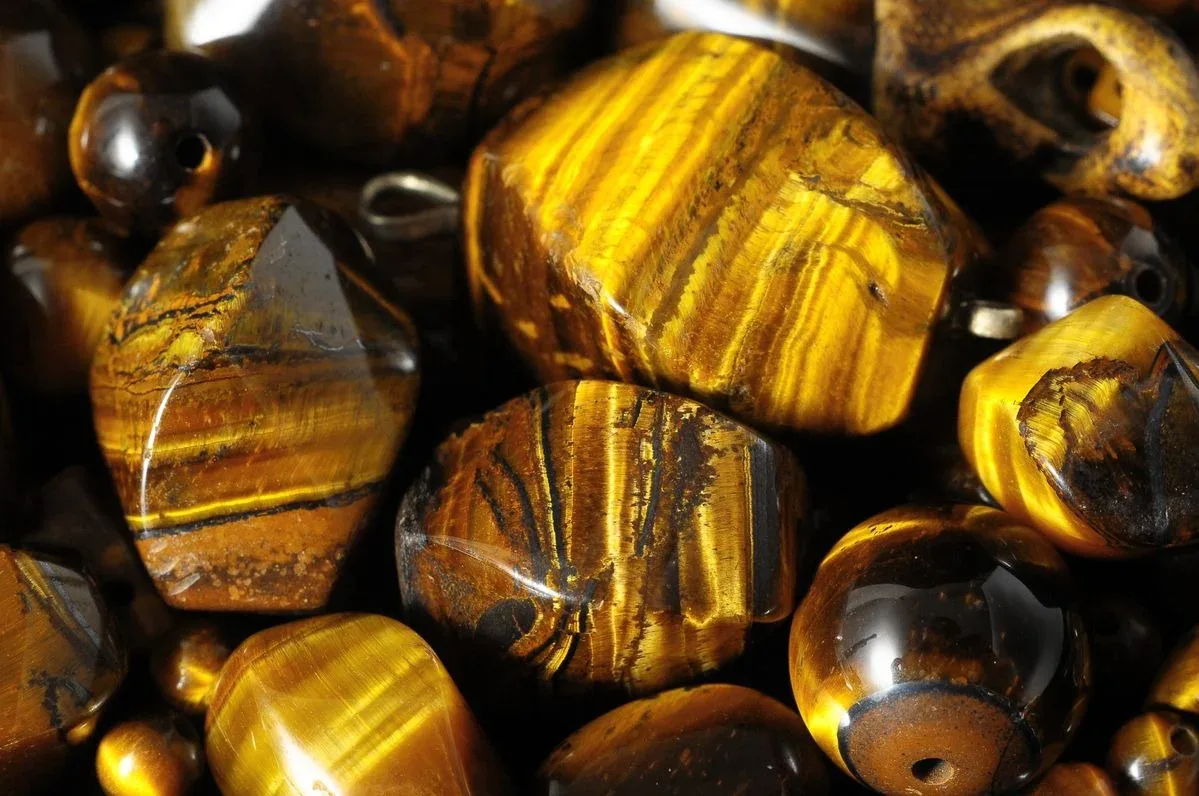
Tiger's Eye
Tiger's Eye brings grounded confidence to Lapis Lazuli's principled, thoughtful feel. Together it suggests conviction that stays steady, with clear judgement and a practical backbone.
Healing
Lapis Lazuli is often linked with steady self-expression and a calmer mind. It suits moments when thoughts feel loud or words feel stuck, and it can steer a chat toward a more honest, even tone.
Use it as a quick cue to pause and sort what matters. Handy before a hard message, after a tense moment, or when a decision needs a clear head instead of a fast reply.
Affirmations
Affirmations work best when they sound like something that could be true today. Keep the tone simple and repeat one line when it is needed, not all of them at once.
With Lapis Lazuli, the focus is on honest words, calm confidence, and seeing the bigger picture without overthinking every detail.
- My words are calm and honest.
- It is safe to speak up clearly.
- I listen, then respond with care.
- My mind is steady and focused.
- I trust my judgement in the moment.
Intention Setting
Intentions are a way to choose a direction, not force an outcome. Pick one that matches the next real step, like a conversation, a piece of work, or a decision.
Lapis Lazuli suits intentions that support clear thinking, respectful boundaries, and speaking with confidence.
- Speak plainly and kindly today.
- Stay focused on what matters most.
- Ask for what is needed without apologizing.
- Share ideas with confidence.
- Choose truth over people-pleasing.
Manifesting
Manifesting here means noticing opportunities and acting on them. Keep it practical, link it to behavior, and stay open to small wins.
Lapis Lazuli is often used as a reminder to show up with honesty, preparation, and a steady voice.
- Have a clear, respectful conversation.
- Present an idea with confidence.
- Make a decision and stand by it.
- Finish a task with focused effort.
- Be recognized for honest work.
Jewelry
Lapis Lazuli jewelry makes the stone easy to keep in daily life. Different pieces shift the vibe a bit. Some feel quiet and private. Others feel more front-and-center, handy for meetings, creative work, or any moment that calls for a clear, confident tone.
General benefits: Wearing Lapis Lazuli as jewelry keeps the reminder close all day. It can feel like a cue to slow down, speak cleanly, and stay steady when things get tense. The deep blue and gold flecks also lift simple outfits without trying too hard.
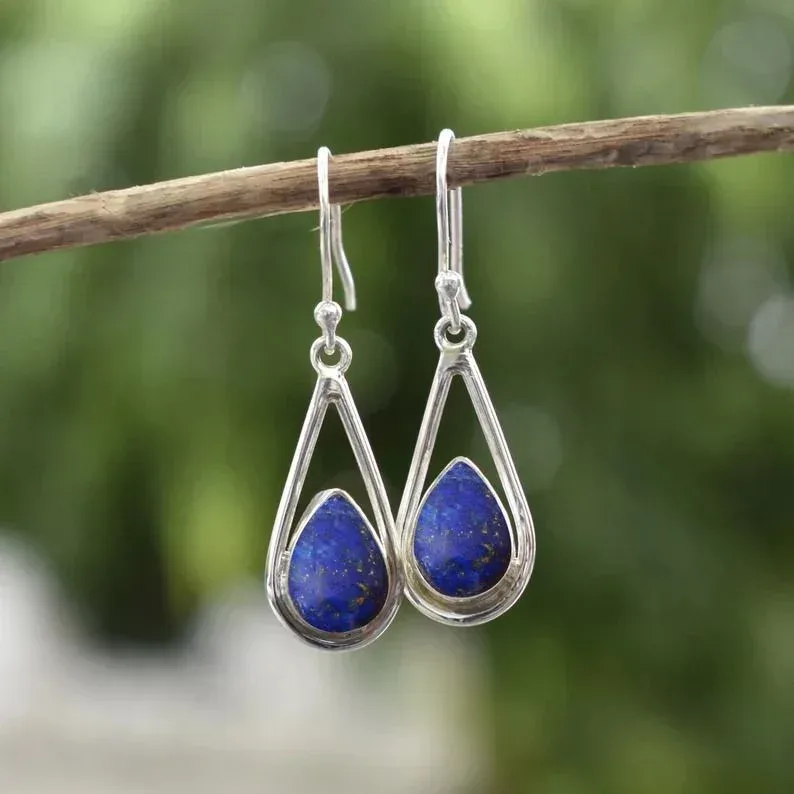
Earrings
Lapis Lazuli earrings sit by the face, so they suit days when expression matters. They can help keep tone steady in meetings, interviews, or quick catch-ups. The blue looks sharp on video calls too, and the gold flecks add detail without extra styling.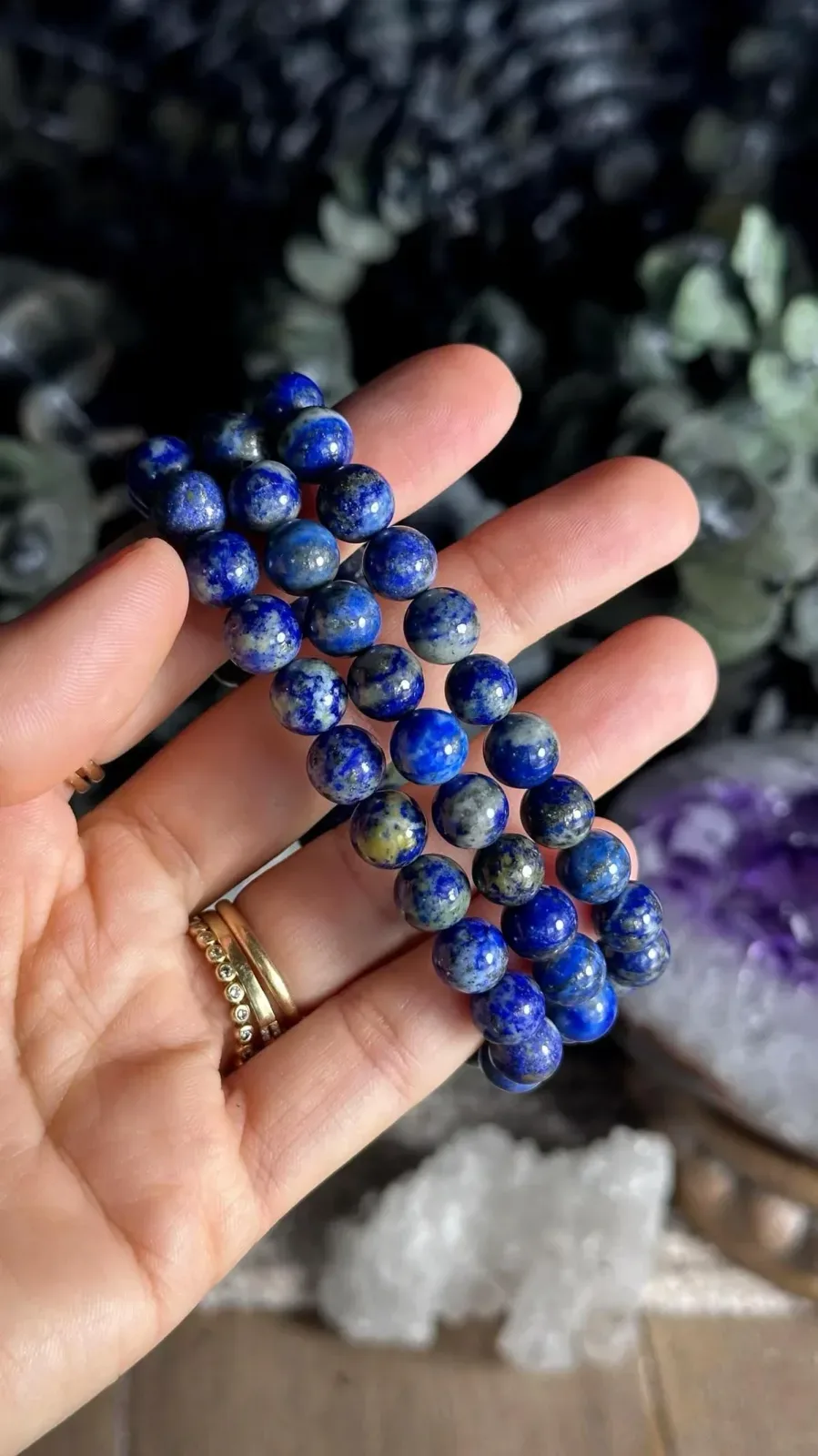
Bracelet
A Lapis Lazuli bracelet is easy to wear on repeat. It shows up while typing, writing, or gesturing, which makes it a handy pause cue before replying. Good for routines that need follow-through, like planning, studying, or finishing a task properly.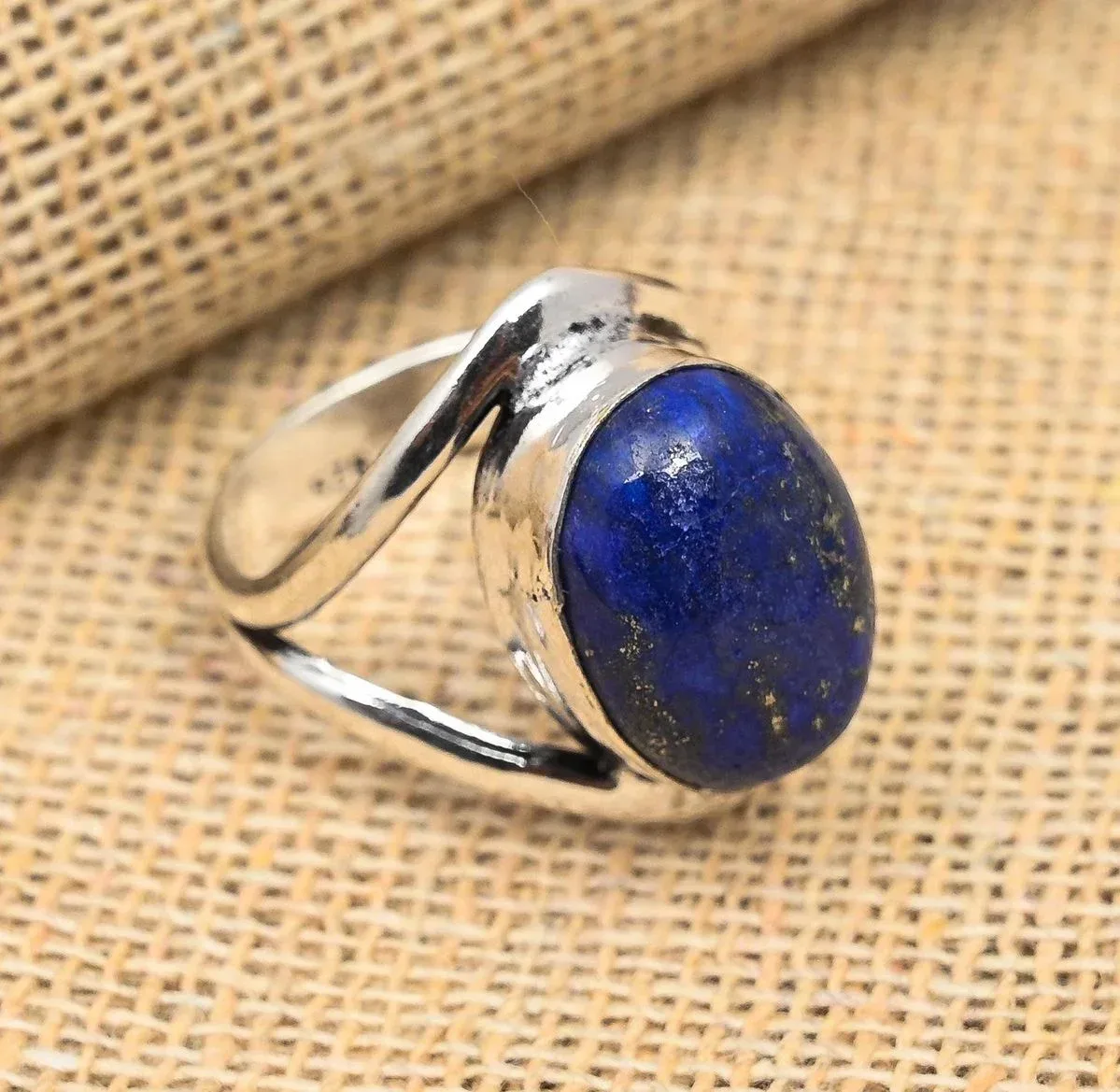
Ring
A Lapis Lazuli ring feels direct because it is noticed every time the hand moves. It suits moments that need a clean decision or a firm boundary. The color reads bold but not flashy, and it can make a simple outfit look intentional.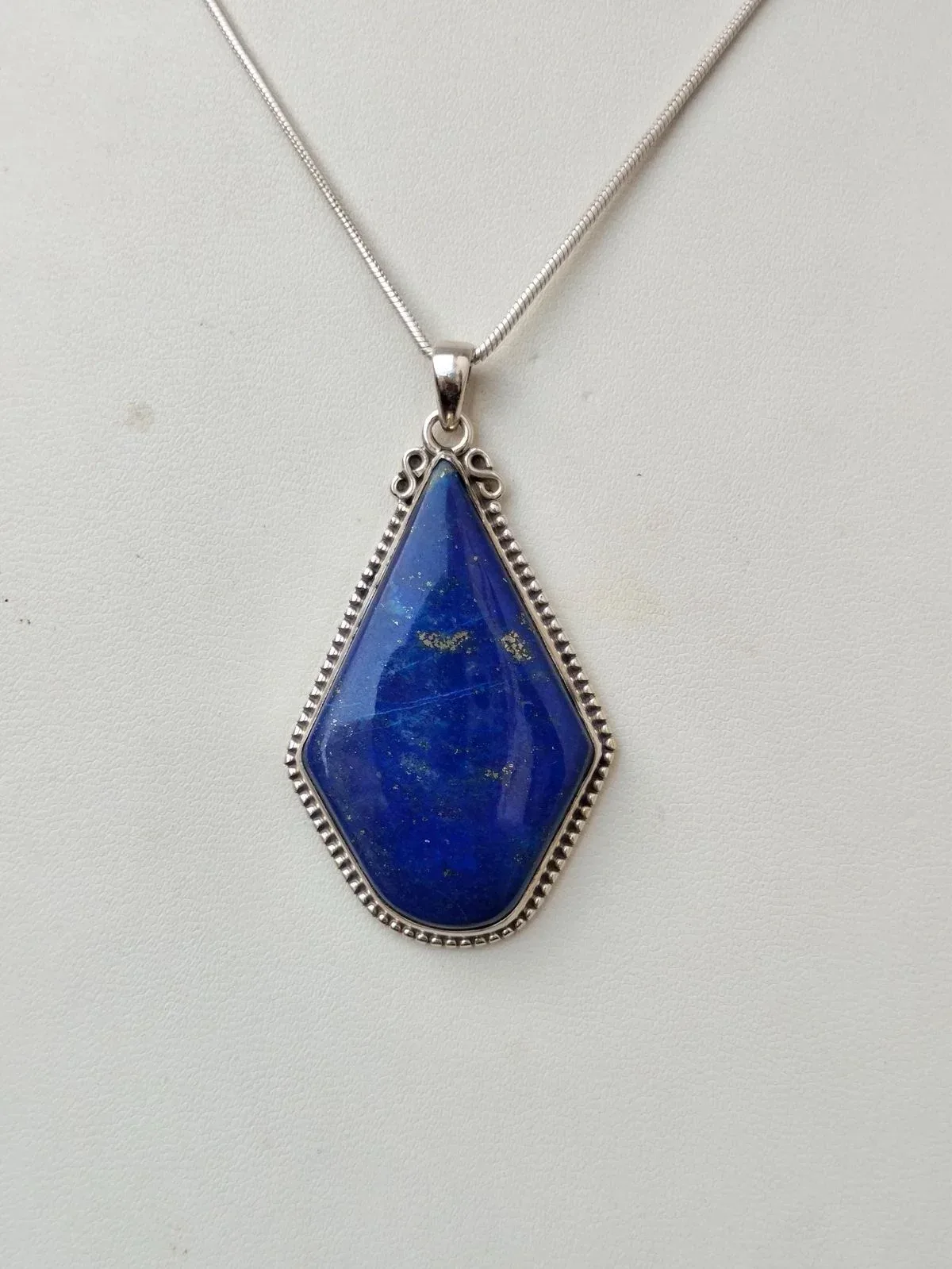
Necklace
A Lapis Lazuli necklace sits close to the throat, so it fits the communication theme naturally. It suits presentations, hard conversations, or sharing creative work where words need to land well. Worn tucked in or on show, it keeps the look calm and put-together.Forms
Each form below describes the typical tone it brings out in Lapis Lazuli, without locking it into one use.
Rough
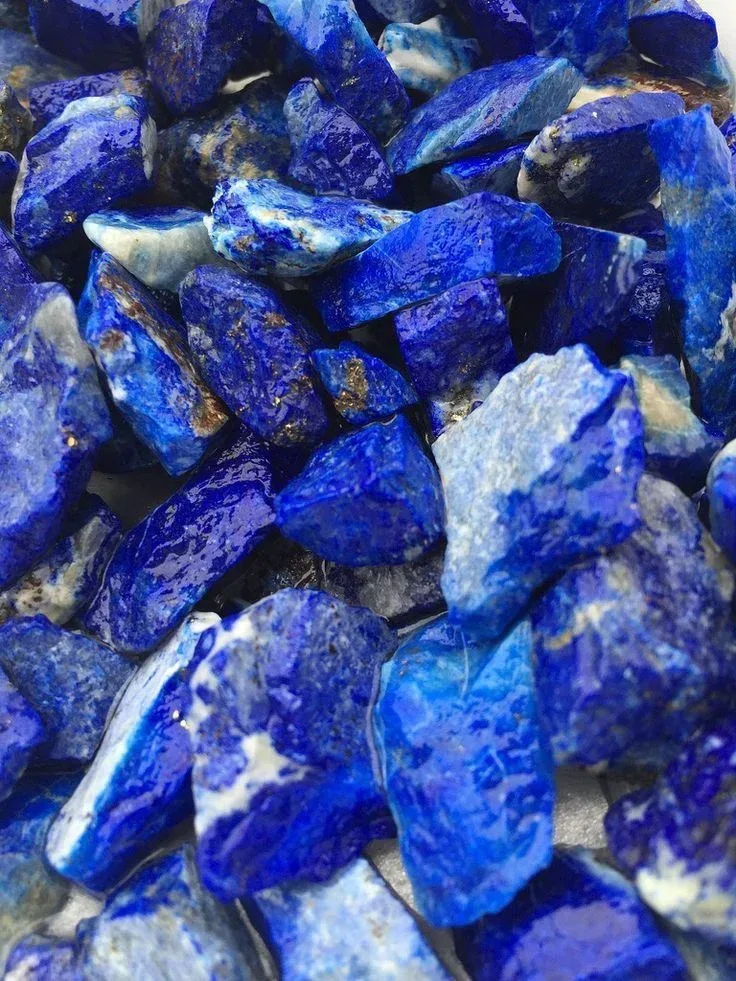
Rough Lapis Lazuli feels blunt and unfiltered. Natural breaks and mixed minerals give it a grounded look, like honesty without the polish. It often reads bold and practical, with a weathered character that makes the blue feel deeper and more earthy.
Point / Tower
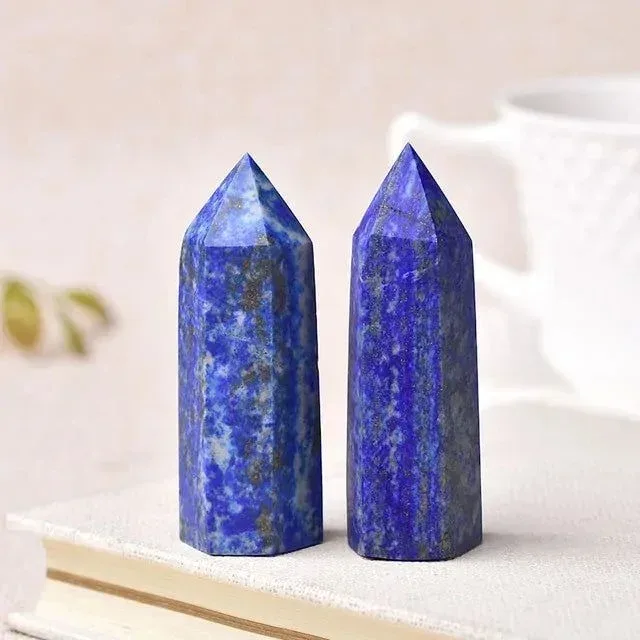
A Point or Tower gives Lapis Lazuli a focused, directional look. Clean lines make the color feel sharper and more organized, like thoughts lining up. It often reads purposeful and confident, with pyrite flecks showing as crisp highlights against the blue.
Sphere
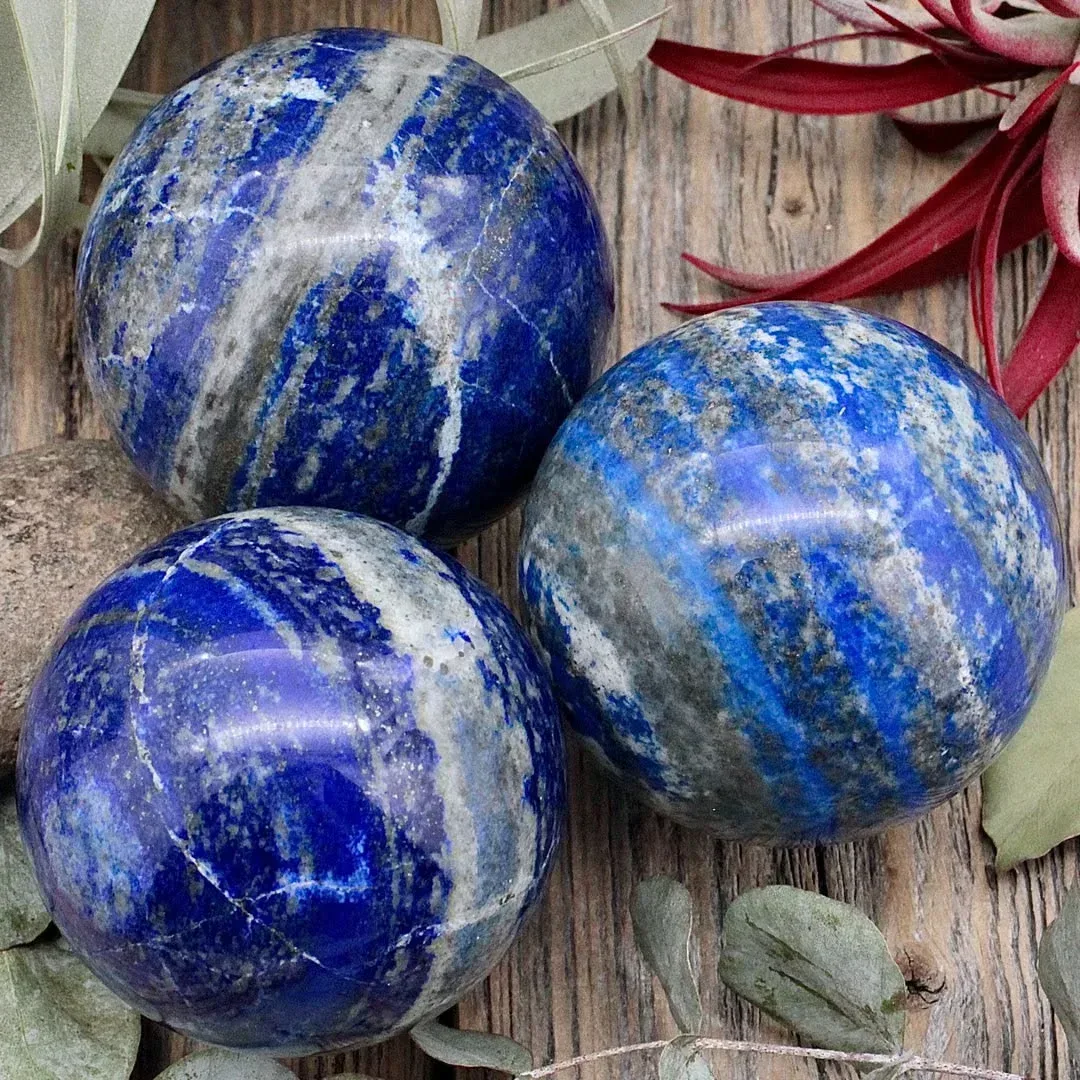
A Sphere softens Lapis Lazuli's intensity. The rounded surface feels balanced, like holding more than one side of a story at once. It often reads calm and steady, with the blue looking even and deep from every angle as it catches the light.
Palm Stone
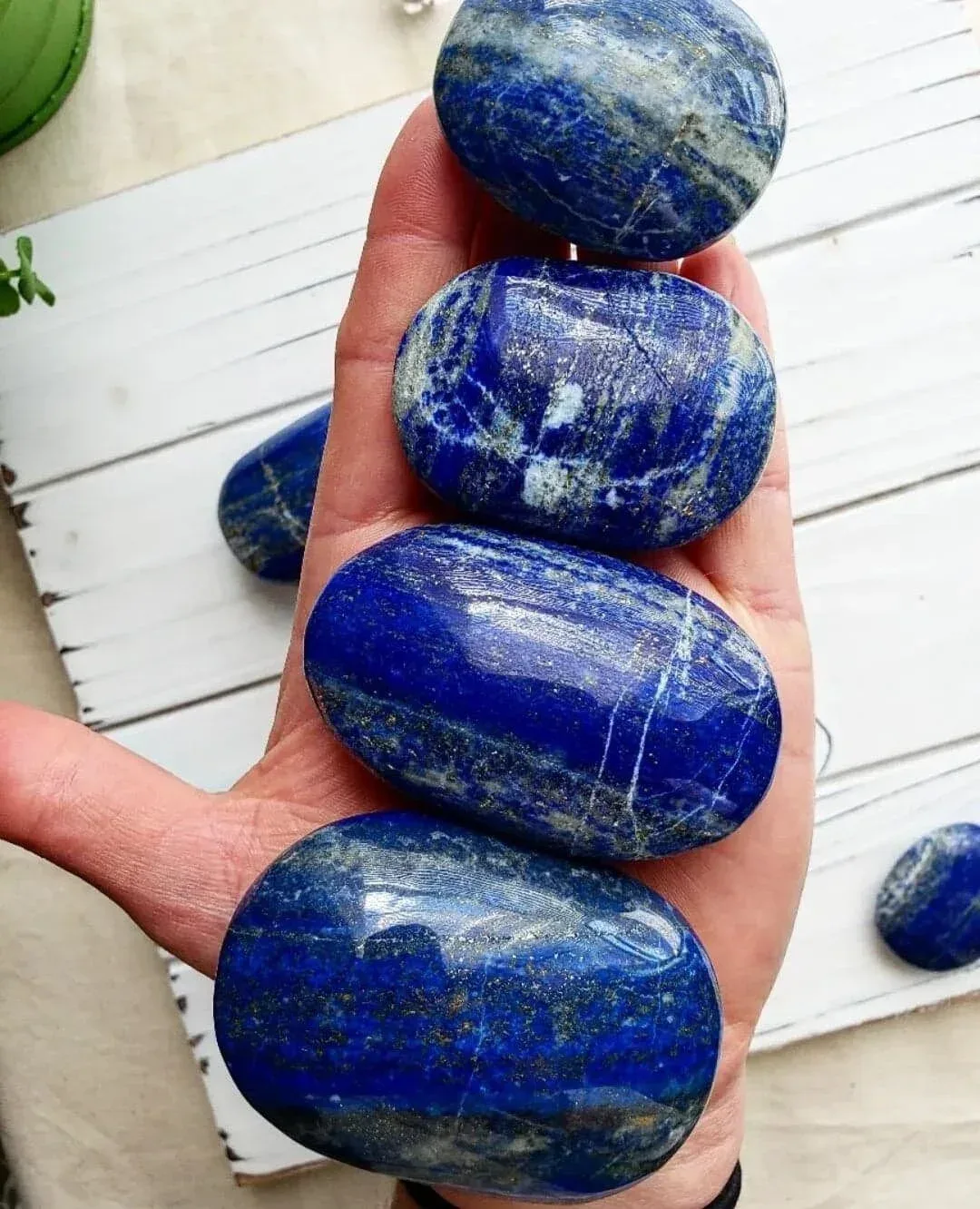
A Palm Stone makes Lapis Lazuli feel smooth and settled. The polish brings out the depth of the blue and any pyrite sparkle without looking harsh. It often reads supportive and composed, with a simple, reassuring finish that feels easy to come back to.
Tumble Stone
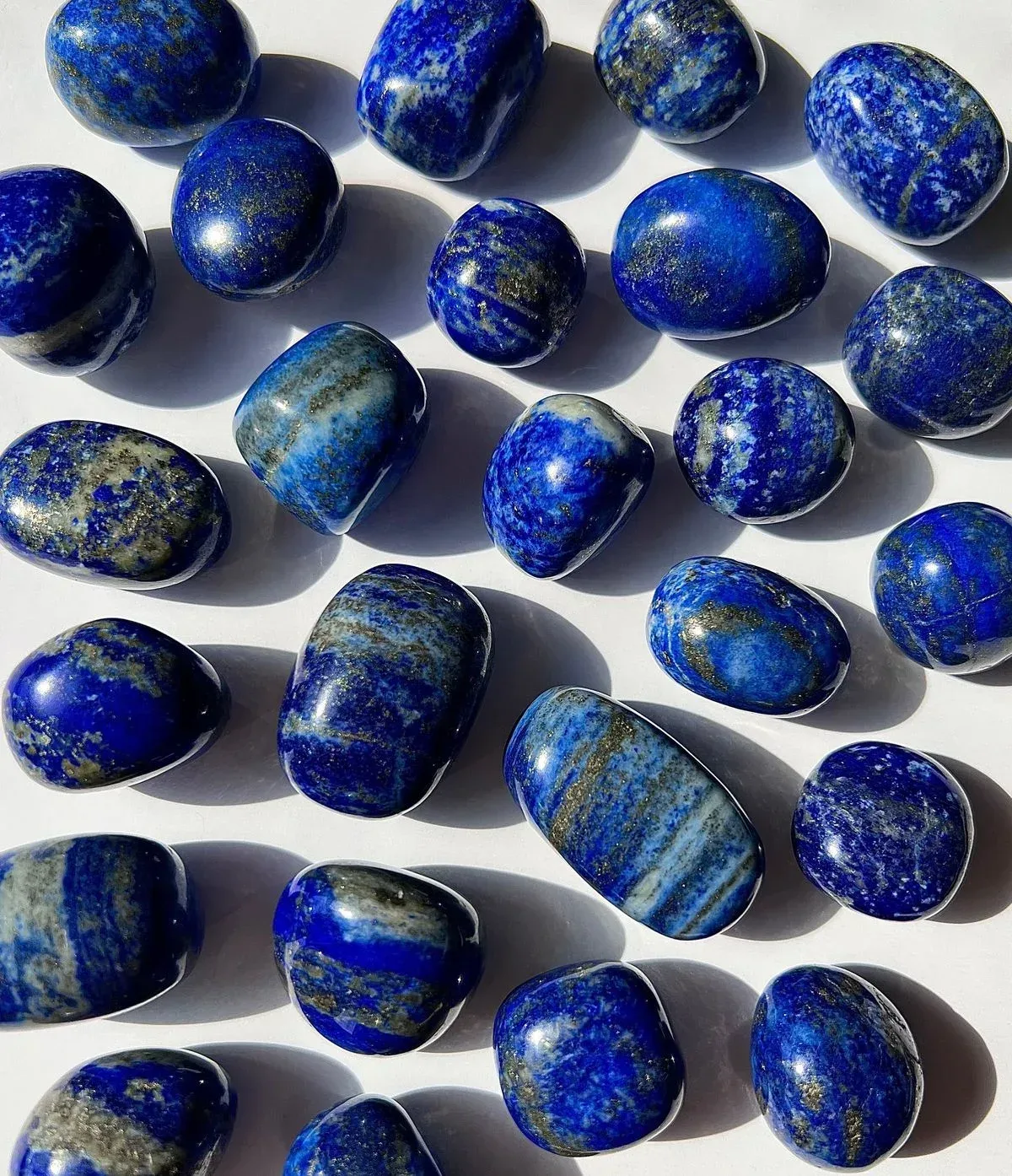
A Tumble Stone gives Lapis Lazuli an everyday, friendly feel. The small rounded shape keeps it casual rather than formal. It often reads simple and steady, with quick flashes of pattern and gold flecks that add character without taking over.
Figure
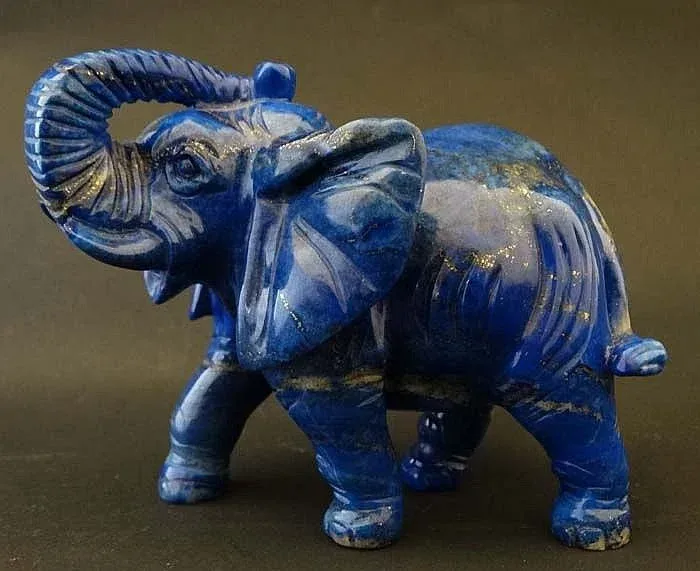
A Figure adds a storytelling feel to Lapis Lazuli. Carved details bring out meaning without needing big statements. It often reads thoughtful and symbolic, with the blue acting like a rich backdrop that makes the shape and lines stand out clearly.
Heart
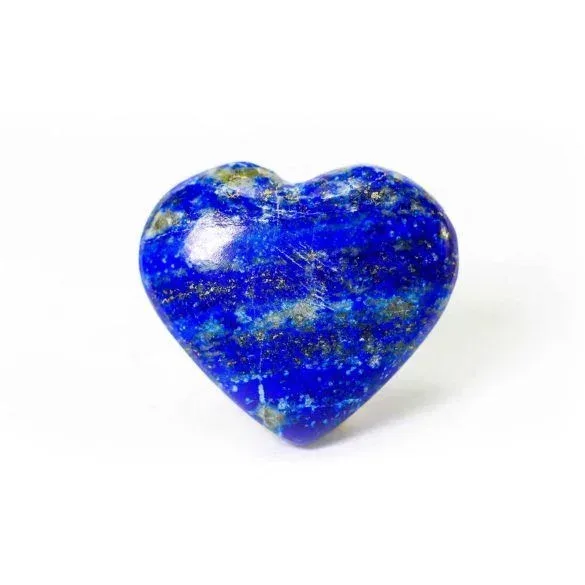
A Heart brings warmth to Lapis Lazuli's more serious look. The shape softens the tone, like honesty delivered with kindness. It often reads as gentle confidence, with deep blue color that keeps the heart feeling calm, clear, and strong.
Cleansing & Charging
Lapis Lazuli is a softer stone, so keep cleansing and charging methods gentle. Avoid harsh salt, strong chemicals, and long water soaks, especially if the piece has visible white veining or a glossy polish.
How to cleanse Lapis Lazuli
- Wipe with a soft, dry cloth to remove oils and dust.
- Use brief smoke cleansing, keep it light and avoid heavy heat.
- Sound cleansing works well, a bell or singing bowl nearby is enough.
- If using water, keep it quick, then dry fully straight away.
How to charge Lapis Lazuli
- Place it in soft morning light for a short time, avoid harsh midday sun.
- Rest it near Clear Quartz to refresh the feel.
- Set it down somewhere calm overnight to reset the tone.
Where to Use
These suggestions are about the feel each space can bring out. Adjust based on what is actually happening in the room day to day.
Office / study
Helpful for focused work, planning, and writing that needs a clear structure. It can suit tasks like emails, reports, and decision-making, where it helps keep the tone measured and the mind on the main point.
Meditation space
Supports quiet reflection and noticing what is actually going on beneath the surface. It suits sessions focused on perspective, self-honesty, and letting thoughts settle before choosing what to do next.
Creative studio
Useful when ideas need shaping into something shareable. It can help keep the message coherent, especially for writing, design, music, or content work where voice and point of view matter.
Living room
A good fit for shared space where conversations happen naturally. It can support a calmer atmosphere for talking things through, listening properly, and keeping discussions respectful when opinions differ.
Science
Physical properties
- Mineral class
- Metamorphic rock (lazurite-bearing)
- Color
- Deep blue with possible pyrite flecks and calcite veining
- Hardness
- 5 - 5.5
- Density
- ~2.7 - 2.9 g/cm3
- Durability
- Moderate
- Thermal stability
- Moderate
Optical properties
- Transparency
- Opaque to translucent (thin edges)
- Lustre
- Dull to vitreous
- Refraction index
- ~1.50
Chemical composition
- Class
- Silicate
- Formula
- (Na,Ca)8(AlSiO4)6(S,SO4,Cl)1-2 (dominant mineral: lazurite)
- Group
- Feldspathoid (sodalite group)
- Magnetic
- Non-magnetic
Formation
Lapis lazuli forms as a metamorphic rock when carbonate rocks, usually limestone or dolostone, are altered near hot igneous bodies. Heat and reactive fluids move through the host rock and shift its chemistry. That sets the conditions for lazurite and related feldspathoid minerals to crystallize, often in patches or bands rather than as one even layer.
Calcite can hang on from the original carbonate, later showing up as pale streaks and veining. Pyrite may grow in the same metamorphic event, leaving the familiar brassy flecks. The final look comes down to how much lazurite forms versus calcite and pyrite, and how freely fluids can circulate during alteration. Tight pathways can leave sharp color zones. More open flow tends to give a steadier blue.
Locations
- Afghanistan
- Chile
- Russia
- Pakistan
- Myanmar
- United States
History
Early mining and trade in Badakhshan
c. 7000, 3000 BCE
Lapis lazuli is closely tied to deposits in the Badakhshan region. Archaeology and long-distance trade evidence suggests the stone moved widely from this area very early on, though exact start dates vary by site and source.
Use in Mesopotamian jewelry and ritual objects
c. 3000, 1000 BCE
Finds from Mesopotamian sites show lapis used for beads, seals, and inlay. It turns up most often in elite and religious settings, which fits its status as a rare imported material at the time.
Adoption in Ancient Egypt for amulets and inlay
c. 3000, 1000 BCE
Lapis lazuli was used in jewelry, amulets, and decorative inlay in Ancient Egypt. The intense blue color stood out, and it was often placed in high-status burials and ceremonial items.
References in Greco-Roman writing
Classical antiquity (c. 500 BCE, 500 CE)
Greek and Roman authors described deep-blue stones that modern writers often associate with lapis lazuli. Names in ancient texts can be ambiguous, so links are usually made with care.
Stone and pigment travel along major trade routes
c. 8th, 15th centuries
Lapis lazuli kept moving across Central and West Asia and into Europe through established trade networks. It stayed high-value, used for ornament and for producing blue pigment.
Ultramarine pigment for manuscript and panel painting
c. 13th, 16th centuries
Ground lapis lazuli was processed into ultramarine, a prized blue pigment in European art. It was costly, so it was often reserved for prominent details, including robes and skies, depending on the workshop and patron.
Ongoing use in decorative arts and jewelry
c. 16th, 19th centuries
Lapis lazuli remained popular for carvings, small objects, and jewelry across different regions. Availability and fashion shifted over time, but the stone stayed linked with luxury craftwork.
Modern gemstone market and new source regions
20th century to present
Lapis lazuli is now widely sold as a decorative stone and jewelry material. Afghanistan remains a key source, with additional deposits supplying the market from places such as Chile and Russia.
Symbolic links with wisdom, truth, and authority
Long-standing tradition (dates vary by culture)
Across several traditions, lapis lazuli has been linked with themes like wisdom, truth-telling, and royal or spiritual authority. These meanings are cultural and symbolic, and they are not consistent in every place or period.
Got questions?
We've got answers!
FAQ's
What is Lapis Lazuli used for?
+×
Lapis Lazuli is often used as a support stone for honest communication and confident self-expression, especially when it feels hard to say what is meant.
It is also used for study, journalling, and creative work. A simple cue to think clearly, spot patterns, and stay with the bigger picture.
Which zodiac signs are connected to Lapis Lazuli?
+×
Lapis Lazuli is most closely linked with Sagittarius.
It is sometimes used as a companion stone for Sagittarius themes like big-picture thinking, straight talk, and learning through experience.
What chakras does Lapis Lazuli activate?
+×
Lapis Lazuli is linked with the Throat chakra and the Third Eye chakra.
People often use it to support speaking with care and noticing what is going on beneath the surface, like motives, patterns, or the real point of a situation.
Can Lapis Lazuli help with stress and sleep?
+×
Lapis Lazuli is sometimes used as a calming presence when the mind feels busy. That can make it easier to wind down at night.
It is not a treatment for stress or sleep problems, but it can work well as part of a simple routine, for example placing it on a bedside table, doing a few slow breaths, or writing down thoughts before bed.