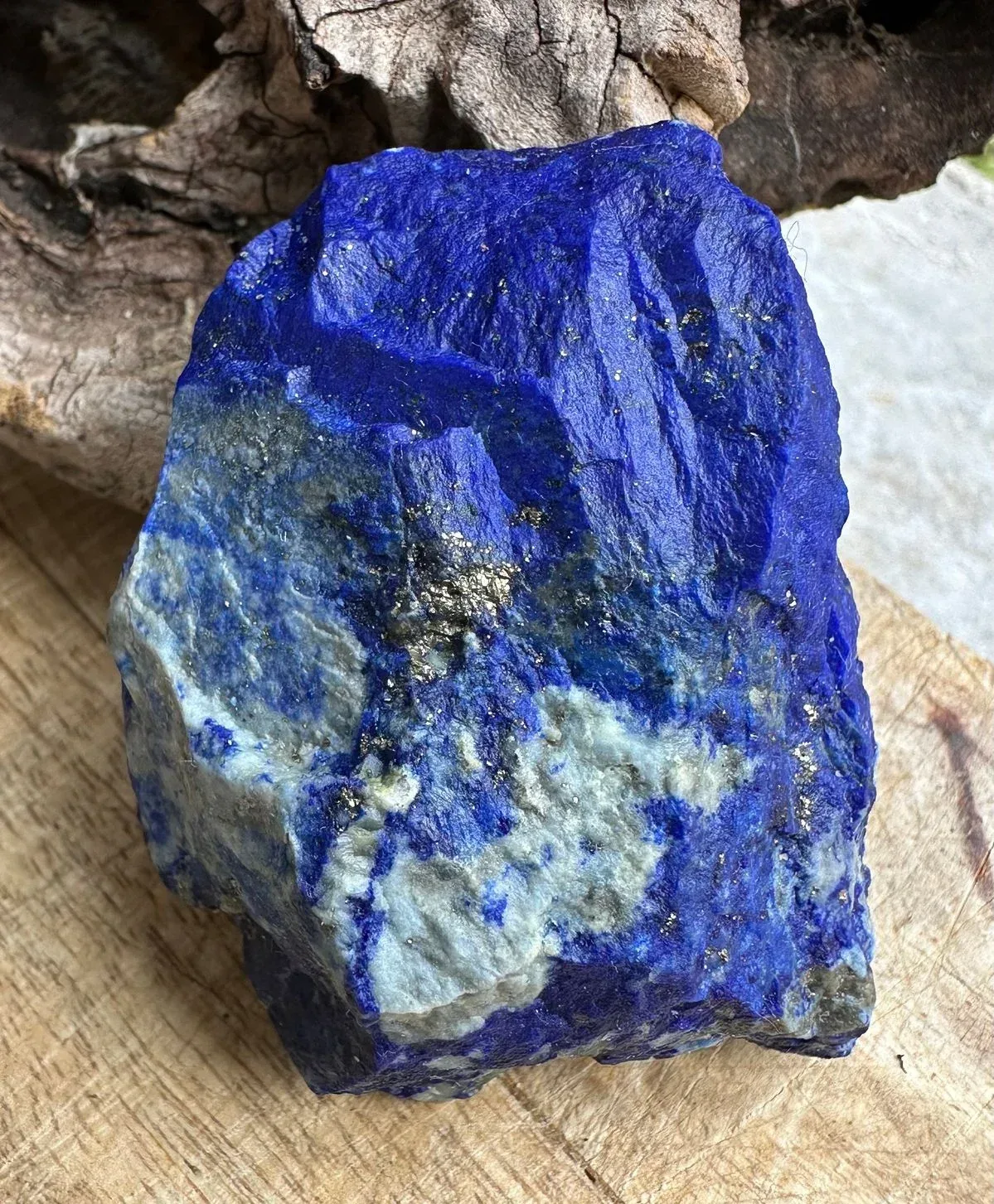
Lapis Lazuli lapis lazuli pairings
Lapis Lazuli is often chosen when the aim is to speak with more honesty, think with more clarity, and stay steady in personal conviction. Pairing it thoughtfully can refine that focus, helping communication feel more intentional while keeping the mind bright and curious rather than overstimulated.
The most satisfying combinations tend to balance three threads, self-expression, inner vision, and confidence. A well-built pairing can add structure, softness, or amplification to Lapis Lazuli's natural character, so the overall effect feels coherent in daily life, whether the setting is work, creativity, or quiet reflection.
Crystals that combine well with Lapis Lazuli
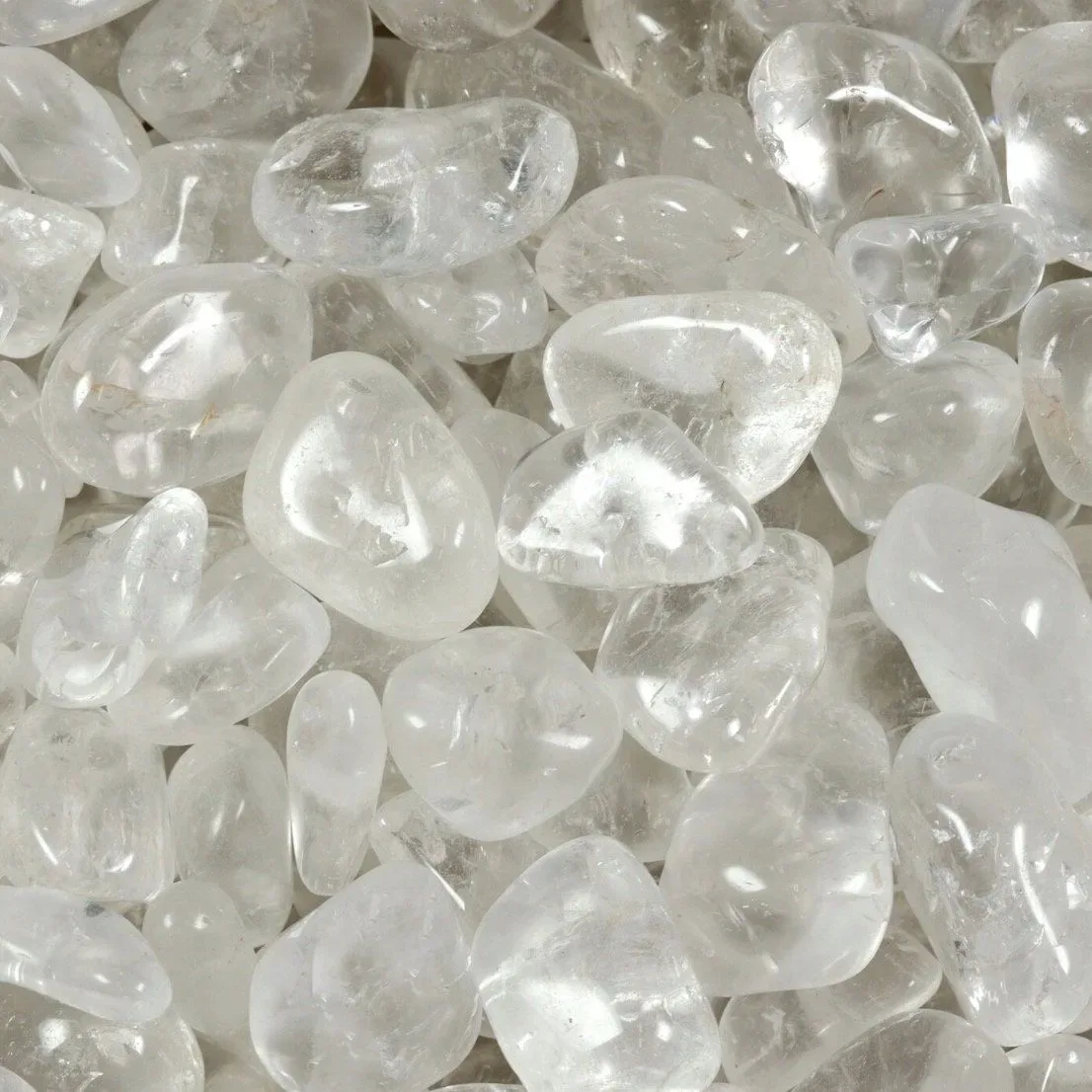
Clear Quartz cleans up the message from Lapis Lazuli, so thoughts land sharper and words come out cleaner.
For a quick check-in, hold Lapis Lazuli at the throat and Clear Quartz at the center of the chest. Take a few slow breaths. Pick one plain sentence that says what needs to be said, then repeat it quietly.
On a desk, keep Clear Quartz by a notebook and Lapis Lazuli near the keyboard or pen. Do short, timed writing sprints. When the timer ends, underline the one line that feels most true, and use that as the takeaway.
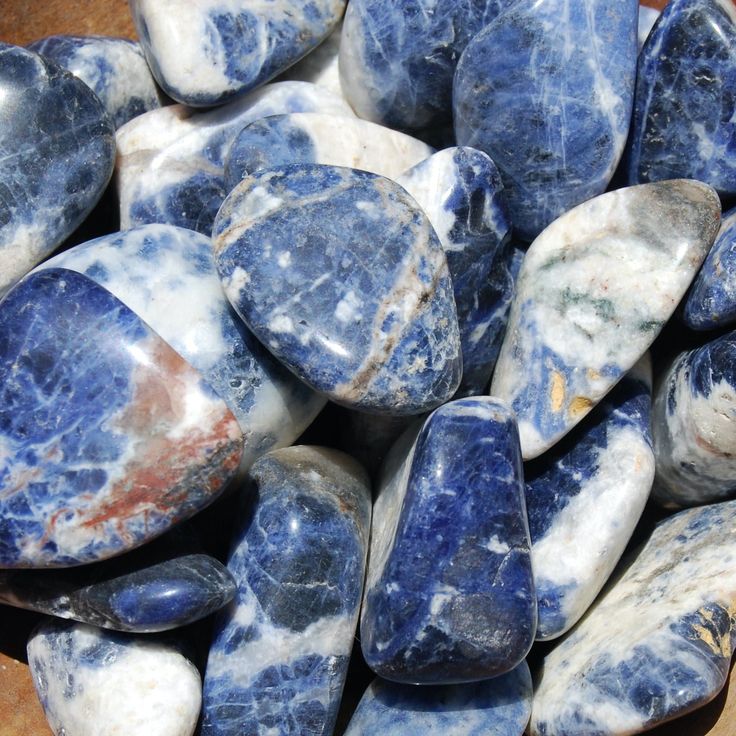
Sodalite brings order to Lapis Lazuli, good for steady thinking and a calmer voice.
Before a conversation, sit with Sodalite near the forehead and Lapis Lazuli near the throat. Count ten breaths. On the last three, practice speaking slowly, then leaving a beat before replying.
For study or planning, keep Sodalite on the left side of the workspace and Lapis Lazuli on the right. Outline first, then refine. Use Sodalite for headings and bullet points, then let Lapis Lazuli turn it into words that sound like a real person.
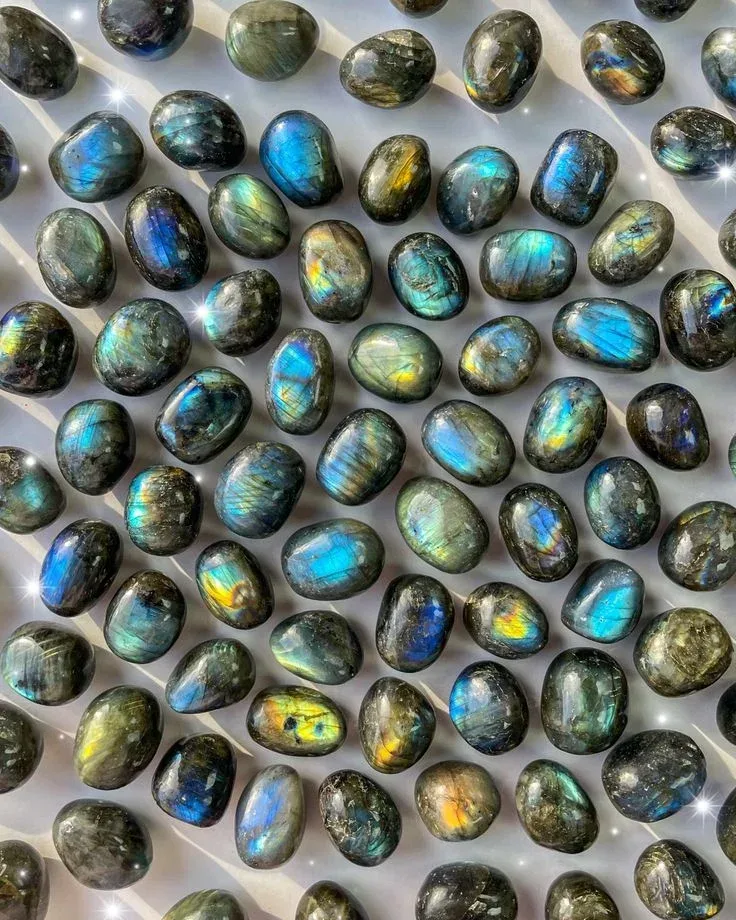
Labradorite adds a more inward, exploratory feel to Lapis Lazuli, helpful for digging for insight and staying straight with it.
For meditation, hold Labradorite in the non-dominant hand and Lapis Lazuli in the dominant hand. Ask one open question, like "What am I not seeing clearly?" Sit with what comes up. Before getting up, say one practical next step out loud.
Before sleep, place Labradorite and Lapis Lazuli on a bedside tray. Set a simple intention to notice patterns or repeating themes. In the morning, write three keywords from dreams or first thoughts, then pick one theme to explore in a single journal page.
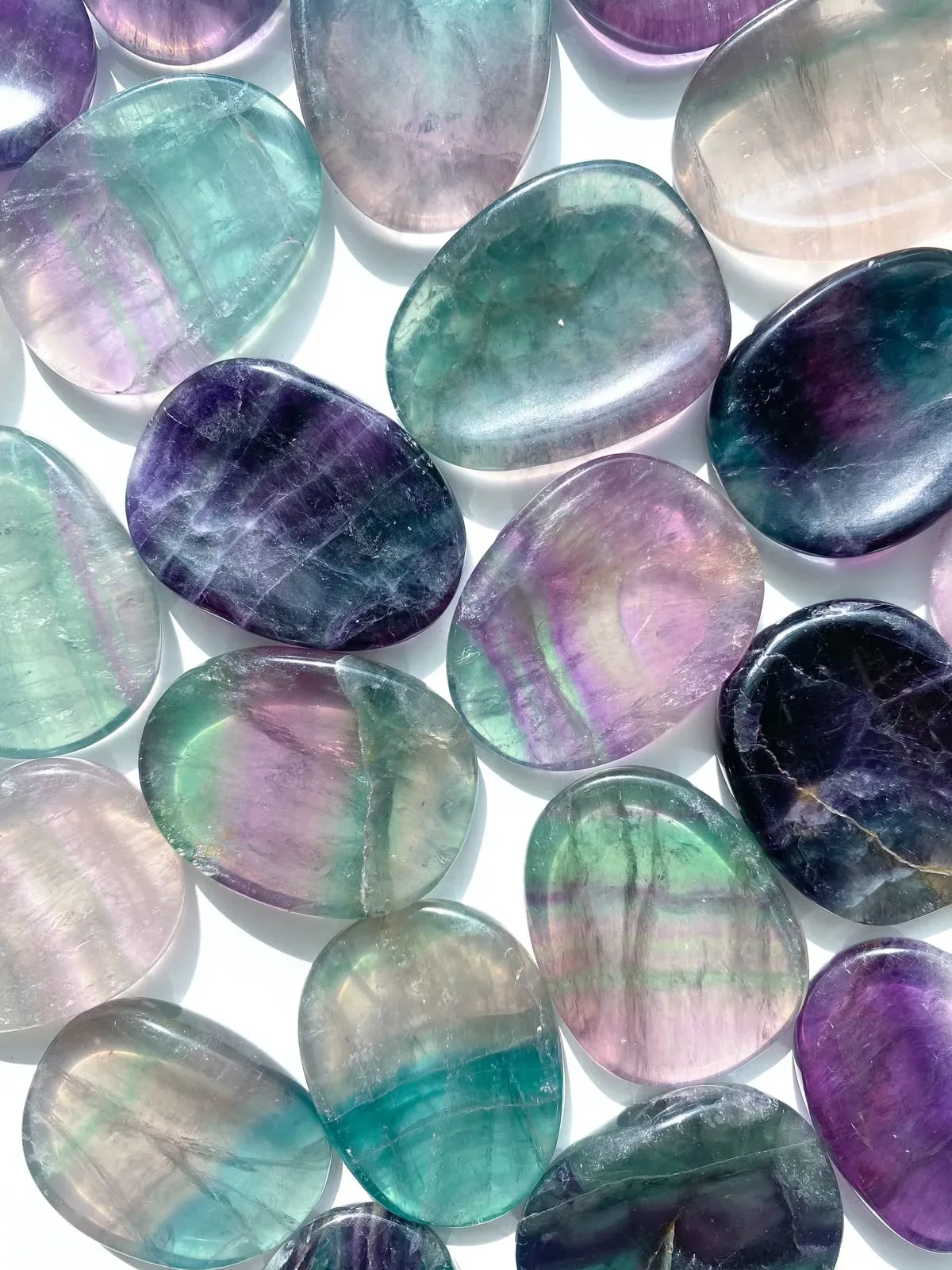
Fluorite helps sort Lapis Lazuli's ideas, so it is easier to focus and speak with clean wording.
When the mind feels scattered, hold Fluorite at the forehead and Lapis Lazuli at the throat. Breathe in for four and out for six for two minutes. Finish by writing one priority for the next hour, kept specific.
For a project review, place Fluorite on top of a printed page or planner, and set Lapis Lazuli beside a glass of water. Read once to understand, then read again to mark the one point that needs to be said. Draft that message in plain language.
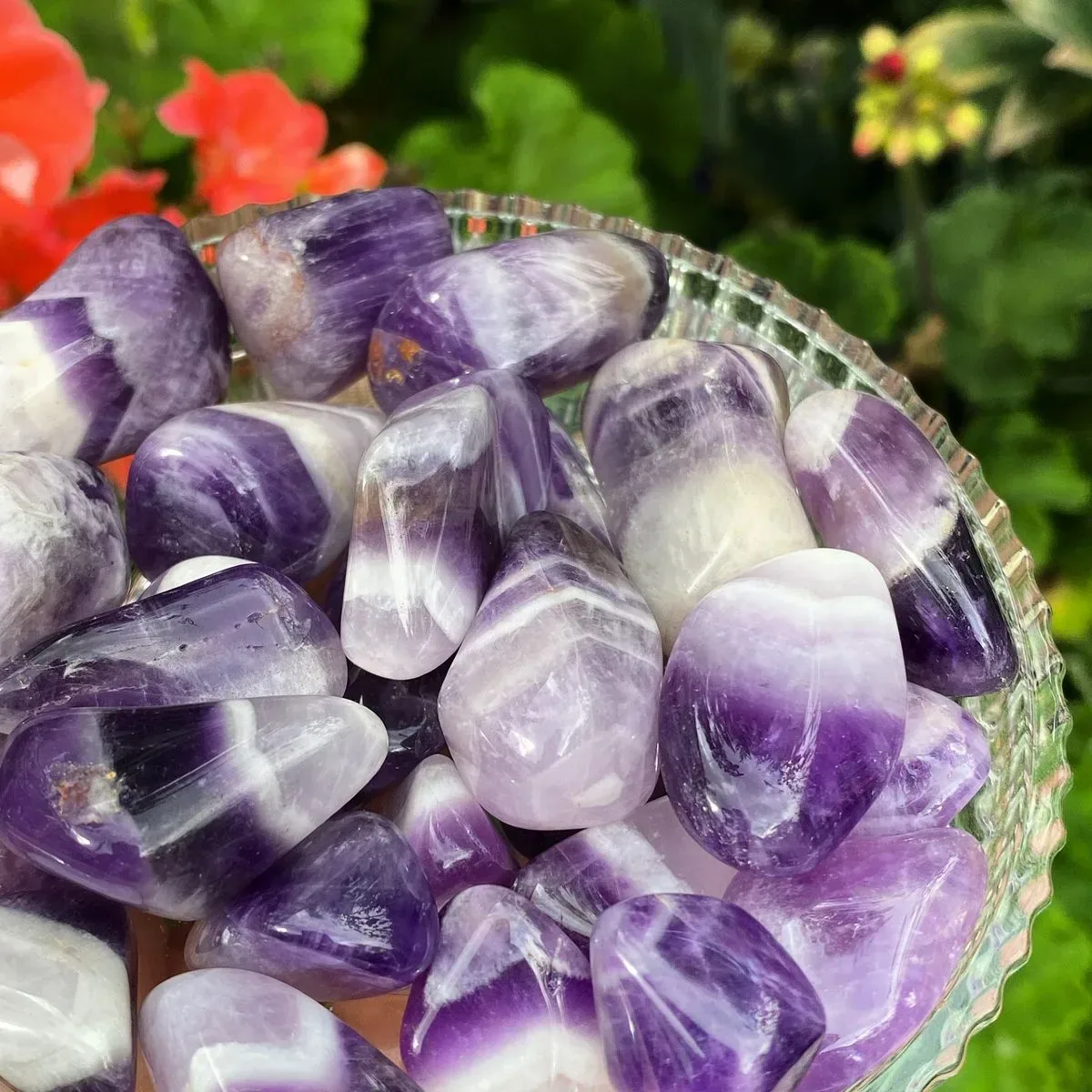
Amethyst takes the sharpness off Lapis Lazuli, making reflection and honesty feel steadier.
For an evening wind-down, lie down with Amethyst near the crown area, and rest Lapis Lazuli over the upper chest or hold it near the throat. Do a quick day review, one honest moment that felt good, and one moment to handle with more clarity next time.
For tea-and-journal time, keep Amethyst by the mug and Lapis Lazuli by the page. Write three lines starting with "The truth is…" Then finish with one kind, realistic boundary or request to say tomorrow.
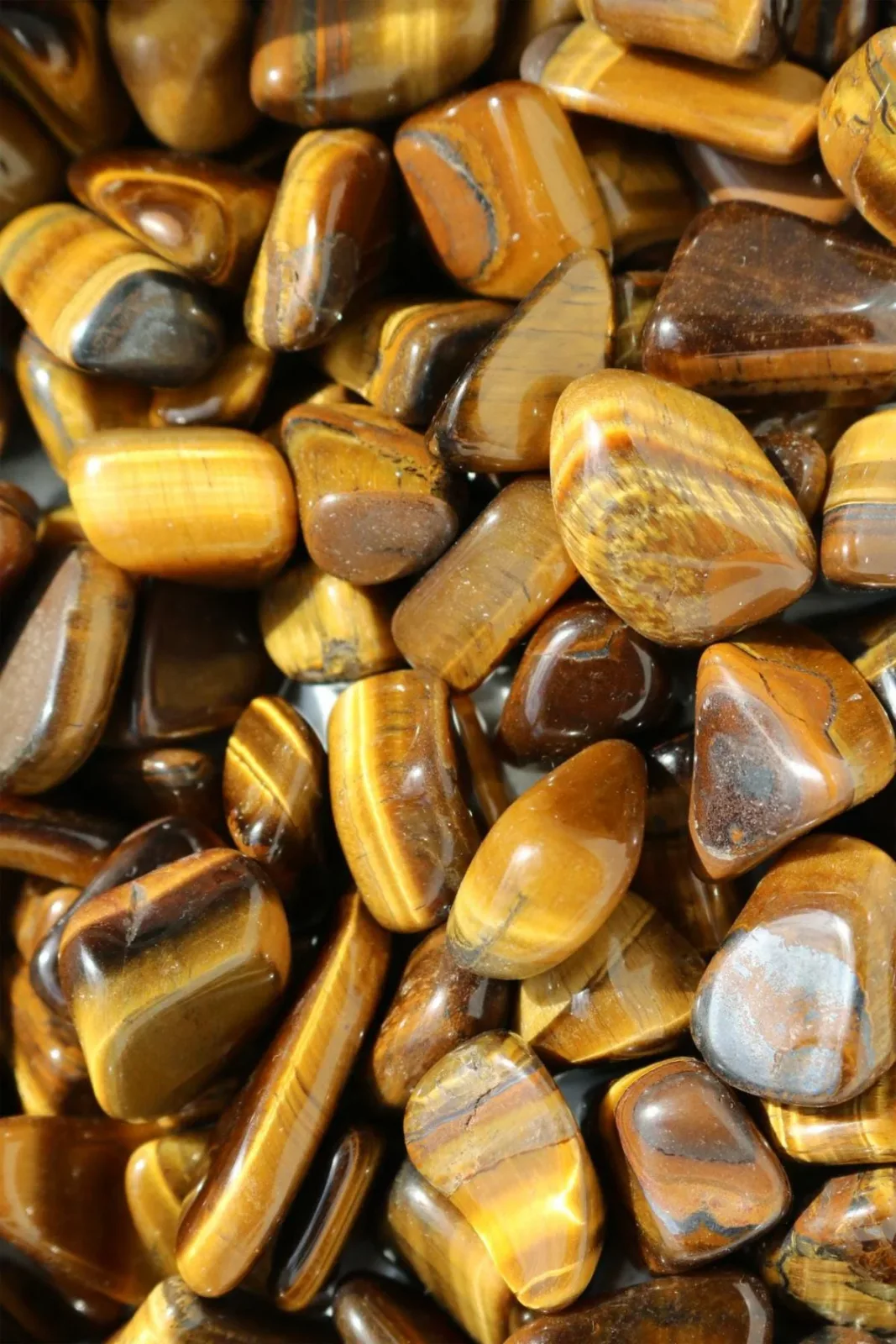
Tiger's Eye gives Lapis Lazuli more backbone, so clear words come with follow-through.
Before a presentation or tough chat, hold Tiger's Eye in the dominant hand and Lapis Lazuli in the other. Stand tall. Take five slow breaths. Say a short intention like "Clear voice, calm tone, firm boundary," then start.
For daily carry, keep Tiger's Eye and Lapis Lazuli together in a pouch or pocket. Let it cue a quick check on posture and tone. When a decision comes up, pause and ask, "What is true, and what is useful?" Then pick one small action to do within the next hour.
Jewelry pairings that work well together
Lapis Lazuli pairs best with companions that either sharpen its royal blue depth or soften it with a cleaner, lighter finish. Gold flecks, white veining, and glassy transparency all bring out a different side of the stone, from formal and luminous to calm and graphic.
Lapis Lazuli & Clear Quartz
The deep blue of Lapis Lazuli sits beautifully against the bright, transparent clarity of Clear Quartz. The contrast feels crisp rather than harsh, and the quartz helps the gold flecks in the lapis read more distinctly. A slim signet ring with both stones set in a low profile works well for everyday wear. Keep the metal polished and minimal so the pairing feels clean and quietly tailored.
Lapis Lazuli & Sodalite
These two blues create a layered, tonal effect, with Sodalite bringing a cooler, more mottled finish beside the richer depth of Lapis Lazuli. Their shared opacity keeps the look grounded, while the white streaks in sodalite add movement. An ear climber or short drop earring suits this pairing neatly, especially in a matched left-and-right design. The stones can be graduated from darker lapis at the base to lighter sodalite above for a subtle vertical line.
Lapis Lazuli & Labradorite
Lapis Lazuli gives a steady royal blue base, while Labradorite adds a dark, shifting sheen that feels more iridescent and dimensional. The two stones share depth, but labradorite introduces flashes that keep the combination from becoming flat. A cuff bracelet with alternating stone settings would suit this pairing well. Let the lapis anchors sit at the center and place the labradorite near the edges so the light-catching effect appears when the wrist turns.
Lapis Lazuli & Amethyst
The blue of Lapis Lazuli and the violet of Amethyst sit close in mood but distinct in tone, creating a rich, regal contrast. Amethyst is usually more translucent, which gives the pairing a softer edge beside the denser, more opaque lapis. A tennis-style line bracelet using small matched stones feels elegant here. The repeated rhythm of blue and violet works especially well with a fine setting in silver or white metal.
Lapis Lazuli & Tiger's Eye
Lapis Lazuli and Tiger's Eye make a strong contrast between cool blue depth and warm, chatoyant brown-gold. The golden bands in Tiger's Eye echo the pyrite flecks in lapis, giving the pairing a cohesive, earthy-luxe finish. A woven bracelet with alternating polished beads or small carved elements would suit this combination nicely. The texture helps balance the different optical effects, making it feel relaxed but still distinctive.
What not to pair with Lapis Lazuli
Lapis Lazuli works best when its role stays clear - supporting honest expression, insight, and composed thinking. Pairings that are overly forceful, heavy, or disruptive can blur that message, making it harder to keep communication precise and the mind calmly focused.
Bumblebee Jasper
Its bright, restless energy can pull Lapis Lazuli away from clear inner listening and into a louder, more reactive register. That can muddy the stone's steadier work with truth and thoughtful expression.
Black Obsidian
Black Obsidian can bring a very intense, stripping quality that may feel too severe alongside Lapis Lazuli's need for calm clarity. The combination can become heavy and inwardly pressurized, which can close down easy self-expression.
Obsidian
This stone's blunt, protective force can overshadow Lapis Lazuli's more articulate and reflective nature. Instead of helping words and insight flow, the pairing may feel guarded and emotionally dense.
Jet
Jet often carries a deep absorbing quality that can dampen the airy clarity Lapis Lazuli is meant to support. The result may feel sombre or closed, making it harder to keep thoughts bright and communicative.
Hematite
Hematite's grounding weight can be useful in some pairings, but here it may press too firmly against Lapis Lazuli's airier, intuitive current. That can make the field feel overly fixed, with less room for open thought and verbal flow.
Smoky Quartz
Smoky Quartz can draw energy down and inward in a way that may blur Lapis Lazuli's clean line of insight. If the aim is clear speech and mental brightness, the pairing can feel muted or slightly clouded.
Pyrite
Pyrite's assertive, driven quality can push Lapis Lazuli towards performance and mental pressure rather than calm truth. The pairing may feel sharp and busy, which can interfere with measured communication and inner vision.
Moldavite
Moldavite can be highly catalytic, and that intensity may overwhelm Lapis Lazuli's steadier role in clarity and honest expression. Together they can feel too fast and destabilizing, making it harder to hold a clear thought or a composed voice.
Got questions?
We've got answers!
FAQ's
Can I wear Lapis Lazuli with more than one companion stone at once?
+×
Yes. Lapis Lazuli layers well when the set feels chosen, not crowded. A handy setup is one "anchor" stone (Lapis Lazuli), one "amplifier" (Clear Quartz), then one "support" stone that suits the day, like Sodalite for a neat, composed feel, or Amethyst for a quieter tone.
Keep it wearable. Two or three stones in one piece, or across a small set like a pendant plus a bracelet. If it starts to look busy or feel distracting, strip it back to Lapis Lazuli plus one companion for a few days, then rotate the third in later.
Do Lapis Lazuli and Clear Quartz need to touch in a pairing?
+×
They do not need to touch for the pairing to feel cohesive. Touch can make it feel more "integrated" in one piece, like stacked bracelets or a pendant holding both stones. Optional.
For a clean setup, wear Lapis Lazuli near the neckline (pendant or short strand) and keep Clear Quartz on the wrist or in a pocket. If they are on a surface, keep them in the same small area, like one tray or beside the same notebook, so it reads as one deliberate set.
Is Lapis Lazuli and Sodalite a good pairing?
+×
Yes. Lapis Lazuli and Sodalite pair well, both in color and in the steady, clear-headed tone they bring. Good for moments that call for measured delivery, like editing, writing, or getting talking points straight.
Give each stone a clear role. Let Lapis Lazuli be the statement piece (pendant or center bead). Use Sodalite as the quieter support (smaller beads or a second bracelet). Keeps the look refined, not flat.
What crystals should not be paired with Lapis Lazuli?
+×
There are no hard rules, but a few pairings often feel off when the goal is a clean, confident tone. If focus feels scattered, or the mood turns too playful for the setting, split the stones up.
Common "skip it for now" companions include Dalmatian Stone (can read light and jokey next to Lapis's more formal feel), Dragon Stone (can push a restless, action-charged vibe), and Emerald (can feel emotionally heavy in the same stack). If any of those still appeal, wear them on different days rather than in the same set.
How do I use Lapis Lazuli and Clear Quartz together in a ritual?
+×
Keep it simple. Use Lapis Lazuli for intention, and Clear Quartz for clarity and follow-through.
1) Set the space: place both stones on a clean surface with a notebook and pen. Keep water away from the stones. 2) Define the message: hold Lapis Lazuli for 30 to 60 seconds and write one sentence that starts with "Today, the message is…" Keep it specific and speakable. 3) Refine it: switch to holding Clear Quartz and edit the sentence down to its cleanest version. Cut qualifiers and side notes. 4) Practice once: read the final line out loud slowly, then once at a natural pace. 5) Close: place the stones together on the page for a minute, then carry one, often Clear Quartz, as a reminder to keep the message simple.
Use this before a meeting, a difficult conversation, or any moment where it helps to say less, more clearly.