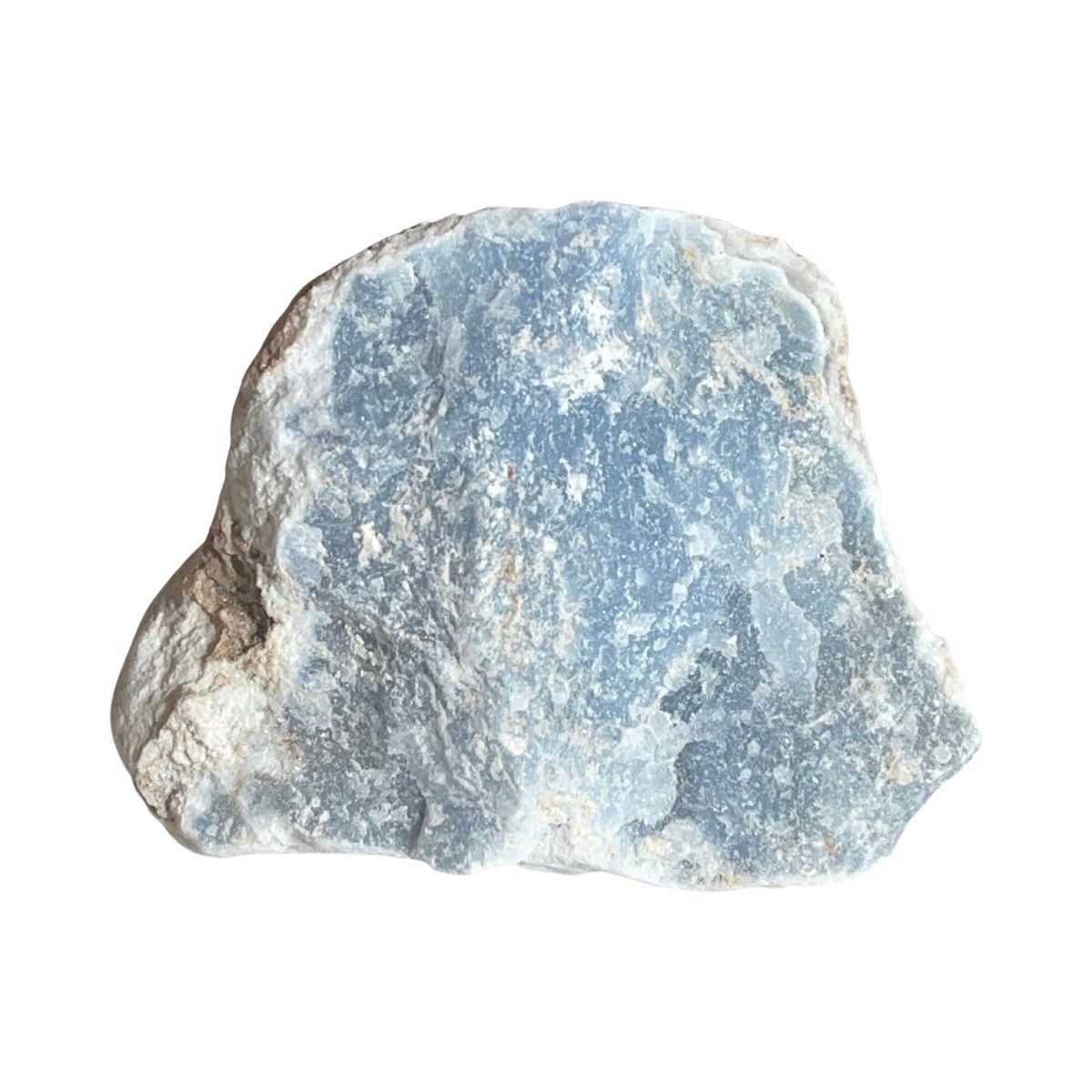
Angelite Crystal, Benefits and Meanings.
Angelite is a trade name for blue anhydrite, named for its soft, angelic blue color and its modern association with gentle communication and higher guidance.
Metaphysical & Spiritual
Angelite is known for a quiet, steady feel. It is usually linked with peace, compassion, and a softer way of speaking when thoughts feel tight or emotions sit close to the surface. It is also a stone people reach for when they want clearer self-expression without pushing. Gentle, not forceful. Like finding the right words after a long pause. Angelite is commonly tied to the Throat and Third Eye centers. That mix points to honest communication and calm inner sense-making, staying clear without turning cold or detached.
Planet

Uranus
Uranus leans into change, fresh angles, and plain truth. Angelite carries that direct streak in a softer register, so shifts feel clean and considered rather than sharp.
Element
Air
With Air, everything moves through words and quick ideas. Angelite fits that pace by bringing a bit of space between thoughts, so language can come through with less strain.


Crystal Pairings
Angelite has a calm, steady feel and a soft approach to communication. Pairing it with other stones can keep that gentle tone, add clarity, or bring in a steadier base, depending on the overall mood.
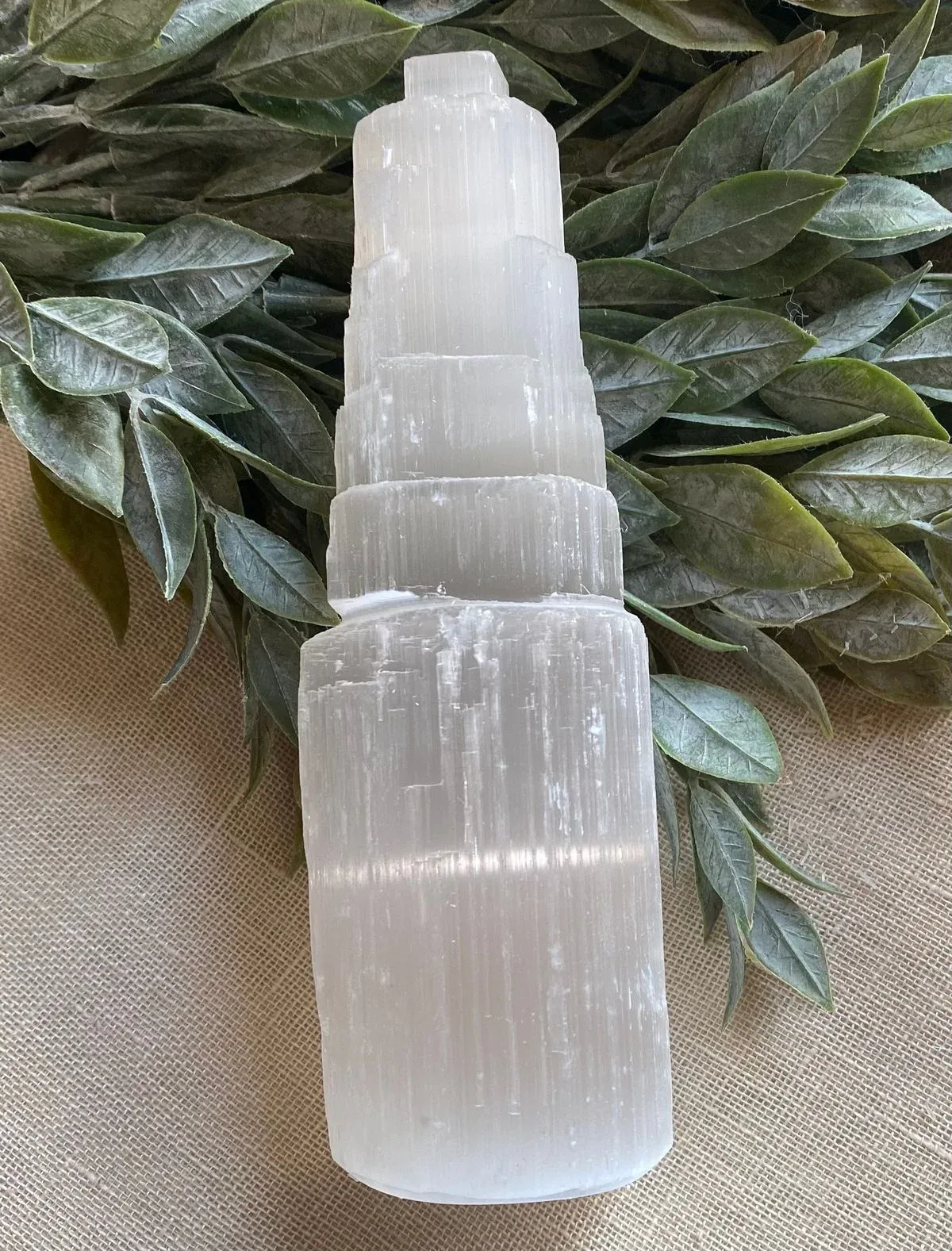
Selenite
Selenite and Angelite share a light, clean tone that suits quiet reflection. Together they lean into clarity and a sense of emotional space, so thoughts feel simpler and less tangled.
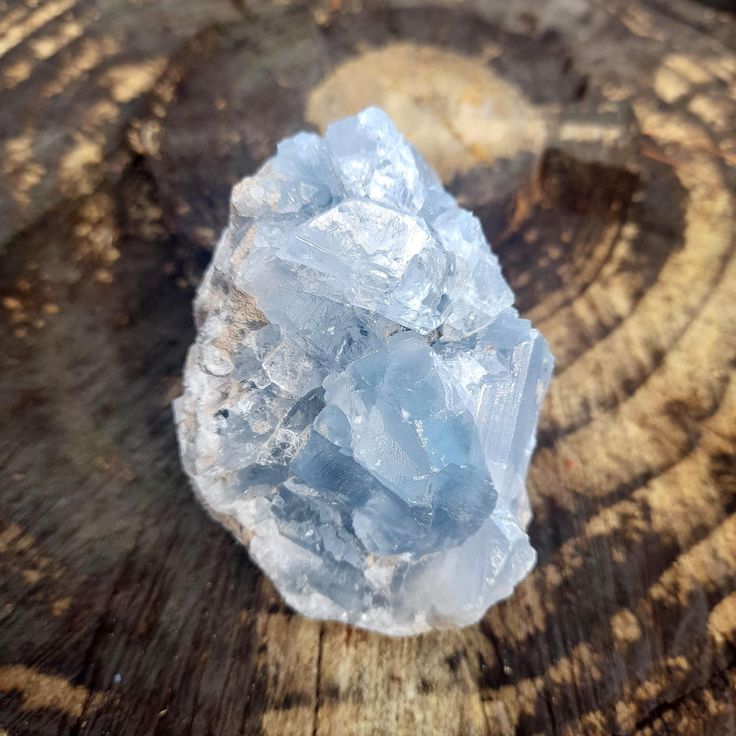
Celestite
Celestite echoes Angelite's soft, sky-blue feel and adds a dreamy, soothing note. The pairing feels tender and reassuring, with stress turned down and gentler messages coming through more cleanly.
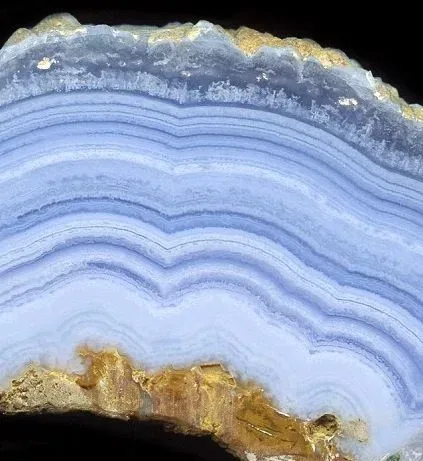
Blue Lace Agate
Blue Lace Agate matches Angelite's gentle communication theme and keeps the tone kind and even. Together they suggest plain words that stay soft, even around sensitive topics.
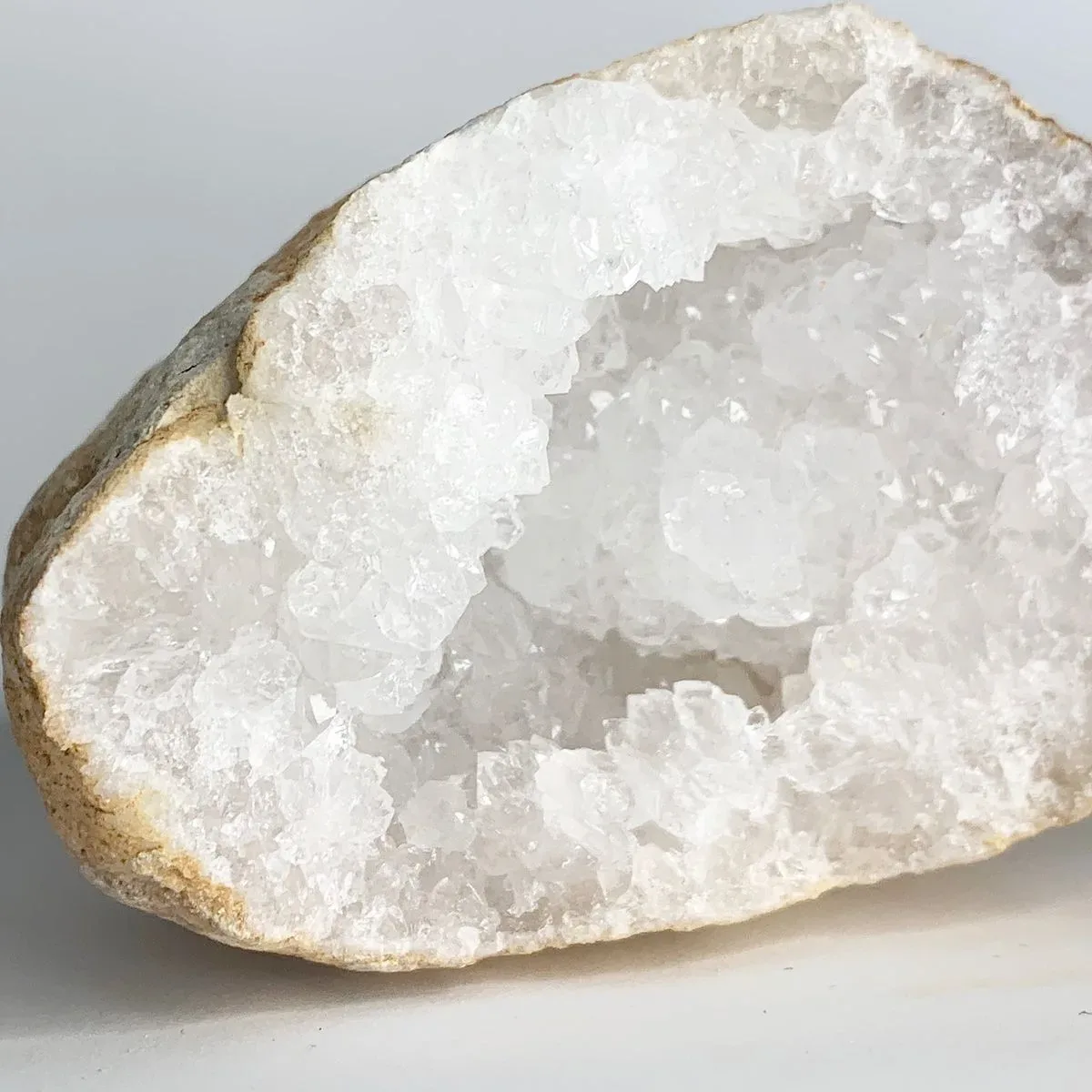
Clear Quartz
Clear Quartz brings a crisp, focusing quality that gives Angelite's softness more shape. The mix stays calm and defined, tender without getting hazy.
Angelite
Angelite brings a reflective, inward depth that blends well with Angelite's quiet communication. Together the tone is steady and thoughtful.
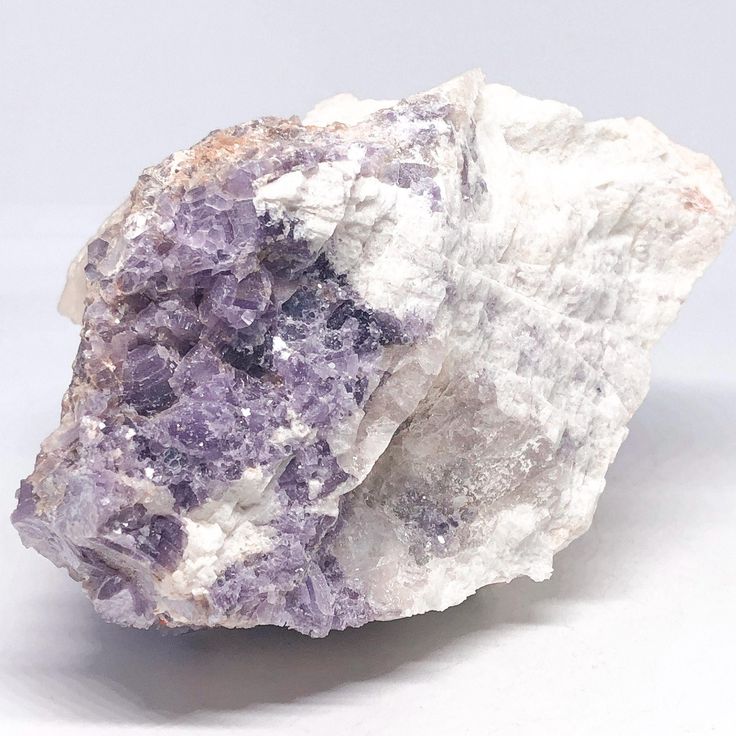
Lepidolite
Lepidolite has a comforting, steady feel that sits naturally with Angelite's peaceful tone. Together it reads supportive and emotionally soft, like a buffer around tension.
Healing
Angelite is a steady stone for a busy mind. It suits days when thoughts loop, feelings spike fast, or words come out wrong.
It can support calmer communication and a kinder inner tone. Use it as a cue to slow the breath, drop the shoulders, and say one clear thing at a time. Handy when the mind replays the day at night.
Affirmations
Hold Angelite near the throat or brow and choose one line that feels steady today.
Say it slowly a few times. Let the pace change the way words land, for speaking and for listening.
- I speak with calm and clarity
- I listen with patience and care
- My words match what I truly mean
- I stay steady when emotions rise
- I trust my inner guidance
Intention Setting
Angelite fits intentions around honest communication and emotional ease, especially when things feel touchy or rushed.
Keep it practical. Pick one behavior to return to, like pausing before a reply or softening the tone of a message.
- I choose calm, clear communication
- I pause before I respond
- I ask for what I need with respect
- I release tension from my throat and jaw
- I stay open to gentle insight
Manifesting
Angelite supports focused visualization when the aim is a calmer day, smoother conversations, or clearer self-expression.
Keep it simple. Picture one real moment, then choose one small step that matches the version of you in that scene.
- I create space for calm conversations
- I attract supportive connections
- I express myself with ease
- I welcome clear guidance
- I move through the day with peace
Jewelry
Angelite jewelry is a simple way to lean into calm communication and gentle focus. Each piece sits in a different spot, so the reminder can feel slightly different. Choose what fits daily life, then let it nudge slower speech, fewer assumptions, and clearer choices.
General benefits: Wearing Angelite jewelry keeps a calm cue close all day. It can help bring attention back to steadier breathing, softer self-talk, and cleaner wording when things get tense. Easy, practical, and close to the Throat and Third Eye themes without extra fuss.
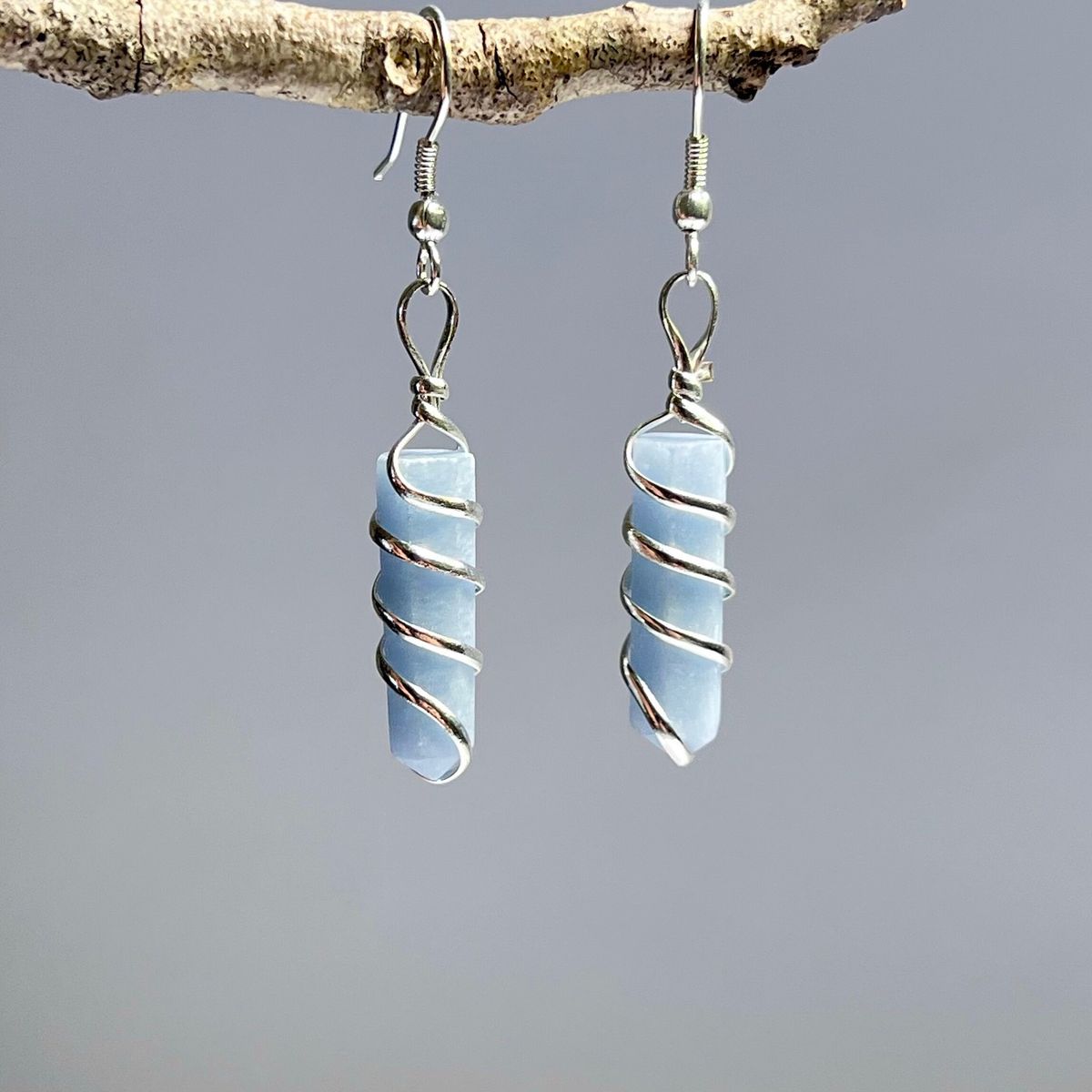
Earrings
Angelite earrings sit close to the head, which suits days that need clear thinking and softer reactions. Helpful when words matter, like meetings or sensitive chats, where tone can change the whole read. Light and hands-free. A quiet prompt to pause, take one breath, then speak a little slower.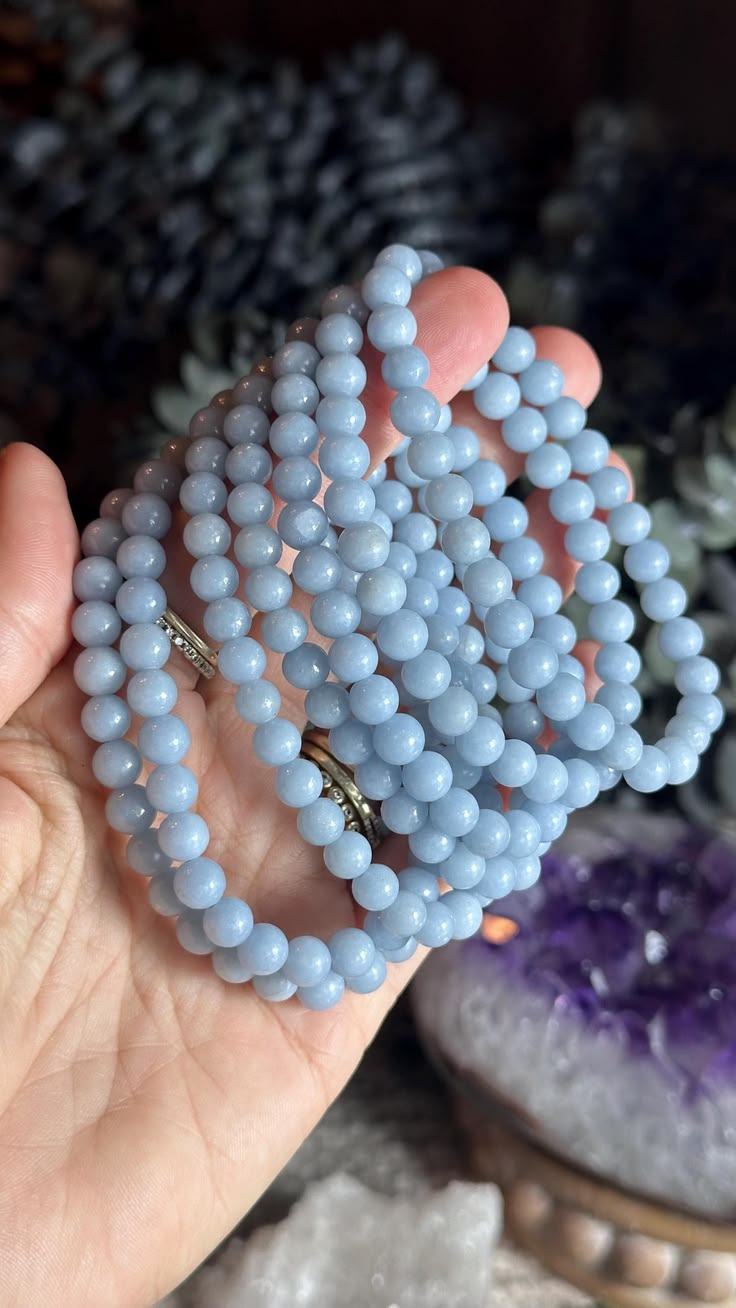
Bracelet
An Angelite bracelet stays in sight, so it works for quick check-ins during busy hours. Good for moments when the body tightens, the jaw clenches, or the mind races ahead of the conversation. Use it to practice one small reset, loosen the shoulders, breathe out longer, then reply.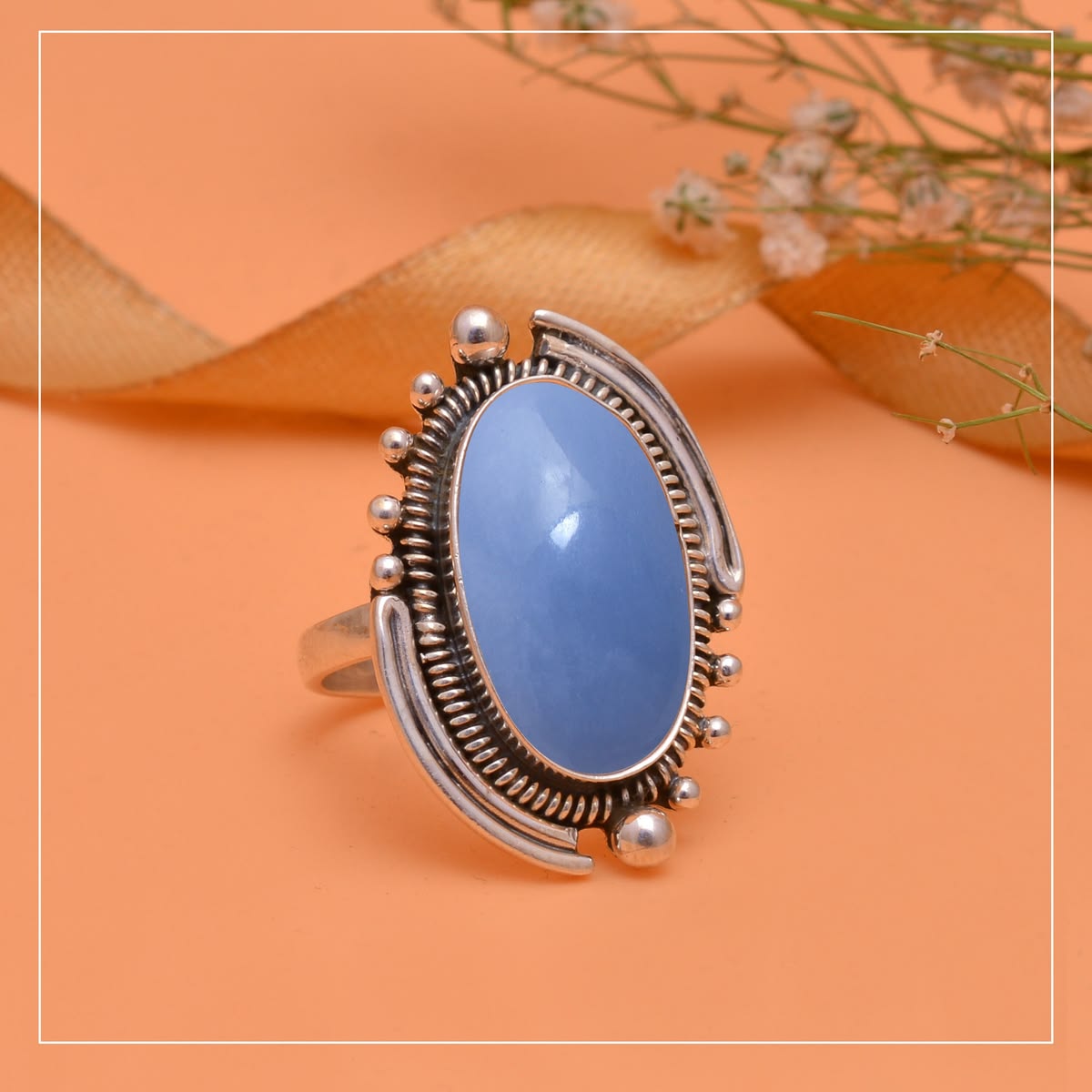
Ring
An Angelite ring sits on the hand, where small choices happen all day. It suits times when it helps to slow down before speaking, sending a message, or making a snap call under pressure. Make it tactile. Touch the ring, take one steady breath, then answer with fewer words and a clearer point.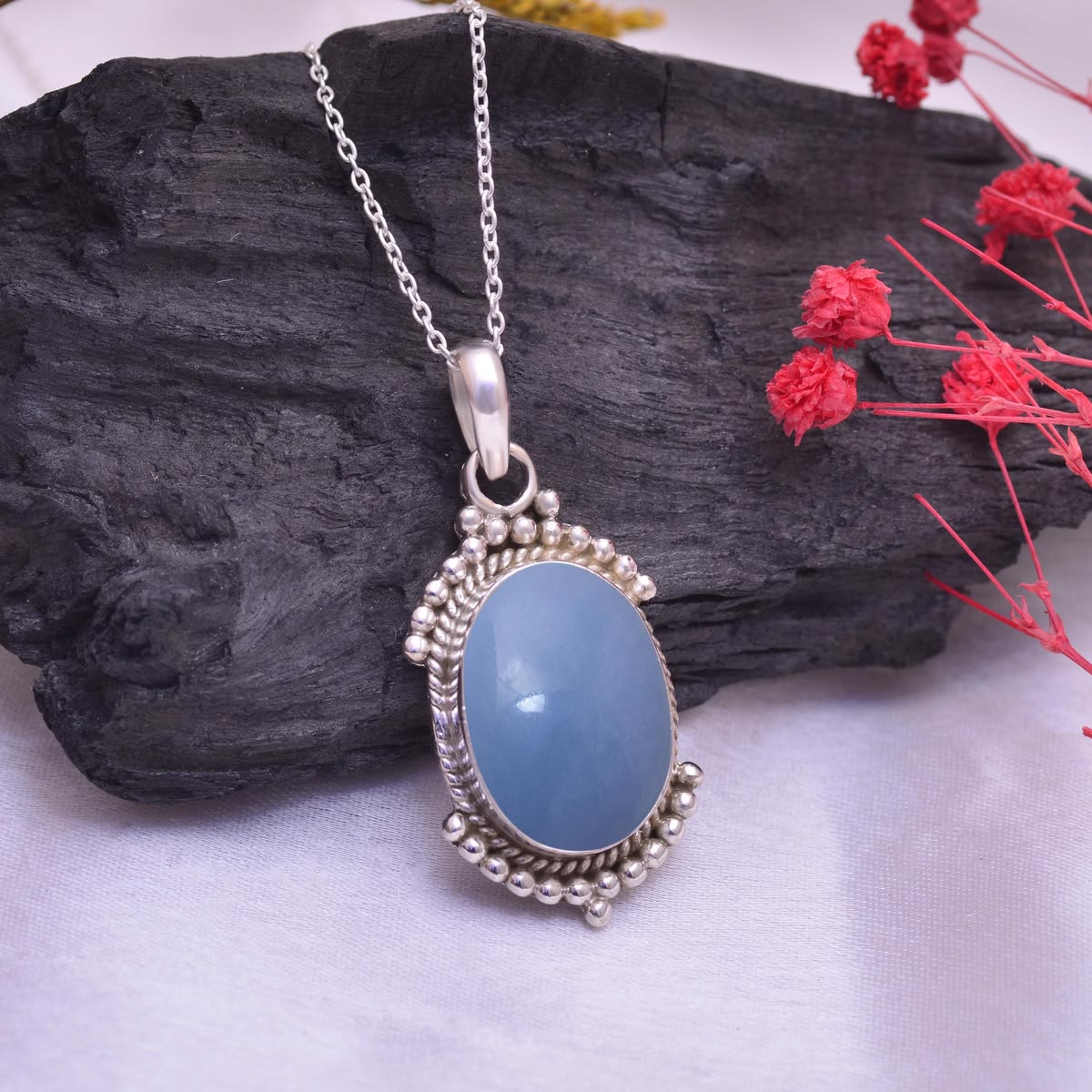
Necklace
A necklace places Angelite near the throat and upper chest, matching its communication and emotional ease themes. It can feel supportive when the voice gets tight, confidence dips, or feelings rise in social settings. It stays close without needing attention. The reminder is steady through the day, not another thing to manage.Forms
Angelite can feel different depending on the form, from soft and cloud-like to more clean and focused. The cut changes how the blue-gray color shows up and how the stone holds attention.
Rough
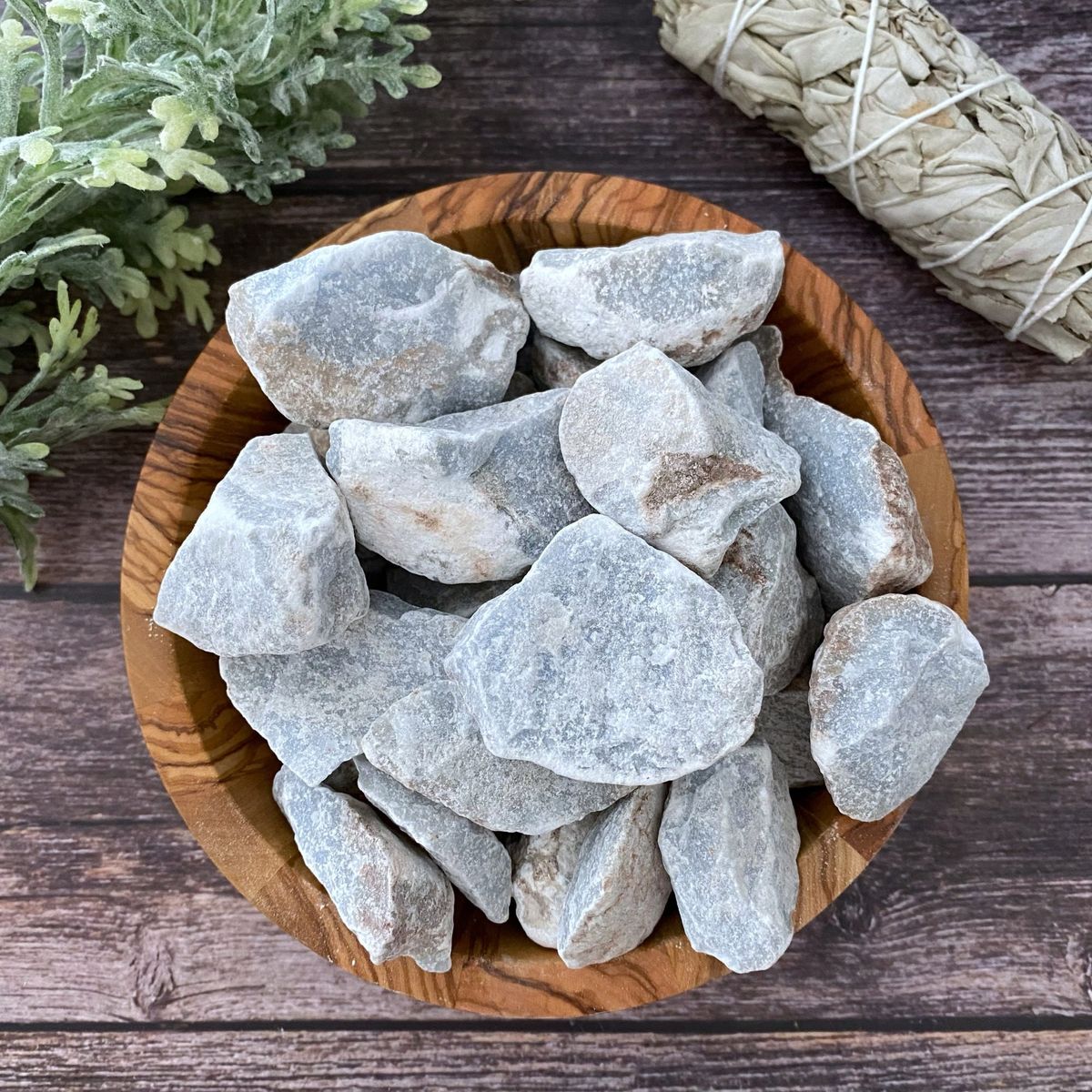
Rough Angelite has a natural, matte look that feels plain and direct. The grain and uneven edges give it an earthy mood, like quiet calm without the polish.
Point / Tower
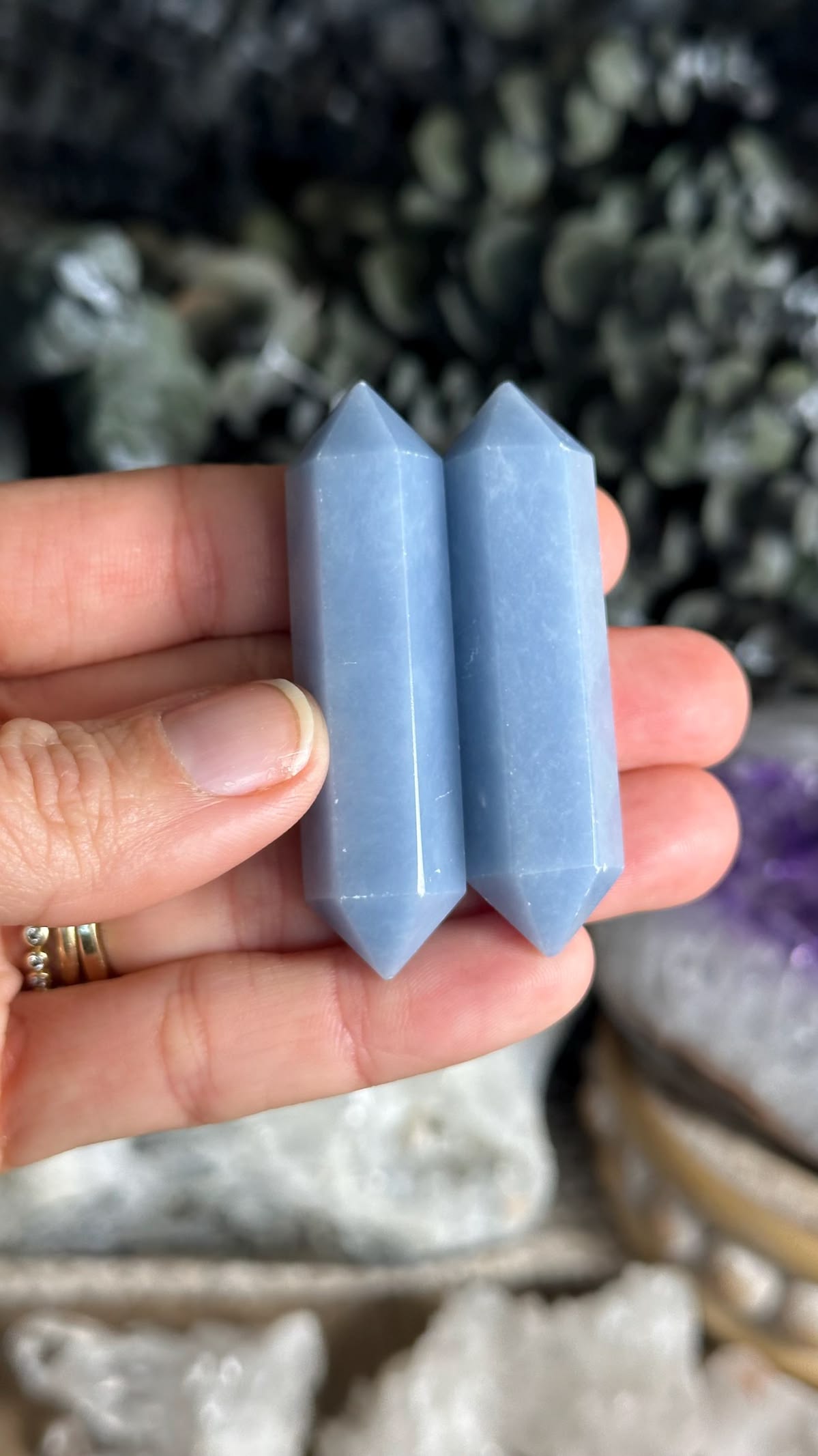
A point or tower gives Angelite a more focused feel. The straight lines read as clarity and direction, turning its gentle color into something a bit sharper and mentally tidy.
Sphere
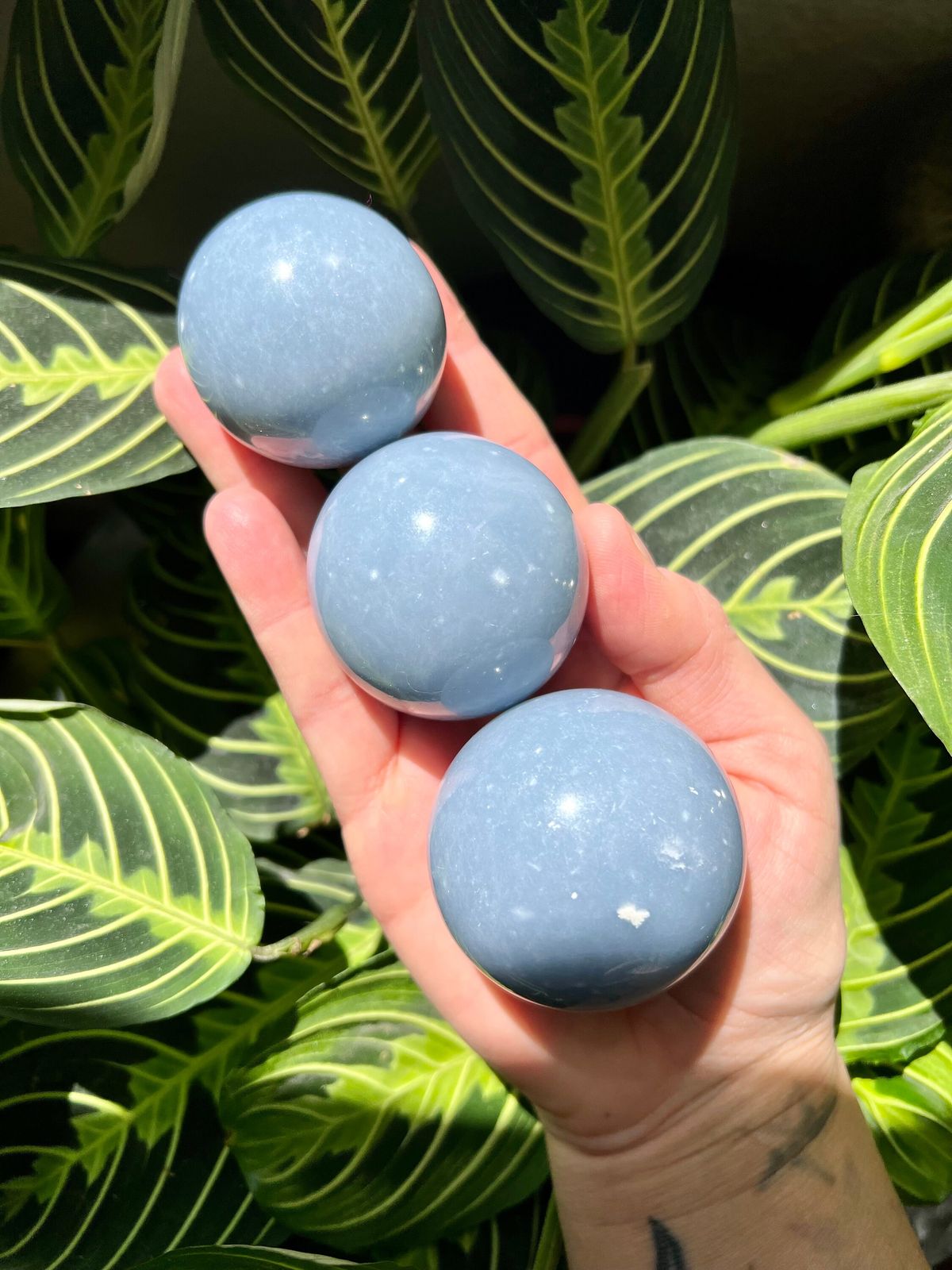
A sphere brings out Angelite's even, soft presence. The rounded form feels balanced and steady, with calm that spreads out smoothly rather than hitting in one strong spot.
Palm Stone
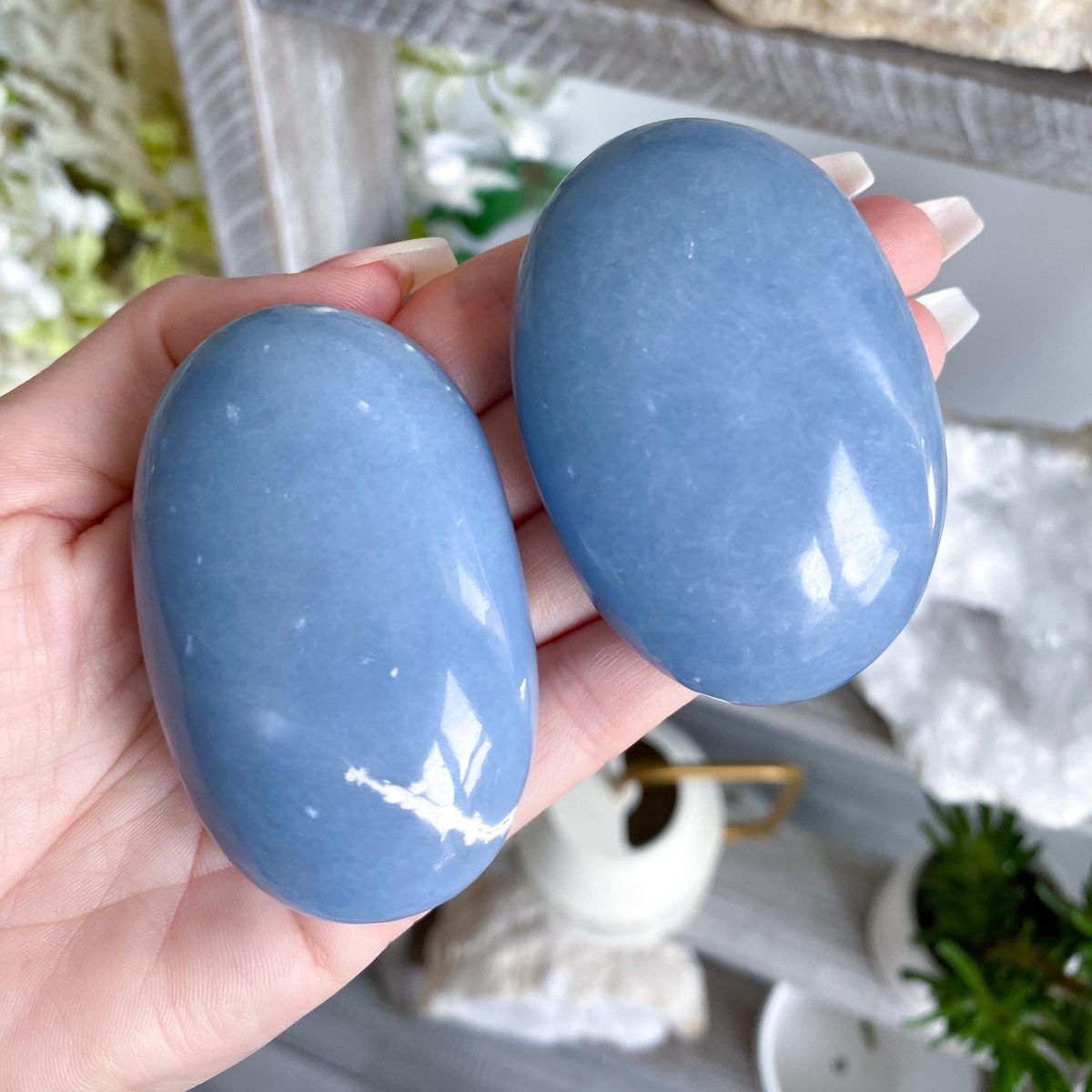
A palm stone feels friendly and reassuring, with a smooth, simple finish. The polish often makes Angelite's blue-gray tones look creamy and quiet, like a soft exhale.
Tumble Stone

A tumbled Angelite has a small, neat look that feels practical and low-fuss. Its smooth finish can lift the color a little, giving it an easy, everyday sense of calm.
Figure
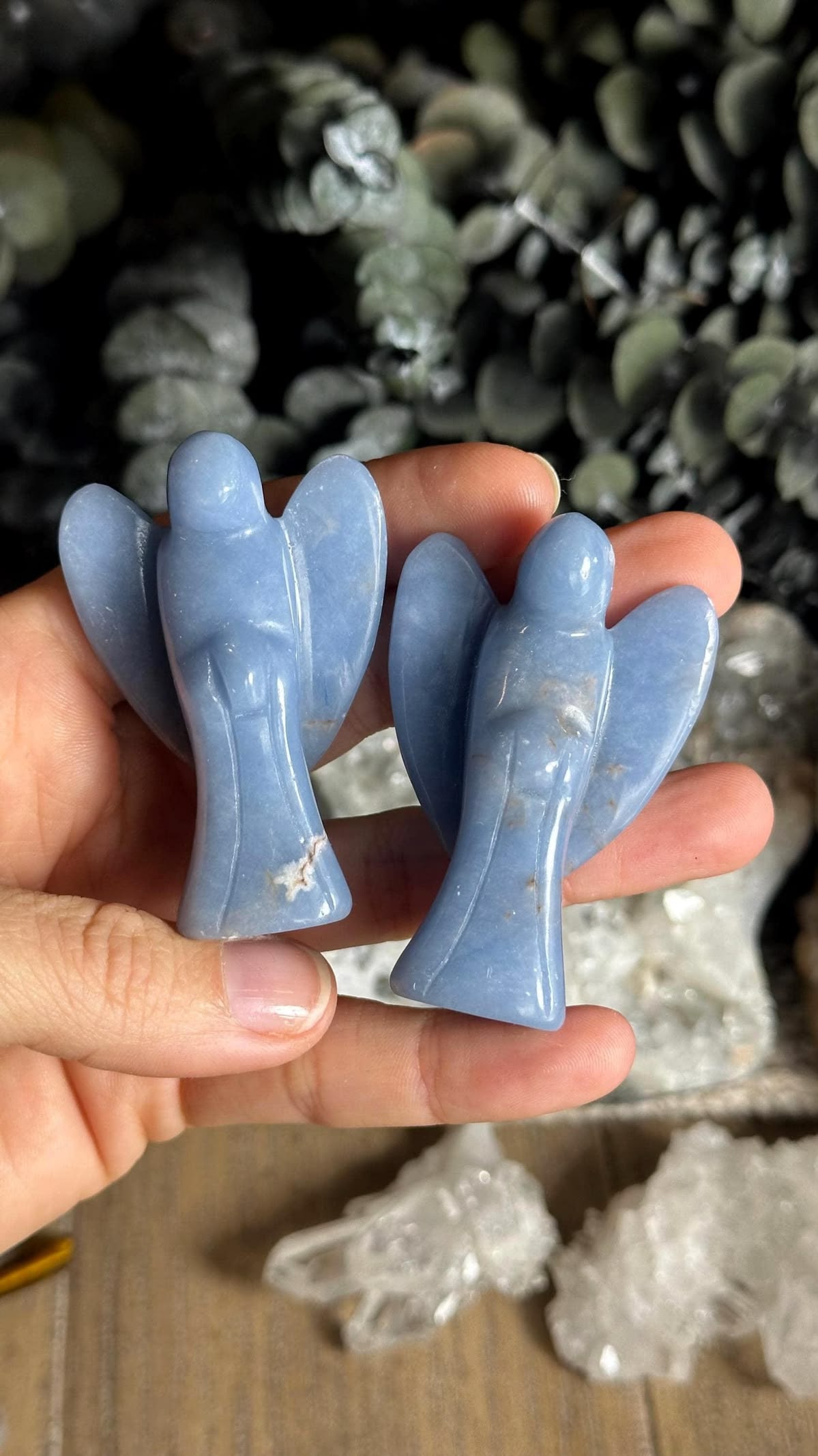
An Angelite figure feels gentle and symbolic. The carved outline gives the eye a clear focal point, while the soft color keeps the overall mood calm and kind.
Heart

A heart form leans into Angelite's tender, caring tone. The shape reads as warmth, making the stone feel softer and more emotionally supportive at a glance.
Cleansing & Charging
It helps to cleanse Angelite before charging it. Repeat the ritual when the stone feels dull or after heavy days, so it stays feeling fresh and clear.
How to cleanse Angelite
- Moonlight (gentle, easy)
- Sound (voice, music, chimes)
- Smoke (sage, incense)
- Dry method (soft cloth, no water)
How to charge Angelite
- Moonlight (best on a full moon)
- Selenite or clear quartz (bowl, plate, wand)
- Quiet intention (hold it, breathe, set a simple aim)
Where to Use
Pick a space that matches what Angelite supports, calmer emotions and clearer communication. The right spot makes it easier to notice the shift and keep the habit going.
Bedroom
Angelite suits a bedroom when the goal is a calmer mind at night. It can support a gentler wind-down, softer dreams, and less emotional carryover from the day. Pair it with low light, slower breathing, and a simple bedtime routine.
Meditation space
In a meditation space, Angelite can help settle the body and make inner listening feel easier. It suits practices focused on breath, gentle reflection, and speaking intentions out loud. The overall feel is quiet, clear, and steady.
Office / study
In an office or study, Angelite can support calm communication and less reactive thinking. It suits tasks that need careful wording, steady focus, and level-headed decisions. Keep it nearby during calls, writing, or planning sessions.
Science
Physical properties
- Mineral class
- Sulfate
- Color
- Light blue to blue-gray, sometimes white
- Hardness
- 3 - 3.5
- Density
- ~2.9 - 3.0 g/cm3
- Durability
- Low to moderate
- Thermal stability
- Moderate
Optical properties
- Transparency
- Translucent to opaque
- Lustre
- Vitreous to pearly
- Refraction index
- ~1.57 - 1.61
Chemical composition
- Class
- Sulfate
- Formula
- CaSO4
- Group
- Anhydrite
- Magnetic
- Non-magnetic
Formation
Angelite is a blue variety of anhydrite, a calcium sulfate mineral. It forms where sulfate-rich water concentrates and minerals precipitate out. Common settings are evaporite basins, drying lakes, and restricted marine lagoons. Layered salts build up as water levels rise and fall.
It can also develop when gypsum beds are buried and warmed. Gypsum may lose water and recrystallise into anhydrite. If groundwater returns later, anhydrite can partly rehydrate back toward gypsum, so both minerals may sit together in the same deposit. The pale blue to blue-gray color is usually linked to trace impurities and small defects in the crystal structure, not one single coloring element. Angelite tends to occur as dense, massive material rather than clean, well-formed crystals.
Locations
- Peru
- Mexico
- Egypt
- Germany
- Poland
- United States
History
Anhydrite is described as a mineral species
1794
Anhydrite, the mineral behind Angelite, was described and named in the late 18th century. The name refers to its lack of water in the crystal structure, which helps distinguish it from gypsum.
Industrial and scientific interest in calcium sulfate
19th to 20th century
Anhydrite and gypsum drew steady attention as evaporite deposits were mapped and calcium sulfate was used in building materials and cement. Work from this period clarified how gypsum can become anhydrite with burial and heating, and how anhydrite can change back when exposed to water.
Angelite emerges as a trade name
Late 20th century
By the late 20th century, Angelite was used as a trade name for pale blue anhydrite in the gemstone and crystal market. The name reflects the stone's color and the calm, communication-focused themes often linked to it in modern crystal culture.
Peru becomes a well-known commercial source
Modern sourcing
Peru is commonly cited in the gem trade as a key source of Angelite material. Other sources are also reported from countries where anhydrite occurs, but mine localities and dates are not always documented consistently in retail supply chains.
Got questions?
We've got answers!
FAQ's
What is Angelite used for?
+×
Angelite is often used as a calming stone for peace, compassion, and emotional ease.
It is also a popular pick for gentle communication. Keep it nearby for a hard chat, during journalling, or anytime kind, clear words matter.
Which zodiac signs are connected to Angelite?
+×
Angelite is most closely linked with Aquarius.
It suits anyone. Aquarius themes like clear thinking, honest self-expression, and staying steady under pressure tend to fit it well.
What chakras does Angelite activate?
+×
Angelite is most often connected with the Throat Chakra and the Third Eye Chakra.
In practice, it is used for careful speech and quiet inner listening. Hold it during reflection, meditation, or before a conversation that needs a calm tone.
Can Angelite help with stress and sleep?
+×
Angelite is commonly used as a soothing stone, so it may feel supportive during stressful periods.
For sleep, it is often placed on a bedside table. Or used in a short wind-down routine, like a few minutes of breathing or journalling. It is not a substitute for medical care, but it can be a comforting part of a calmer evening setup.