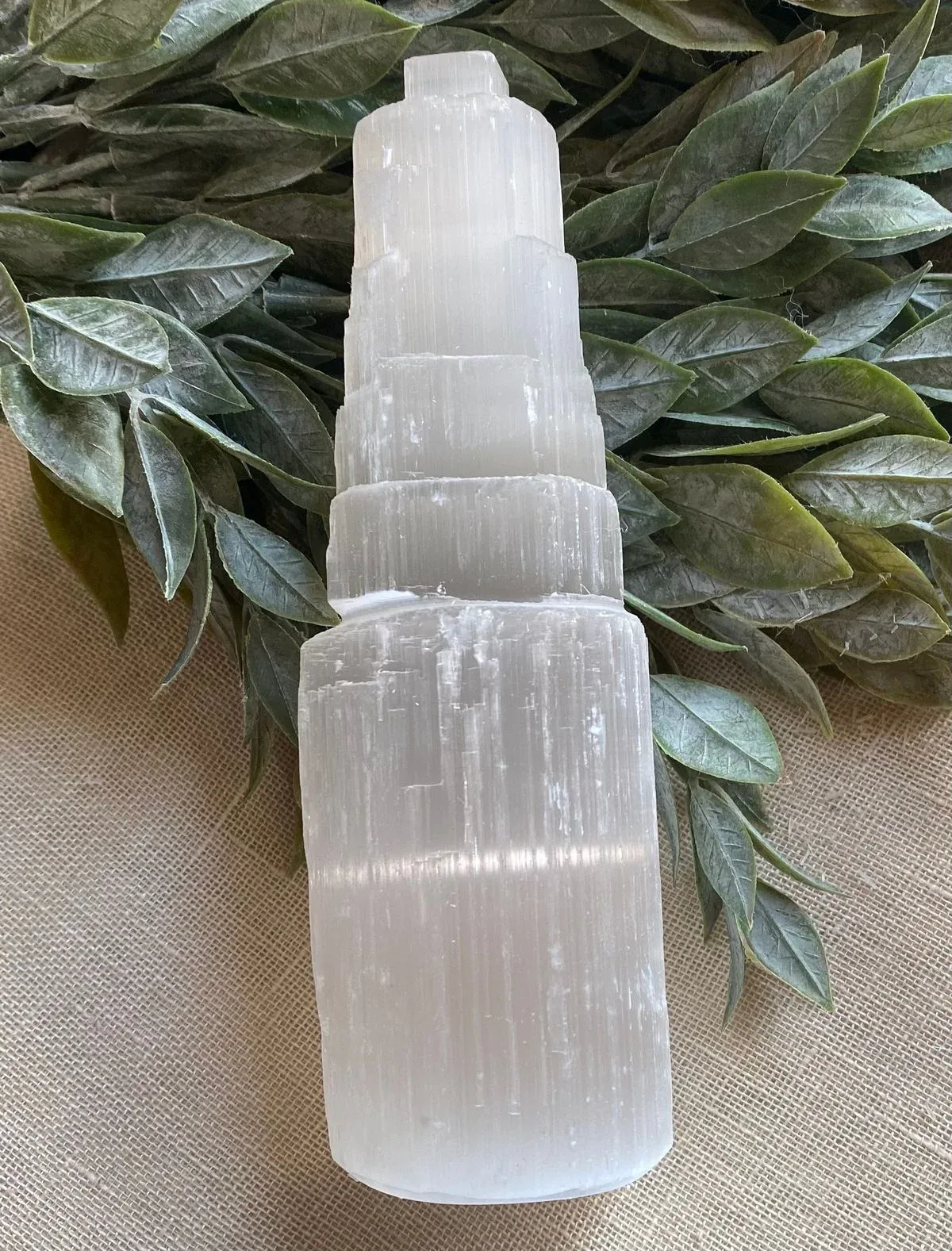
Selenite Crystal, Benefits and Meanings.
Named from the Greek 'selēnē' (moon), selenite is a crystalline variety of gypsum long linked with a moonlike sheen and cleansing, clarifying energy.
Metaphysical & Spiritual
Selenite has a clean, bright feel. Its pale, moonlit look suits days when thoughts are loud and a room feels weighed down. It is often linked with clarity and a steadier mood. Handy when focus is thin, or when a space needs a softer, quieter tone. It is also tied to protection and spiritual connection in a simple, low-key way, like wiping a window so light comes through. Symbolic links, still a useful frame for reflection.
Planet

Moon
Moon symbolism leans reflective and cyclical, and Selenite fits that soft, quiet tone. It points to emotional tidiness and a slower inner pace. Feelings get noticed without running the show.
Element
Air
Air brings a mental, wordy vibe, and Selenite is linked with clearing the haze. Thoughts feel cleaner and easier to sort. Spacious, not chatty.

Crystal Pairings
Selenite pairs well with stones that either lift the tone of a space or add a steadier, more grounded feel. These combinations lean into simple symbolism, clarity, calm, and a sense of gentle protection, without making the overall energy feel heavy.
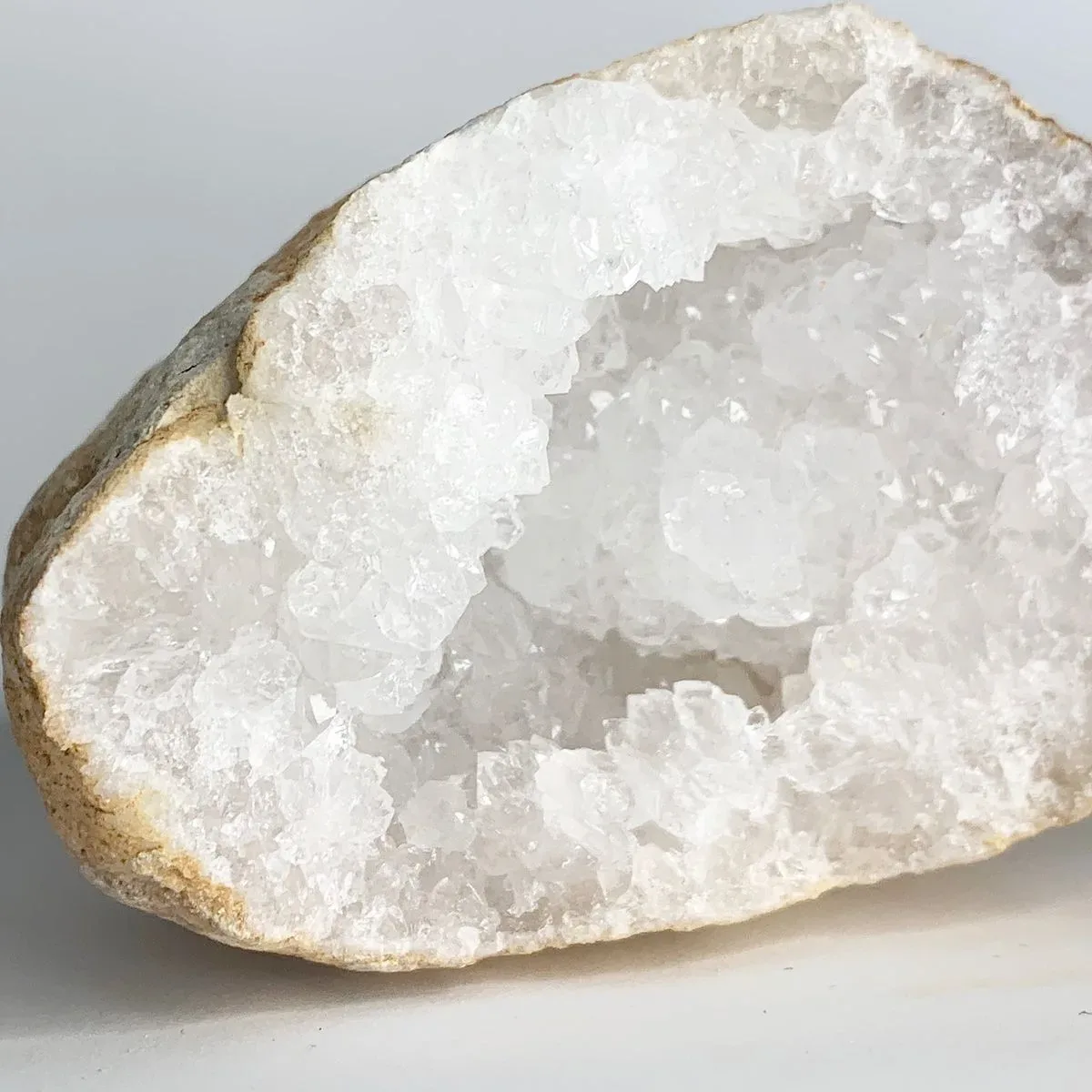
Clear Quartz
Clear Quartz and Selenite feel crisp and bright together, like clean light with sharper focus. Clear, uncluttered, and kept light.
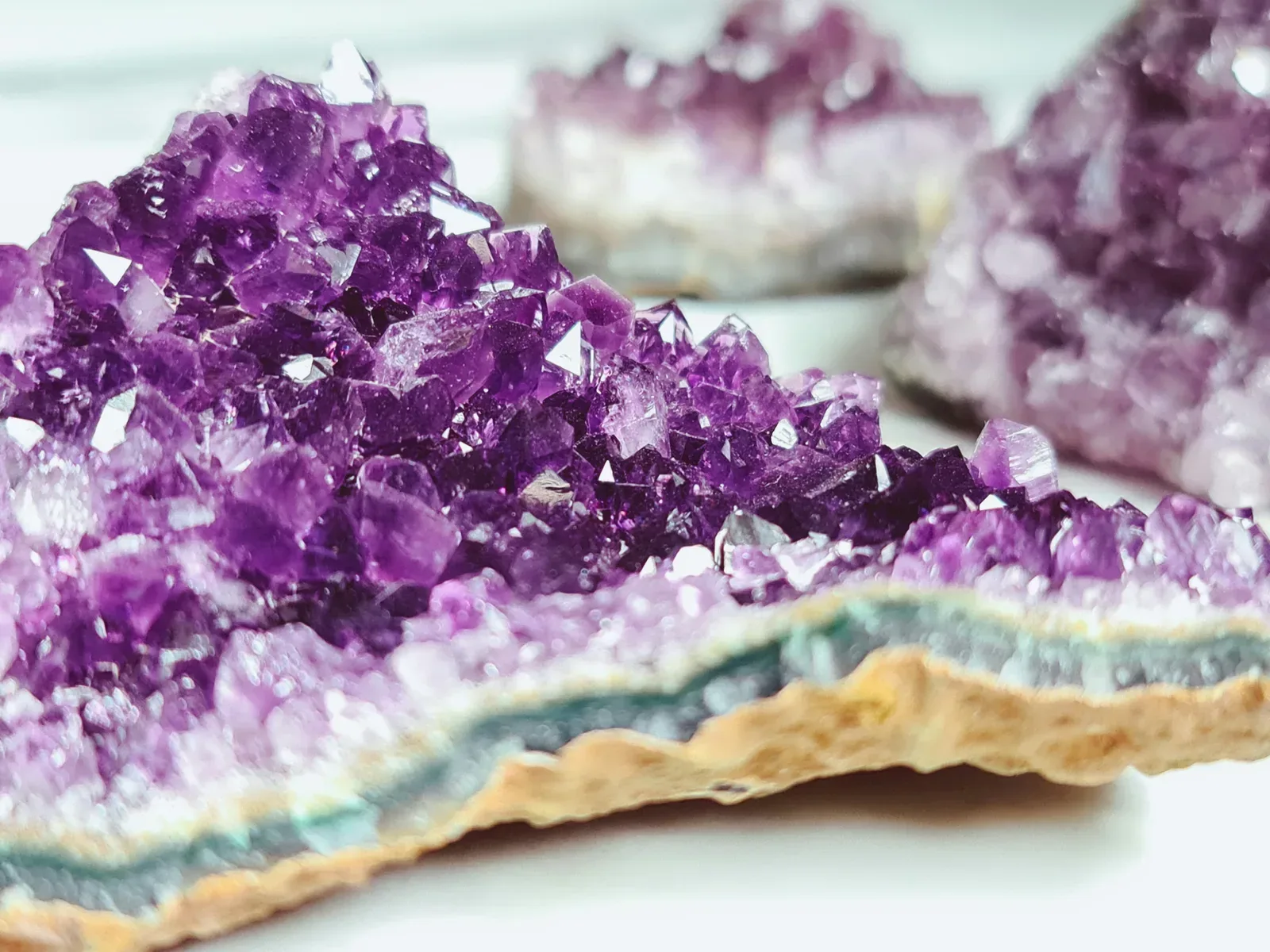
Amethyst
Amethyst softens Selenite's airy feel and adds a quieter, inward note. The symbolism stays calm and clear, gentle rather than intense.
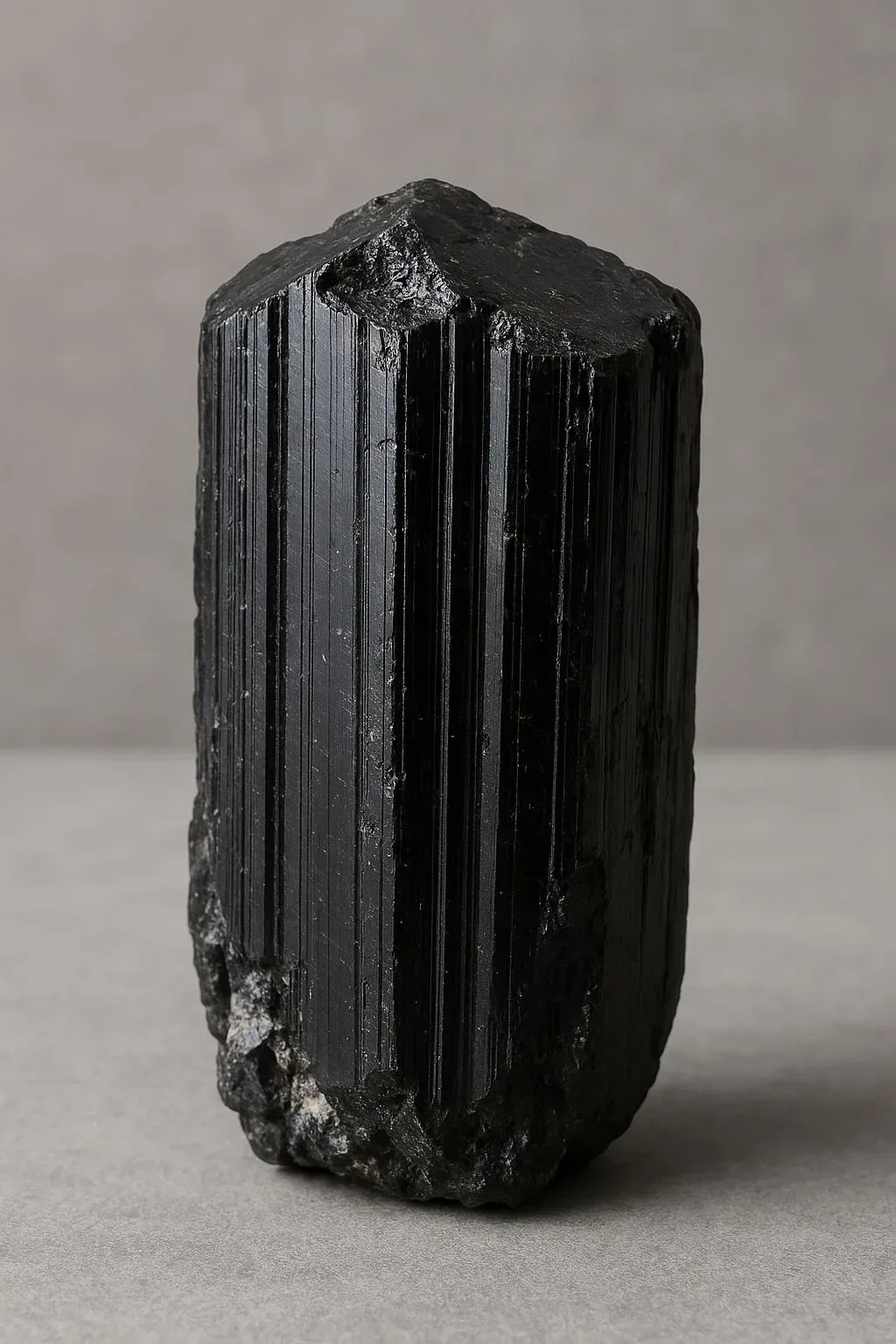
Black Tourmaline
Black Tourmaline adds weight and steadiness to Selenite's open, light quality. Together it reads as uplift with boundaries, held but still bright.
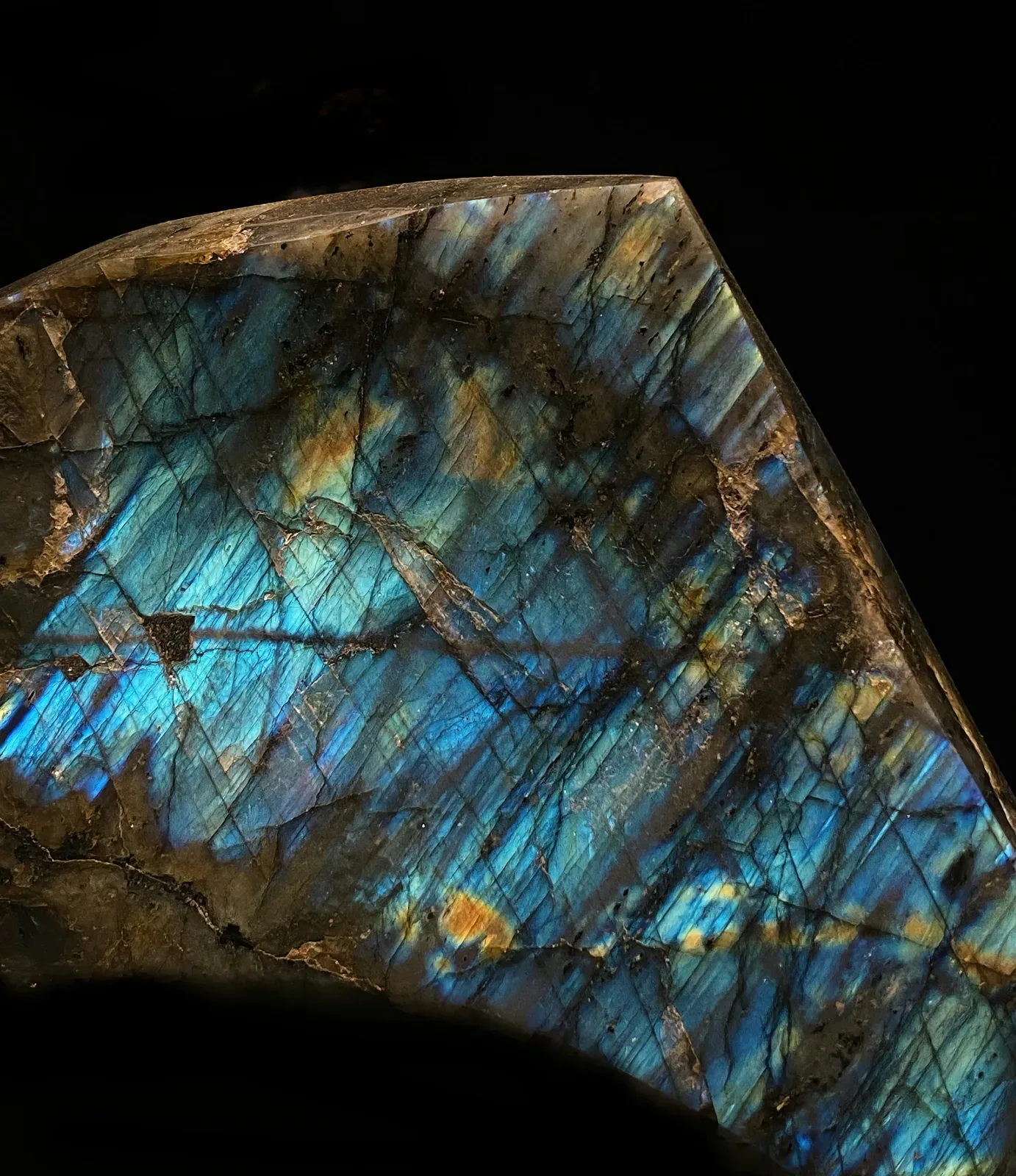
Labradorite
Labradorite's shifting, hidden-color look sits well with Selenite's clean, moonlit simplicity. Insight, but with a steady frame, calm not scattered.
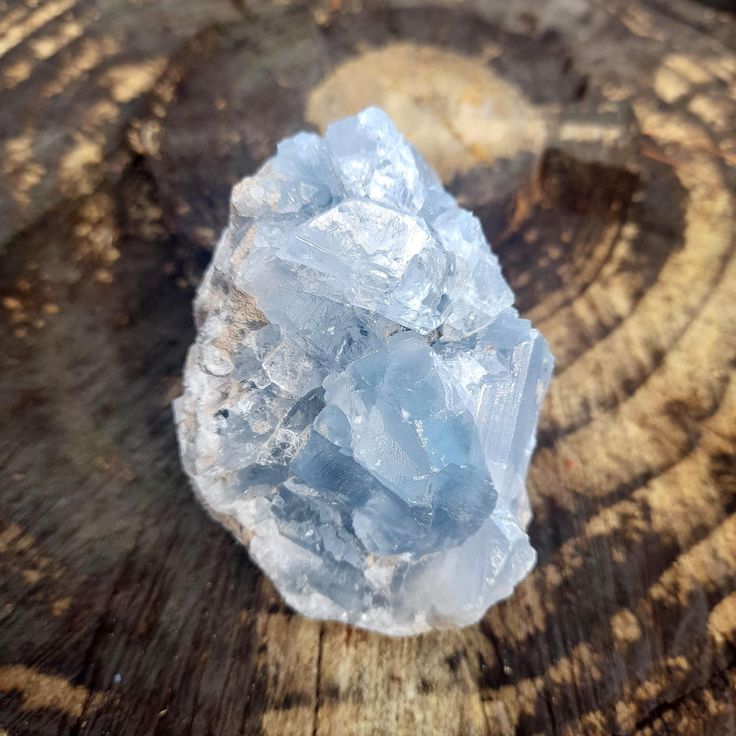
Celestite
Celestite and Selenite share a soft, sky-and-moon tone. The pairing points to peace and quiet communication, soothing without feeling busy.
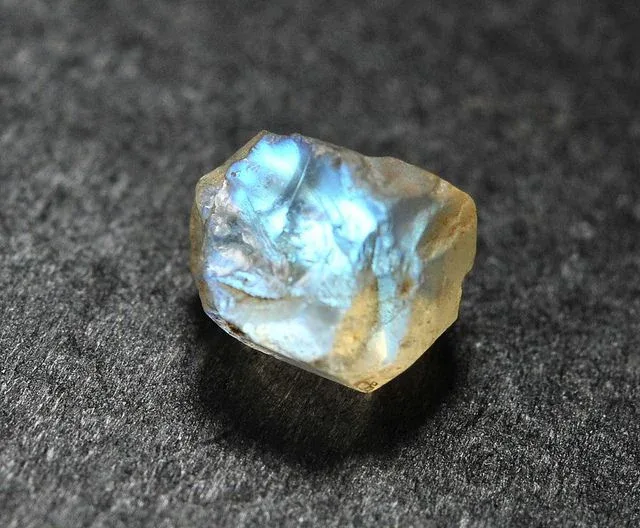
Moonstone
Moonstone mirrors Selenite's lunar name and sheen, so the pairing nods to cycles and reflection. Tender and steady, with a clean night-sky softness.
Healing
Selenite is often picked for a fresh, settled feel when the mind is busy. It is linked with clearing mental fog and helping thoughts line up, without pushing or overthinking.
It fits small reset moments, like after a long day, before sleep, or before a hard talk. A quick glance at its pale glow can be enough to slow the pace and choose the next simple step.
Affirmations
Use these lines when focus slips or the day feels noisy. Keep the words steady and plain, then let the body catch up.
Say one a few times, or move through all five slowly. They work well as a quick reset before starting something that needs a clear head.
- My mind is clear and steady.
- I release what is not mine to carry.
- I choose calm over rush.
- My space supports peace.
- I trust the next simple step.
Intention Setting
Intentions are useful when there is a lot to sort through. Keep them practical, and tie them to a real action for the day.
Pick one intention, then name one small step that matches it. That step is the anchor.
- Create a calm tone for the day.
- Clear distractions and focus on one task.
- Let go of lingering tension from earlier.
- Speak with honesty and kindness.
- Protect time for rest and recovery.
Manifesting
Manifesting works best here as a clarity exercise. Get specific about what "better" looks like, then notice what needs to change first.
Write one outcome in simple words, then list the next two actions. Selenite is often used as a reminder to keep it clean and doable.
- A peaceful home atmosphere.
- Clear priorities and a lighter schedule.
- A clean start after a stressful week.
- Better boundaries around time and energy.
- A steady meditation habit that feels easy to keep.
Jewelry
Selenite jewelry fits everyday looks when a calm, clear tone is the goal. The stone is soft gypsum, so it can scratch and chip more easily than many crystals. Choose smooth finishes, secure edges, and treat it like a light-touch piece rather than a rough-and-ready staple.
General benefits: Wearing Selenite can feel like carrying a small reminder to slow down and keep thoughts tidy. Its pale, pearly shine suits simple outfits and clean lines. Because it is quite soft, it does best in protective settings and gentle, low-impact wear.
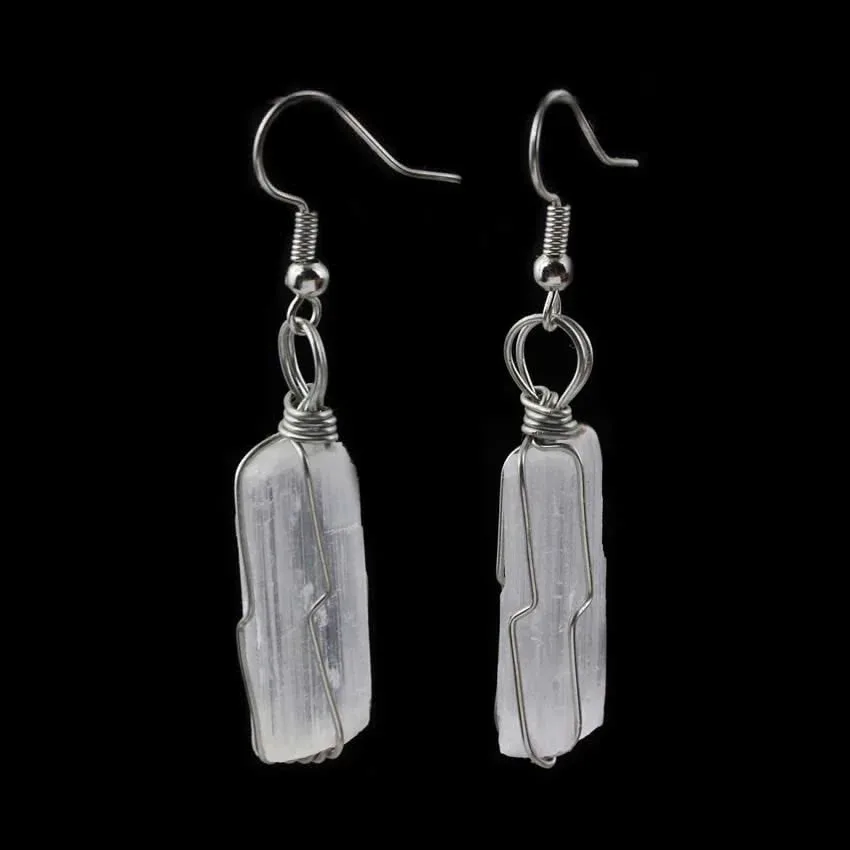
Earrings
Selenite earrings add a bright, minimal detail near the face. They suit days when it helps to speak simply and stay measured, especially in meetings or busy social plans. Look for a bezel or framed design that shields the edges. Keep them away from water, hair spray, and hard knocks so the surface stays silky.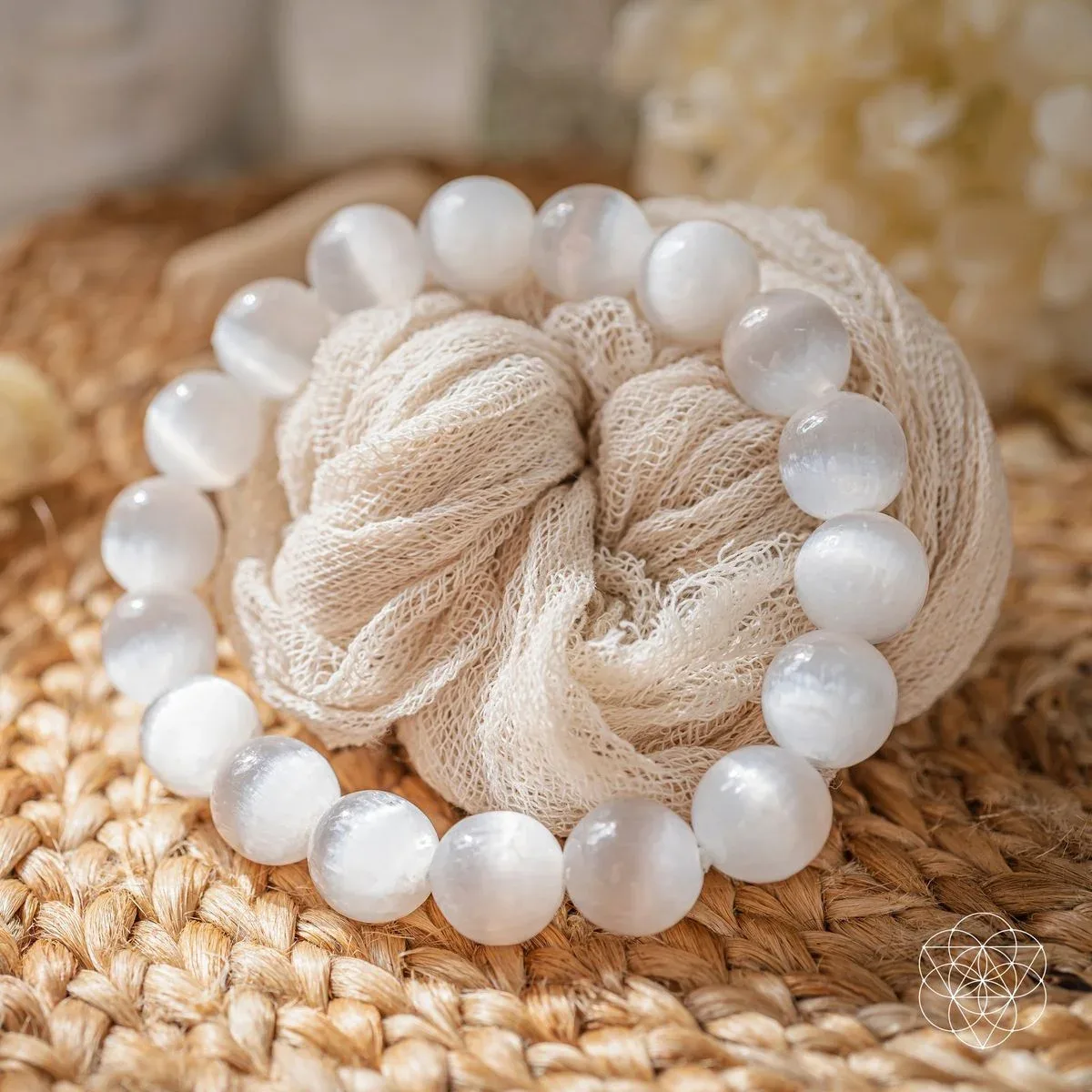
Bracelet
A Selenite bracelet keeps the stone in view during work, errands, or study. It can act like a quiet cue to pause, loosen the shoulders, and return to one task at a time. Polished beads feel smooth and clean, but they still scratch. Take it off for washing up, workouts, gardening, or anything that could bang it against metal or stone.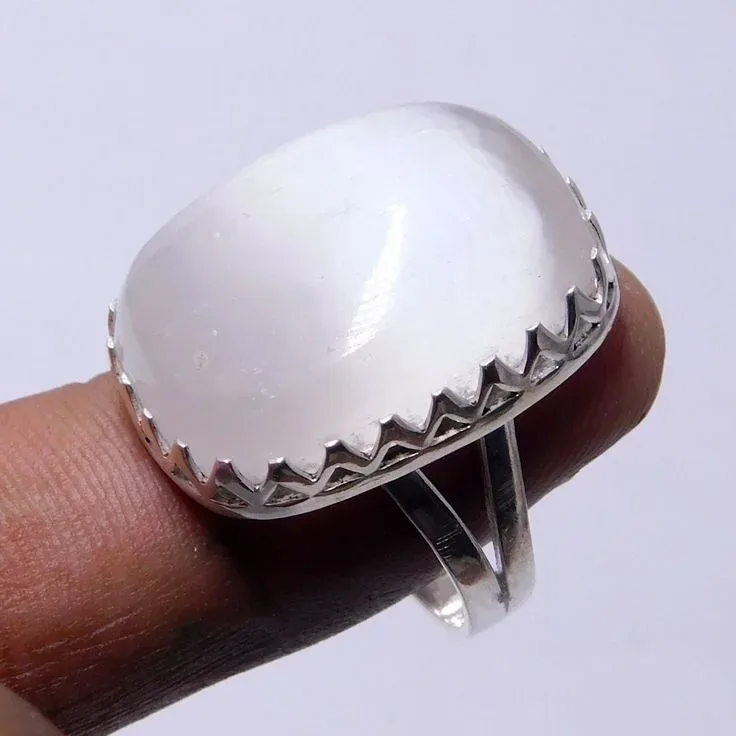
Ring
A Selenite ring is hard to ignore, which can help when the aim is to stay steady and not rush. The soft, pearly sheen works well with simple bands and modern settings. Hands knock into doors, desks, and keys, so protection matters. Choose a raised bezel or guarded setting, and save it for gentler days rather than constant daily wear.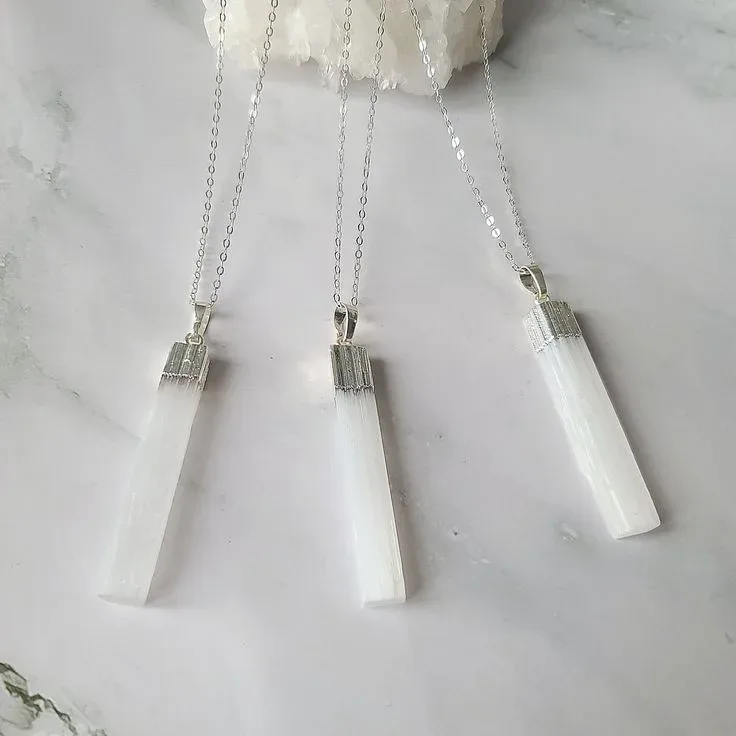
Necklace
A Selenite necklace sits close to the center of the body and reads as calm and clean in style. It pairs easily with neutrals, soft knits, and other pale stones without looking busy. Pick a smooth pendant with secure edges and a sturdy bail. Keep it dry, avoid perfume on the stone, and store it so it does not rub against harder crystals.Forms
Because Selenite is soft, the finish changes everything. Polished pieces look silky and bright, while raw pieces keep more texture and a natural, mineral edge.
Rough
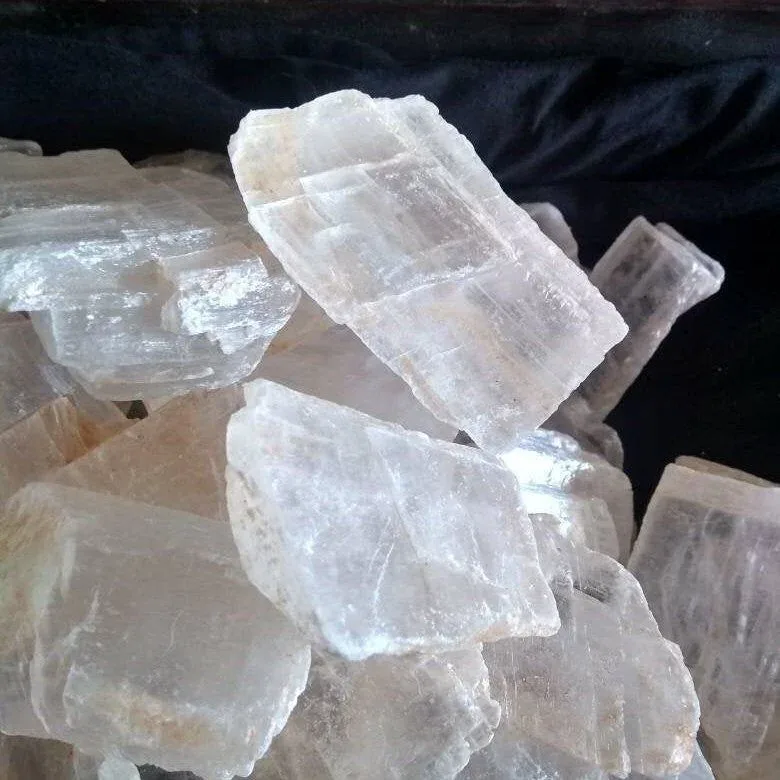
Rough Selenite has a chalky, fibrous look with natural grooves and uneven edges. It feels straightforward and earthy, more texture than shine. The surface catches light in thin streaks rather than a smooth gloss.
Point / Tower
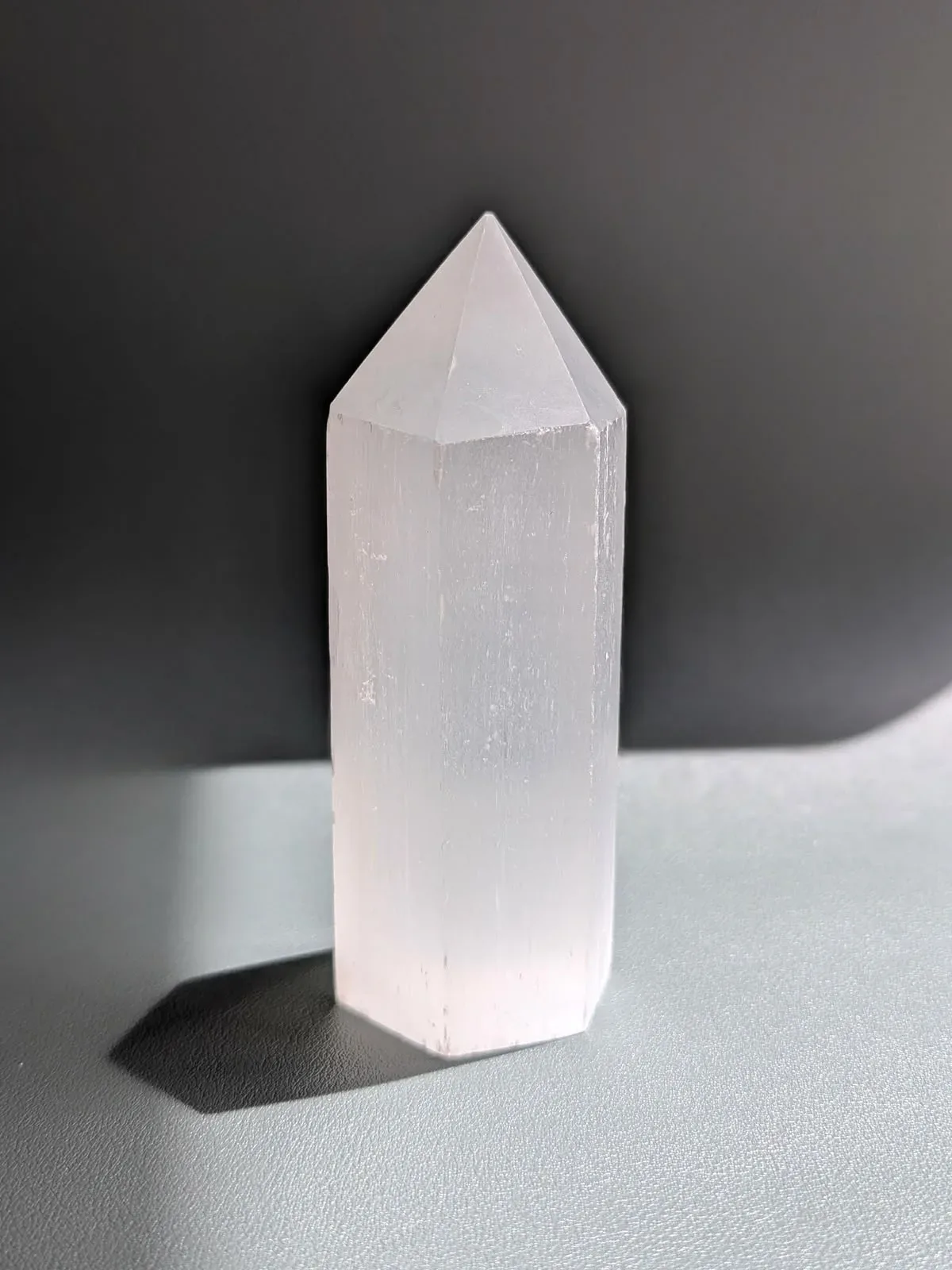
A Selenite point or tower looks clean and directional, with long lines that feel organized. The shape often shows the stone's inner layers and glow, especially along the edges. It reads crisp and minimal without needing strong color.
Sphere

A Selenite sphere feels balanced and complete in the hand and to the eye. The curve softens the stone's linear structure and brings out a gentle, pearly sheen. Light tends to move across it in a calm, even way.
Palm Stone
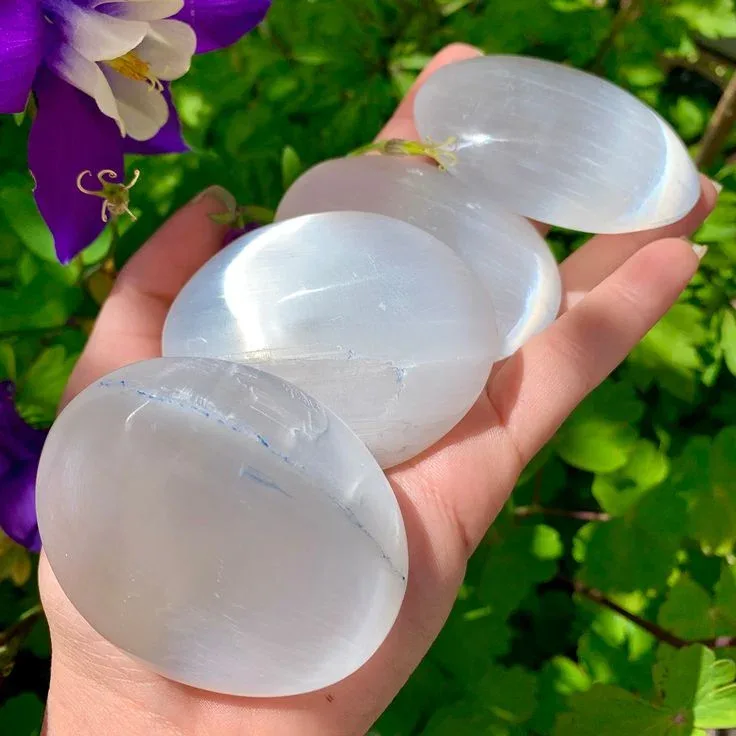
A Selenite palm stone is smooth, simple, and practical. The oval shape looks friendly and understated, and the polish brings out a silky shine. It has a clean, comforting look without feeling flashy.
Tumble Stone
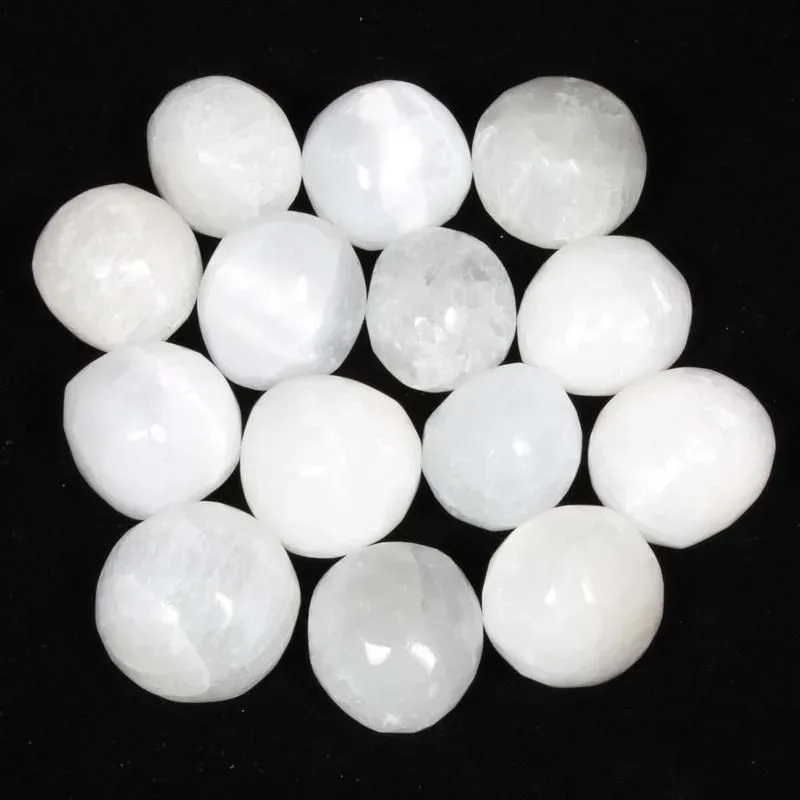
A tumbled Selenite piece is small, light, and softly rounded. The edges are worn smooth, giving it an easy, casual feel. It often looks milky and bright, with a quiet sheen that suits minimal styles.
Figure
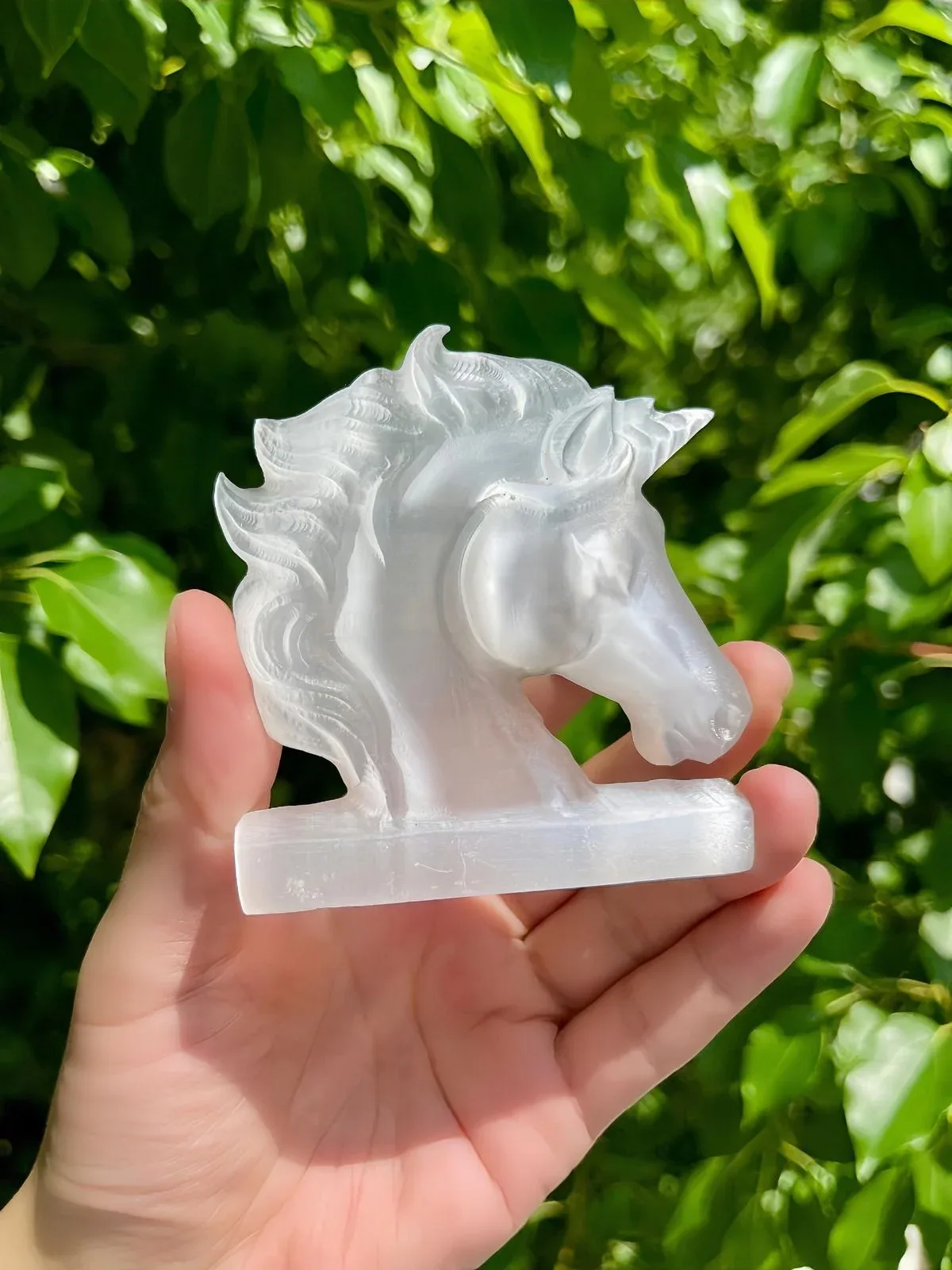
A carved Selenite figure adds character while keeping a soft, pale look. The stone's glow can blur sharp details in a pleasing way, so the carving feels gentle rather than bold. It suits simple shapes and calm, decorative themes.
Heart
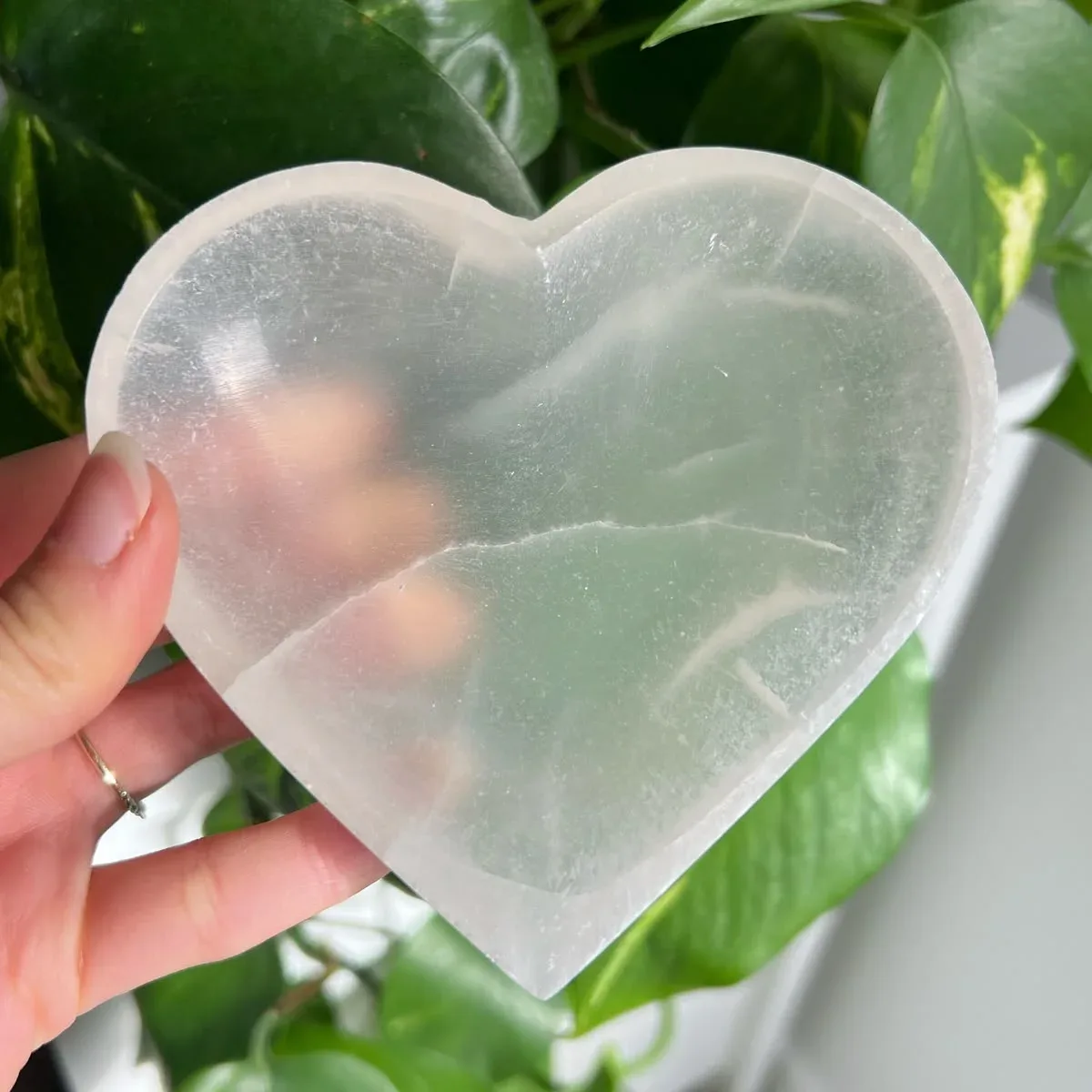
A Selenite heart mixes the stone's pearly brightness with a warm, familiar symbol. The shape reads kind and approachable, and the polish makes it look smooth and luminous. It feels sweet and calm, not intense.
Cleansing & Charging
Selenite is a gypsum selenite and does not like water. Keep it dry, handle it gently, and avoid salt, sprays, or long soaks. A soft, dry cloth is usually enough to freshen the surface, and light, low-contact methods suit it best.
How to cleanse Selenite (keep it dry)
- Wipe gently with a dry, soft cloth to remove dust and fingerprints.
- Use sound, like a bell or singing bowl, for a quick reset.
- Let it rest in moonlight for a short time, then bring it back indoors.
- Use smoke cleansing if preferred, keeping it brief and well-ventilated.
How to charge Selenite
- Place it in soft moonlight for a few hours, then store it safely.
- Set it beside Clear Quartz to reinforce a clean, bright feel.
- Hold it for a moment and restate a simple intention, then stop and let it be.
Where to Use
Use Selenite where the aim is to reduce mental noise and keep the atmosphere light. Think about the moments that usually feel rushed, like getting ready, starting work, or winding down, then support those routines with a steady visual cue.
Bedroom
Good for winding down and keeping the room feeling restful. It suits an evening reset, especially if thoughts tend to loop at night. Keep it away from water and lotions, and choose a stable spot where it will not be bumped.
Meditation space
Supports a quiet, uncluttered feel in a space used for reflection. It can act as a simple visual anchor when attention drifts. If the space is shared, it also helps signal that this corner is for calm and stillness.
Entryway
Useful where the day begins and ends. It can help the space feel lighter when coming in, and more settled when leaving. A tidy entryway plus Selenite can make the whole home feel more organized.
Office / study
Fits well with focused work, planning, and reading. It is often used as a reminder to simplify the task list and return to the next clear step. Keep it somewhere safe from knocks, and away from drinks or damp surfaces.
Science
Physical properties
- Mineral class
- Sulfate
- Color
- Colorless to white
- Hardness
- 2
- Density
- ~2.3 g/cm3
- Durability
- Low
- Thermal stability
- Low
Optical properties
- Transparency
- Transparent to translucent
- Lustre
- Vitreous to pearly
- Refraction index
- ~1.52 - 1.53
Chemical composition
- Class
- Sulfate
- Formula
- CaSO4·2H2O
- Group
- Gypsum
- Magnetic
- Non-magnetic
Formation
Selenite is a clear, crystalline variety of gypsum. It forms when water becomes rich in calcium and sulfate, then concentrates as evaporation removes water. This is common in evaporite settings like saline lakes, coastal lagoons, and restricted marine basins. Over time, gypsum can build up as layers within sedimentary rock.
It can also grow below ground. Groundwater moves through pores, fractures, and small cavities in sediments or older rock, and gypsum precipitates when the fluid chemistry shifts. Given steady conditions and time, crystals may develop as transparent blades or broad plates, as slow growth keeps the lattice orderly. Later burial, compaction, or gentle deformation can open new cracks, leaving fresh space for selenite to crystallize again.
Locations
- Mexico
- Morocco
- United States
- Spain
- Australia
- Italy
History
Name linked to the Moon in Greek
Ancient era (term origin)
"Selenite" comes from the Greek "selēnē" (Moon). Older texts often used it for clear, moonlike gypsum crystals, even when the labels and categories were a bit loose.
Gypsum used widely, selenite appears as a descriptive form
Classical to medieval period
Gypsum turns up early in plaster and building work. In most sources, "selenite" reads as a description of a gypsum selenite form, not a separate material with its own long trade history.
Mineralogy formalises gypsum varieties
18th to 19th century
Mineralogy tightened up the language around gypsum forms. "Selenite" became a common name for transparent, crystalline gypsum, alongside satin spar and alabaster.
Large gypsum crystals documented in scientific records
19th century
Naturalists and geologists wrote up unusually large gypsum crystals from evaporite landscapes. Those reports helped pin selenite to formation settings like saline basins and slowly evaporating waters.
Selenite used in modern selenite and lapidary trade
20th century
Selenite became a familiar name in shops and collections, often sold as wands, blades, or plates. It is soft and water-sensitive, so basic care notes started to travel with it.
Cleansing and space-setting role in contemporary practice
Late 20th to 21st century
In modern spiritual and wellness spaces, selenite is often used as a "clearing" stone. It might sit in a room, or act as a plate for other stones. This sits in contemporary culture, not older records.
Moon symbolism shapes modern stories
Modern popular mythology
The Moon-linked name has fed modern stories about reflection, quiet, and night-time calm. Better read as metaphor and mythology, not a fixed historical tradition.
Got questions?
We've got answers!
FAQ's
What is Selenite used for?
+×
Selenite is often used to freshen the feel of a space and take the edge off a busy room. It is commonly placed in a bedroom, entryway, or on a desk when the day feels loud.
It is also widely used to cleanse other crystals, for example by placing stones on a selenite plate or passing a selenite wand around them. Many people keep it close for meditation or a few quiet minutes of reflection.
Which zodiac signs are connected to Selenite?
+×
Selenite is most commonly linked with Taurus.
That link is usually treated as symbolic, a simple way to pick a stone that fits themes of steadiness, comfort, and a calm home base.
What chakras does Selenite activate?
+×
Selenite is most often associated with the Crown chakra.
In practice, it is usually used for still moments, meditation, or clearing mental clutter, not for boosting physical energy.
Can Selenite help with stress and sleep?
+×
Selenite is often used as part of a wind-down routine because it is linked with calm and a quieter atmosphere. A common approach is to place it near the bed, or to hold it for a few slow breaths before lights out.
It is not a treatment for stress or sleep problems, but it can work well as a small cue to slow down, switch off, and keep the bedroom feeling settled.