
Labradorite labradorite pairings
Labradorite is valued for its shifting, light-catching character and the way it is commonly associated with intuition, protection, and personal transformation. Pairing it thoughtfully helps keep that sense of inner vision clear while adding steadiness, so the energy of change feels supported rather than scattered.
When building a pairing, consider what needs balancing, amplify insight for decision-making, add a protective buffer for busy environments, or introduce grounding so creativity can be acted on consistently. The most satisfying combinations are those that let Labradorite's reflective quality lead, while another stone contributes clarity, calm structure, or a steadier base.
Crystals that combine well with Labradorite
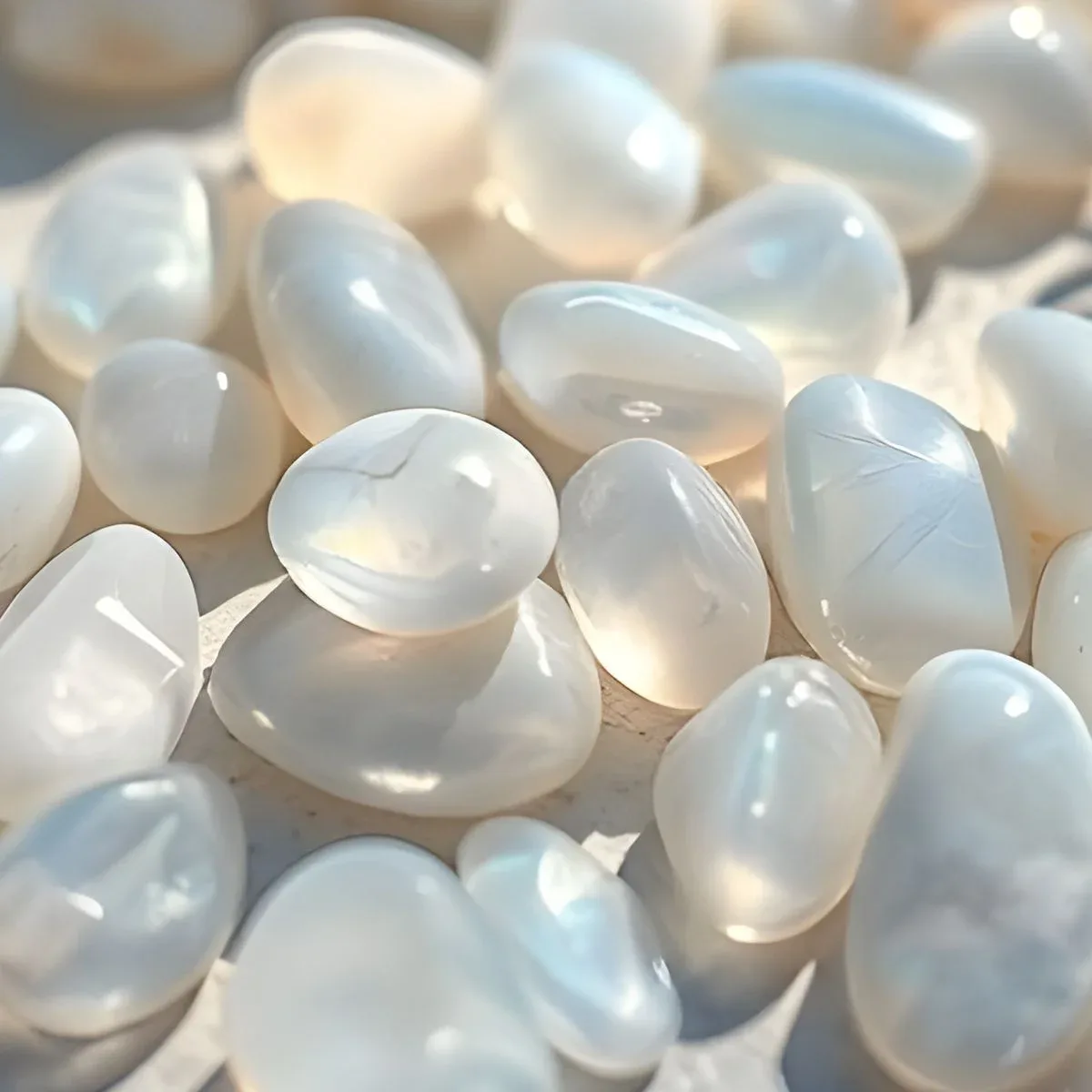
Moonstone softens Labradorite's bright, change-forward feel. The pairing fits quiet reflection and gentler transitions.
For a simple intuition check-in, hold Labradorite in the dominant hand and Moonstone in the other. Take a few slow breaths. Notice what shows up, an image, a word, a body cue. Stay with observation, then jot down only the clearest points.
For evening wind-down, set Moonstone by the bed and keep Labradorite on a nearby table, not under the pillow. Keep it light. Write one line about something learned that day, then leave it there.
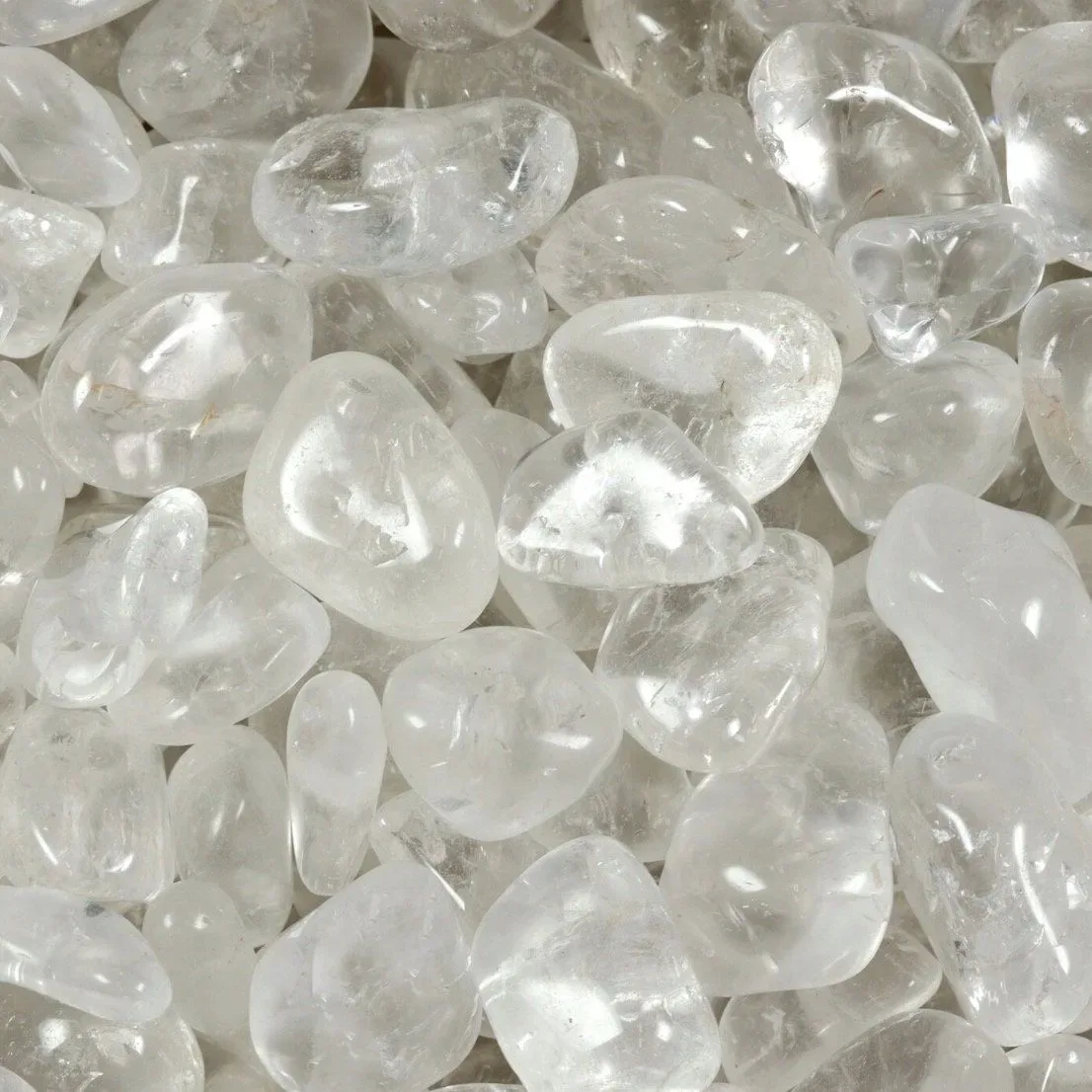
Clear Quartz brings clean focus. It helps Labradorite's insight-led change feel easier to organise and use day to day.
For intention-setting, write one sentence that names the goal. Place Clear Quartz above the page and Labradorite to the right, like a simple frame. Read it once, then do the next practical step straight away.
Between tasks, hold Clear Quartz for a quick clarity reset. Keep Labradorite nearby as a cue to stay open to a new approach. Finish by choosing one priority for the next hour, so it supports direction, not scatter.
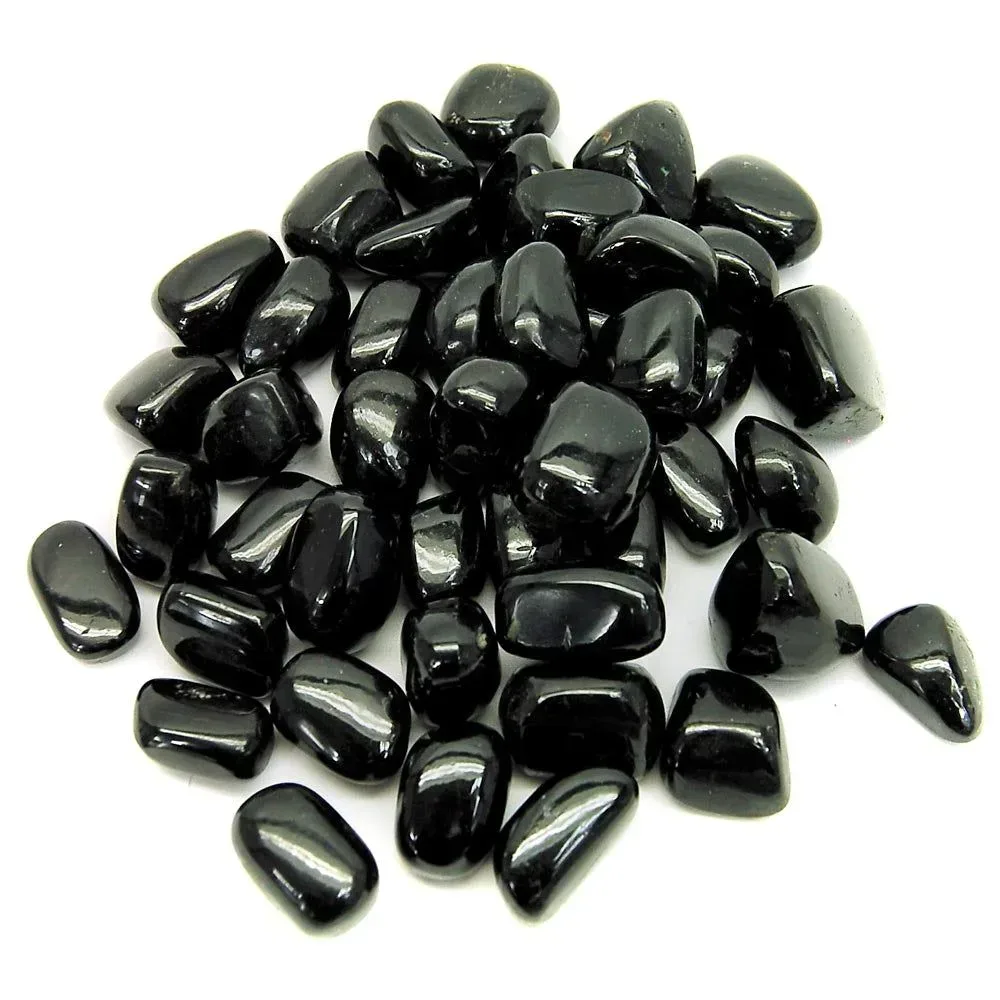
Black Tourmaline sets a steady baseline. It keeps Labradorite's open, intuitive feel grounded in busy places.
At an entryway or desk, place Black Tourmaline closest to the door or screen. Put Labradorite slightly behind it. Before starting, take ten seconds to name what is welcome today, and what is not.
For commuting, keep Black Tourmaline in a pocket and carry Labradorite in a pouch or bag. A bit of space helps. Ask one quick question, like "What needs protecting, and what needs exploring?"
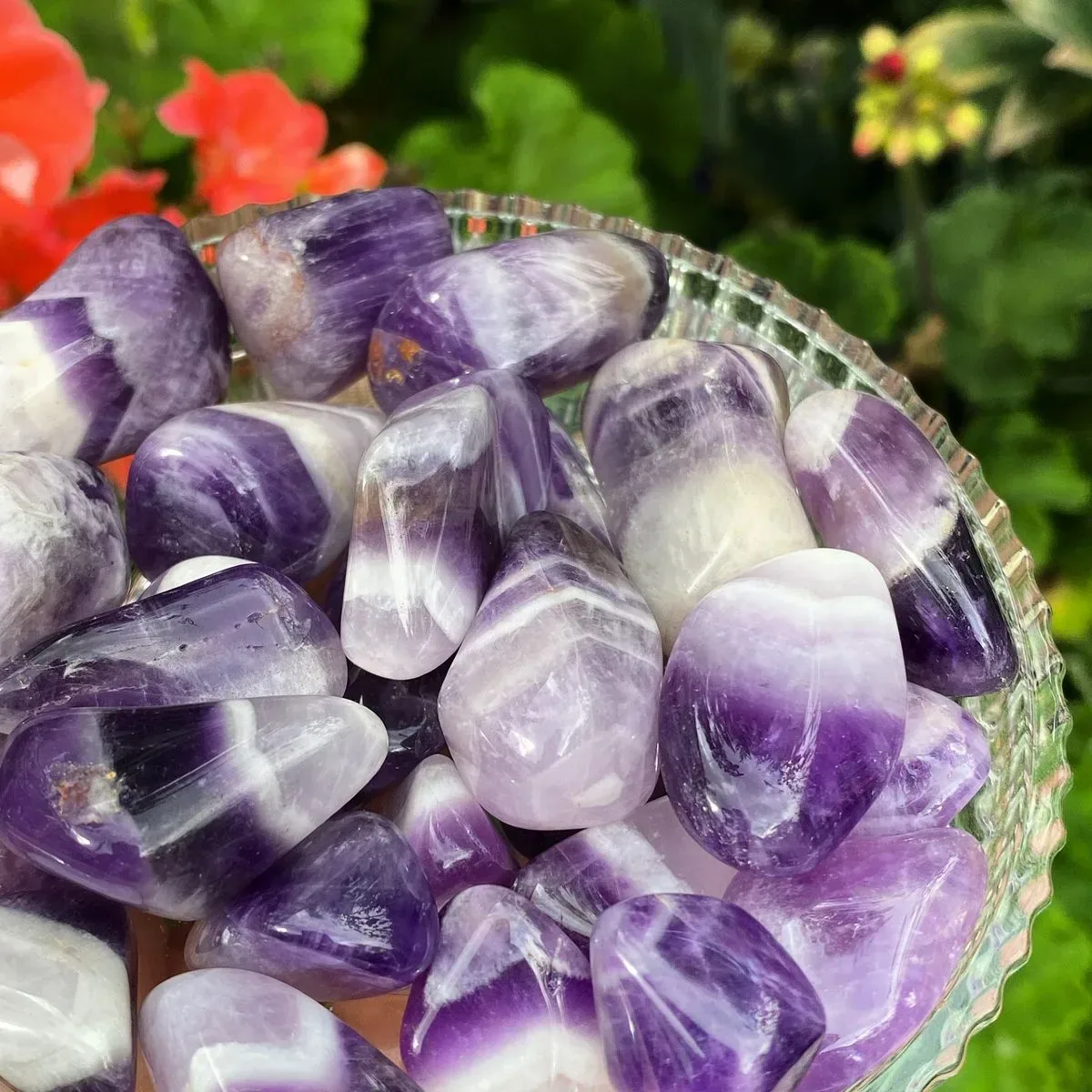
Amethyst adds a calm, settled tone. With Labradorite, it suits meditation and reflection without feeling too buzzy.
For a breath practice, place Amethyst on the left side of the mat or cushion and Labradorite on the right. Breathe evenly and rest attention on the space behind the eyes. Finish by picking one insight to carry into the day. Keep it practical.
For journaling, start with a short "release" list with Amethyst nearby. Then move Labradorite closer to the page and write a "next step" list. Calm first, then change.
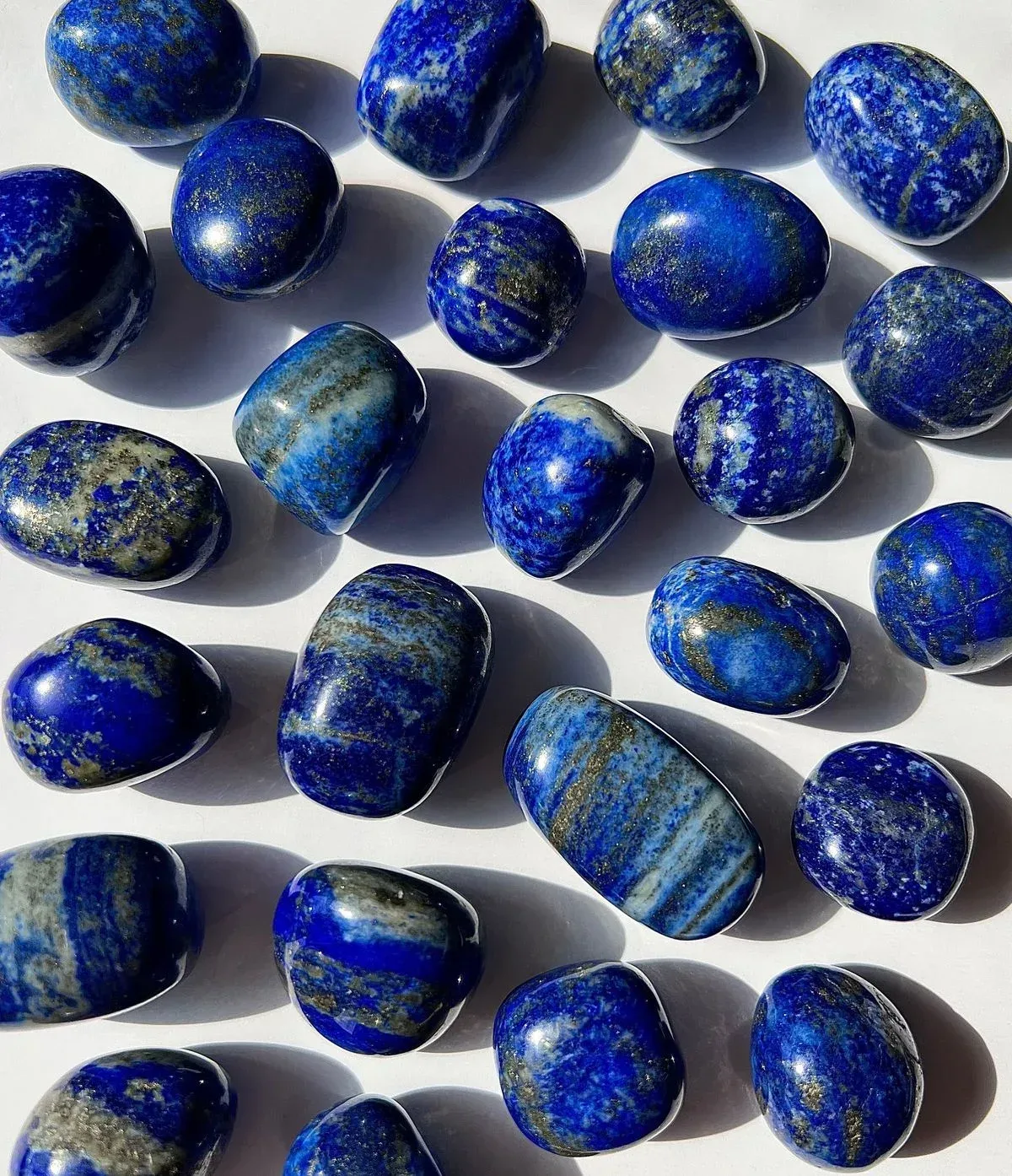
Lapis Lazuli supports clear, honest expression. With Labradorite, insights can be easier to put into words and share.
Before a tough conversation, hold Labradorite for a minute to widen perspective. Then switch to Lapis Lazuli and turn the message into a few clear points. Keep it direct and tactful. Aim for one outcome, not five.
For creative planning, place Labradorite above a notebook for big-picture ideas. Set Lapis Lazuli beside the pen for wording and structure. Use a 15-minute timer to draft without editing, then do one tidy pass at the end.
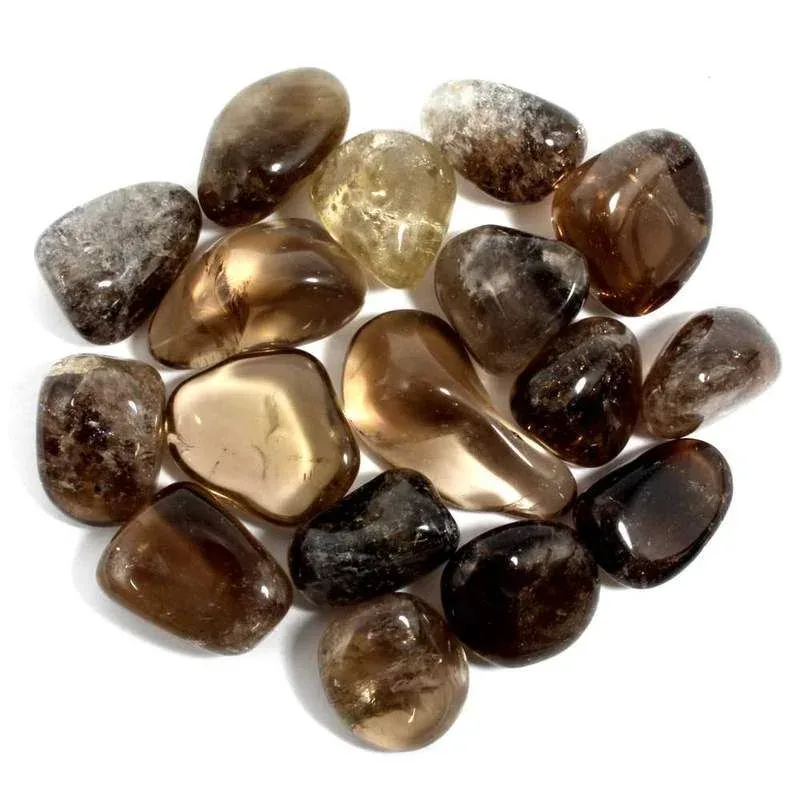
Smoky Quartz steadies and grounds. It helps Labradorite's change-driven energy feel anchored when things feel uncertain or scattered.
For a steady morning start, place Smoky Quartz at the base of a candle or mug on the desk. Keep Labradorite nearby as a reminder to stay adaptable. Pick one grounding action first, then one brave action second.
For decluttering, carry Smoky Quartz in a pocket while sorting. Place Labradorite on the shelf or surface being cleared for a fresh look. When finished, choose one spot to keep intentionally "open", so change feels clean, not chaotic.
Jewelry pairings that work well together
Labradorite works best beside stones that either soften its gray body color or deepen its dark, reflective flash. Pale, translucent companions bring out the blue-green sheen, while inky or smoky finishes keep the look grounded and quietly dramatic.
Labradorite & Moonstone
Both stones sit comfortably in a cool, pearly range, but Moonstone is softer and more luminous while Labradorite brings the sharper flash. The contrast is gentle rather than bold, with translucent glow meeting a darker, more mysterious surface. A slim cuff with alternating Labradorite and Moonstone cabochons feels elegant and wearable, especially when the stones are set low and close to the wrist.
Labradorite & Clear Quartz
Clear Quartz adds brightness and clean transparency, which makes Labradorite's gray body and shifting color appear more vivid. The pairing feels crisp and airy, with a polished clarity set against a stone that changes in the light. A single statement ring with a clear quartz center and small Labradorite shoulders gives the hand a neat, architectural line without feeling heavy.
Labradorite & Black Tourmaline
This is a dark, grounded pairing, but the textures differ enough to stay interesting. Black Tourmaline reads more opaque and solid, while Labradorite adds movement through its blue-green-gold flash. A woven bracelet with polished beads and a simple metal clasp suits this combination well, especially if the stones are kept close in tone for a restrained, protective look.
Labradorite & Amethyst
Amethyst brings a clear violet depth that lifts Labradorite's cooler flashes without competing with them. The result is rich and slightly mystical, with semi-translucent color meeting a darker, shifting ground. Drop earrings with one Labradorite stone above a small Amethyst stone create a neat vertical line that works well with swept-back hair.
Labradorite & Smoky Quartz
Smoky Quartz shares Labradorite's muted palette, but its brown-gray warmth gives the pairing a softer, earthier feel. Both stones are usually translucent to semi-opaque, so the contrast comes through in tone rather than brightness. A tennis-style line bracelet in alternating stones feels polished and steady, especially when the setting is slim and the overall finish is kept matte or lightly brushed.
What not to pair with Labradorite
Labradorite works best when its reflective, protective field stays clear enough for intuition and change to unfold with purpose. Pairings that are overly fiery, forceful, or destabilizing can crowd that subtle guidance and make the energy feel less coherent.
Citrine
Its bright, outward-moving tone can pull Labradorite away from quiet insight and into a more performative register. That can make the protective, inward-facing quality feel diluted when you are trying to read subtle shifts.
Carnelian
Carnelian brings a bold, driving warmth that can over-stimulate Labradorite's calm, intuitive current. The combination may feel restless, with action pressing ahead before the deeper message has settled.
Sunstone
Sunstone's radiant optimism can brighten the field so much that Labradorite's shadow-sensitive discernment loses definition. The result may feel a little too exposed, with less space for careful inner observation.
Ruby
Ruby is intense and commanding, which can shift Labradorite from reflective protection into a much hotter, more insistent mode. That stronger emotional charge may crowd the clarity needed for measured intuition.
Garnet
Garnet can deepen urgency and pull the energy towards instinctive drive rather than spacious insight. With Labradorite, that can feel weighty and pressing, making subtle guidance harder to hear.
Moldavite
Moldavite is highly transformative and can make Labradorite's own change-oriented work feel accelerated and unsettled. Together they may create too much energetic movement at once, leaving the field scattered rather than clearly protected.
Got questions?
We've got answers!
FAQ's
Can I wear Labradorite with more than one companion stone at once?
+×
Yes. Labradorite works well in a small stack if there is one clear theme. Keep it as the main piece, then add one stone for clarity or lift, and one for grounding.
Labradorite with Moonstone and Clear Quartz suits a reflective, intuitive focus. For something more steady day to day, try Labradorite with Black Tourmaline and Smoky Quartz.
Keep it from looking and feeling busy, stop at two companions. Similar visual weight helps. Wear them on the same hand, or as one necklace stack, so it reads as a set.
Do Labradorite and Moonstone need to touch in a pairing?
+×
No. They do not need to touch to feel like a pairing. Wearing them on the same body, like a ring and a bracelet, or a pendant and earrings, is usually enough.
If a more blended feel is the goal, keep them close so the intention is easy to remember. Comfort still comes first, especially with jewelry that shifts as it moves.
Is Labradorite and Clear Quartz a good pairing?
+×
Yes. It is a strong, flexible pairing. Labradorite is often chosen for intuition, protection, and change themes. Clear Quartz is commonly used to clarify and amplify an intention. Together, they support focus without losing Labradorite's inward, reflective feel.
Set a simple line before putting them on, like "clear insight, steady pace". In jewelry, Clear Quartz can also brighten Labradorite, so the flash stands out without competing for attention.
What crystals should not be paired with Labradorite?
+×
There are no universal rules, but some mixes feel off in practice, either in look or in intention. Very bright, outwardly energizing, or emotionally warming stones can pull focus away from Labradorite's cooler, more inward feel.
Amazonite, Amber, and Angelite are often easier to wear separately. If those are favorites, split them by time of day. Or keep Labradorite with a grounding companion like Black Tourmaline or Smoky Quartz so the overall feel stays centered.
How do I use Labradorite and Moonstone together in a ritual?
+×
Keep it simple. Use Labradorite for insight. Use Moonstone for steadiness and reflection.
1) Set the space: place Labradorite on the right and Moonstone on the left of a notebook or small cloth. 2) Choose one question: try "What needs to change, and what needs to be protected while it changes?" 3) Quiet focus: sit for two minutes with soft eyes, hands resting near the stones. 4) Write in two parts: note one practical next step, then one boundary that makes that step feel safe and realistic. 5) Close: thank the process, then carry Moonstone for the rest of the evening and Labradorite the next day. A gentle two-stage practice, not a one-off moment.