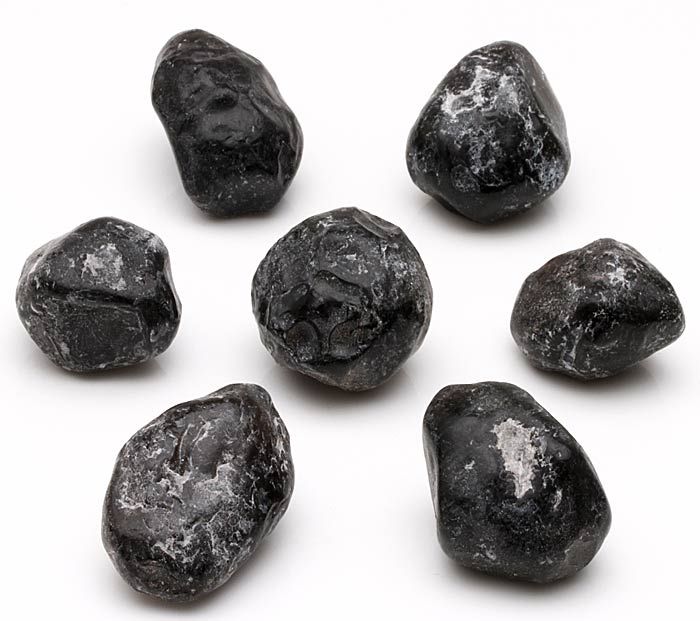
Apache Tears pairings
Apache Tears is a grounding, protective form of Obsidian that tends to feel steady, quiet, and emotionally honest. Its work is often about helping heavy feelings move through without getting stuck, so pairings matter because the right stone can either deepen that release, add structure to it, or keep the whole field from feeling too stark.
Build a satisfying combination by keeping the intention simple - choose one base quality first, such as protection or grounding, then add one supporting quality like endurance, clarity, or gentle reflection. With Apache Tears, the best pairings usually feel practical rather than flashy: they should make the energy easier to hold in the body, easier to use at a desk or bedside, and easier to return to when life feels noisy.
Crystals that combine well with Apache Tears
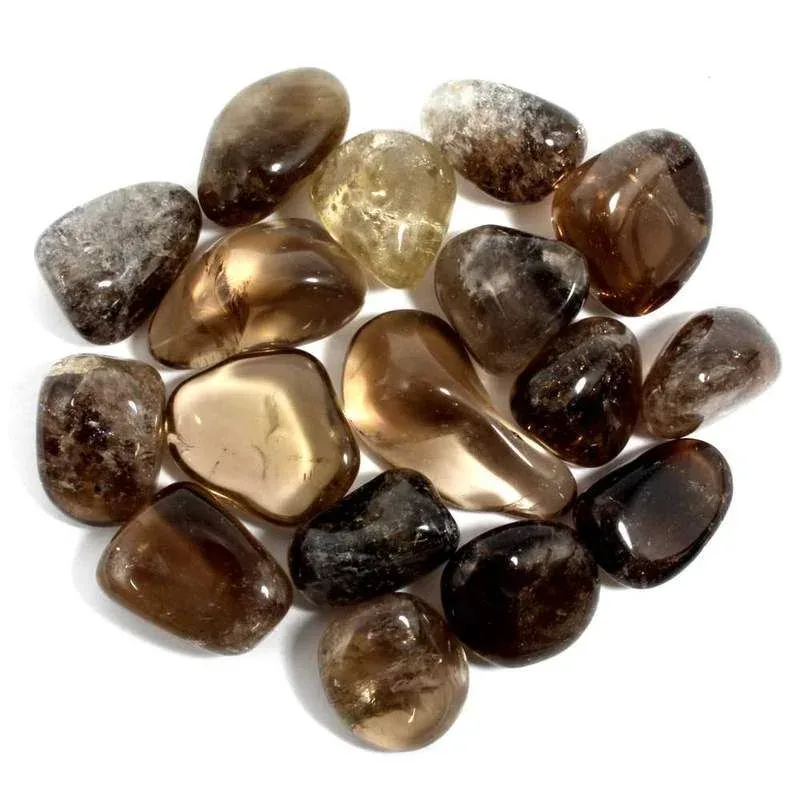
Smoky Quartz deepens Apache Tears into a more settled field, helping heavy thoughts drain down and out rather than circling back. Together they create a grounded space for processing pressure with less inner noise and more trust in what can be released.
Place both stones near the feet during a short evening sit, then breathe out for a count of six while naming one thing to let go of.
Keep them on a bedside table with a notebook and write three lines before sleep: what felt heavy, what can wait, and what is already done.
Learn more about Smoky Quartz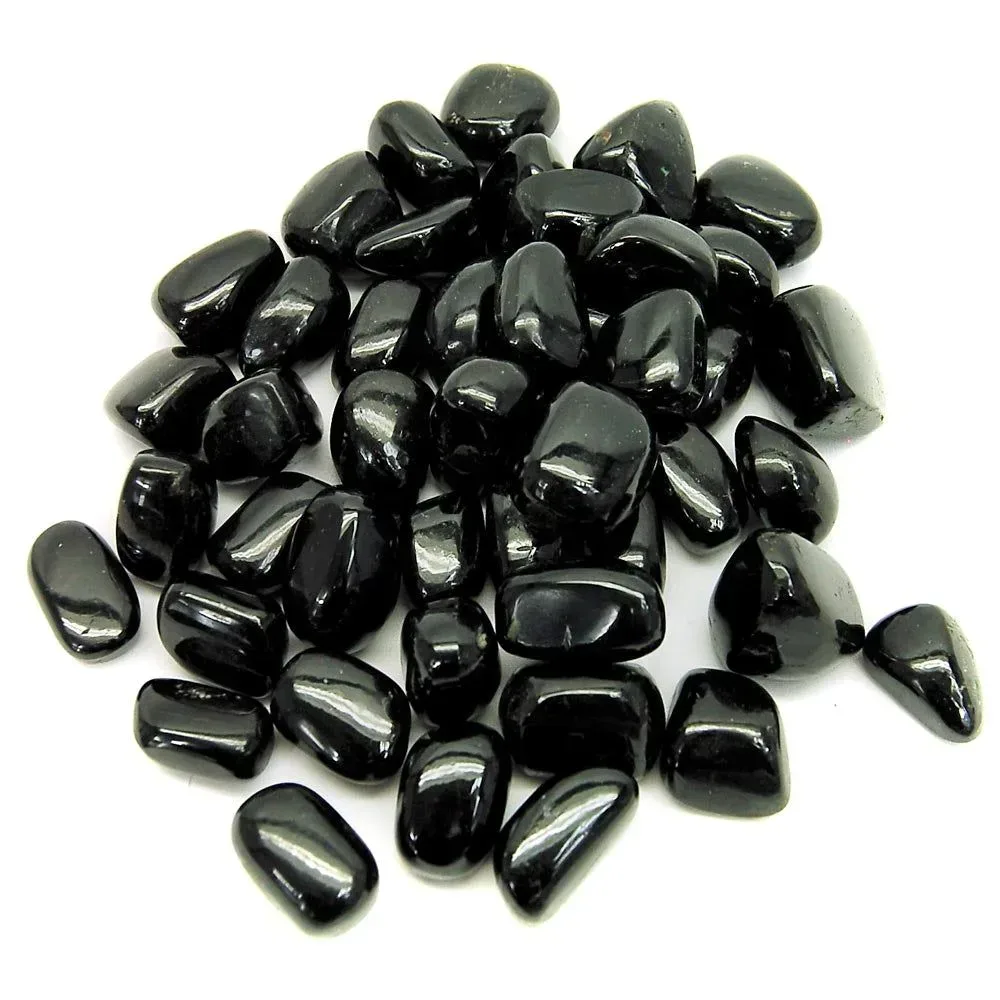
Black Tourmaline and Apache Tears work with strong protective boundaries, especially when outside energy feels intrusive or draining. This pairing keeps the aura contained and clear, supporting a calm refusal of what does not belong.
Set them by the front door or on a workspace corner, then pause with one hand over the stones before starting the day to mark a clear boundary.
Hold both stones for a minute after social contact and breathe slowly into the belly, imagining anything sticky dropping away at the floor.
Learn more about Black Tourmaline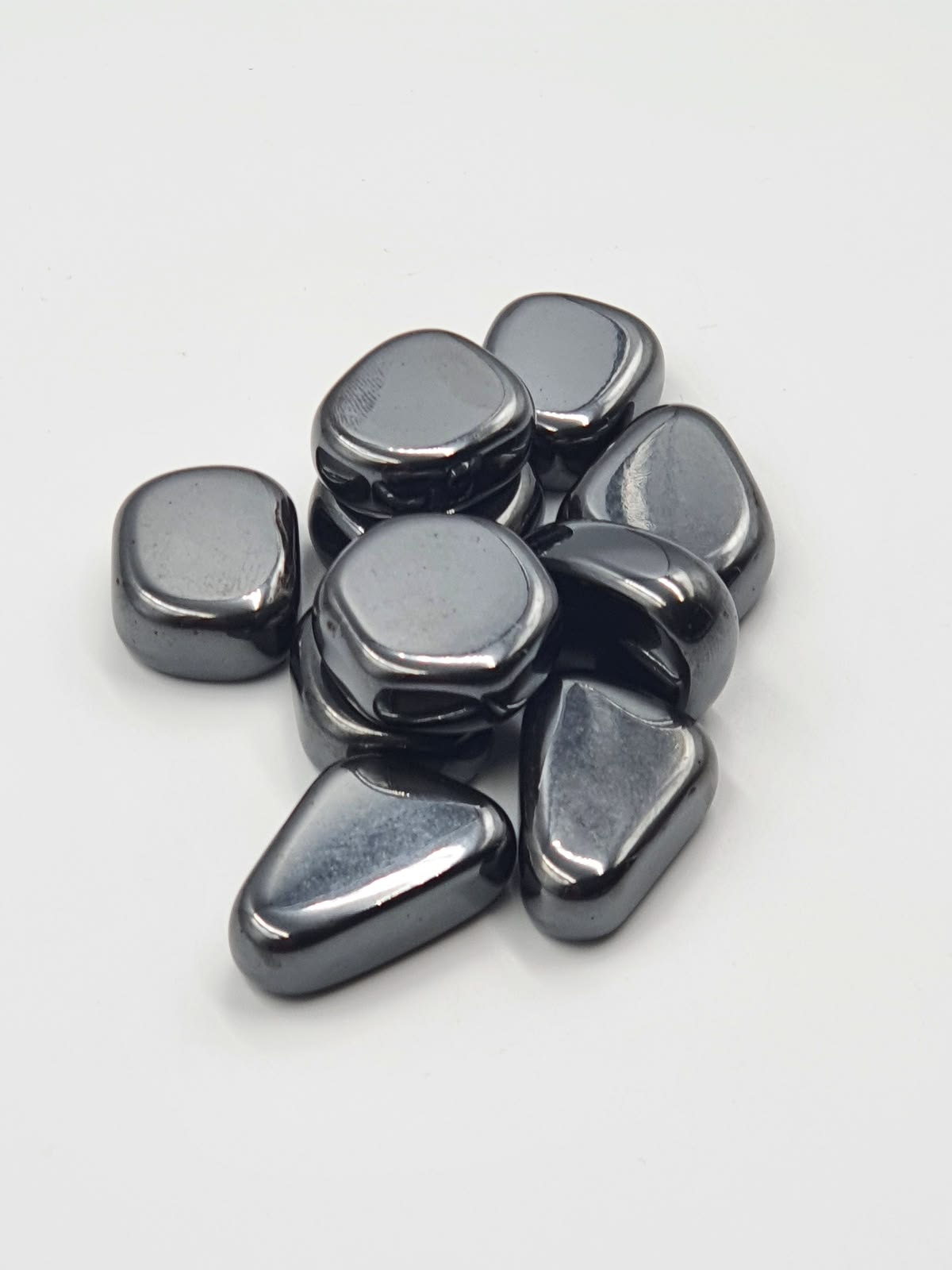
Hematite brings weight, focus, and structure to Apache Tears, making the pairing useful when scattered attention needs to return to the body and the task at hand. It steadies the field so decisions feel firmer and less pulled by emotion.
Place the pair beside your keyboard or planner, then begin work with a two-minute list of the next three concrete tasks only.
Carry them in a pocket on days with many decisions, and each time you touch them, relax your shoulders and reset your posture.
Learn more about Hematite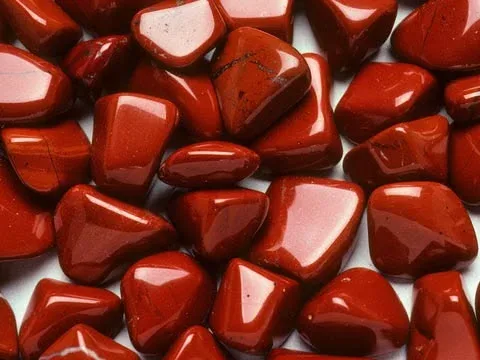
Red Jasper adds endurance and a quiet, living strength to Apache Tears, helping resilience feel embodied rather than merely mental. Together they support steady action after emotional release, especially when energy needs rebuilding from the ground up.
Keep them near your water glass or breakfast spot, then set one practical intention for the day that can be completed without rushing.
Use them during a seated breathing practice, placing the stones at the lower abdomen or holding them in both hands while you repeat a simple phrase about steadiness.
Learn more about Red Jasper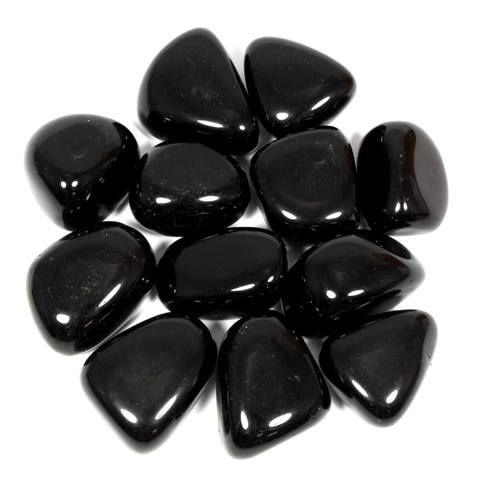
Obsidian with Apache Tears creates a direct, uncompromising field for protection and release. The combination is often chosen when old attachments, fear, or energetic residue need to be cleared with firmness and no lingering hesitation.
Use the pair in a short clearing ritual at the doorway, holding them while you exhale slowly and imagine the day being left outside the room.
Place them at the base of a meditation cushion and sit for a few minutes with a single focus on release, without adding extra goals or questions.
Learn more about Obsidian
Jewellery pairings that work well together
Apache Tears has a dark, glassy surface that looks especially good beside stones with softer greys, warm reds, or matte black finishes. The contrast can be subtle or bold, but it usually works best when one stone leads and the other acts as a quiet counterweight rather than competing for attention.
Apache Tears & Smoky Quartz
The shared smoky palette creates a low-contrast, polished look that feels calm and cohesive. A bracelet with mixed 6 mm and 8 mm beads works well, especially in silver or brushed gunmetal, because the finish keeps the pairing understated rather than glossy.
Apache Tears & Red Jasper
Charcoal black against earthy red gives a grounded, volcanic contrast that feels warm without losing seriousness. A pendant with a larger Apache Tears centre stone and smaller Red Jasper beads, set in antique silver or dark brass, keeps the balance clear and wearable.
Apache Tears & Hematite
Both stones have a dense, reflective quality, so the mix reads as sleek and architectural rather than decorative. For bracelets or anklets, use uniform bead sizes with a single polished metal accent, or choose drop earrings where the dark surfaces can catch light without looking busy.
What not to pair with Apache Tears
Apache Tears tends to work best when the field stays steady, contained, and emotionally uncluttered. Pairing it with stones that push too hard, scatter attention, or keep the energy overly bright can make the combination feel restless rather than supportive.
Moldavite
Moldavite can make the energy feel fast, intense, and emotionally unanchored, which runs against Apache Tears' steady, grounding job. The pairing may feel too abrupt when what is needed is containment and a slower release.
Citrine
Citrine can bring a bright, outward-moving tone that lifts the energy away from Apache Tears' inward, settling rhythm. That contrast may feel overstimulating if you are trying to process heaviness with calm focus.
Selenite
Selenite is very light and clearing, but with Apache Tears it can thin the atmosphere so much that the protective, rooted quality becomes less defined. The result may feel airy and unfinished when you want the energy to stay close to the body.
Got questions?
We've got answers!
FAQ's
What is the best all-round pairing for Apache Tears?
+×
Smoky Quartz is often the easiest all-round partner because it supports release without making the energy feel harsh. It keeps the combination grounded, quiet, and practical.
Can I pair Apache Tears with more than one stone at a time?
+×
Yes, but it usually works best to keep the mix simple. One base stone and one supporting stone is often enough for a clear, usable combination.
Which pairing is best for protection?
+×
Black Tourmaline is the clearest choice for protective work, especially if you want firmer boundaries. Obsidian is also strong when you want a more direct, clearing feel.
Which pairing suits emotional processing?
+×
Smoky Quartz and Snowflake Obsidian are both useful when you want to notice feelings without getting overwhelmed. They help the energy stay steady enough for reflection.
Are these pairings suitable for jewellery?
+×
Yes, especially in bracelets, pendants, and simple bead mixes. Apache Tears usually looks best with stones that keep the overall design dark, earthy, or softly contrasting.