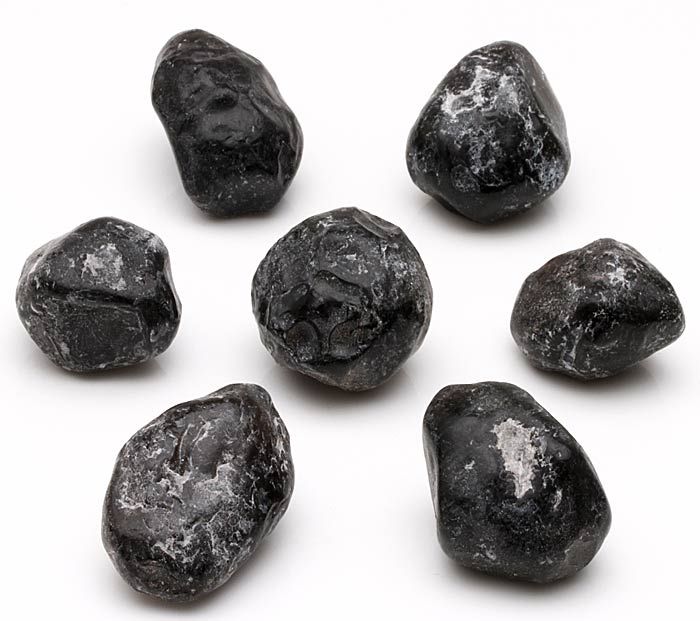
They are usually chosen when a stone is wanted for steadiness, emotional release, and a more settled sense of support at the base of the body.

Which chakras Apache Tears is associated with

  • Root

    Apache Tears are most strongly linked with the Root chakra, where they are used for grounding, protection, and a calmer sense of stability. They are a natural fit when the aim is to feel more settled, contained, and resilient.


Why Apache Tears connects to the Root

Apache Tears connect to the Root chakra because their traditional role is to support grounding and energetic containment. Their dark, steady appearance and obsidian nature make them a common choice for work centred on the base of the body.

They are also associated with emotional release in a way that feels rooted rather than airy or abstract. This makes them useful when a person wants to let go while still feeling held, practical, and present.

In crystal traditions, Apache Tears are often chosen for resilience after strain or loss. That emphasis on endurance and recovery sits naturally with the Root chakra, which is concerned with safety, stability, and basic trust.

Where to place Apache Tears on the body

Apache Tears are most often placed at the base of the body, close to the Root chakra. This is the most natural placement when the stone is being used for grounding, protection, and a sense of being more securely anchored.

They may also be held in the hand during quiet reflection or kept near the lower body in a pocket, pouch, or bracelet setting. The emphasis remains on low, steady placement rather than higher chakra work.

Jewellery closest to Apache Tears's Root chakra

  • Bracelet

    Root

    A bracelet keeps Apache Tears close to the lower body in a way that suits Root chakra work. It is a practical choice for steady, everyday grounding and for carrying a sense of protection through the day.

Can Apache Tears be used with other chakras?

Apache Tears can be used with other chakras, but they are usually a secondary or supportive stone rather than a primary match outside the Root. Their role is generally to steady the field so other chakra work feels less scattered.

At other centres, they are best understood as a grounding companion. They can help keep emotional release contained and make deeper work feel more manageable, especially when a stronger chakra-specific stone is used alongside them.

For focused chakra practice, Apache Tears are often paired with a more targeted crystal when the aim is to open, balance, or activate a specific centre. Their strength lies in support, protection, and stabilising the overall energy.

  • Sacral

    Apache Tears may support the Sacral chakra when emotional release, change, or recovery needs to feel safer and more contained. They are a soft secondary match here, but a more centre-specific stone is usually better for creativity, pleasure, and fluid emotional expression.

  • Solar Plexus

    At the Solar Plexus, Apache Tears can help steady nerves and support a firmer sense of inner containment when confidence feels shaken. This is a gentle supportive use rather than a primary one, and it is often best paired with a stronger stone for personal power or motivation.

  • Heart

    Apache Tears may be used with the Heart chakra when grief, loss, or emotional heaviness needs grounding before deeper heart work. They offer quiet support and protection, though a more heart-focused crystal is usually preferable for openness, compassion, and connection.

  • Throat

    With the Throat chakra, Apache Tears can help keep expression calm and anchored when difficult truths need to be spoken. They are a secondary support stone here, while a more specific Throat crystal is usually better for clarity, voice, and communication.

  • Third Eye

    Apache Tears may support the Third Eye by helping insight stay practical and not become overwhelming or ungrounded. This is a subtle, secondary use, and a dedicated Third Eye stone is usually more suitable for intuition, vision, and inner perception.

  • Crown

    At the Crown chakra, Apache Tears are best used only as a grounding counterbalance when spiritual work feels too expansive or uncontained. They can help keep awareness rooted, but a stronger Crown stone is usually more appropriate for meditation, connection, and higher focus.

Got questions?

We've got answers!

FAQ's

What chakra is Apache Tears mainly associated with?

+

Apache Tears are mainly associated with the Root chakra, where they are used for grounding, protection, and a steadier sense of support.

Can Apache Tears be used for emotional release?

+

Yes. In crystal traditions, Apache Tears are often chosen for emotional release that still feels grounded and contained rather than overwhelming.

Is Apache Tears suitable for other chakras?

+

It can be used as a supportive stone with other chakras, but it is usually a secondary match outside the Root and works best alongside a more specific chakra crystal.

What jewellery is best for Apache Tears chakra work?

+

A bracelet is the most suitable jewellery choice because it keeps Apache Tears close to the lower body and near the Root chakra.