Which chakras Chiastolite is associated with

Root
Chiastolite is most strongly linked with the Root chakra, where it supports grounding, protection, and a more stable sense of belonging in the body and environment.
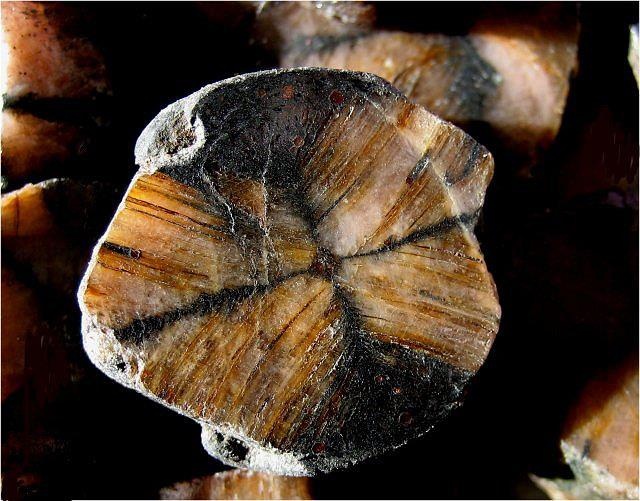
Chiastolite is most closely associated with the Root chakra, where it is often chosen for grounding, protection, and a steadier sense of personal stability. Its earthy coloring and cross pattern suit its reputation as a stone for staying anchored during change.
It is usually treated as a focused Root chakra crystal rather than a broad all-chakra stone, making it especially useful when the aim is to feel more secure, contained, and resilient.
Chiastolite is most strongly linked with the Root chakra, where it supports grounding, protection, and a more stable sense of belonging in the body and environment.
Chiastolite connects to the Root chakra because its traditional associations are centered on protection, grounding, and endurance. It is the kind of stone often chosen when a person wants to feel more steady and less easily thrown off by outside pressure.
Its earthy appearance also reinforces that Root-level quality. Brown, tan, cream, and black tones are commonly read as stabilizing and practical, which suits a chakra concerned with safety, structure, and basic trust.
The stone's long-standing symbolic link with protection gives it a particularly Root-focused character. Rather than encouraging expansion, it is more often used to help a person feel contained, resilient, and quietly supported.
Chiastolite is most naturally placed near the base of the body, where Root chakra work is usually centered. A bracelet, pocket stone, or palm stone can keep its grounding presence close without feeling intrusive.
For meditation, it may also be held in the hand while focusing on stability, safety, and practical calm. Some people place it near the feet or at the base of a seated posture when they want a more rooted, settled atmosphere.
Because Chiastolite is primarily a Root chakra stone, it is generally used where the body feels most connected to support and structure rather than as a high-center crystal.
Root
A bracelet keeps Chiastolite close to the lower arm and body, making it a practical way to carry its grounding and protective qualities through the day.
Chiastolite can be used alongside other chakras, but it is usually a secondary or supportive match rather than a primary one. Its main role remains grounding, so it tends to work best when another stone is leading the more specific chakra work.
At other centers, Chiastolite is often used to add steadiness, protection, and a sense of containment. It can help keep energy from feeling scattered, especially when a person is doing emotional, intuitive, or communicative work and still wants to stay anchored.
If the aim is strong, targeted chakra activation, Chiastolite is best paired with a more center-specific crystal. It is most helpful as a stabilizer beside a clearer specialist stone rather than as the main focus on its own.

Chiastolite can offer a calm, grounding influence at the Sacral chakra, especially when emotions or creativity feel unsteady. It is a soft support for emotional balance, but a more dedicated Sacral stone is preferable when the work is specifically about flow, pleasure, or creative release.

At the Solar Plexus, Chiastolite may support resilience, self-containment, and a steadier response to pressure. It is useful when confidence needs grounding rather than stimulation, though a stronger Solar Plexus crystal is better for direct work with willpower or personal power.

Chiastolite can bring emotional steadiness to the Heart chakra, helping feelings stay held and manageable. It is a gentle companion for trust and calm, but a more heart-centered stone is usually needed when the focus is openness, tenderness, or relationship healing.

Chiastolite may support the Throat chakra by helping speech feel more composed, measured, and secure. It is a secondary match for clear expression, while a dedicated Throat stone is more suitable when the aim is direct communication or vocal confidence.

At the Third Eye, Chiastolite can help keep intuition grounded and practical, which may be useful during reflective work or meditation. It is best used as an anchor beside a stronger Third Eye crystal when insight, vision, or inner imagery is the main focus.

Chiastolite can support the Crown chakra by keeping spiritual work rooted and contained, especially when meditation feels spacious or unstructured. It is a subtle companion rather than a primary Crown stone, so it is best paired with a more direct crystal for deeper spiritual opening.
Got questions?
We've got answers!
Chiastolite is best known for the Root chakra, where it is associated with grounding, protection, and steady resilience.
Yes, but it is usually a supportive stone rather than a primary match for other chakras. It tends to work best as a stabilizing companion beside a more center-specific crystal.
Chiastolite is often used in meditation when the aim is to stay calm, grounded, and contained. It is especially suitable for practices that focus on safety, balance, and inner steadiness.
A bracelet is the most natural jewelry choice for Chiastolite because it keeps the stone close to the Root chakra area and supports its grounded character.