Chiastolite pairings
Chiastolite has a very particular kind of steadiness: protective, rooted, and quietly corrective, like a stone that helps the mind stop skidding and settle back into its own center. Because its job is to hold boundaries while keeping you balanced, pairing matters - the right companion can soften the edges, deepen the protection, or add a little lift without disturbing that grounded core.
The easiest way to build a satisfying combination is to keep the intention simple: begin with Chiastolite's base quality of protection or stability, then add one supporting note such as emotional ease, intuition, or practical clarity. That gives the pairing a clear shape, so it feels purposeful rather than crowded, and the result stays usable in daily life rather than drifting into vague symbolism.
Crystals that combine well with Chiastolite
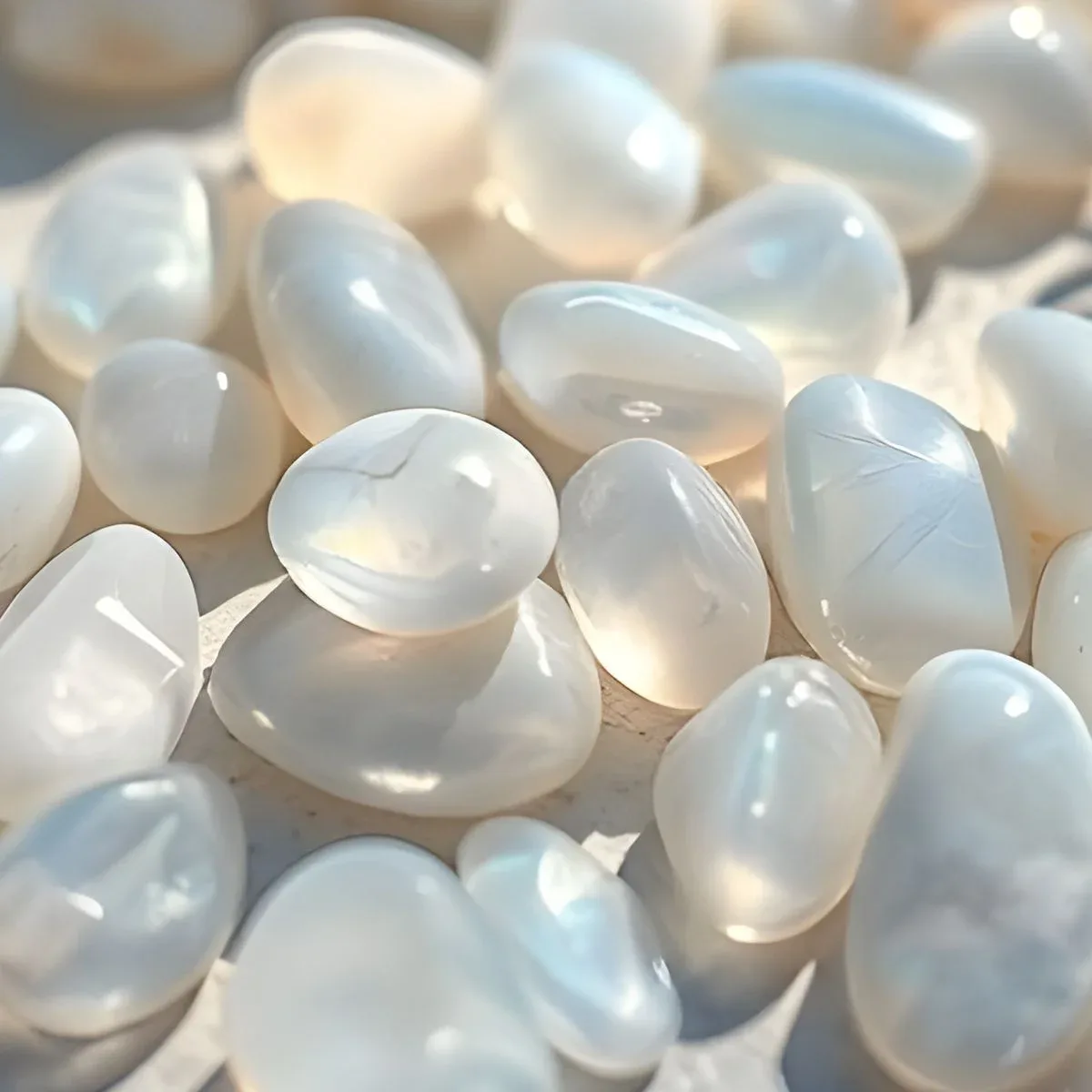
Peach Moonstone brings a softer emotional current beside Chiastolite, helping steady the heart when change asks for patience rather than force. Together they support calm self-trust, especially when feelings need room to move without becoming overwhelming.
Place Chiastolite and Peach Moonstone on a bedside table, with Chiastolite closest to the bed and Peach Moonstone slightly above it, then take three slow breaths before sleep and name one thing you handled well that day.
Carry them together during a journalling session and write one paragraph on what needs protection, then one line on what needs gentleness, so the pairing has both a boundary and a softer landing.
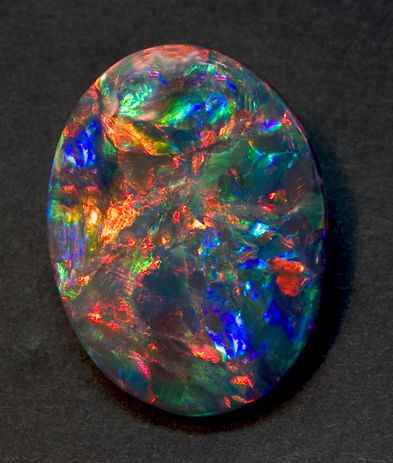
Black Opal deepens Chiastolite's protective field with a more intuitive, inward-facing quality. This pairing works well when the aim is to stay grounded while listening closely to subtle signals, dreams, or the quieter truth beneath a situation.
Set the stones on a dark cloth near your meditation seat, hold Chiastolite in the non-dominant hand and Black Opal in the other, then breathe out for a count of six to settle attention inward.
Keep them on an altar or desk corner and use them before dream journalling, writing one question at the top of the page and leaving space for impressions rather than forcing an answer.
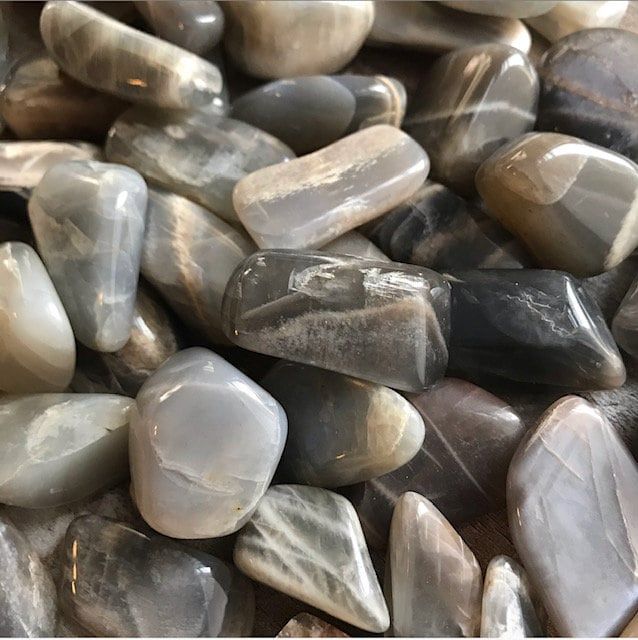
Black Moonstone adds a reflective, receptive layer that helps Chiastolite hold space for the unknown without losing its footing. The combination is useful for inner work, shadow reflection, and times when emotional steadiness needs to sit beside intuition.
Place Chiastolite at the base of a notebook and Black Moonstone above it while you journal, so the layout mirrors grounding below and reflection above.
Hold both stones for a minute before a difficult conversation and breathe in for four, out for six, then state one boundary and one thing you are willing to hear.

Orca Agate brings a patient, oceanic rhythm that helps Chiastolite release tension and speak from a calmer place. Together they support honest expression with less strain, making it easier to stay composed while still naming what matters.
Keep the pair on your desk during messages or calls, with Chiastolite near the keyboard and Orca Agate beside your water glass, as a cue to pause before replying.
Before speaking about a difficult topic, hold the stones and exhale slowly three times, then write a single clear sentence first so your words arrive with less pressure.
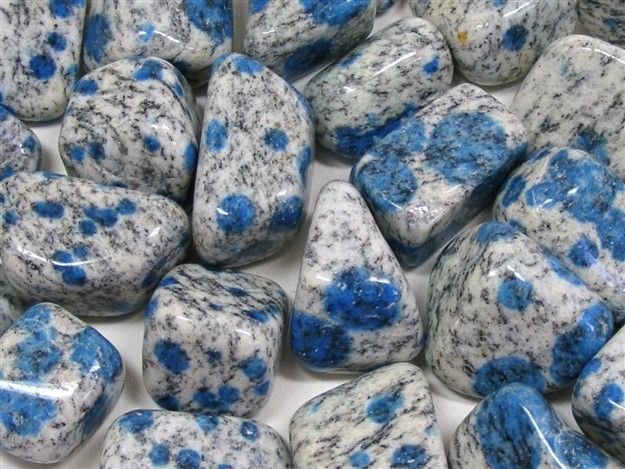
K2 lifts Chiastolite into a more expansive state without losing the sense of structure and containment. This pairing is often chosen for meditation or spiritual study when insight needs to stay practical, clear, and anchored in real life.
Place K2 above Chiastolite on a meditation cloth, then sit for a short visualization where you imagine insight descending through the body rather than floating away from it.
Use the pair during study or planning by keeping them beside a notebook, writing one practical next step after each reflective session so inspiration has somewhere to land.
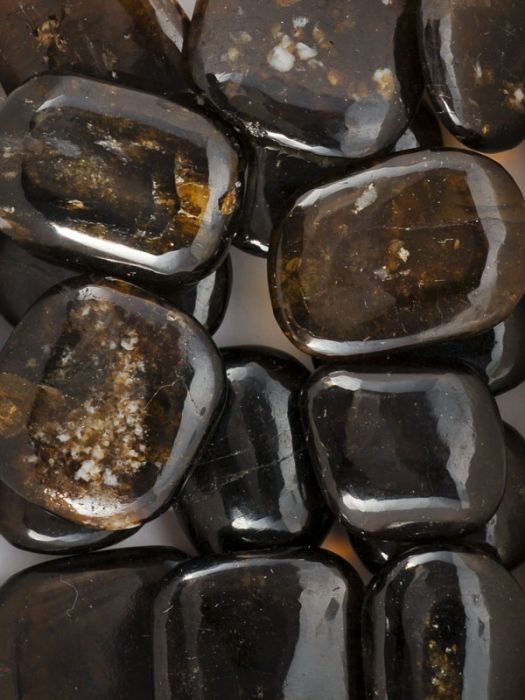
Dravite adds a deep earthy steadiness that strengthens Chiastolite's boundary work and resilience. The two stones together help keep energy contained, making this pairing useful when the day demands endurance, discernment, and a firmer sense of personal space.
Carry the stones in a pocket on demanding days, touching Chiastolite first when you need to reset, then Dravite when you need to reinforce your limits.
At the end of the day, place them by the front door and spend one minute naming what you are leaving outside the home, so the pair marks a clear threshold.
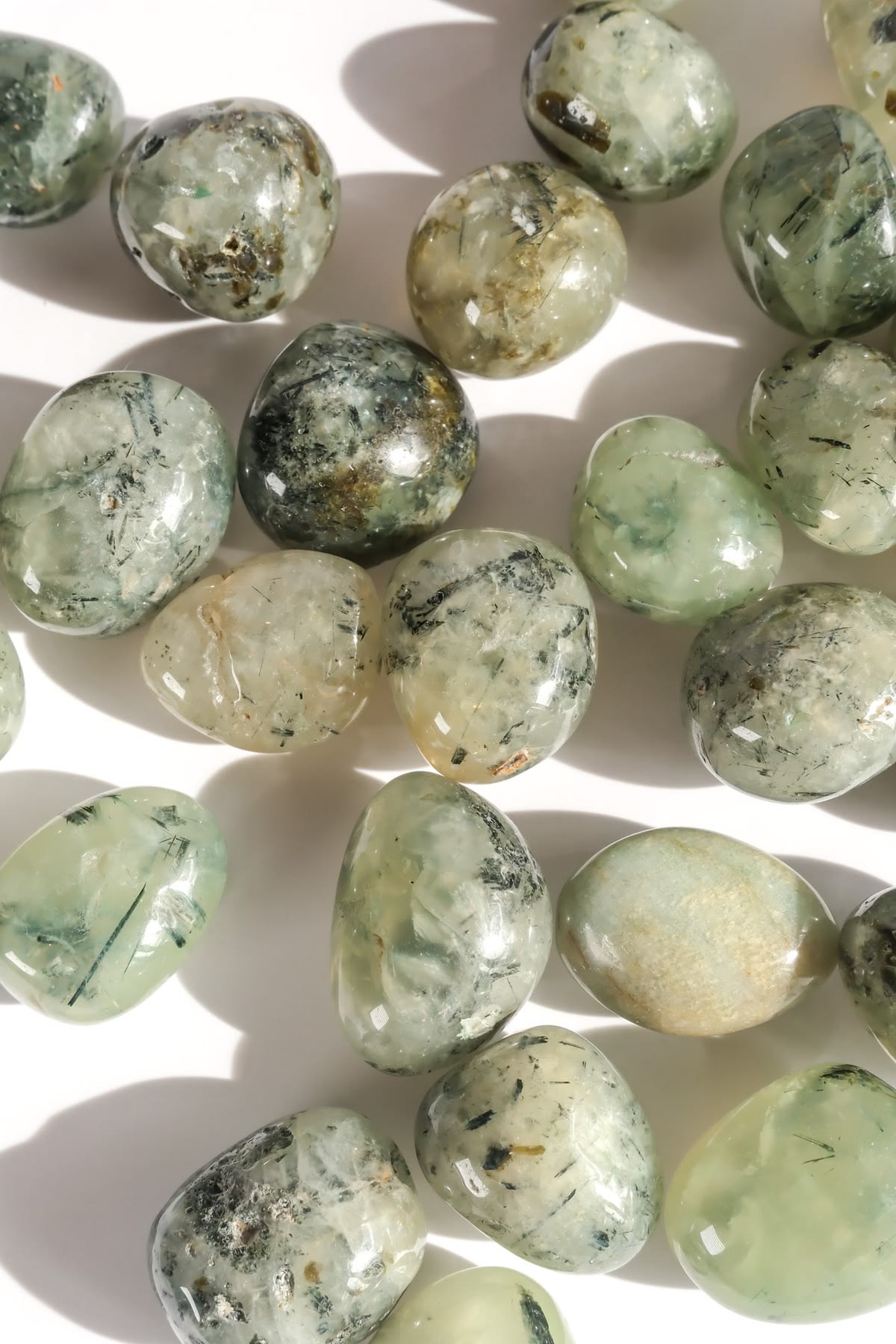
Prehnite softens Chiastolite's stern edge without weakening its sense of order. It is a useful companion when you want protection that still feels open, organized, and able to receive what is helpful.
Set the pair near a plant or windowsill and spend a few breaths noticing what feels worth keeping, then what can be released without drama.
Use them in a tidy tray on a work desk, with Chiastolite anchoring the corner and Prehnite beside it, as a visual reminder to stay receptive while keeping your space clear.
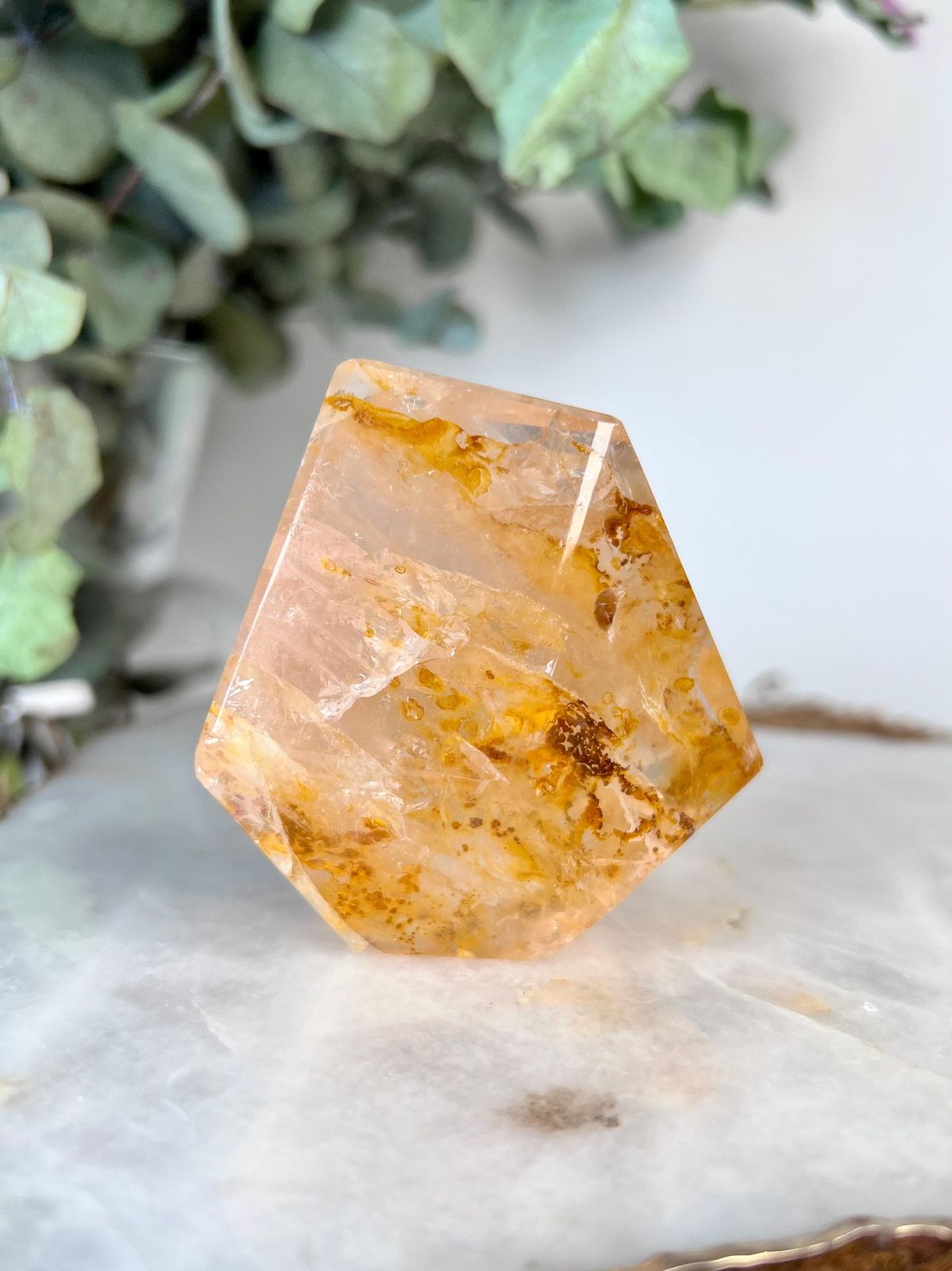
Golden Healer Quartz adds a warm, clarifying lift to Chiastolite's grounded protection. The combination can feel especially useful when you want steadiness that is not heavy, but quietly restorative and forward-moving.
Place the stones in morning light for a few minutes, then hold them while setting one intention that is practical rather than grand, so the day begins with clarity and shape.
Keep them together near a chair or bedside and use them for a short reset breath: inhale for four, exhale for six, then name one thing you want to strengthen today.
Jewelry pairings that work well together
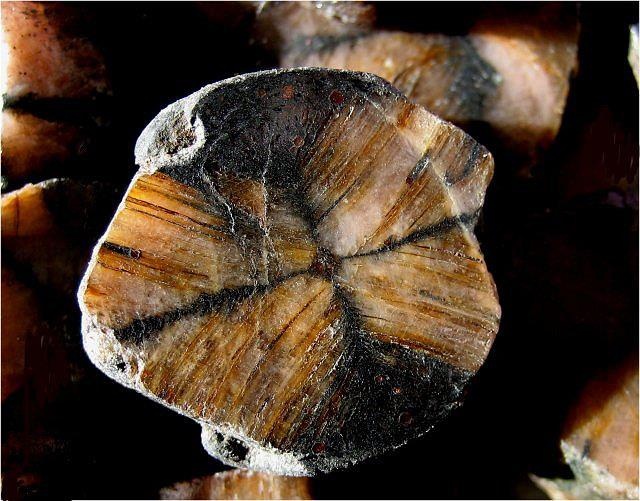
Chiastolite pairs best with stones that hold its earthy browns and cream cross in clear relief, or that deepen its darker markings with a soft sheen. Matte, satin and polished finishes all work well, especially when the companion adds a gentle glow rather than sharp sparkle.
Chiastolite & Peach Moonstone
Chiastolite's brown, tan and cream cross pattern sits neatly beside Peach Moonstone's warm, milky glow. The contrast is soft rather than stark, with the moonstone's sheen lifting the chiastolite's more grounded, opaque look. Set the two stones into a slim cuff so the peach tone can sit opposite the chiastolite center stone. This works well as an easy everyday piece, especially when the metal is kept warm and understated.
Chiastolite & Black Opal
Chiastolite and Black Opal create a dark, refined pairing, with the opal's depth bringing out the chiastolite's black cross markings. The chiastolite reads more matte and earthy, while the opal adds a subtle flash that keeps the palette from feeling flat. Choose a short line bracelet with alternating stones for a neat, tailored finish. It suits a piece worn close to the wrist, where the opal's small color shifts can catch the light without overpowering the chiastolite.
Chiastolite & Orca Agate
Chiastolite and Orca Agate share a grounded black, white and gray range, but the patterns are distinct enough to feel deliberate. The agate's smoother banding contrasts with chiastolite's cross-like marking, giving the pairing a calm, graphic look. Use the two stones in a signet-style ring with a polished oval face. This keeps the design compact and lets the pattern contrast do the work, especially in a piece meant to feel sturdy and wearable.
Chiastolite & Golden Healer Quartz
Chiastolite's earthy opacity is brightened by Golden Healer Quartz, which brings a clearer, honeyed light to the pairing. The quartz adds translucency and warmth, while the chiastolite keeps the overall look anchored and protective. A single drop earring works beautifully here, with chiastolite above and quartz below to create a gentle vertical line. The shape gives the lighter stone movement while keeping the darker stone close to the ear for balance.
What not to pair with Chiastolite
Chiastolite works best when its protective, grounding role stays clear and undisturbed. Stones that are overly expansive, highly activating, or strongly etheric can pull it away from its steady Earth-centered purpose, making the pairing feel less anchored and harder to use with confidence.
Libyan Desert Glass
Its bright, catalytic quality can lift Chiastolite out of its rooted protective rhythm and make the field feel more driven than settled. That can blur the stone's quiet boundary-setting and replace it with a more restless, forward-leaning current.
Phenacite
Phenacite is intensely high-vibration, and with Chiastolite it can pull attention upwards when the stone is meant to keep you centered and secure. The result may feel too rarefied, weakening the grounded containment that Chiastolite is trying to hold.
Azeztulite
Azeztulite tends to open a very expansive, ascension-led field that can overshadow Chiastolite's practical protective work. Instead of steady resilience, the pairing may feel airy and diffuse, with less sense of boundary or anchoring.
Selenite
Selenite's cleansing, light-filled quality can be so refining that it thins the denser Earth support Chiastolite provides. Used together, the combination may feel overly stripped back, leaving less of the protective weight that makes Chiastolite effective.
Apophyllite
Apophyllite can create a bright, open channel that draws the energy away from Chiastolite's rooted center. That can make the pairing feel mentally elevated but less contained, as though the protective structure is becoming too porous.
Angel Aura Quartz
Angel Aura Quartz brings a shimmering, lifted quality that can soften Chiastolite's sober, stabilizing tone. The clash may feel like too much sparkle around a stone that needs clarity and weight, making the intention less direct and less grounded.
Clear Quartz
Clear Quartz amplifies whatever it is placed with, and with Chiastolite that can intensify the protective field without adding enough balance. If the aim is calm steadiness, the pairing may become too stark or over-exposed rather than quietly supportive.
Moldavite
Moldavite's intense transformational current can be disruptive beside Chiastolite's role as a stabilizer and boundary-holder. The energy may feel too abrupt and unsettling, making it harder for Chiastolite to do its slow, corrective work.
Got questions?
We've got answers!
FAQ's
What crystal pairs best with Chiastolite for everyday use?
+×
Peach Moonstone is a gentle everyday companion because it softens Chiastolite's protective edge without weakening its sense of stability. The pairing feels balanced, calm, and easy to work with in a pocket, bracelet, or bedside setup.
Can I pair Chiastolite with other grounding stones?
+×
Yes - Chiastolite often pairs well with other grounding stones when you want a stronger sense of containment or endurance. Keep the intention simple so the combination feels steady rather than heavy.
Which Chiastolite pairing is best for reflection and journalling?
+×
Black Moonstone and Black Opal are both strong choices for reflective work because they add inward focus and subtle awareness. Use one stone as the anchor and the other as the prompt, rather than trying to do everything at once.
How many stones should I combine with Chiastolite?
+×
One or two companions is usually enough. Chiastolite already has a clear, structured presence, so a small combination tends to feel more coherent and easier to use.
Is Chiastolite suitable for jewelry pairings?
+×
Yes - its brown, tan, cream, and black coloring makes it easy to style with both soft and dark companion stones. It works especially well in bracelets and pendants where the cross pattern can stay visible.