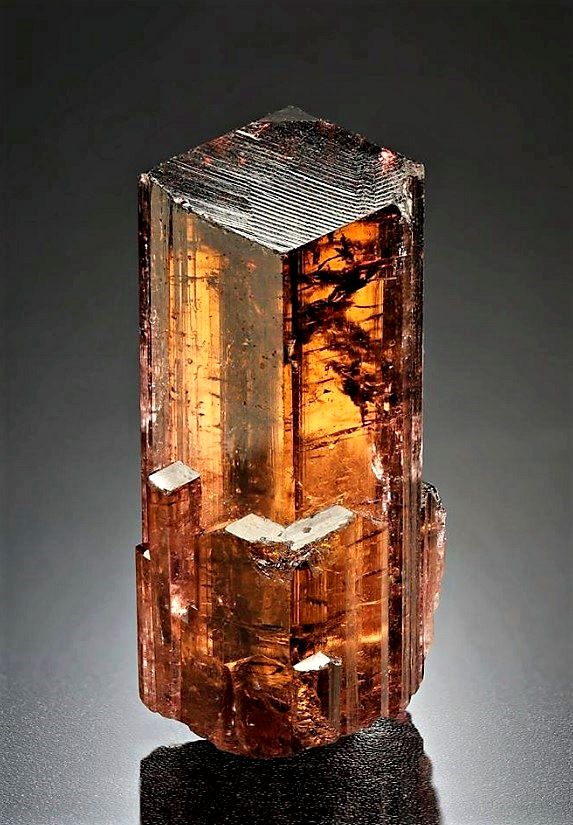
Dravite Crystal, Benefits and Meanings.
Dravite meaning centers on grounded strength, protection, stability, resilience, and self-acceptance.
Metaphysical & Spiritual
Dravite works with the parts of life that ask for structure, patience, and a steady hand. Its energy feels less like a sudden lift and more like a firming of the inner frame, helping thoughts, choices, and reactions settle into a more workable order. It is a stone for holding shape under pressure. When emotions, duties, or expectations start to pull in different directions, Dravite brings the field back to center and helps a person stay with what is real, immediate, and manageable. Spiritually, Dravite carries a mature kind of self-acceptance. It supports the quiet work of meeting oneself without performance, making room for limits, responsibility, and resilience to sit together without conflict. Its Earth current is especially useful in practices that need consistency rather than intensity. Dravite helps anchor intention into daily action, so spiritual work does not drift away from ordinary life but remains rooted in it.

Planet

Saturn
Dravite carries Saturn's lesson of structure, responsibility, and inner maturity. It helps turn pressure into discipline, so boundaries, timing, and commitment feel clearer and more workable.
Element
Earth
Dravite works with Earth energy through containment, patience, and practical presence. It brings awareness down into the body and helps spiritual intention take root in everyday choices.

Crystal Pairings
Dravite pairs well with stones that keep its steady, inward-facing quality moving in a useful direction. These combinations work best when the aim is not just to feel grounded, but to stay clear, responsive, and quietly committed while the day asks for patience, discernment, or a firmer line.
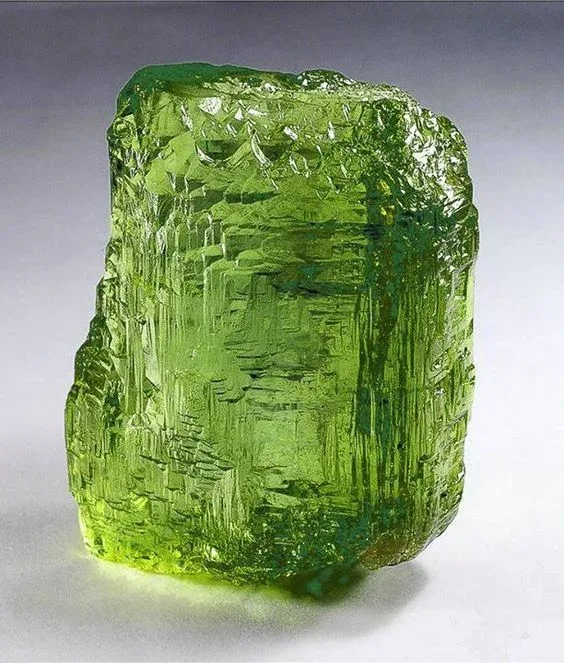
Peridot
Peridot brings a lighter, more renewing current beside Dravite, helping heavy routines feel less fixed and more workable. Together they support grounded growth, where self-respect and fresh momentum can move through the same space without losing balance.
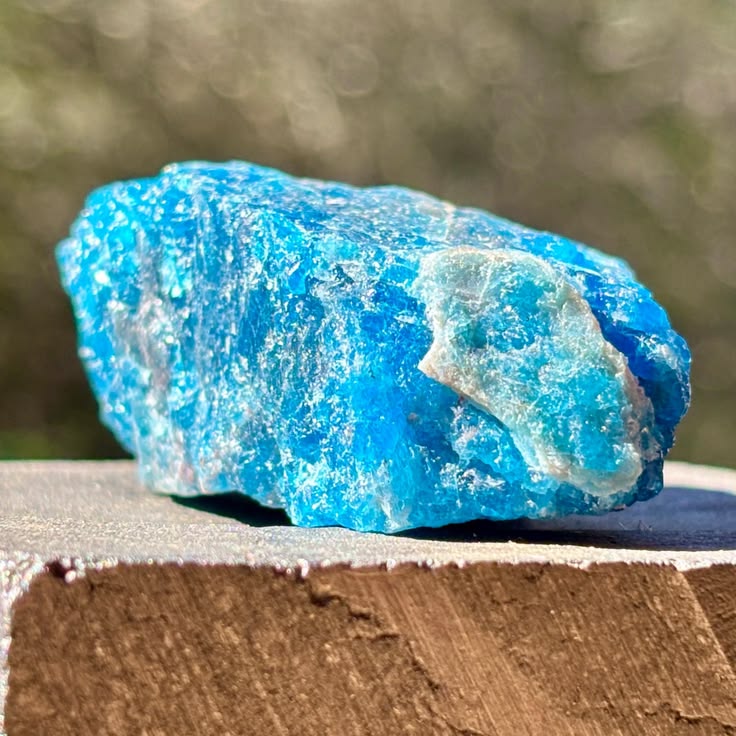
Blue Apatite
Blue Apatite sharpens Dravite's calm into clearer thought and cleaner expression. This pairing is often chosen when the inner world needs structure before it can be spoken, especially around truth, focus, and saying what matters without scattering energy.
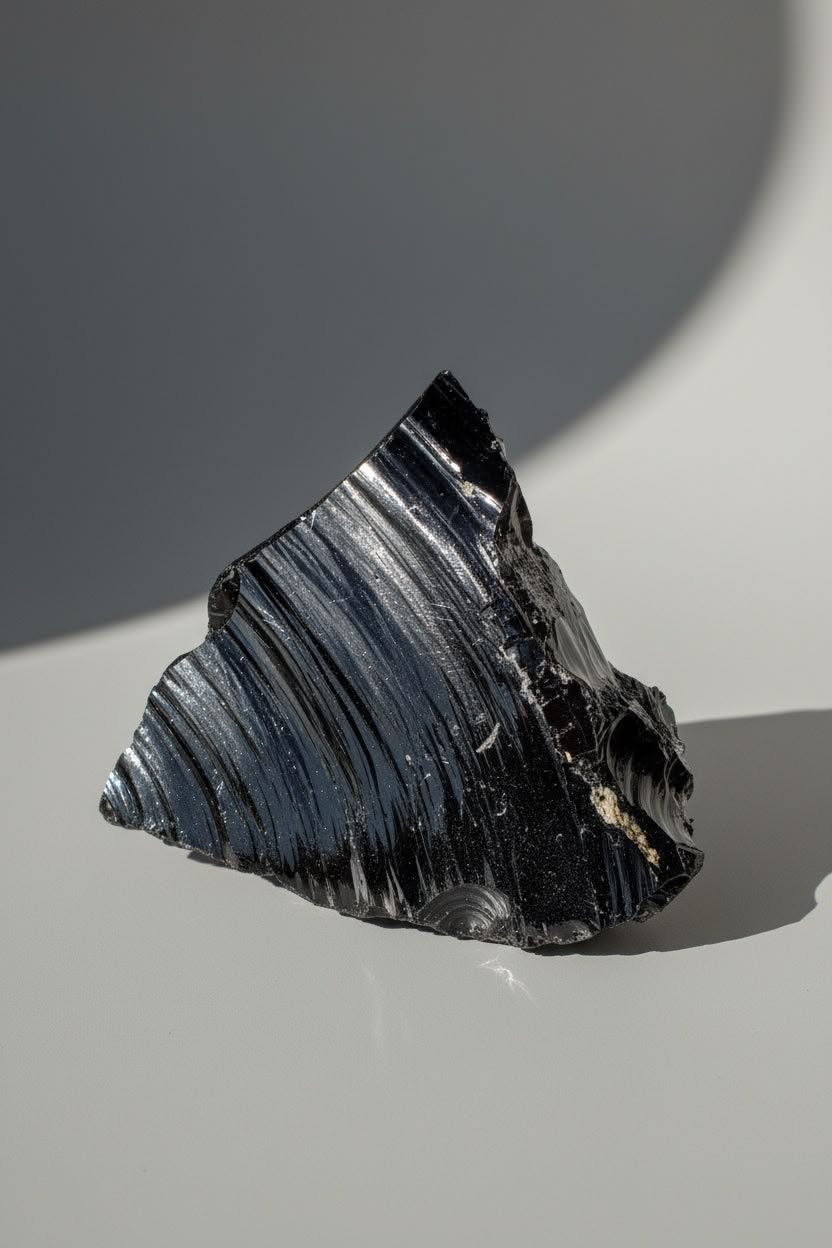
Obsidian
Obsidian deepens Dravite's protective field and gives it a more uncompromising edge. The two together are useful for energetic boundaries, helping the body and mind feel less porous when other people's moods, demands, or noise start to press in.
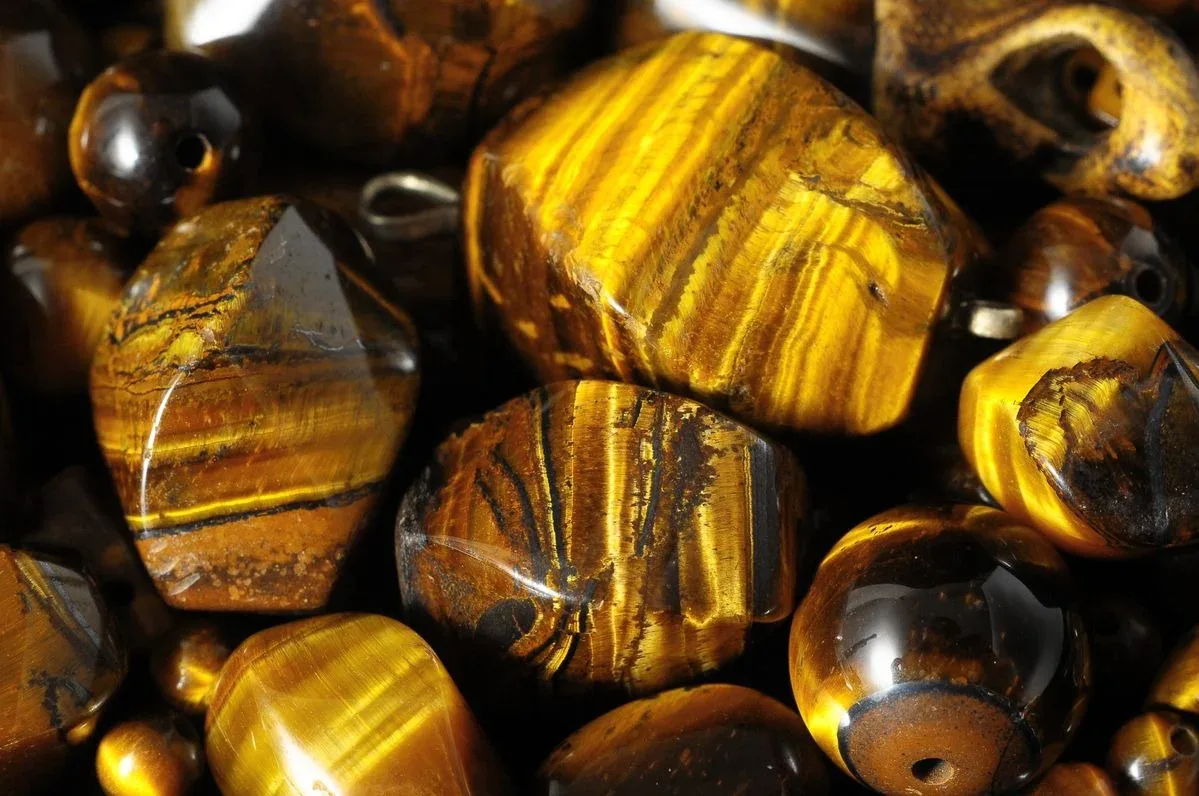
Tigers Eye
Tigers Eye adds practical courage to Dravite's steady base, making it easier to act with discernment instead of hesitation. This pairing supports grounded confidence, especially when a decision needs both patience and a clear sense of what is worth holding.
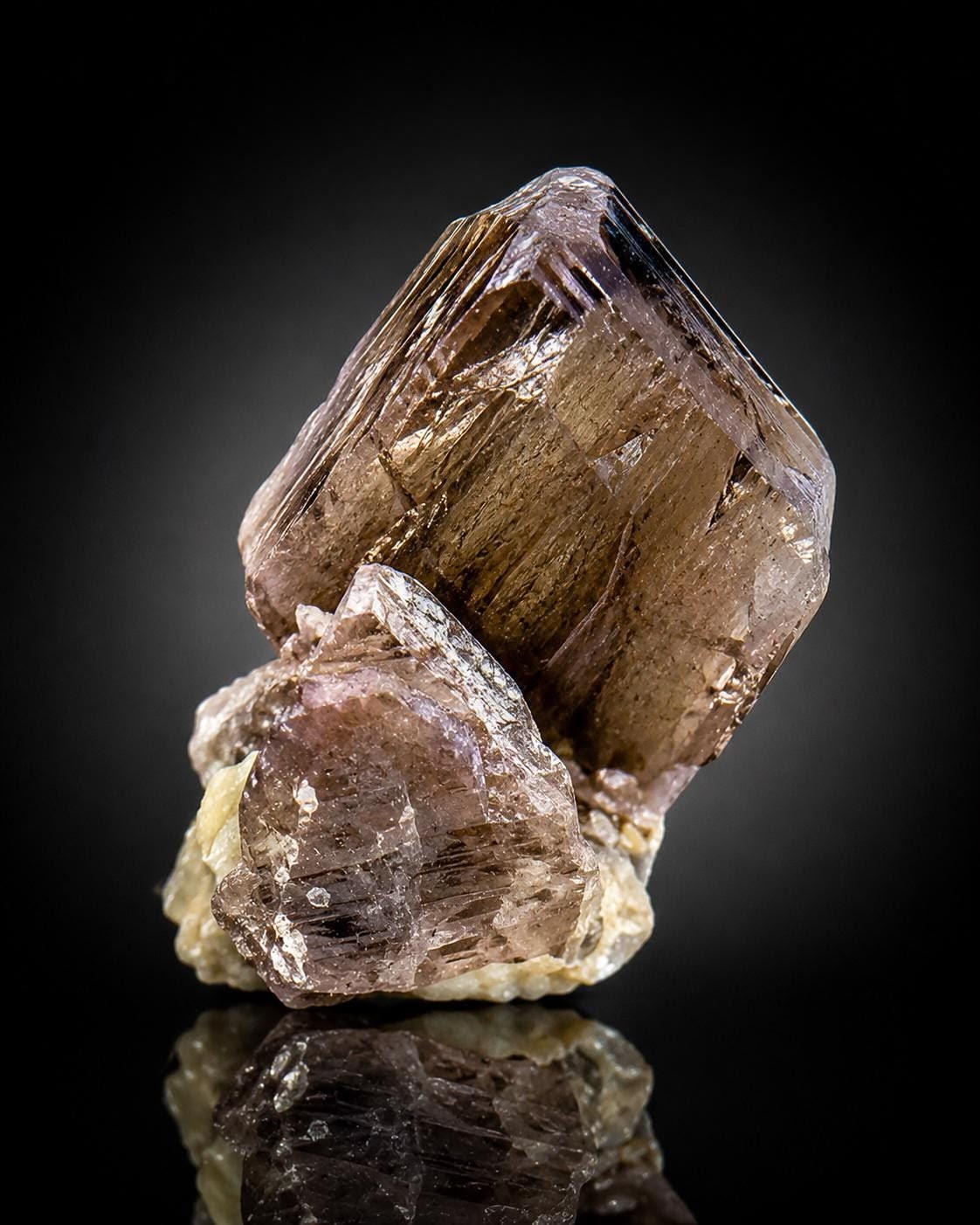
Axinite
Axinite works with Dravite when the task is to stay rooted while moving through change. It brings a focused, earthy resilience that helps intentions hold shape under pressure, rather than slipping away at the first sign of uncertainty.
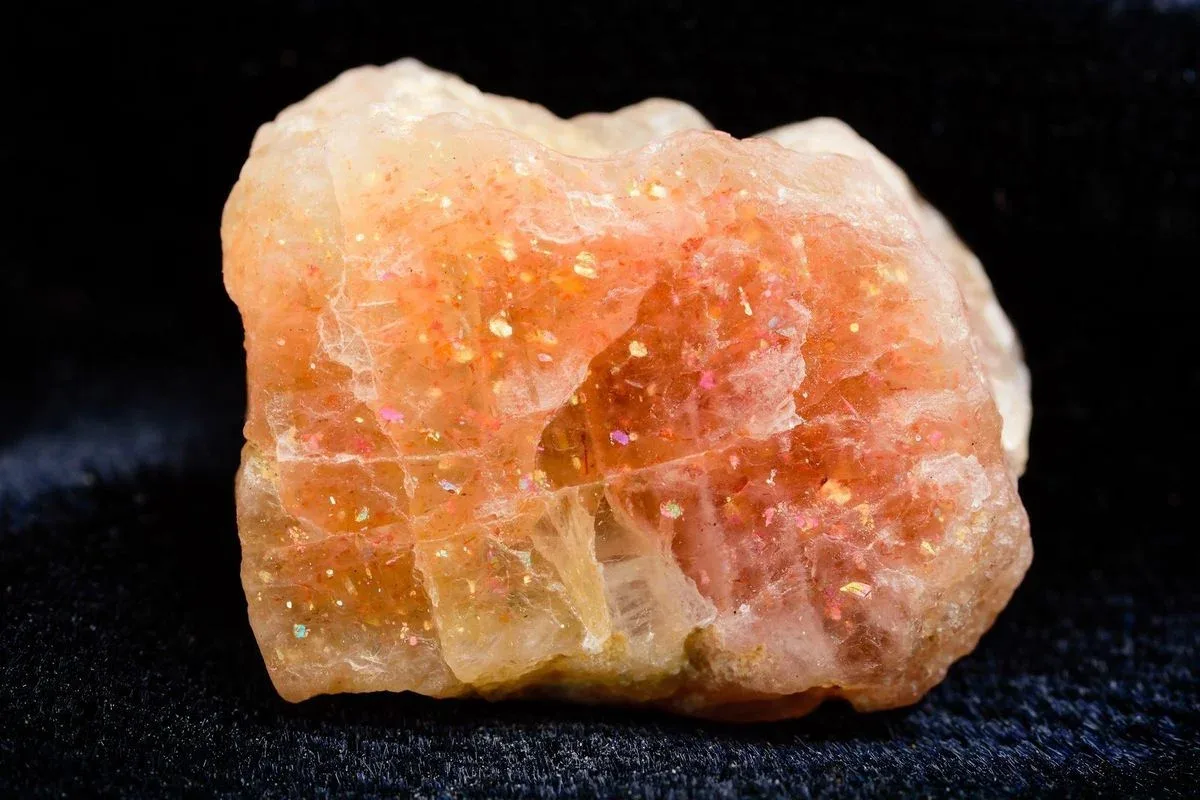
Sunstone
Sunstone softens Dravite's seriousness with a warmer, more open current, so strength does not harden into tension. Together they support self-acceptance that feels alive and active, encouraging a steadier mood without losing warmth or heart.
Healing
Dravite connects with moments when the body feels braced and the mind keeps scanning for what comes next. It helps slow that inner pace so the day can be met with more patience, more structure, and less strain in the chest or jaw.
It is often used when boundaries need to be held without sharpness, or when change asks for a steadier response. Dravite brings a quiet reminder to stay with what is true, keep the feet on the ground, and let the next step be practical rather than rushed.
Affirmations
Hold Dravite at the Root area or in the hand and choose an affirmation that matches the pace of the day.
Say it slowly, then let the words settle before moving into one small action that reflects them.
- I stay steady and grounded
- I trust my own timing
- I hold my boundaries with calm
- I meet change with patience
- I choose clear, quiet strength
Intention Setting
Dravite can help set intentions that feel firm without becoming rigid. It works well when the aim is to stay centered, keep promises to the self, and move through the day with a more settled rhythm.
It is useful when life feels full of demands and the inner field needs a clear line to return to. The intention can be simple, practical, and easy to repeat when pressure rises.
- I stay grounded in what matters
- I move through change with steadiness
- I keep my energy clear and protected
- I respond with patience and care
- I honor my limits without guilt
Manifesting
Dravite supports manifesting that grows from consistency rather than force. It helps keep attention on the next right step, especially when a goal asks for discipline, follow-through, or a calmer relationship with responsibility.
It also works with the deeper work of becoming more at ease in one's own skin. That makes it a useful stone for goals that involve self-trust, steadier habits, and a more rooted sense of personal authority.
- I build what lasts
- I stay consistent and calm
- I trust my grounded choices
- I welcome steady progress
- I act from inner stability
Jewelry
Dravite jewelry works differently depending on where it rests, but each placement keeps the energy close to daily choices. Near the head it can steady thought, near the hands it can guide action, and near the heart or throat it can support calm self-expression.
General benefits: Wearing Dravite keeps its grounded tone close through ordinary moments, so the reminder is never far from the body. It can help the wearer pause before reacting, hold a boundary with more ease, and stay present when the day asks for patience. On busy days, during difficult conversations, or through seasons of change, Dravite jewelry carries a quiet cue to remain centered and deliberate.

Necklace
A Dravite necklace sits close to the chest and can support a more settled emotional field through the day. It is useful when feelings need to be held with patience rather than pushed aside or acted on too quickly. Worn near the throat and heart, it can help words come from a calmer place. That makes it a steady companion for honest conversations, gentle boundaries, and moments when the voice needs to stay clear under pressure.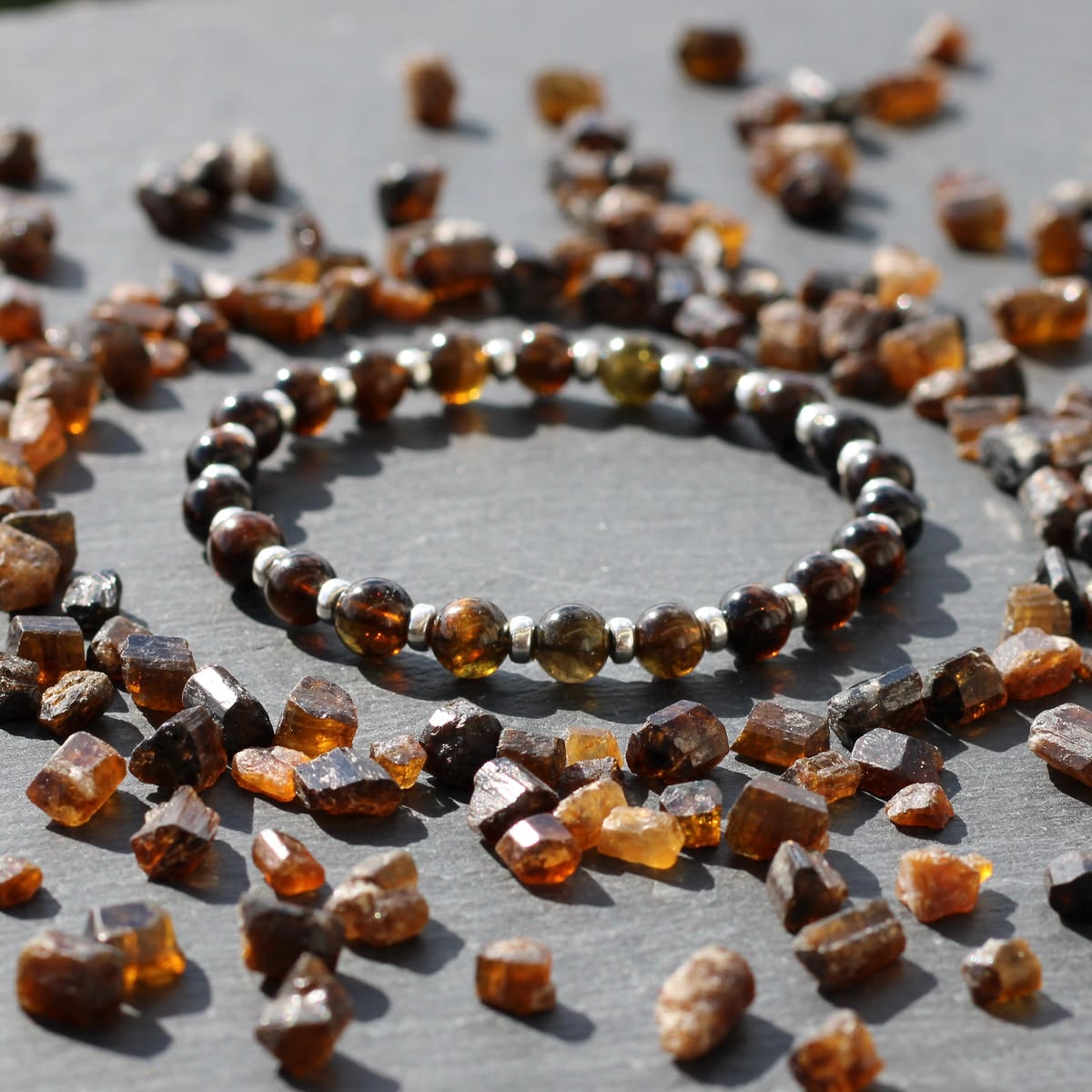
Bracelet
A Dravite bracelet keeps the reminder in the hands, where choices and habits are made. Each glance at the wrist can bring the wearer back to deliberate action instead of scattered reaction. It is especially supportive on days filled with errands, meetings, or repeated demands. The stone can help the hands stay purposeful and the energy stay less frayed.
Ring
A Dravite ring brings the stone into view during decisions, writing, and self-talk. It can serve as a small anchor when the mind starts to rush ahead or second-guess. Because the ring is noticed often, it becomes a quiet prompt to return to inner authority. That can be helpful when a choice needs to be made with patience, not pressure.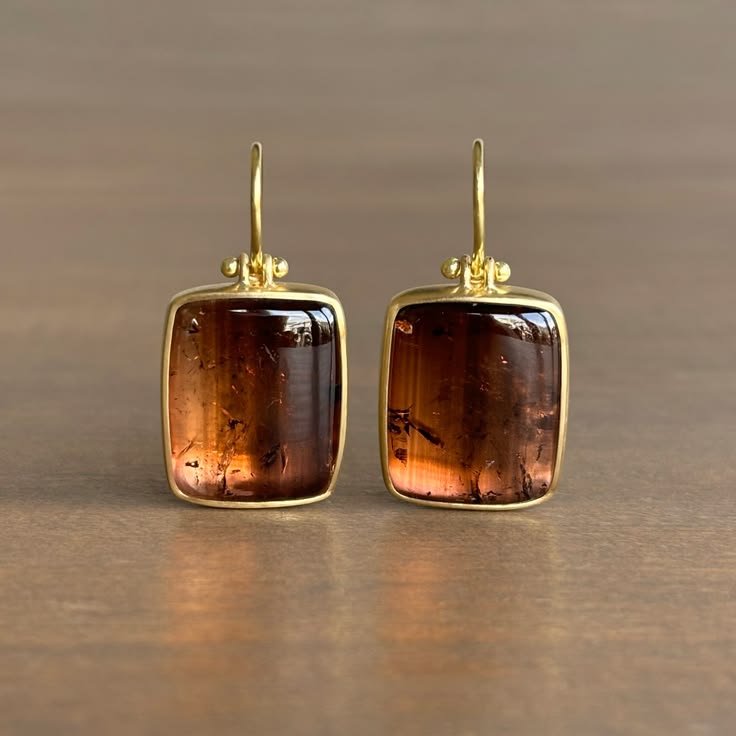
Earrings
Dravite earrings sit close to the mind and can support clearer listening as well as calmer replies. They are a good choice for conversations that need care, timing, and less emotional spill. When the day involves calls, meetings, or delicate exchanges, the stone can help keep the tone measured. It brings a subtle reminder to hear fully before answering.Forms
Different Dravite forms shift how its energy gathers and moves. Some feel more direct and focused, while others hold a softer, more contained presence for quiet grounding and steady reflection.
Rough
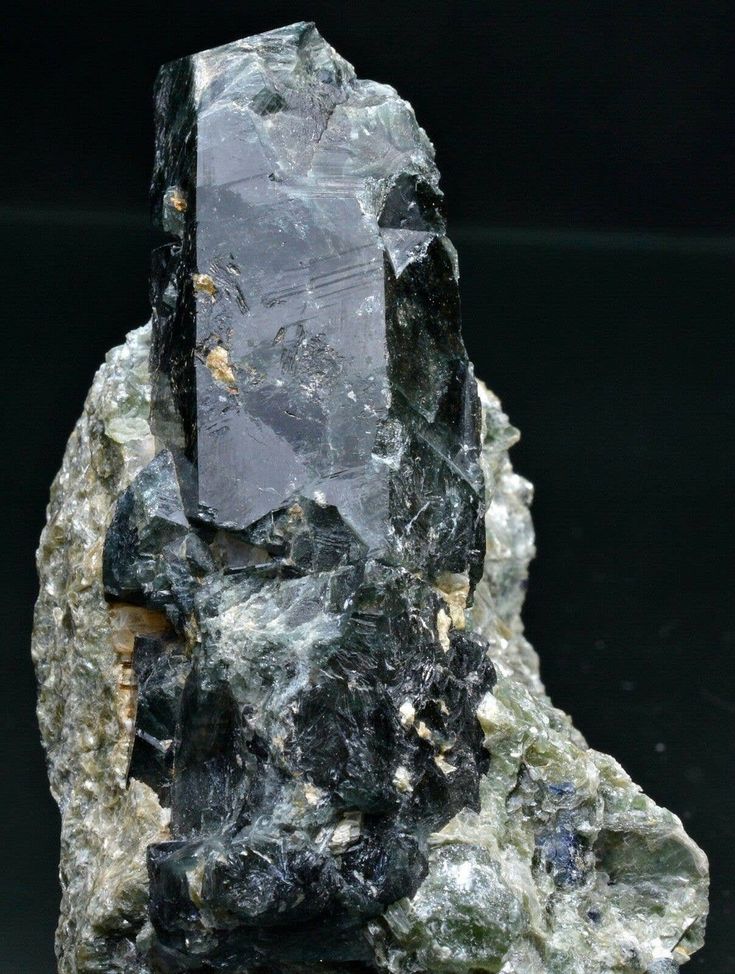
Rough Dravite feels direct and unpolished, with a simple grounded presence. It is often used when the aim is to keep things plain, steady, and free from excess noise.
Point / Tower

A point or tower gives Dravite a more directed feel. It helps gather scattered attention and bring intention into one clear line.
Sphere
A sphere tends to spread Dravite's energy evenly. It can support a balanced atmosphere when a room or ritual needs calm steadiness rather than sharp focus.
Palm Stone
A palm stone offers Dravite in a contained, hand-held form for short resets. It is useful for quiet breathing, grounding, and returning to the body.
Tumble Stone
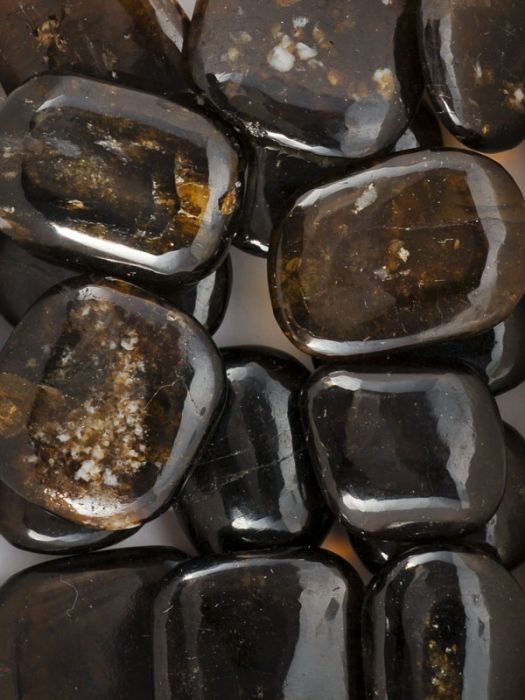
A tumble stone carries Dravite in a small, easy form for pockets or travel. It works well as a discreet reminder to stay centered through the day.
Figure
A carved figure makes Dravite feel more specific and intentional. It can support focused work when a clear inner stance is needed.
Heart
A heart form brings a gentler edge to Dravite's grounded tone. It is often chosen for self-respect, patient care, and kinder inner speech.
Cleansing & Charging
Cleansing Dravite can be a helpful reset after tense conversations, crowded days, or long periods of holding other people's energy. Because Tourmaline can chip along fractures and thin edges, a gentle approach keeps the stone physically and energetically clear without putting it under stress.
How to cleanse Dravite
- Rinse Dravite briefly in lukewarm water if the specimen is sound, then pat it dry with a soft cloth.
- Use smoke cleansing with sage or incense when a dry method feels safer, keeping the smoke light and brief.
- Place Dravite beside selenite or clear quartz for a quiet reset without handling it too much.
How to charge Dravite
- Leave Dravite in brief indirect morning light, then bring it back inside before the light strengthens.
- Set it in moonlight in a dry location overnight for a slower, gentler charge.
- Rest it near selenite or clear quartz, or hold it with a clear intention in a quiet place.
Where to Use
Choose places where Dravite can support the moments that repeat every day, especially where energy needs to stay contained, clear, and practical.
Entrance area
At the entrance, Dravite can act as a threshold stone that helps leave the noise of the outside world at the door. It supports a more deliberate crossing into home, so the energy inside feels less scattered. This is a strong place for setting the tone before conversations, visitors, or busy evenings begin.
Personal workspace
On a desk or work surface, Dravite helps keep attention steady when tasks pile up or decisions need patience. It can be held during a pause to return to the next practical step instead of reacting to pressure. The stone brings a quiet sense of order to work that asks for discipline and follow-through.
Meditation space
In a meditation space, Dravite supports stillness that feels grounded rather than floaty. It can help the body settle while the mind learns to stay with one breath, one intention, or one honest question. This makes it useful for reflection that needs structure and calm self-honesty.
Bedroom
In the bedroom, Dravite can soften the residue of the day and help the body release its grip. It is a steady companion for evening routines that ask for less mental noise and more trust in rest. Placed nearby, it can support a quieter inner field before sleep and a gentler return to the self in the morning.
Science
Physical properties
- Mineral class
- Cyclosilicate
- Color
- Golden brown, honey brown, yellow-brown, reddish brown, dark brown, smoky brown, nearly black, green, or dark green
- Hardness
- Approximately 7 - 7.5
- Density
- Approximately 3.00 - 3.20 g/cm3, varying with composition
- Durability
- Generally good because of its hardness and poor cleavage, although crystals are brittle and may chip along fractures, inclusions, thin edges, or altered zones
- Thermal stability
- Moderate
Optical properties
- Transparency
- Transparent to translucent, with dark or heavily included specimens appearing opaque
- Lustre
- Vitreous to resinous
- Refraction index
- Approximately 1.61 - 1.66, varying with composition
Chemical composition
- Class
- Sodium magnesium aluminum borosilicate
- Formula
- NaMg3Al6(BO3)3Si6O18(OH)4
- Group
- Tourmaline Group
- Magnetic
- Usually non-magnetic to weakly magnetic, with variation according to iron content and associated inclusions
Formation
Dravite is a recognized mineral species in the Tourmaline Group and a cyclosilicate, which means its structure is built from rings of linked silicate tetrahedra. It crystallizes in the trigonal system and commonly grows as elongated or short prisms with a rounded triangular cross-section, often marked by strong lengthwise striations from repeated growth patterns.
Its ideal composition is the sodium magnesium aluminum borosilicate NaMg3Al6(BO3)3Si6O18(OH)4, though natural crystals often include substitutions involving iron, calcium, lithium, titanium, chromium, vanadium, fluorine, and other elements. Dravite forms in magnesium-rich metamorphic settings where boron-bearing fluids move through rocks such as dolomitic marble, schist, gneiss, amphibolite, altered ultramafic rock, and related veins, and it can also develop in pegmatites and hydrothermal systems when the chemistry is right.
Locations
- Drava River region, Austria and Slovenia
- Yinnietharra, Western Australia, Australia
- Arusha Region, Tanzania
- Antsirabe and surrounding pegmatite regions, Madagascar
- Minas Gerais, Brazil
- Ontario and Quebec, Canada
- New York and California, United States
- Val d'Aosta and Piedmont, Italy
- Himalayan metamorphic regions, Nepal
History
Dravite formed in magnesium-rich rocks
Ancient geological history
Boron-rich fluids moved through magnesium-, aluminum-, and sodium-bearing rocks during metamorphism, allowing Dravite-rich Tourmaline to crystallize in marble, schist, gneiss, altered limestone, and related veins. This long geological process placed Dravite within some of the most transformed rock environments on Earth, where heat, pressure, and chemistry worked together over time.
Durable Tourmaline crystals survived weathering
Ancient geological history
Dravite and other Tourmaline minerals resisted chemical weathering well enough to survive transport into river gravels and sedimentary deposits. Their durability also meant they could be recycled into later metamorphic rocks, carrying an older geological history into newer formations.
Brown Tourmaline from the Drava region was studied
19th century
In the 19th century, brown Tourmaline from the Drava River region drew mineralogical attention in Austria and Slovenia. Material from this area helped researchers recognise that some magnesium-rich brown Tourmaline belonged to a distinct chemical composition rather than a single broad color type.
Dravite received its mineral name
1883
The name Dravite was introduced in 1883, taking its reference from the Drava River region, historically written as Drave. The name anchored the mineral to the locality where representative brown magnesium-rich Tourmaline had been documented.
Tourmaline chemistry became better understood
Late 19th and 20th centuries
As chemical and crystallographic research advanced, Tourmaline came to be understood as a complex group of related mineral species rather than one mineral in many colors. That shift gave mineralogists a clearer way to separate species and describe the wide compositional range within the group.
Dravite was defined as a magnesium-rich Tourmaline
20th century
Improved chemical analysis distinguished sodium-magnesium Dravite from iron-rich Schorl, lithium-bearing Elbaite, calcium-rich Uvite, and other Tourmaline species. This work clarified Dravite as a specific member of the Tourmaline Group rather than a general brown stone name.
Green Dravite-rich gems gained recognition
Late 20th century
Dravite-Uvite Tourmalines from Tanzania and nearby East African localities attracted attention for their vivid green color and gem quality. Chromium and vanadium played a role in those colors, and some of these stones entered the market under the trade name Chrome Tourmaline.
Collected as a mineral specimen and natural gemstone
Present day
Today, Dravite is collected as prismatic crystals, matrix specimens, polished stones, cabochons, and faceted gems. Modern crystal traditions commonly associate it with grounding, protection, stability, resilience, and self-acceptance, while mineral collectors value it for its place within the wider Tourmaline Group.
Got questions?
We've got answers!
FAQ's
What is Dravite used for?
+×
Dravite is often chosen as a grounding and protective stone. Its steady, earthy presence suits moments that call for resilience, clearer boundaries, and a calmer pace, especially in a personal workspace, meditation space, or near the entrance of a home.
In crystal practice, it is also linked with self-acceptance and practical follow-through. A small piece on a desk or worn as a bracelet can serve as a quiet reminder to stay centered and keep moving one step at a time.
Is Dravite a type of Tourmaline?
+×
Yes - Dravite is a recognized member of the Tourmaline Group. It is the sodium-magnesium end member of that family, and it belongs to the same broad mineral group as other Tourmalines, though color alone does not confirm the species.
Brown stones sold as Brown Tourmaline may be Dravite-rich, but they can also be other Tourmaline types or mixed material. Reliable identification usually depends on chemical and optical testing rather than appearance alone.
What chakra and zodiac signs are linked to Dravite?
+×
Dravite is most often associated with the Root chakra, where it is read as stabilizing and protective. Its Earth element and Saturn connection also fit its grounded, disciplined character.
The zodiac signs commonly linked with Dravite are Virgo and Capricorn. It is often considered a good match for people who prefer practical support, steady progress, and a more ordered inner rhythm.
Why is Dravite usually brown?
+×
Dravite is commonly brown because of its natural chemistry and the way light is absorbed within the crystal. Golden brown, honey brown, reddish brown, smoky brown, and nearly black tones are all seen in the mineral, and some specimens may also appear green when chromium or vanadium is present.
Color can vary within a single crystal, so Dravite may show zoning or pleochroism rather than one fixed shade. That is one reason visual appearance alone is not enough to identify it with certainty.
How should Dravite be cleaned and cared for?
+×
Finished Dravite can usually be cleaned with lukewarm water, mild soap, and a soft cloth or soft brush. It is best to dry it gently and store it separately from harder gemstones, since Tourmaline can chip along fractures or thin edges.
Harsh chemicals, steam cleaning, sudden temperature changes, and ultrasonic cleaning should be avoided for fractured or heavily included stones. For energetic care, sound, smoke, moonlight in a dry location, or placement with selenite or clear quartz are all gentle options.