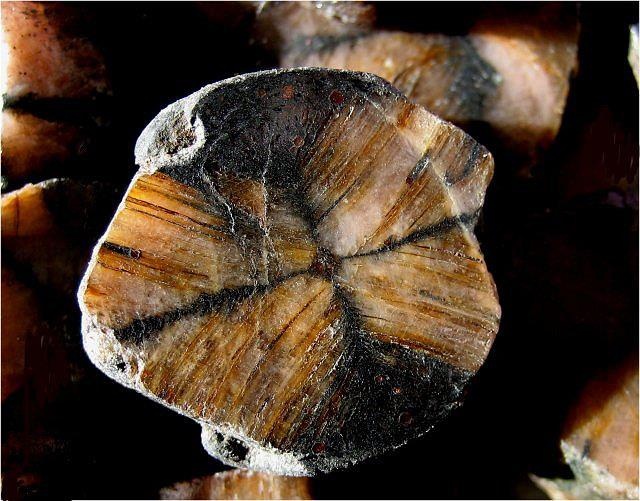
Chiastolite Crystal, Benefits and Meanings.
Chiastolite meaning centers on protection, grounding, balance, strength, and resilience.
Metaphysical & Spiritual
Chiastolite works with the places where pressure gathers and the inner field starts to feel split between duty, instinct, and fear. Its energy brings a firmer center, helping the mind stop scattering and settle back into what is solid and true. The stone carries a disciplined, earthy current that keeps spiritual work practical. Rather than pushing for dramatic shifts, it helps steady the breath, organise thought, and hold a clear line when life asks for patience and resolve. Chiastolite also brings a quiet protective quality to threshold moments, especially when a decision, transition, or boundary needs to be held without collapse. It reads as a stone of endurance, where strength is not loud but consistent, and resilience is built through calm repetition. For meditation, Chiastolite can help the body feel more anchored while the attention stays alert and inwardly ordered. It supports a measured kind of reflection, where insight arrives with structure rather than overwhelm.

Planet

Saturn
Chiastolite connects with Saturn through structure, responsibility, and the kind of wisdom that comes from staying with a process. It brings a measured, steadying influence that helps shape resilience through limits rather than resistance.
Element
Earth
Chiastolite works with Earth energy by drawing awareness down into the body and the practical world. It brings a stabilizing rhythm that supports presence, containment, and a clear sense of what can be held.

Crystal Pairings
Chiastolite pairings work best when the other stone brings a clear spiritual job to the table, whether that is softening the edges of stress, deepening inner listening, or helping resolve what feels stuck. Its grounded, protective tone holds the center, while the companion stone shapes how that steadiness is felt - gentler, more intuitive, more emotionally open, or more firmly boundaried.
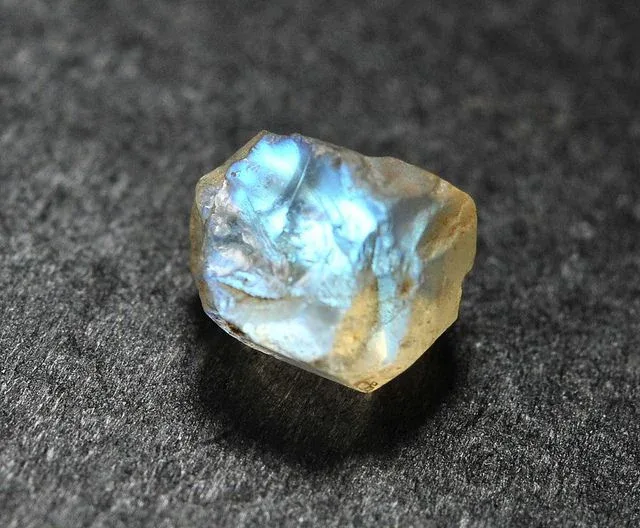
Peach Moonstone
Peach Moonstone brings a softer emotional current beside Chiastolite, helping steady the heart when change asks for patience rather than force. Together they support calm self-trust, especially when feelings need room to move without becoming overwhelming.
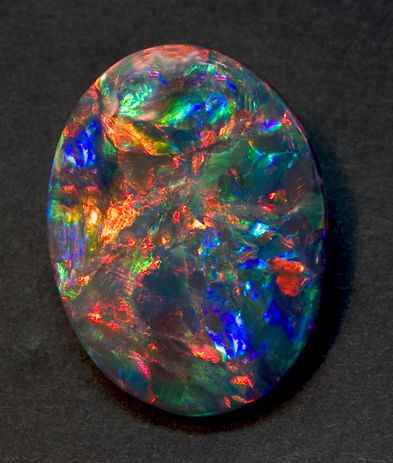
Black Opal
Black Opal deepens Chiastolite's protective field with a more intuitive, inward-facing quality. This pairing works well when the aim is to stay grounded while listening closely to subtle signals, dreams, or the quieter truth beneath a situation.
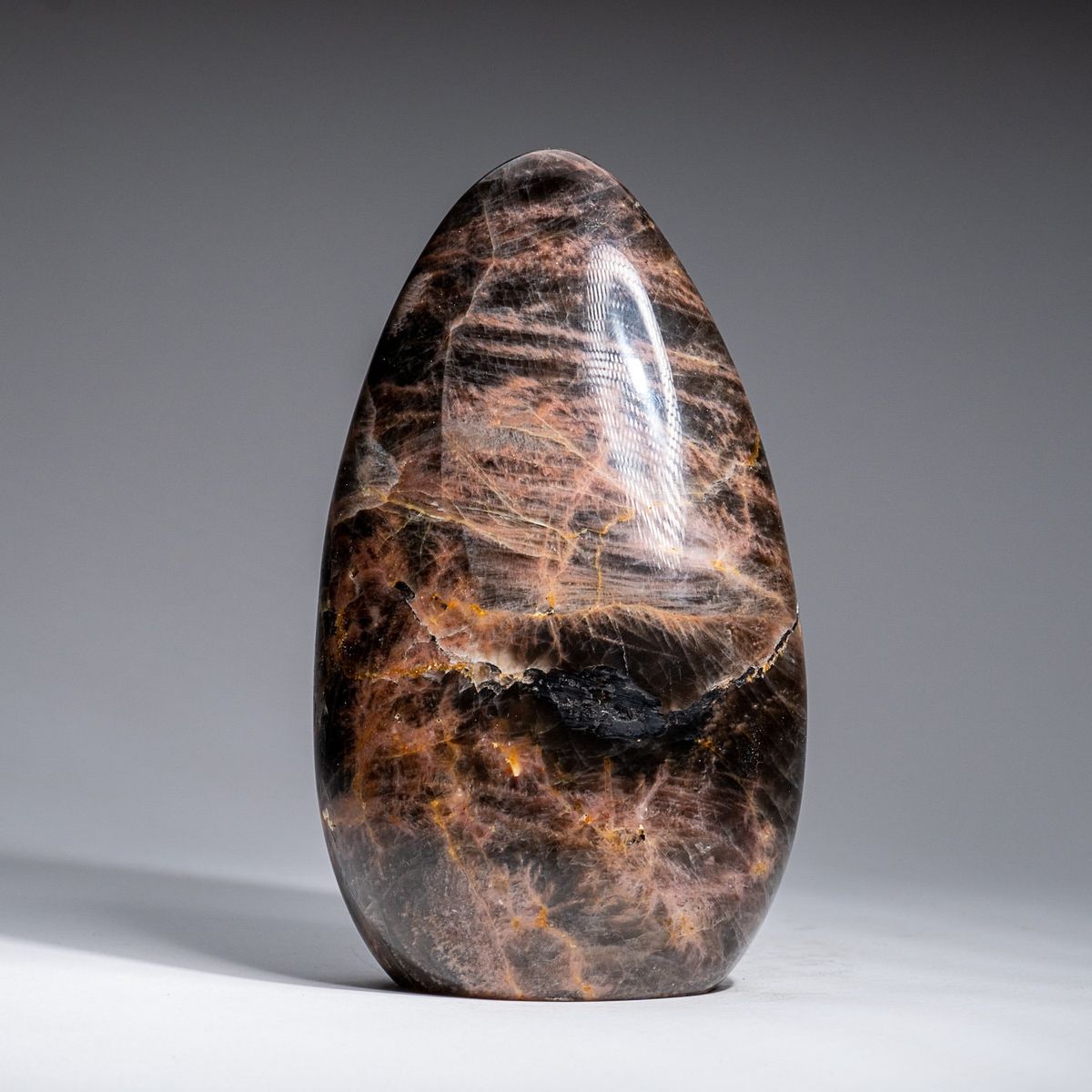
Black Moonstone
Black Moonstone adds a reflective, receptive layer that helps Chiastolite hold space for the unknown without losing its footing. The combination is useful for inner work, shadow reflection, and times when emotional steadiness needs to sit beside intuition.

Orca Agate
Orca Agate brings a patient, oceanic rhythm that helps Chiastolite release tension and speak from a calmer place. Together they support honest expression with less strain, making it easier to stay composed while still naming what matters.
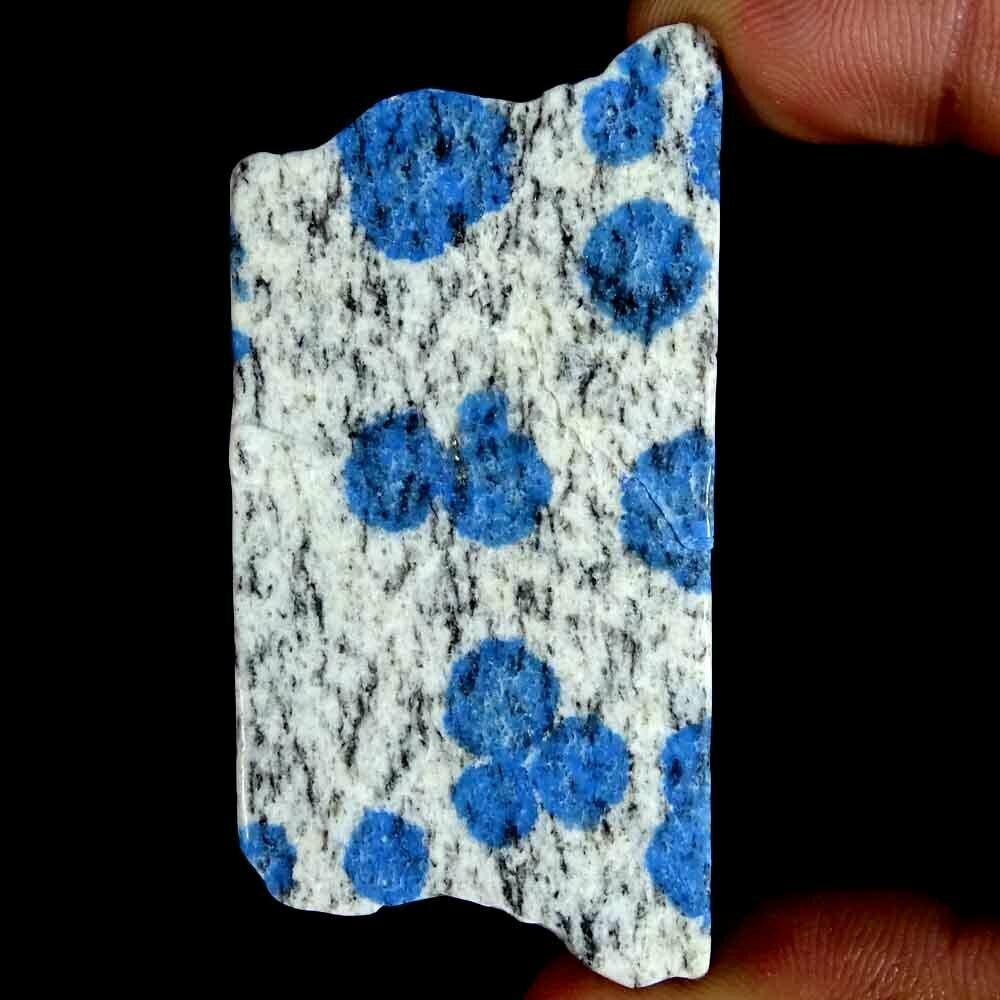
K2
K2 lifts Chiastolite into a more expansive state without losing the sense of structure and containment. This pairing is often chosen for meditation or spiritual study when insight needs to stay practical, clear, and anchored in real life.
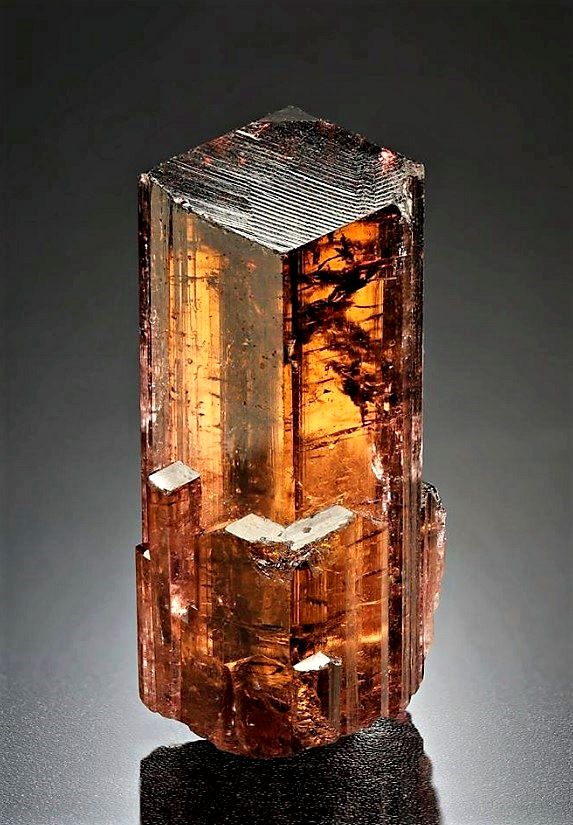
Dravite
Dravite adds a deep earthy steadiness that strengthens Chiastolite's boundary work and resilience. The two stones together help keep energy contained, making this pairing useful when the day demands endurance, discernment, and a firmer sense of personal space.
Healing
Chiastolite connects with moments when the body feels braced and the mind keeps scanning for what might go wrong. It is often used when a person needs to stay present without hardening, so the inner field can settle into a steadier rhythm.
It also works with times of transition, when old habits are loosening and a clearer boundary is needed. Chiastolite brings a quiet reminder to stand firm, keep perspective, and move through change without losing the center.
Affirmations
Hold Chiastolite at the Root or over the lower belly and choose an affirmation that matches the kind of steadiness needed today.
Speak it slowly, then let the body answer with one grounded action, such as breathing lower, pausing before replying, or finishing one task at a time.
- I stay steady in changing times
- I trust my inner ground
- I protect my energy with calm
- I meet pressure without losing myself
- I stand firm and move with grace
Intention Setting
Chiastolite can help set intentions that are simple, firm, and rooted in self-respect. It is useful when the day asks for clear limits, patient follow-through, or a calmer response to outside pressure.
Set it with a practical aim rather than a vague wish, and let the stone mark the line between what belongs to you and what does not. That kind of intention keeps the energy tidy and easier to hold.
- I keep my energy clear
- I choose calm boundaries
- I remain steady under pressure
- I move through change with trust
- I act from a grounded center
Manifesting
Chiastolite supports manifesting that depends on patience, structure, and staying power. It is often chosen when the goal asks for resilience rather than speed, especially if the path includes delays, duty, or repeated effort.
It helps keep attention on what can be done now, instead of scattering into worry or overthinking. In that way, the intention becomes something lived through small, consistent choices.
- I build what lasts
- I stay focused on the next step
- I welcome steady progress
- I hold my boundaries with ease
- I trust the timing of my path
Jewelry
Chiastolite jewelry works as a quiet signal to gather the self before speaking, choosing, or reacting. Different placements bring that reminder to the chest, hands, or head, so the stone can meet the moment where it is most needed. It is especially helpful when the day asks for composure without emotional distance.
General benefits: Wearing Chiastolite jewelry keeps its protective, grounding reminder close through the day. It is a steady companion for busy schedules, difficult conversations, and moments when outside demands start to pull the energy in too many directions. Chiastolite worn on the body can help the wearer remember to slow the breath, keep the spine of the day straight, and respond from a calmer inner place.
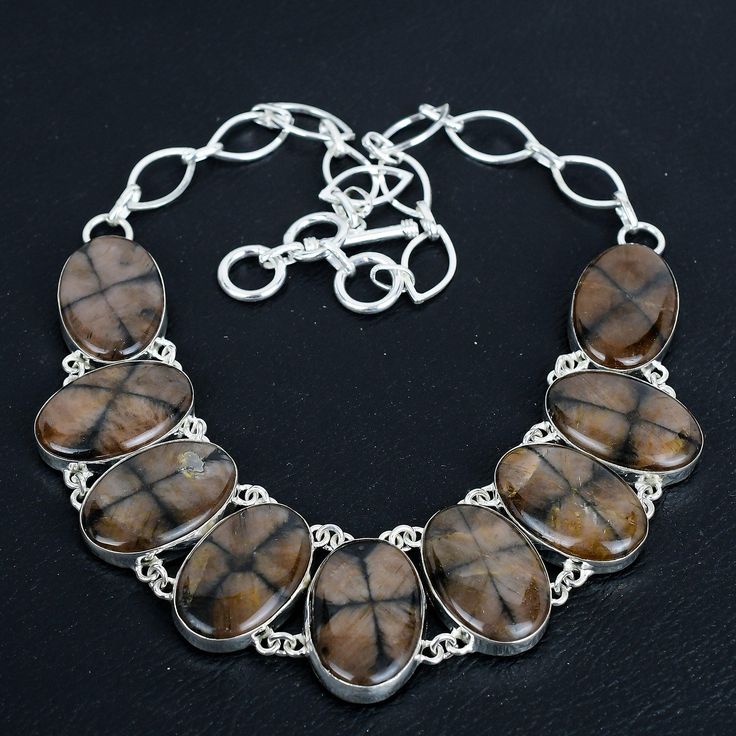
Necklace
A Chiastolite necklace sits near the heart and throat, where feelings and words often meet. It can support a steadier tone when a conversation needs honesty without sharpness. Worn this way, it becomes a reminder to speak from the center rather than from tension. That can be useful in family talks, work discussions, or any moment when the voice needs to stay clear.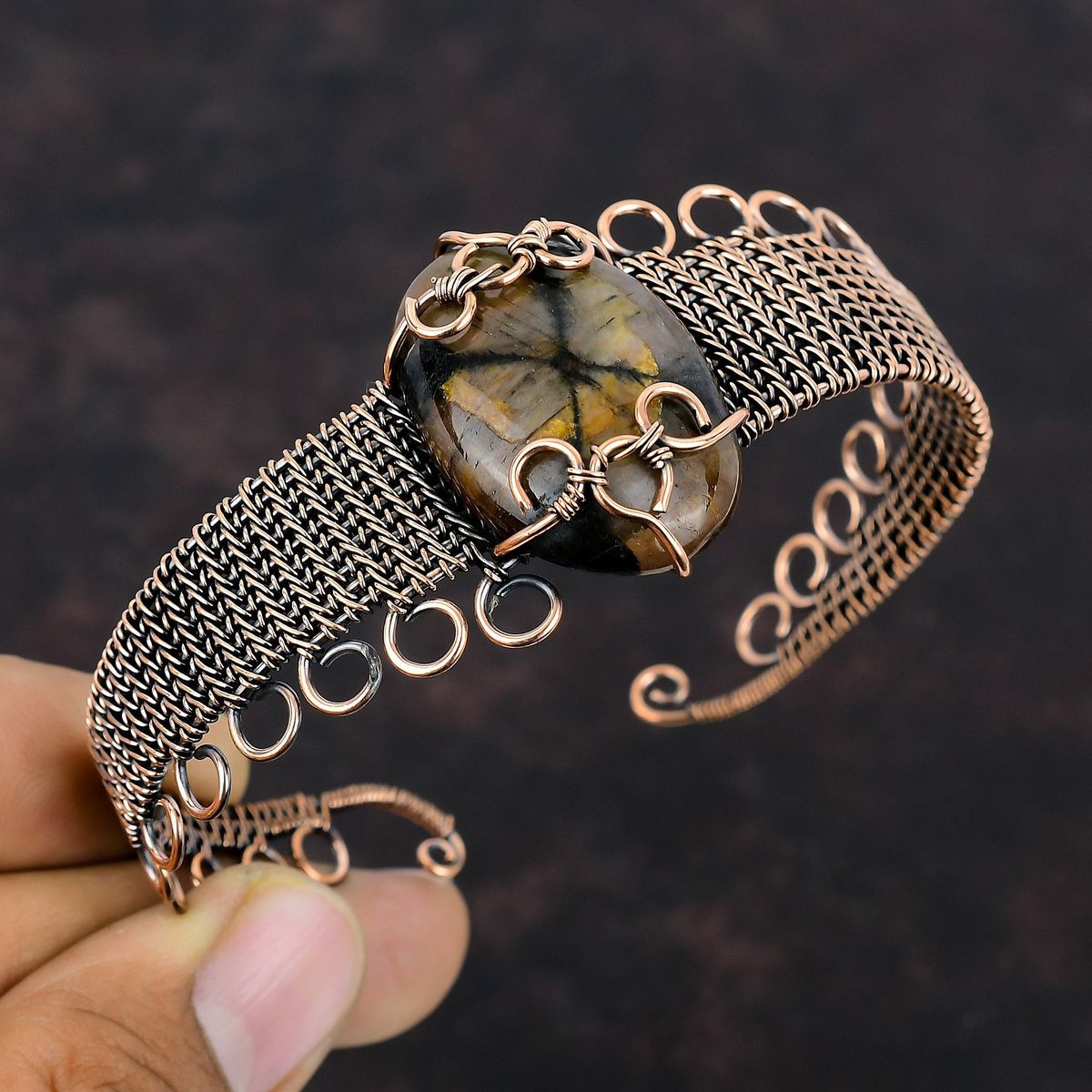
Bracelet
A Chiastolite bracelet brings the stone into the hands, where action begins. Each glance at the wrist can prompt a slower response, a calmer gesture, or a more deliberate choice. It is often chosen for days that feel full of movement, because it keeps the grounding reminder close while tasks are being handled. The energy stays practical, not passive.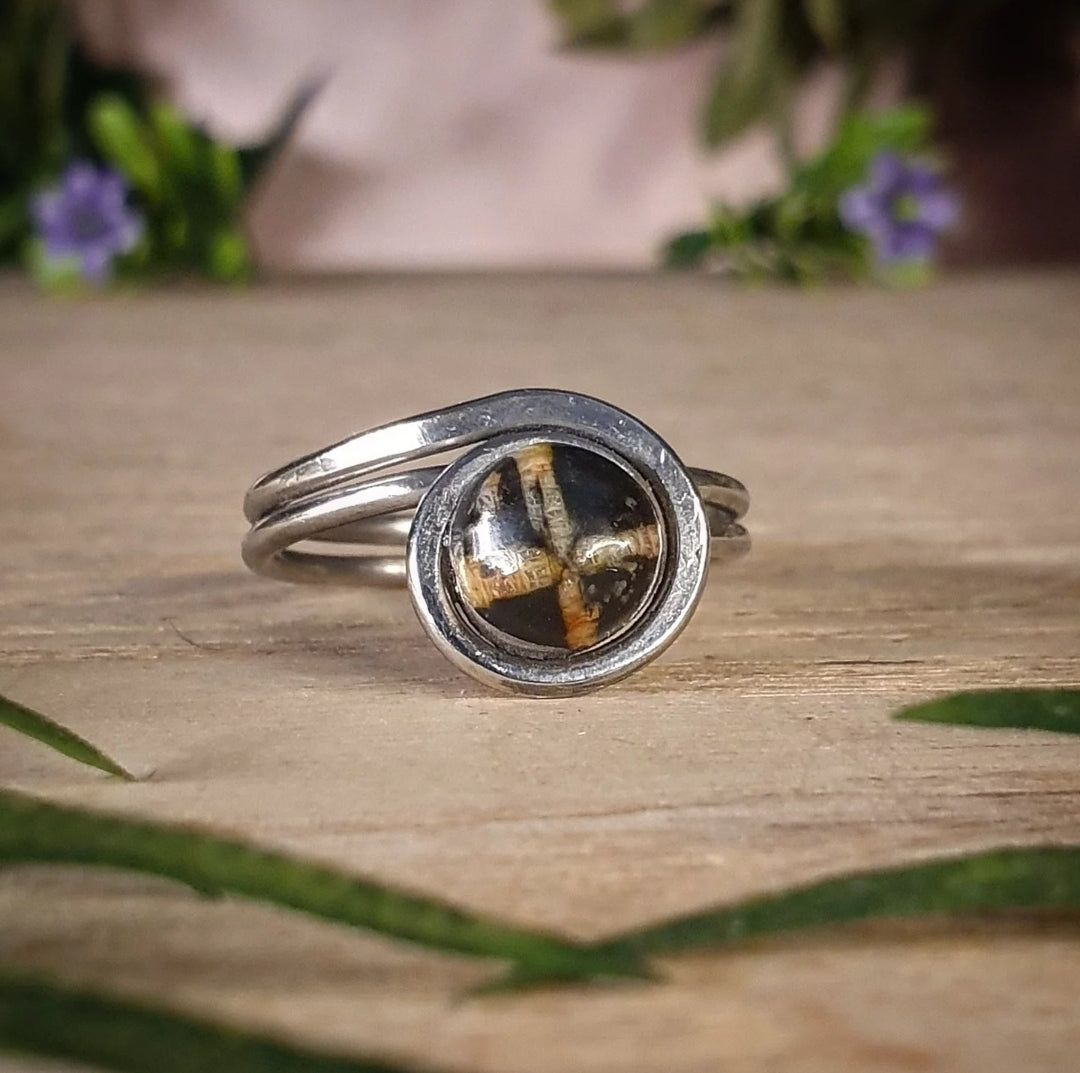
Ring
A Chiastolite ring keeps the stone within sight during decisions, writing, and self-talk. It can help the wearer notice when the mind is drifting into doubt and bring attention back to what is solid. This placement works well for commitments and boundaries, especially when a quiet inner yes or no needs to be honored. The ring becomes a small anchor for resolve.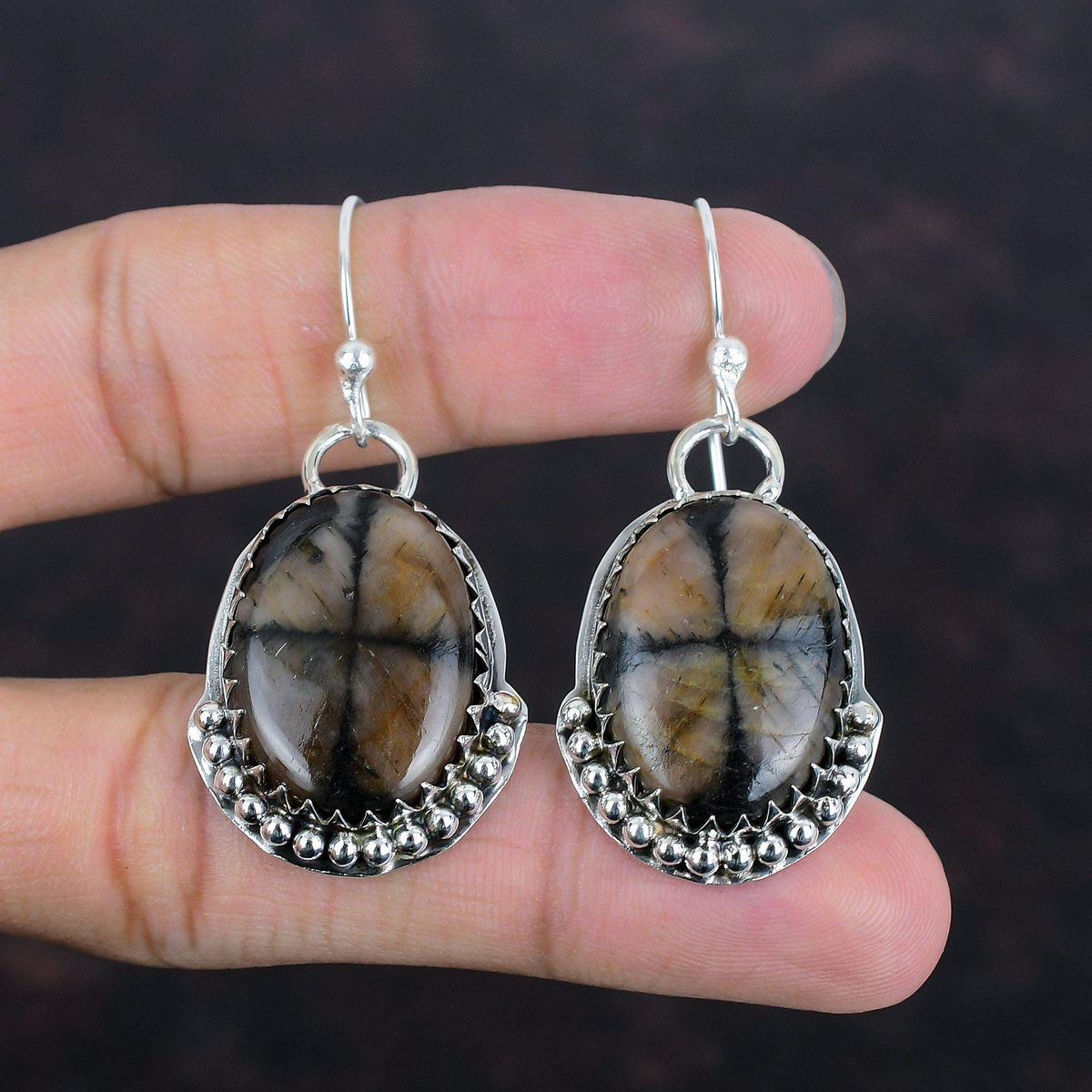
Earrings
Chiastolite earrings sit close to the head and can support clear listening before speaking. They are useful when the day contains meetings, calls, or conversations that need patience and discernment. The reminder lands near thought itself, helping the wearer keep perspective when other people's energy feels loud. That can make it easier to stay composed without becoming closed off.Forms
Different Chiastolite forms shift how its energy gathers, from direct and protective to more settled and reflective. Choose the shape that matches the kind of support needed, whether that is a firmer boundary, a calmer hold, or a more focused sense of purpose.
Rough
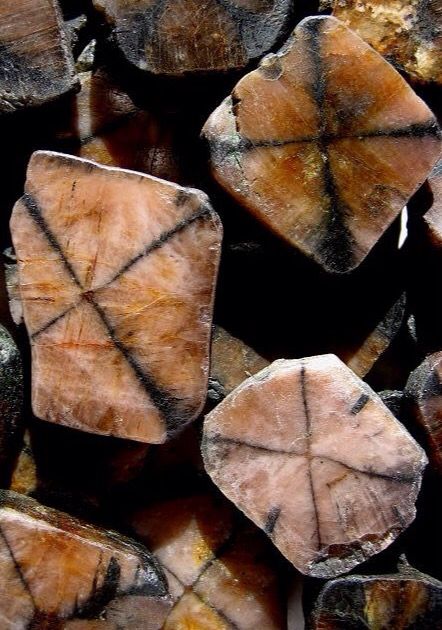
Rough Chiastolite feels direct and unpolished, with a plain kind of strength. It is useful when the work is about keeping things simple and staying rooted.
Point / Tower

A point or tower gives Chiastolite a more directed feel. It helps gather scattered attention into one clear intention.
Sphere
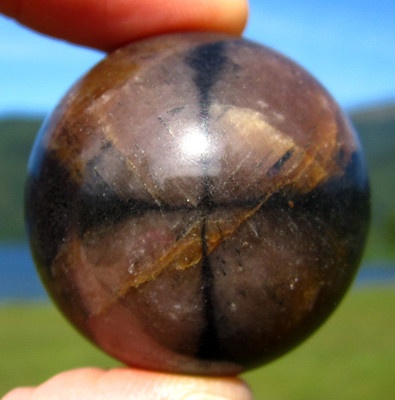
A sphere softens the edges of Chiastolite and spreads its steadiness evenly. It can bring a calmer, more balanced atmosphere to a space or practice.
Palm Stone
A palm stone offers Chiastolite as a hand-held anchor for short pauses. It is helpful when the body needs to settle before the next step.
Tumble Stone
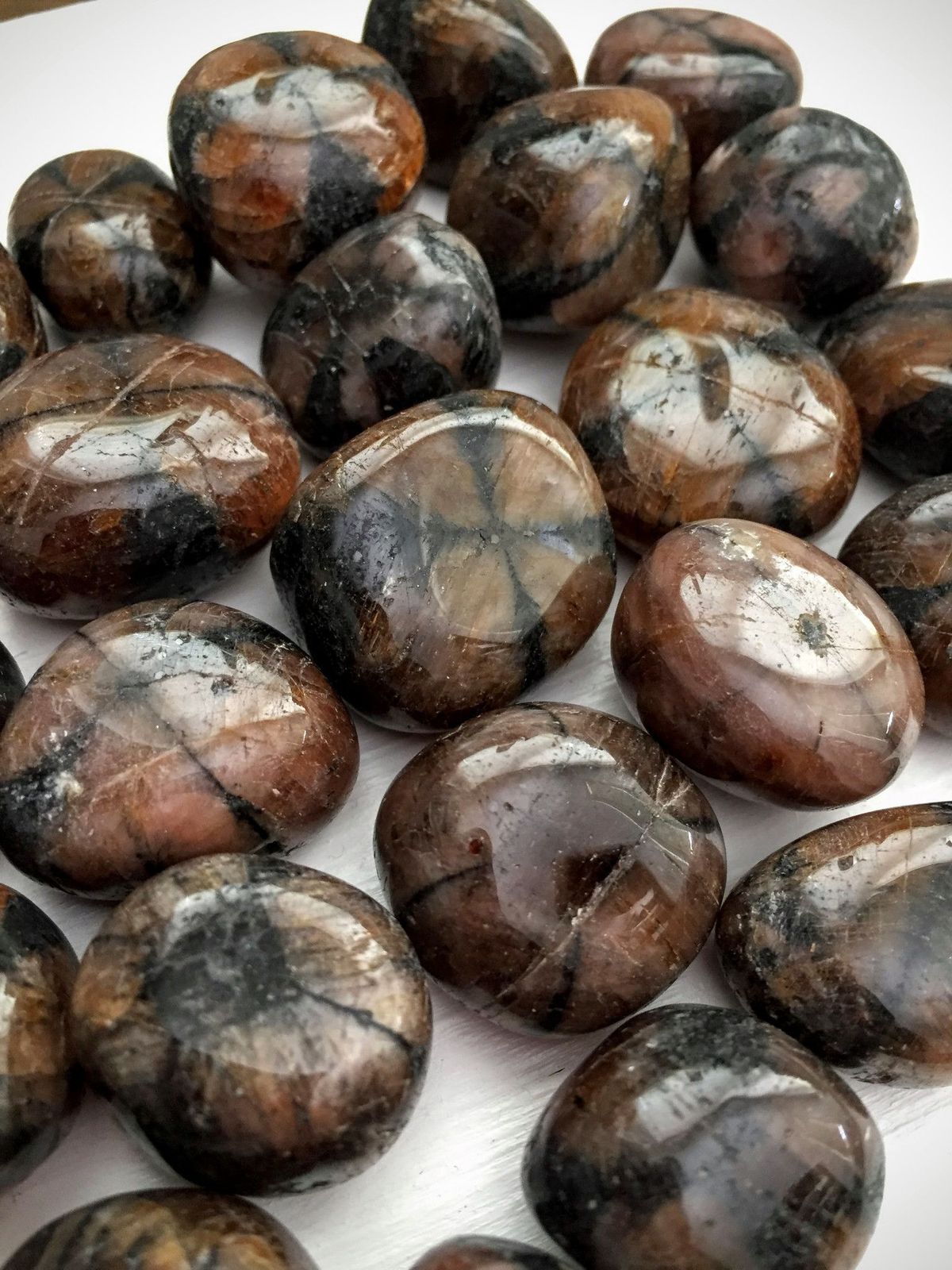
A tumble stone carries Chiastolite in a compact, easy form for pockets or bags. It is a simple choice for quick resets during the day.
Figure
A carved figure gives Chiastolite a more focused, companion-like presence. It can support intention work that feels personal and specific.
Heart
A heart form brings a gentler edge to Chiastolite's steady nature. It works well when protection needs to stay kind and emotionally aware.
Cleansing & Charging
Chiastolite benefits from cleansing after stressful days, heavy conversations, or any period when its energy has been used to hold firm for too long. Because it is durable, it can be refreshed with simple methods that keep the stone clear without overhandling it.
How to cleanse Chiastolite
- Rinse Chiastolite briefly in lukewarm water, then dry it gently with a soft cloth.
- Pass it through smoke from sage or incense for a light energetic reset.
- Use sound from a chime, singing bowl, or clear voice to clear the stone without physical contact.
How to charge Chiastolite
- Place Chiastolite in gentle moonlight overnight, with the full moon offering a particularly steady charge.
- Set it beside Clear Quartz for a calm, focused refresh.
- Leave it in indirect natural light for a short time while holding a clear intention for protection and resilience.
Where to Use
Place Chiastolite where its steady, protective work can meet the moments that feel most exposed, rushed, or energetically busy.
Entrance hall
At the entrance hall, Chiastolite can act as a threshold stone, helping the energy of the home feel more settled as people come and go. It is a good place for a small piece if the day often begins or ends in a hurry. Set it near the door with the intention that only what is welcome crosses the threshold.
Desk
On a desk, Chiastolite supports focus when tasks, messages, and decisions start to pile up. It can help keep the mind from scattering and remind the body to stay grounded while work is being handled. This placement is especially useful for clear thinking under pressure.
Personal altar
On a personal altar, Chiastolite brings a quiet sense of protection to prayer, reflection, or boundary-setting rituals. It can be held while naming what needs to be released and what needs to be kept close. The stone lends a steady tone to spiritual practice without making it feel heavy.
In a pocket, Chiastolite becomes a discreet companion for travel, errands, or emotionally busy days. Touching it can be enough to remember the breath, the body, and the next sensible step. It is a simple way to carry resilience without drawing attention.
Science
Physical properties
- Mineral class
- Silicate
- Color
- Brown, tan, cream, and black with a distinctive cross pattern
- Hardness
- 6.5 - 7.5
- Density
- ~3.1 - 3.2 g/cm3
- Durability
- Excellent
- Thermal stability
- High
Optical properties
- Transparency
- Opaque to translucent
- Lustre
- Vitreous
- Refraction index
- ~1.63 - 1.65
Chemical composition
- Class
- Aluminum silicate
- Formula
- Al2SiO5
- Group
- Andalusite
- Magnetic
- Non-magnetic
Formation
Chiastolite is a variety of the aluminum silicate mineral Andalusite that forms during regional metamorphism of clay-rich sedimentary rocks. As heat and pressure reshape the host rock, the crystal grows into a durable silicate with a vitreous lustre and an appearance that ranges from opaque to translucent.
Its best-known feature is the cross pattern seen in cut sections, created by carbon-rich inclusions that gather along four directions as the crystal develops. Not every Andalusite forms this pattern, but when it does, the result is the familiar Chiastolite mineral recognized in specimens from Spain, Brazil, Australia, and Russia. With a hardness of 6.5-7.5, it holds up well in jewelry and carvings while keeping that striking internal marking clear.
Locations
- Spain
- Brazil
- Australia
- Russia
History
Natural cross inspired symbolic use
Ancient period
The cross-like marking at the heart of Chiastolite gave it symbolic weight long before mineral science could explain its structure. In Europe, polished pieces drew attention because the pattern appeared so deliberate and recognizable, encouraging spiritual and protective interpretations. That natural sign became part of the stone's identity in both folk use and later crystal traditions.
Known as the Cross Stone
Middle Ages
During the Middle Ages, Chiastolite was often carried as a protective talisman and valued for the clear cross visible in cut sections. The stone's appearance linked it to faith, shelter, and steadfastness, especially in times when symbols carried strong devotional meaning. Its use in this period helped establish the long-standing association between Chiastolite and protection.
Recognized as a variety of Andalusite
19th century
By the 19th century, mineralogists identified Chiastolite as a variety of Andalusite rather than a separate mineral species. Its carbon-rich inclusion pattern became the key feature that set it apart, and scientific study gave a clearer explanation for the cross seen in polished slices. This recognition joined its symbolic history with a more precise mineralogical understanding.
Associated with grounding and protection
Present day
Modern crystal traditions continue to place Chiastolite in work centered on stability, resilience, grounding, and protection during change. Its history still shapes how it is read today, with the cross pattern carrying both visual significance and a sense of steady inner order. That blend of mineral fact and cultural meaning keeps Chiastolite relevant in contemporary spiritual practice.
Got questions?
We've got answers!
FAQ's
What is Chiastolite used for?
+×
Chiastolite is often chosen for protection, grounding, balance, strength, and resilience. In crystal practice, it is a steady stone for times of change, when a calmer center and firmer boundaries are needed.
It is commonly placed in a meditation space, office, study, or near an entrance to support a sense of order and composure. Many people also wear it as a necklace, bracelet, or ring for a quiet daily reminder to stay rooted.
Why does Chiastolite have a cross pattern?
+×
Chiastolite is a variety of Andalusite, and its cross pattern comes from carbon-rich inclusions that gather in a natural fourfold arrangement as the crystal grows. When the stone is cut across the right section, the pattern becomes visible as the familiar cross.
This distinctive marking gave Chiastolite strong symbolic importance long before modern mineralogy explained it. It is one reason the stone has long been associated with protection and spiritual significance.
Which zodiac signs are connected to Chiastolite?
+×
Chiastolite is linked with Libra and Capricorn. Libra may appreciate its balancing quality, while Capricorn often resonates with its discipline, patience, and steady resilience.
These zodiac links are traditional rather than fixed rules. Chiastolite can still be used by anyone drawn to its grounded, protective character.
What chakra does Chiastolite activate?
+×
Chiastolite is associated with the Root chakra. Its grounding, earthy nature makes it a natural fit for work that focuses on stability, safety, and staying present in the body.
It is often used in quiet meditation or intention-setting when a person wants to feel more anchored. A palm stone or tumble stone can be especially practical for this kind of work.
How should Chiastolite be cleansed and charged?
+×
Chiastolite can be cleansed with brief lukewarm water rinsing, smoke, sound, or breath and intention. It should be dried gently after water cleansing, and it is best to avoid harsh treatment so the stone stays in good condition.
For charging, gentle moonlight, indirect natural light, Clear Quartz, or focused intention are all suitable. A full moon is often preferred for a calm, steady refresh.