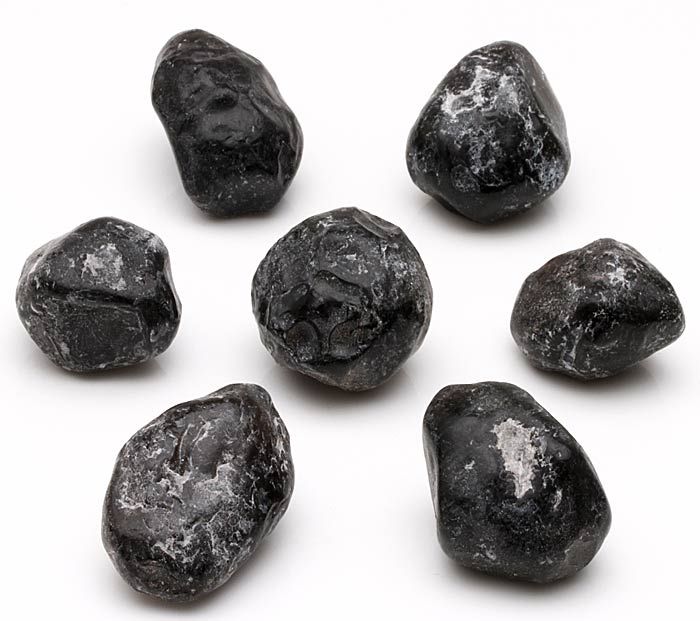
Apache Tears Crystal, Benefits and Meanings.
Apache Tears meaning centres on grounded protection, emotional release, and the strength that follows after pressure has passed.
Metaphysical & Spiritual
Apache Tears work in a quiet, containing way, gathering scattered feeling back towards the centre without forcing it. Their presence is often chosen when grief, tension, or old fear needs somewhere safe to move through, rather than being pushed aside. The stone carries a steadying quality that helps the body and mind stay present while emotion shifts. It brings a sober kind of courage, the sort that lets a person face what is real and keep their footing at the same time. Apache Tears also hold a strong boundary field, which makes them useful for spiritual protection and for clearing away residue after difficult exchanges. They support the Root chakra by drawing awareness down into the lower body, where safety, breath, and basic trust can be felt more clearly. With Pluto and Fire in its field, the stone works with deep transformation rather than quick change. It asks for honesty, endurance, and release that happens in layers, not all at once.

Planet

Pluto
Apache Tears works with Pluto as a stone of deep clearing and inward change. It carries the kind of energy that strips away what is no longer needed and leaves a person more honest with themselves.
Element
Fire
Apache Tears brings Fire into a contained form, so heat becomes resolve rather than reaction. It carries the spark of transformation while keeping the lower body and emotions steady enough to hold it.

Crystal Pairings
Apache Tears pair well with stones that help the body feel held while the mind clears. These pairings keep the energy practical: one stone grounds, another softens strain, sharpens boundaries, or brings the next step into focus without forcing the pace.
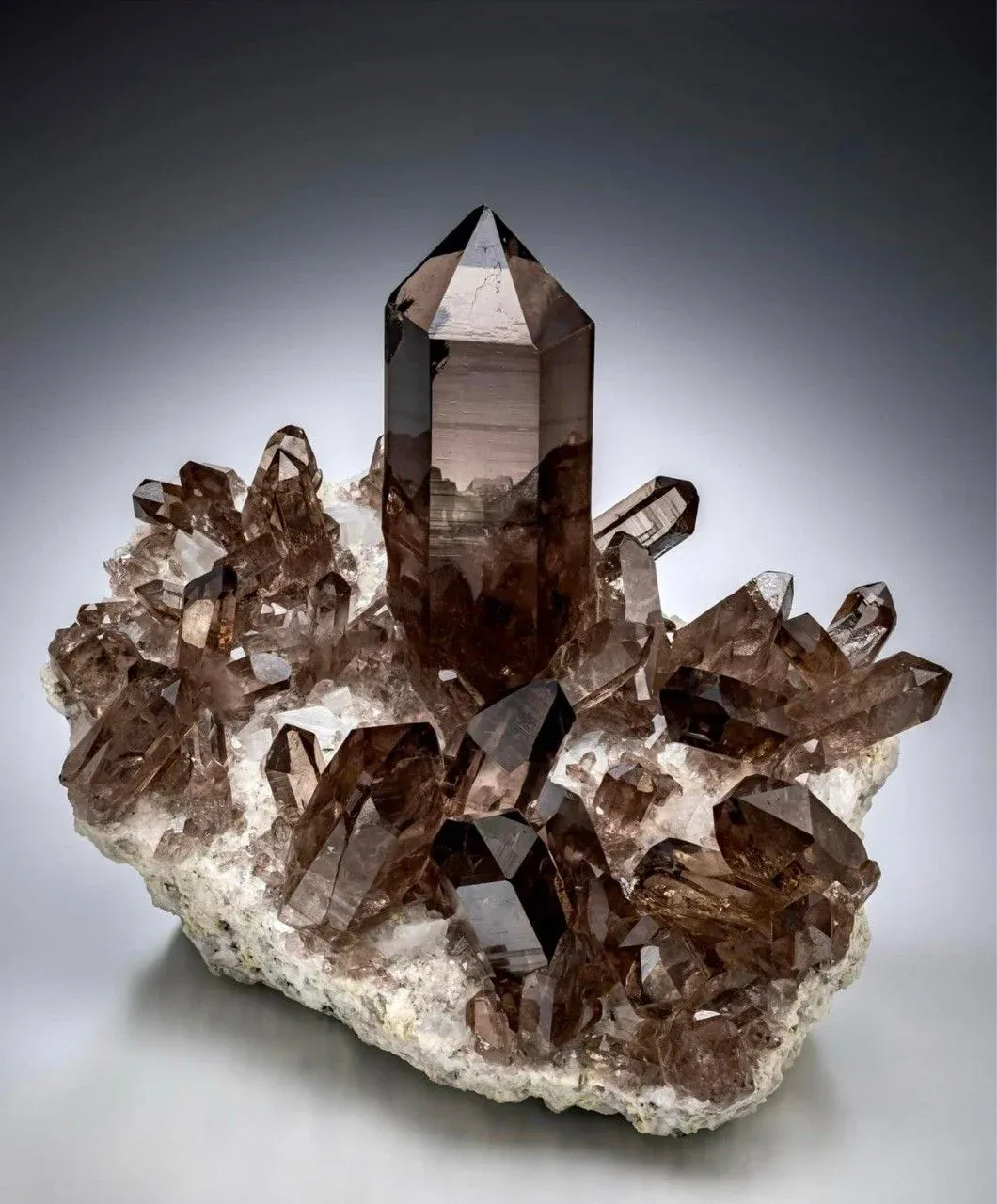
Smoky Quartz
Smoky Quartz deepens Apache Tears into a more settled field, helping heavy thoughts drain down and out rather than circling back. Together they create a grounded space for processing pressure with less inner noise and more trust in what can be released.
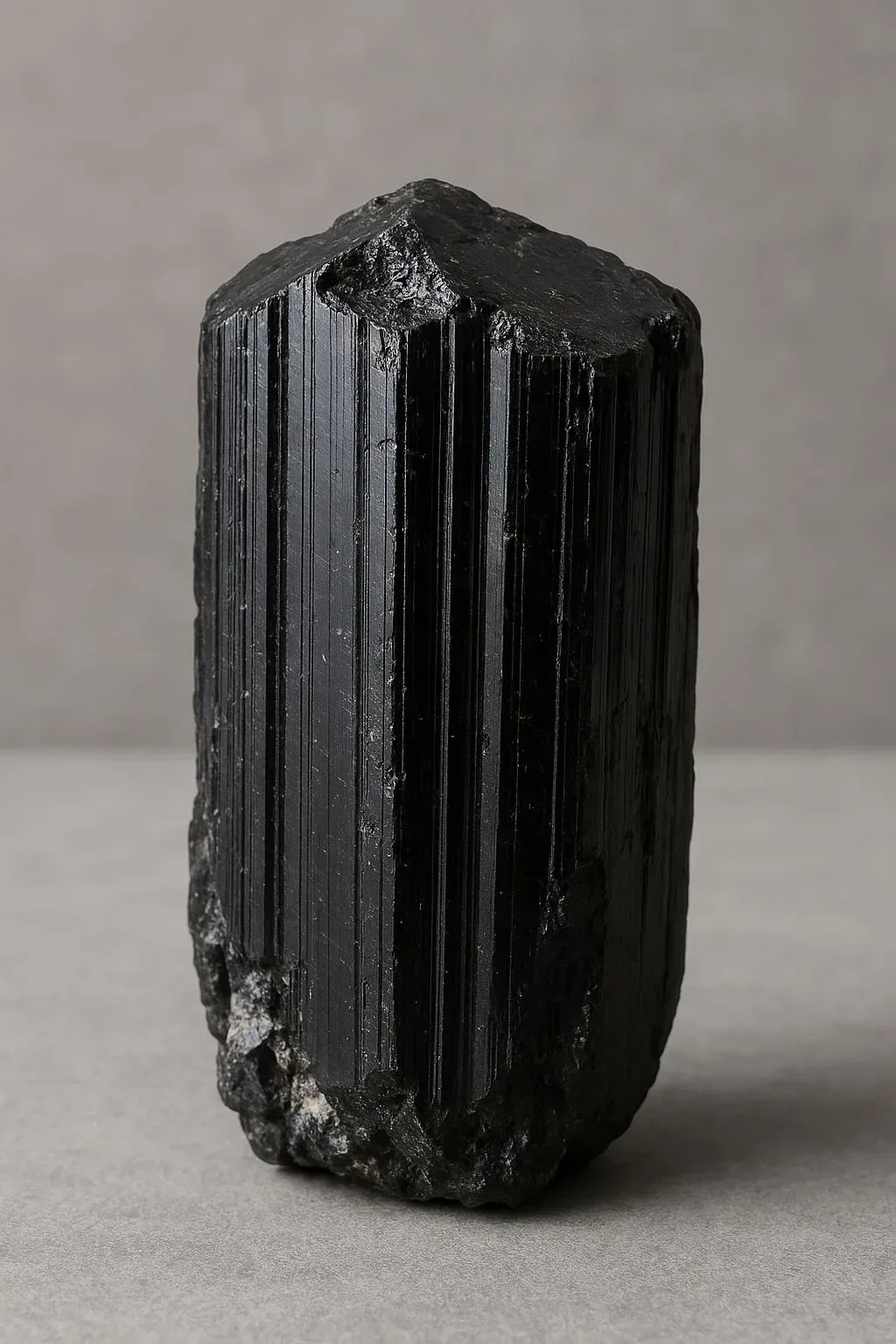
Black Tourmaline
Black Tourmaline and Apache Tears work with strong protective boundaries, especially when outside energy feels intrusive or draining. This pairing keeps the aura contained and clear, supporting a calm refusal of what does not belong.
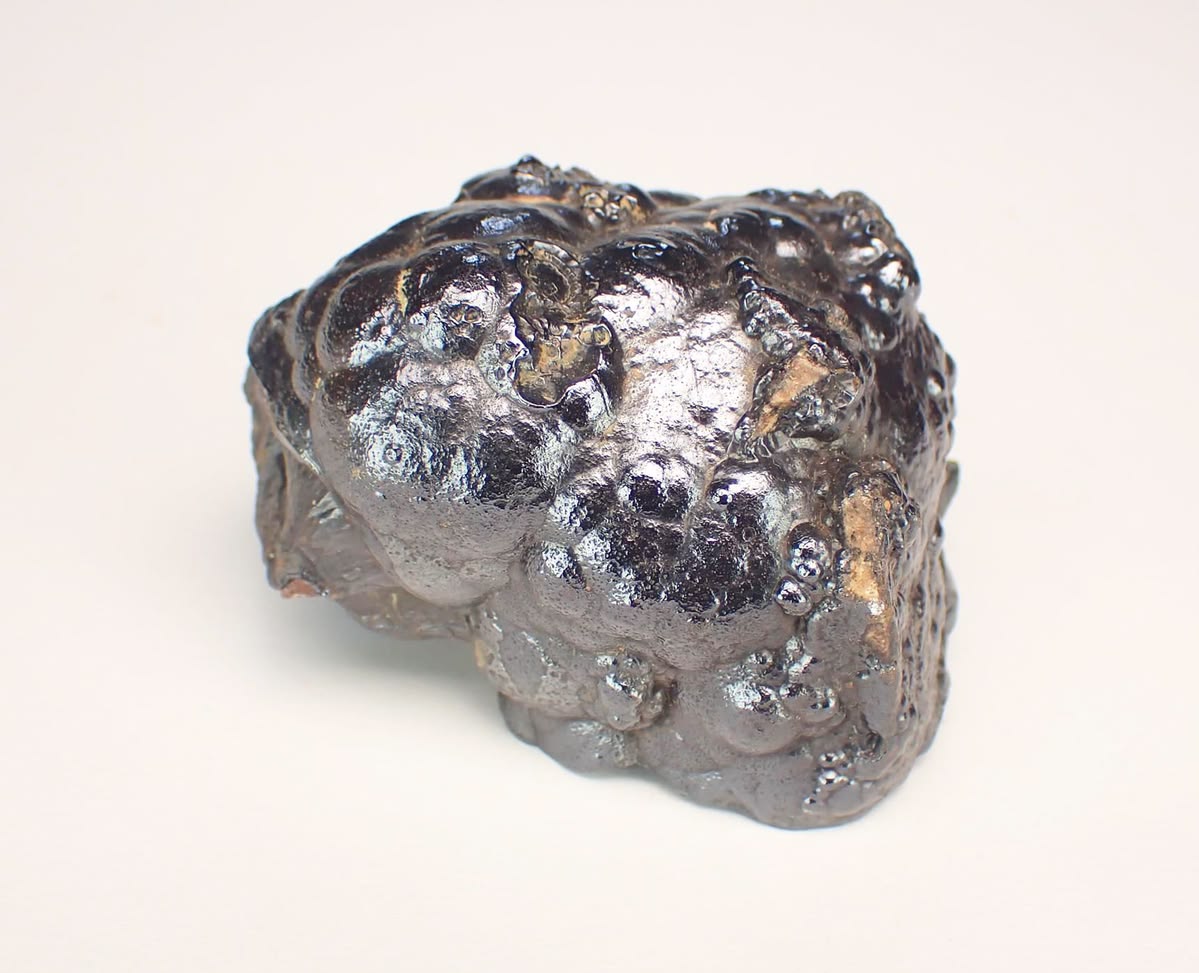
Hematite
Hematite brings weight, focus, and structure to Apache Tears, making the pairing useful when scattered attention needs to return to the body and the task at hand. It steadies the field so decisions feel firmer and less pulled by emotion.
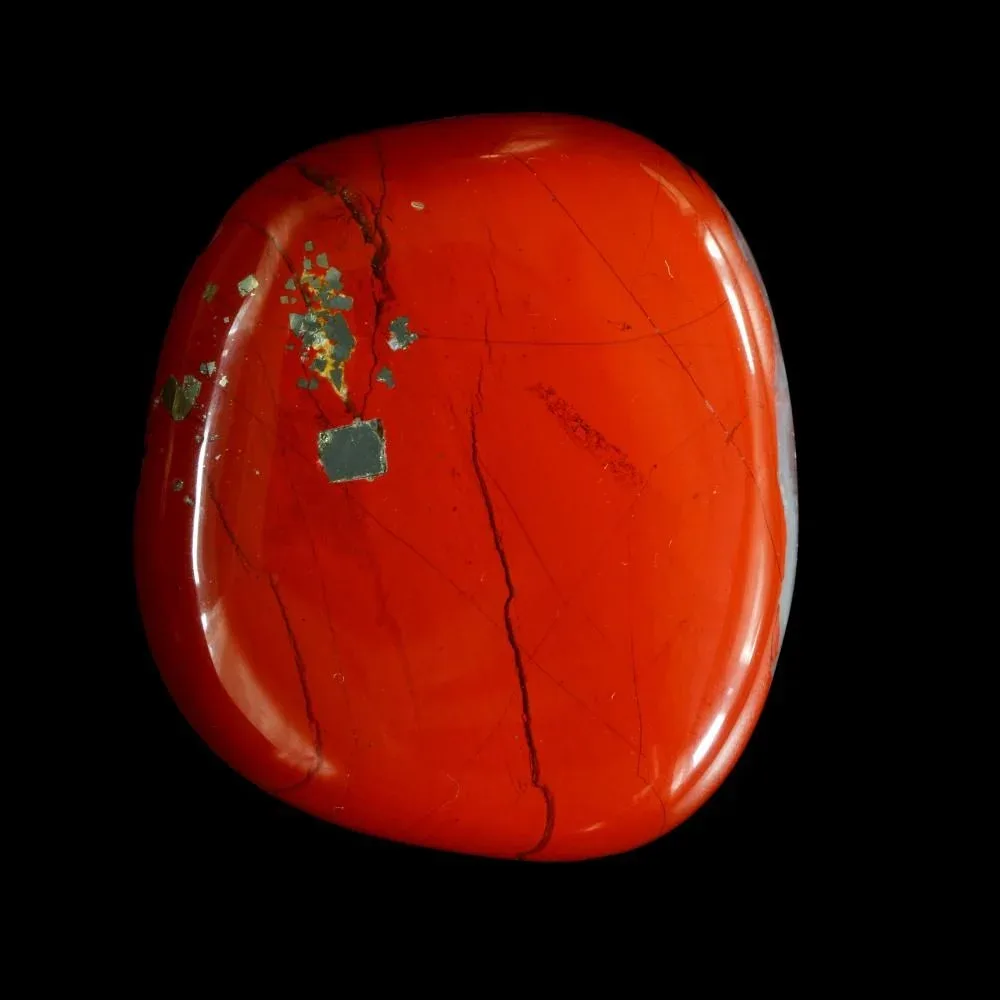
Red Jasper
Red Jasper adds endurance and a quiet, living strength to Apache Tears, helping resilience feel embodied rather than merely mental. Together they support steady action after emotional release, especially when energy needs rebuilding from the ground up.
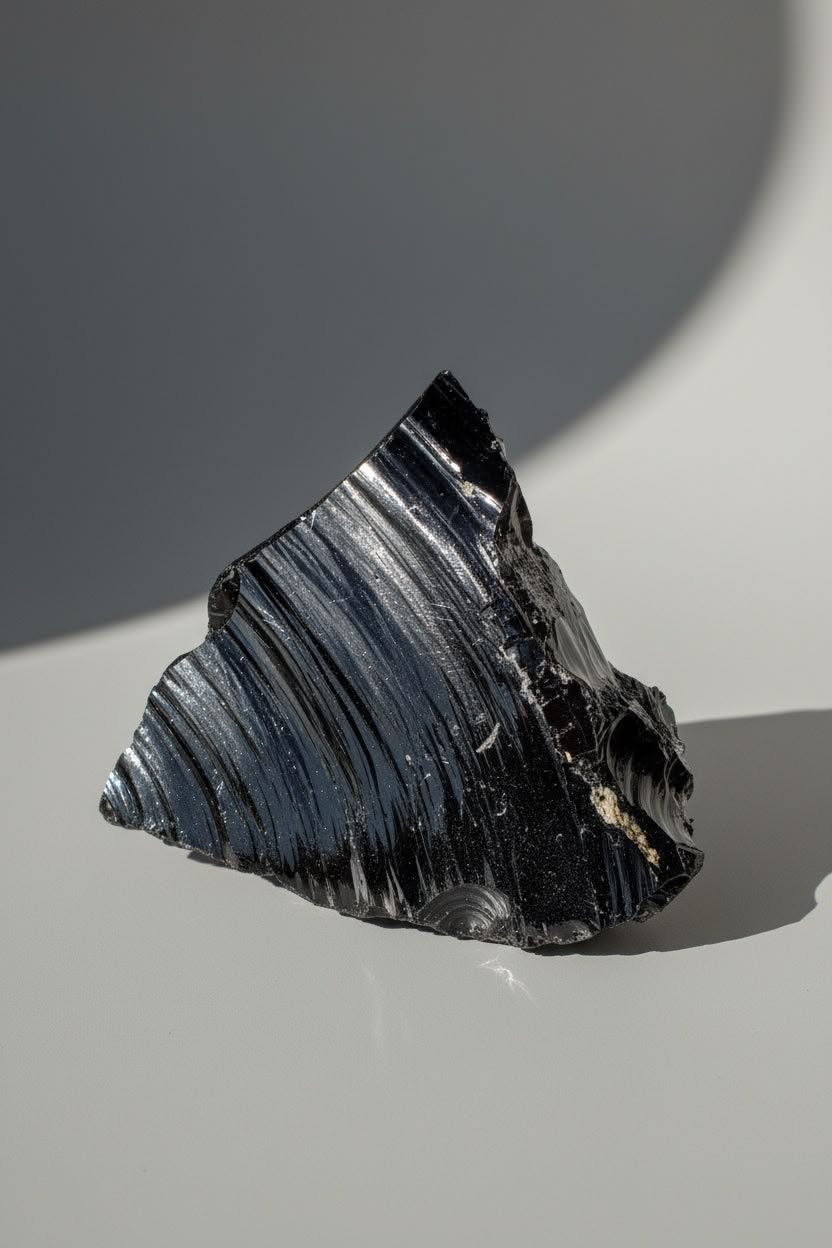
Obsidian
Obsidian with Apache Tears creates a direct, uncompromising field for protection and release. The combination is often chosen when old attachments, fear, or energetic residue need to be cleared with firmness and no lingering hesitation.
Healing
Apache Tears connects with moments when feelings have been held in too long and the body is carrying more than it can easily name. It brings a quiet place for grief, tension, and old fear to move without needing to be forced or explained all at once.
It is often chosen when the nervous system feels braced, or when a hard conversation needs to happen without the whole field tightening. Apache Tears helps keep the inner pace slower and more honest, so boundaries, change, and release can be met with more steadiness.
Affirmations
Hold Apache Tears at the Heart or Root area and choose an affirmation that feels steady in the body.
Repeat it slowly, then let one small action follow so the words have somewhere real to land.
- I release what I no longer need
- I stay steady through change
- I honour my feelings with care
- I am safe to soften
- I trust my own pace
Intention Setting
Apache Tears can help set intentions that are simple, grounded, and emotionally truthful.
It is useful when the aim is not to push through, but to move with care, clear limits, and less inner resistance.
- I welcome calm release
- I protect my energy with clarity
- I meet change with steadiness
- I speak from a settled place
- I let old weight fall away
Manifesting
Apache Tears supports manifesting that begins with emotional honesty rather than force. It keeps attention on what is real, what is ready, and what needs to be left behind before the next step can hold.
It is often used when the goal involves resilience, cleaner boundaries, or a more composed response under pressure. The stone helps the mind stay with the intention instead of slipping into fear, overthinking, or self-protection.
- I move forward with calm resolve
- I release what blocks my path
- I trust my inner strength
- I choose clear and steady steps
- I welcome change with grace
Jewellery
Apache Tears jewellery works differently depending on where it rests, so the reminder can land near the mind, the hands, the throat, or the heart. That placement shapes how the stone is felt through the day, whether the need is calmer speech, steadier choices, or a softer inner response.
General benefits: Wearing Apache Tears keeps its quiet, containing energy close when the day asks for emotional discipline and a steady centre. It is a practical reminder to pause before reacting, to stay with the truth of a feeling, and to let boundaries be spoken without sharpness. This is especially helpful on busy days, during tender conversations, or when change is moving through work, family, or private life.
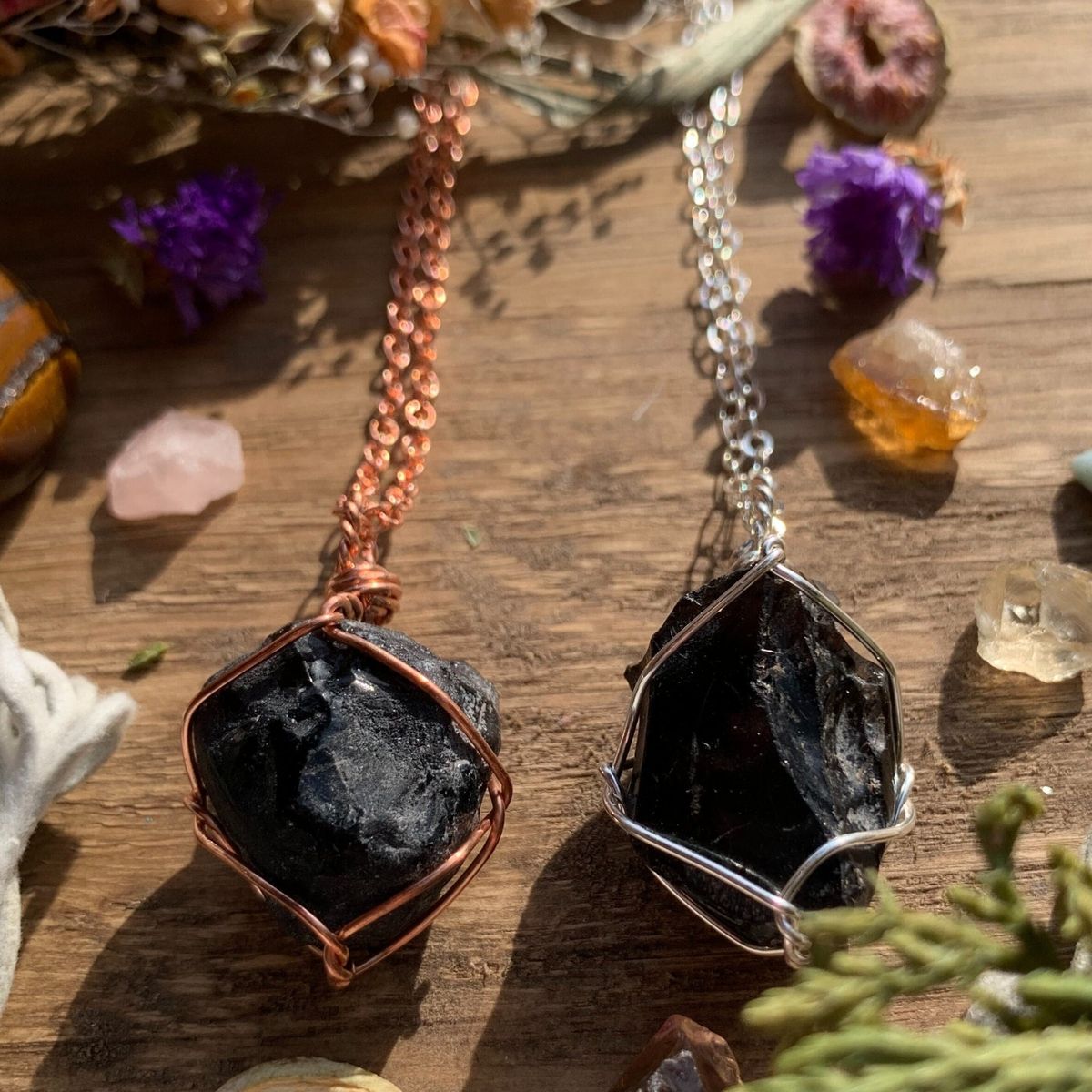
Necklace
A necklace keeps Apache Tears close to the chest, where it can support emotional honesty and a slower, more measured response. It is a useful choice when grief, worry, or old tension needs to be met without shutting down. Worn near the heart, it can act as a quiet anchor during difficult talks or moments of private reflection. The stone helps the wearer stay present with what is true, rather than rushing to defend or explain.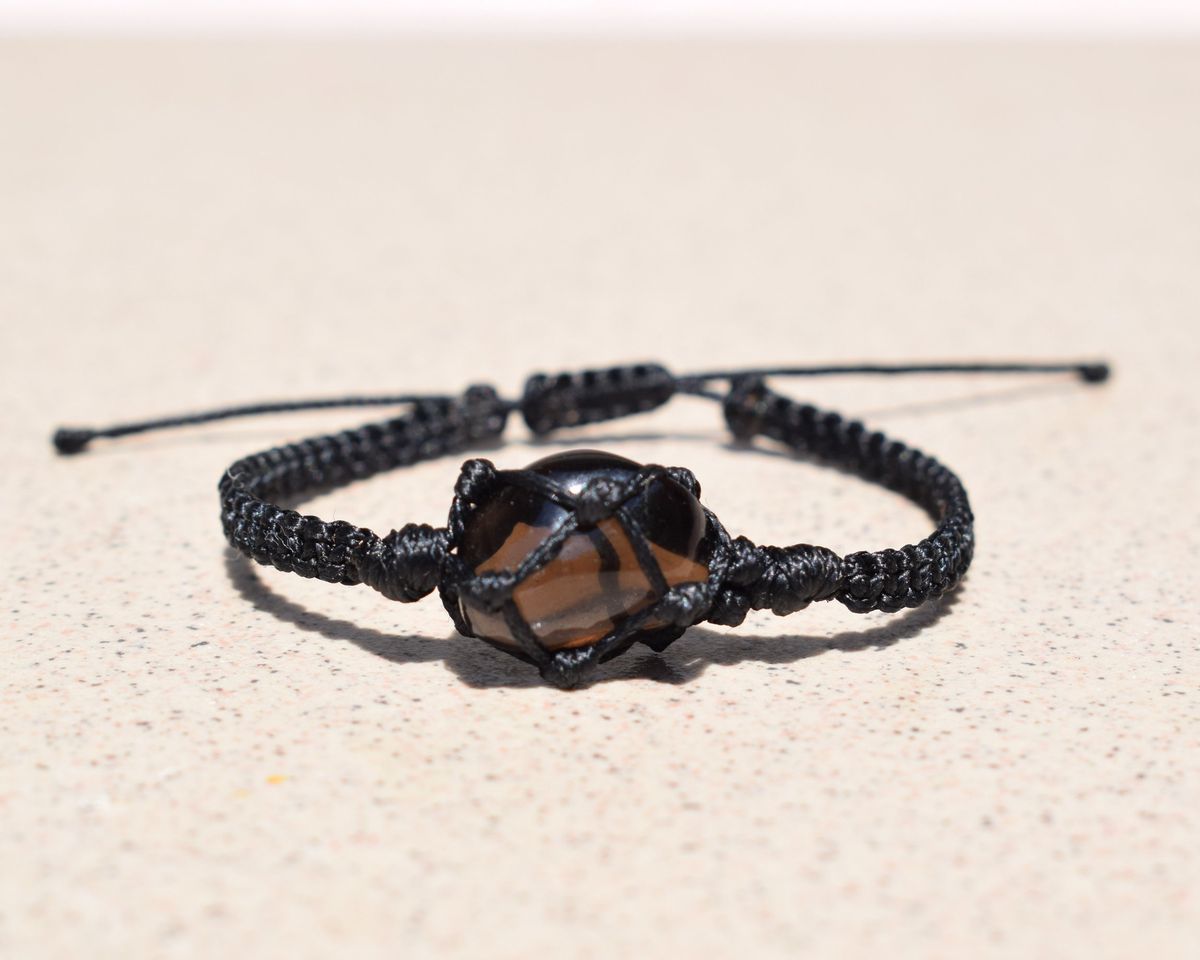
Bracelet
A bracelet brings Apache Tears into the rhythm of the hands, which can help keep actions deliberate and grounded. It is often chosen for days that involve decisions, errands, or repeated contact with other people's energy. Each glance at the wrist can become a small reset, especially when the body starts to tighten or the mind begins to race ahead. It supports the simple act of pausing before responding.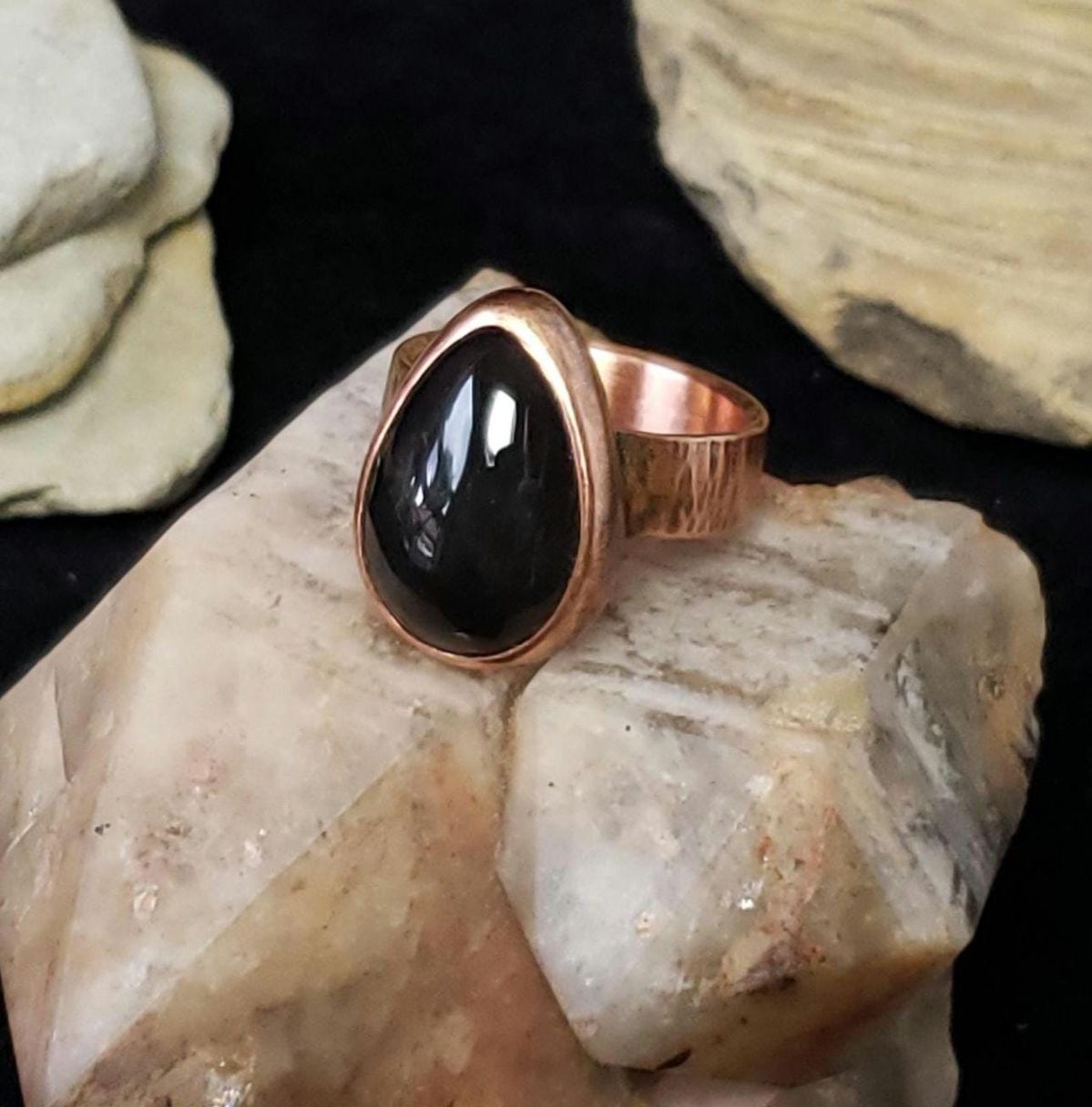
Ring
A ring keeps Apache Tears in view during decisions and quiet moments of self-talk. It suits intentional use when a short pause before speaking or choosing would help. Touching the stone can become a private cue to stay grounded, especially when emotion rises quickly or old tension tries to take the lead.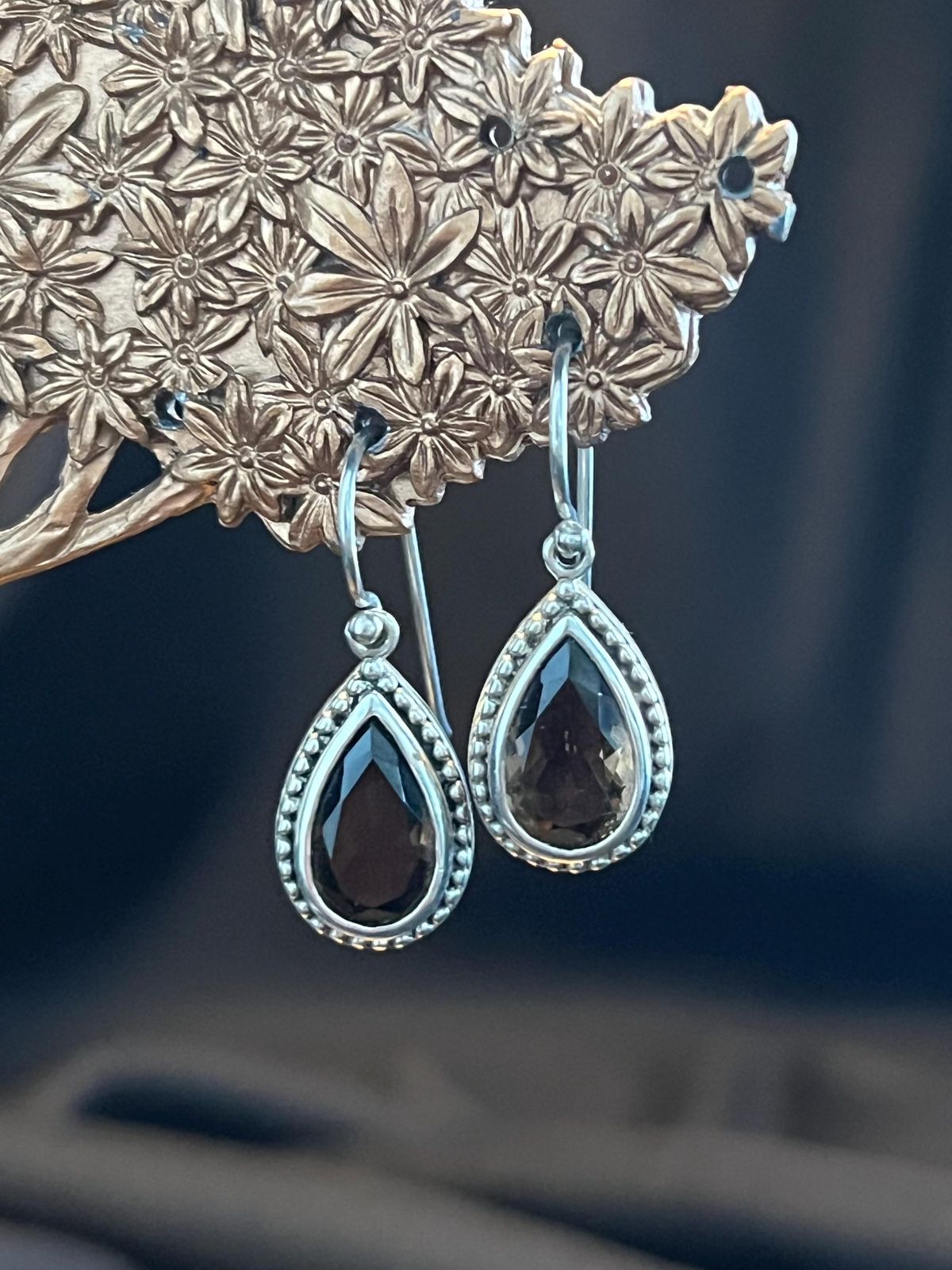
Earrings
Earrings place Apache Tears close to the head and ears, where it can support listening before speaking. They are useful in conversations that need patience, clear attention, and less emotional spill. This placement can help the wearer stay with the thread of a discussion without being pulled into defensiveness. It brings a quieter edge to communication when words need to be chosen carefully.Forms
Different Apache Tears forms shift how the stone is held and how its energy is met. Some feel better for carrying through the day, while others invite slower reflection, deeper release, or a more focused ritual use.
Rough
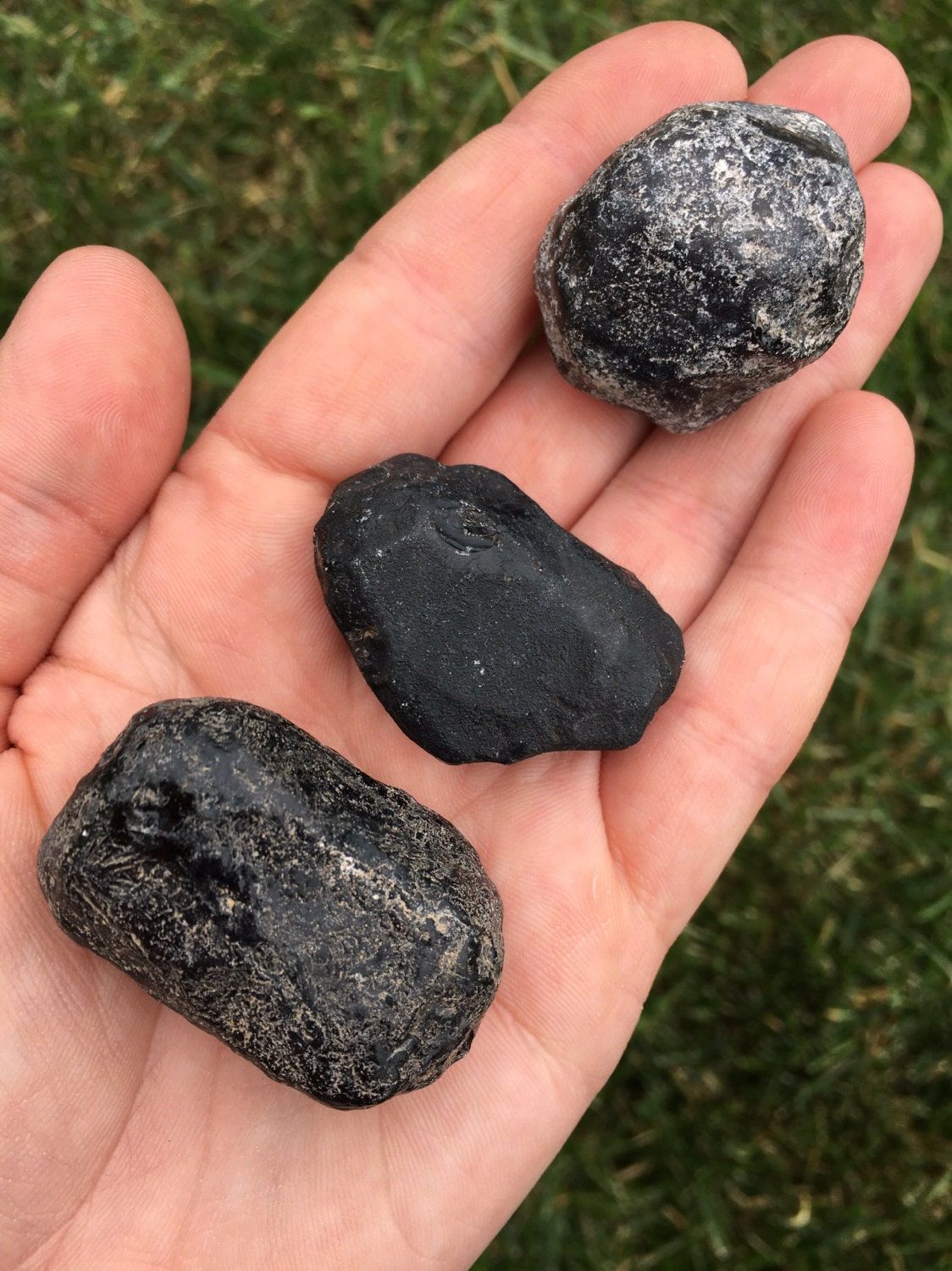
Rough Apache Tears feels direct and unpolished in the hand. It supports honest release and a no-nonsense return to centre.
Tumble Stone
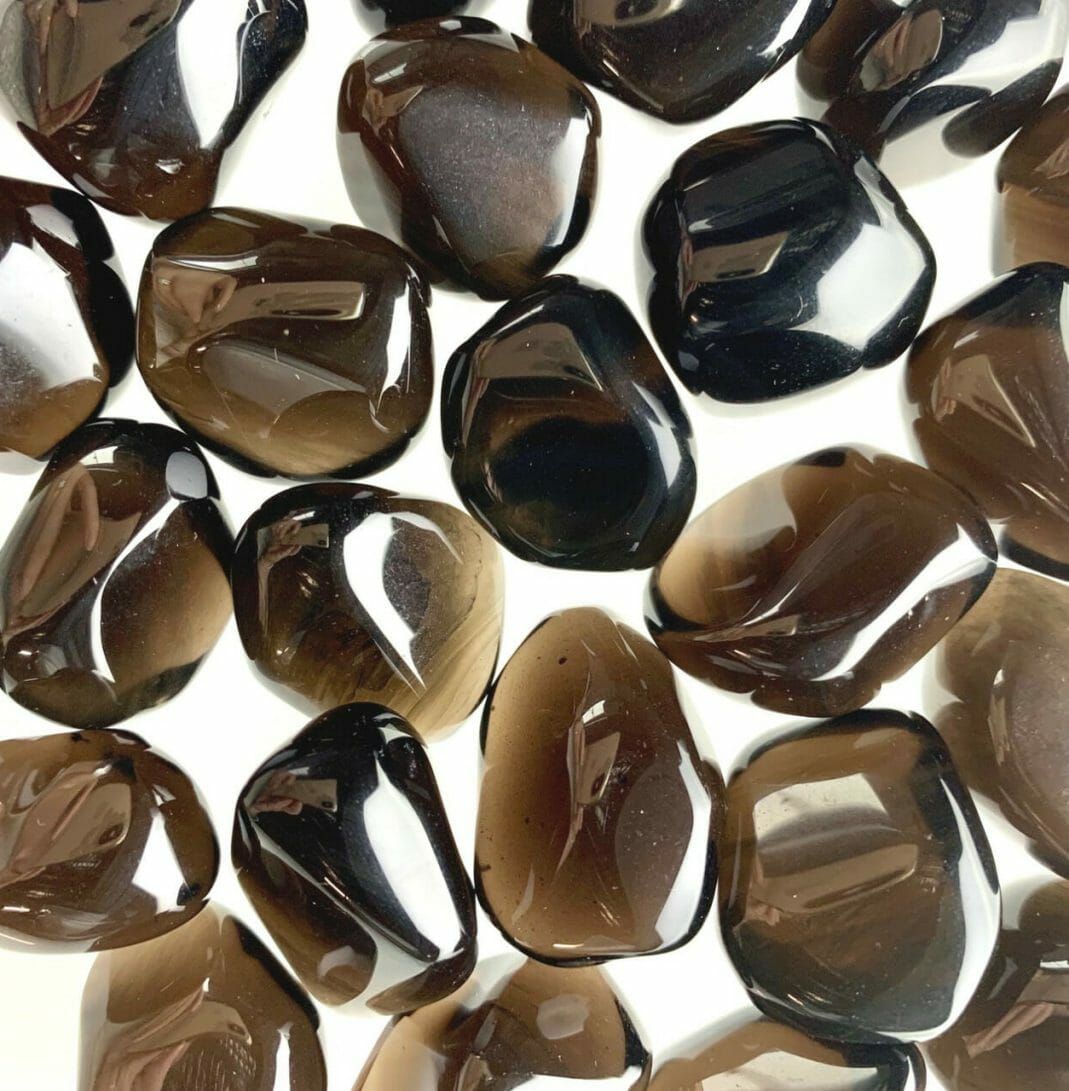
A tumble stone is easy to carry and easy to reach for in a tense moment. It works well as a pocket reminder to stay steady and breathe before reacting.
Palm Stone
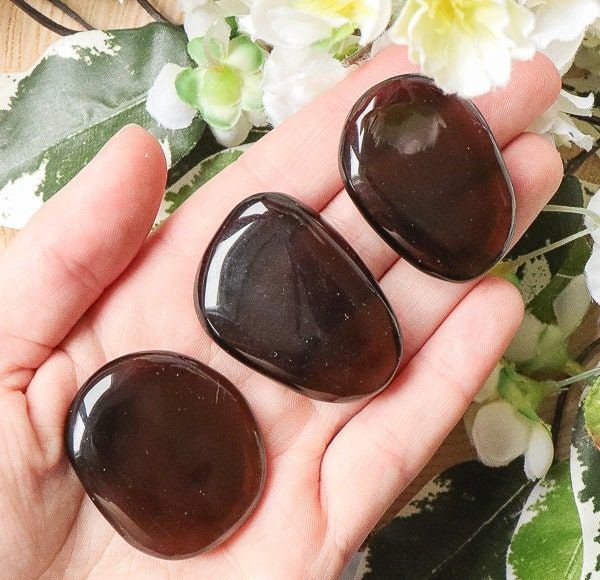
A palm stone invites slower contact and longer holding. It can help when the body needs to settle before the mind can speak clearly.
Sphere
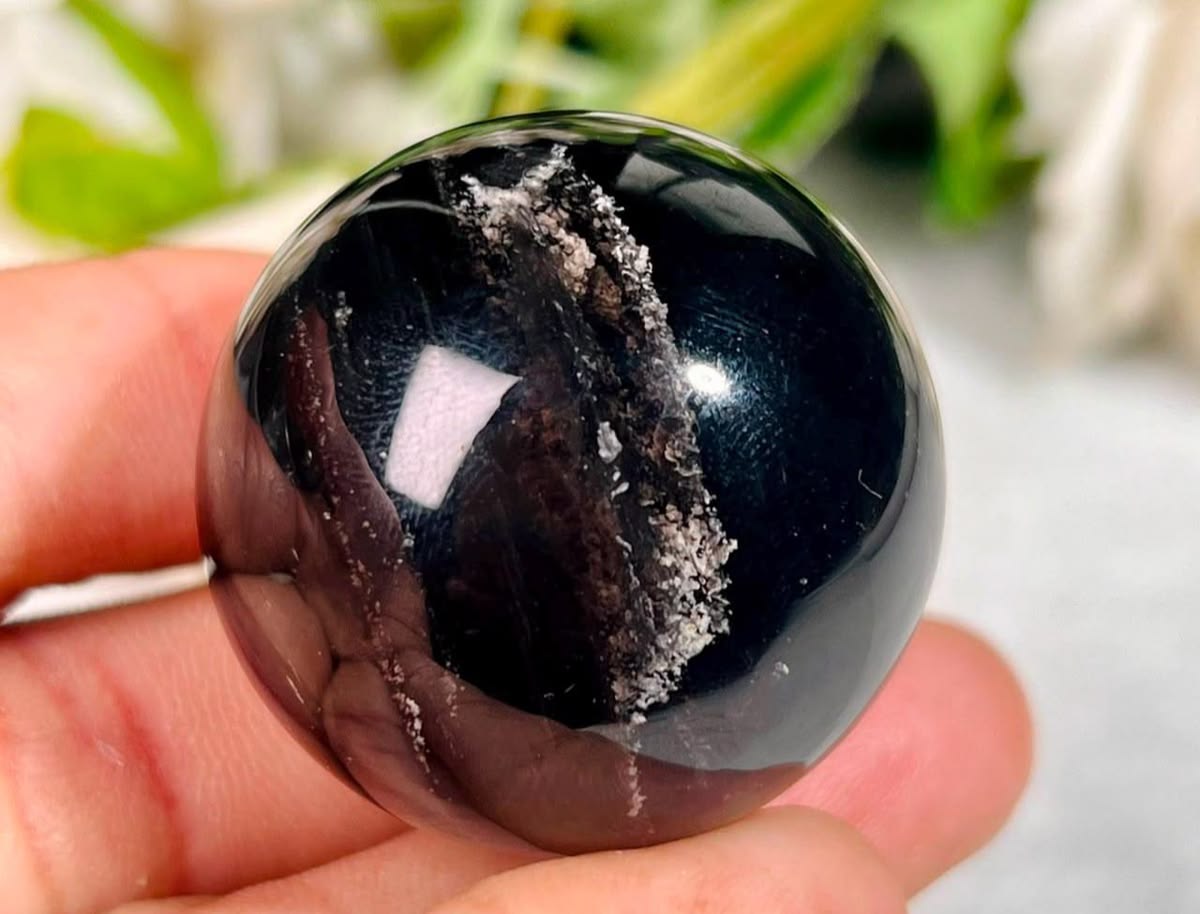
A sphere softens Apache Tears into an even, steady presence. The round form feels contained and calm, suited to quiet reflection and a more balanced release of heavy emotion.
Cleansing & Charging
Cleansing Apache Tears can help after heavy conversations, emotional release work, or long periods of carrying other people's tension. Because it is volcanic glass, it is best treated gently and kept away from harsh handling, strong heat, or long exposure to bright sun.
How to cleanse Apache Tears
- Pass Apache Tears through cleansing smoke from sage, incense, or herbs for a brief reset, then let it rest in still air.
- Set it beside a singing bowl, chime, or other clear sound for a gentle clearing without needing water.
- Place it on a bed of selenite or clear quartz overnight to settle the energy after a demanding day.
How to charge Apache Tears
- Leave Apache Tears in soft moonlight, especially on a full moon, to refresh its quiet, reflective feel.
- Give it a short time in early morning light if the stone is not left in direct heat, then bring it back indoors before the sun strengthens.
- Rest it near clear quartz or selenite with a clear intention, and let the stone sit in silence until it feels ready again.
Where to Use
Place Apache Tears where its grounding and release-focused energy can meet ordinary routines, difficult moments, and private reflection without needing ceremony every time.
Entrance hallway
At the entrance hallway, Apache Tears helps mark the shift between the outer world and the home field. It can be held near the door as a quiet boundary stone, especially after crowded places or emotionally full visits. This placement supports a calmer return to self before the rest of the day is carried inside.
Personal workspace
On a personal workspace, Apache Tears supports clear thinking when pressure starts to gather in the body. It can sit near notes, a keyboard, or a writing space as a reminder to pause, breathe, and choose the next step with care. This is a strong place for work that needs emotional discipline, focus, and less reactivity.
Bedroom
In the bedroom, Apache Tears can help the mind let go of the day's residue before sleep. It is useful on a bedside table when thoughts keep circling or when grief needs a quiet place to soften. Pair it with a simple night routine so the room begins to feel like a place of release rather than holding.
Meditation space
In a meditation space, Apache Tears supports stillness that does not force feelings away. It can be held during breathwork, reflection, or silence when the aim is to stay present with what is moving through. This placement works well for release rituals, grounding practice, and calm inner clearing.
Science
Physical properties
- Mineral class
- Natural Volcanic Glass Mineraloid
- Color
- Charcoal black to dark brown, commonly smoky brown or grey when strongly backlit
- Hardness
- Approximately 5 - 5.5
- Density
- Approximately 2.3 - 2.6 g/cm3
- Durability
- Fair
- Thermal stability
- Low to moderate
Optical properties
- Transparency
- Translucent in thin sections or under strong backlighting, otherwise appearing opaque
- Lustre
- Vitreous on fresh or polished surfaces; dull on weathered exteriors
- Refraction index
- Approximately 1.48 - 1.51, varying with composition
Chemical composition
- Class
- Silica-rich volcanic glass
- Formula
- Variable; predominantly SiO2 with aluminium, sodium, potassium, iron, calcium, magnesium, and other minor components
- Group
- Obsidian
- Magnetic
- Usually non-magnetic to weakly magnetic depending on iron content
Formation
Apache Tears are a natural volcanic glass mineraloid, not a distinct mineral species. They form where silica-rich rhyolitic lava, lava domes, and ash-flow deposits cool so quickly that the material solidifies as obsidian rather than fully crystallised rock. In the southwestern United States and northern Mexico, these nodules are commonly found within or beside grey Perlite, which develops when water later enters and hydrates parts of the volcanic glass.
The rounded Apache Tears are generally understood as relatively fresh or incompletely hydrated obsidian cores left behind as the surrounding glass altered into Perlite. Their curved, pebble-like shapes and occasional onion-skin fractures reflect differences in cooling, water content, and alkali content. In ordinary light they read as opaque charcoal black, yet many become smoky brown or grey when held to strong backlighting, a translucent quality that helps distinguish them from many fully opaque black stones. Like other obsidian, they can break with sharp conchoidal fractures, so chipped pieces need careful handling.
Locations
- Picketpost Mountain area, Superior, Arizona, United States
- Black Butte, Maricopa County, Arizona, United States
- New Mexico, United States
- Nevada, United States
- Northern Mexico
History
Silicic volcanic glass formed
Ancient geological history
Rhyolitic lava, lava domes, and ash-flow deposits in the south-western United States cooled quickly enough to form volcanic glass rather than fully crystallised volcanic rock. That rapid cooling created the silica-rich material that later became associated with Apache Tears. The stones belong to a volcanic landscape shaped by heat, pressure, and sudden change.
Obsidian cores remained within Perlite
After volcanic emplacement
As water entered parts of the volcanic glass, those sections hydrated and altered into Perlite. Less-hydrated Obsidian remained behind as rounded, pebble-like cores, which are now known as Apache Tears. Their shape reflects both the original cooling process and the later movement of water through the rock.
Apache Tears legend became associated with the stones
19th century
A widely repeated story links the stones with tears shed by Apache women after the deaths of Apache warriors near what is now Superior, Arizona. The account has been passed through oral and popular tradition, though versions differ and the details are not settled historical fact. It is best held respectfully as cultural tradition rather than documentary record.
Popularised as an American lapidary material
20th century
Collectors and lapidaries valued the naturally rounded nodules for their smooth surfaces and the smoky translucence that appears when they are held against strong light. Polishing brought out this quiet depth, making the stones more widely recognised in jewellery and collecting. Their appeal grew from both their natural form and the distinctive way they respond to light.
Collected as Obsidian and used in crystal traditions
Present day
Apache Tears remain popular as natural nodules, tumble stones, beads, and jewellery. In modern crystal traditions, they are commonly connected with grounding, protection, emotional release, and resilience. Their continuing use reflects both their volcanic origin and the strong cultural story carried with them.
Got questions?
We've got answers!
FAQ's
What are Apache Tears used for?
+×
Apache Tears are traditionally used as a grounding and protective stone, especially when the day feels emotionally heavy or scattered. They are often chosen for quiet release work, steady reflection, and for helping a space feel more contained and calm.
They are commonly kept in a bedroom, meditation space, or personal workspace, where their presence can act as a gentle reminder to slow down, breathe, and stay centred.
Are Apache Tears a type of Obsidian?
+×
Yes - Apache Tears are a rounded form of Obsidian, which is a natural volcanic glass. They are not a separate mineral species, but a distinctive nodule form with a smooth, dark surface and smoky translucence in strong light.
Their appearance comes from the way the volcanic glass cooled and later interacted with water, leaving the less-hydrated cores behind as the familiar pebble-like stones.
Why are Apache Tears translucent in strong light?
+×
Apache Tears can look opaque in ordinary light, but become smoky brown or grey when held against a bright source because thin sections of the volcanic glass allow light to pass through. This is a natural optical effect of their silica-rich composition.
That translucent glow is one reason they are so valued in lapidary work and crystal collecting, especially when polished or viewed as a cabochon, tumble stone, or natural nodule.
Which zodiac signs are connected to Apache Tears?
+×
Apache Tears are commonly linked with Scorpio and Capricorn. Scorpio reflects their depth, privacy, and transformative quality, while Capricorn connects with their steady, disciplined, and resilient feel.
These associations are traditional rather than fixed, so they can still be used by anyone drawn to grounding, protection, and emotional release.
What chakra do Apache Tears work with?
+×
Apache Tears are most often associated with the Root chakra. Their grounding quality makes them a natural choice when the aim is to feel more stable, secure, and present in the body.
They are often used in simple practices such as holding the stone during meditation, placing it near the feet, or keeping it close during moments that call for calm boundaries and steady breath.