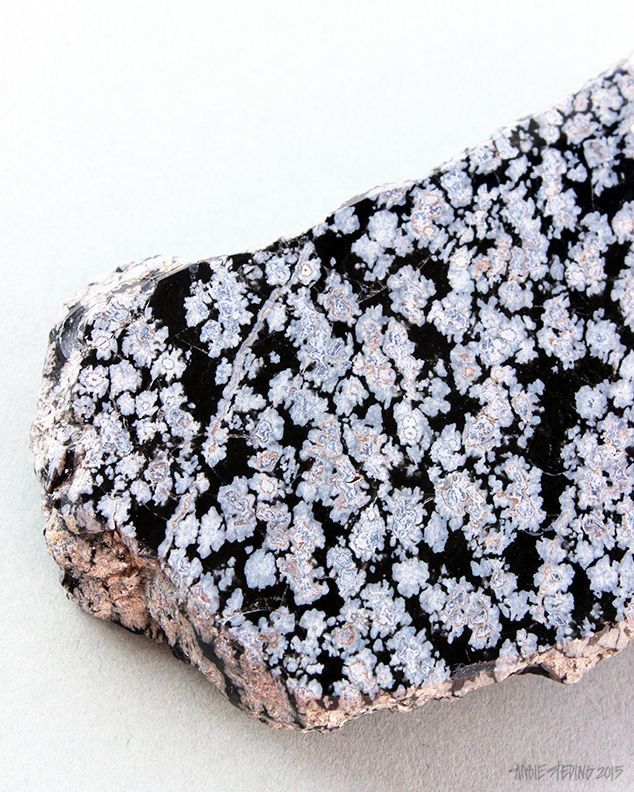
Snowflake Obsidian pairings
Snowflake Obsidian has a steady, inward-facing feel: protective, clarifying, and quietly balancing, with the black volcanic glass and pale crystal flecks giving it a sense of held contrast. Pairing matters because this stone does its best work when reflection stays anchored - too much intensity can make the energy feel jagged, while the right companion keeps it calm, usable, and easy to live with.
The simplest way to build a satisfying combination is to begin with one base quality - grounding, warmth, softness, or insight - then add one supporting stone that shapes the mood without crowding it. Keep the intention narrow, choose a clear job for the pairing, and let the second crystal either soften, brighten, or deepen what Snowflake Obsidian is already doing.
Crystals that combine well with Snowflake Obsidian
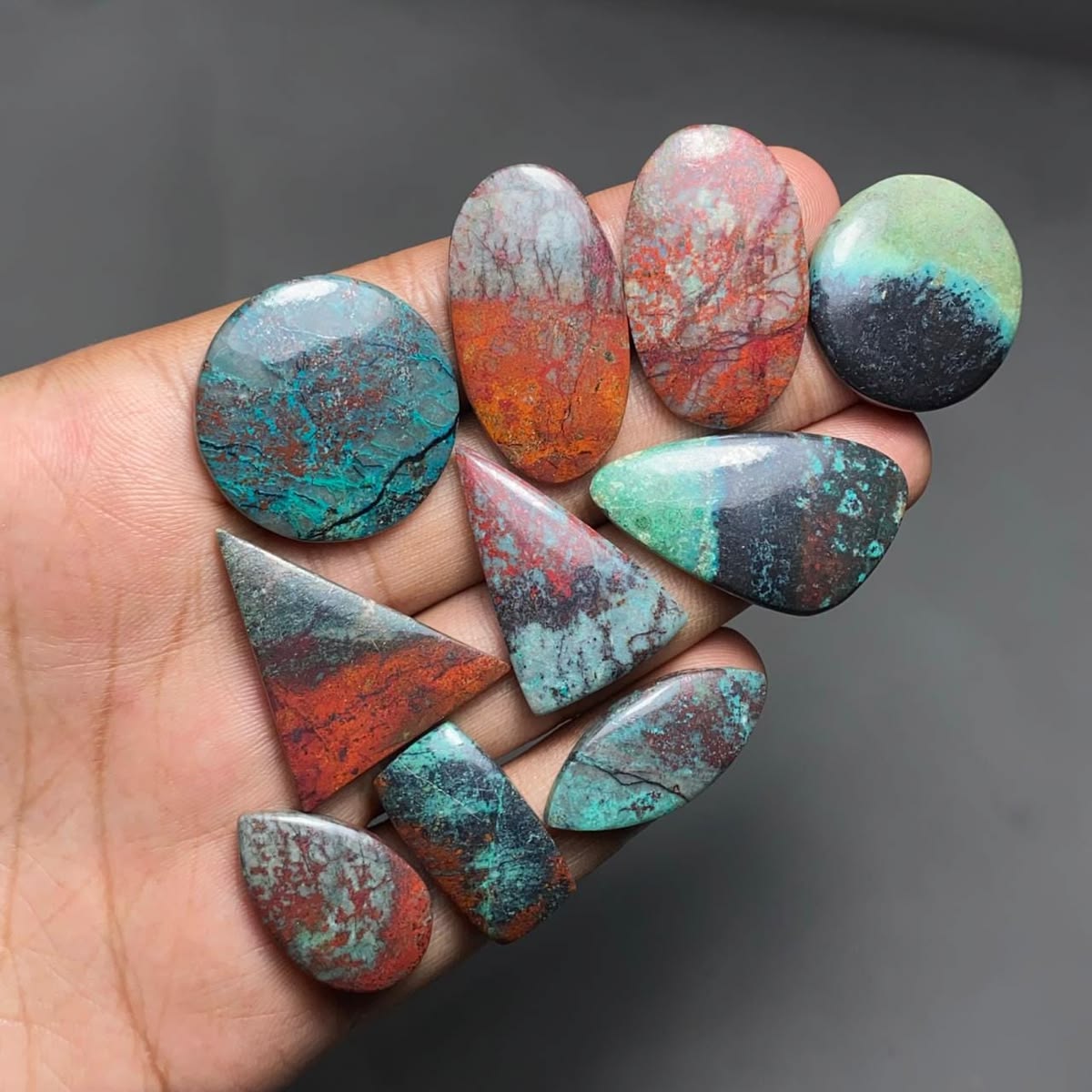
Sonora Sunrise adds a warmer, more vital current beside Snowflake Obsidian, helping reflective work move into grounded action. Together they support honest emotional processing without losing the sense of containment that keeps the energy clear and usable.
Place them on a desk corner during journalling so the warmer stone keeps the page moving while Snowflake Obsidian holds the tone steady.
Hold both for three slow breaths before a difficult conversation, then set them by the front door as a cue to stay composed and direct.

Orca Agate brings a deep, oceanic calm that settles well with Snowflake Obsidian's inward focus. The pairing supports patience, measured responses, and a steadier way of meeting difficult feelings without rushing to fix or explain them.
Keep them beside the bed and touch them once before sleep to mark the end of the day and settle the mind into slower rhythms.
Place them under a notebook or planner while mapping out a week, so the energy stays measured rather than reactive.
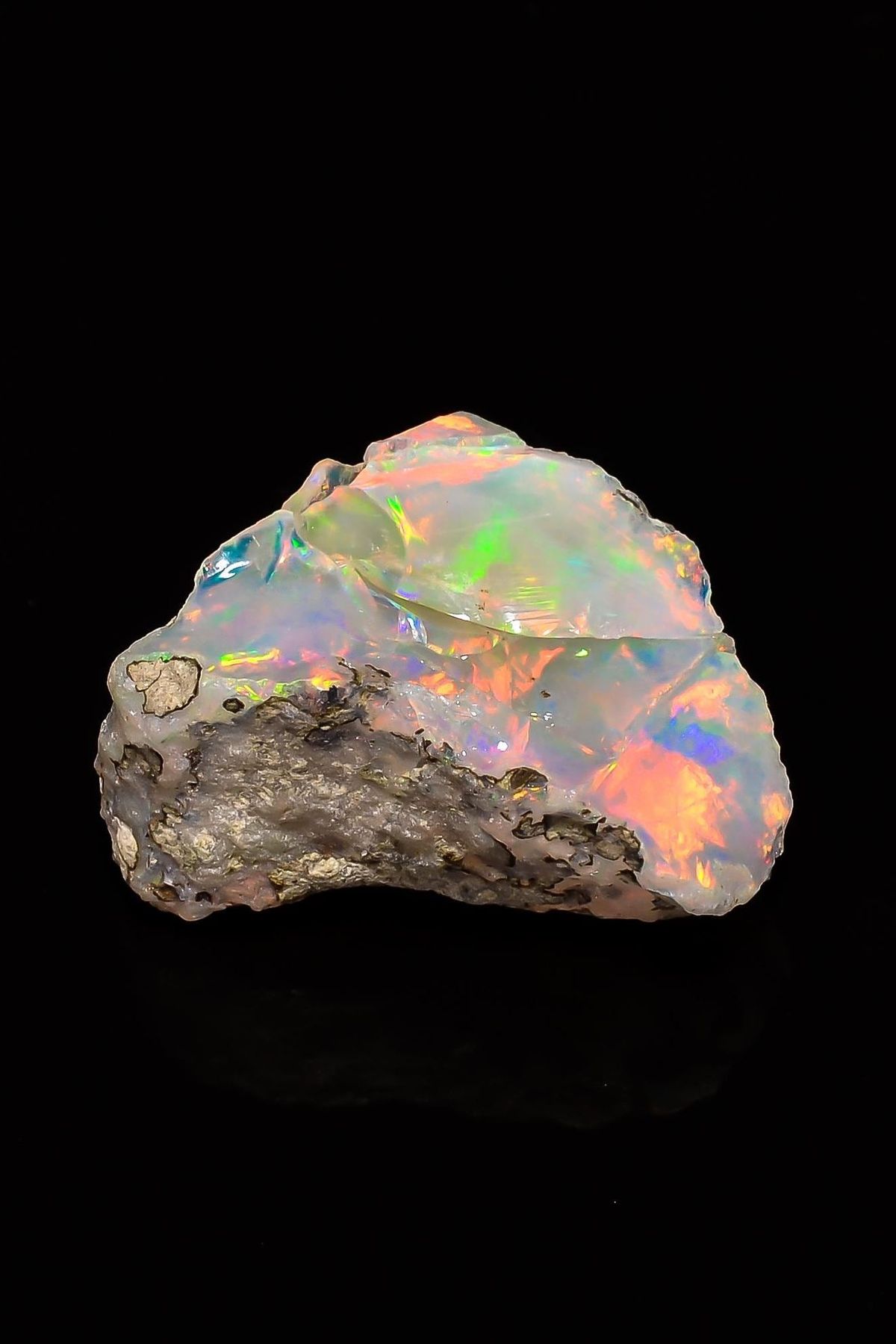
Ethiopian Welo Opal opens the intuitive and emotional field, while Snowflake Obsidian keeps that openness from becoming scattered. This pairing works well when insight needs to stay grounded enough to be trusted and acted on.
Use them in meditation by placing one in each hand, then write down the first clear impression that remains after the session.
Set them near a lamp or candle on an evening altar so the softer, shifting light of the Opal stays anchored by Snowflake Obsidian.
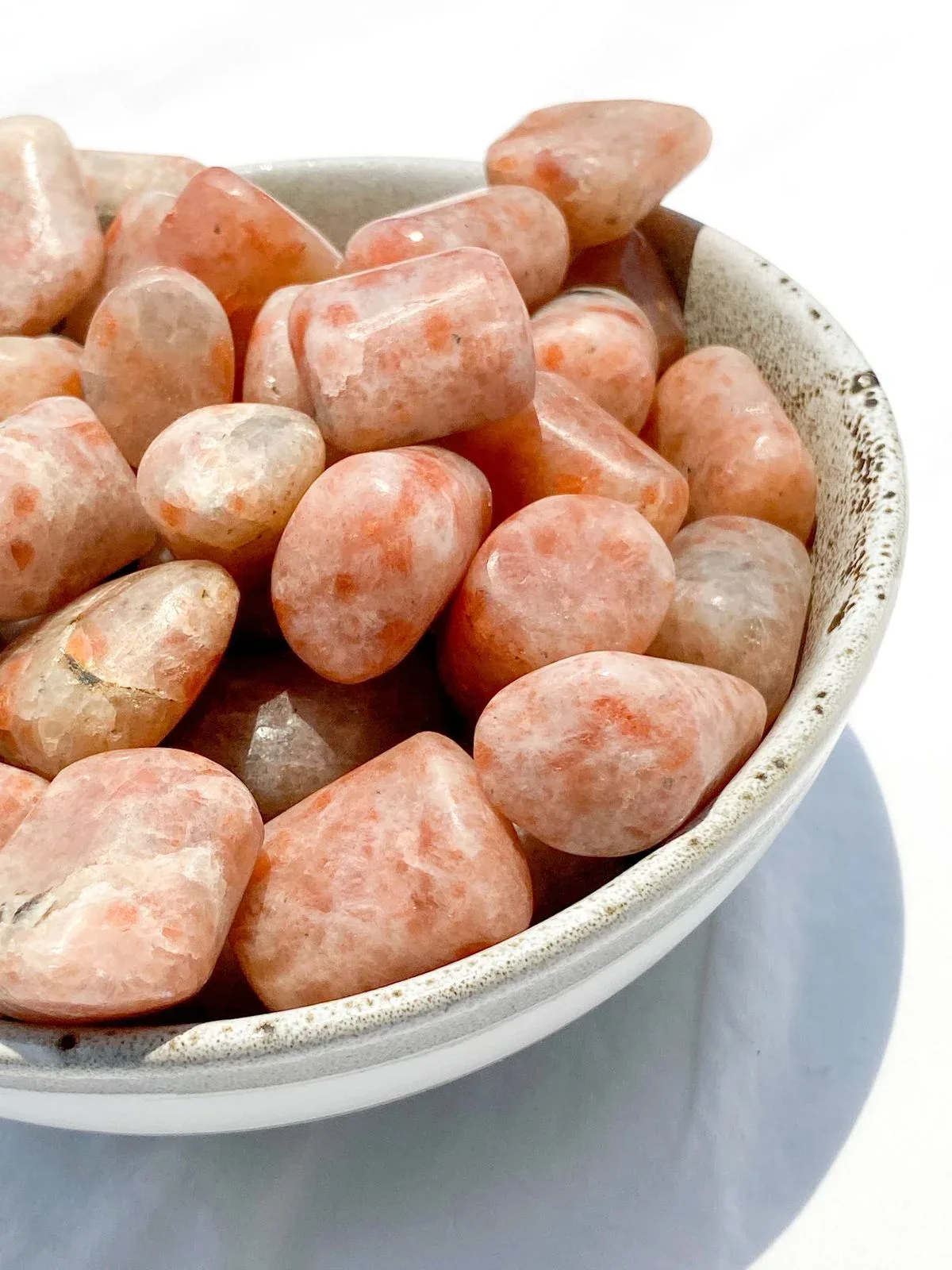
Sunstone lifts the mood and restores confidence beside Snowflake Obsidian's more sober presence. Together they create a useful balance for self-reflection that does not tip into heaviness, helping clarity arrive with a little more courage and warmth.
Keep them on a work desk where Sunstone can brighten the atmosphere and Snowflake Obsidian can steady your focus through the day.
Hold them before leaving the house and take one deliberate breath for confidence, then one for composure, to set a balanced tone.
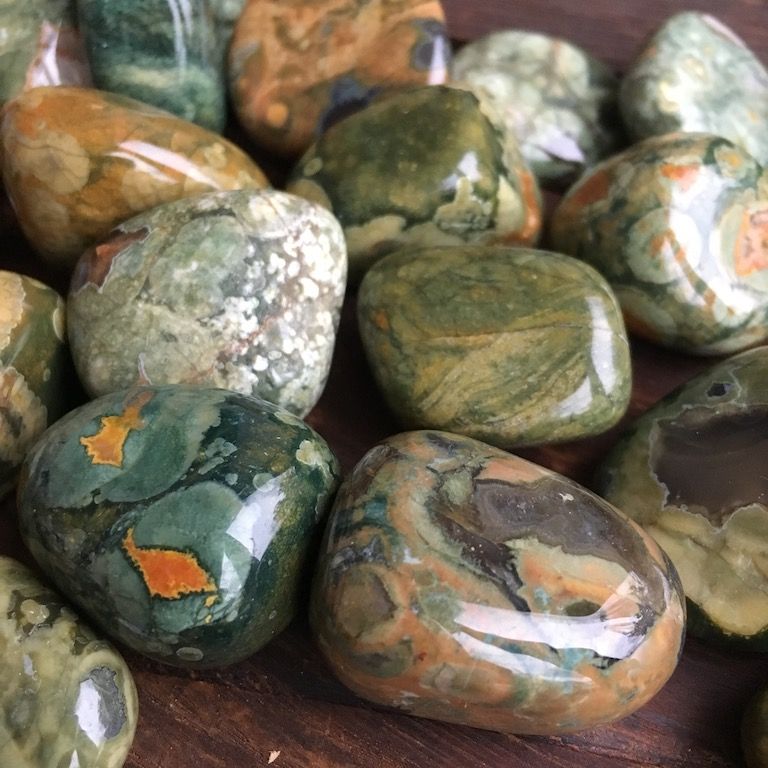
Rhyolite brings a patient, earth-led quality that supports Snowflake Obsidian in long-term inner work. The combination encourages steady change, practical self-awareness, and the kind of growth that unfolds without pressure.
Place them beside a plant or natural object on a shelf to reinforce slow, grounded progress rather than quick emotional fixes.
Use them during weekly review by writing one habit to keep and one to release, then leave the stones with the page overnight.
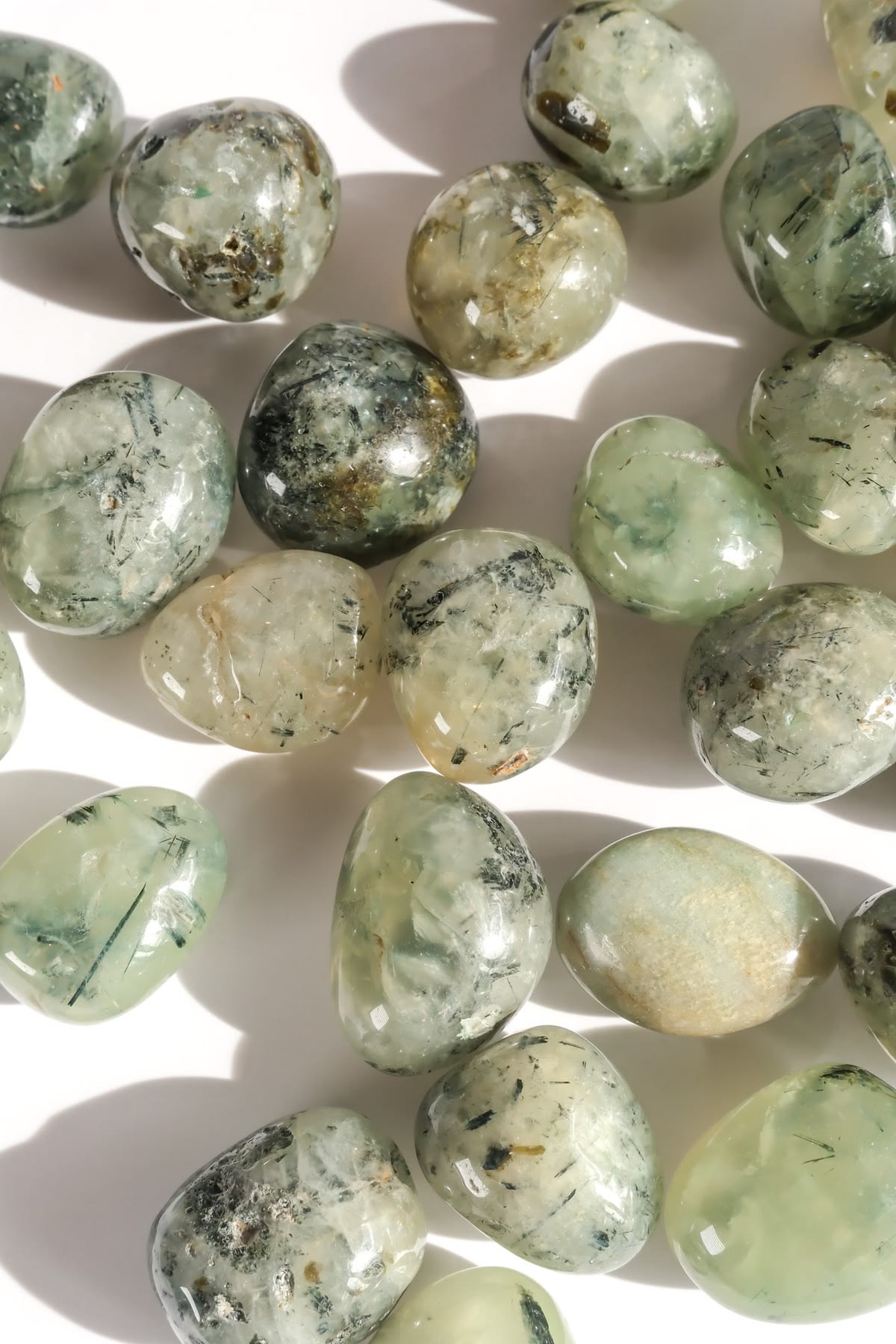
Prehnite softens Snowflake Obsidian's more reserved edge and opens space for gentler self-honesty. Used together, they support calm discernment, quiet trust, and a more compassionate way of noticing what needs attention.
Keep them near a reading chair or bedside table for a softer evening atmosphere that encourages reflection without strain.
Place them on top of a list or letter while you decide what needs attention first, so the energy stays kind and clear.
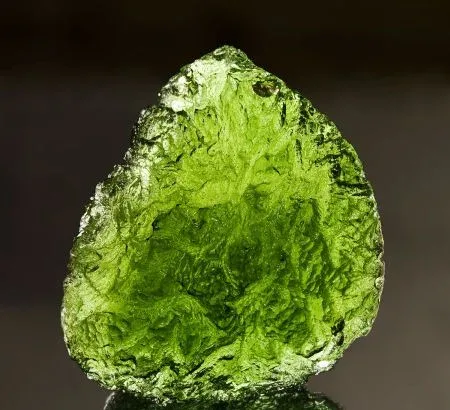
Moldavite can push Snowflake Obsidian's reflective work into a much faster, more volatile register. The pairing may feel too abrupt or uncontained when what you need is steadiness and clear boundaries.
If you are comparing them, keep them in separate bowls and notice which one makes your shoulders tighten rather than settle.
Do not place them together on a bedside table; instead, test each stone on different evenings and journal the difference in pace and mood.
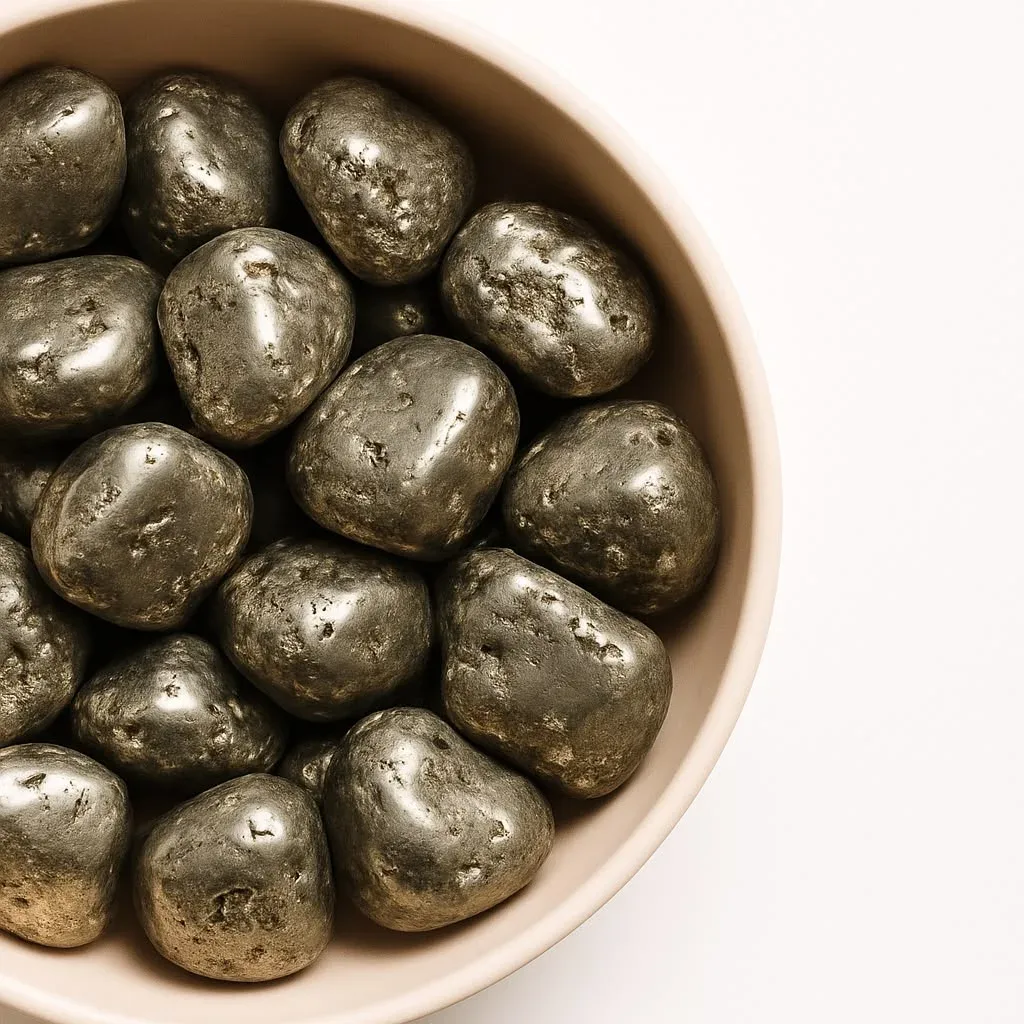
Pyrite can make the energy feel harder and more forceful, which can crowd out Snowflake Obsidian's calm, reflective quality. The result may feel overly driven rather than balanced, especially when you are trying to stay thoughtful and contained.
If you are experimenting, keep Pyrite away from the same tray and compare them from a distance rather than stacking them together.
Avoid using them side by side on a work desk when you need quiet concentration, as the combination can feel too sharp and insistent.
Jewelry pairings that work well together
Snowflake Obsidian suits companions that either sharpen its black-and-white patterning or soften it with a little glow. Matte volcanic glass, banded chalcedony, and bright metallic or opalescent finishes all give it a clean, grounded contrast.
Snowflake Obsidian & Sonora Sunrise
The deep black of Snowflake Obsidian sets off Sonora Sunrise beautifully, especially where the coppery red and green tones feel vivid against the stone's pale flecks. A polished finish on both keeps the pairing looking rich rather than rustic. A structured cuff works well here, with one oval of each stone placed side by side at the center. The contrast reads clearly on the wrist and gives the warmer stone enough space to stand out without overpowering the obsidian.
Snowflake Obsidian & Orca Agate
These two share a restrained monochrome palette, but Orca Agate brings softer gray banding and a more fluid pattern next to the sharper snowflake markings. A high polish helps the surface details stay crisp while keeping the overall look calm. Try a pair of signet rings, one in each stone, worn on adjacent fingers. The matching scale and tonal harmony make the set feel deliberate, while the different patterns stop it from looking too uniform.
Snowflake Obsidian & Ethiopian Welo Opal
The opaque depth of Snowflake Obsidian gives a strong frame for Welo Opal's translucent play of color. That contrast between matte-dark body and luminous flash is especially effective when both stones are cut with a smooth, rounded finish. An ear climber or short ear cuff suits this pairing well, with the opal placed above the obsidian to catch the light. It creates a neat vertical line that feels elegant without losing the grounded character of the obsidian.
Snowflake Obsidian & Pyrite
Pyrite's metallic gold sheen brings a bright, angular contrast to the black-and-white surface of Snowflake Obsidian. The combination works best when the pyrite is polished enough to glint, while the obsidian remains glossy and dark. A single bangle with alternating stone stations gives this pairing a crisp, graphic rhythm. The gold flashes break up the black sections neatly, making it an easy choice for a bold everyday wrist piece.
What not to pair with Snowflake Obsidian
Snowflake Obsidian works best when its protective, grounding nature stays clear and unhurried. Pairings that are too fiery, overly expansive, or mentally bright can pull it away from calm self-reflection and make the energy feel less settled and harder to read.
Bumblebee Jasper
Its bright, stimulating current can be too lively beside Snowflake Obsidian's quiet grounding. The pairing may feel busy and internally noisy, which can blur the stone's calm protective focus.
Carnelian
Carnelian brings a warm, driving momentum that can push Snowflake Obsidian out of its reflective rhythm. The result may feel more impulsive than balanced, with less space for steady self-observation.
Fire Agate
Fire Agate can add a guarded, heated intensity that sits awkwardly with Snowflake Obsidian's cool clarity. Together they may create a tense, over-alert field rather than a settled one.
Garnet
Garnet's deep, forceful energy can make Snowflake Obsidian feel heavier and more insistent than intended. That can shift the pairing towards pressure and emotional density instead of calm protection.
Ruby
Ruby tends to amplify urgency, passion, and strong will, which can overpower Snowflake Obsidian's measured pace. The combination may feel too intense for quiet grounding and inward balance.
Citrine
Citrine's bright, outward-moving tone can scatter Snowflake Obsidian's inward focus. Rather than supporting reflection, it may make the energy feel too open, light, and difficult to settle.
Clear Quartz
Clear Quartz can magnify Snowflake Obsidian's field so much that its subtle balancing quality becomes harder to contain. The pairing may feel over-bright and less rooted, with the protective tone diluted by excess clarity.
Labradorite
Labradorite brings a shifting, vision-led quality that can muddy Snowflake Obsidian's simple grounding role. The two together may feel more elusive and mentally active than calm and anchored.
Got questions?
We've got answers!
FAQ's
What crystal pairs best with Snowflake Obsidian for grounding?
+×
Rhyolite and Orca Agate are both strong choices if you want a steadier, more settled feel. They support Snowflake Obsidian without making the energy feel heavy or overcomplicated.
Can I pair Snowflake Obsidian with a brighter stone?
+×
Yes - Sunstone is a good example because it adds warmth and confidence while Snowflake Obsidian keeps the combination balanced. The key is to keep the intention simple so the brighter stone does not dominate.
Which pairings suit Snowflake Obsidian for journalling?
+×
Sonora Sunrise, Prehnite, and Ethiopian Welo Opal all work well for reflective writing. They help the energy stay honest, soft enough to explore, and grounded enough to turn insight into something practical.
What should I avoid when combining Snowflake Obsidian?
+×
Avoid pairings that feel overly intense or forceful if your aim is calm reflection. If a combination makes the energy feel rushed, sharp, or hard to settle, it is usually not the best match.
How many stones should I use with Snowflake Obsidian?
+×
One companion stone is often enough. Start with a single clear purpose - such as warmth, softness, or patience - and add more only if the combination still feels balanced.