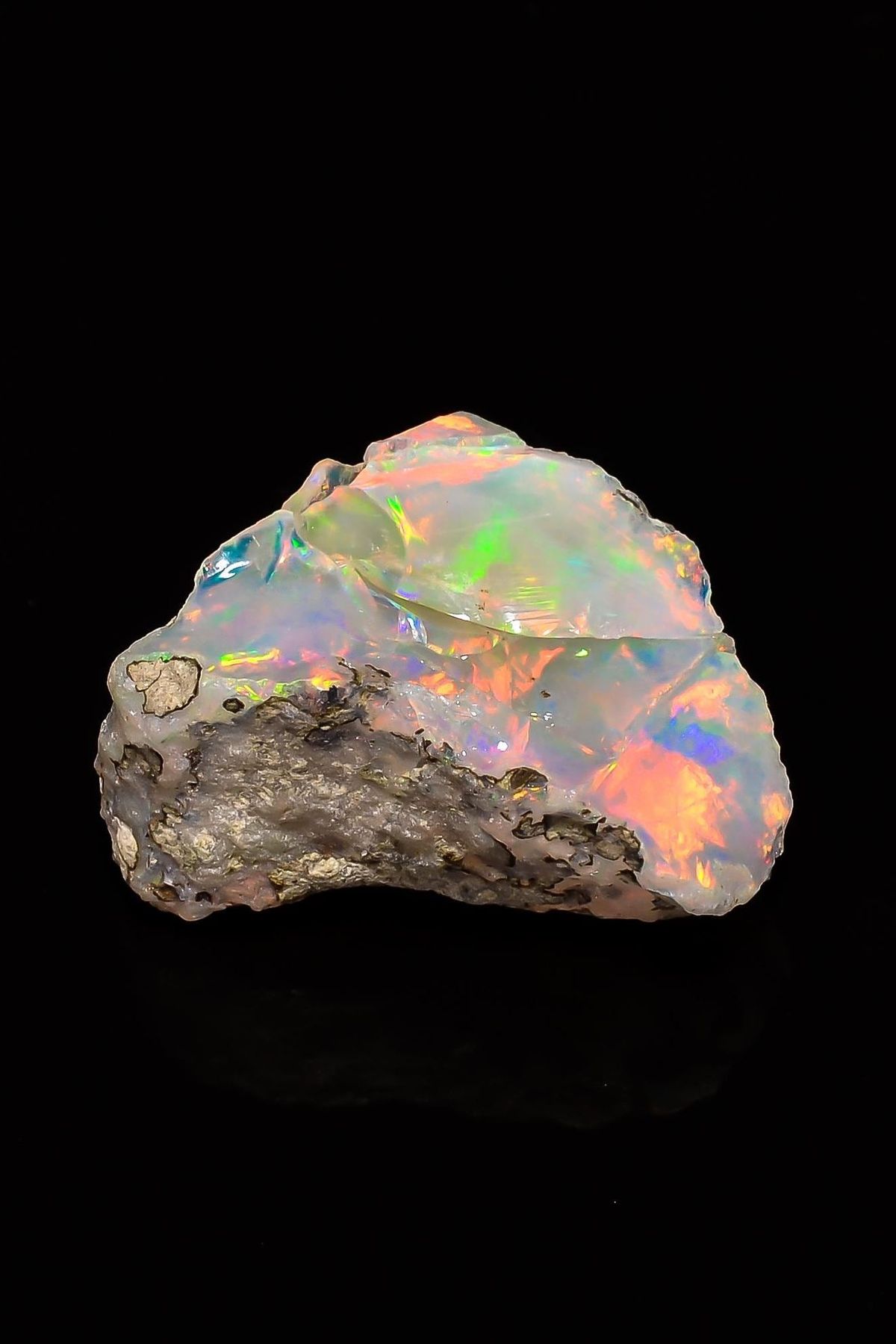
Ethiopian Welo Opal Crystal, Benefits and Meanings.
Ethiopian Welo Opal is a stone of intuitive movement, emotional sensitivity, and creative vision.
Metaphysical & Spiritual
Ethiopian Welo Opal works with subtle inner movement, bringing attention to what sits just beneath the surface of thought and feeling. It helps the inner field stay receptive without becoming scattered, so impressions can be noticed, sorted, and understood with more care. Its energy reads as reflective and imaginative, with a quiet pull towards insight that arrives in layers rather than all at once. In spiritual practice, it is often used when intuition needs space to speak and when creative ideas need a softer, more trusting atmosphere. The stone also carries an emotional honesty that helps feelings come into view without forcing them. That makes it useful for moments of self-inquiry, journalling, meditation, or any practice that asks for gentle attention rather than pressure. Because Ethiopian Welo Opal is responsive in both mineral form and spiritual feel, it brings a sense of changeability that can be worked with intentionally. It supports the kind of inner listening that notices shifts early, before they harden into confusion or overwhelm.

Planet

Venus
Ethiopian Welo Opal works with Venus through beauty, harmony, and the art of feeling at ease in one's own energy. It brings a tender, receptive quality that softens self-judgement and supports loving expression.
Element
Water
Ethiopian Welo Opal connects with Water through emotional flow, intuition, and the movement of feeling beneath the surface. It brings a fluid, cleansing tone to inner work, helping emotions circulate rather than stagnate.


Crystal Pairings
Ethiopian Welo Opal pairs well with stones that give its intuitive, fluid nature somewhere steady to land. These combinations bring more shape to insight, helping feelings, boundaries, and inner guidance move from impression into something clearer, calmer, and easier to act on.
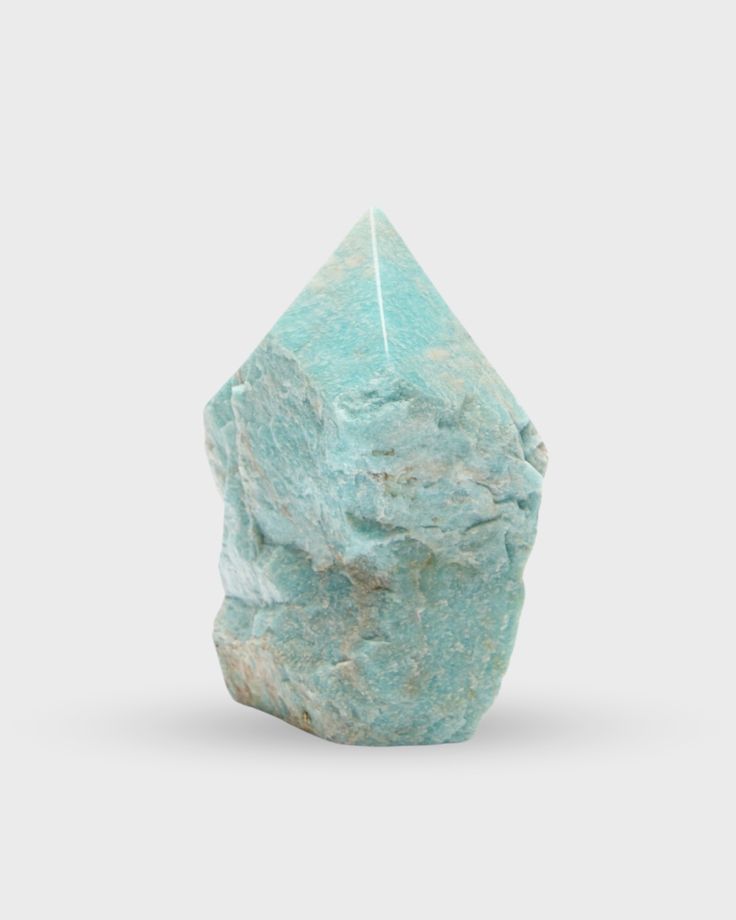
Amazonite
Amazonite brings a clean, honest current to Ethiopian Welo Opal, helping intuition speak with more ease and less strain. Together they support clear boundaries, gentle truth-telling, and a softer way of holding emotional tension without shutting it down.

Orca Agate
Orca Agate grounds Ethiopian Welo Opal's shifting inner movement into a slower, more rooted rhythm. This pairing is useful when emotional awareness needs structure, giving insight a steadier base so it can be trusted and followed through.
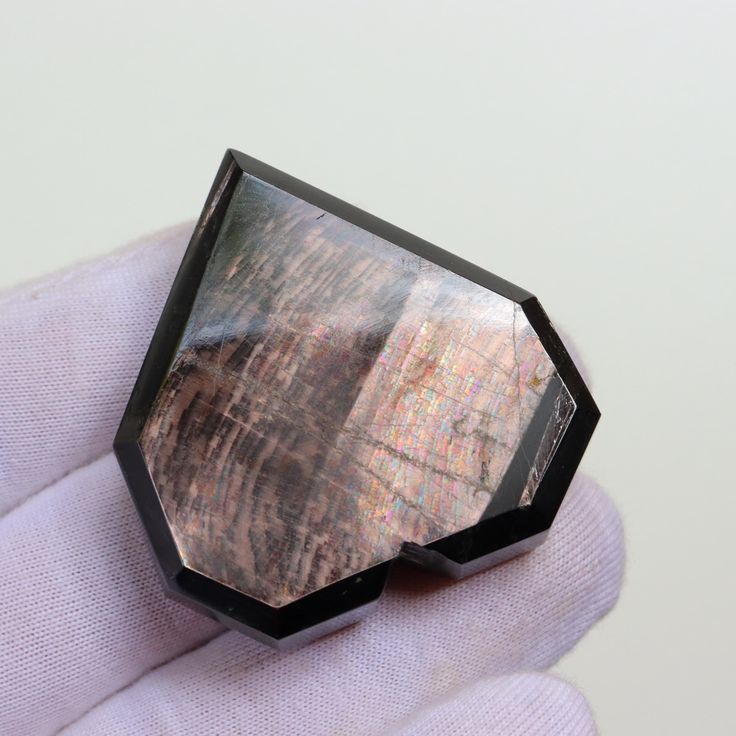
Hypersthene
Hypersthene deepens the inward, reflective side of Ethiopian Welo Opal and helps quiet mental noise around it. The combination supports inner listening, making space for subtle guidance to surface without being crowded out by overthinking.
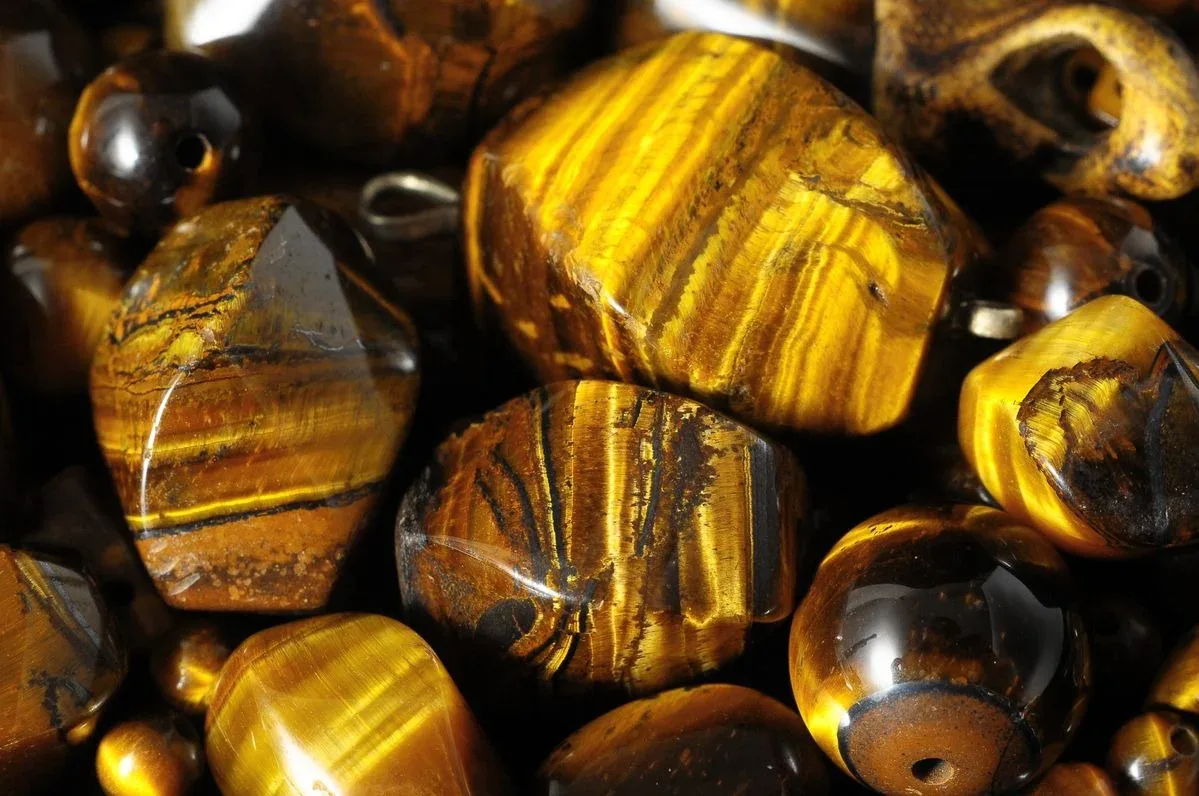
Blue Tiger's Eye
Blue Tiger's Eye adds focus and measured perspective beside Ethiopian Welo Opal, especially when intuition needs to be balanced with discernment. It helps keep the energy calm, direct, and less likely to scatter into second-guessing or emotional drift.
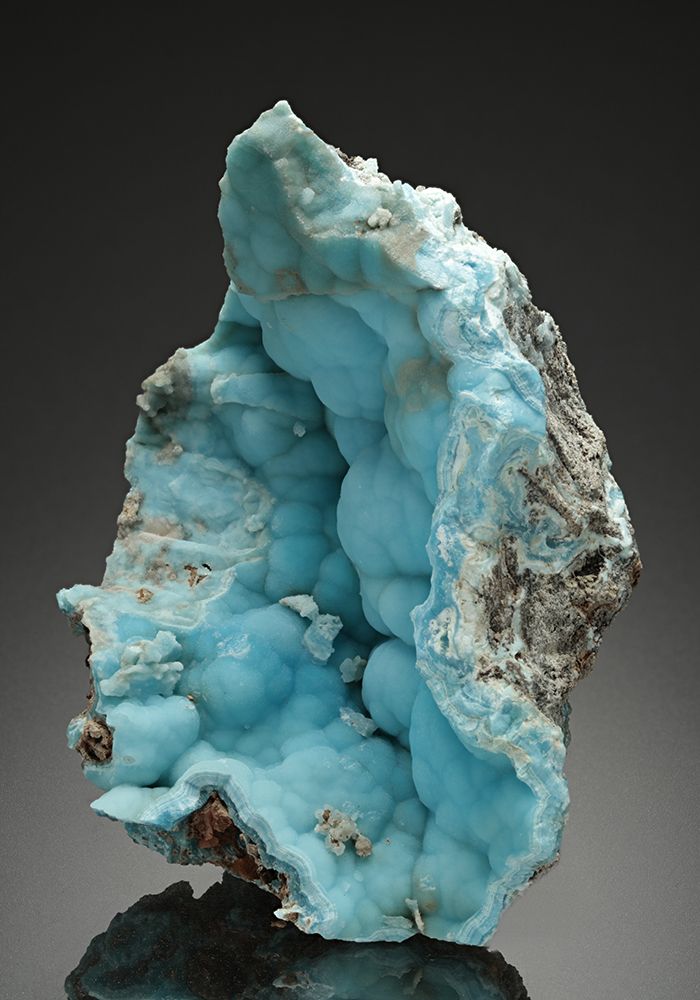
Hemimorphite
Hemimorphite softens the emotional field around Ethiopian Welo Opal and encourages a more open, compassionate response to what is felt. Together they support honest sensitivity, where tenderness does not become overwhelm and inner truth can be expressed with grace.
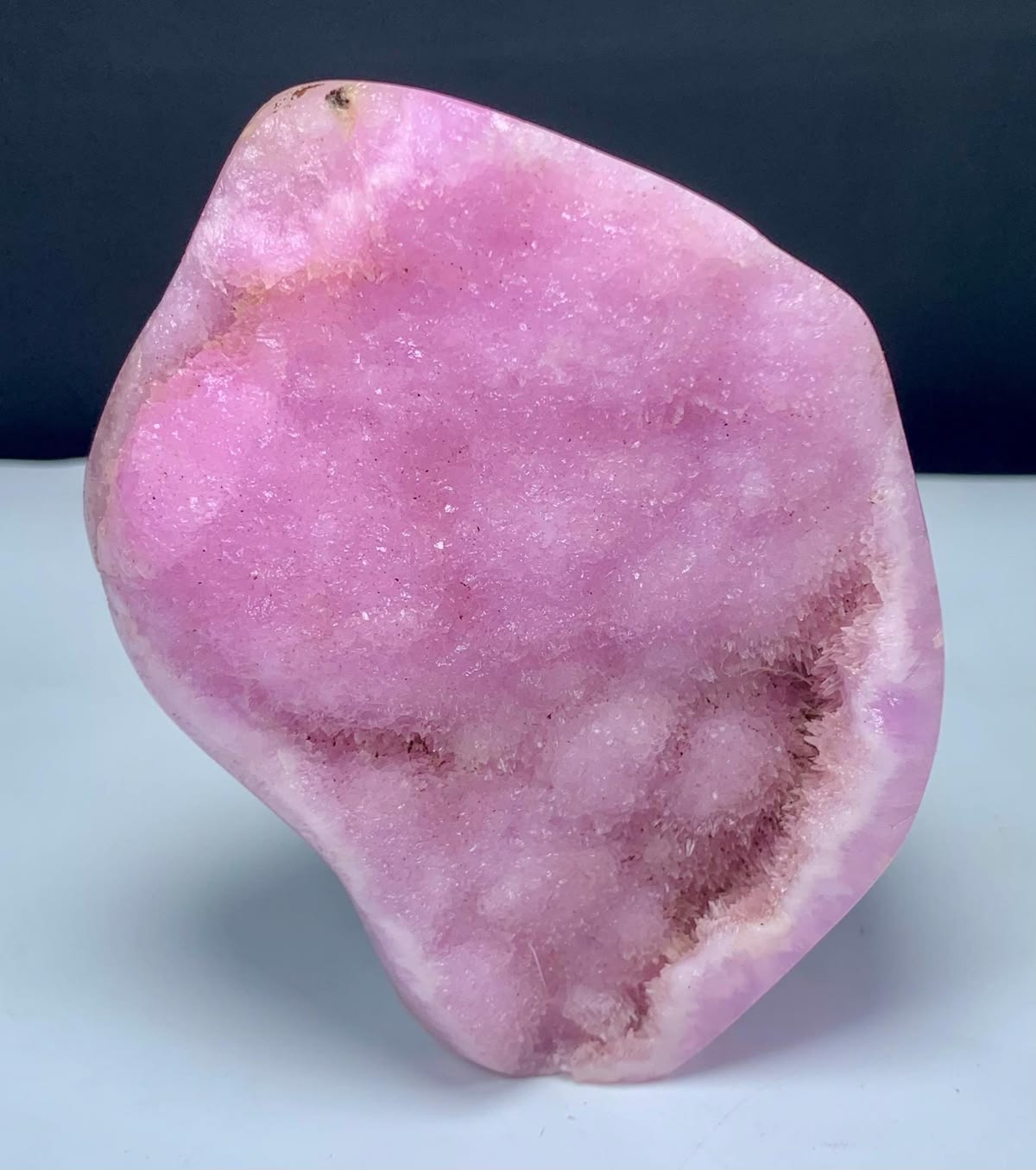
Pink Aragonite
Pink Aragonite brings warmth and emotional settling to Ethiopian Welo Opal, helping its insight move through the heart rather than staying abstract. This pairing is often chosen when self-acceptance, soothing reassurance, and kinder inner dialogue need to be strengthened.
Healing
Ethiopian Welo Opal connects with moments when feelings are shifting faster than words can keep up. It helps the inner field slow enough for intuition, emotion, and honest thought to sit in the same space without crowding each other.
It is often chosen when sensitivity feels high and the nervous system needs a gentler pace. The stone works with clear self-expression, especially when a truth needs to be spoken without force or when a boundary needs to be held with care.
Affirmations
Hold Ethiopian Welo Opal at the Heart or Third Eye area and choose the phrase that matches the day.
Say it slowly a few times, then let one small action follow so the intention has somewhere practical to land.
- I trust what I feel
- I speak with calm honesty
- I honor my inner knowing
- I move through change with grace
- I keep my boundaries clear
Intention Setting
Ethiopian Welo Opal can help set intentions that feel tender, clear, and emotionally awake.
It is useful when the next step needs intuition as well as steadiness, especially if the heart has been carrying mixed signals.
- I listen before I react
- I welcome clear inner guidance
- I move gently through change
- I protect my peace with care
- I let truth arrive in its own time
Manifesting
Ethiopian Welo Opal supports manifesting that begins with inner alignment rather than pressure. It keeps attention close to what feels sincere, creative, and emotionally clean.
It is a steady companion for goals that ask for imagination, spiritual insight, or a softer way of relating to others.
- I create from clear feeling
- I welcome insight at the right time
- I stay open to inspired change
- I act with calm confidence
- I follow what feels true
Jewelry
Placed near the mind, hands, or heart, Ethiopian Welo Opal jewelry carries a different kind of reminder in each position. Near the throat and chest, it can support honest speech that still feels gentle; on the hands, it keeps choices deliberate and grounded in intention.
General benefits: Wearing Ethiopian Welo Opal keeps its reflective, intuitive tone close through the day. It is a quiet reminder to pause before answering, to notice what is moving beneath the surface, and to let emotion become language without rushing it. On busy days, hard conversations, or moments of change, it helps the wearer stay present to what is true and respond with a softer kind of strength.
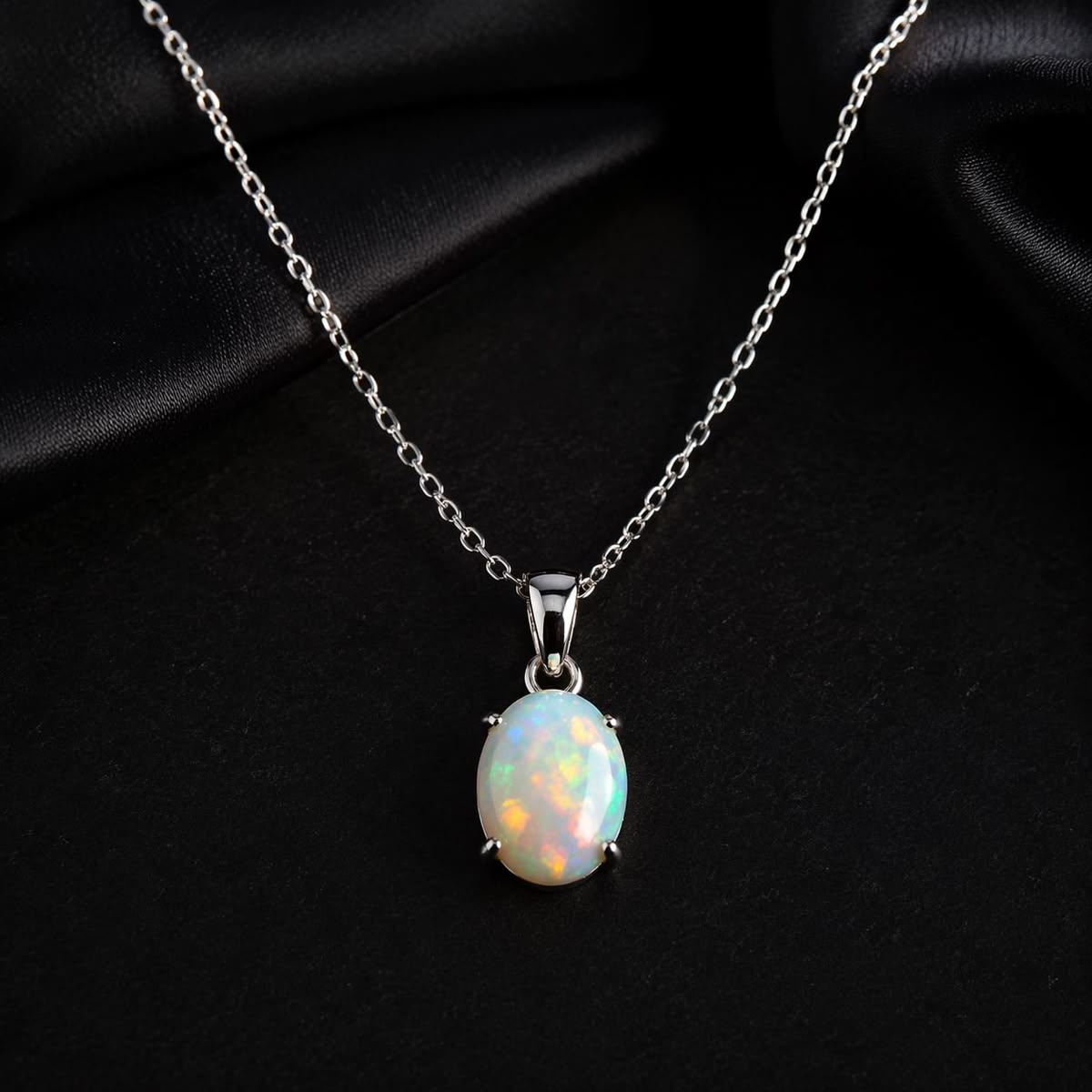
Necklace
An Ethiopian Welo Opal necklace sits close to the chest and keeps emotional awareness within easy reach. It is a steady companion for conversations that need warmth, patience, and a little more listening than usual. When the heart feels stirred, this placement helps the wearer return to center before speaking. It can also support a more truthful tone when feelings are delicate or change is in motion.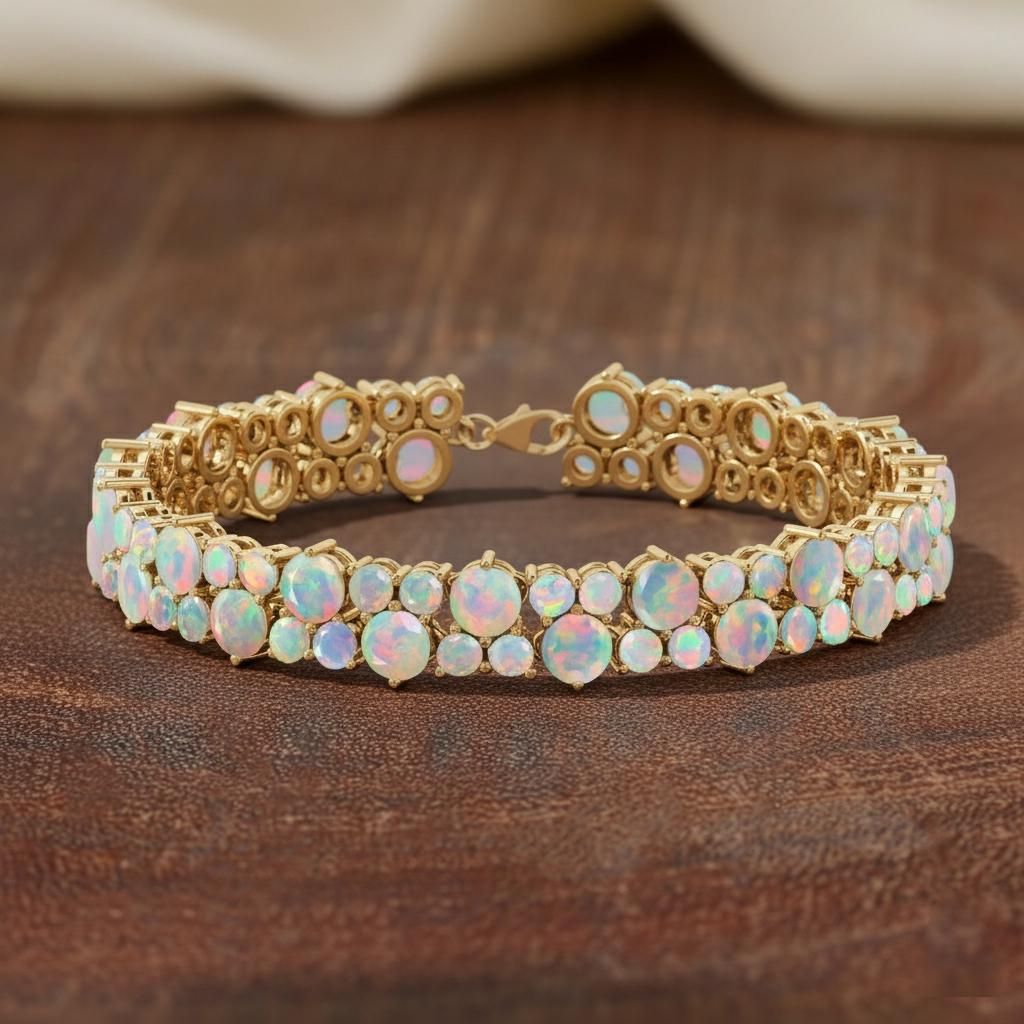
Bracelet
An Ethiopian Welo Opal bracelet brings the reminder into the hands, where choices are made and habits are repeated. It helps keep actions thoughtful when the day is full of interruptions or emotional static. Each glance at the wrist can become a small reset, especially before sending a message, making a promise, or stepping into a new situation. It keeps the energy of the stone close to practical movement.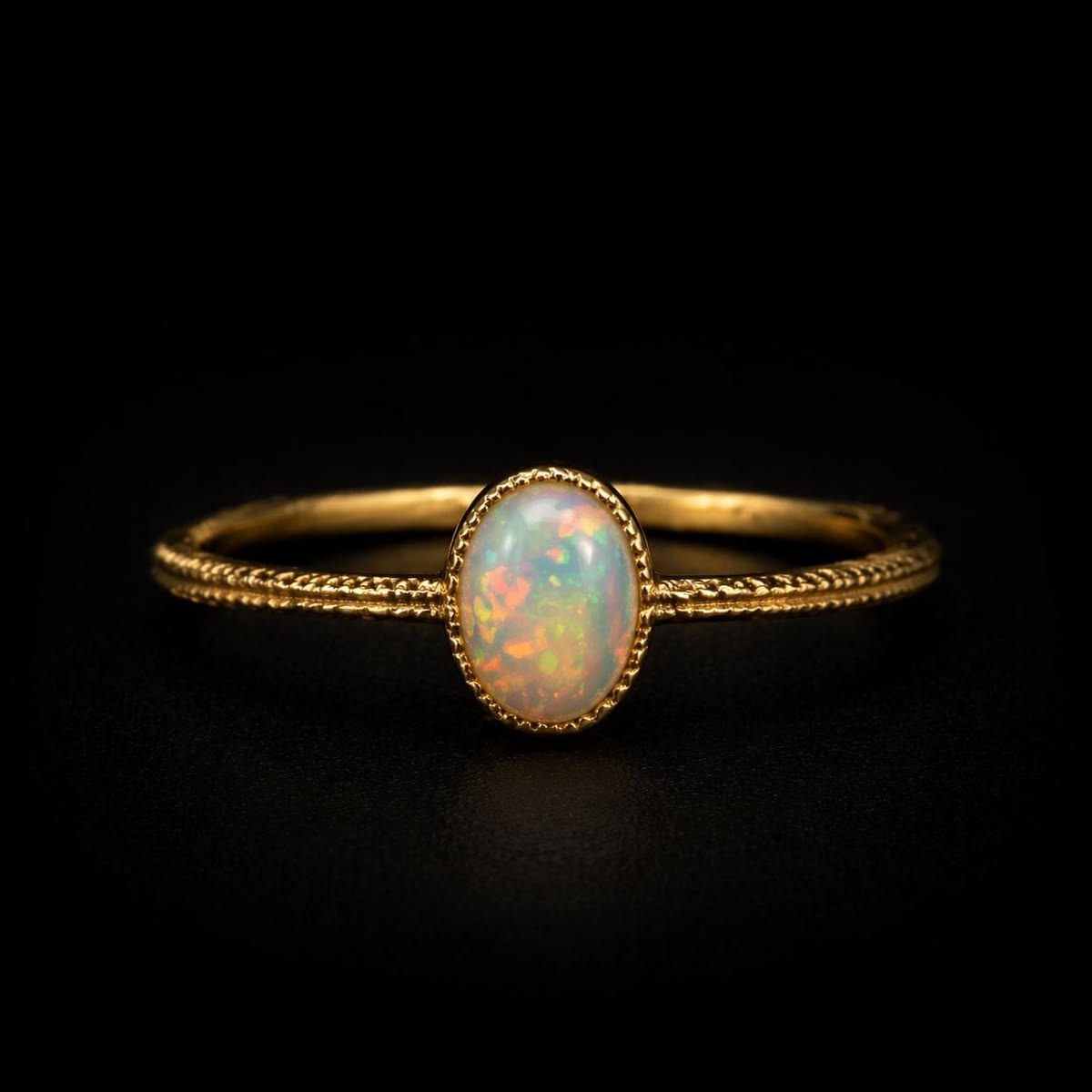
Ring
An Ethiopian Welo Opal ring works well for self-talk, decision-making, and quiet moments of checking in with the inner voice. It can help the wearer pause long enough to notice whether a choice feels aligned or merely familiar. This placement is useful when boundaries need to be held without drama. It keeps the intention visible through the day, especially in moments that ask for calm confidence.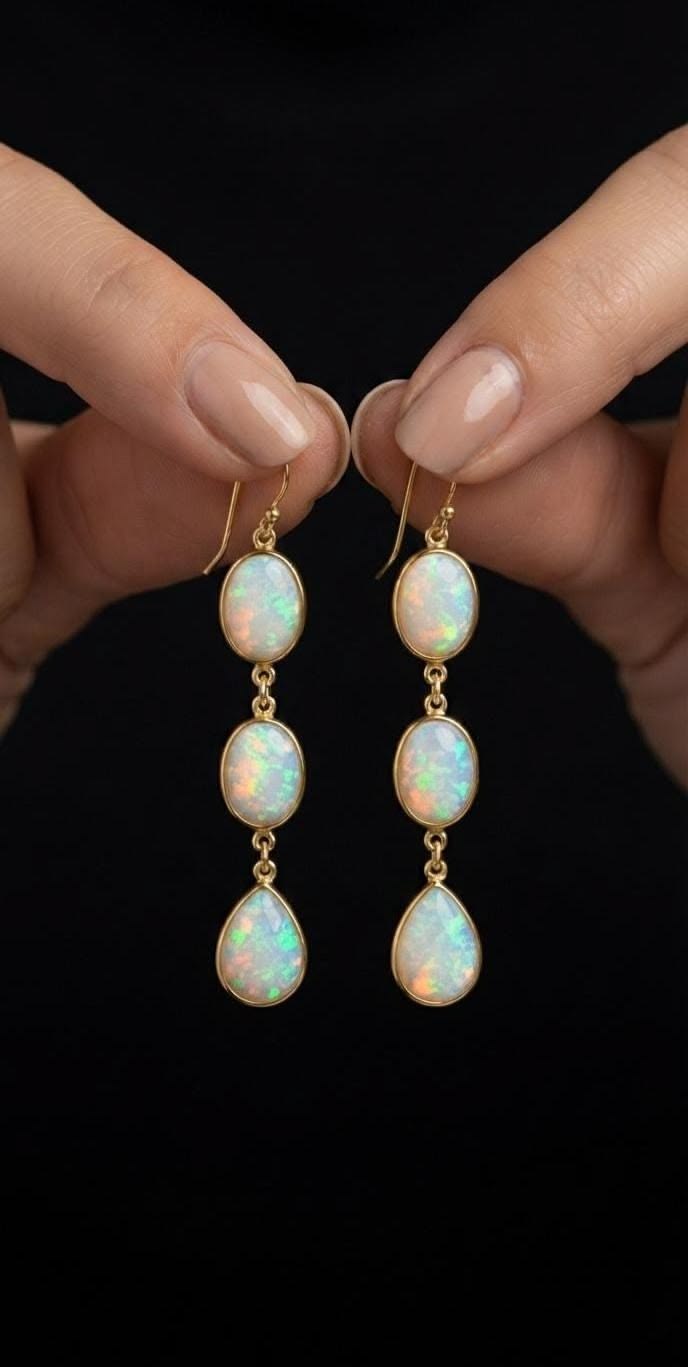
Earrings
Ethiopian Welo Opal earrings sit close to the head and support clear listening as much as clear speaking. They are a good choice for days filled with meetings, calls, or conversations where intuition needs to stay awake. This placement can help soften mental noise and keep the response gentle rather than hurried. It is especially supportive when words need to be chosen carefully and with care for the other person.Forms
Different Ethiopian Welo Opal forms shift how its energy gathers, from quiet and receptive to more directed and focused. Choose the shape that matches the kind of inner work needed, whether that is gentle reflection, clearer intention, or a steadier emotional hold.
Rough
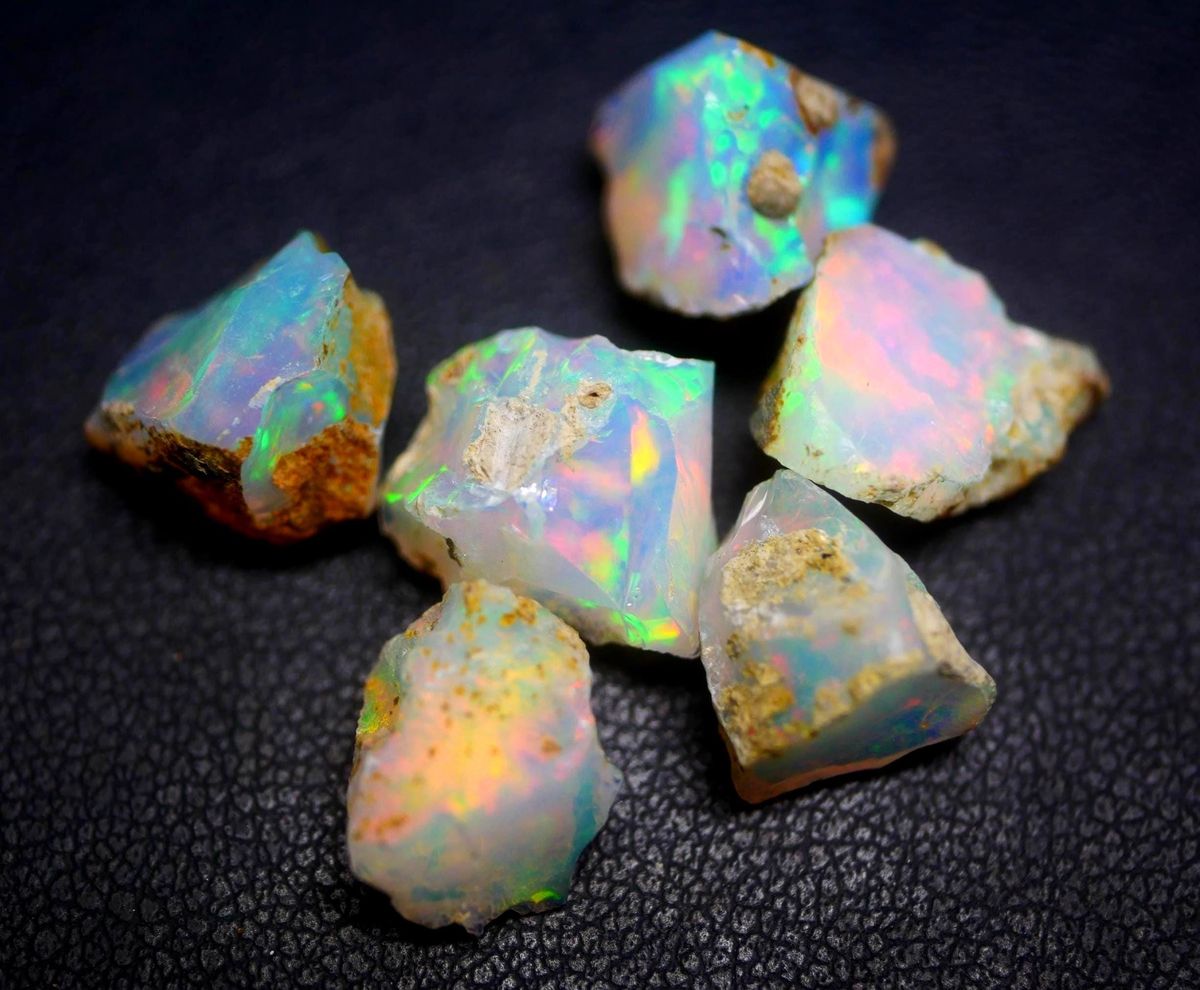
Rough Ethiopian Welo Opal feels direct and unpolished, with an honest, elemental tone. It is useful when the aim is simple connection rather than refinement.
Point / Tower

A point or tower gathers the stone's energy into a clearer line. It helps focus intention when the mind needs direction.
Sphere
A sphere tends to spread the energy evenly. It brings a balanced, all-round feel that settles well in reflective spaces.
Palm Stone
A palm stone gives Ethiopian Welo Opal a contained, hand-held presence for short pauses. It is good for quiet breathing and checking in with what is underneath the surface.
Tumble Stone
A tumble stone keeps the stone close in a simple, portable form. It is easy to hold during brief resets or carry for gentle support.
Figure
A carved figure makes the stone feel more companion-like and specific. It can support focused intention when working with a particular emotional pattern.
Heart
A heart form brings out the tender side of Ethiopian Welo Opal. It is often chosen for self-kindness, emotional honesty, and softer communication.
Cleansing & Charging
Cleansing Ethiopian Welo Opal helps clear away emotional residue, especially after intense conversations, creative strain, or days when the stone has been held close for long periods. Because it is porous and sensitive to rapid change, the gentlest methods keep its feel clear without stressing the material.
How to cleanse Ethiopian Welo Opal
- Use sound cleansing with a chime, singing bowl, or your own voice for a brief reset around the stone.
- Pass it through a little smoke at a distance if that feels appropriate, keeping the exposure light and short.
- Place it beside selenite or clear quartz for a calm, dry cleansing method that does not involve soaking or scrubbing.
How to charge Ethiopian Welo Opal
- Set it in soft moonlight in a dry place, then bring it back inside before damp air or morning dew can settle on it.
- Rest it beside clear quartz or selenite overnight to refresh its tone without heat or direct sun.
- Leave it with a clear intention in a quiet place, allowing the stone to settle before it is used again.
Where to Use
Match Ethiopian Welo Opal to places where feeling, choice, and expression meet in small daily moments. It works best where the energy needs to stay soft but awake, rather than pushed or over-managed.
Personal altar
On a personal altar, Ethiopian Welo Opal supports quiet reflection and spiritual listening. It can be placed beside a candle, journal, or other meaningful object to help the mind settle into a more receptive state. This is a strong place for intention-setting when the heart wants clarity without pressure.
Creative studio
In a creative studio, Ethiopian Welo Opal keeps inspiration fluid and emotionally honest. It helps the artist notice what wants to emerge without forcing the shape too soon. This placement works well for writing, design, music, or any work that depends on intuitive flow.
Desk
At a desk, Ethiopian Welo Opal can soften mental static and keep communication more considered. It is useful for emails, planning, and decisions that need a calm center rather than a rushed answer. Keep it nearby when the day asks for focus with feeling still intact.
Bedroom
In the bedroom, Ethiopian Welo Opal supports winding down after emotionally full days. It can help the atmosphere feel more tender and less reactive, especially before sleep or during private reflection. Place it where it can act as a quiet reminder to release the day's noise.
Science
Physical properties
- Mineral class
- Mineraloid
- Color
- Colourless, milky white, cream, pale yellow, honey, orange, reddish brown, chocolate brown, gray, or black, commonly with multicoloured play-of-color
- Hardness
- Approximately 5 - 6.5
- Density
- Commonly approximately 1.75 - 2.20 g/cm3, with hydrophane material often having lower density because of its porosity
- Durability
- Moderate to low because of brittleness, porosity, liquid absorption, sensitivity to dehydration and rapid environmental change, and the possibility of cracks or crazing
- Thermal stability
- Low
Optical properties
- Transparency
- Transparent to opaque, with many hydrophane stones becoming temporarily more transparent after absorbing water
- Lustre
- Vitreous to waxy
- Refraction index
- Approximately 1.37 - 1.47, with Ethiopian hydrophane material commonly towards the lower part of the Opal range
Chemical composition
- Class
- Hydrated amorphous to poorly crystalline silica
- Formula
- SiO2·nH2O
- Group
- Opal
- Magnetic
- Usually non-magnetic
Formation
Ethiopian Welo Opal is a geographic and commercial variety of Opal rather than a separate mineral species. In the Wollo region of Ethiopia, silica-bearing groundwater moved through porous volcanic ash and ignimbrite, then gathered in cavities, fractures, and pore spaces above less permeable clay-rich layers. There it formed silica gel that gradually reorganized into precious and common Opal, with body color, transparency, inclusions, and play-of-color shaped by the local rock and the pace of deposition.
The best-known material comes from the Wegel Tena area, where layered volcanic rocks hold an opal-bearing horizon within altered rhyolitic ignimbrite. Much of the stone is hydrophane, so connected microscopic pores can absorb water and temporarily change its transparency and color response. That porosity also makes the material more receptive to dye, smoke, oil, resin, and other treatments, which is why careful disclosure and laboratory testing matter in the trade.
Locations
- Wegel Tena area, Delanta Woreda, Wollo, Amhara Region, Ethiopia
- Tsehay Mewcha, Delanta Woreda, North Wollo Zone, Amhara Region, Ethiopia
- Ajebar, Tenta Woreda, South Wollo Zone, Amhara Region, Ethiopia
- Northern Wollo opal deposits, Amhara Region, Ethiopia
History
Silica-rich water moved through Ethiopian volcanic rocks
Ancient geological history
Groundwater carried dissolved silica through porous volcanic ash and ignimbrite in the Wollo region. As the silica-rich water moved through cavities, fractures, and pore spaces above less permeable clay-rich layers, it began to gather in the rock and set the conditions for opal formation.
Volcanic Opal developed within altered ignimbrite
Geological development
Over time, the silica gel reorganized and lost part of its water content, forming common and precious Opal within the altered volcanic rock. Differences in porosity, body color, transparency, inclusions, and play-of-color emerged as the material developed.
Modern Ethiopian Opal production attracted attention
Early 1990s
Brown and reddish volcanic Opal from Ethiopia entered international gem markets before the major Wollo deposits were widely known. This early trade helped bring Ethiopian Opal into view as a distinctive source of volcanic material with strong visual character.
A major play-of-color deposit was discovered near Wegel Tena
2008
A significant deposit producing white, colourless, honey, brown, and fire Opal with vivid play-of-color was identified near Wegel Tena. The discovery marked a turning point for Ethiopian Welo Opal and established the area as an important modern source of precious Opal.
Welo Opal received international gemological study
2009-2010
Gemological research documented the material's volcanic origin, opal-CT structure, strong hydrophane behavior, vivid play-of-color, characteristic inclusions, and unusual digit patterns. These studies helped distinguish the material in scientific and trade contexts and clarified how its structure affects appearance.
Ethiopian Welo Opal expanded rapidly in the jewelry trade
Early 2010s
Bright play-of-color, varied patterns, relatively abundant production, and a broad range of sizes made the stone widely available to cutters, designers, and collectors. Its rise in the trade also increased awareness of how carefully it must be handled and described.
Additional dark-bodied Ethiopian Opal deposits were reported
2013
Further Ethiopian material with gray, dark gray, and black body colors was reported from volcanic deposits north of the main Wegel Tena area. This widened the public understanding of Ethiopian Opal beyond the lighter Wollo material that had first drawn attention.
Treatment detection became increasingly important
2010s
The porous hydrophane structure of much Ethiopian Opal made it receptive to dye, smoke, oil, resin, and other treatments. As a result, disclosure and laboratory testing became more important for distinguishing natural color from altered material in the gem trade.
Got questions?
We've got answers!
FAQ's
What is Ethiopian Welo Opal used for?
+×
Ethiopian Welo Opal is often chosen for intuition, imagination, emotional awareness, spiritual insight, and creativity. Its shifting play-of-color gives it a reflective, receptive quality that suits meditation, journalling, and other quiet inner work.
It is commonly placed in a creative studio, bedroom, meditation space, or on a personal altar. In crystal practice, it is usually kept close when a softer, more attentive atmosphere is wanted.
Is Welo Opal a natural gemstone?
+×
Ethiopian Welo Opal is a natural opal variety from Ethiopia, not a separate mineral species. It is a hydrated silica mineraloid formed in volcanic rock, and much of it is known for its hydrophane behavior.
Because the material is porous, some stones are treated, dyed, or impregnated in the trade. A genuine stone can still be natural even when it has been enhanced, but responsible sellers should disclose any treatment clearly.
What makes Ethiopian Welo Opal hydrophane?
+×
Hydrophane Ethiopian Welo Opal has connected microscopic pores that can absorb water and other liquids. That porosity is part of what gives the stone its changeable character, and it can vary from one specimen to another.
When the pores take in moisture, the stone may become temporarily more transparent, darker, or cloudier, and its play-of-color may shift. These changes are usually reversible as the water slowly evaporates.
Why does Welo Opal change when it gets wet?
+×
When water enters the pores of Welo Opal, it changes the way light moves through the stone. The body color may look deeper or clearer, and the flashes of color can strengthen, soften, or appear differently for a time.
This is a normal feature of many hydrophane stones, but it also means the gem should be handled gently. It is best allowed to dry slowly at room temperature, away from heat, direct sun, or rapid drying methods.
Which zodiac signs are connected to Ethiopian Welo Opal?
+×
Ethiopian Welo Opal is commonly linked with Libra and Pisces. Libra suits its Venus-ruled sense of harmony and beauty, while Pisces reflects its intuitive, imaginative, and emotionally fluid nature.
These associations are traditional rather than fixed, so the stone can still be worked with by anyone drawn to its energy. Many crystal keepers use it when they want a gentler, more receptive tone in spiritual practice.
What chakras does Ethiopian Welo Opal activate?
+×
Ethiopian Welo Opal is associated with the Crown and Third Eye chakras. In crystal traditions, that makes it a natural choice for inner listening, symbolic awareness, and a more spacious sense of insight.
It is often placed during meditation or quiet reflection when the aim is to notice subtle impressions without forcing them. The stone is usually worked with in a calm, receptive setting rather than a highly stimulating one.
How should Ethiopian Welo Opal be cared for?
+×
Ethiopian Welo Opal should be kept away from soaking, ultrasonic cleaners, steam, strong heat, and sudden temperature changes. A soft, slightly damp cloth followed by immediate gentle drying is the safest routine cleaning method.
It is also wise to store it separately from harder gemstones and to avoid perfume, hairspray, hand cream, and other chemicals. For cleansing and charging, sound, moonlight in a dry place, or selenite are gentler choices than water or direct sunlight.