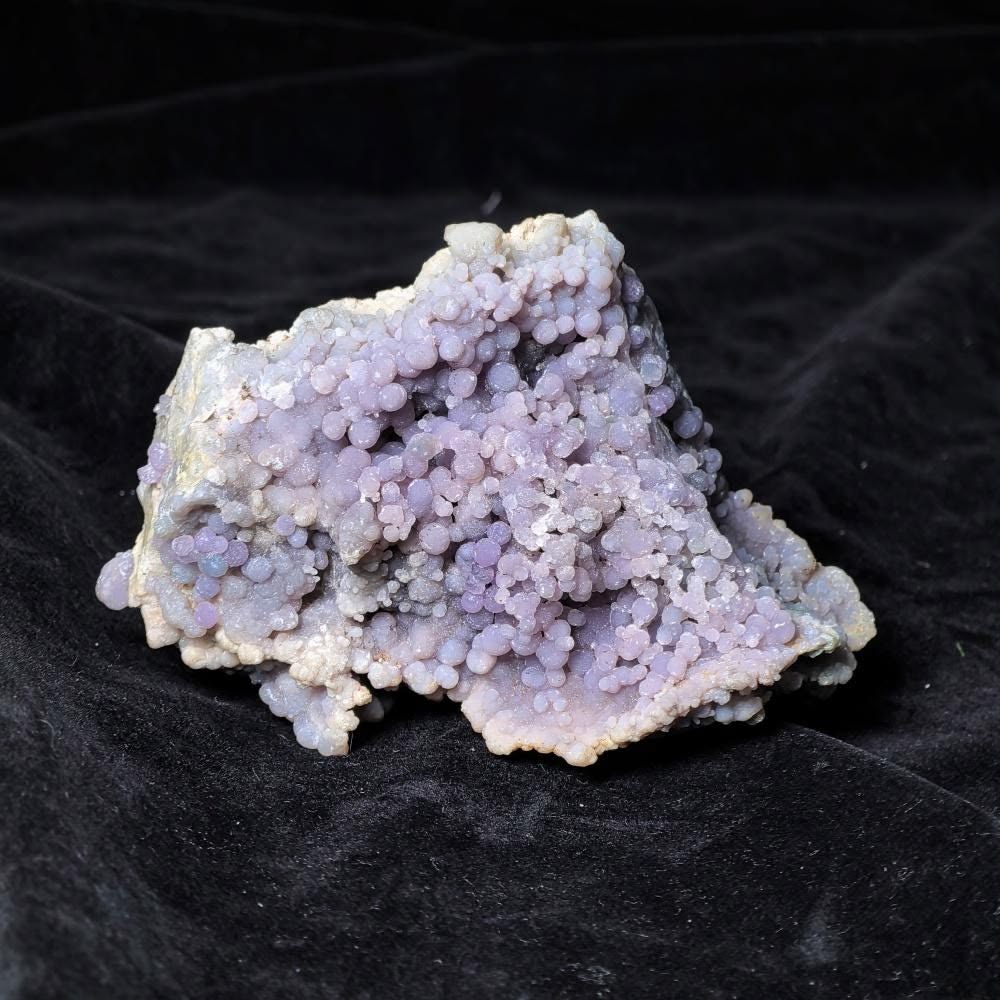
Grape Agate Crystal, Benefits and Meanings.
Grape Agate meaning centres on peace, intuition, and quiet spiritual awareness.
Metaphysical & Spiritual
Grape Agate settles like a quiet field around the senses, bringing the pace down when thoughts feel crowded or the inner world is too bright to sort through. Its energy works best in still moments, where it helps attention soften without drifting away from what is present. The stone carries a reflective, inward quality that supports meditation, dream recall, and the kind of listening that happens before words form. It brings a gentle spaciousness to the mind, so intuition has room to surface without being forced. In spiritual practice, Grape Agate works with subtle awareness rather than intensity. It encourages a slower rhythm in the aura, helping the body and mind align around calm observation, trust, and quiet receptivity. Because of its Crown and Third Eye alignment, the crystal brings insight in a measured way. It does not push for answers; it helps the inner field stay open long enough for understanding to arrive naturally.
Planet

Neptune
Neptune gives Grape Agate its mist-like spiritual tone, carrying the stone into imagination, dreamwork, and subtle perception. Together they encourage surrender, reflection, and trust in what is sensed before it is fully explained.
Element
Water
Water keeps Grape Agate emotionally fluid and receptive, helping feelings move without force. It brings a quiet current to the inner world, where healing begins through softness, rest, and honest feeling.


Crystal Pairings
Grape Agate pairs well with stones that keep its quiet, inward focus from becoming too floaty. These combinations help shape intuition into something usable, giving the mind a softer landing while still holding a clear thread of guidance.
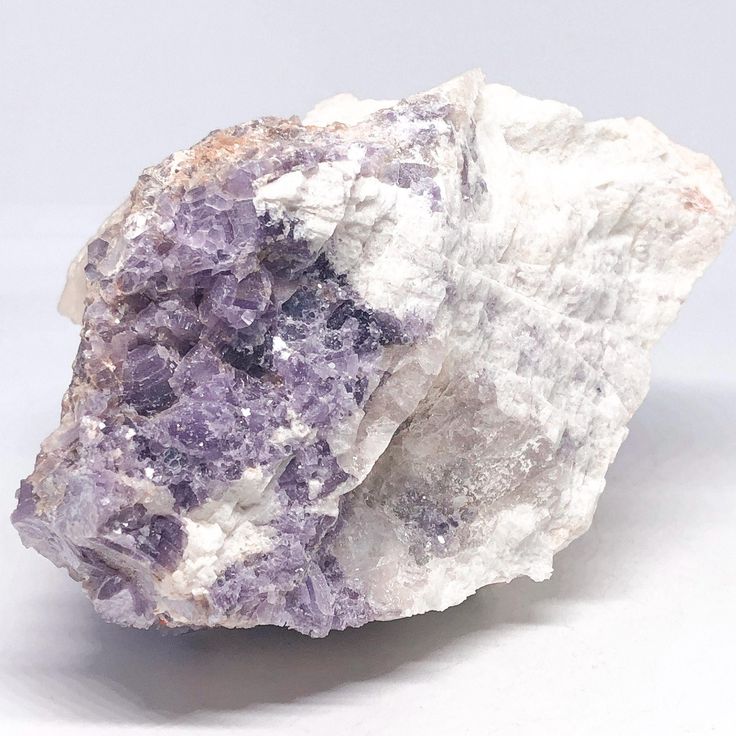
Lepidolite
Lepidolite and Grape Agate work together when emotional noise needs to ease without being pushed away. Lepidolite adds a soothing, self-soothing rhythm, while Grape Agate keeps the inner field receptive enough to notice what the feelings are asking for.
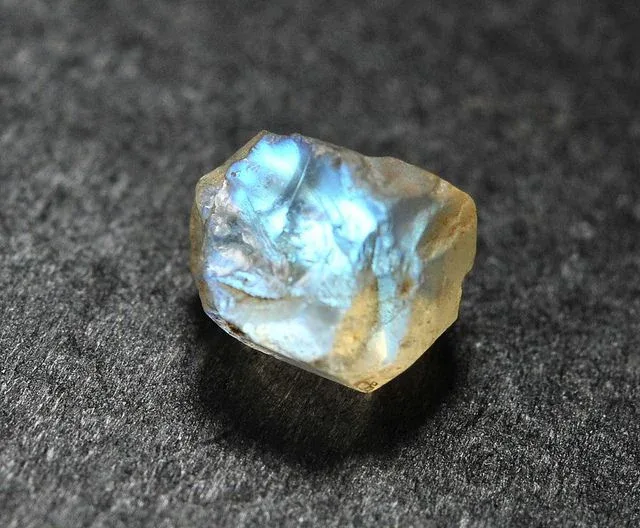
Moonstone
Moonstone brings a receptive, cyclical quality that deepens Grape Agate's link with intuition and dreamwork. Together they support reflective pauses, helping insight arrive gently rather than through force or overthinking.
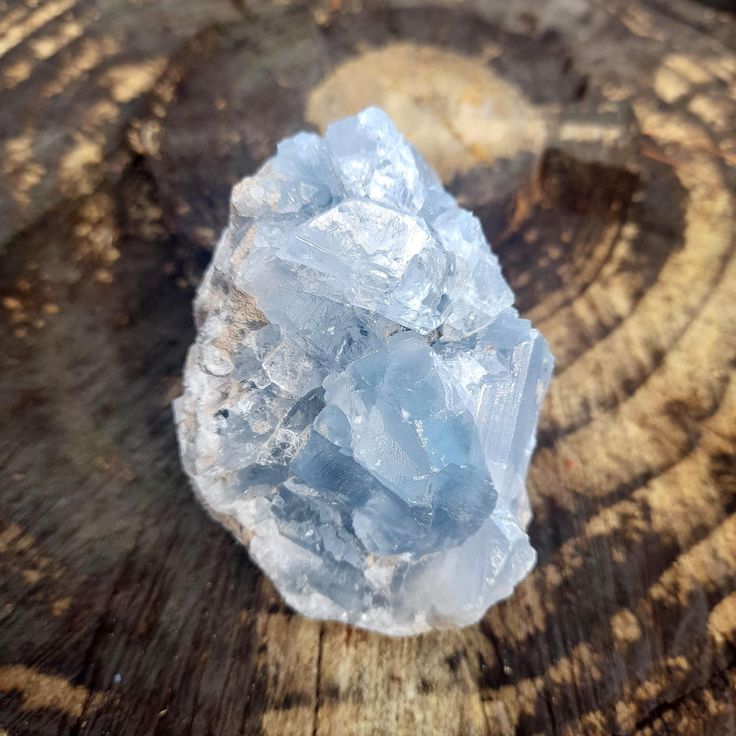
Celestite
Celestite and Grape Agate create a quiet, elevated atmosphere for prayer, meditation, or still contemplation. Celestite opens the sense of spaciousness, while Grape Agate helps that spaciousness feel settled and easy to stay with.
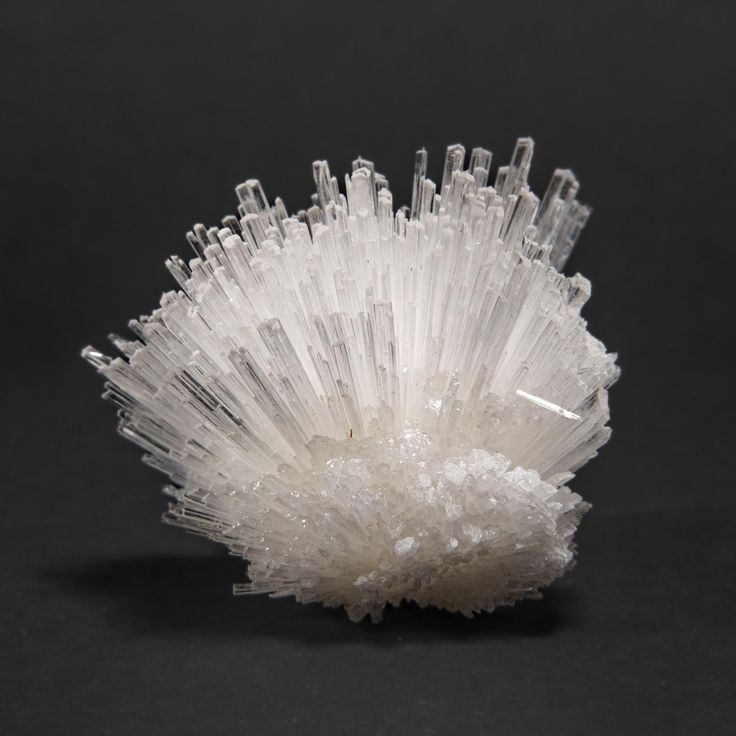
Scolecite
Scolecite works with Grape Agate for deep rest, inner quiet, and meditative release. The pairing is especially supportive when the mind needs to unclench, as Scolecite softens the edges and Grape Agate keeps the energy gentle and inwardly organised.
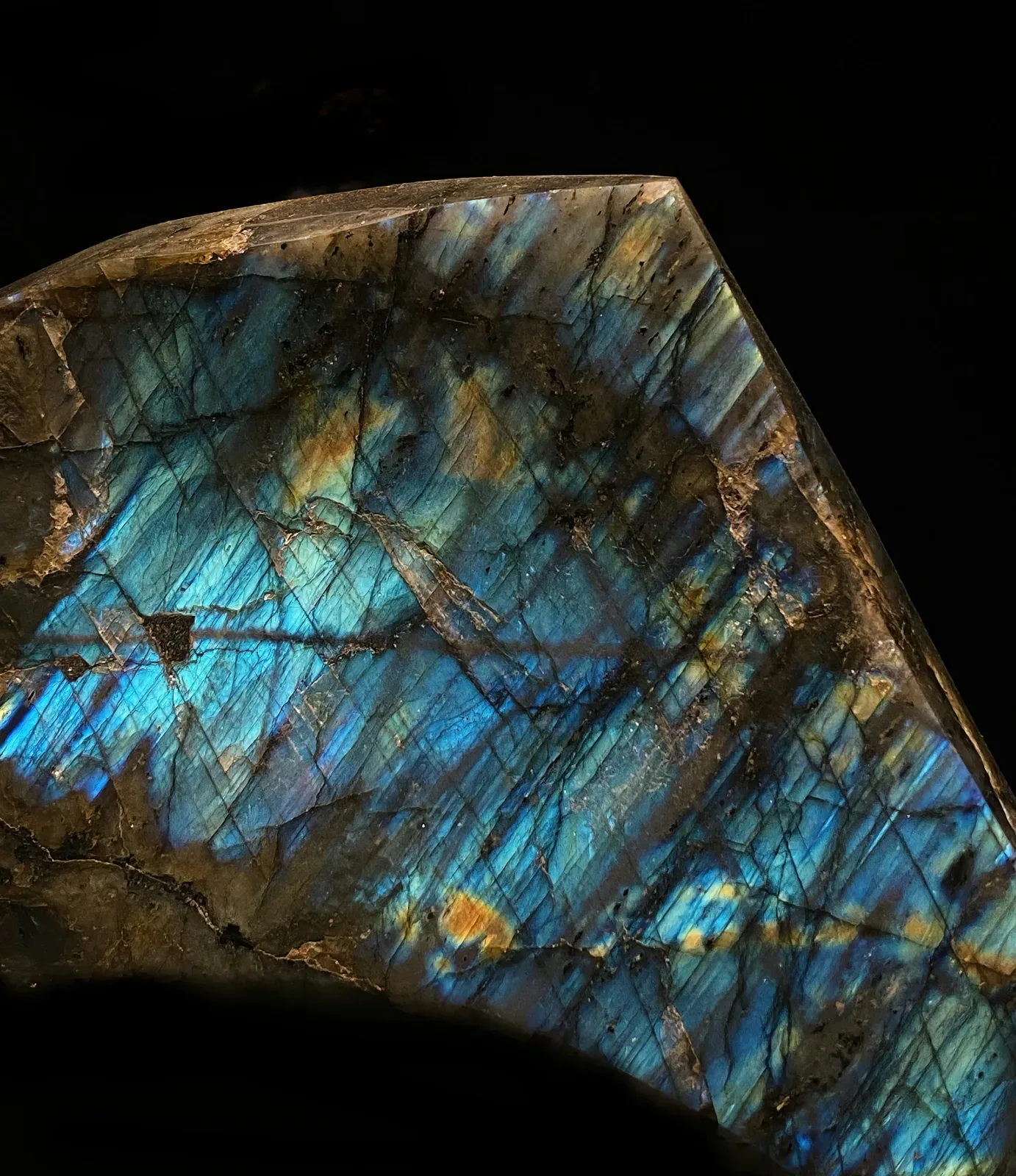
Labradorite
Labradorite adds a protective, visionary edge beside Grape Agate's calm intuition. Together they support spiritual awareness with discernment, helping insight stay clear, contained, and less likely to be scattered by outside noise.
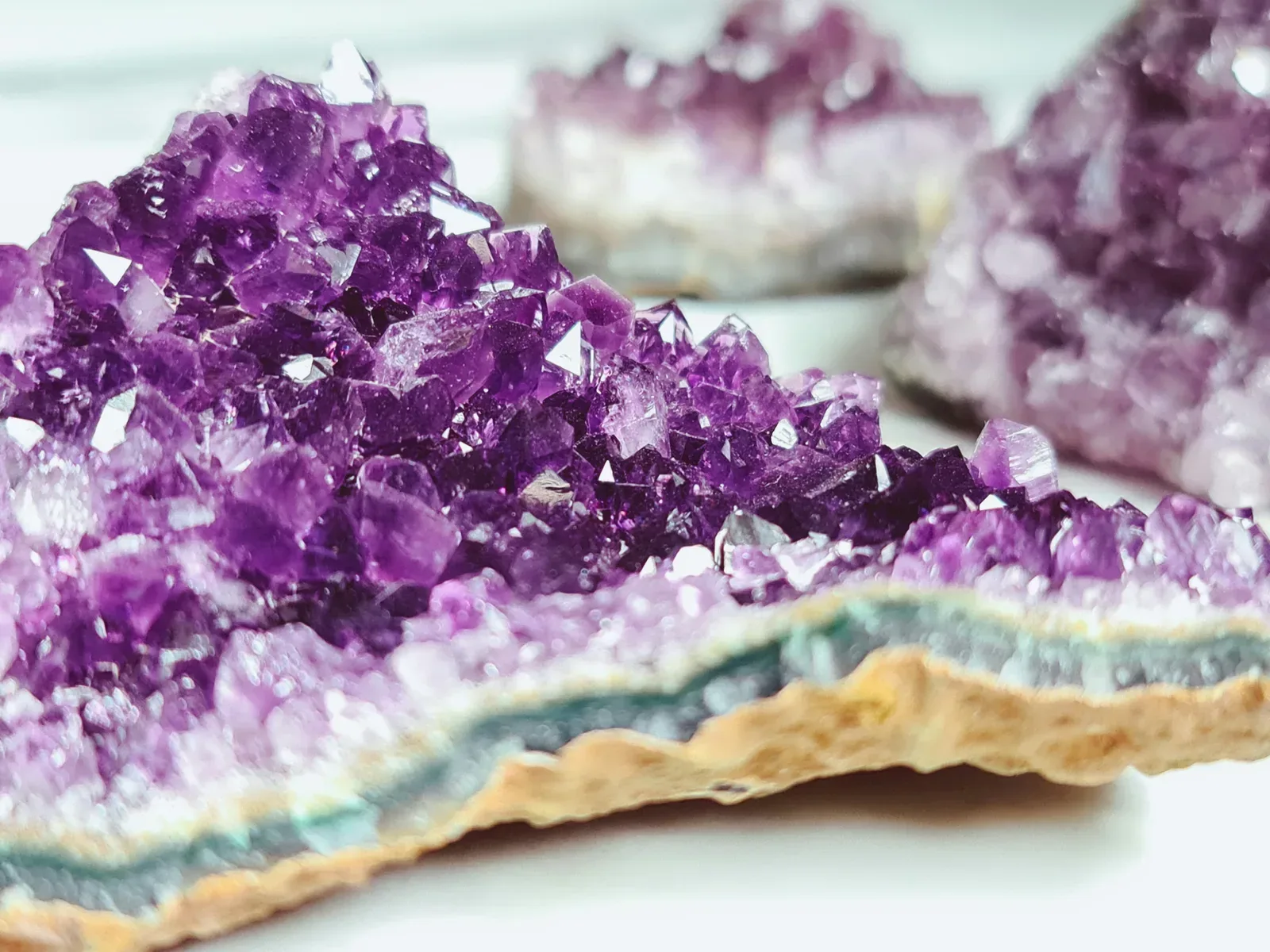
Amethyst
Amethyst and Grape Agate make a steady pair for spiritual reflection, dreamwork, and clear-minded peace. Amethyst brings a more defined meditative focus, while Grape Agate keeps the experience tender, quiet, and emotionally easy to enter.
Healing
Grape Agate connects with moments when the inner world feels crowded and the body wants quiet. It brings a softer pace to thought and helps the breath settle when feelings are close to the surface.
It is often chosen when intuition needs space to speak without being drowned out by noise, pressure, or overthinking. The stone carries a gentle reminder to pause, listen inwardly, and let boundaries form without force.
Affirmations
Hold Grape Agate at the Crown or Third Eye area and choose an affirmation that matches the mood of the day.
Repeat it slowly a few times, then let one small action follow the words so the intention has somewhere practical to land.
- I trust quiet guidance
- I let my mind soften
- I receive insight with ease
- I protect my peace
- I move gently and clearly
Intention Setting
Grape Agate can help set intentions that are calm, inward, and steady enough to hold through a full day.
It works well when the aim is to stay receptive without becoming ungrounded, especially during change or emotional uncertainty.
- I welcome calm insight
- I keep my energy clear
- I honour quiet boundaries
- I stay open and steady
- I move with gentle trust
Manifesting
Grape Agate supports manifesting that begins with stillness, reflection, and honest inner listening.
It helps keep attention on what is spiritually true, rather than on rushing, forcing, or second-guessing the next step.
- I follow quiet guidance
- I create space for clarity
- I trust my inner knowing
- I welcome peaceful change
- I act with calm certainty
Jewellery
Different placements carry the energy into different parts of the day. Near the throat, it can support words that feel measured and true; on the hands, it keeps choices linked to intention; close to the heart, it reminds the wearer to stay soft without losing personal space.
General benefits: Wearing Grape Agate jewellery keeps its calm, reflective tone close through the day. It is a steady reminder to slow the inner pace before speaking, deciding, or absorbing other people's energy. On busy days, in tense conversations, or during periods of change, it helps the wearer return to a quieter centre without shutting down.
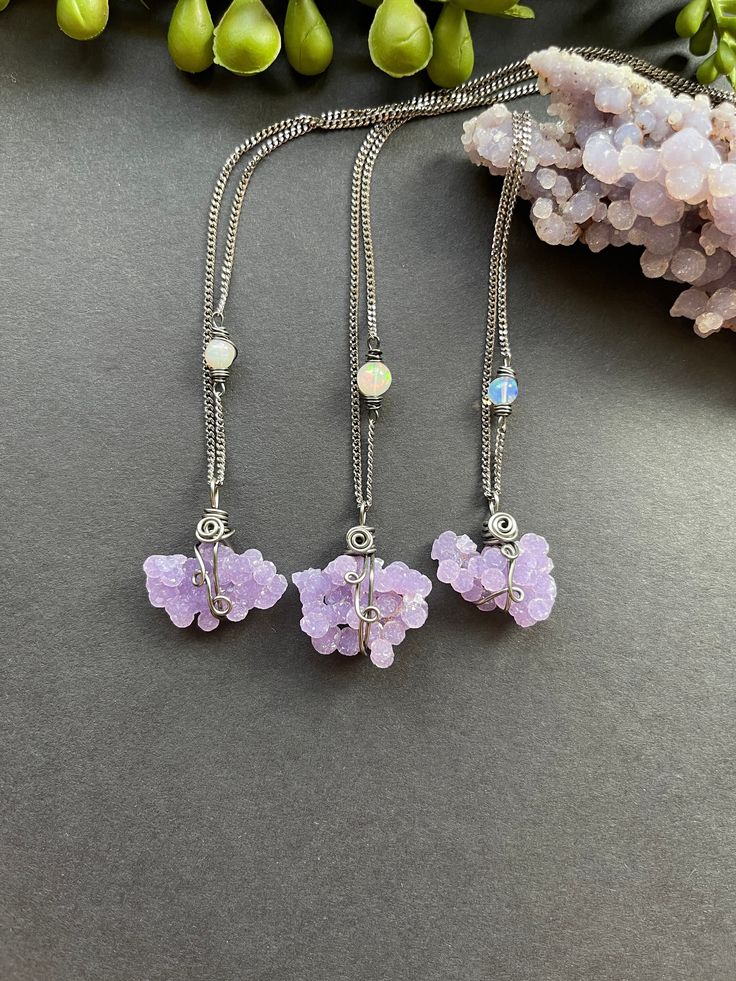
Necklace
A Grape Agate necklace works close to the throat and upper chest, where it can support calm speech and honest self-expression. It is useful when a conversation needs care, or when feelings need naming without spilling over. It can also act as a quiet anchor during change, helping the wearer stay receptive while still holding a clear inner line. The stone keeps attention on what is true rather than what is loud.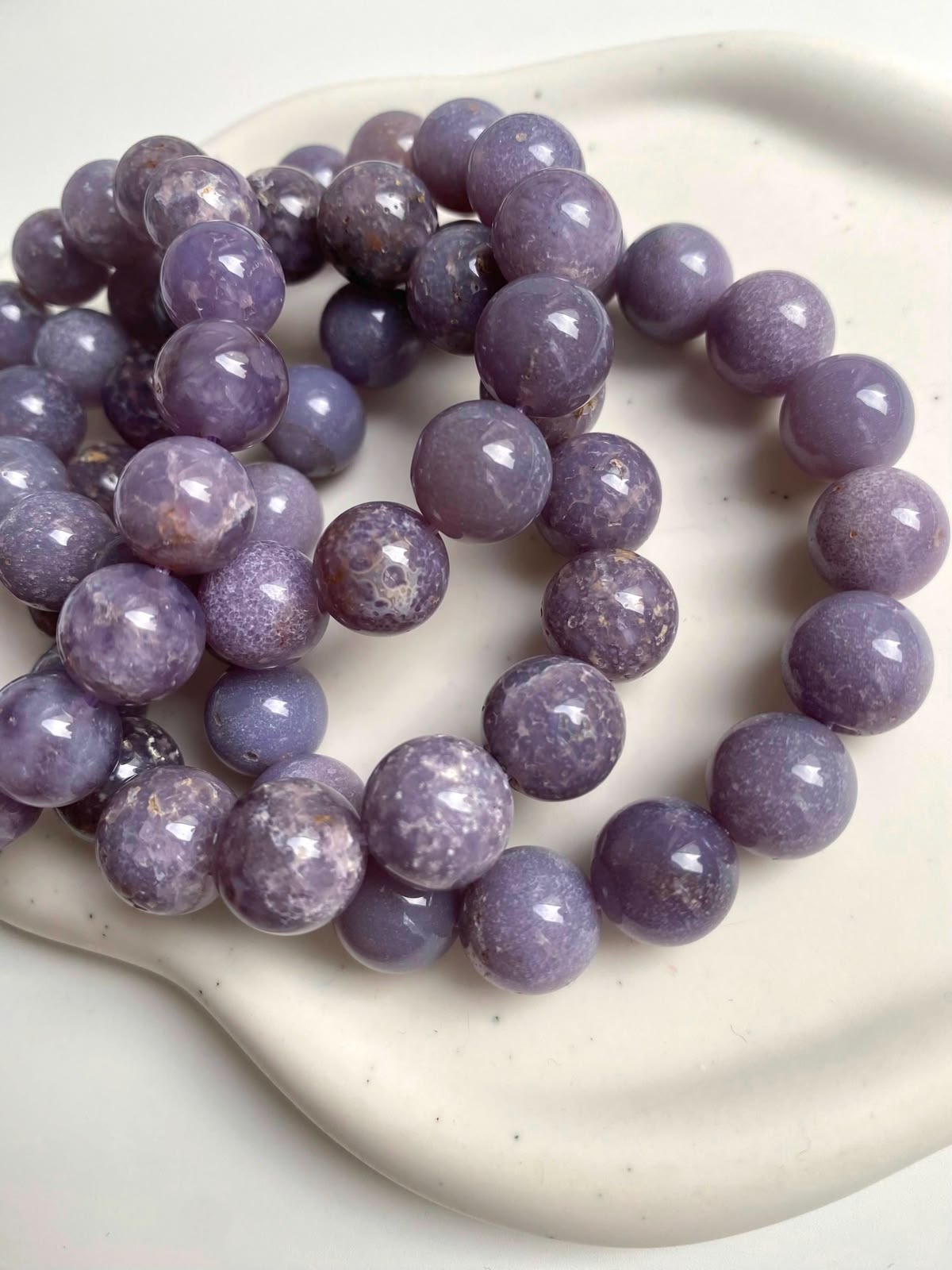
Bracelet
A Grape Agate bracelet keeps the stone in the rhythm of the hands, where choices, habits, and daily reactions are made. It can help the wearer pause before answering, reaching, or reacting from stress. This placement works well for routines that need more mindfulness, especially when the day is full of messages, tasks, and shifting plans. It brings a gentle reminder to act from calm rather than urgency.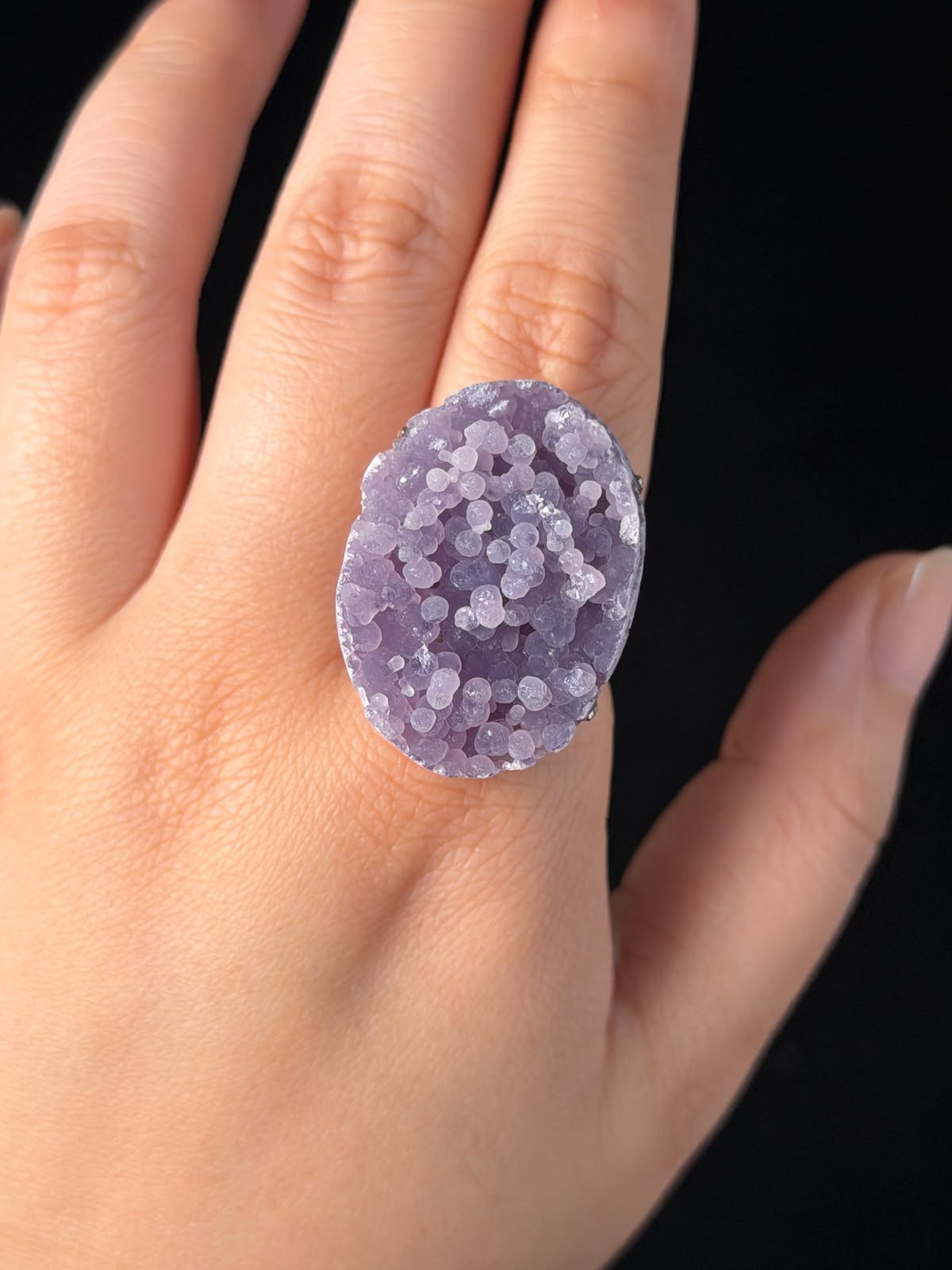
Ring
A Grape Agate ring places the stone where it is easy to notice during the day, which makes it useful for quick resets. Touching it can become a small ritual for returning to centre before making a decision. It supports clear boundaries in practical moments, especially when saying yes or no needs to happen with care. The stone keeps the hand linked to intention, not impulse.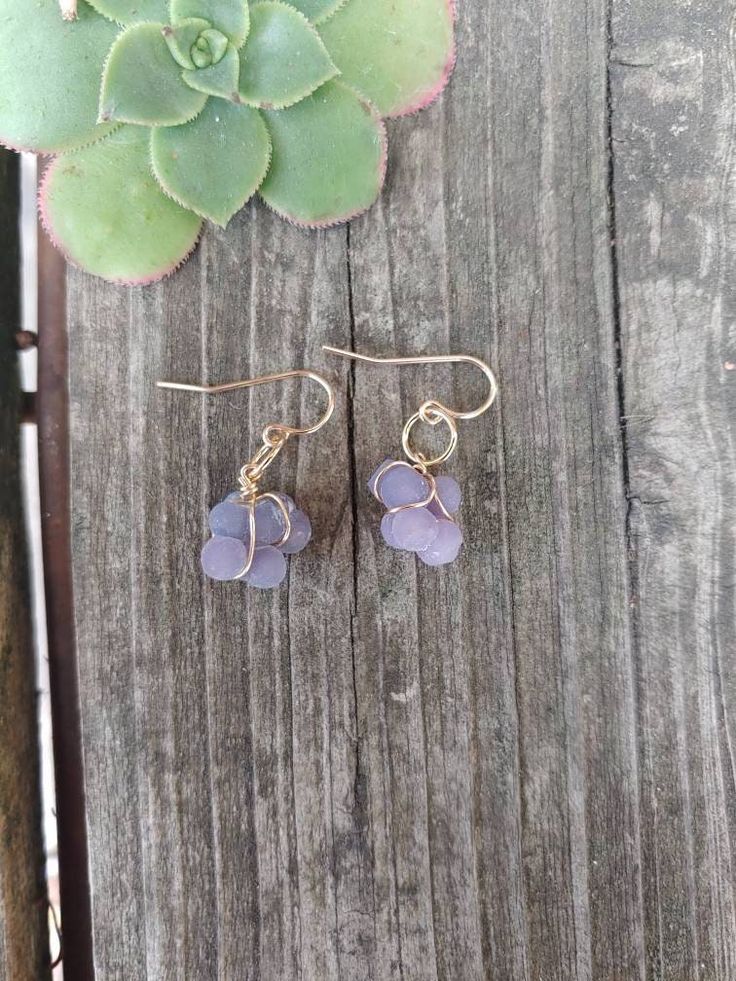
Earrings
Grape Agate earrings sit close to the mind and can support a quieter inner atmosphere when the day feels mentally crowded. They are a gentle choice for listening, reflection, and conversations that need patience. This placement can help soften over-analysis and keep the head from running ahead of the heart. It is especially useful when the wearer wants to stay open without taking on every thought in the room.Forms
Different Grape Agate forms shift how its energy is held and directed. Some forms feel more private and inward, while others invite a slower, more spacious kind of reflection.
Rough
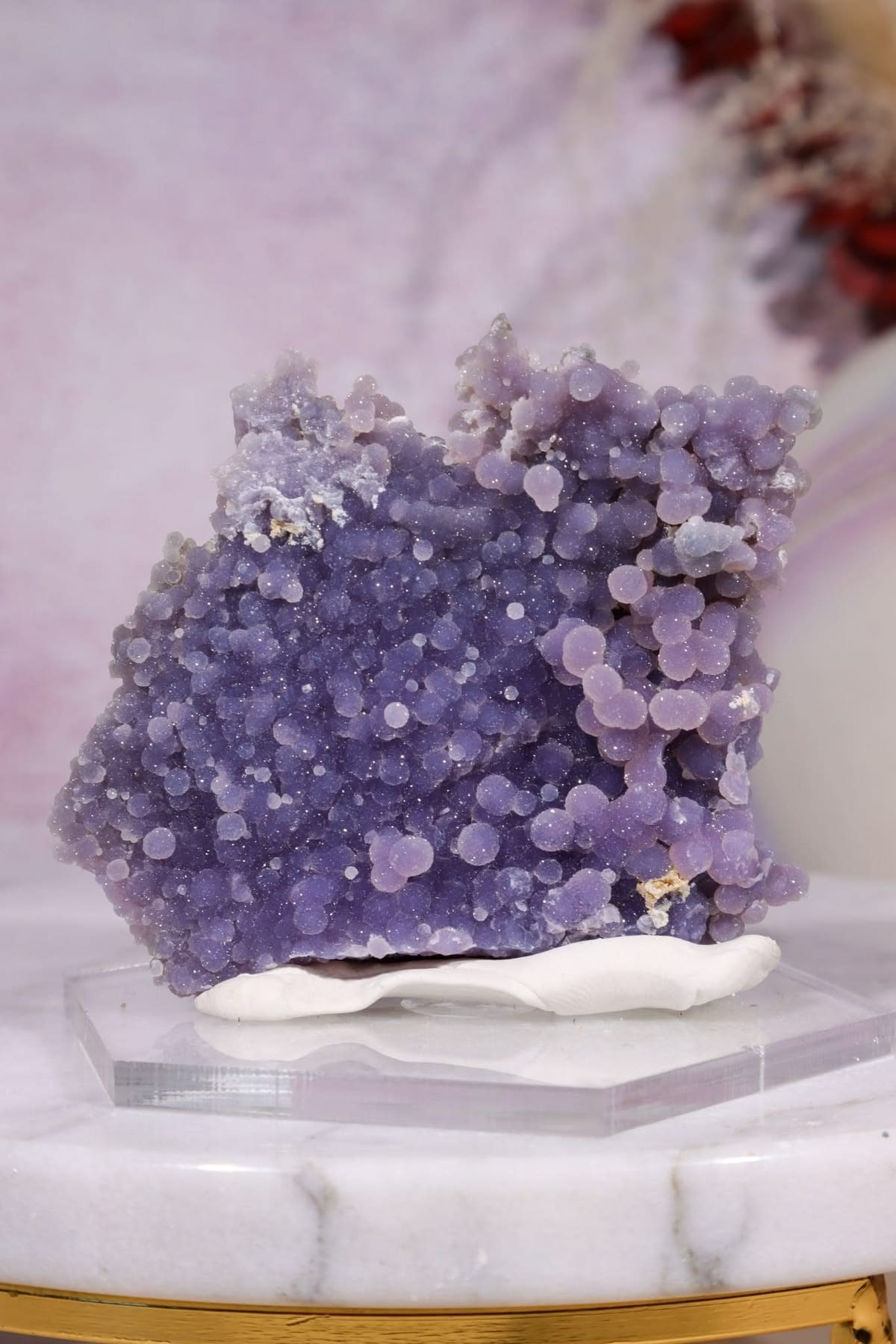
Rough Grape Agate feels direct and unpolished, which can help the energy stay simple and honest. It is useful when the intention is calm clarity without too much interpretation.
Palm Stone
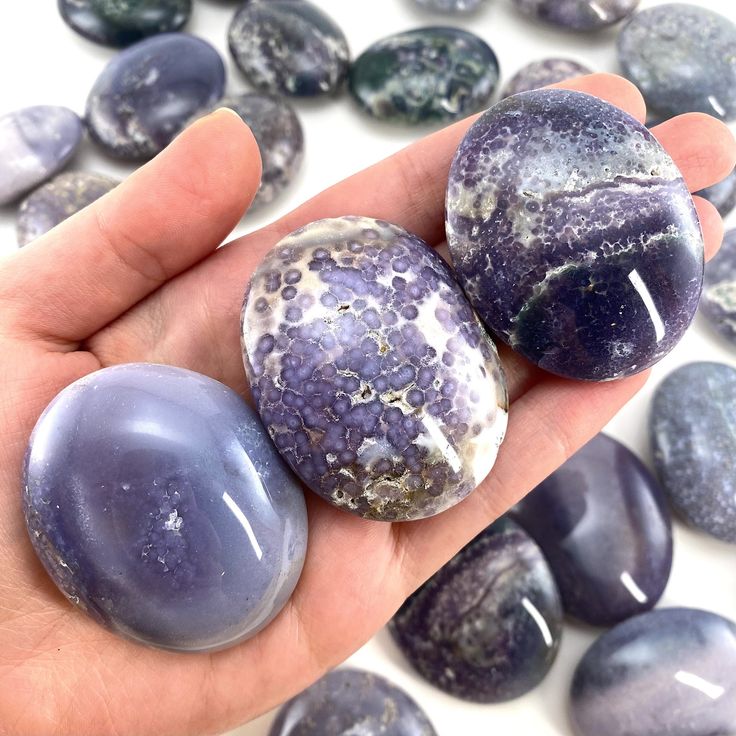
A Palm Stone gives Grape Agate a held, comforting presence. It can be used during reflection, breathwork, or any moment when the hands need something steady to rest on.
Sphere
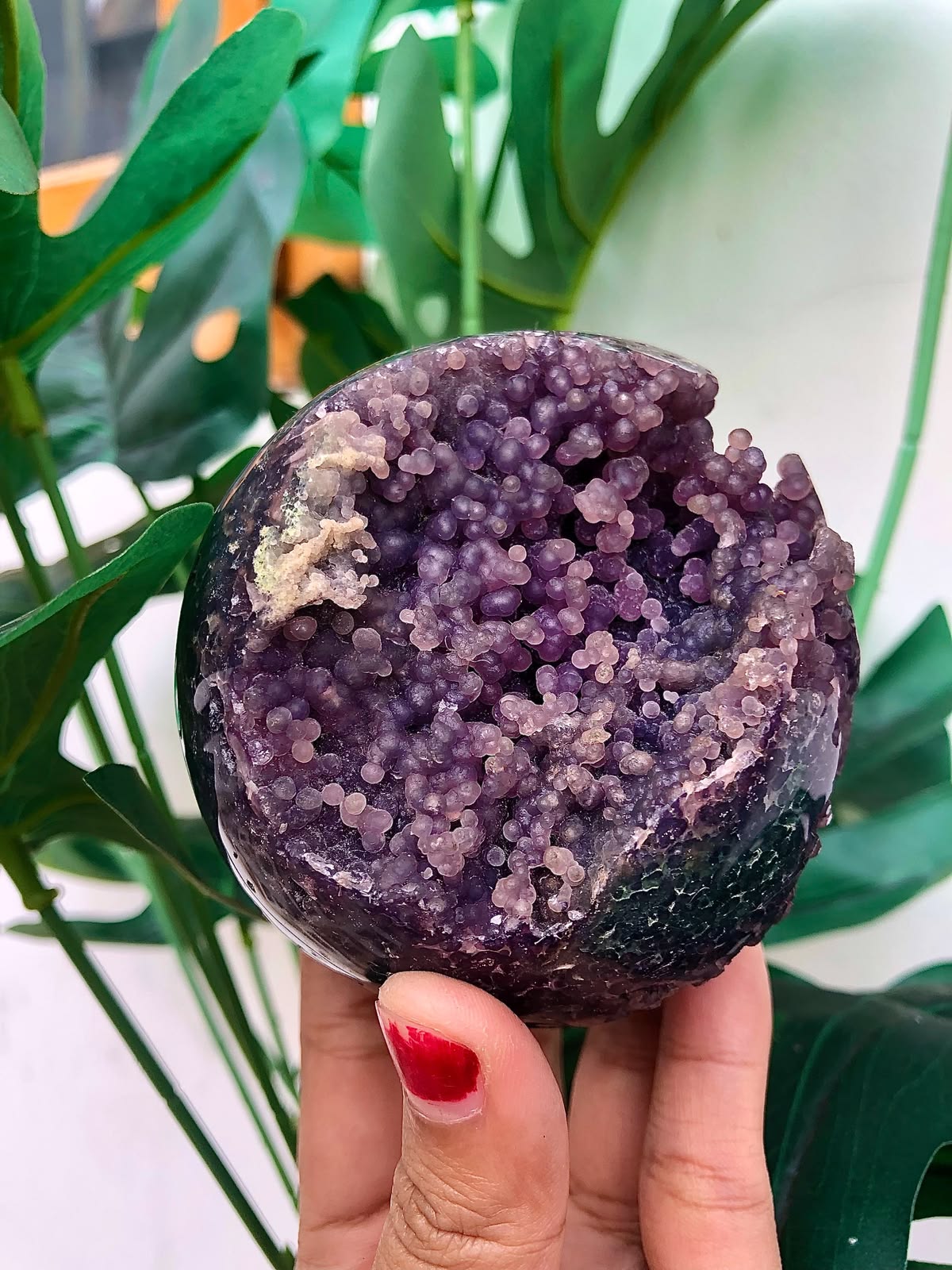
A Sphere spreads the stone's energy evenly, which suits gentle contemplation and balanced focus. It can help keep the mind from fixing on one worry or one answer too quickly.
Heart
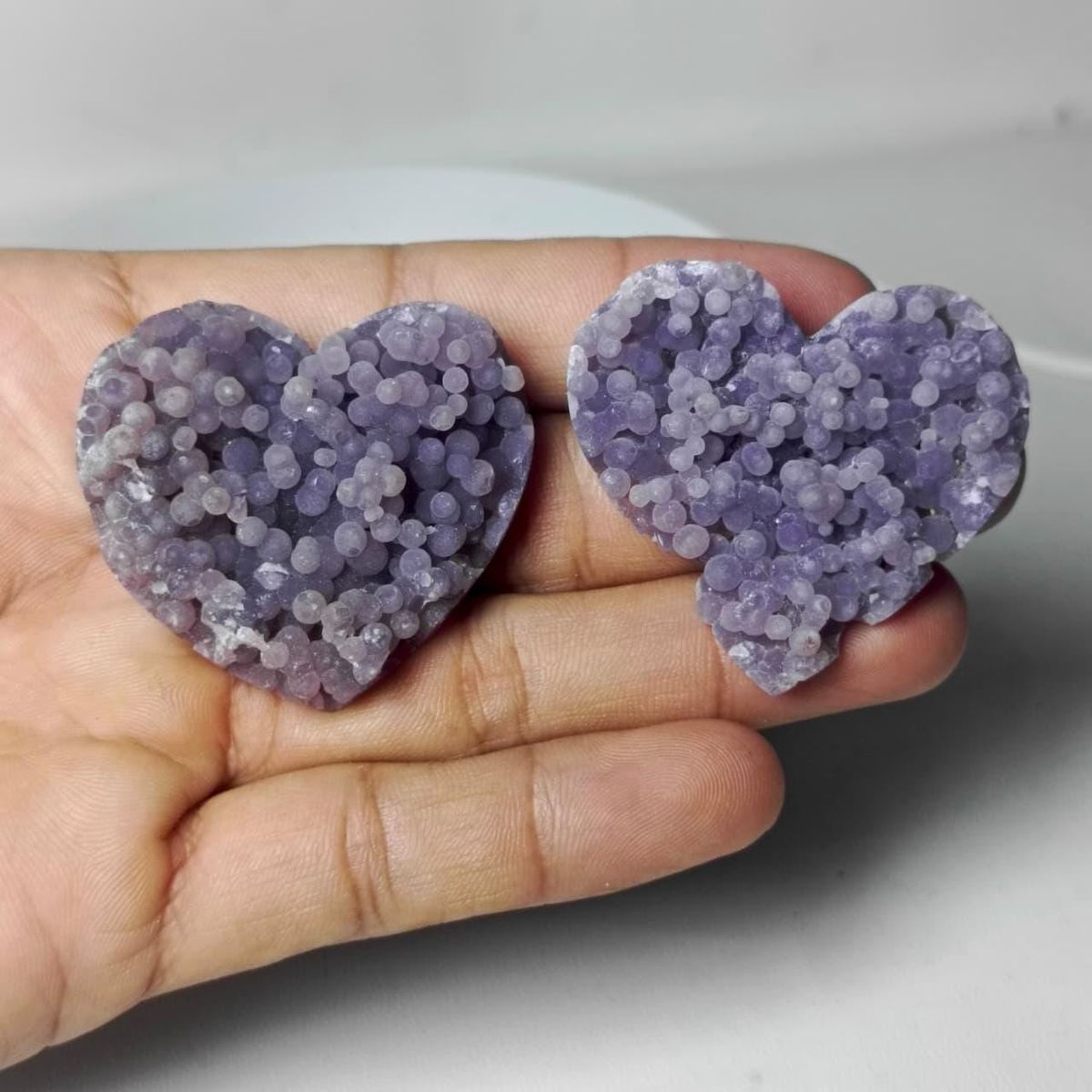
A Heart form brings the stone into emotional work with tenderness and care. It supports self-kindness, especially when the inner voice has become sharp or demanding.
Cleansing & Charging
Grape Agate benefits from regular cleansing when it has been used through heavy thoughts, emotional conversations, or long periods of inward focus. Because it is a delicate chalcedony cluster, gentle methods keep its energy clear without stressing the stone's surface.
How to cleanse Grape Agate
- Pass Grape Agate through soft smoke from sage, incense, or herbs for a brief and gentle cleanse.
- Let it rest in moonlight overnight, especially when a fuller reset feels needed after emotionally dense days.
- Place it beside selenite or clear quartz for several hours to clear and refresh its field without handling it roughly.
- Use sound from a singing bowl, chime, or calm voice to lift stagnant energy without exposing the stone to water or abrasion.
How to charge Grape Agate
- Set Grape Agate in moonlight, with full moon light being especially fitting for quiet intuitive work.
- Place it near selenite or clear quartz on a clean surface and leave it there while holding a clear intention.
- Rest it in indirect natural light for a short time, avoiding strong direct sun that can fade sensitive colour.
- Hold it during a few minutes of still meditation and let the intention settle into the stone before using it again.
Where to Use
Choose places where Grape Agate can support calm awareness, reflection, and a steadier emotional tone through ordinary routines.
Bedside table
On a bedside table, Grape Agate can help the mind ease out of the day's noise before sleep. It is a good companion for a short evening pause, a few slow breaths, or a moment of quiet reflection before lights out. The stone keeps the room feeling inward and restful without asking for effort.
Meditation altar
On a meditation altar, Grape Agate supports stillness that feels receptive rather than empty. It can be held before practice to settle scattered thoughts and open space for intuitive listening. This is a strong place for intention-setting, prayer, or gentle dreamwork.
Desk
At a desk, Grape Agate brings a calmer rhythm to thinking, writing, and decision-making. It can sit near notes or a keyboard as a reminder to pause before reacting and to keep communication clear. This placement is useful when work asks for focus without strain.
In a pocket, Grape Agate becomes a discreet touchstone for moments when the outside world feels too loud. Reaching for it can interrupt spirals, soften tension, and bring attention back to the breath. It is especially helpful during travel, appointments, or emotionally full days.
Science
Physical properties
- Mineral class
- Quartz
- Color
- Purple, lavender, lilac, grey-purple, and occasionally white
- Hardness
- 6.5 - 7
- Density
- ~2.58 - 2.64 g/cm3
- Durability
- Good
- Thermal stability
- Moderate
Optical properties
- Transparency
- Translucent to opaque
- Lustre
- Waxy to vitreous
- Refraction index
- ~1.530 - 1.540
Chemical composition
- Class
- Silicate
- Formula
- SiO2
- Group
- Chalcedony (botryoidal quartz)
- Magnetic
- Non-magnetic
Formation
Grape Agate is a commercial name for botryoidal chalcedony, a microcrystalline variety of quartz. The rounded clusters form through botryoidal growth, where many tiny quartz spheres develop closely together inside cavities in volcanic rock. Most gem-quality material comes from Sulawesi, Indonesia, where silica-rich hydrothermal fluids slowly filled those spaces and left behind clustered masses with a waxy to vitreous lustre.
Its colour ranges from pale lavender and lilac to deeper purple and grey-purple, with some specimens showing white areas. The purple tone is thought to come from trace mineral impurities during formation. Although sold as an agate, it generally lacks the concentric banding used to define true agate, which is why the trade name describes its look rather than its strict mineral classification.
Locations
- Sulawesi, Indonesia
History
Discovered in Sulawesi
Late 20th century
Commercial quantities of Grape Agate were discovered in Sulawesi, Indonesia, bringing the material to the attention of mineral collectors. Its rounded purple clusters stood apart from more familiar chalcedony forms, and the unusual surface quickly became the feature people remembered most. From the start, the specimen was valued as much for its natural cluster shape as for its colour.
Entered the international gemstone market
Early 2000s
By the early 2000s, Grape Agate had moved into the international gemstone market and found a wide audience among collectors, lapidaries, and crystal enthusiasts. Its distinctive botryoidal form made it easy to recognise and difficult to forget. The material travelled well because it offered something visually and texturally different from standard polished chalcedony.
Commercial name became widely adopted
21st century
The name Grape Agate became the accepted trade name in the 21st century, even though the material is botryoidal chalcedony rather than a classic banded agate. That naming helped the stone gain a clear identity in shops and collections. It also reflected how strongly the grape-like clusters shaped the way people understood the material.
Highly sought-after collector specimen
21st century
Grape Agate is often left in its natural clustered form because the botryoidal surface is considered its defining feature. Collectors tend to value the untouched masses, where the rounded growths remain visible and intact. This preference has helped the stone stand apart from many chalcedony varieties that are usually cut or polished into simpler shapes.
Popular meditation crystal
Present day
In modern crystal practice, Grape Agate is frequently chosen for calmness, intuition, dreamwork, and quiet reflection. Its gentle colouring and clustered form have given it a strong place in contemporary meditation collections. Many people now keep it as a stone for stillness, inward attention, and a softer pace of thought.
Got questions?
We've got answers!
FAQ's
What is Grape Agate used for?
+×
Grape Agate is often chosen for meditation, dreamwork, and quiet reflection. Its gentle, gathered appearance suits spaces where the aim is to slow the mind and make room for intuition, peace, and inner calm.
It is commonly kept on a bedside table, meditation altar, or in a sacred space as a soft reminder to pause before reacting. Many people also wear it as jewellery when they want a calm, reflective touchstone through the day.
Is Grape Agate actually agate?
+×
Grape Agate is a trade name rather than a strict mineral classification. It is generally botryoidal chalcedony, which is a microcrystalline variety of quartz, and it usually lacks the banding that defines classic agate.
The name refers to its grape-like clusters rather than its geological type. That distinctive rounded surface is part of what makes the stone so recognisable and so sought after by collectors.
Which zodiac sign is connected to Grape Agate?
+×
Grape Agate is most often linked with Pisces. Its soft, intuitive quality suits Pisces energy well, especially when sensitivity needs a calmer centre and a little more spaciousness.
The stone is also associated with Neptune, which reinforces its dreamlike, reflective tone. For those drawn to Pisces symbolism, it can be a fitting crystal for meditation, dream recall, and quiet spiritual work.
What chakras does Grape Agate work with?
+×
Grape Agate is connected with the Crown and Third Eye chakras. At the Crown, it supports a sense of stillness and higher awareness, while at the Third Eye it is often used for intuition, inner sight, and dreamwork.
It is usually placed nearby during meditation rather than used in an intense or forceful way. The stone's energy is considered gentle, so it suits slow, receptive practices more than active chakra work.
How should Grape Agate be cleansed and cared for?
+×
Grape Agate is best cared for with gentle methods. Soft smoke, sound, moonlight, or placement beside selenite or clear quartz are all suitable ways to refresh it without stressing the delicate clustered surface.
It is sensible to avoid harsh handling, strong direct sun, and water if the specimen is mounted or fragile. A soft cloth and careful storage will help preserve its natural botryoidal form.