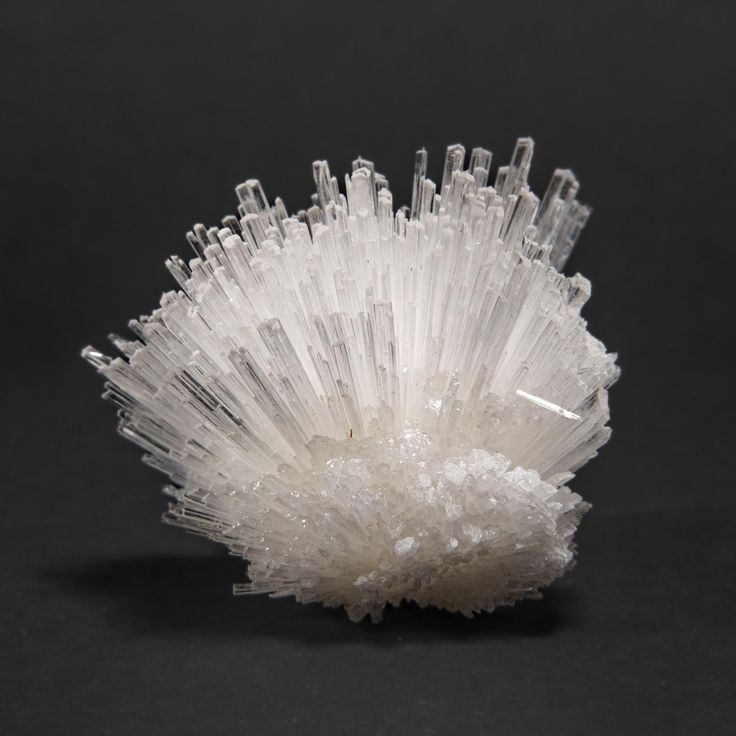
Scolecite Crystal, Benefits and Meanings.
Scolecite meaning centres on peace, intuition, and quiet spiritual reflection.
Metaphysical & Spiritual
Scolecite works with stillness that is active rather than empty. Its energy is often read as a soft clearing of inner noise, making room for quieter knowing to surface without force. It brings a refined, inward quality to spiritual practice. Rather than pushing for insight, it helps thoughts uncoil, so reflection can happen with less strain and more trust in what is felt. The stone carries a cool, receptive tone that settles easily into prayer, meditation, and private contemplation. Many keep it close when they want to listen more carefully to their own intuition and let the mind step back from constant commentary. Scolecite also works well when emotional sensitivity needs a gentler container. It encourages a calm inner field where feelings can be observed, named, and released without becoming overwhelming.
Planet

Moon
Scolecite works with the Moon through reflection, instinct, and the changing pace of inner life. It carries a lunar stillness that supports dreamwork, quiet processing, and the kind of awareness that grows in silence.
Element
Water
Scolecite brings Water energy into a calm, flowing state that does not force release. It helps emotions move like a slow current, keeping sensitivity present while making space for clarity.


Crystal Pairings
Scolecite pairs naturally with stones that quiet the inner field without dulling awareness. These combinations tend to deepen reflection, soften mental noise, and keep intuition gentle but clear, so the energy feels receptive rather than scattered.
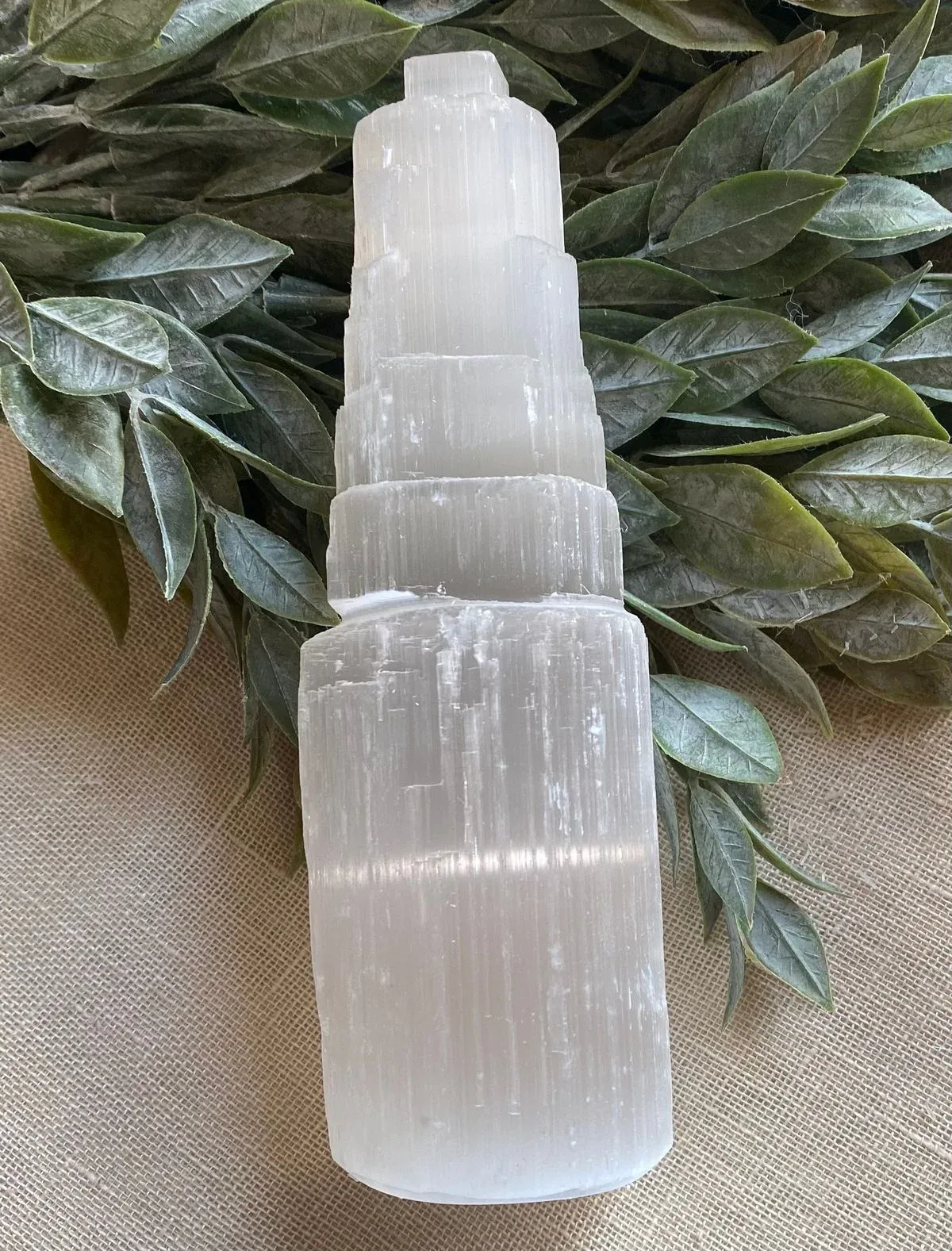
Selenite
Selenite and Scolecite create a clean, lifted current that helps clear spiritual residue and keep the mind open. Together they support quiet clarity, especially in meditation or before sleep, when a softer inner atmosphere is wanted.
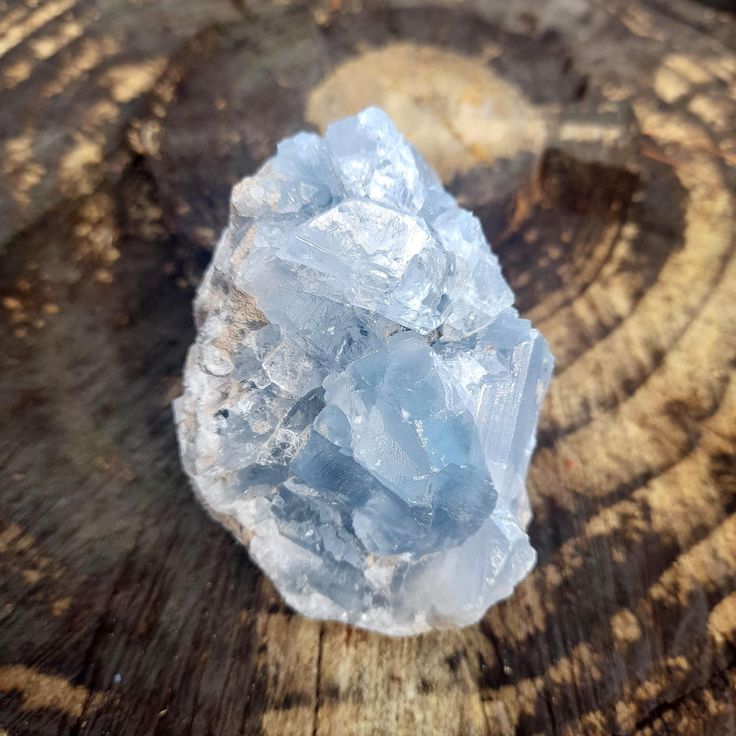
Celestite
Celestite brings a spacious, devotional quality to Scolecite, opening the field to calmer insight and a more trusting inner listening. The pairing feels especially suited to prayer, contemplation, and work that asks for peace without losing sensitivity.
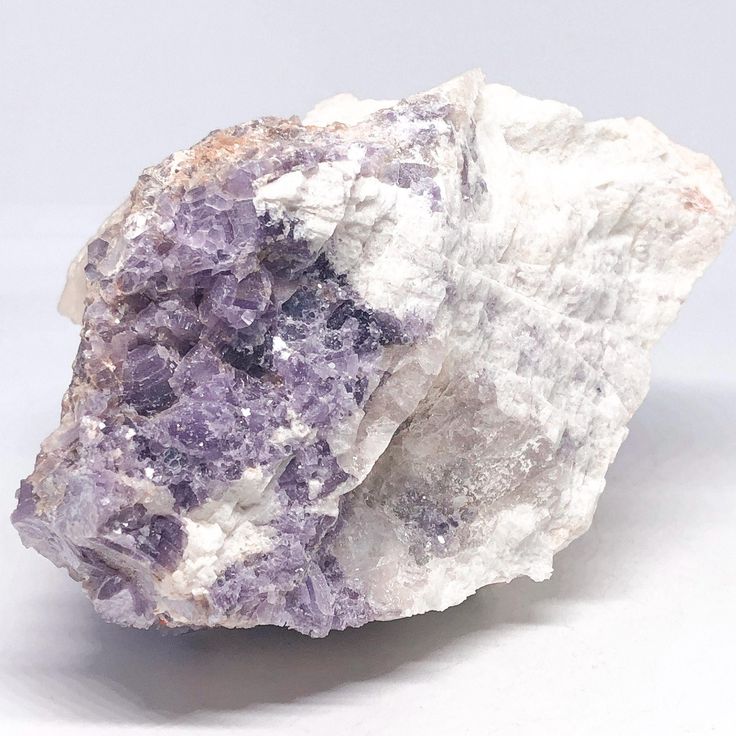
Lepidolite
Lepidolite adds a settling, self-soothing rhythm beside Scolecite, helping the energy feel more held and less porous. This combination supports emotional balance when the heart needs gentleness and the mind needs to stop circling the same thoughts.
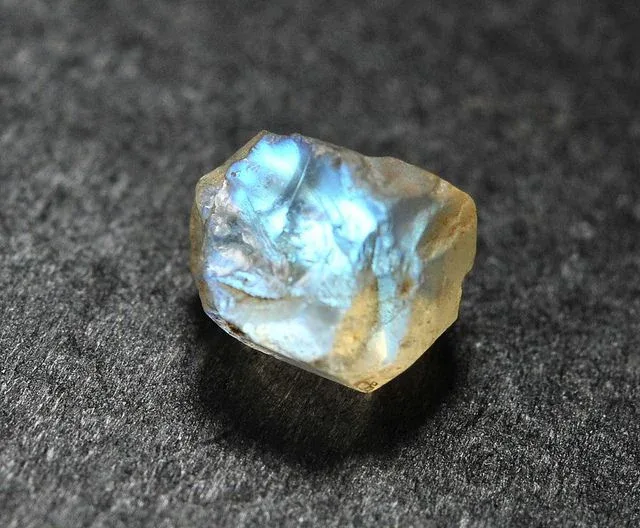
Moonstone
Moonstone and Scolecite work together through intuition, inner tides, and emotional receptivity. The pairing brings a softer awareness of timing and feeling, which can help when decisions need patience and a more intuitive pace.
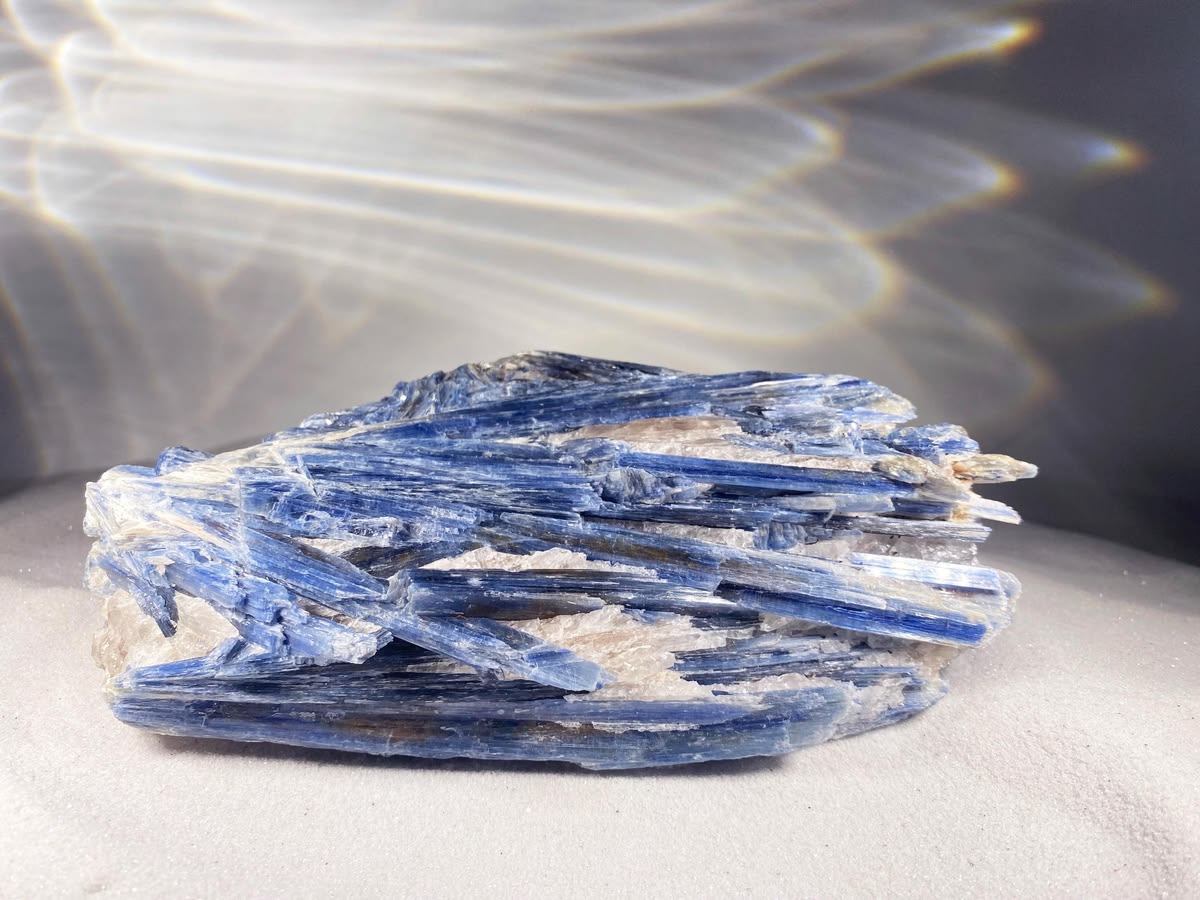
Blue Kyanite
Blue Kyanite gives Scolecite a clearer line of expression, helping insight move from quiet knowing into words and discernment. Together they support honest communication that stays calm, direct, and spiritually aligned.
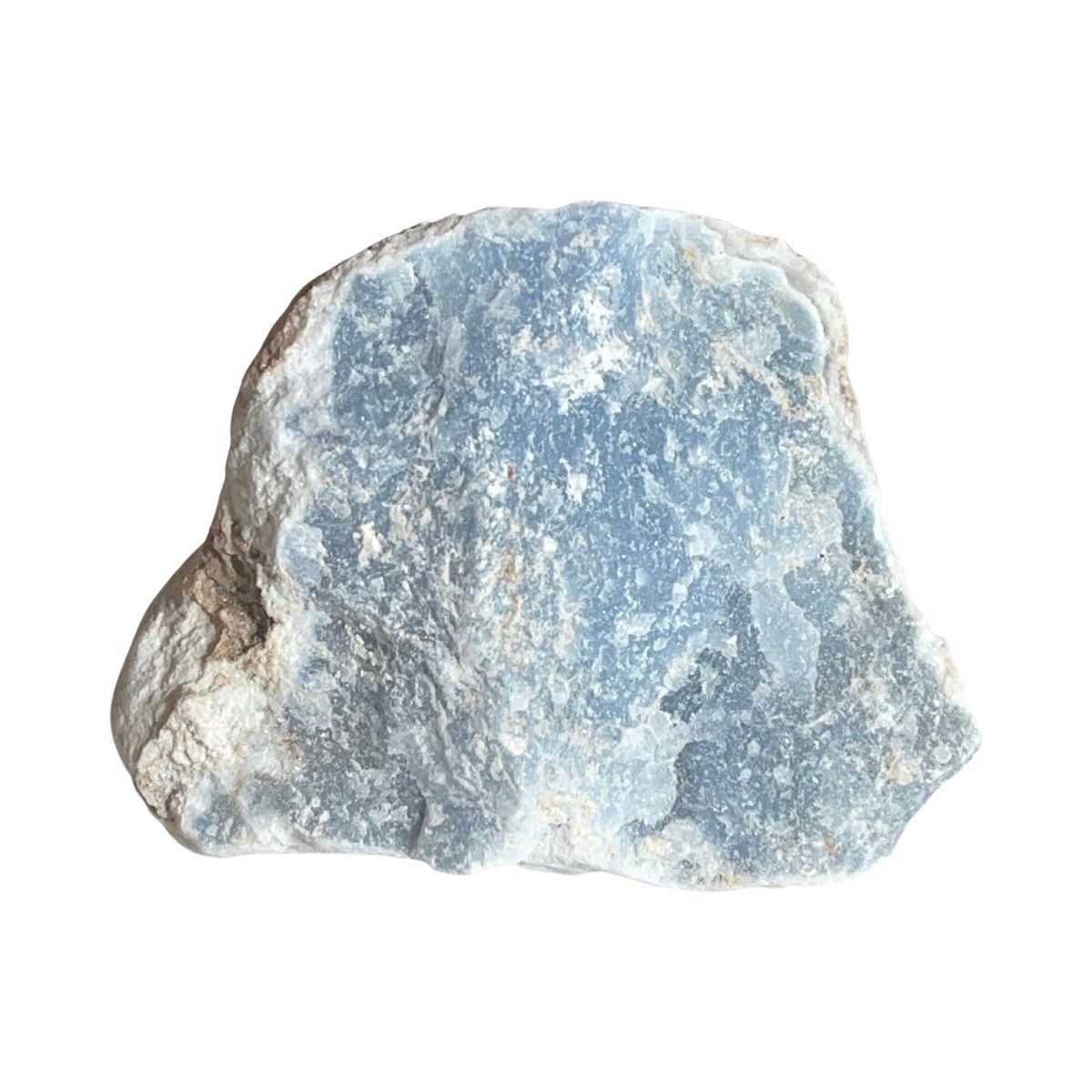
Angelite
Angelite deepens Scolecite's tender, prayerful tone and keeps the energy open to compassion. This pairing is often chosen for spiritual reflection, comfort, and moments when the heart wants reassurance without pressure.
Healing
Scolecite connects with moments when the inner field feels overfilled and the mind keeps reaching for one more answer. Its quiet presence is often chosen when feelings need space to settle before they can be understood, especially after emotional noise, restless thinking, or a day that has left the nerves feeling thin.
It also works with gentle discernment. Scolecite can help keep intuition soft but clear, so reflection does not drift into rumination and boundaries can be felt before they need to be spoken.
Affirmations
Hold Scolecite at the Crown or Third Eye area and choose an affirmation that matches the pace of the day.
Repeat it slowly for a few breaths, then let one small action carry the intention into ordinary life.
- I trust quiet guidance
- I let my mind soften
- I receive insight with ease
- I honour my inner knowing
- I stay calm and clear
Intention Setting
Scolecite can help set intentions that are gentle, inward, and honest. It is useful when the aim is not force, but a steadier way of meeting what is already present.
It also supports intentions around reflection, spiritual awareness, and calm response, especially when change asks for patience rather than urgency.
- I welcome calm insight
- I listen before I react
- I move through change with grace
- I keep my boundaries clear
- I choose quiet clarity today
Manifesting
Scolecite supports manifesting that begins with stillness and follows through with trust. It helps keep attention on what is true, rather than what is loud, urgent, or borrowed from other people.
It is often used when the goal is a more peaceful inner rhythm, clearer intuition, or a life that feels less crowded by other voices.
- I create space for calm insight
- I trust what feels quietly true
- I welcome peaceful change
- I move with steady intuition
- I follow through with gentle focus
Jewellery
Scolecite jewellery works differently depending on where it rests, so the reminder can land near the mind, the hands, or the heart. That placement helps shape how the stone is used: to steady self-talk, soften reaction, or keep communication clear and unhurried.
General benefits: Wearing Scolecite jewellery keeps its quiet, reflective current close through the day. It serves as a reminder to pause before absorbing other people's tension, to listen inwardly, and to answer from a calmer centre. This is especially helpful on busy days, during emotional conversations, or when change asks for a steadier spiritual footing.

Necklace
A Scolecite necklace sits close to the throat and upper chest, where it can support calmer speech and a more thoughtful pace in conversation. It is a useful choice when words need to be honest without becoming sharp, or when the heart feels full and needs a quieter channel. Worn through the day, it can help keep the inner tone gentle while decisions are being made. The stone acts as a reminder to breathe, listen, and let insight arrive before speaking.
Bracelet
A Scolecite bracelet keeps the stone in the hands, where it can support deliberate action and a more settled response to pressure. Each glance at the wrist can become a small return to composure. It is often chosen for days filled with messages, tasks, or emotional demands, when the body needs a cue to slow down before reacting. The bracelet can help turn scattered energy back towards one clear next step.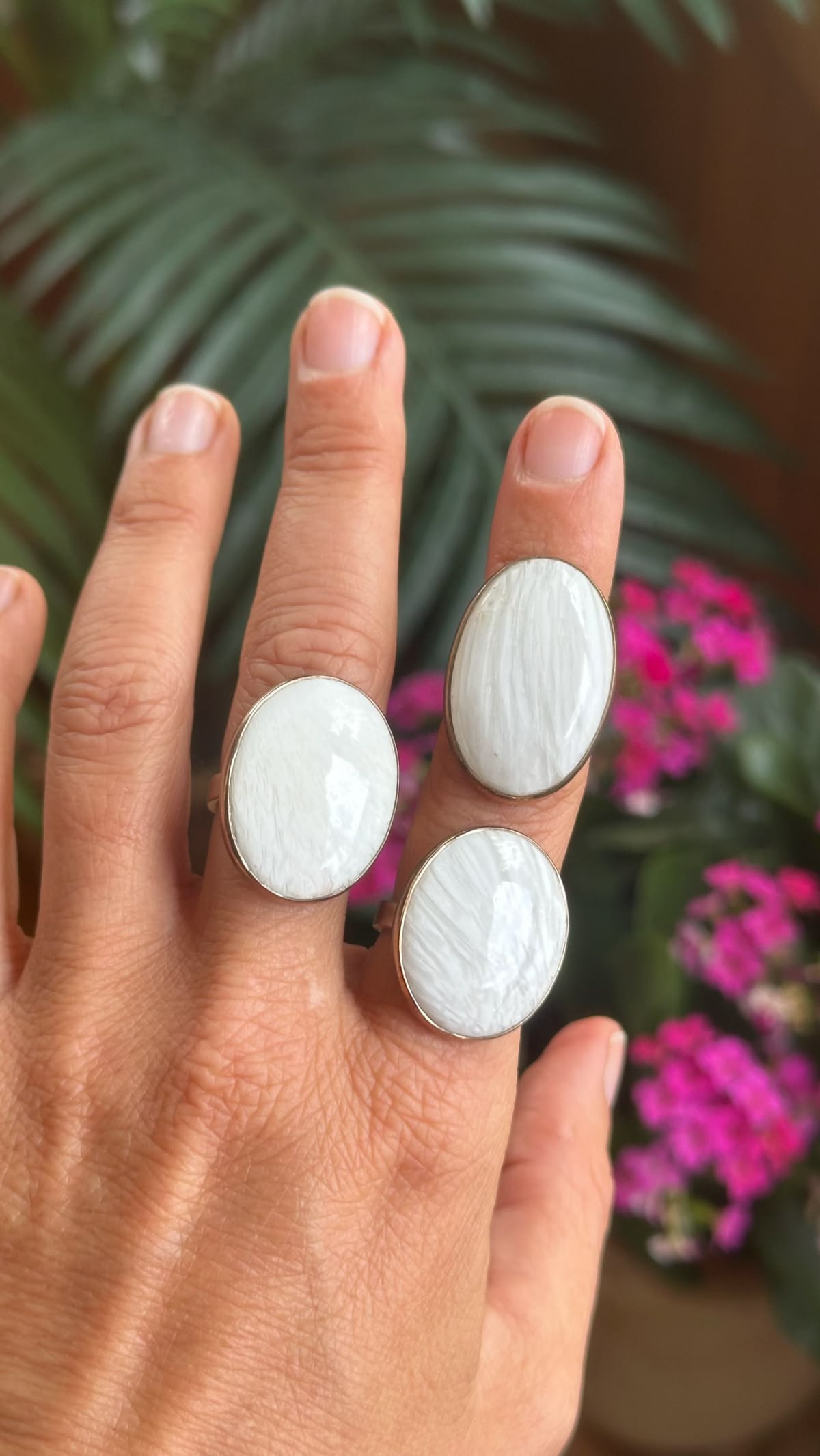
Ring
A Scolecite ring brings the stone into view during choices, commitments, and moments of self-talk. It can support a quieter inner dialogue, especially when doubt or overthinking starts to crowd the mind. This placement works well when a person wants to remember their own boundaries while staying open and kind. The ring becomes a small, steady signal to choose from reflection rather than impulse.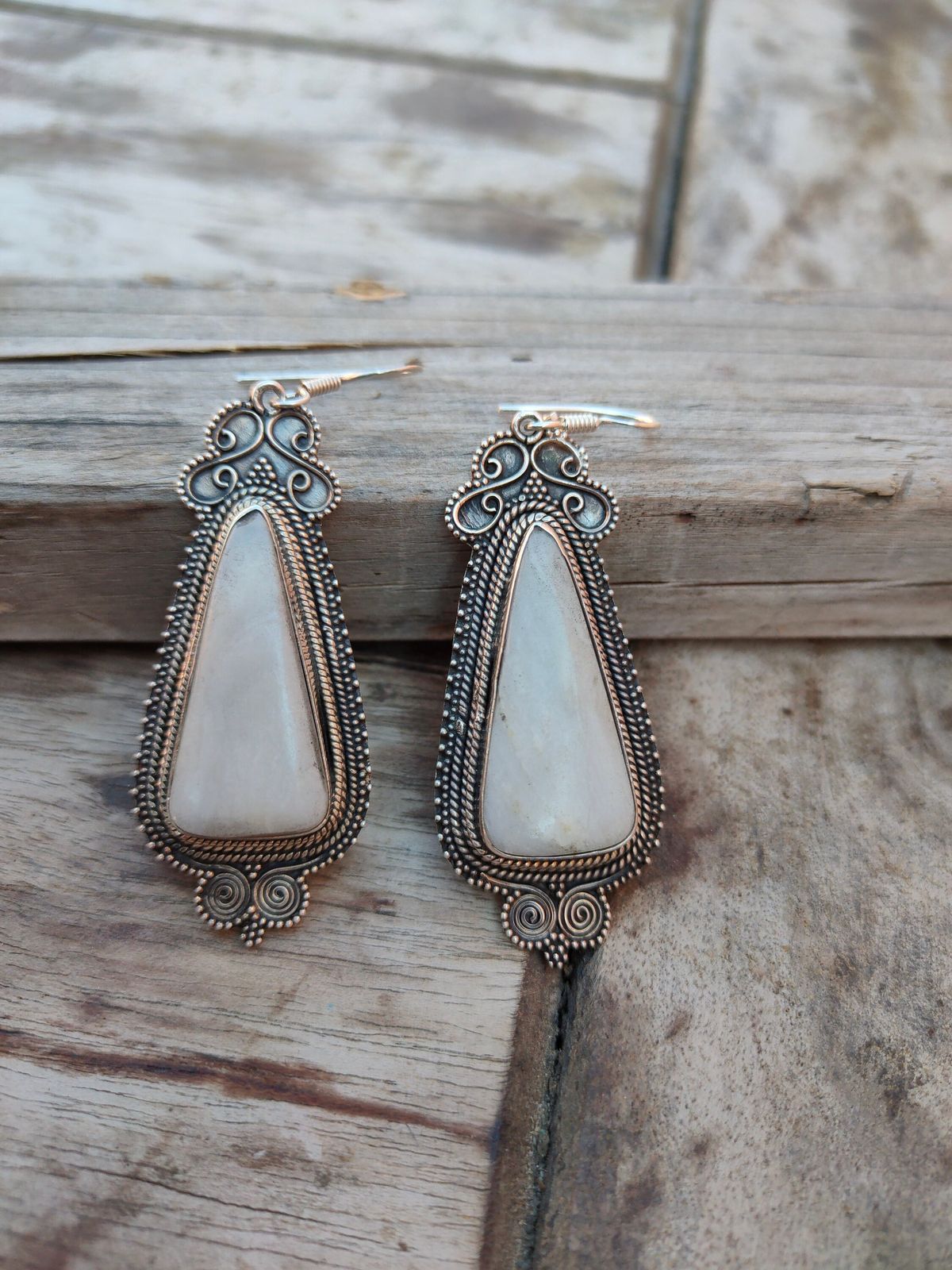
Earrings
Scolecite earrings sit close to the head and can support clearer listening, softer mental chatter, and a more receptive state in conversation. They are useful when the day calls for attention, patience, and a calm response to many voices at once. They can also help keep intuition close to awareness, rather than leaving it buried under noise. In meetings, family exchanges, or quiet contemplation, the stone can encourage a more spacious way of hearing.Forms
Different Scolecite forms shift how its energy is held and directed. Some feel more open and receptive, while others bring the stone into a tighter, more focused line for reflection or intention work.
Rough
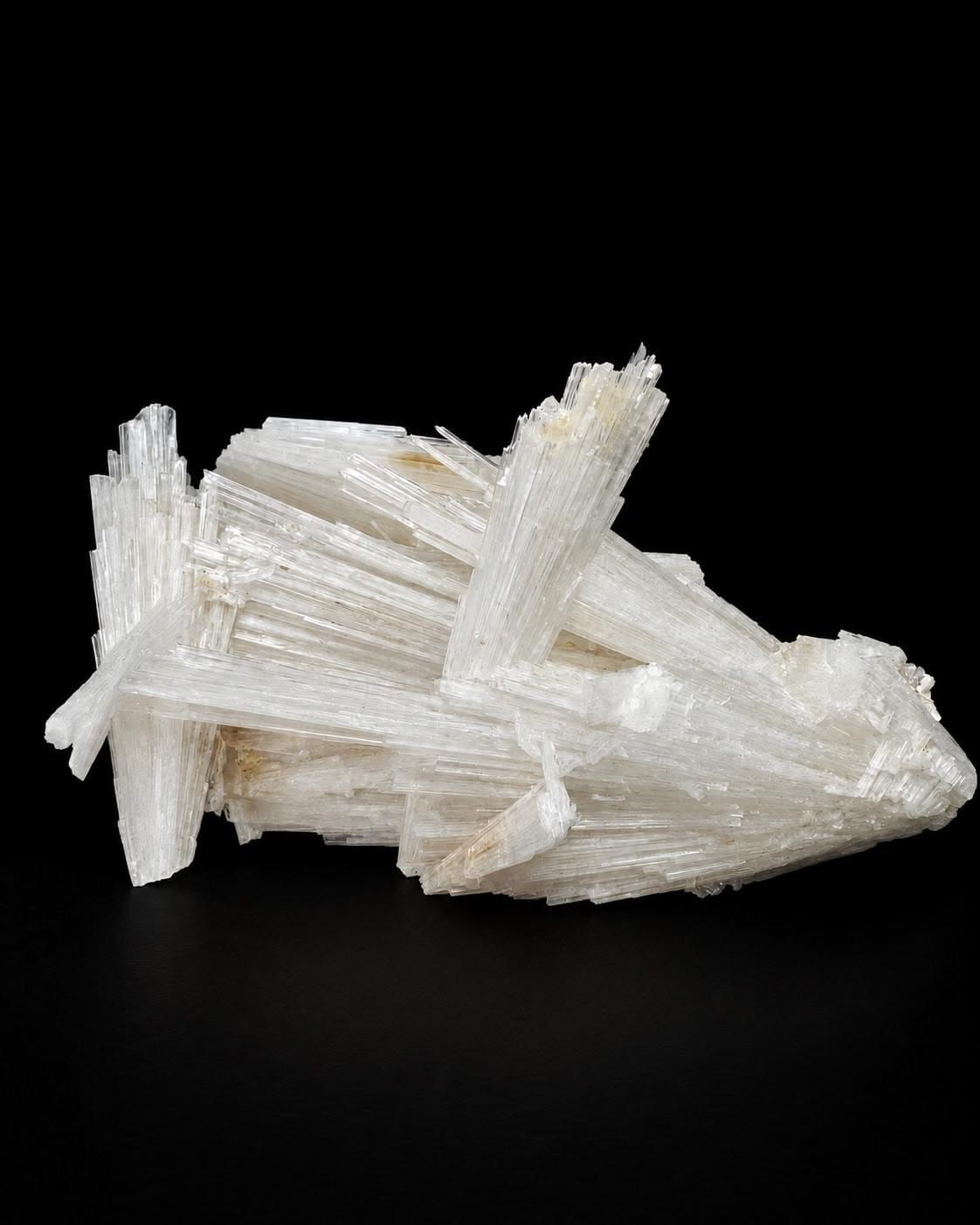
Rough Scolecite feels direct and unfiltered. It is often used when the aim is simple stillness without too much shaping or interpretation.
Point / Tower
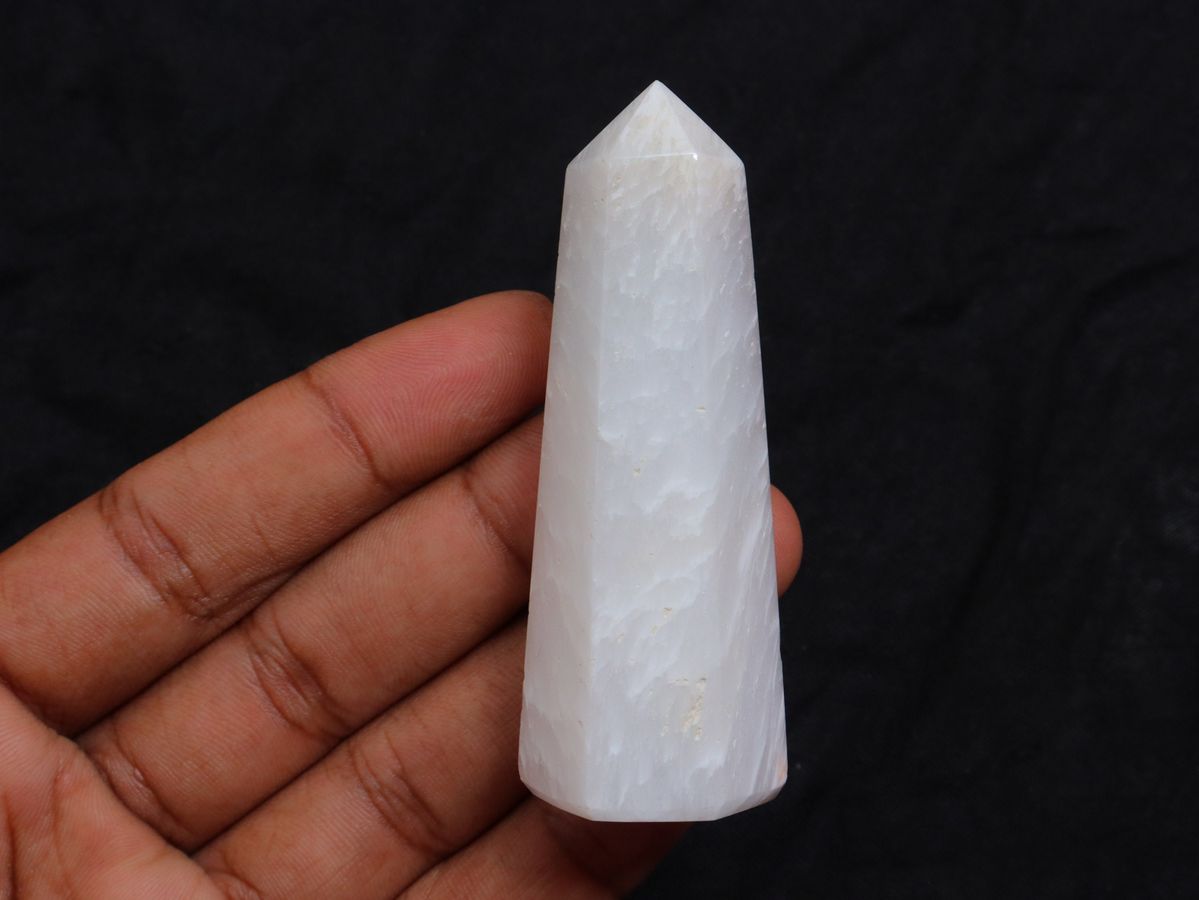
A point or tower gives Scolecite a more directed feel for meditation or intention setting. It helps gather scattered thought into one quieter line.
Sphere
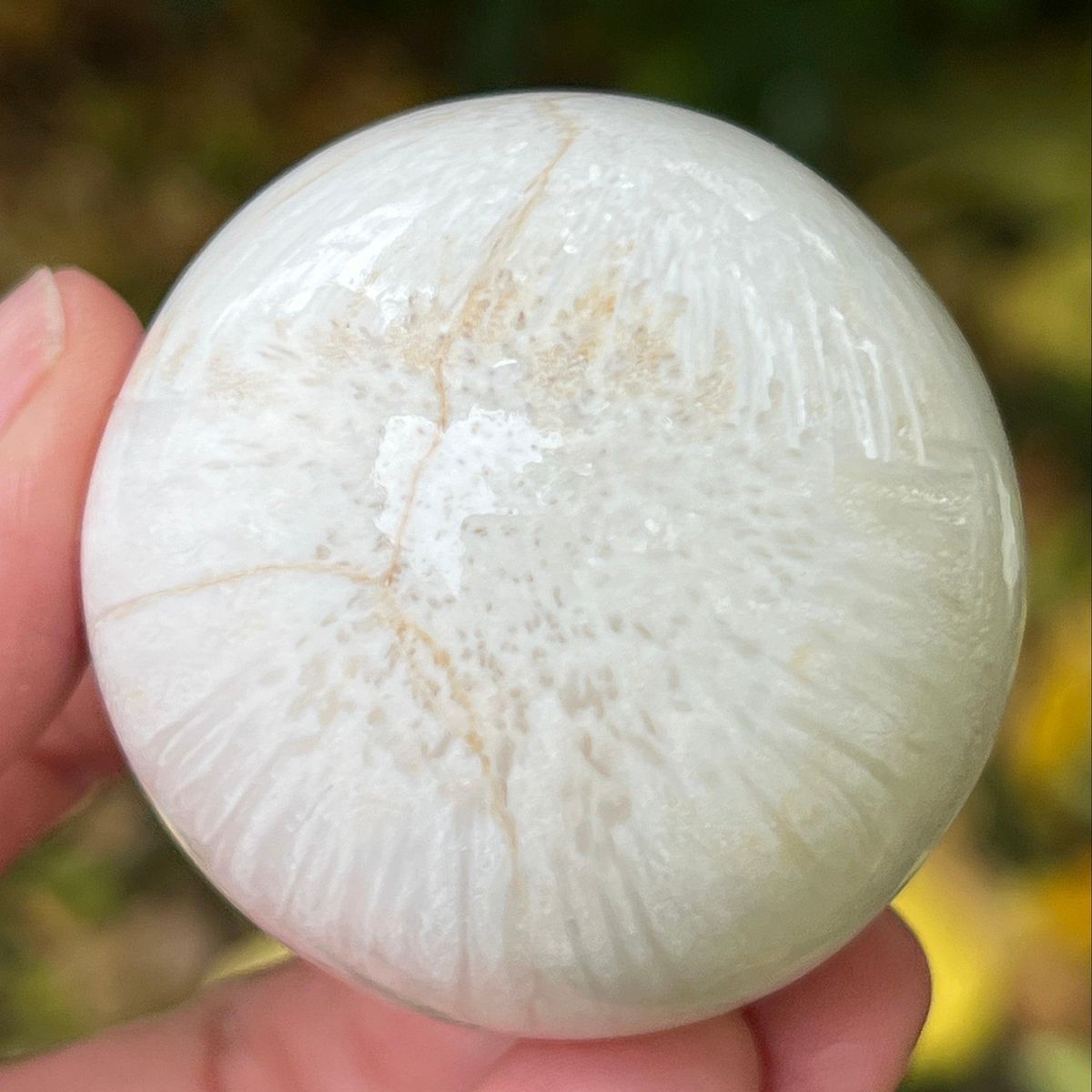
A sphere tends to spread Scolecite's energy evenly through a space. It can support a calm, balanced atmosphere for reflection.
Palm Stone
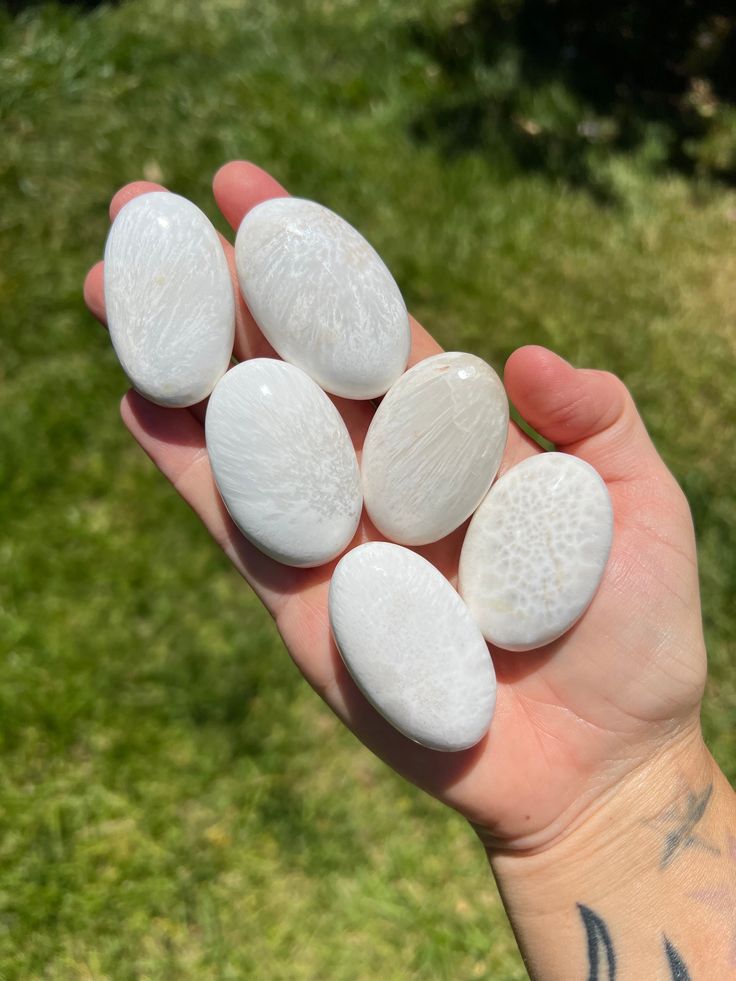
A palm stone offers a contained, hand-held way to work with Scolecite during quiet pauses. It is useful for settling the nerves and returning to breath.
Tumble Stone
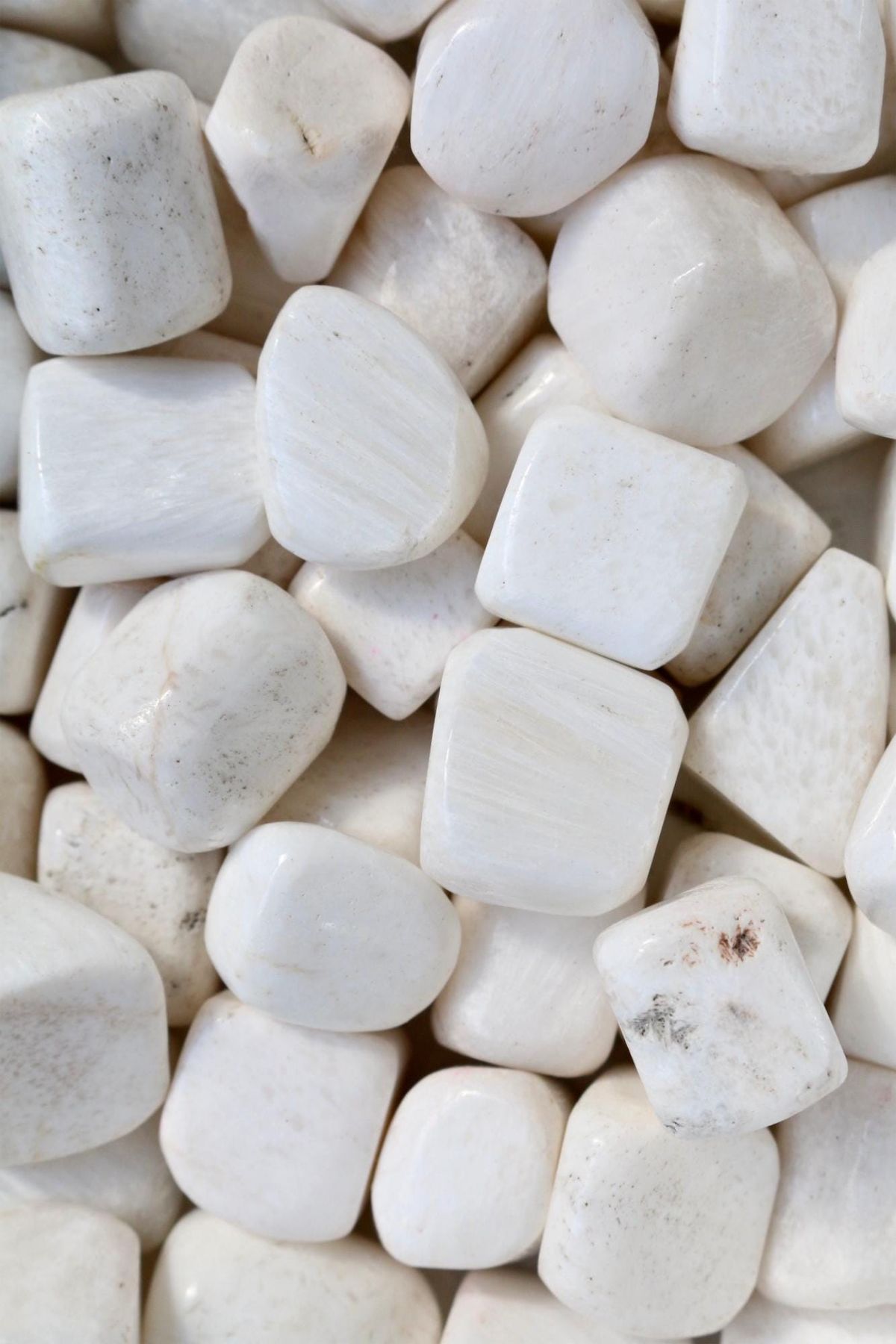
A tumble stone carries Scolecite in a small, easy form for pockets or bags. It is a simple companion for brief resets during the day.
Figure
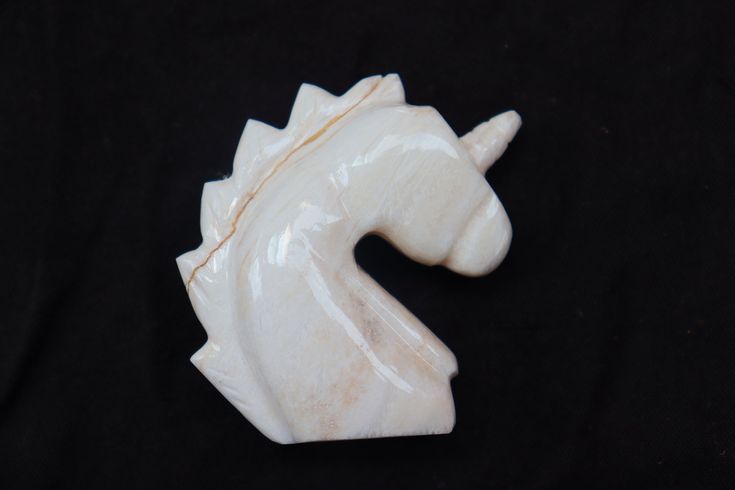
A carved figure can make Scolecite feel more intentional and devotional. It works well for focused spiritual practice or a personal altar.
Heart
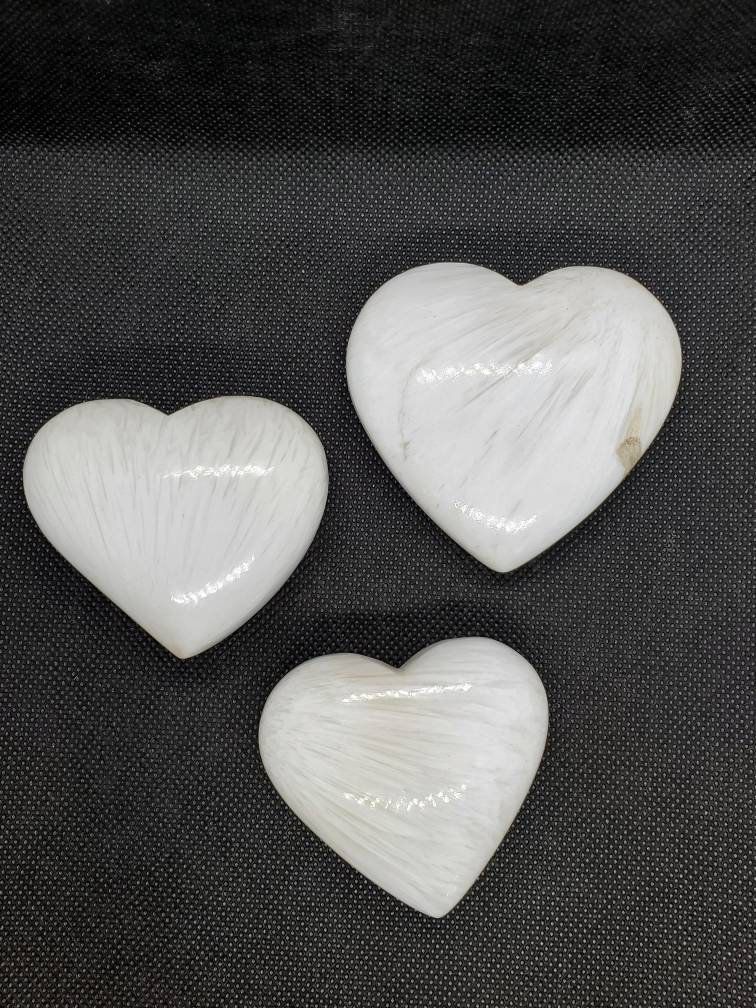
A heart form brings forward Scolecite's gentler emotional tone. It is often chosen when reflection needs to stay tender, kind, and self-respecting.
Cleansing & Charging
Cleansing Scolecite can be especially helpful after heavy conversations, restless sleep, or periods of emotional clutter. Because it is a delicate zeolite with a water-bearing structure, it is best treated gently and kept away from soaking, steam, and harsh cleaning methods.
How to cleanse Scolecite
- Use a soft dry brush or a gentle cloth to remove dust from the surface without pressing into the crystal's sprays or fibres.
- Pass it through sound from a singing bowl, chime, or calm voice for a light energetic reset.
- Place it beside selenite or clear quartz overnight so it can rest in a quieter field without being handled too much.
How to charge Scolecite
- Leave it in indirect morning light for a short time, then bring it back indoors before the light becomes strong.
- Set it near moonlight in a dry location to refresh its reflective quality without exposing it to damp conditions.
- Hold it with a clear intention and let the words be simple, calm, and specific before placing it back where it is kept.
Where to Use
Choose places where Scolecite can support calm awareness, softer thinking, and a more spacious inner pace.
Meditation space
In a meditation space, Scolecite supports stillness that stays awake rather than drifting off. It can be held at the start of a practice to settle the mind, or placed nearby as a quiet anchor for reflection. This is a strong place for intentions around intuition, spiritual awareness, and emotional calm.
Personal altar
On a personal altar, Scolecite brings a devotional and inward quality to prayer, journalling, or quiet contemplation. It can sit beside candles, written intentions, or other stones that support a gentle spiritual rhythm. The stone helps keep the space feeling clear, receptive, and unforced.
Quiet reading area
In a quiet reading area, Scolecite can support the kind of focus that lets thoughts deepen without becoming heavy. It is a good companion for reflective reading, study that needs calm concentration, or time spent with spiritual texts. The stone helps the mind stay open and less easily pulled into distraction.
Carried in a pocket, Scolecite becomes a discreet reminder to pause before reacting. It is useful on days of travel, errands, or emotional meetings, when a small touchstone can help the body remember its own pace. A hand on the stone can become a brief reset before the next conversation or decision.
Science
Physical properties
- Mineral class
- Hydrated Tectosilicate
- Color
- Colourless to white, occasionally cream, pale pink, salmon, red, or pale green
- Hardness
- 5 - 5.5
- Density
- Approximately 2.25 - 2.29 g/cm3
- Durability
- Fair to low
- Thermal stability
- Low
Optical properties
- Transparency
- Transparent to translucent
- Lustre
- Vitreous, becoming silky or pearly in fibrous aggregates
- Refraction index
- Approximately 1.51 - 1.52
Chemical composition
- Class
- Hydrated calcium aluminosilicate
- Formula
- CaAl2Si3O10·3H2O
- Group
- Natrolite Subgroup within the Zeolite Group
- Magnetic
- Non-magnetic
Formation
Scolecite is a recognised calcium-rich mineral species within the Zeolite Group and Natrolite Subgroup, and it forms as a hydrated tectosilicate rather than a variety of Quartz or Calcite. It usually develops in low-temperature hydrothermal settings, where calcium-bearing fluids move through fractures, vesicles, and cavities in basalt and related volcanic rocks, leaving behind slender prismatic or needle-like crystals.
Its open framework structure holds water molecules and exchangeable calcium ions in channels, which is characteristic of zeolite minerals. Scolecite commonly appears as parallel groups, radiating sprays, fibrous masses, spherical aggregates, or cavity-filling crusts, and twinning can give some crystals a flattened or striated look. The mineral is delicate despite its moderate hardness, so specimens are best handled gently and kept away from deliberate heating, soaking, steam, ultrasonic cleaning, acids, and harsh chemicals.
Locations
- Nashik District, Maharashtra, India
- Pune District, Maharashtra, India
- Mumbai region, Maharashtra, India
- Teigarhorn, Iceland
- Kaiserstuhl, Baden-Württemberg, Germany
- Isle of Skye, Scotland
- Oregon, United States
- New Jersey, United States
- Brazil
History
Scolecite formed in volcanic cavities
Ancient geological history
Scolecite developed where low-temperature, mineral-rich fluids moved through fractures and gas cavities in basaltic volcanic rock. Over time, those conditions allowed calcium-rich zeolite crystals to grow in delicate sprays and slender clusters. This geological setting is part of what gives Scolecite its characteristic cavity-filling habit and fragile, fibrous appearance.
Scolecite established as a mineral species
1813
Scolecite was formally recognised as a distinct mineral species in 1813 from material associated with the Kaiserstuhl volcanic region. Its identification helped separate it from other similar zeolites and gave it a clearer place in mineral classification. The name and species status became part of the wider scientific understanding of zeolite minerals in Europe.
Named for its response to heat
Early 19th century
The mineral's name comes from the Greek word skolex, meaning worm. Early mineralogists used the term because thin fragments could curl or twist in a worm-like way when heated in a blowpipe flame. That unusual reaction became a memorable part of its scientific story and remains tied to its name today.
Important Indian zeolite deposits studied
19th and 20th centuries
Basalt quarries in the Deccan Traps of Maharashtra produced abundant Scolecite alongside other zeolite minerals such as Stilbite, Apophyllite, and Heulandite. These deposits drew scientific attention as well as collector interest, especially where Scolecite appeared in fine radiating sprays. The Indian localities became important for both study and specimen collecting.
Collected for its radiating crystal sprays
20th century
During the 20th century, collectors increasingly valued Scolecite for its slender crystals gathered into sprays, clusters, and fibrous masses. Specimens from India and Iceland were especially admired for their delicate form and bright, airy look. This period helped establish Scolecite as a sought-after mineral specimen in collections around the world.
Used as a mineral specimen and ornamental stone
Present day
Scolecite is still collected as a mineral specimen and polished into palm stones, cabochons, carvings, and beads. In modern crystal traditions, it is commonly associated with peace, intuition, and spiritual reflection. Its place in contemporary use bridges scientific interest, decorative work, and quiet devotional practice.
Got questions?
We've got answers!
FAQ's
What is Scolecite used for?
+×
Scolecite is commonly chosen for meditation, reflection, and quiet spiritual practice. Its gentle, airy presence is often kept in a bedroom, meditation space, or personal altar when a calmer atmosphere is wanted.
It is also used as a reminder to slow down, listen inwardly, and let thoughts settle before responding. Many crystal keepers pair it with other soft, reflective stones when they want a peaceful, uncluttered feel.
Is Scolecite a type of Zeolite?
+×
Yes - Scolecite is a zeolite mineral. More specifically, it belongs to the Zeolite Group and the Natrolite Subgroup, and it is a hydrated calcium aluminosilicate.
It forms in low-temperature volcanic settings, often in cavities and fractures within basalt. That delicate, water-bearing structure is part of what gives Scolecite its characteristic needle-like sprays and fragile appearance.
How can Scolecite be identified?
+×
Scolecite is usually recognised by its slender, needle-like crystals, radiating sprays, and soft white to colourless tones, though cream, pale pink, salmon, and pale green examples also occur. It may appear as fibrous clusters, cavity-filling crusts, or delicate parallel groups.
It is a fairly soft and delicate mineral, so specimens can break easily if handled roughly. Good examples are often best identified by their airy crystal habit rather than by a single bold colour.
Which zodiac sign is connected to Scolecite?
+×
Scolecite is most often linked with Cancer. Its calm, reflective quality suits Cancer's sensitive and inward nature, especially when emotional tides feel strong.
It is also associated with the Moon, Water, and the number 7, which all reinforce its quiet, intuitive character. These links are commonly used in crystal traditions rather than as fixed rules.
What chakras does Scolecite work with?
+×
Scolecite is associated with the Crown and Third Eye chakras. It is often used in practices that focus on spiritual awareness, inner listening, and gentle intuition.
Placed near the head during meditation, it may be chosen to support a quieter mental state and a more reflective mood. Its energy is usually described as soft rather than forceful.