
Azurite pairings
Azurite is a deep blue stone for insight, inner vision, and the kind of clarity that arrives in layers rather than all at once. Because it works so closely with the third eye and crown, pairing matters: the right companion can soften its intensity, steady its pace, and help its message land in a usable way instead of feeling mentally crowded.
The easiest way to build a satisfying combination is to keep the intention simple, choose one base quality such as calm, grounding, or openness, then add one supporting stone that shapes how Azurite speaks. That keeps the blue focus sharp without becoming brittle, and gives you a combination that feels coherent on a desk, in meditation, or in jewelry.
Crystals that combine well with Azurite
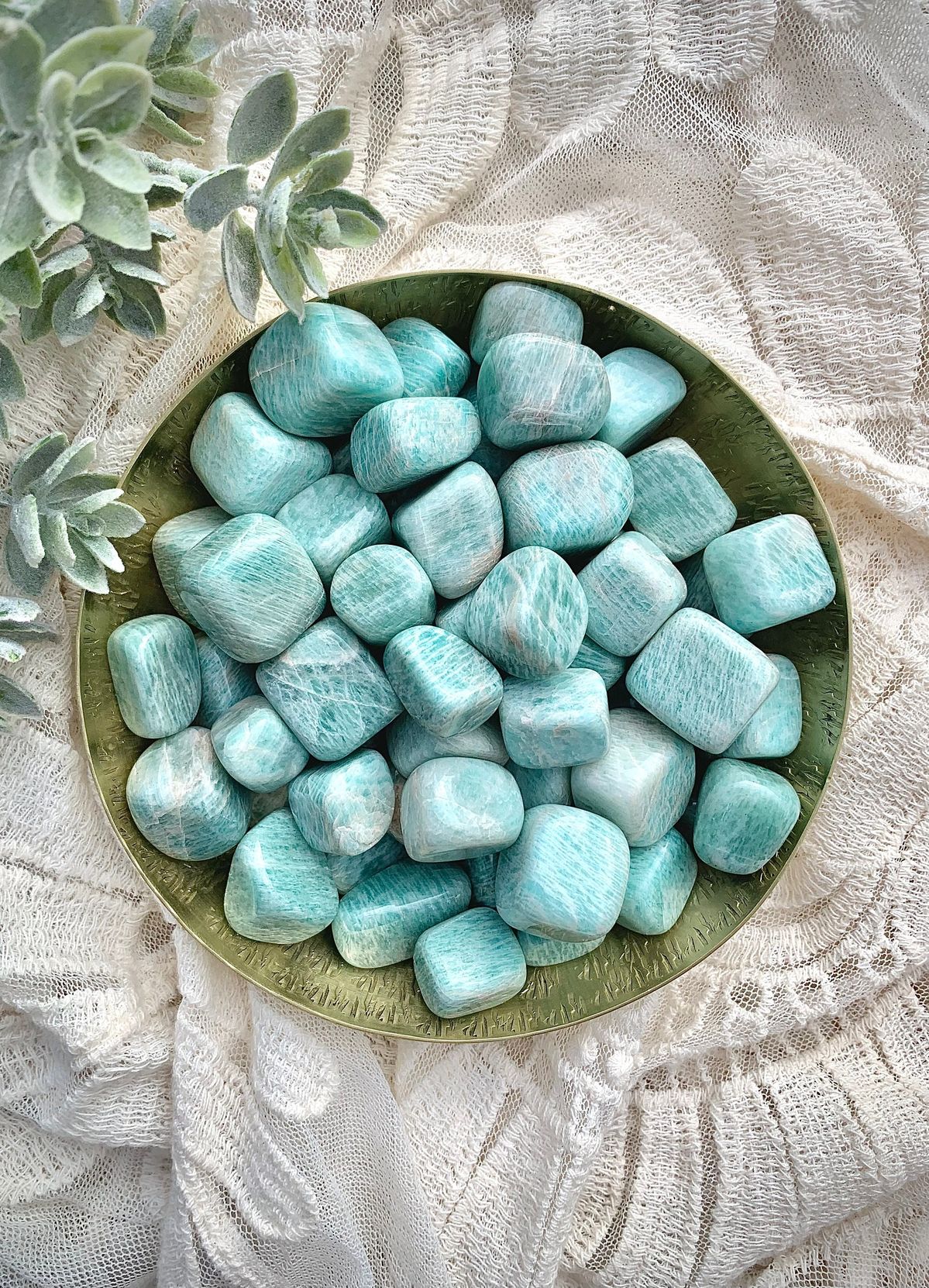
Amazonite softens Azurite's sharper focus and brings a calmer current to truth-telling, so insight can be spoken with more ease and less strain. Together they support honest communication that stays steady, kind, and clear under pressure.
Place them beside each other on a desk before writing a difficult email, then take three slow breaths and draft the first sentence only.
Hold both stones at the throat and heart for a minute, then journal one truth you want to express and one way to say it gently.
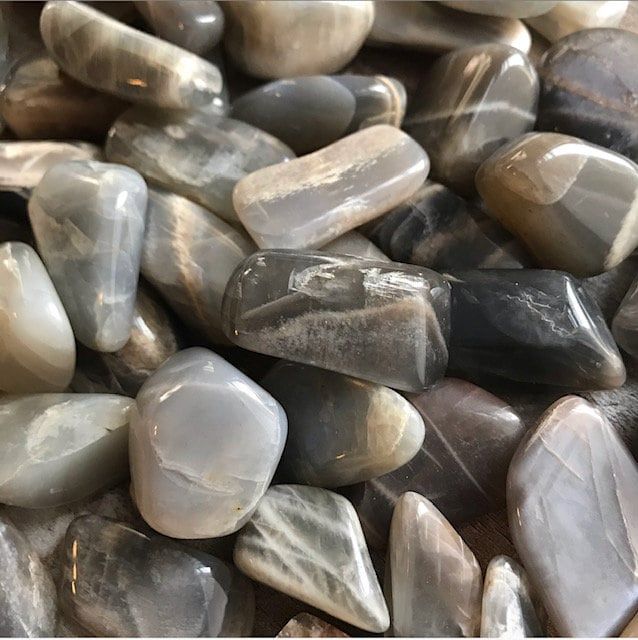
Black Moonstone grounds Azurite's high, searching quality and gives intuition a slower, more receptive rhythm. This pairing is useful when inner guidance needs to be felt through the body as well as understood by the mind.
Keep them on a bedside table and note any dream fragments before getting up, especially when you want slower, more embodied insight.
Sit with both stones in your lap, breathe into the lower belly for seven counts, and ask what needs to be understood more patiently.

Angelite opens a gentler channel around Azurite, making spiritual listening feel more devotional and less effortful. The two stones work well for quiet prayer, compassionate reflection, and receiving guidance without forcing an answer.
Place them on a small cloth or altar tray, then sit in silence for five minutes and let the first clear thought arrive without chasing it.
Hold one stone in each hand while breathing slowly through the nose, then write a single line of guidance after the session.

Caribbean Blue Calcite brings a softer, more flowing pace to Azurite's insight, helping thoughts settle into a clearer sequence. Together they support calm self-inquiry, especially when emotions and intuition need to be held in the same space.
Set them near your notebook before a reflective journalling session and write in short paragraphs rather than long, pressured lists.
Keep the pair on a reading chair or meditation cushion, then pause every few minutes to notice whether your thoughts feel more spacious.
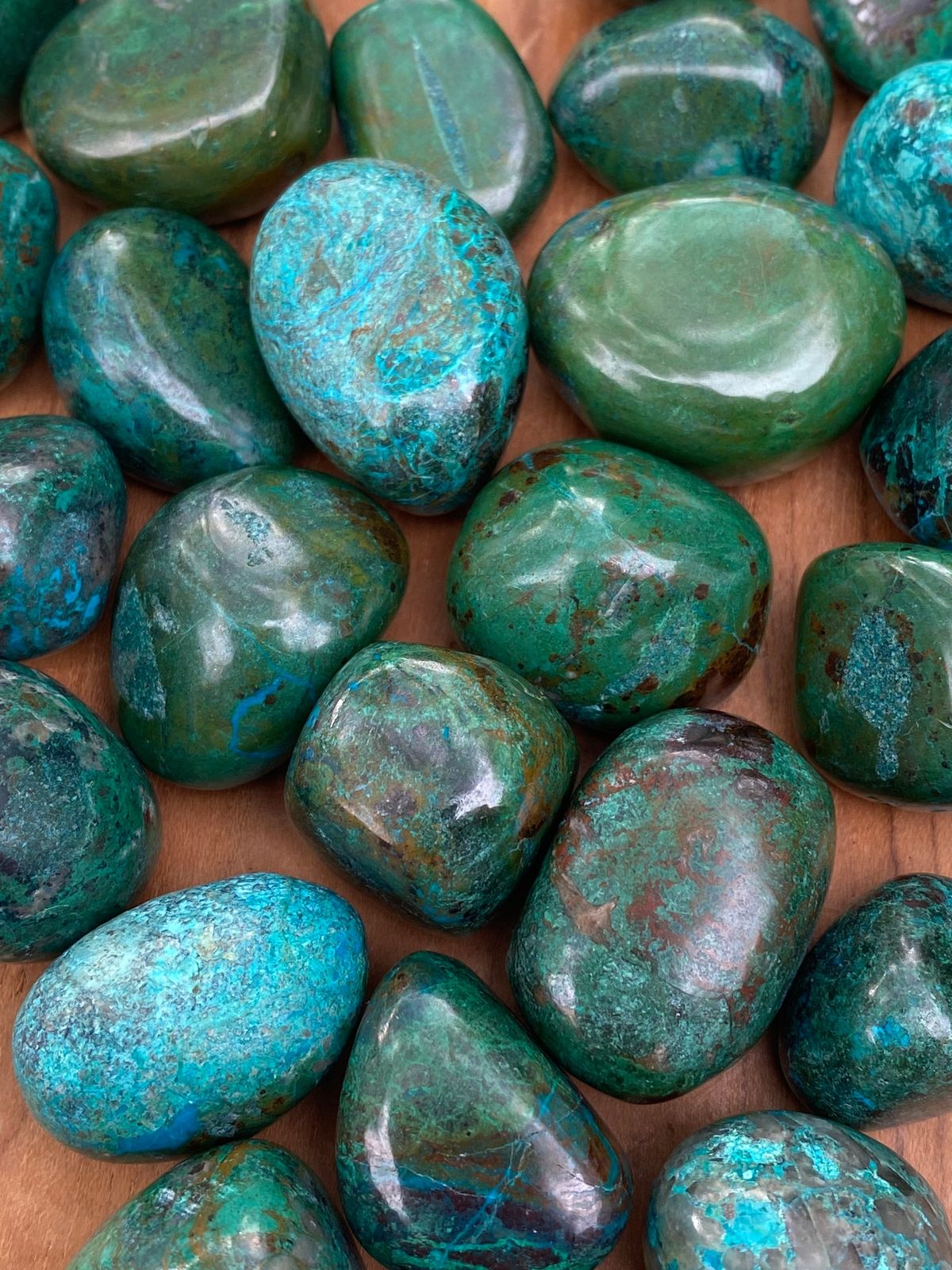
Chrysocolla adds heart-led expression to Azurite's discernment, so what is known inside can move into speech with warmth and integrity. This pairing is often chosen when boundaries, truth, and emotional honesty need to sit together without conflict.
Place them near your speaking space before a conversation, then rehearse one boundary sentence aloud until it sounds calm and natural.
Hold the stones while writing a message, and check that the tone feels both truthful and considerate before sending.
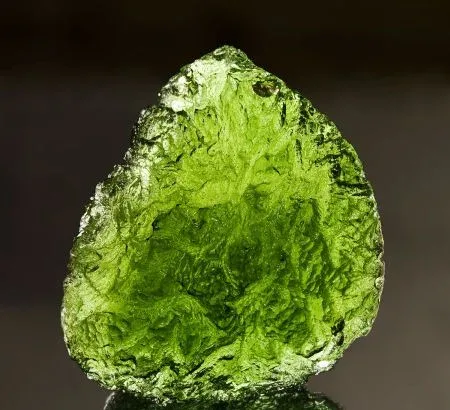
Moldavite intensifies Azurite's forward-moving spiritual current and can make inner shifts feel immediate and uncompromising. Used together, they suit work that asks for rapid awakening, clear release, and a willingness to meet change without hesitation.
Use them only for short sessions, placing them a little apart on a cloth while you breathe steadily and name the change you are ready to meet.
After meditation, write one action step and one thing to release, then keep the stones off your body for the rest of the day.
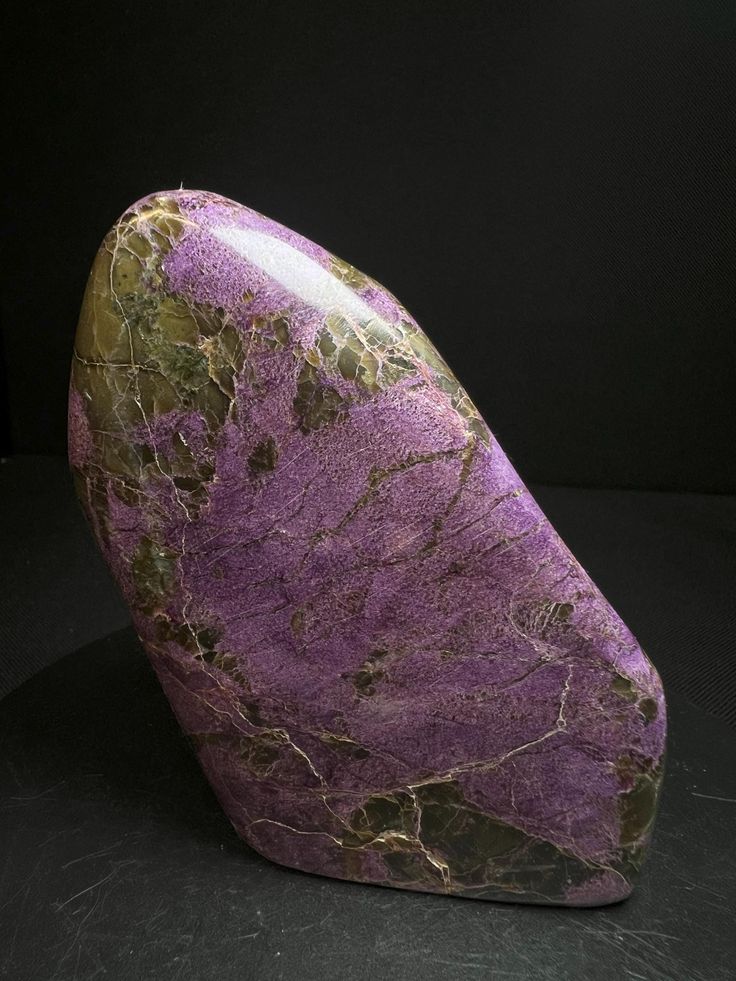
Atlantisite brings a steadier, more grounded wisdom to Azurite's visionary quality, so insight feels practical rather than abstract. The pairing is especially useful when you want spiritual clarity to translate into everyday choices.
Place them beside your planner or calendar and ask what one decision would make the week feel cleaner and more aligned.
Hold both stones before a study session, then read one page slowly and note the single idea that feels most useful.
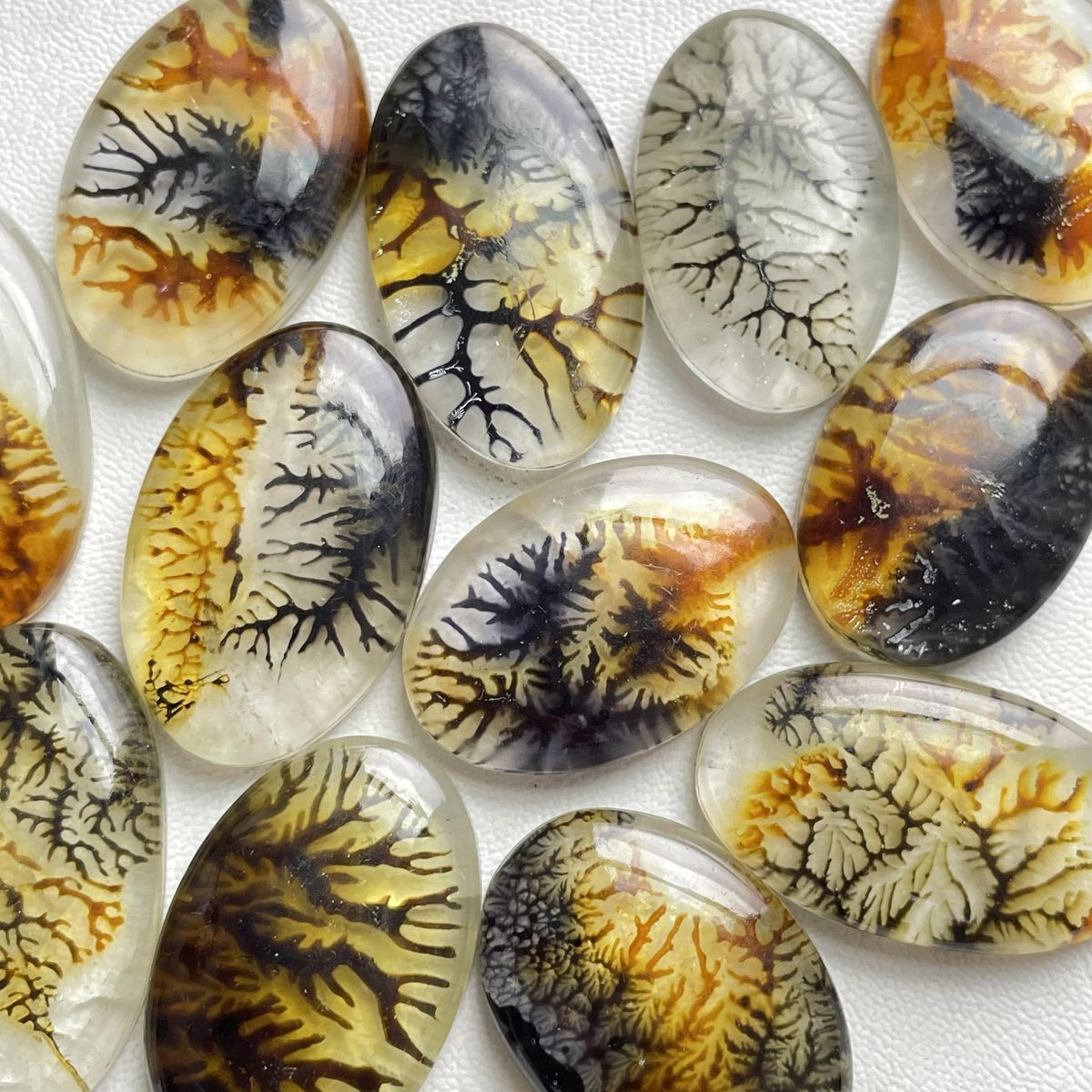
Dendritic Agate slows Azurite down in a useful way, adding patience, pattern-recognition, and a quieter sense of unfolding. Together they help you notice the shape of a situation without rushing to conclusions.
Keep them near a window or plant while journalling, and write down any repeating themes you notice in your thoughts or plans.
Place the pair on your desk during research or study, then pause every ten minutes to summarise what is becoming clearer.
Jewelry pairings that work well together
Azurite pairs best with stones that either soften its midnight depth or sharpen its blue-green intensity. Satin, polished and lightly translucent finishes suit it well, especially where a darker crystal is balanced by a paler, cloudier companion.
Azurite & Amazonite
Azurite's deep royal blue sits neatly beside Amazonite's softer blue-green, creating a fresh cool contrast. A polished finish on both keeps the pairing crisp, while Amazonite's gentler translucence lightens azurite's denser, more opaque character. A slim signet ring with both stones set side by side works well for this combination, especially on a hand that already carries other blue or silver pieces.
Azurite & Black Moonstone
Azurite's saturated blue gains extra depth next to Black Moonstone's dark, smoky sheen. The contrast feels moody but refined, with azurite bringing color and the moonstone adding a soft, reflective finish. A pair of cabochon ear climbers suits this pairing beautifully, giving the stones a vertical line that catches light without losing their quiet, nocturnal feel.
Azurite & Angelite
Azurite's intense blue is lifted by Angelite's pale, chalky blue, so the two read as a clear tonal gradient rather than a hard contrast. A smooth polish on azurite beside Angelite's matte softness creates a calm, airy balance. A single cuff with one stone at each end gives this pairing room to breathe and looks especially elegant with open sleeves or a simple collar neckline.
Azurite & Chrysocolla
Azurite and Chrysocolla share a copper-rich lineage, yet their colors differ enough to keep the pairing lively. Chrysocolla's blue-green, often more mottled or softly opaque, brings movement against azurite's deeper, more concentrated blue. A woven bracelet with alternating stone links suits this combination well, giving it a tactile, artisanal feel that works neatly with linen, denim or relaxed tailoring.
What not to pair with Azurite
Azurite works best when its intuitive, third-eye focus stays clean and spacious, so avoid pairings that drag it into heaviness, agitation, or mixed signals. Stones that are too grounding, too forceful, or too outwardly driven can blunt its inner vision and make its message feel crowded rather than clear.
Black Obsidian
Black Obsidian can pull Azurite into a very dense, protective register, which may close down the airy clarity Azurite needs for insight. The combination can feel more like shielding than seeing, with the intuitive thread becoming harder to read.
Hematite
Hematite is strongly anchoring, and with Azurite it can press the focus down so firmly that subtle impressions lose their lift. That heavier pull may make Azurite's inner vision feel muted or overly fixed.
Jet
Jet brings a deep absorptive quality that can make Azurite's delicate perceptions feel wrapped in shadow. Instead of clean intuition, the pairing may feel emotionally weighty and less open to nuanced insight.
Onyx
Onyx can reinforce control and containment, which may narrow Azurite's more fluid, receptive way of knowing. The result can feel disciplined but a little closed, as if the message is being held back rather than allowed to unfold.
Smoky Quartz
Smoky Quartz can soften and ground Azurite, but in this avoid context it may also blur the crisp edge of its clarity. The pairing can feel foggier than helpful when you want precise inner vision and a clean mental line.
Tiger's Eye
Tiger's Eye tends to push confidence, will, and practical focus, which can steer Azurite away from quiet intuition and into a more assertive mode. That shift may create tension between inner knowing and outward drive, muddying the crystal's reflective role.
Carnelian
Carnelian adds heat, momentum, and creative urgency, which can be too animated for Azurite's contemplative blue field. The pairing may feel lively but scattered, with excitement overtaking the stillness needed for clear insight.
Pyrite
Pyrite can introduce a sharp, ambitious, outward-facing energy that competes with Azurite's inward clarity. Rather than supporting vision, it may make the field feel busier and more mentally driven than intuitive.
Got questions?
We've got answers!
FAQ's
What is Azurite best paired with for calm insight?
+×
Amazonite, Black Moonstone, and Caribbean Blue Calcite are especially useful when you want Azurite's insight to feel steadier and less mentally sharp.
Can I wear Azurite with other blue stones?
+×
Yes. Blue and blue-green companions such as Angelite, Chrysocolla, and Amazonite can create a coherent look while keeping the energy soft and readable.
Is Azurite a good stone for journalling?
+×
It can be very useful for journalling when paired with a quieter stone like Dendritic Agate or Black Moonstone, because the combination encourages reflection rather than mental rushing.
How many stones should I combine with Azurite?
+×
Start with two stones if you want a clear result: Azurite plus one supporting crystal. That keeps the combination focused and easier to sense.
Should Azurite be paired with very intense stones?
+×
Usually only for short, intentional sessions. Azurite can become overwhelming if the pairing is too forceful, so it is often better to choose a calmer companion for regular use.