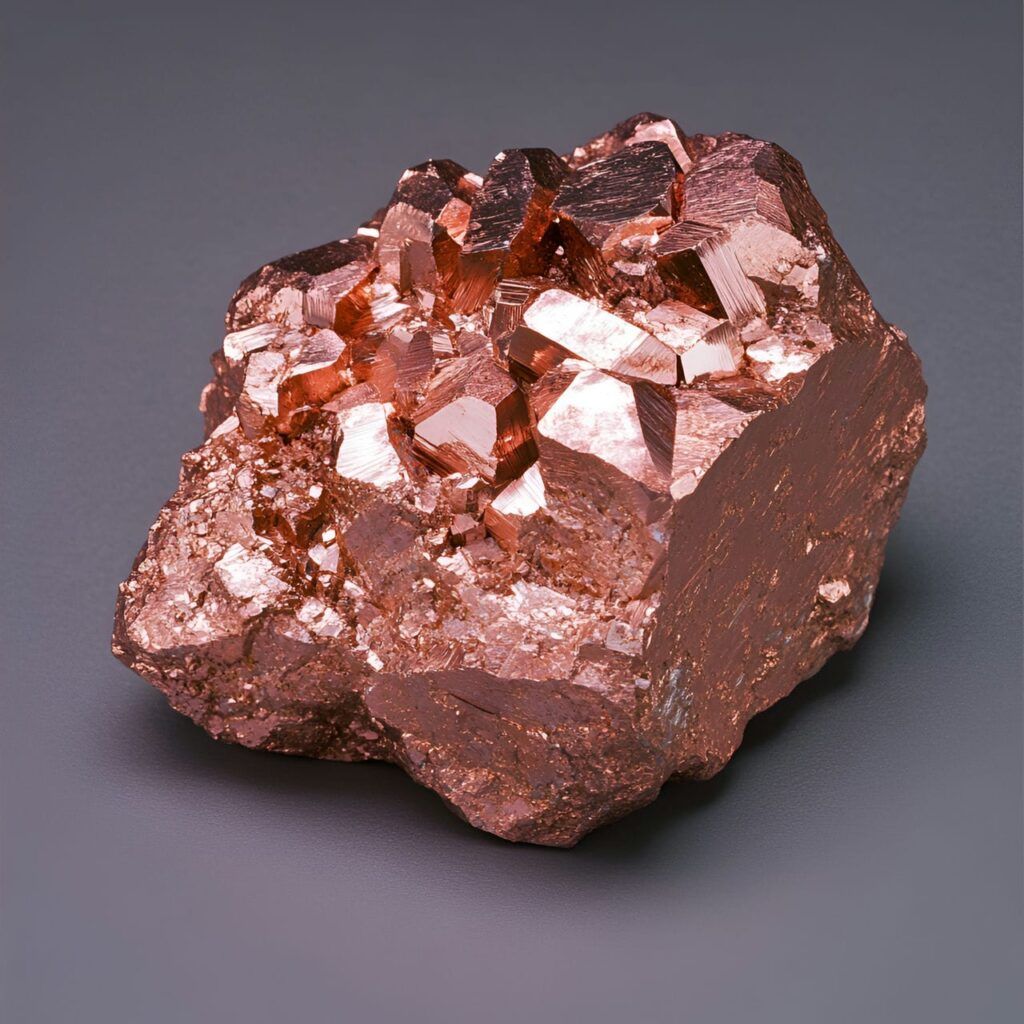
Copper pairings
Copper is often chosen for its sense of movement and connection, a steady conductor that helps intentions feel more cohesive and actionable. Pairing it thoughtfully can sharpen the overall direction of a copper set, especially when the goal is to keep energy feeling clear, grounded, and purpose-led rather than scattered.
Because Copper is commonly linked with vitality, balance, and amplification, combinations work best when each stone has a distinct job, such as stabilizing, energizing, or clarifying. A well-built pairing lets Copper act like a bridge between elements of the set, encouraging a smoother flow from intention to practical follow-through.
Crystals that combine well with Copper
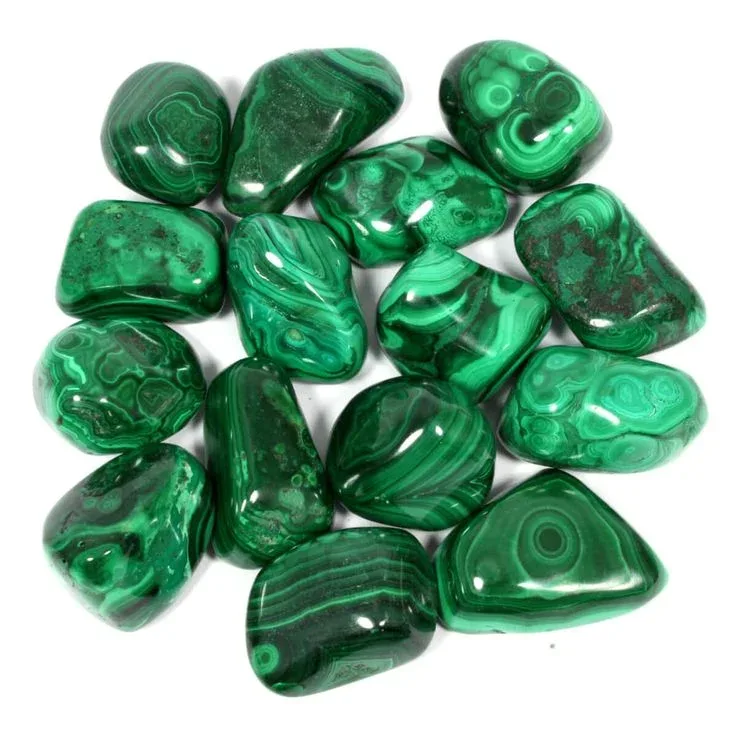
Malachite and Copper make a steady pairing for forward motion without the frantic push. Copper is often used as an amplifier, and Malachite keeps the focus on what is workable next.
For a focused reset, place Copper and Malachite side by side during a short meditation. Pick one thing that needs to move forward. Breathe slowly and picture the plan going from idea to action at a calm pace.
In a workspace, keep the pair near a notebook or project list. Let them act as a cue. Choose the next doable step, write it down, then start for five minutes to build momentum.
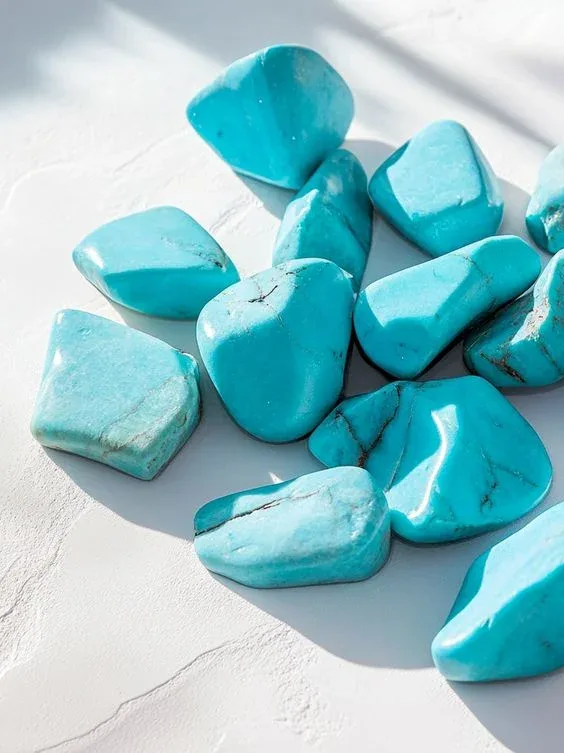
Turquoise pairs well with Copper when the goal is a calmer pace with clear direction. Turquoise smooths the edges, Copper adds grounded drive.
Try an evening wind-down by holding Turquoise in one hand and Copper in the other. Look back at where the day felt scattered. Choose one thing to simplify tomorrow, then name one practical priority before setting them down.
For an on-the-go option, carry both in a small pouch and use them as a quick check-in before meetings or travel. Touch the pouch, take one slow breath, and mentally repeat a short cue such as "steady, clear, practical" to stay centered.
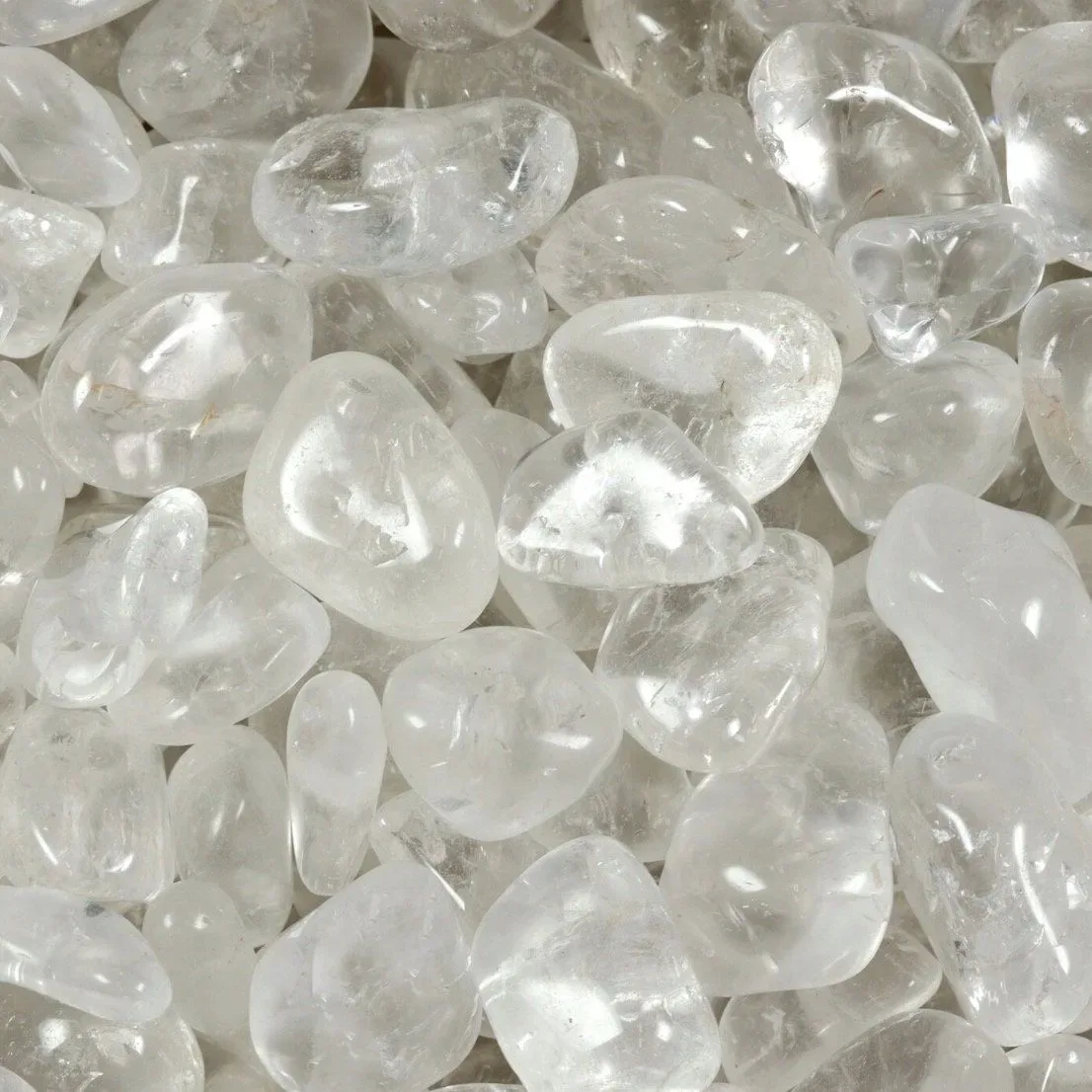
Clear Quartz and Copper are a clean, flexible match. Clear Quartz supports clear focus, and Copper is often seen as an amplifier that helps an intention feel more energized and organized.
Use the pair for intention-setting at the start of the week. Place Clear Quartz above Copper, write a short intention on paper, then sit with it for a few minutes. Keep the wording simple and measurable so it is easy to act on.
For a quick refresh, place them on a desk or shelf and use them as a prompt for a two-minute reset. Clear a small space, choose one task, set a timer, and begin, using the pair as a cue to start clean and keep going.
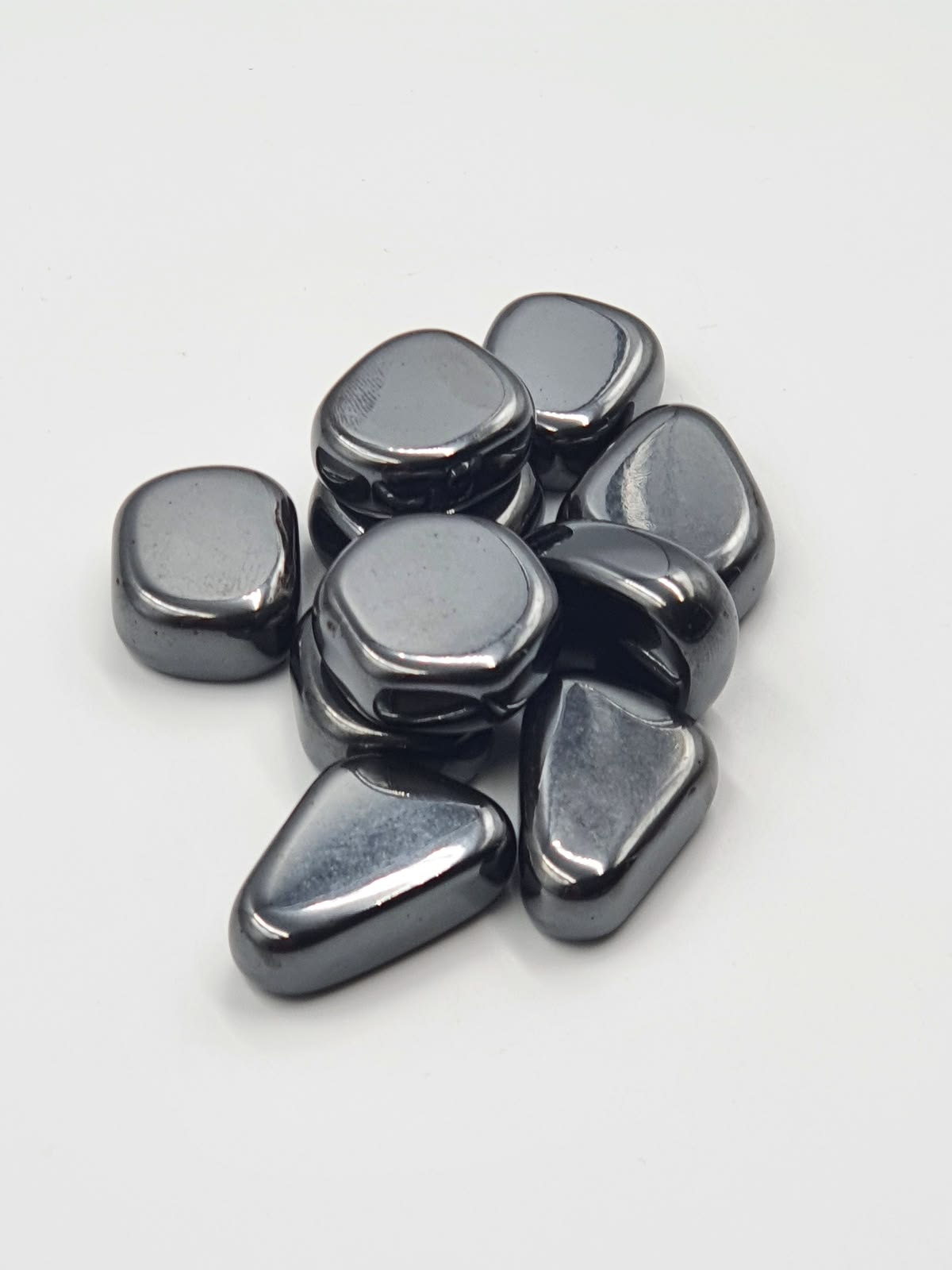
Hematite and Copper work well for steady, grounded action. Hematite adds weight and steadiness, Copper keeps things moving in a practical way.
For a grounding practice, sit with Hematite near the feet and Copper near the hands or lap. Settle posture and breath. Then choose one boundary that protects time and energy, like a clear start and stop time for a task.
In daily life, keep Hematite and Copper by the entryway with keys or a wallet. Use them as a leaving-the-house cue, check what is needed, glance at the schedule, then choose the one essential errand or priority to do first.
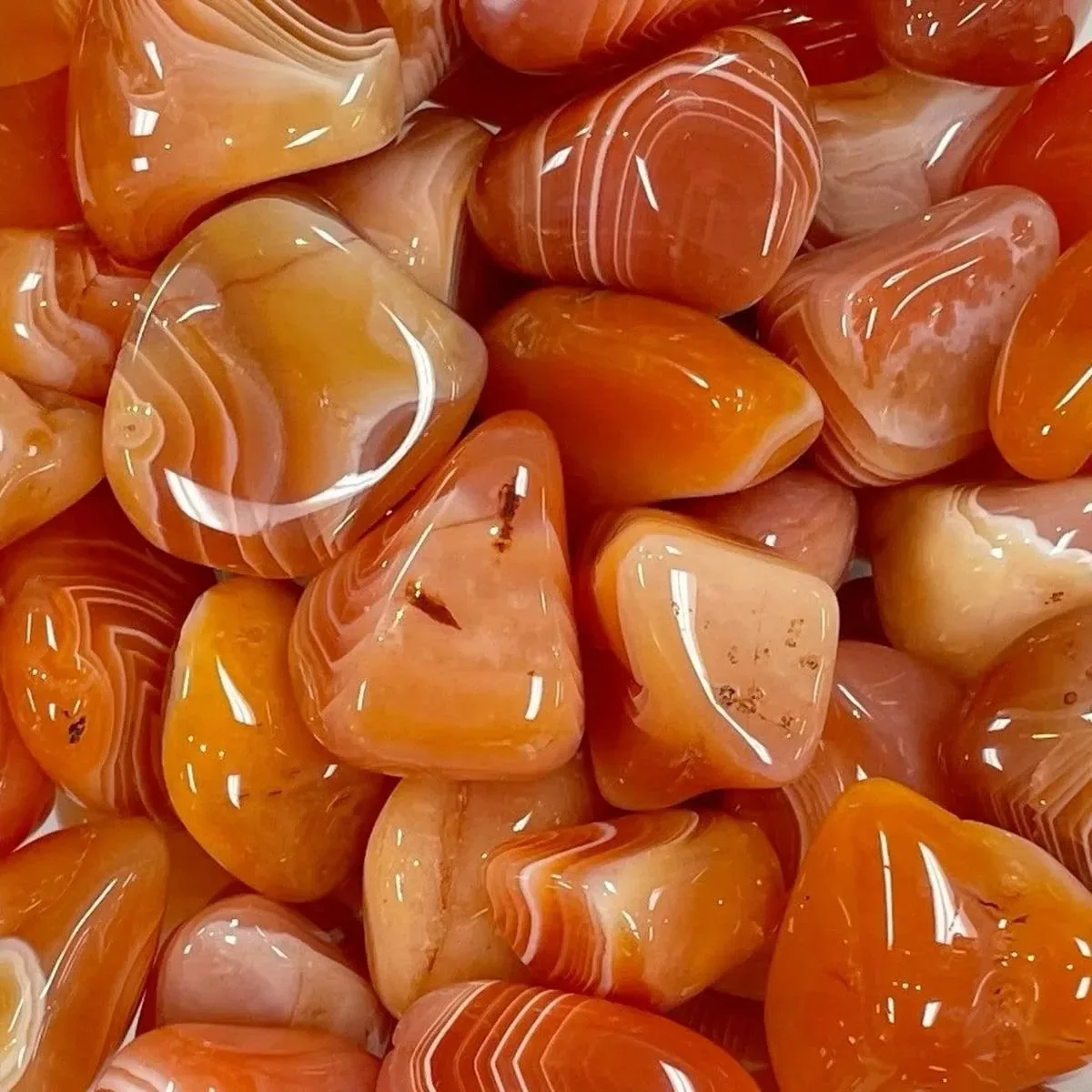
Carnelian and Copper are a lively combination for motivation and creative drive. Carnelian brings warmth to getting started, Copper supports a steady push through the next step.
Try a morning routine with the pair before creative work. Hold Carnelian for a minute to connect with the feeling of starting, then touch Copper and decide on a concrete output for the session, one page, one sketch, one email. Keep it specific.
For a studio or workshop set-up, place them where tools are kept. Write a quick three-step plan, then start with the smallest step, using the stones as a reminder to keep the pace manageable.
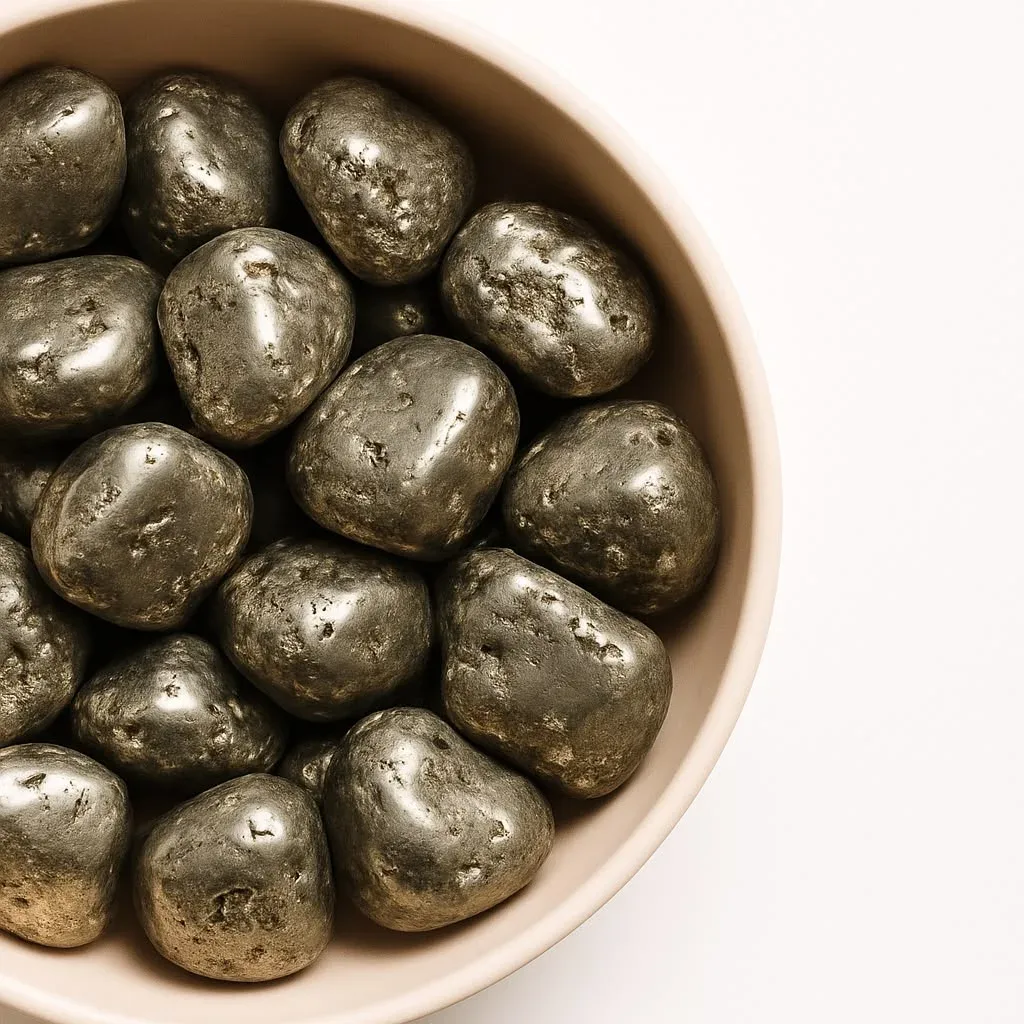
Pyrite and Copper suit goal-setting and follow-through. Pyrite brings structure, Copper is often used to amplify intention while keeping it grounded in action.
Use the pair for a short planning ritual. Set Pyrite and Copper beside a calendar, choose a single outcome for the next two weeks, break it into three milestones, then schedule them. Aim for consistency over intensity.
For a money or productivity check-in, place them next to a ledger or budgeting app during a weekly review. Note what worked, what needs adjusting, and one small improvement to try next week, then move straight to the first step.
Jewelry pairings that work well together
Copper pairs best with stones that either sharpen its warmth or cool it down with clean contrast. Think rich metallic red-brown beside green, blue, clear, or dark polished surfaces, with finishes that can range from bright burnish to soft matte and aged patina.
Copper & Malachite
Copper-red and malachite's banded green create a classic earthy contrast, with the metal's warmth setting off the stone's opaque depth. A polished copper finish works well here, while a little patina can echo malachite's natural surface variation. Try a wide cuff with a central malachite cabochon so the color shift reads clearly across the wrist. The pairing suits simple clothing and lets the stone's pattern act as the main feature.
Copper & Turquoise
Copper's reddish glow sits neatly against turquoise's cool blue-green, giving a vivid but grounded contrast. A slightly brushed or satin copper finish can soften the brightness, while turquoise keeps its opaque, earthy character. A pair of drop earrings with small copper caps and turquoise ovals makes the contrast easy to wear near the face. Keep the setting open and minimal so the two colors stay crisp rather than crowded.
Copper & Clear Quartz
Clear quartz brings brightness and transparency to copper's dense, warm surface, so the pairing feels lighter and more luminous. Highly polished copper against clear quartz creates a clean reflection, while a softer finish gives the stones more separation. A single pendant with a clear quartz point wrapped in copper wire works especially well for this combination. It keeps the line simple and lets the quartz act as a bright window within the metal.
Copper & Hematite
Copper's red-brown warmth and hematite's dark metallic gray make a restrained, modern contrast. Both stones can be polished, but hematite's mirror-like finish benefits from being balanced by copper's softer glow. A signet ring with a hematite face and a copper bezel feels strong and compact. This is a good pairing for everyday wear because the colors stay grounded and the profile remains neat.
Copper & Carnelian
Carnelian deepens copper's orange-red range, creating a tonal pairing that feels warm rather than contrast-led. A bright copper finish suits carnelian's translucent glow, while a brushed surface can make the stone appear even richer. An anklet with alternating copper links and smooth carnelian beads gives the pairing movement without making it fussy. It works well with open footwear and simple summer silhouettes.
What not to pair with Copper
Copper works best when its role stays practical and well defined, so it is wise to avoid companions that pull the field into extremes or make the intention too diffuse. Stones that are overly expansive, airy, or transformational can blur Copper's steady conductive quality and make the overall pairing harder to direct.
Phenacite
Phenacite can lift the field into a very high, fast register, which may outpace Copper's grounded flow and make the pairing feel less anchored. Instead of steady momentum, the combination can become too rarefied to hold a clear practical direction.
Azeztulite
Azeztulite tends to open a very expansive spiritual current, and that can dilute Copper's earthy, task-led rhythm. The result may feel scattered, with Copper's job as a conductor becoming harder to keep focused.
Selenite
Selenite brings a clean, light, and highly refining quality that can be too stripping for Copper's warm, balancing nature. Paired together, the field may feel over-cleared and less able to hold the steady vitality Copper is meant to support.
Apophyllite
Apophyllite can create a bright, upward-moving energy that pulls attention away from Copper's grounded circulation. That airy lift may leave the pairing feeling less practical and more difficult to settle into useful action.
Celestite
Celestite carries a delicate, elevated tone that can soften the earthier, more embodied work Copper is known for. The contrast may feel mismatched, with Copper's active flow becoming muted by Celestite's quieter, more distant atmosphere.
Lepidolite
Lepidolite has a soothing, easing quality that can slow Copper's momentum and reduce its sense of forward movement. If the aim is vitality and practical flow, the pairing may feel too muted and less energized than intended.
Amethyst
Amethyst can shift the emphasis towards inward reflection and spiritual quiet, which may compete with Copper's active, conductive role. The combination can feel slightly divided, with Copper wanting movement while Amethyst draws the field into stillness.
Moldavite
Moldavite is intensely transformative, and that can make Copper's steady, balancing current feel abrupt or unsettled. Rather than supporting clear momentum, the pairing may become too catalytic and harder to keep grounded.
Got questions?
We've got answers!
FAQ's
Can I wear Copper with more than one companion stone at once?
+×
Yes. Copper can handle more than one companion stone, as long as the mix still feels clear.
Pick one "lead" stone for the main intention. Add one supporting stone for clarity or grounding. Copper with Malachite and Clear Quartz can feel focused and direct. Copper with Turquoise and Hematite often reads calmer and more contained.
Keep the stack to two or three stones. If it starts to feel distracting or too stimulating, drop one piece and let the lead stone carry the look.
Do Copper and Malachite need to touch in a pairing?
+×
No. They do not need to touch to pair well.
A Copper ring with a Malachite pendant works fine. Placing them side by side on a tray works too. If the design brings them closer, the pairing can look more unified, but it is not required.
Practical tip: Malachite is softer than many stones. Avoid letting it rub against rough edges or heavily textured Copper, it can mark the surface.
Is Copper and Turquoise a good pairing?
+×
Yes. Copper and Turquoise is a classic, easy pairing.
Turquoise's cool blue-green stands out against Copper's warm tone. The combo usually feels balanced rather than intense. It suits everyday wear, especially when Copper frames Turquoise, like a bezel-set ring or a pendant with Copper detailing.
For a cleaner look, keep other metals minimal so Copper and Turquoise stay the main story.
What crystals should not be paired with Copper?
+×
There are no absolute rules, but some mixes can feel like they pull in different directions. Or just get too busy.
For a steady, grounded Copper pairing, skip high-spark, high-stimulation combos like Copper with Citrine. It can feel a bit too revved up. Pattern-heavy stones like Dalmatian Stone can also read scattered next to Copper's already lively presence.
If a pairing leaves the mind feeling jumpy or unfocused, simplify. Choose one main companion stone and let it set the tone.
How do I use Copper and Malachite together in a ritual?
+×
Use Copper as the "anchor" and Malachite as the "theme setter" for change and forward movement.
1) Set the space: place Copper and Malachite on a clean surface, with a notebook and pen nearby. 2) Choose one focus: write a single sentence describing what is being invited in, for example, a new habit, a clearer boundary, or a more consistent creative routine. 3) Build the pairing: rest Malachite above the written intention, then place Copper beside it, forming a small pair that looks balanced. 4) Seal with action: write one practical next step that can be done within 24 hours, then keep the stones together on a dish in an entryway, office, or bedside area as a reminder.
To close, separate the stones and store them safely. If the Malachite is in jewelry, keep it where it will not be knocked or scratched.