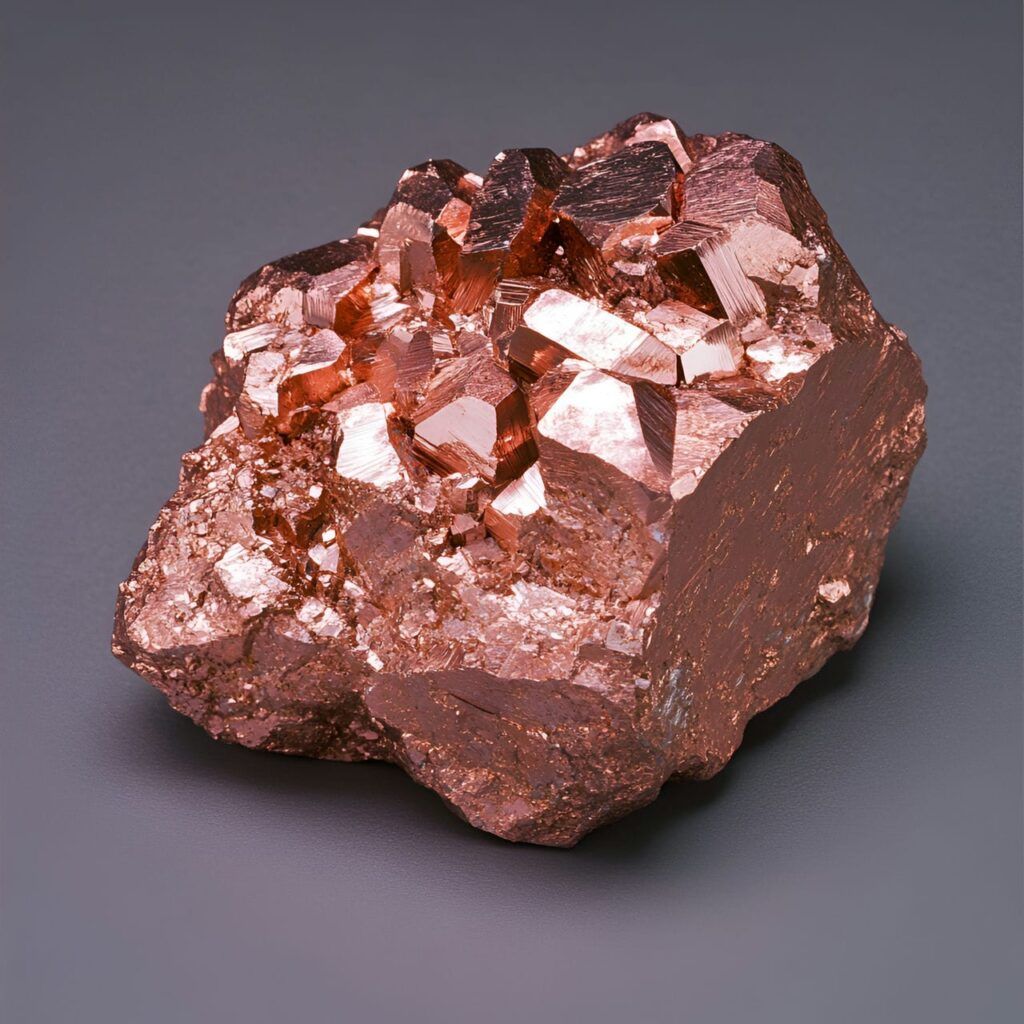
Copper Crystal, Benefits and Meanings.
Copper takes its name from the Latin 'cuprum', linked to Cyprus, a historic source of the metal. It has long been tied to vitality and flow, energy moving through the body in a more even way.
Metaphysical & Spiritual
Copper suits times when things feel stuck and a bit more momentum would help. It is linked with vitality and a steady drive, like consistent fuel rather than a spike. In metaphysical work, Copper has a "conductor" feel. It is seen as helping energy move more cleanly through the system, so different parts stop pulling out of sync. There is a grounded warmth to Copper. It fits moments that call for practical action, clear boundaries, and a calm return to the body.
Planet

Venus
Copper carries a Venus-like sense of harmony and ease with the senses. It keeps pleasure and practicality in balance, without turning either into a tug-of-war.
Element
Earth
Copper reads Earthy, steady, embodied, and workable. It points attention to what can be maintained day to day, keeping energy grounded and usable.


Crystal Pairings
Copper is often linked with steady warmth and smooth momentum. In pairings, it tends to bring a practical, connecting feel, helping other stones read as more grounded and easy to act on.
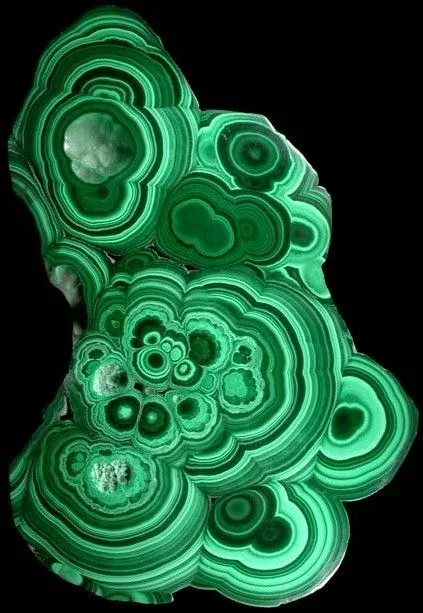
Malachite
Malachite brings a deep green, change-ready tone, and Copper keeps it steady. The mood is growth with footing, practical and not rushed.
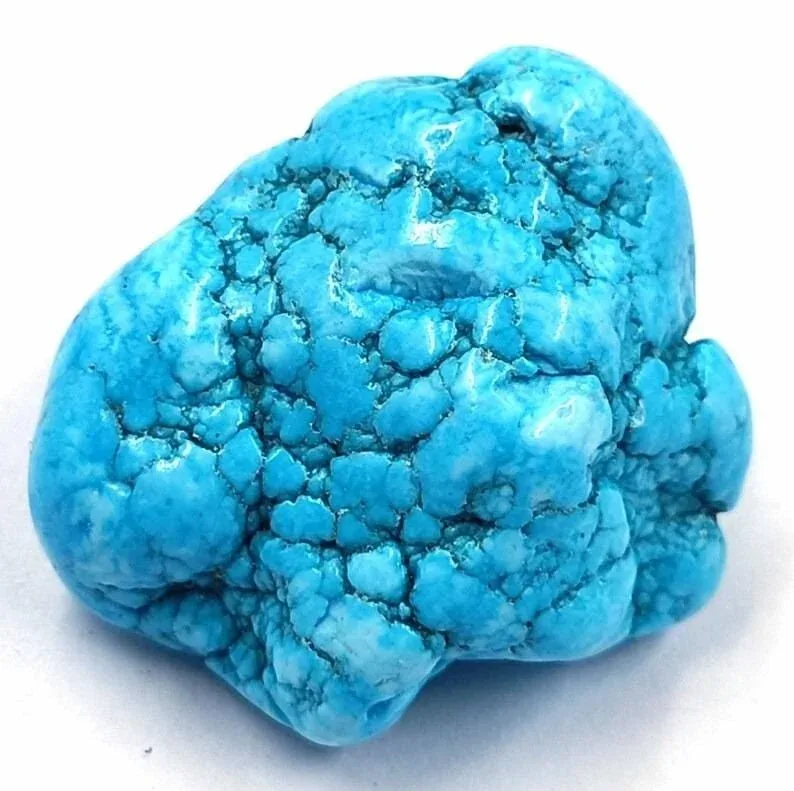
Turquoise
Turquoise has a calm, plainspoken feel that cools Copper's heat without dulling it. Balanced and self-possessed, like clear expression backed by steady respect.
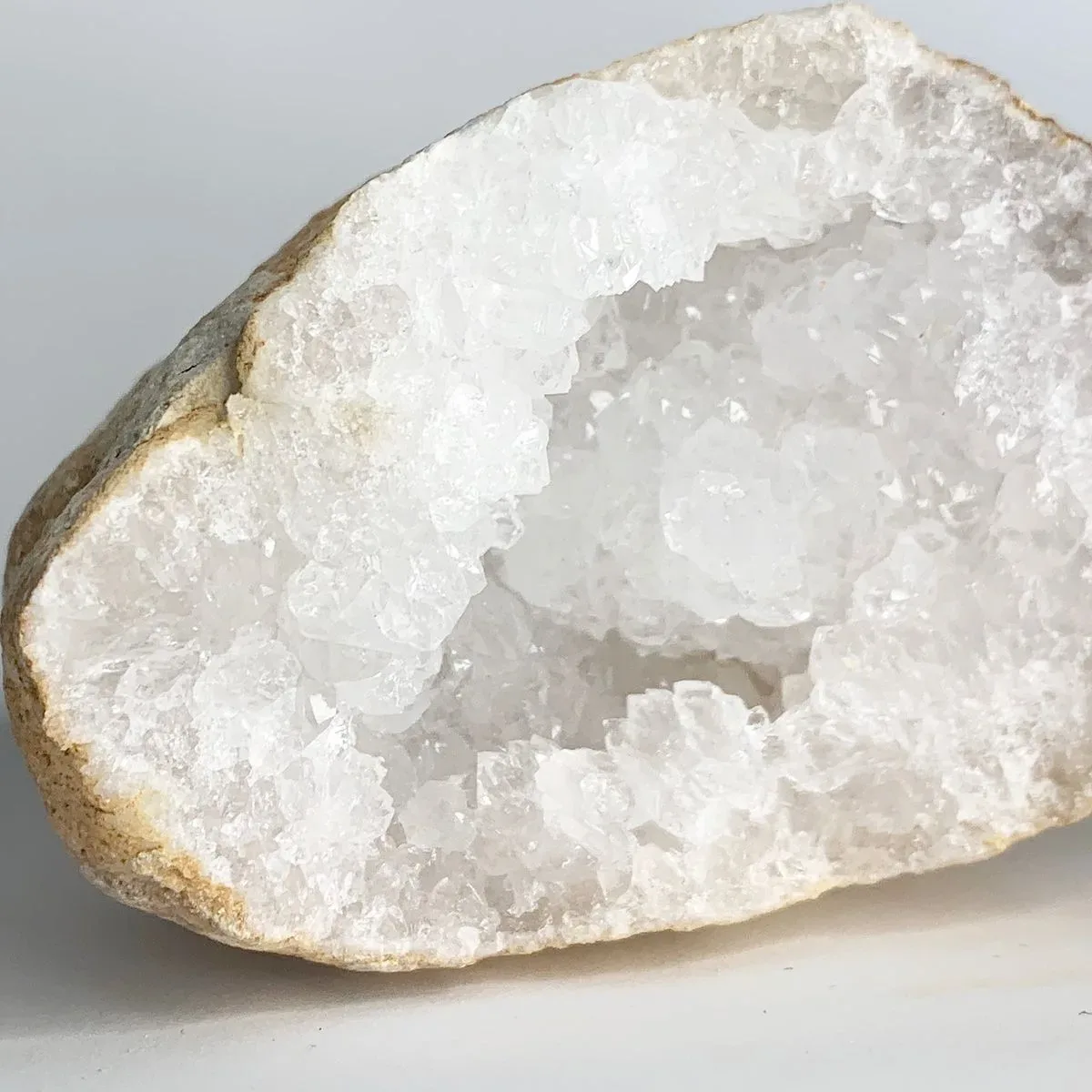
Clear Quartz
Clear Quartz reads clean and clarifying, and Copper adds warmth and connection. The tone stays simple and direct, with less noise in the middle.
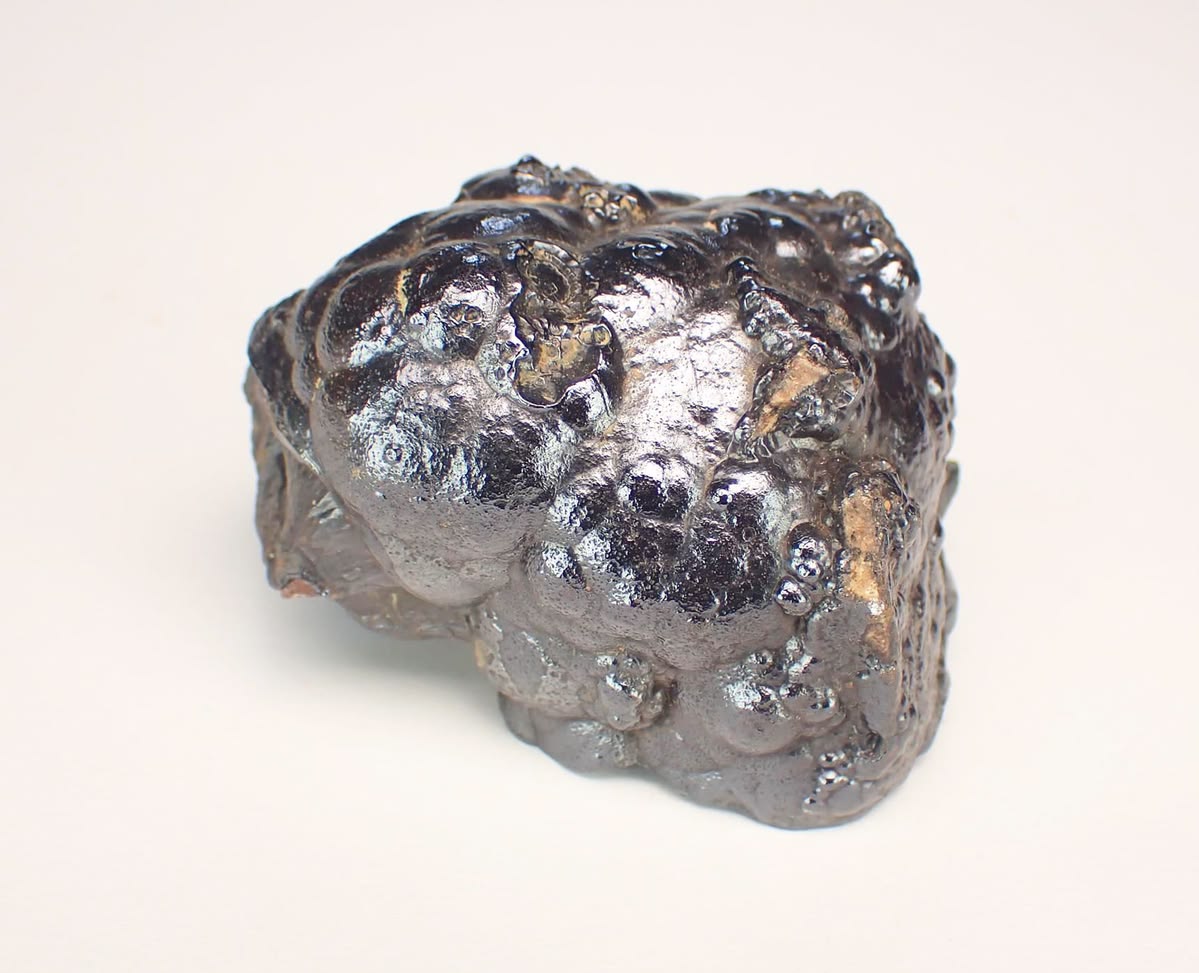
Hematite
Hematite feels firm and weighty next to Copper's lively current. Grounded and contained. Strength that stays within good limits.
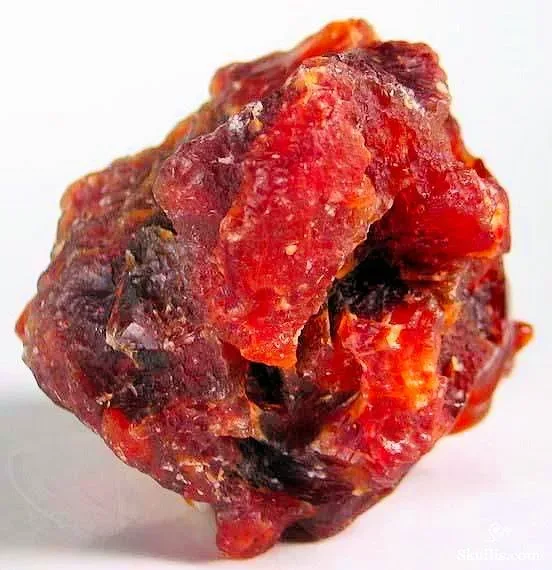
Carnelian
Carnelian runs bright and motivating, while Copper gives it a steadier edge. Confident and productive, more focused than scattered.
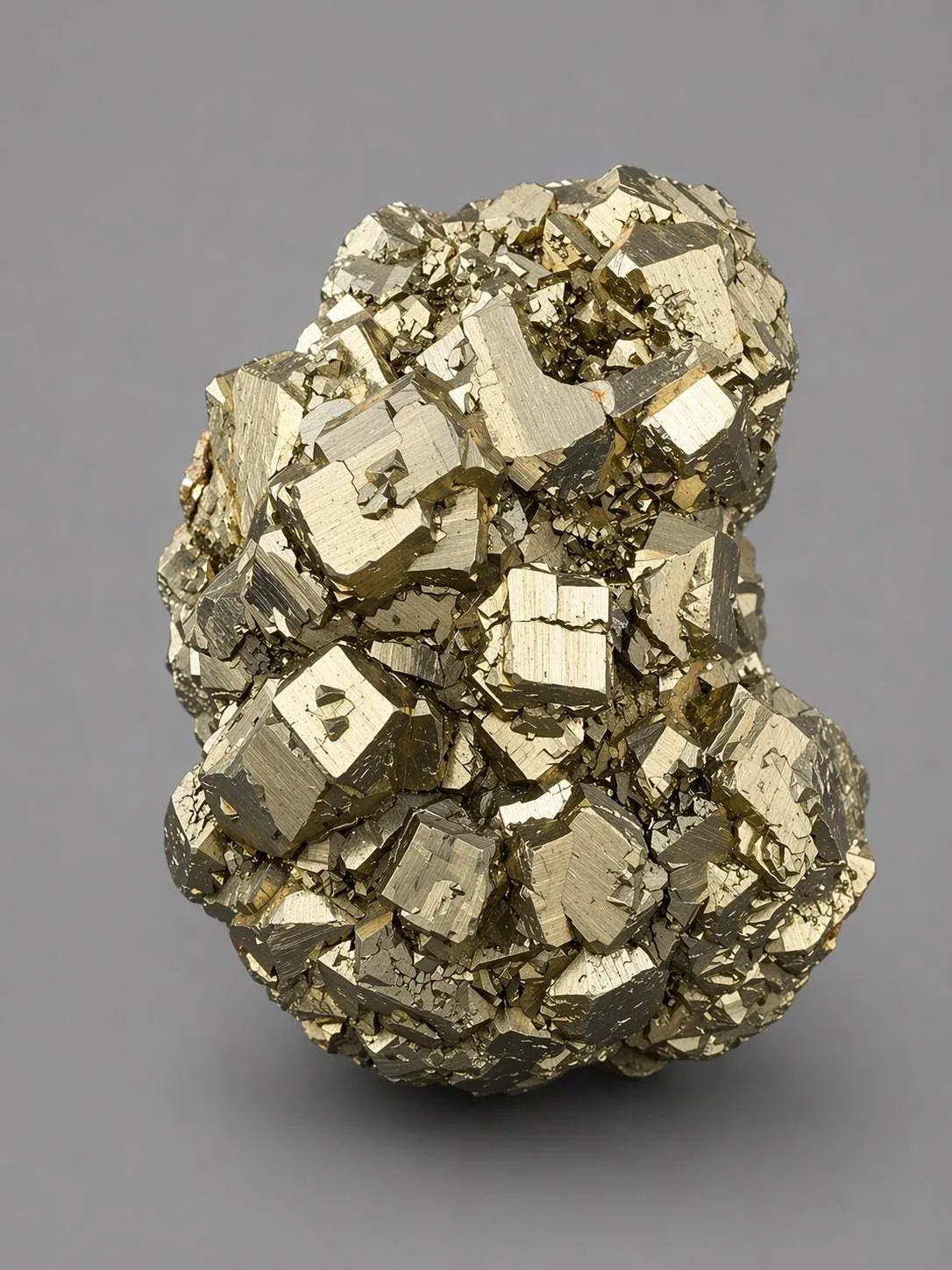
Pyrite
Pyrite has a bold, structured feel that matches Copper's practical warmth. Drive with a clear frame, ambition that stays realistic and anchored.
Healing
Copper is often used when energy feels stuck or scattered. It is linked with a warm, steady lift that brings attention back into the body, then into the next practical step.
It is also treated as an amplifier, so habits, intentions, and nearby stones can feel more switched on. Keep it simple. Set one clear aim, carry it through the day, and watch for small shifts in focus and follow-through.
Affirmations
Use these when focus slips or motivation dips. Say one line slowly and let it land, rather than rushing through all of them.
Repeat for a minute or two, then do one small action that matches the words, a message, a tidy-up, or a quick plan.
- My energy moves with ease.
- I take steady, practical steps.
- I feel grounded and present.
- I choose balance over rushing.
- I trust my pace and keep going.
Intention Setting
Copper suits clear, workable intentions. Keep the wording plain, and aim for something that can be noticed in daily life.
Pick one intention for the day, then check in later and adjust it without judgement.
- Stay consistent with one priority.
- Bring order to my schedule.
- Act on what matters, not noise.
- Speak clearly and keep it simple.
- Protect my time and energy.
Manifesting
Copper is often used to support follow-through. Think less about big leaps, and more about momentum built from small wins.
Choose a result that depends on repeatable actions, and track progress in a straightforward way.
- A steady routine that sticks.
- Clear decisions made on time.
- Work finished with fewer delays.
- Balanced energy through the day.
- Supportive connections and teamwork.
Jewelry
Copper jewelry suits everyday wear and pairs easily with other stones. Copper is soft and can tarnish, so gentle care helps. Choose a piece that fits daily movement, how much the hands are used, and whether a subtle accent or a bolder look suits the day.
General benefits: Wearing Copper jewelry keeps its steady, practical feel close through the day. It is often chosen when routines need more consistency, or when staying with one task matters. The piece becomes a simple cue to pause, reset, and keep moving.
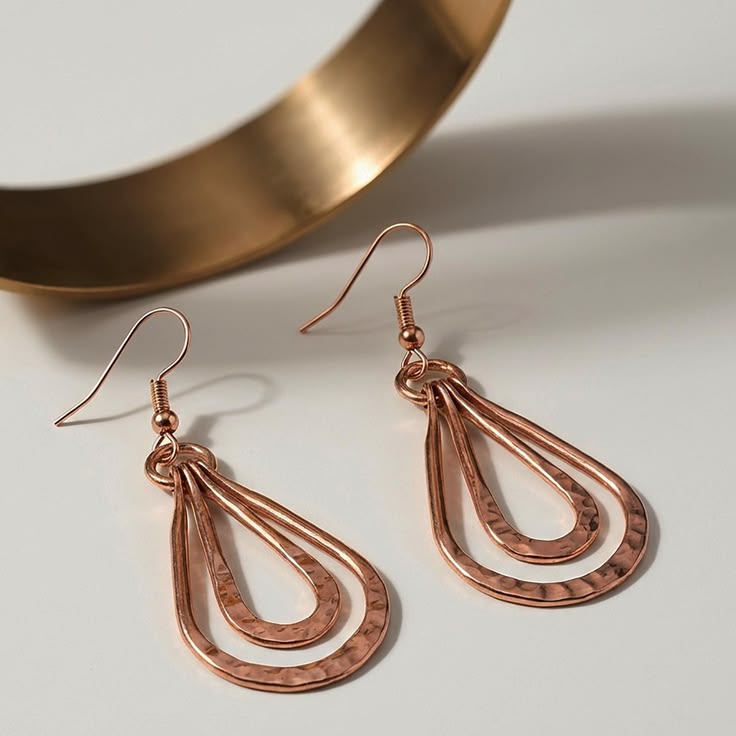
Earrings
Copper earrings keep the metal close without getting in the way of tasks. They suit busy days when hands are full and a bracelet would be distracting. The warm tone adds a clean, simple finish without feeling fussy. If metal sensitivity is an issue, choose lined hooks or mixed-metal designs. Wipe after wear and store them dry. That helps slow tarnish and keeps the color more even over time.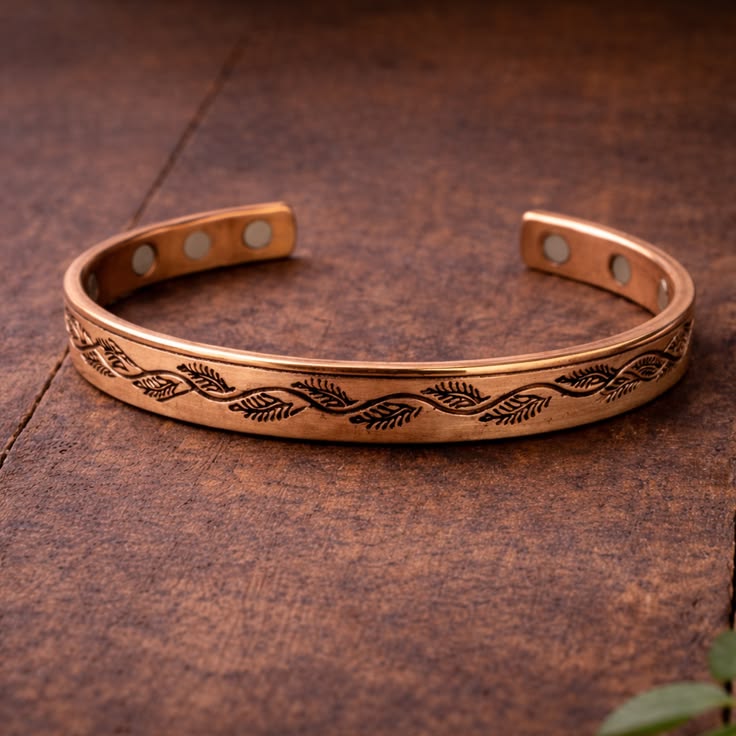
Bracelet
A Copper bracelet is often picked for a steady, get-on-with-it mood. It is easy to notice during the day, so it works as a quick cue to check the plan and return to the next step. Copper is soft, so avoid rough knocks and harsh cleaners. Let the patina build if that look suits, or polish gently now and then. Take it off for messy work or heavy lifting.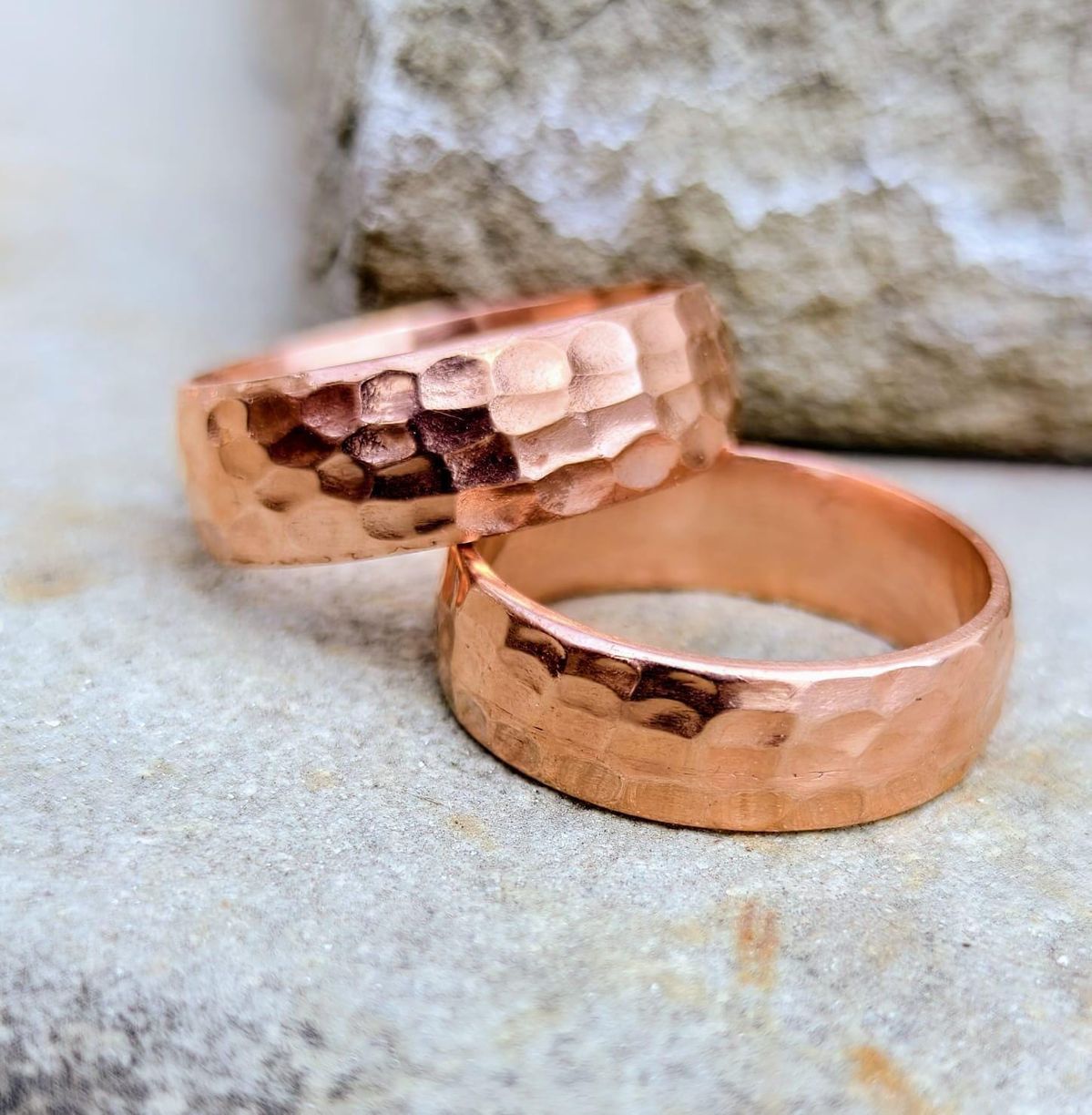
Ring
Copper rings feel direct and practical, a small reminder each time the hands move. They suit simple aims like finishing a task, holding a boundary, or choosing the next step instead of circling in thought. Tarnish is normal, especially with water and soap. Remove it for heavy work. Clean with a soft cloth to reduce scratches and keep the surface feeling smooth against the skin.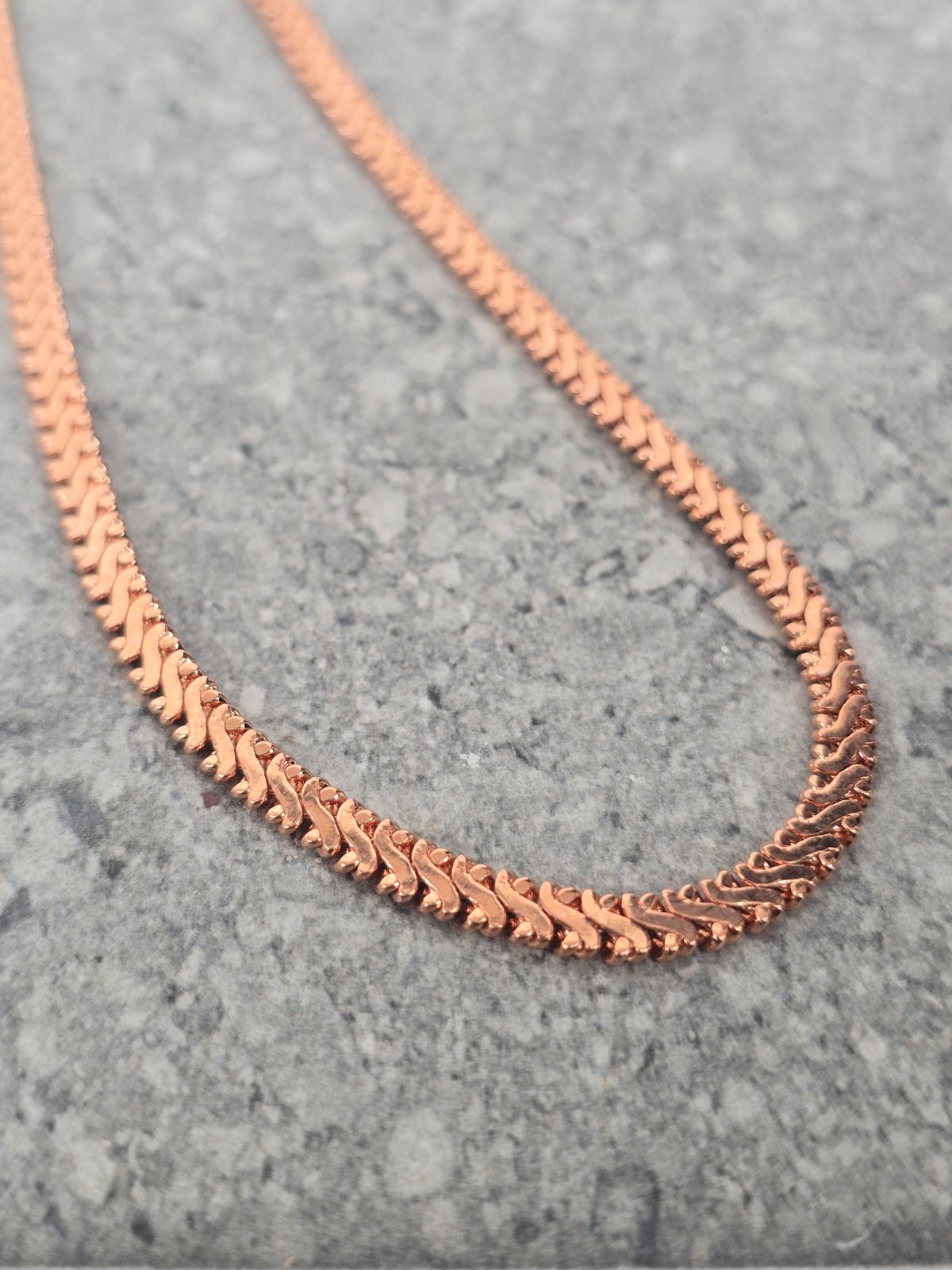
Necklace
A Copper necklace sits close to the center of the body and can feel steady through busy days. It works well when a quiet, consistent reminder is wanted, rather than something that gets tapped, twisted, or adjusted. Choose a chain style that sits comfortably with daily movement. Wipe it after wear to slow tarnish. Keep it away from perfumes and sprays, which can dull the finish faster.Forms
Choose a form that matches the look wanted, raw texture, crisp lines, or gentle curves.
Rough
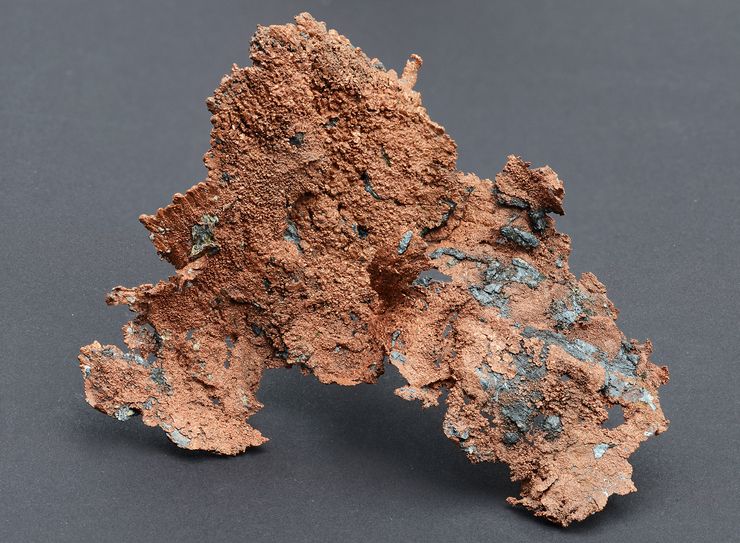
Rough Copper has a raw, earthy look. The natural texture and uneven edges feel direct and unpolished, more like a working material than a showpiece. Patina and color shifts tend to stand out, adding character as the surface changes.
Point / Tower
Copper in a point or tower form looks focused and deliberate. Straight edges and clean faces give it a structured feel, and the shine can read sharp and modern. It comes across as directional and precise, not soft or decorative.
Sphere
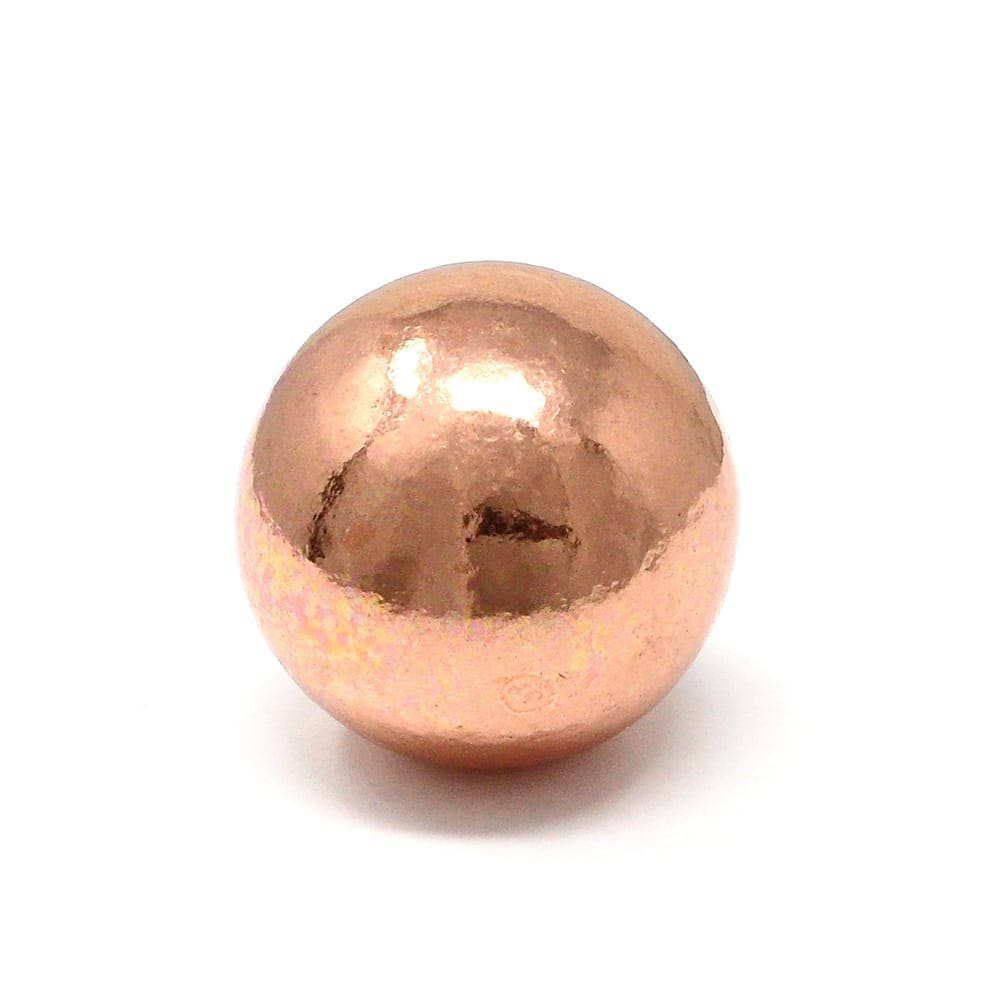
A Copper sphere feels smooth and balanced. The rounded form softens the metal's boldness and brings out its warm glow. As it catches the light, the surface shifts between bright highlights and deeper tones, showing off the metal's richness.
Palm Stone
A Copper palm stone looks simple and easy to live with. The smooth, rounded finish brings out a softer side of the metal and makes the color feel warmer. Patina often reads like a natural, lived-in sheen rather than something messy.
Tumble Stone
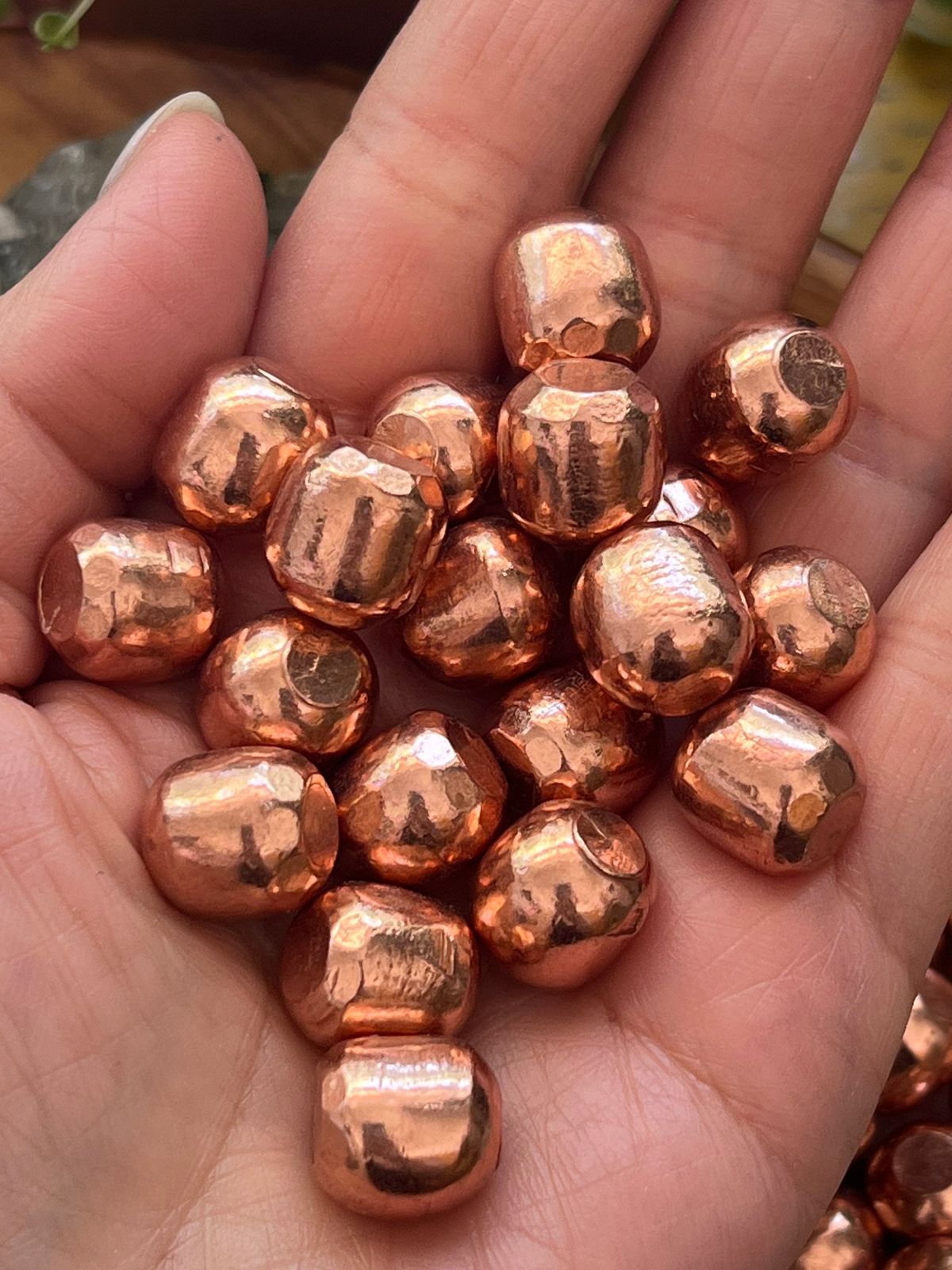
Tumbled Copper has a tidy, approachable look. The small size and softened edges make it feel more everyday and less intense. It often shows a mix of bright shine and darker tones, like a well-worn object with depth and weight.
Figure
A Copper figure feels personal and expressive. Warm highlights make carved details stand out, while darker areas add contrast and depth. As patina builds, shadows settle into the design and the piece can look more textured and story-like.
Heart
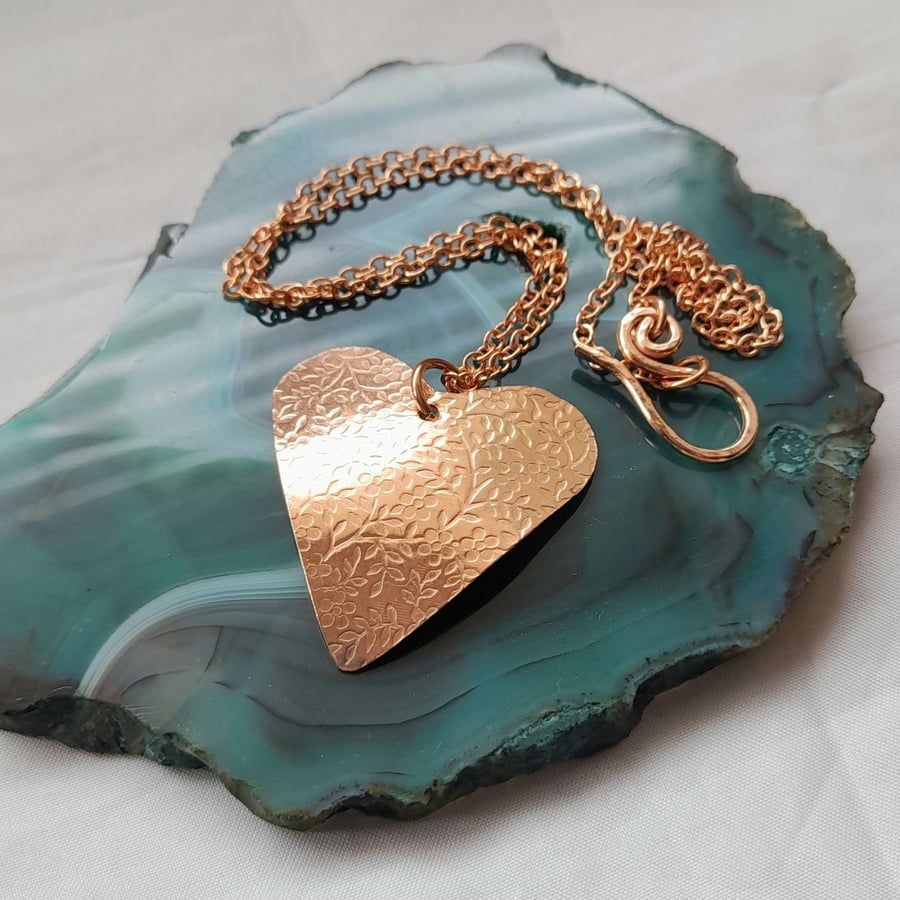
A Copper heart form feels warm and straightforward. The familiar outline pairs well with Copper's rich color, giving it a friendly, human look rather than something formal. Tarnish and fine polish marks can add a handmade, touchable finish.
Cleansing & Charging
Copper is soft and can tarnish, so keep care gentle. Avoid salt water, harsh chemicals, and abrasive tools. A soft cloth and mild soap are usually enough, then dry it well. If patina forms, it can be left as part of the look.
How to cleanse Copper
- Wipe with a soft, dry cloth after handling.
- Use mild soap and water only when needed, then dry fully.
- Avoid salt, bleach, and acidic cleaners, they can damage the surface.
- Keep it separate from harder stones to reduce scratches.
How to charge Copper
- Place it in indirect sunlight for a short time, not harsh midday heat.
- Let it rest near Clear Quartz if a simple boost is wanted.
- Set a clear intention while holding it, then end with one practical next step.
Where to Use
These ideas are practical starting points. Adjust based on how the space is used and how much wear the metal might get.
Office / study
Useful for steady work sessions and clearer priorities. Pair it with a simple to-do list and a single timed block of focus. Keep it away from drinks and cleaning sprays to reduce tarnish and marks.
Meditation space
Can suit short, grounded practices where the aim is to settle and reset. Keep the space uncluttered so Copper feels like a quiet anchor, not another object competing for attention.
Workshop / studio
Fits hands-on making and problem-solving, where persistence matters. Copper can scratch easily, so treat it as a reference piece rather than a tool, and keep it away from grit, solvents, and heavy knocks.
Entryway
Works well as a reminder to leave and return with intention. A quick touchpoint can support simple boundaries, keys here, phone down, one breath before stepping out. Choose a spot that avoids damp coats and wet umbrellas.
Science
Physical properties
- Mineral class
- Native copper
- Color
- Copper-red to reddish-brown; commonly tarnishes to dark brown or green
- Hardness
- 2.5 - 3
- Density
- ~8.96 g/cm3
- Durability
- Moderate (soft; easily scratched and tarnishes)
- Thermal stability
- High
Optical properties
- Transparency
- Opaque
- Lustre
- Metallic
- Refraction index
- N/A (opaque metal)
Chemical composition
- Class
- Native element
- Formula
- Cu
- Group
- Copper group
- Magnetic
- Non-magnetic
Formation
Native copper forms as copper-rich fluids move through fractures and porous rock, then cool and react with nearby minerals. In hydrothermal veins, small changes in temperature and fluid chemistry can make metallic copper drop out of solution and coat cracks, often alongside other copper minerals.
It also develops in the weathered, oxygen-rich zone above copper deposits. As older sulphides break down, copper can be redeposited as native metal in pockets, coatings, and small masses. Basaltic lava flows and related sediments can host it too, especially where sulphur is scarce. Expect wires, branching dendrites, or chunky aggregates. With surface exposure, it tarnishes, first to oxides, then to a green carbonate or sulphate patina.
Locations
- United States
- Chile
- Peru
- Mexico
- Australia
- Russia
- Canada
History
Early use of native copper
c. 9000, 6000 BCE
Archaeology suggests naturally occurring copper was collected and shaped into small tools and ornaments in parts of the Near East. Early work often used cold-hammering, before smelting was widespread.
Smelting and early copper metallurgy
c. 5000, 3000 BCE
Evidence from several sites shows copper ores being smelted and cast. With steadier methods, copper could be produced more consistently for tools, vessels, and decorative items.
Copper alloys and the Bronze Age
c. 3300, 1200 BCE
Copper was increasingly used with tin and other metals to make bronze. Big shifts followed, in toolmaking, trade networks, and craft specialization.
Cyprus as a noted source in Mediterranean trade
1st millennium BCE
Copper from Cyprus was traded across the Mediterranean, and the Latin name for copper, "cuprum", is linked to the island. The routes and scale changed over time. Cyprus still shows up as a key reference in written sources.
Aphrodite and Venus associations
Classical antiquity
Because Cyprus was linked with Aphrodite, copper later picked up symbolic ties to Venus in Greco-Roman tradition. These links show up in later astrological and alchemical writing, not as one fixed story.
Alchemical and craft symbolism
Medieval to early modern period
In European alchemical texts, copper was associated with Venus. It also stayed a practical workshop metal for vessels, pigments, and tools. Symbolism sat alongside everyday craft use.
Copper in coinage and daily life
c. 300 BCE, 200 CE
Copper and copper alloys were widely used for coins, household items, and fittings in several ancient economies. Exact compositions and local practices differed by region and period.
Large-scale mining and industrial demand
1840s, 1900s
Industrial expansion increased demand for copper for wiring, plumbing, and machinery. Major mining districts developed in multiple countries, shaping local economies and labor history.
Modern uses and renewed interest in patina and design
20th, 21st century
Copper stayed central to electrical and building industries, while its green patina became a recognized feature in architecture and art. In parallel, copper objects continued to be used in personal and decorative contexts.
Got questions?
We've got answers!
FAQ's
What is Copper used for?
+×
Copper is commonly used as a support stone for smoother energy flow and a grounded sense of vitality.
It is also often used as an amplifier, for example alongside other stones in a layout. Or worn as a simple reminder to stay steady and take practical next steps.
Which zodiac signs are connected to Copper?
+×
Copper is most closely linked with Taurus.
It can be used as a steady, practical companion for Taurus themes like consistency, comfort, and following through.
What chakras does Copper activate?
+×
Copper is commonly associated with the Sacral chakra and the Root chakra.
In practice, it is often used when the focus is on feeling more grounded in the body while also keeping creativity and day-to-day motivation moving.
Can Copper help with stress and sleep?
+×
Copper is often used for grounding and balancing, which can feel supportive during stressful periods.
For sleep, it can be used as part of a calming wind-down routine, for example keeping it on a bedside table or holding it for a few slow breaths. It is not a replacement for medical care or sleep support.