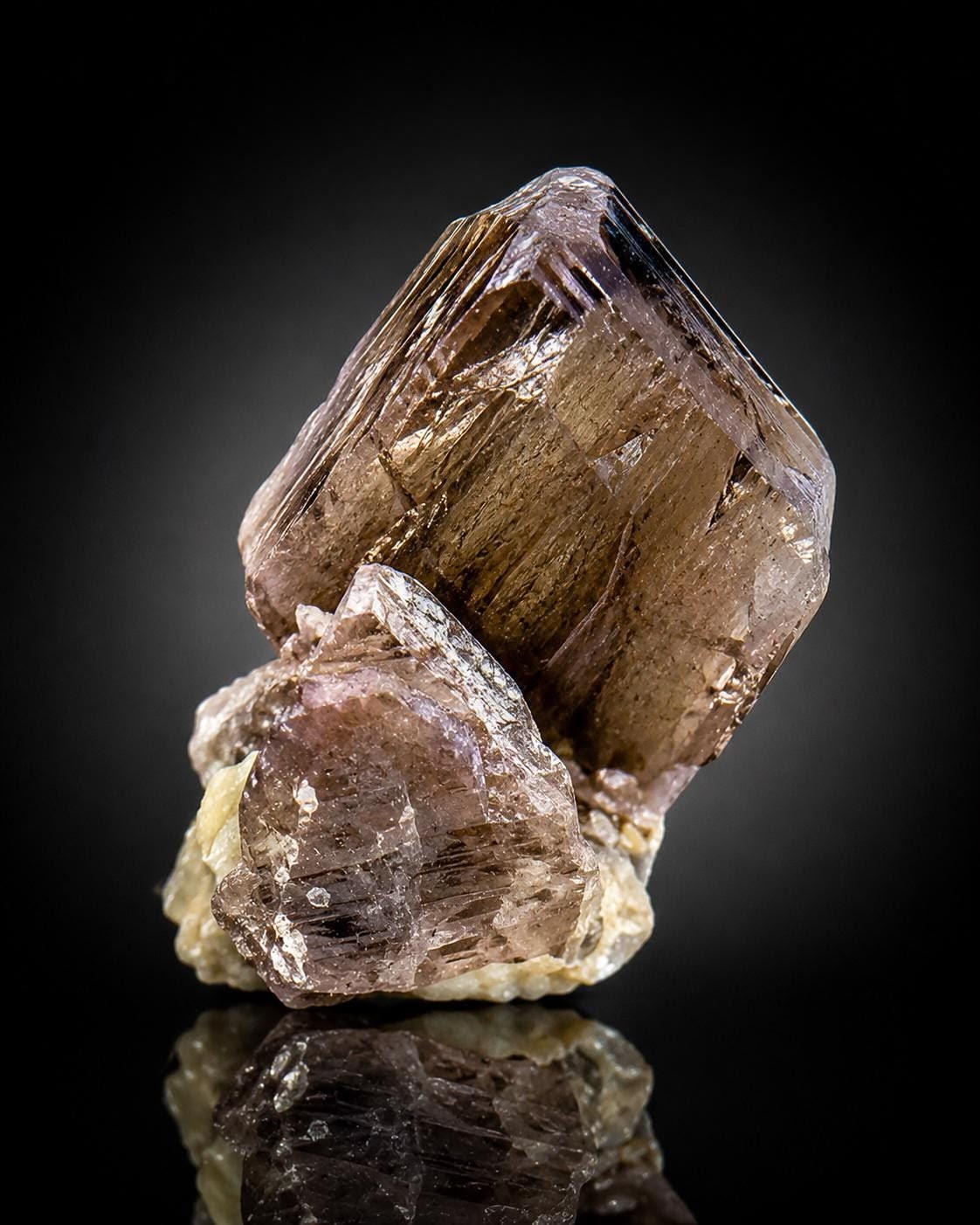
Its earthy tone and focused presence make it a natural companion for work that needs practical grounding, emotional steadiness, and a more deliberate flow of energy.

Which chakras Axinite is associated with

  • Root

    Axinite is strongly associated with the Root chakra because it is commonly read as grounding, stabilising, and practical. It is often chosen when a steadier sense of presence, resilience, and physical anchoring is desired.

  • Sacral

    Axinite is also linked with the Sacral chakra, where it is seen as supportive of vitality, creativity, and motivated movement. Its energy is often described as helping creative ideas feel more workable and less diffuse.


Why Axinite connects to the Root and Sacral

Axinite connects to the Root and Sacral chakras because its overall character is earthy, activating, and directed. The Root reflects its grounding quality, while the Sacral reflects its link with creative drive, momentum, and embodied vitality. This combination gives Axinite a reputation for helping energy feel both contained and productive. Rather than scattering attention, it is often used as a stone for practical follow-through, especially where stability and creative action need to work together. Its association with the lower chakras also suits its mineral identity as a dense, grounded stone with a strong physical presence. In crystal traditions, that makes it a natural fit for work centred on security, stamina, and creative expression.

Where to place Axinite on the body

Axinite is usually placed low on the body when working with its chakra themes, especially near the base of the spine or the lower abdomen. This keeps the stone aligned with grounding, physical steadiness, and the more instinctive, creative aspects of its energy. It can also be held in the hand during meditation or placed nearby in a workspace when a direct body placement feels too strong. Because Axinite is often sharp-edged or used as a specimen, many people prefer to keep it close rather than in prolonged skin contact.

Jewellery closest to Axinite's Root and Sacral chakras

  • Bracelet

    Root

    A bracelet sits close to the lower body in a symbolic sense and is a natural choice for Root-centred Axinite work. It suits intentions around grounding, steadiness, and keeping energy anchored through the day.

Can Axinite be used with other chakras?

Axinite can be used with other chakras, but it is usually a softer or secondary match outside the Root and Sacral. Its main strength remains in grounding and energising the lower centres, so other chakra work is generally best approached as supportive rather than primary.

When used beyond its core associations, Axinite is often paired with a more specific chakra stone if the intention is focused on communication, insight, or spiritual opening. In that role, it can help keep the energy practical and embodied while another crystal leads the work.

This makes Axinite useful as an anchoring companion in multi-chakra layouts. It can steady the overall field without needing to carry every centre on its own.

  • Solar Plexus

    Axinite can offer a useful secondary support here by encouraging motivation, follow-through, and a more grounded sense of personal drive. It is a gentle match for confidence work, but a stronger Solar Plexus stone is preferable when the focus is willpower, self-esteem, or decisive action.

  • Heart

    At the Heart chakra, Axinite may support emotional steadiness and a calm, grounded approach to feeling. It is best treated as a quiet stabiliser rather than a primary heart stone, and it works well alongside a more heart-centred crystal when tenderness, compassion, or grief work is the main aim.

  • Throat

    Axinite can lend the Throat chakra a practical, unhurried quality, especially when words need to be clear and well considered. It is a secondary support at this centre, so a more direct communication stone is usually better when expression, truth-telling, or vocal confidence is the priority.

  • Third Eye

    Axinite may help keep Third Eye work grounded and less abstract, which can be useful in reflective or planning-based meditation. It is not a primary intuitive stone, so it is best paired with a stronger Third Eye crystal when insight, vision, or inner seeing needs to take the lead.

  • Crown

    Axinite can support the Crown chakra by keeping spiritual work practical and embodied rather than overly airy. This is a soft, balancing use, and it is usually best combined with a more explicitly spiritual stone when the intention is meditation, connection, or higher guidance.

Got questions?

We've got answers!

FAQ's

What chakras is Axinite most associated with?

+

Axinite is most closely associated with the Root and Sacral chakras. These are the centres most often linked with its grounding, vitality, and creative momentum.

Can Axinite help with the Heart chakra?

+

Axinite can be used as a secondary support for the Heart chakra, mainly to encourage emotional steadiness and a grounded approach to feeling. It is usually best paired with a more heart-focused stone if the work is specifically about compassion or emotional opening.

Is Axinite better for grounding or creativity?

+

It is valued for both, but grounding is the more primary association. Creativity is strongly present through the Sacral chakra link, so the stone is often used when practical grounding and creative movement need to work together.

Where should Axinite be worn as jewellery for chakra work?

+

Bracelets are the most relevant jewellery form for Axinite chakra work because they sit closer to the lower body. They are especially suitable for Root and Sacral intentions.

Can Axinite be used with other chakra stones?

+

Yes. Axinite often works well as an anchoring companion alongside more centre-specific stones, especially when the aim is to keep the energy grounded while another crystal leads the chakra focus.