Which chakras Obsidian is associated with
Root
Obsidian is primarily linked with the Root chakra, where it is used for grounding, protection, and a more secure sense of stability. It is a strong centre match rather than a subtle one.
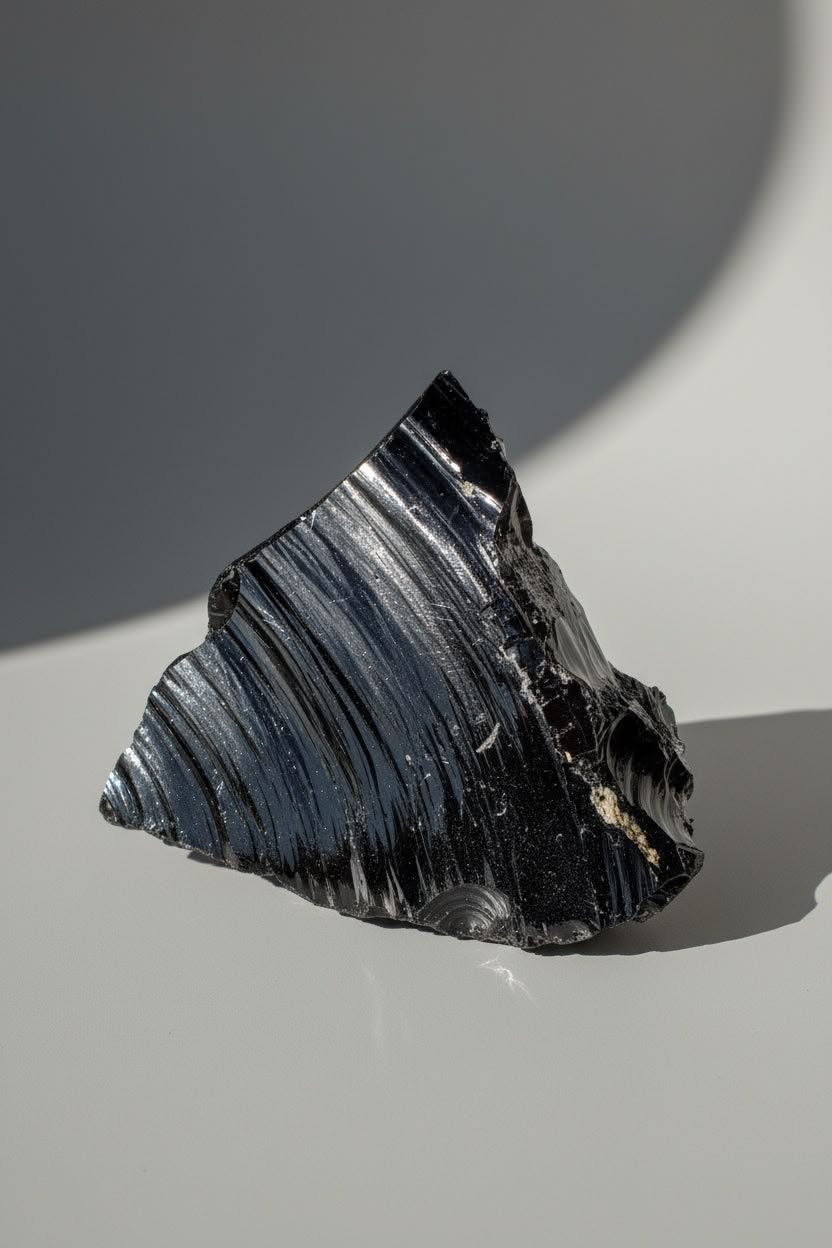
Obsidian is most closely associated with the Root chakra, where it is often used for grounding, protection, and a steadier sense of presence.
Its energy is usually described as direct and clarifying, making it a common choice when a practice needs more stability, boundaries, and practical focus.
Obsidian is primarily linked with the Root chakra, where it is used for grounding, protection, and a more secure sense of stability. It is a strong centre match rather than a subtle one.
Obsidian connects to the Root chakra because its traditional associations centre on grounding, protection, and survival-level steadiness. It is often chosen when a person wants to feel more anchored in the body and less pulled by external pressure.
Its dark, dense appearance and volcanic origin also support its Root correspondence in crystal traditions. The stone is commonly treated as a firm, stabilising presence that encourages practical awareness and clear boundaries.
In chakra work, Obsidian is usually approached as a direct Root stone rather than a gentle all-rounder. It is often paired with softer or more specific crystals when a practice needs additional emotional, energetic, or spiritual nuance.
Obsidian is most often placed near the base of the body, close to the Root chakra. This may include the lower abdomen, hips, pelvis, or feet in meditation and rest practices.
Because it is strongly grounding, it is also commonly held in the hand or placed at the feet when the aim is to feel more settled and anchored.
Root
A bracelet keeps Obsidian close to the lower energy field in a simple, wearable way. It is a practical choice for grounding and protection, especially when a steady Root focus is preferred.
Obsidian can be used alongside other chakras, but it is usually a supporting stone rather than a primary match for them. Its role is often to steady the system so that other centres can be worked with more clearly.
For other chakras, Obsidian is best understood as a grounding companion. It may help a practice feel safer, more contained, and less scattered, especially when emotional intensity or mental noise is present.
When a specific chakra needs focused work, Obsidian is often best paired with a stronger centre-specific stone rather than used on its own.
Obsidian can support the Sacral chakra by helping emotions feel contained and by encouraging a more grounded relationship with desire and change. It is a secondary match here, so it is best paired with a more Sacral-focused stone when creativity, pleasure, or emotional flow needs direct attention.
Obsidian may support the Solar Plexus by reinforcing steadiness, self-control, and clear personal boundaries. It is a soft secondary choice for this centre, and it works best alongside a stone that is more specifically linked with confidence, will, or personal power.
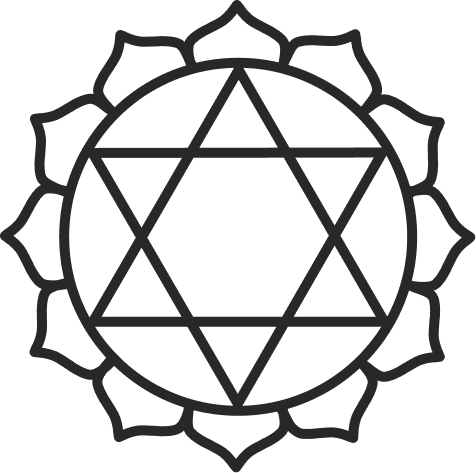
Obsidian can help the Heart chakra by creating a sense of protection and emotional containment, which may be useful when feelings feel exposed or overwhelming. It is not a primary Heart stone, so it is usually paired with a gentler crystal when openness, compassion, or healing is the main focus.
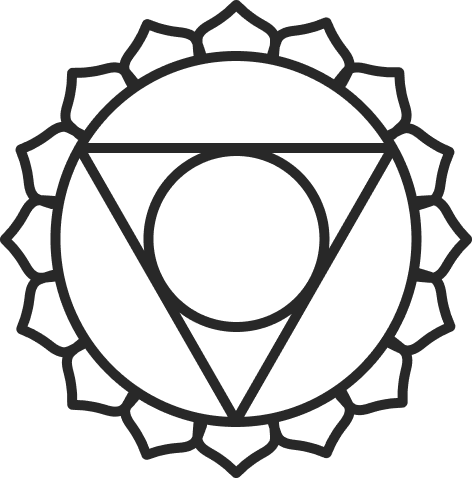
Obsidian may support the Throat chakra by encouraging honest speech and clearer boundaries around what is and is not acceptable. This is a secondary use, and it is often most helpful when combined with a more Throat-specific stone for communication, expression, or confidence in speaking.
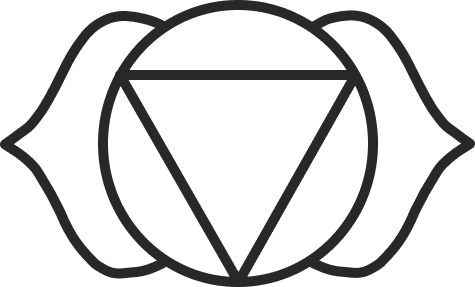
Obsidian can be used with the Third Eye when discernment, inner review, or protection during reflective work is needed. It is a supportive rather than central match, and it is usually best paired with a stronger Third Eye stone if intuition, insight, or vision is the main aim.

Obsidian may help the Crown chakra by keeping spiritual work grounded and less diffuse. It is a secondary companion at this centre, and it is generally more effective when paired with a clearer Crown stone if the focus is on connection, perspective, or higher awareness.
Got questions?
We've got answers!
Obsidian is mainly associated with the Root chakra, where it is used for grounding, protection, and stability.
Yes, but usually as a supporting stone rather than a primary Heart crystal. It is often used to help feelings stay contained and protected.
It is most often placed near the base of the body, such as the lower abdomen, hips, feet, or held in the hand during grounding practices.
It can be used with other chakras, but it is strongest as a Root stone. For other centres, it is usually best paired with a more specific crystal.