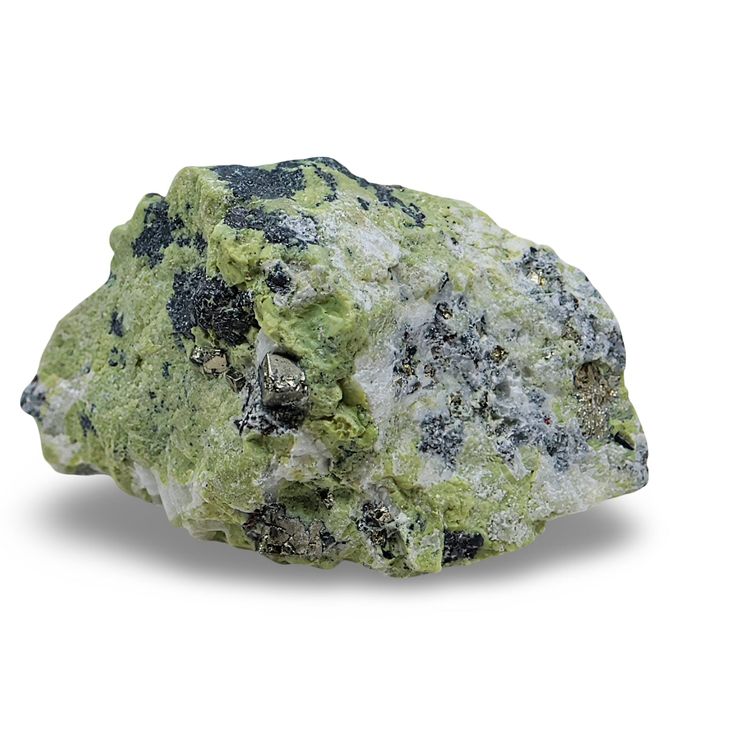
Serpentine Crystal, Benefits and Meanings.
Named from the Latin 'serpens' (snake) for its mottled, skin-like appearance; long linked with protection, renewal, and grounding.
Metaphysical & Spiritual
Serpentine has a calm, steady feel. It is linked with protection and renewal, like clearing out what has gone stale and making space for a fresh start. This stone also leans toward emotional balance, especially when feelings run hot or scattered. Better for a softer response than a fast one. Serpentine sits best in heart-led themes. It points to self-respect, gentle boundaries, and coming back to what feels simple and real.
Planet

Mercury
Mercury moves fast through words and ideas, and Serpentine brings a calmer tone to that pace. It suits clearer thinking and cleaner motives when communication is flying.
Element
Earth
Earth is solid, practical, and dependable. Serpentine matches that grounded feel, with a quiet sense of stability and protection in everyday reality.

Crystal Pairings
Serpentine pairs well with stones that keep things simple and centered. It suits combinations that support steady growth, clearer choices, and a sense of being protected while staying open-hearted.
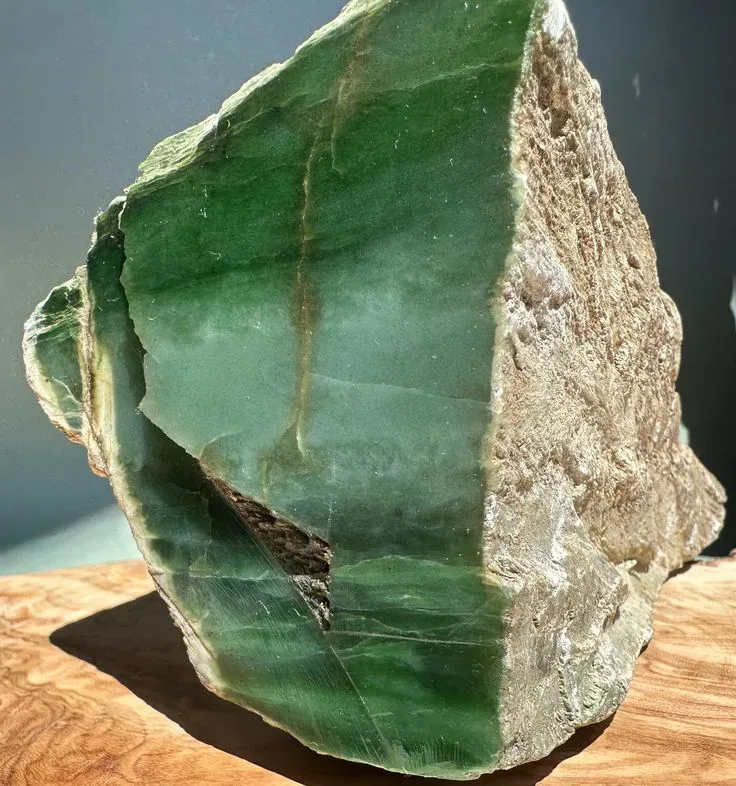
Jade
Jade and Serpentine share a gentle, grounded feel, but they lean in slightly different directions. Serpentine feels protective and resetting. Jade brings harmony and steady patience. Together it stays warm and even, supportive without pushing.
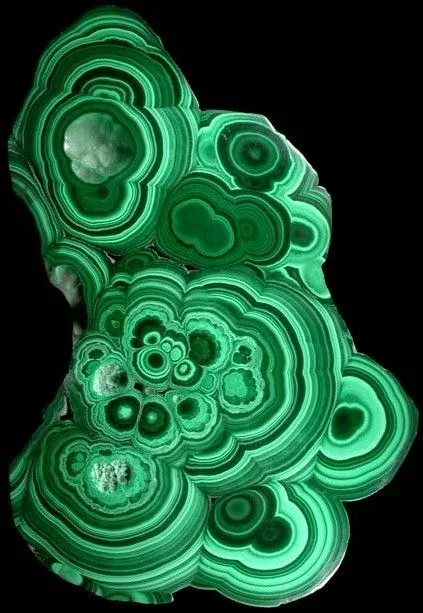
Malachite
Malachite brings a direct, truth-forward edge to Serpentine's softer protective feel. Serpentine keeps the tone contained and steady, and Malachite adds movement and emotional honesty. The pairing reads as change with a stable base, strong but not sharp.
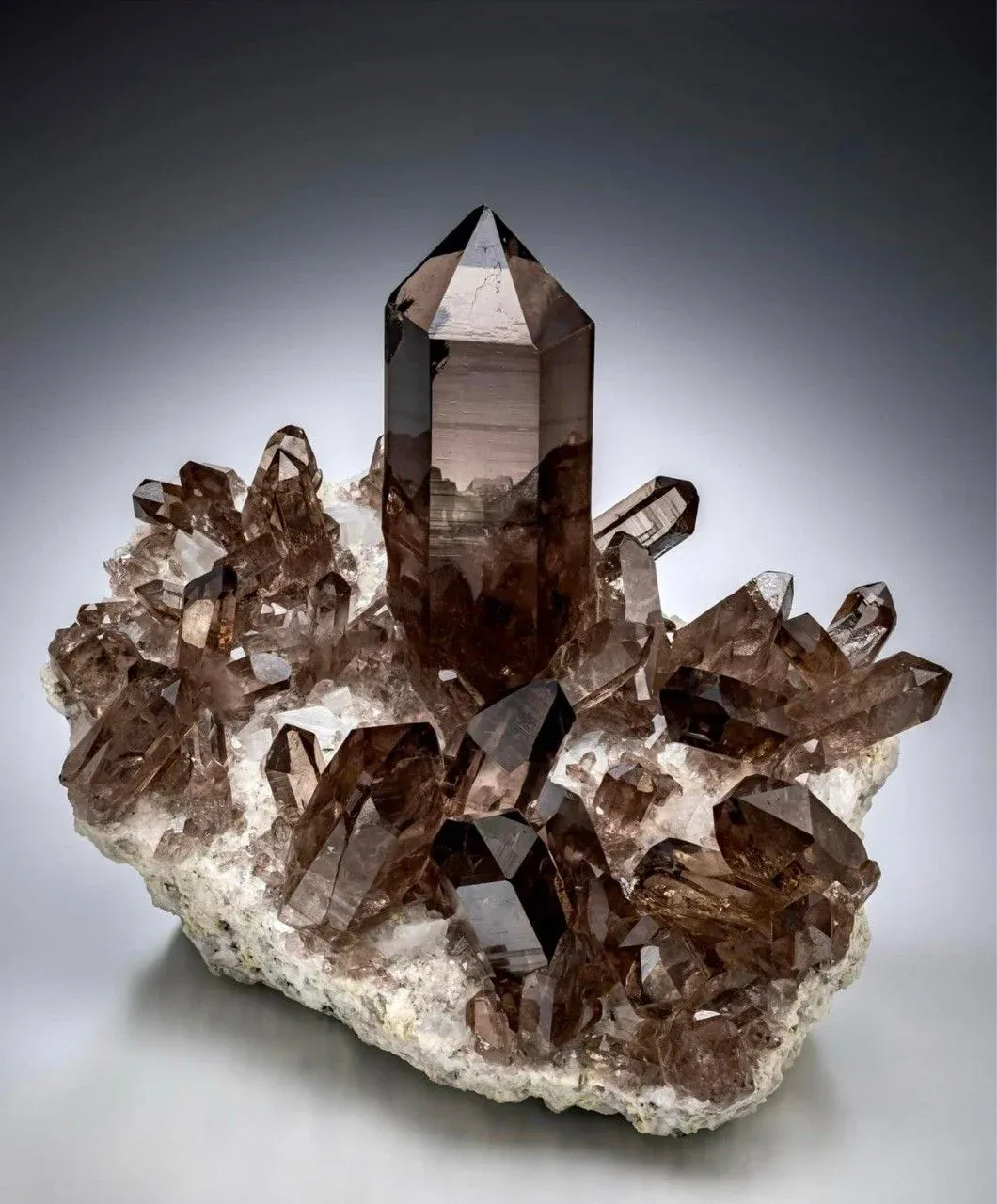
Smoky Quartz
Smoky Quartz gives Serpentine a clean, grounded backbone. Serpentine stays renewing and heart-leaning, while Smoky Quartz adds calm, practical clarity that cuts through noise. Together it feels steady under pressure, with less spin and more sense.
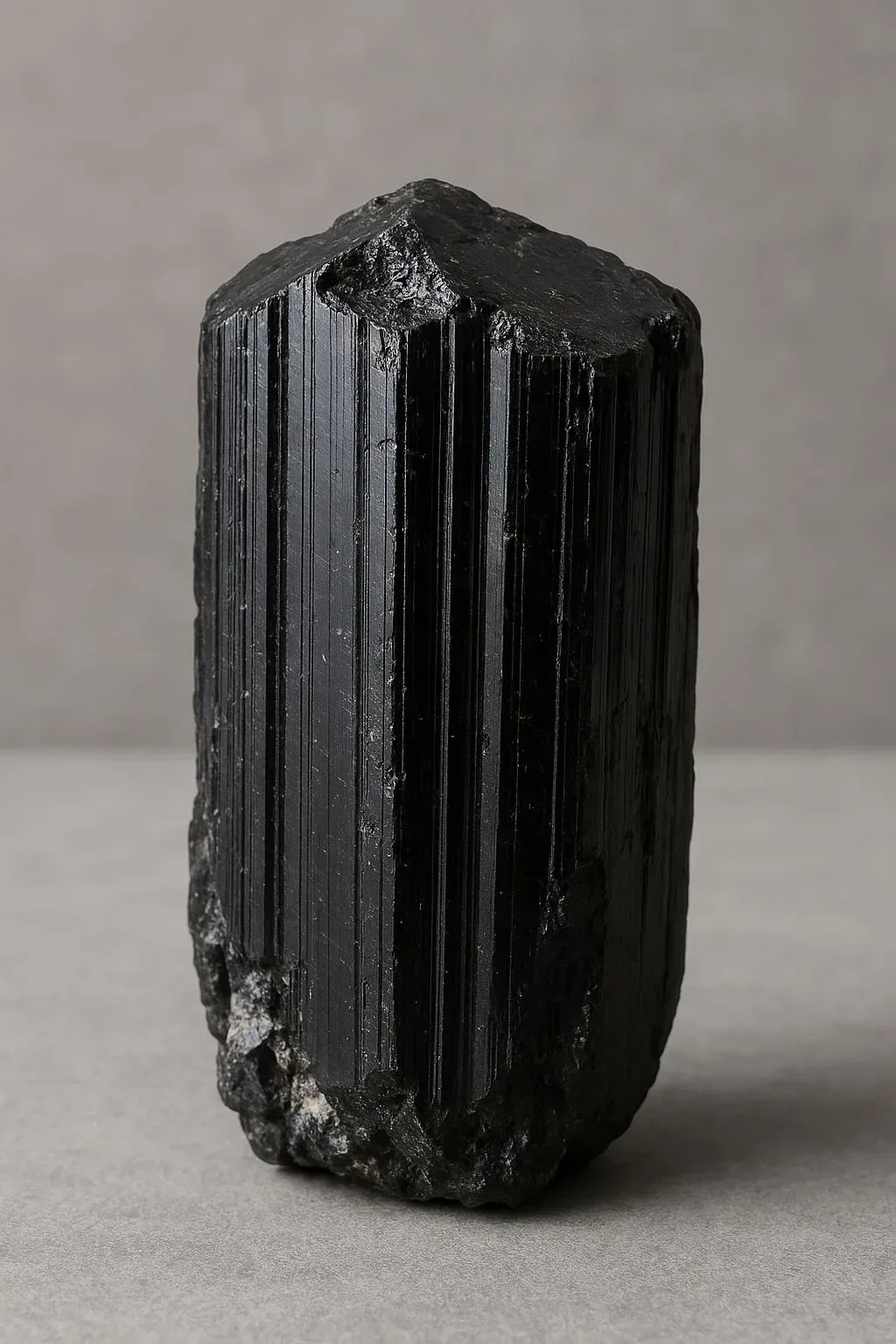
Black Tourmaline
Black Tourmaline and Serpentine make a firm protection pairing with different textures. Black Tourmaline feels strict and boundary-led. Serpentine keeps it more restorative and gentle. Combined, it reads as strong shielding that still leaves room for softness.
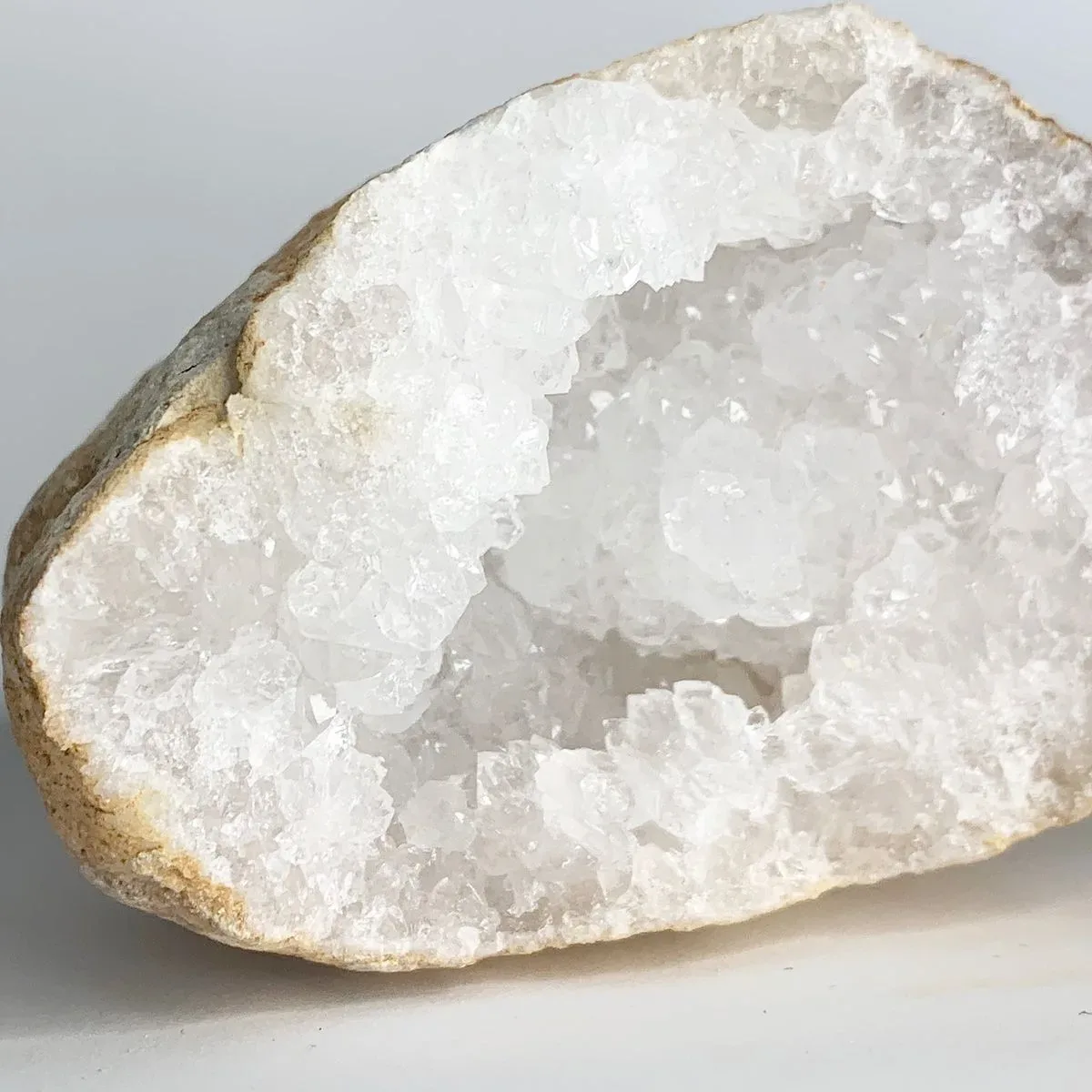
Clear Quartz
Clear Quartz brings brightness and clean definition to Serpentine's earthy, renewing feel. Serpentine sets a steady baseline, and Clear Quartz sharpens focus and adds a sense of order. Simple. Clear. Like the air after it settles.
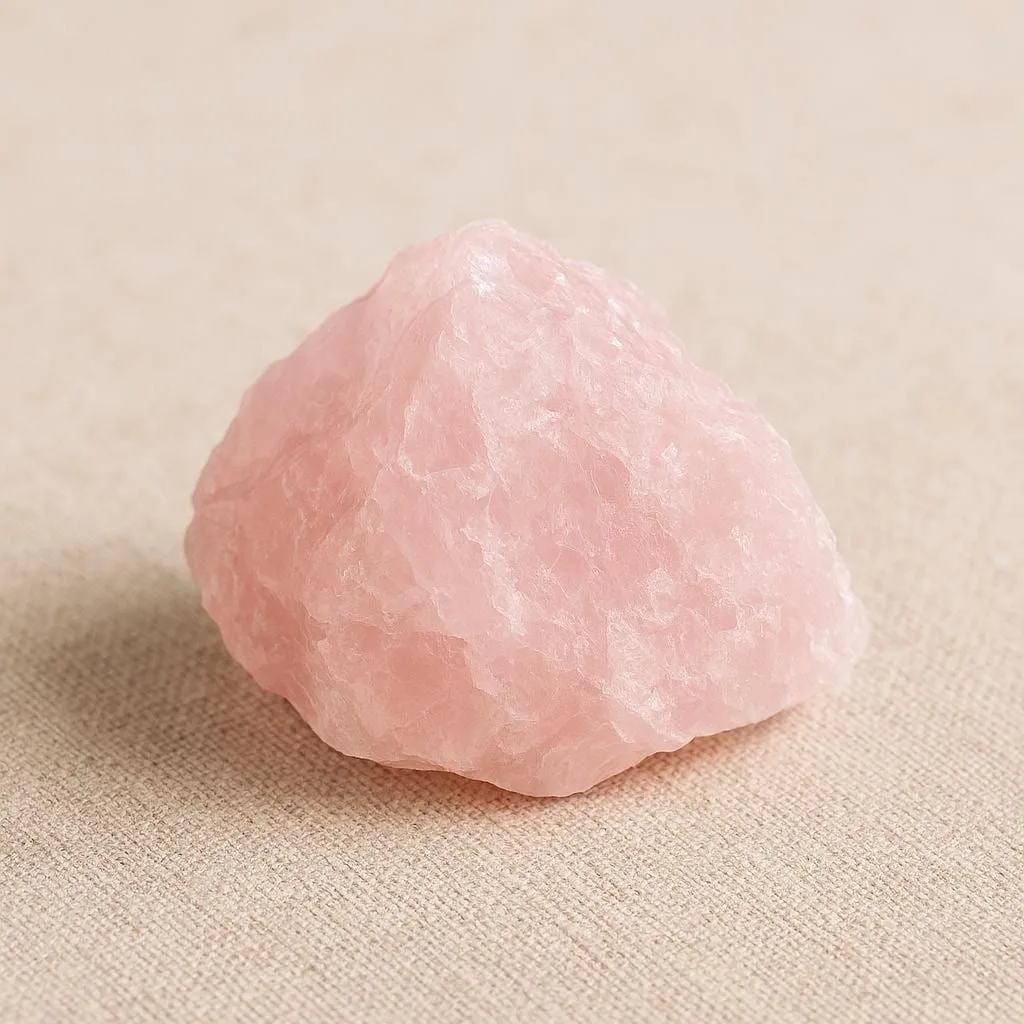
Rose Quartz
Rose Quartz opens Serpentine into a more tender, heart-centered pairing. Serpentine adds protective steadiness, Rose Quartz brings softness and ease. Together it suggests care with clear edges, kind without being porous.
Healing
Serpentine suits days when feelings feel knotted or heavy. It helps slow attention, so reactions soften and self-talk stays kinder. Boundaries feel clearer, more like a simple line than a wall.
It also fits transitions, when an old habit is dropping away and a new routine is still shaky. Keep it as a quiet cue to breathe, name what matters, and stop carrying the rest.
Affirmations
Use these when the day feels busy or emotionally loud. Keep the words simple, and repeat one line until it feels believable.
Try pairing an affirmation with one small action, like sending a kind message, saying no, or taking a short pause before replying.
- My heart feels safe and steady.
- I let go of what is not mine to carry.
- I choose calm, clear boundaries.
- I meet change with patience and care.
- I return to myself, one breath at a time.
Intention Setting
Intentions work best when they sound like a direction, not a demand. Pick one focus for the day and keep it practical.
Serpentine suits intentions around renewal, emotional balance, and staying grounded while plans shift.
- Set a gentle boundary and keep it.
- Release one old pattern with kindness.
- Stay present during change.
- Respond with care, not urgency.
- Choose what supports the heart.
Manifesting
This is a good stone for slow, steady goals. Focus on what can be done consistently, not perfectly.
Keep manifestations tied to real choices, like habits, communication, and the environments being created.
- A calmer home and a clearer mind.
- Healthy boundaries that feel natural.
- Supportive relationships with honest communication.
- Confidence to move on from the past.
- Steady progress through a change in life.
Jewelry
Serpentine jewelry works for everyday wear when a quiet reminder beats a big moment. Pick a piece that matches natural movement, hands, ears, or chest, so it gets noticed without effort. Simple settings suit its earthy greens and shifting, mottled pattern.
General benefits: Wearing Serpentine keeps a steady, heart-led note close all day. It nudges a pause before replying, softens inner criticism, and helps hold a boundary without getting sharp. A quick touch or glance can bring attention back when things get busy.
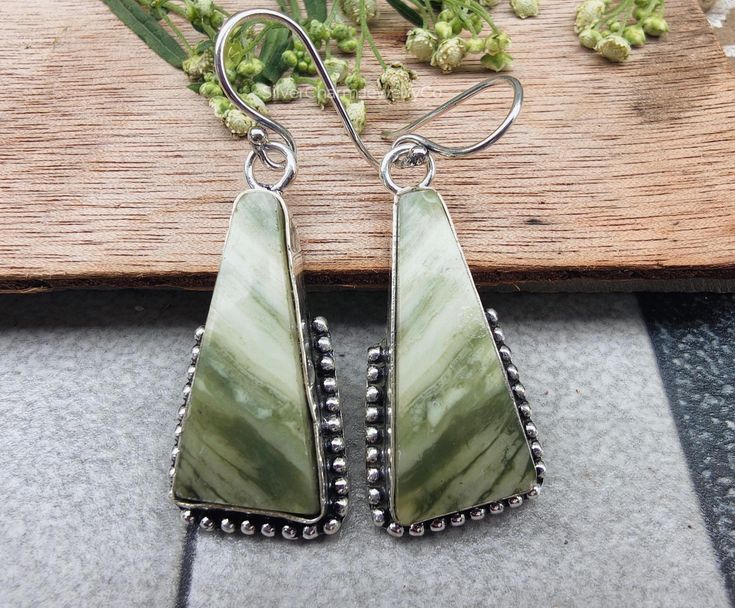
Earrings
Serpentine earrings keep the stone close to the senses. Handy on talk-heavy days, when tone matters and decisions come fast. They feel light, but still steady, and the soft green look helps the whole vibe stay calm and grounded.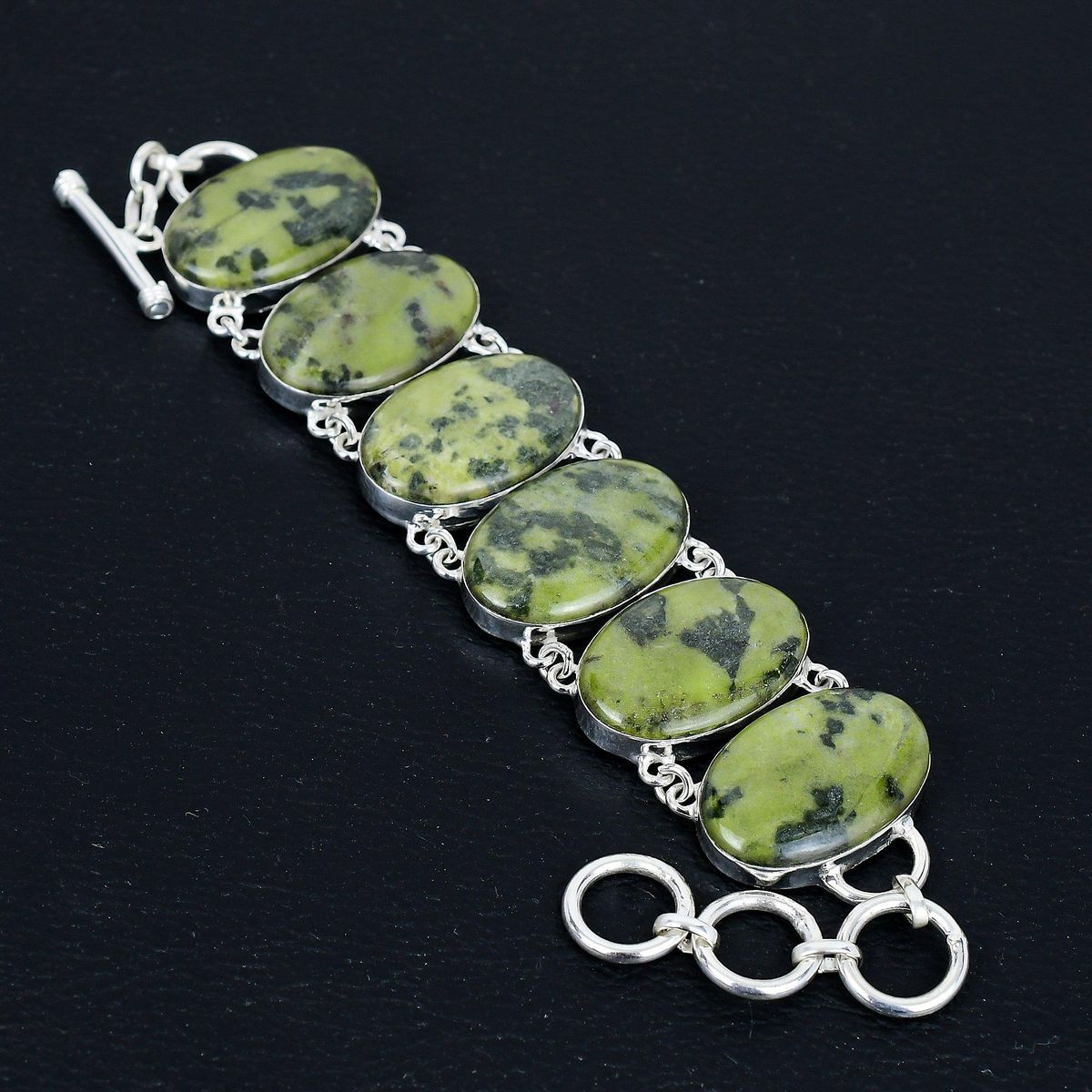
Bracelet
A Serpentine bracelet is hard to miss while typing, reaching, or holding a phone. That repeat sightline can prompt a quick reset before agreeing, explaining, or reacting. It stacks easily with other wrist pieces, and the pattern stays interesting up close.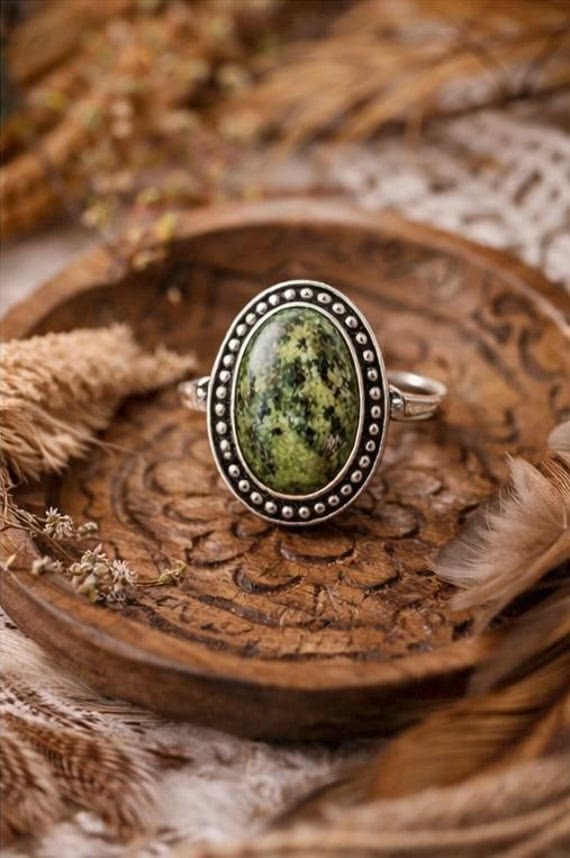
Ring
A Serpentine ring keeps the stone in view, which helps with follow-through. Good for moments that tempt over-committing or over-sharing. Fidgeting with the band or setting can become a simple cue to slow down and choose a cleaner response.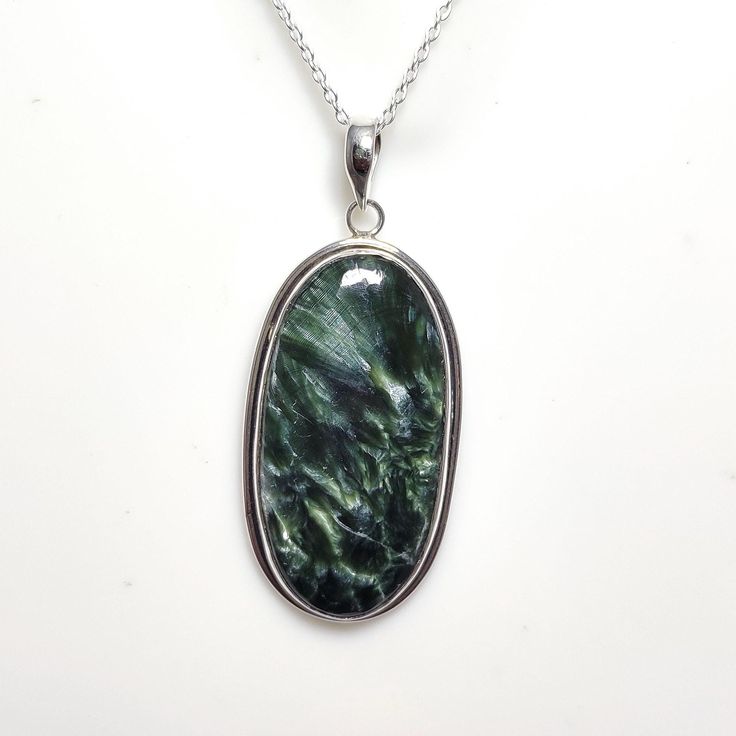
Necklace
A Serpentine necklace sits near the heart area, matching its calm, self-respecting theme. It can feel steady during tender chats or while confidence rebuilds after change. Short chains feel more direct, longer lengths feel softer and less insistent.Forms
Serpentine often shows swirls and mottling that look organic and alive. Each form puts that pattern in a new frame, changing what stands out first and how the stone reads at a glance.
Rough
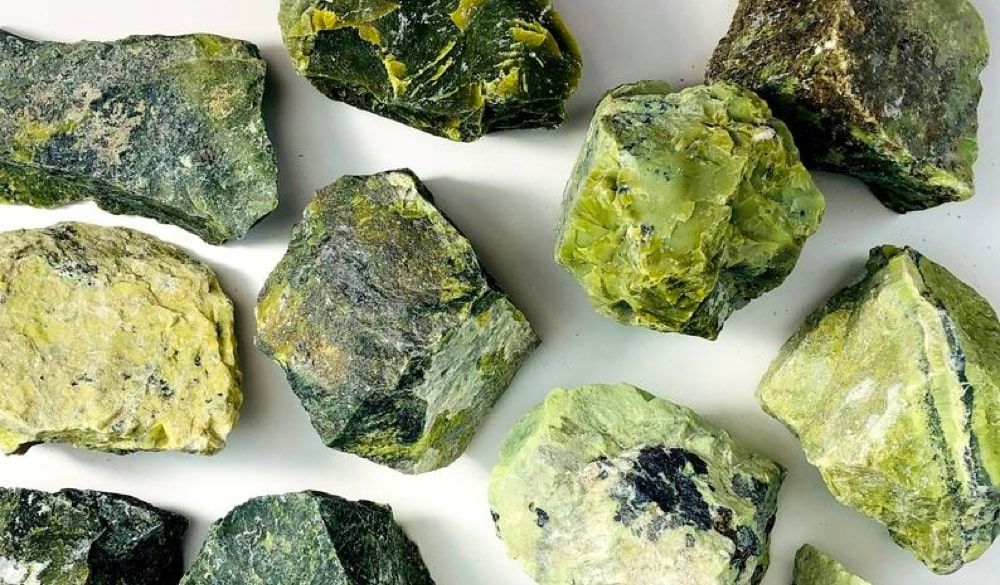
Rough Serpentine feels earthy and direct. The uneven edges and raw texture give it a freshly-found look, with patterns that seem wilder and less controlled. It carries a strong shed-and-renew character without needing polish to make its point.
Point / Tower
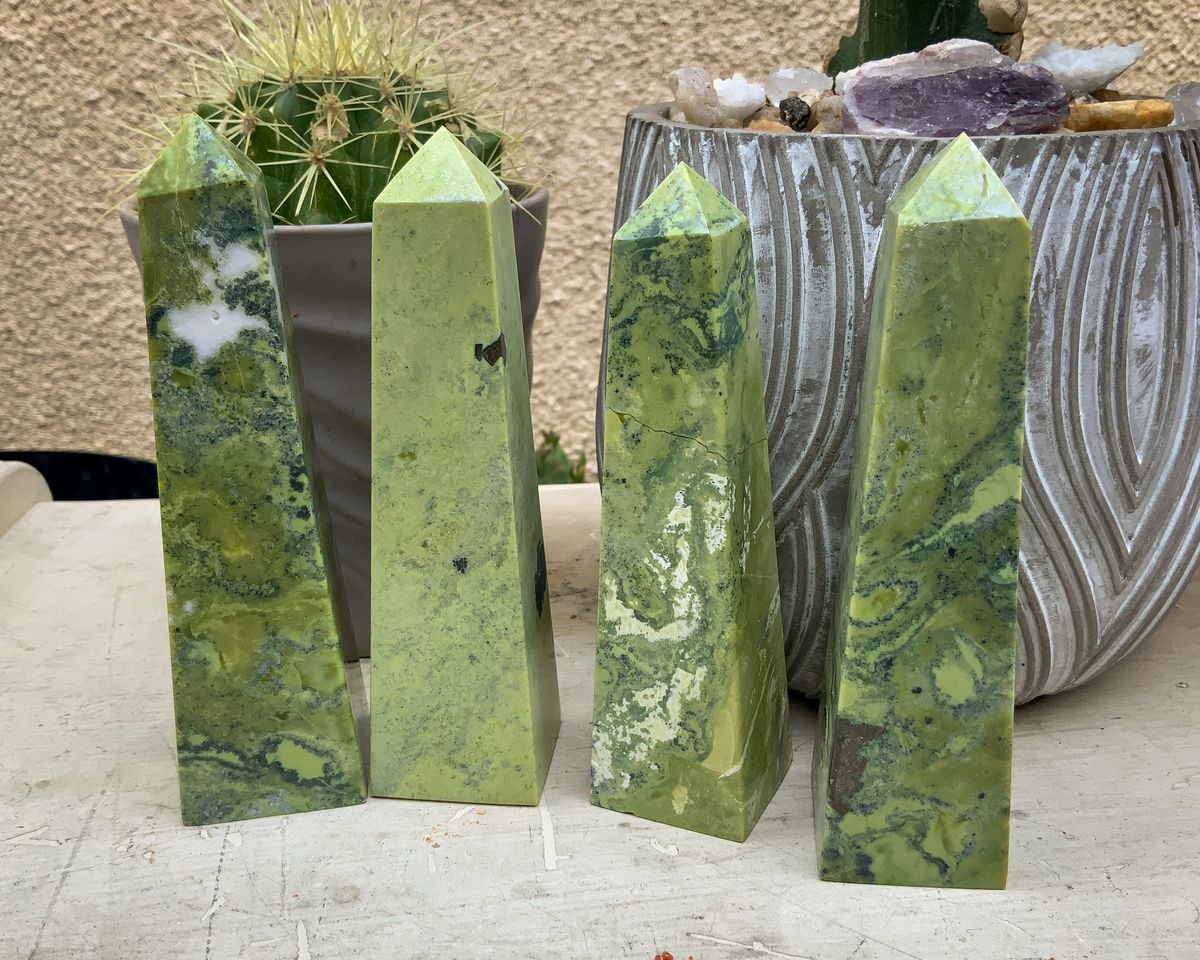
A Serpentine point or tower looks focused and deliberate. Straight lines make the green mottling feel more graphic, with contrast that pops. It reads structured, like the stone's natural swirl has been pulled into a clear, single direction.
Sphere
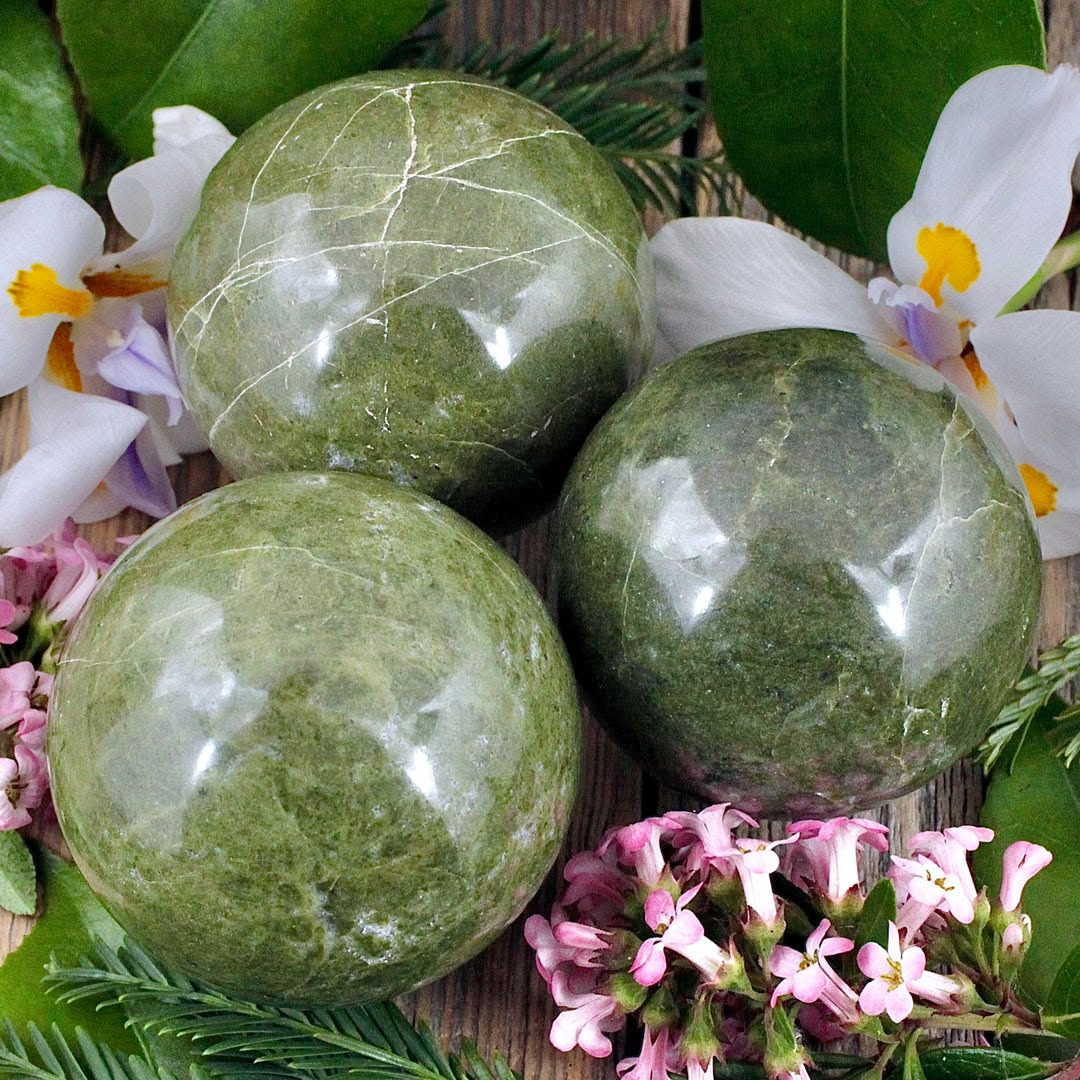
A Serpentine sphere feels even and complete. The swirls wrap around the whole surface, so the pattern looks continuous instead of broken up. It comes across as soothing and balanced, with a steady presence that does not push for attention.
Palm Stone
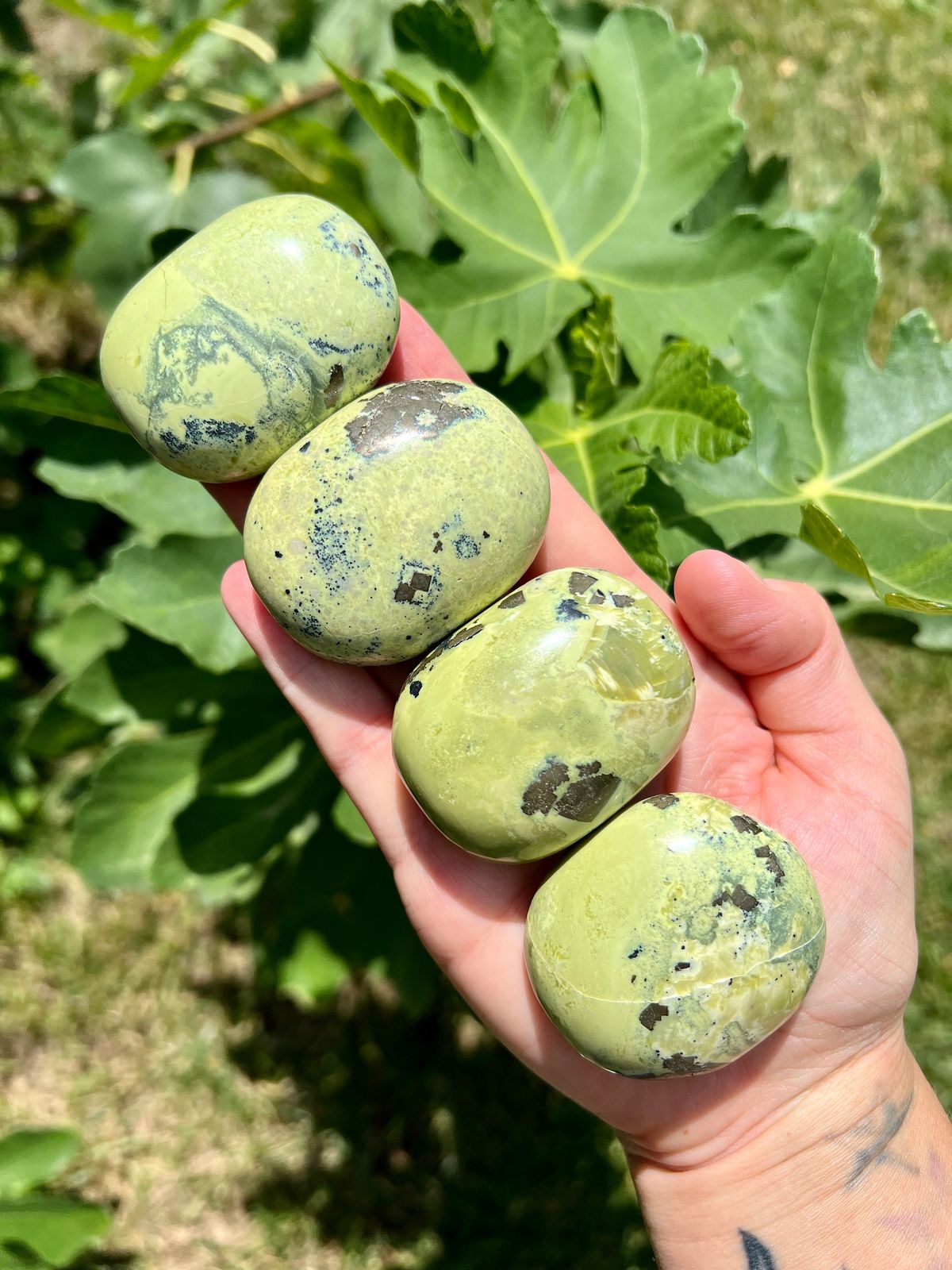
A Serpentine palm stone feels smooth and reassuring. The polish brings out a soft, waxy shine and makes color shifts look calm and blended. It has quiet strength, steady and unshowy, with a look that stays gentle even up close.
Tumble Stone
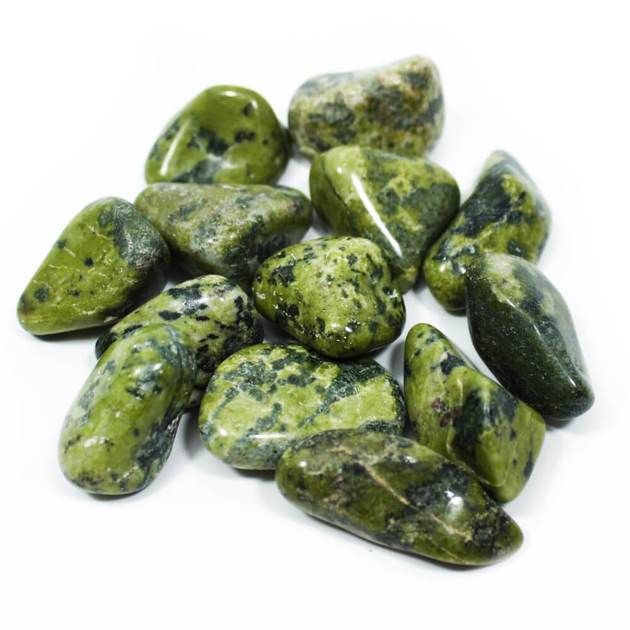
A tumbled Serpentine has a simple, friendly look. Rounded edges and polish show off the markings without making it feel formal. It reads easy-going and adaptable, with enough pattern to stay distinctive even as a small, everyday piece.
Figure
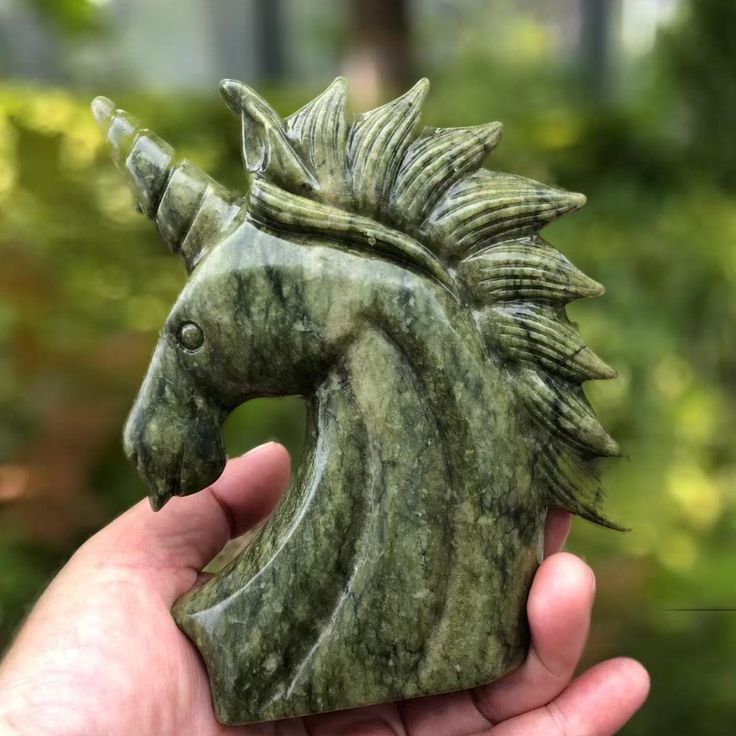
A Serpentine figure leans into the stone's snake-and-renewal feel. Carving adds personality, watchful but not harsh. The mottled greens give each piece its own character, with little shifts and swirls that change the expression from angle to angle.
Heart
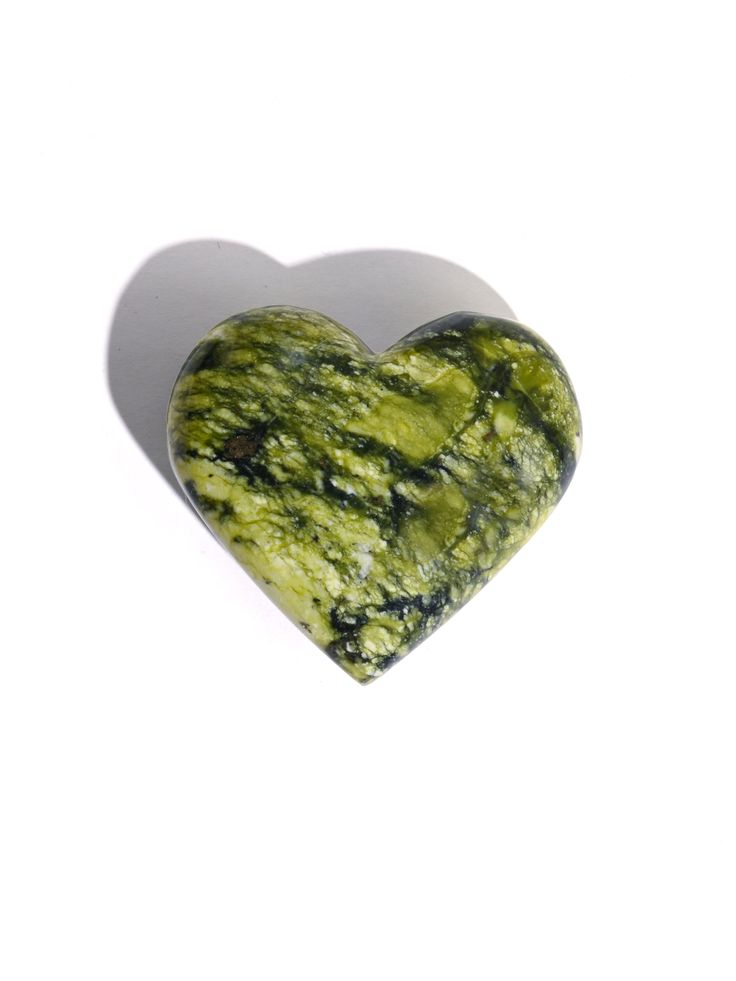
A Serpentine heart form brings warmth without turning sentimental. Green tones keep it grounded, and the soft polish adds a caring look. It suits themes of self-respect and steady affection, more about consistency than big emotional highs.
Cleansing & Charging
Serpentine is relatively soft, so keep cleansing gentle. Avoid salt water, harsh chemicals, and long soaks. A soft cloth is often enough after handling, especially if the stone has a waxy polish that can pick up oils.
How to cleanse Serpentine
- Wipe with a dry or slightly damp soft cloth, then pat dry.
- Use smoke cleansing if that fits the space, keep it brief.
- Sound cleansing works well and avoids contact with water.
- Rest it on a dry bed of rice or a clean cloth overnight.
How to charge Serpentine
- Place it in morning light for a short time, avoid strong midday sun.
- Charge beside Clear Quartz for a clean, simple reset.
- Set it on natural earth or a plant pot for a grounded feel.
Where to Use
Pick one area and keep the intention specific. Serpentine tends to work best as a steady background note rather than a dramatic centrepiece.
Bedroom
Supports winding down and letting the day go. Helpful when the mind keeps replaying conversations or worries, and a softer emotional tone is needed before sleep.
Meditation space
Encourages a grounded, heart-led focus. Useful for checking in with feelings without getting pulled into them, and for returning to a simple, steady rhythm.
Entryway
Sets a clear boundary between outside stress and home life. A good choice for arriving with a calmer mood and leaving behind what does not need to follow inside.
Office / study
Helps with measured communication and steady concentration. Useful during busy schedules, difficult emails, or shifting priorities, when it matters to stay clear and not reactive.
Science
Physical properties
- Mineral class
- Serpentine
- Color
- Green to yellow-green, sometimes brown or black
- Hardness
- 2.5 - 4
- Density
- ~2.5 - 2.6 g/cm3
- Durability
- Low to moderate
- Thermal stability
- Moderate
Optical properties
- Transparency
- Opaque to translucent
- Lustre
- Greasy to waxy
- Refraction index
- ~1.56 - 1.57
Chemical composition
- Class
- Silicate
- Formula
- Mg3Si2O5(OH)4
- Group
- Serpentine
- Magnetic
- Non-magnetic
Formation
Serpentine forms when ultramafic rocks such as peridotite and dunite react with water-rich fluids. Magnesium-rich minerals hydrate and alter, and serpentine-group minerals grow in their place. Magnetite may also form as part of the same change. A steady supply of fluid helps the reaction keep going.
This alteration turns up where mantle or oceanic crust rocks are fractured and fluids can circulate, including mid-ocean ridges, subduction zones, and major fault systems. Serpentine can be massive and fine-grained, or show slick, polished surfaces on shear zones. It can also grow as fibrous to vein-like material that fills cracks. With time, repeated fluid flow and deformation can blend textures, and some material ends up suitable for carving and ornamental stone.
Locations
- China
- Russia
- Canada
- United States
- Italy
- New Zealand
- Afghanistan
History
Name and early recognition
Ancient
The name "serpentine" comes from the Latin "serpens" (snake). It refers to the stone's mottled, skin-like surface, a look that was noticed early wherever the rock was worked or traded.
Protective folklore and symbolic use
Antiquity to medieval period
Serpentine turns up in protective folklore, especially where green stones were linked with safety and renewal. Stories differ by region, and many are hard to tie to one clear, dated source.
Ornamental stone in buildings and objects
Medieval to early modern period
Serpentine was used for carvings, decorative panels, and architectural details. It is softer than many gemstones, so it is easier to shape and polish. It can also scratch or wear with use.
Geology and the term "serpentinization"
19th century
As geology developed, serpentine became linked with altered ultramafic rocks. The formation process is commonly called "serpentinization", which ties the stone to a clear geological setting.
Modern lapidary, collecting, and wellness culture
20th to 21st century
Serpentine is still common in carving stone, jewelry, and mineral collections. In serpentine and wellness spaces it is often chosen for grounding, protection, and emotional balance. That reflects modern practice, not one single historical tradition.
Got questions?
We've got answers!
FAQ's
What is Serpentine used for?
+×
Serpentine is often used as a supportive stone for feeling more settled and centered, especially when life feels busy or changeable.
It is also a common pick for protection-focused routines and for encouraging emotional balance. A bit of a reset.
Keep it nearby during meditation, place it by the front door, or use it as a reminder to ease back into better habits.
Which zodiac signs are connected to Serpentine?
+×
Serpentine is linked with Gemini.
It is also associated with Mercury. That lines up with Gemini themes like learning, communication, and staying flexible without feeling scattered.
What chakras does Serpentine activate?
+×
Serpentine is most closely connected with the Heart chakra.
It is often used for heart-led balance, softening tension, noticing feelings without getting stuck in them, and keeping boundaries kind but clear.
Can Serpentine help with stress and sleep?
+×
Serpentine is often used as a calming presence in a wind-down routine, handy when stress makes it hard to switch off.
It is not a medical treatment. More like a cue for rest.
Try it on a bedside table, hold it during slow breathing, or pair it with a simple routine like dim lights and no screens for the last part of the evening.